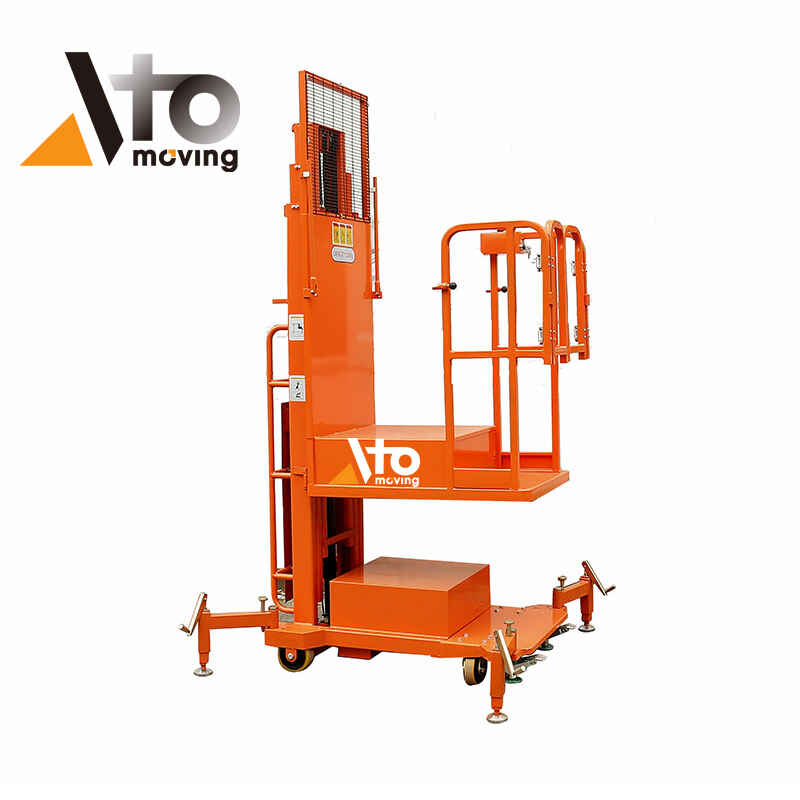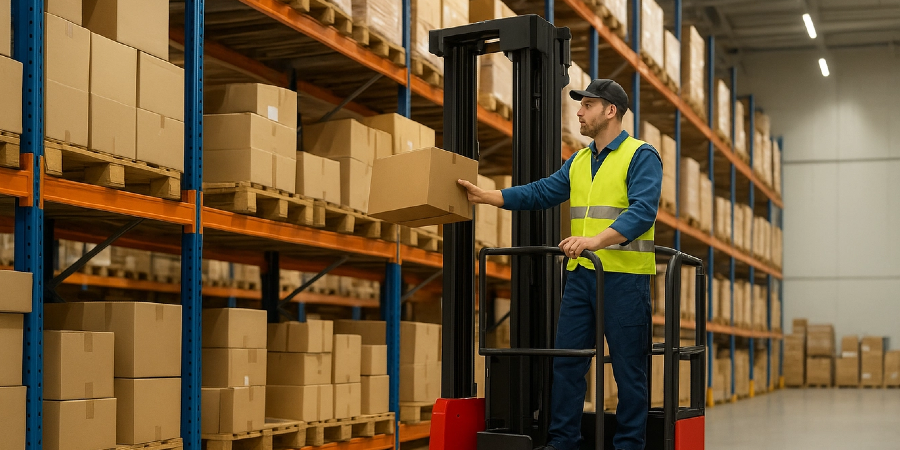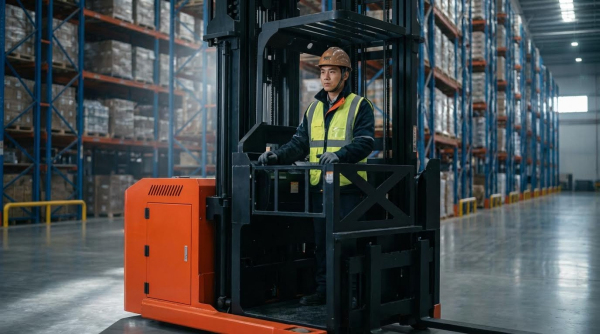
Inside most warehouses, “cherry picker” can mean several very different machines, from simple stock pickers to high‑reach warehouse order picker and task-support vehicles. This article breaks down whether are all cherry picker machines the same in the warehouse by looking at their engineering design, safety systems, and performance in real layouts. You will see how factors like mast design, batteries, controls, and aisle width change what a picker can safely and efficiently do. Use this comparison to align equipment specs with your racking height, load profile, and total cost of ownership targets.
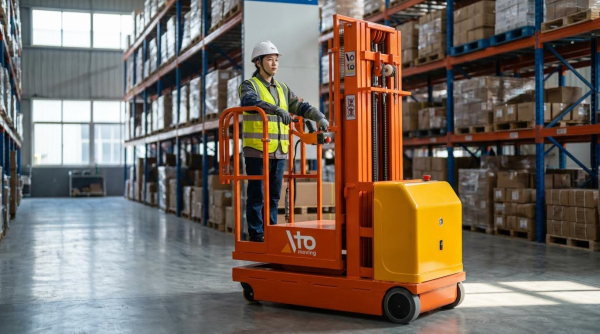
What “Cherry Pickers” Mean Inside The Warehouse
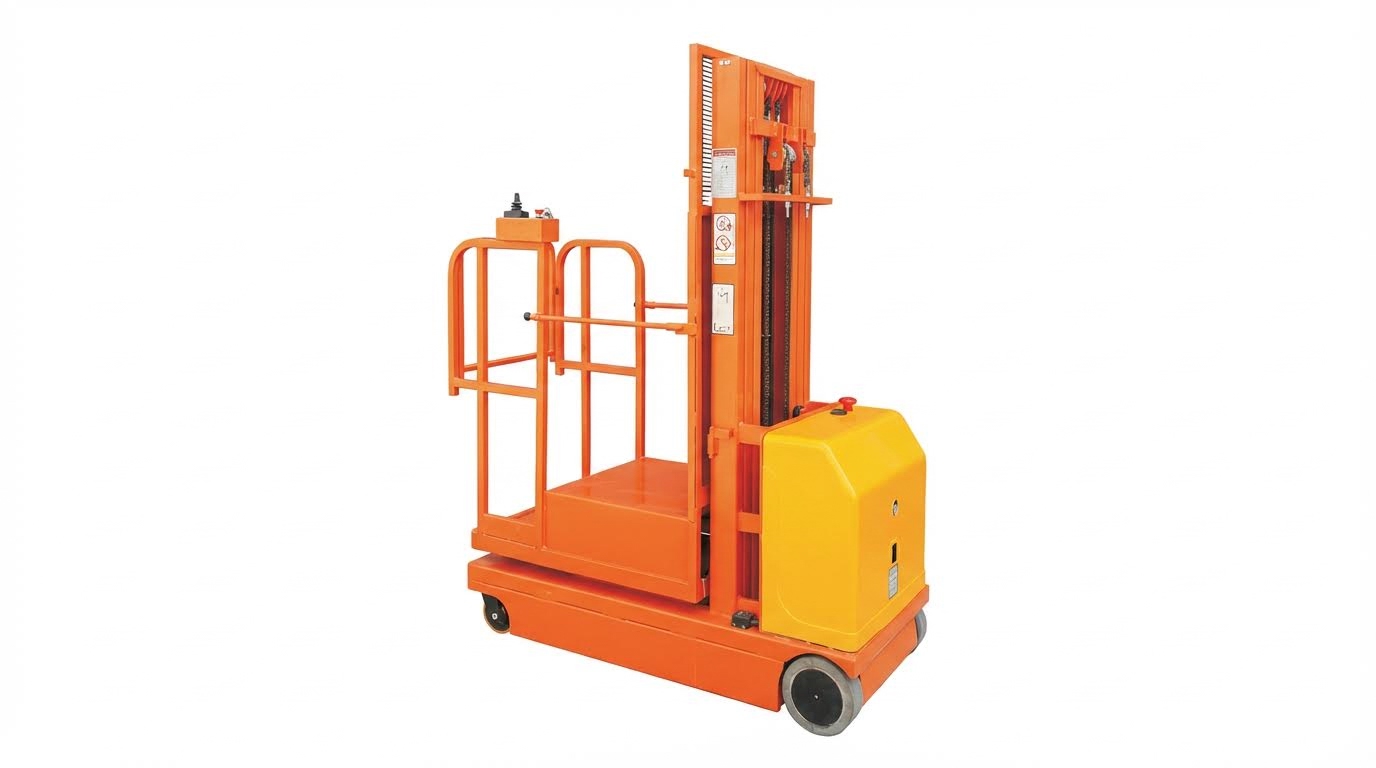
Defining order pickers vs other lift types
Inside a warehouse, “cherry picker” usually means a ride-on warehouse order picker, not every type of powered lift. An order picker elevates the operator with the load so they can pick individual cases or eaches directly from racking, often in narrow aisles up to about 20–32 ft high. Pallet jacks, walkie stackers, reach trucks and standard forklifts are mainly pallet movers, with typical capacities from roughly 2,000 to over 20,000 lb and operators staying at floor level. In contrast, order picking machines trade raw capacity for vertical access and maneuverability, with typical capacities from a few hundred pounds up to about 3,000 lb and a platform sized for one person plus a limited load. All of these machines require formal operator training and certification to meet OSHA rules, which is a key part of any answer to “are all cherry picker machines the same in the warehouse” from a safety and compliance standpoint.
Core design features of warehouse cherry pickers
Semi electric order picker share several core engineering features that distinguish them from other lift types. The chassis and mast are optimized for narrow-aisle stability, combining a compact footprint with a high, rigid mast that can lift an operator platform to heights around 15–20 ft in many models, and up to about 32 ft for higher-capacity units. The operator stands on an enclosed or guarded platform with anti-slip flooring, integrated controls, and usually a small load deck or pallet position in front. Modern designs increasingly use AC electric drive and lift motors with regenerative braking to improve energy efficiency and extend battery life, reducing downtime and maintenance needs over the truck’s duty cycle. Ergonomic controls, good visibility, automatic speed reduction in turns, and advanced load stability and auto-braking systems are now common safety and productivity features on many order pickers. These shared design elements explain why operators call them all “cherry pickers,” but the detailed specs and safety systems vary by model, which is why engineering teams should never assume all cherry picker machines are the same in the warehouse..
Key Engineering Differences That Really Matter
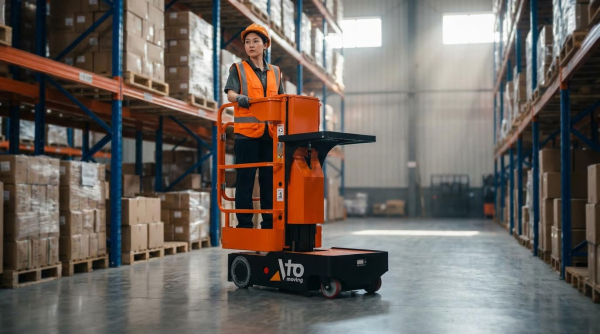
Mast, platform and stability design
Inside the warehouse, the question “are all cherry picker machines the same in the warehouse” really comes down to mast geometry, platform layout, and stability controls. Order pickers typically lift the operator up to 20–32 ft to reach individual items, with capacities from a few hundred pounds up to about 3,000 lb in narrow-aisle applications. At these heights, small differences in mast design (single, duplex, or triplex, with or without free lift) and rail profiles change deflection, sway, and operator confidence. Platform engineering also varies: some machines prioritize a larger usable deck and pallet clamp, while others focus on compact footprint for very narrow aisles, adding features such as weight‑activated presence pedals, automatic gate interlocks, and anti‑slip flooring to keep the operator secured at height with integrated safety and control features. Stability is managed not only by wheelbase and outrigger design but also by electronic systems that limit travel speed and acceleration when the platform is elevated, reducing tip‑risk during tight turns or uneven loading. Advanced models add sensors to monitor mast height and load and automatically adjust speed or braking, further differentiating one warehouse cherry picker from another in real‑world safety margins through active stability systems.
Powertrain, batteries and duty-cycle performance
Under the floor, cherry pickers in the same facility can behave very differently depending on the powertrain and battery package. Many modern order pickers use AC electric drive and lift motors, which provide higher efficiency, smoother acceleration, and regenerative braking that feeds energy back into the battery during deceleration and lowering to extend runtime and reduce maintenance. Battery chemistry is another key differentiator: traditional lead‑acid packs support full‑shift operation but require watering, longer charge times, and equalize cycles, while lithium‑ion options deliver faster charging (often in under 4 hours) with opportunity charging during breaks and minimal maintenance to increase uptime in high‑intensity operations. Integrated battery management systems and digital displays allow supervisors to track state of charge, fault codes, and usage patterns, which helps match each machine’s duty cycle to the shift structure and picking profile using real‑time monitoring and diagnostics. For a warehouse asking whether all cherry picker machines are the same, these drivetrain and energy‑storage choices directly affect travel speed under load, lift/lower cycle times, and how many hours of productive picking you get before the truck must leave the aisle for charging.
Safety, ergonomics and control systems
From an engineering standpoint, safety and ergonomics are where many warehouse cherry pickers separate into different classes. Typical features now include guardrails, anti‑slip platforms, emergency‑stop buttons, and automatic speed reduction when the platform is raised, but higher‑spec machines add obstacle detection, automatic cornering speed control, and advanced load‑stability systems to reduce tip and collision risks through active safety electronics. Ergonomic design also varies: some order picking machines offer spacious operator compartments, cushioned anti‑fatigue flooring, and height‑adjustable or multi‑function control handles that reduce strain over long shifts to improve comfort and visibility. Control systems increasingly integrate digital diagnostics, access control via PIN or card, and IoT connectivity so that fleet managers can enforce speed limits, restrict unauthorized use, and schedule maintenance based on actual operating hours using connected control and monitoring. When you combine these features with mandatory operator training and PPE requirements for elevated work platforms set out in safety guidance and regulations, it becomes clear that not all cherry picker machines are the same in the warehouse; their engineering choices drive very different risk profiles, operator productivity, and compliance outcomes.
Matching Cherry Pickers To Layout And Use Case
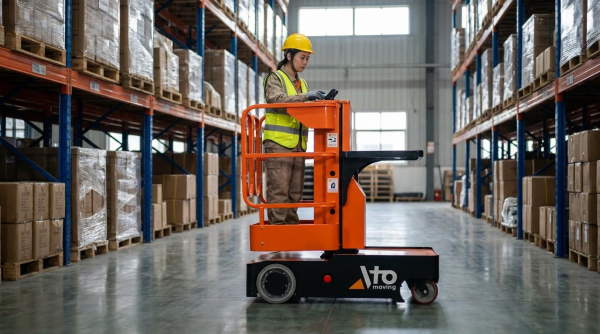
Aisle width, racking height and load profile
Warehouse layout is the first hard filter when you ask whether are all cherry picker machines the same in the warehouse. Narrow-aisle environments demand equipment that can safely work in tighter clearances without sacrificing lift height. For example, some warehouse order picker are designed specifically for narrow aisles and can reach up to 32 ft, while handling several hundred pounds up to about 3,000 lb in typical warehouse applications. Other task-support vehicles top out closer to 10 ft with total capacities around 700–750 lb, prioritizing mobility over height in light-duty picking roles.
- Aisle width: Some stock pickers are engineered to operate in very narrow aisles, while others need wider cross-aisles to turn and stage loads based on general layout guidance. You must match truck turning radius and stability envelope to your rack spacing.
- Racking height: The machine’s maximum lift height has to at least meet, and preferably exceed, the top beam level. Guidance for stock pickers is to select equipment whose rated lift height aligns with the highest storage position to avoid unsafe “stretching” at the top.
- Load profile: If you handle heavy pallets, you need higher capacity and a larger, more stable platform; lighter carton or piece picking allows smaller platforms and lower capacities. Typical order picking machines are sized for a few hundred pounds up to about 3,000 lb, whereas some compact task-support vehicles are optimized for sub‑1,000 lb loads in mixed-use facilities.
Layout and racking system implications
Different racking systems also influence the right cherry picker choice. High-density systems like drive-in or pushback racking trade selectivity for storage density and are better served by pallet-handling trucks rather than man-up order pickers in bulk storage operations. Selective and shuttle-based systems with high pick frequency benefit more from man-up order pickers that can access multiple levels quickly.
| Design Driver | Typical Requirement | Engineering Impact |
|---|---|---|
| Aisle width | Narrow vs wide aisles | Determines truck type, chassis width, and turning radius |
| Racking height | Top beam elevation | Sets minimum mast height and stability requirements |
| Load profile | Weight and size of picks | Defines capacity, platform size, and guardrail design |
TCO, maintenance strategy and fleet standardization
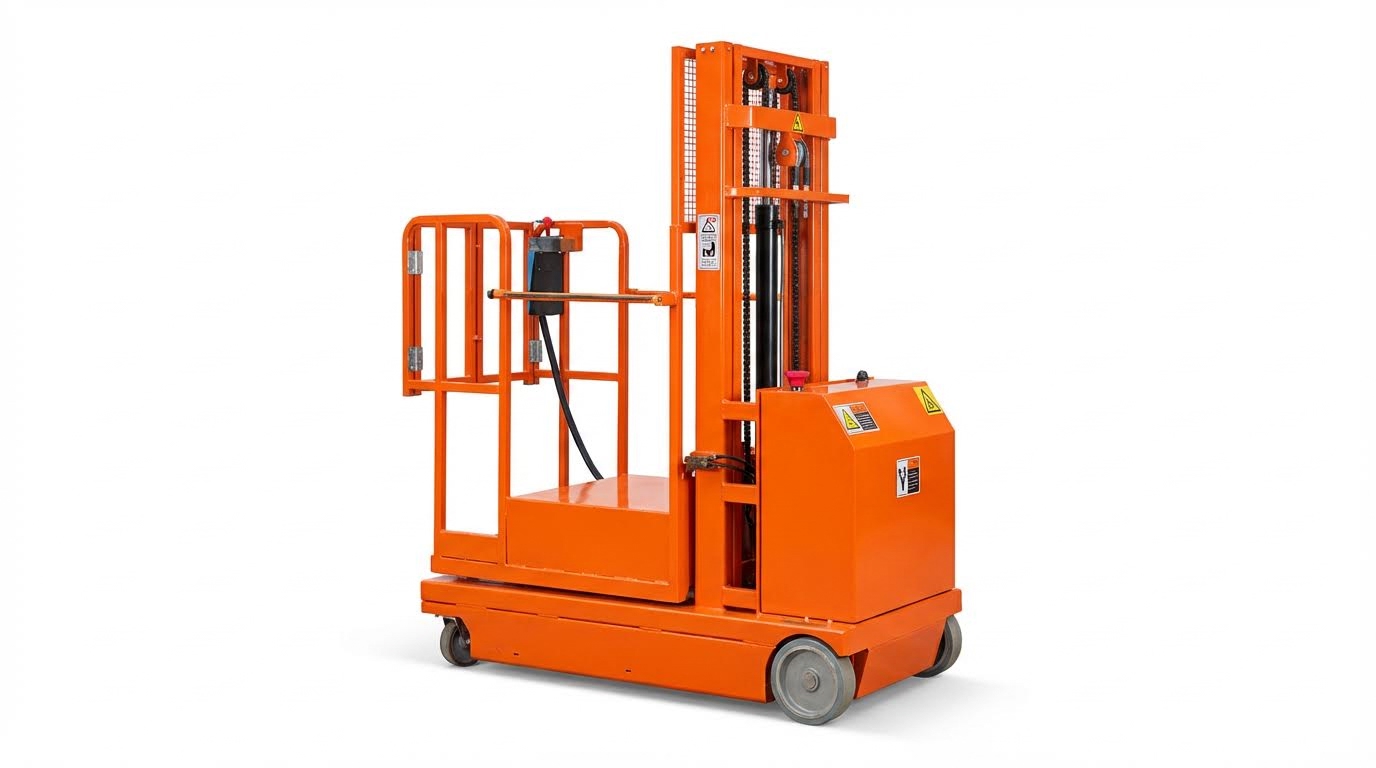
Once the layout fit is clear, you differentiate cherry pickers by total cost of ownership (TCO) and how they integrate with your maintenance and fleet strategy. Machines using efficient AC drive systems and regenerative braking reduce energy use and wear, which lowers long-term maintenance costs in intensive picking operations. Lithium-ion batteries with fast or opportunity charging further increase uptime and reduce the number of spare batteries you need to purchase and maintain for multi-shift warehouses.
- TCO levers: When assessing whether are all cherry picker machines the same in the warehouse, compare not only purchase price but also expected battery life, energy consumption, and planned maintenance intervals. Guidance for stock pickers recommends including labor savings, reduced pick times, and lower error rates in your cost-benefit analysis to get a realistic TCO.
- Maintenance strategy: Equipment with modular components and easy-access panels shortens service time and supports in-house maintenance teams. Low-maintenance AC motors and regenerative braking reduce wear items and service frequency compared with older designs.
- Fleet standardization: Standardizing on a smaller number of cherry picker types simplifies operator training, spare parts inventory, and safety procedures. Common control layouts, similar battery types, and consistent safety features (such as automatic speed reduction and obstacle detection) streamline both operations and compliance in busy facilities.
Practical TCO comparison checklist
When comparing models, build a simple TCO matrix that includes: expected service life, annual maintenance hours, battery and charger costs, typical energy use per shift, and estimated productivity impact per operator. This structured view makes the engineering differences between cherry pickers visible in financial terms and supports a data-based specification decision.
Final Engineering Takeaways For Specifying Cherry Pickers
From an engineering standpoint, the answer to “are all cherry picker machines the same in the warehouse” is clearly no. Different designs optimize for height, capacity, aisle width, duty cycle, and operator interface, so treating them as interchangeable usually adds cost or risk.
- Start with the task, not the machine. Define pick type (case, each, pallet), required lift height, and typical load range. Piece-picking order pickers are engineered very differently from pallet movers like forklifts or pallet jacks that mainly transport loads at or near floor level with average capacities around 5,000 lb for forklifts and 5,000–8,000 lb for pallet jacks.
- Engineer to your layout envelope. Match the cherry picker’s minimum aisle width and maximum lift height to your racking design and top beam level. Narrow‑aisle order pickers and task support vehicles are built to work where reach trucks or standard forklifts cannot safely maneuver in high racking and tight aisles.
- Size for realistic loads and duty cycle. Select capacity with margin for the heaviest typical pick, including pallets, packaging, and any attachments. Then check battery technology and charging approach against your shift pattern; high‑throughput operations benefit from long‑run or fast‑charge lithium systems and regenerative braking that reduce downtime and maintenance through efficient AC motors and energy recovery.
- Prioritize stability and safety systems. Platform design, mast rigidity, and control logic should work together to keep the operator stable at height. Look for engineered safeguards such as automatic speed reduction at elevation, emergency stop circuits, and clear weight‑limit labeling, then back this up with formal operator training and certification in line with OSHA and similar standards that require inspections, PPE, and adherence to manufacturer guidelines.
- Design for ergonomics and long-term TCO. Ergonomic controls, good visibility, and low operator fatigue translate into fewer errors and higher pick rates when combined with spacious platforms and optimized cabins. At the same time, favor architectures with low‑maintenance powertrains and accessible components to cut lifecycle service costs and improve uptime.
In practice, engineering‑driven specification means you stop asking “are all cherry picker machines the same in the warehouse” and instead define the exact performance, safety, and layout requirements your operation needs, then select the machine type that meets those constraints with the lowest total cost of ownership.
Final Engineering Takeaways For Specifying Cherry Pickers
Engineering teams should treat warehouse cherry pickers as precision tools, not generic lifts. Mast geometry, platform design, and stability controls set the real safety envelope at height. Powertrain and battery choices then decide how long the truck can deliver that performance each shift without unplanned stops.
Layout and load profile must drive every specification. Match chassis width and turning radius to aisle spacing. Match rated lift height and capacity to the top beam and heaviest realistic pick, with clear safety margin. If you underspec here, operators will stretch, overload, or improvise, which quickly erodes your safety case.
Control systems and ergonomics directly affect fatigue, error rates, and incident risk. Prioritize simple, consistent controls, automatic speed reduction at elevation, and clear operator feedback. Build your fleet around a small number of standard cherry picker types so training, parts, and procedures stay tight.
The best practice is simple: define the task, layout, duty cycle, and safety requirements first, then select machines that satisfy those limits with the lowest lifetime cost. Use tools like Atomoving’s order picker range as engineering reference points, and lock in formal training and inspection routines so the design safety built into the truck is actually delivered on the warehouse floor.
Frequently Asked Questions
Are all cherry picker machines the same in the warehouse?
No, cherry picker machines are not the same. They vary based on their design, functionality, and the tasks they are suited for. Some cherry pickers are designed for lifting workers to high shelves, while others may focus on handling heavy loads. Boom Lifts vs Cherry Pickers.
- Cherry pickers are generally less expensive and easier to operate.
- Boom lifts can handle more complex jobs and are typically more expensive.
What kind of training is needed for cherry pickers?
To operate a cherry picker in a warehouse, you typically need a high school diploma or GED along with proper certification. This certification includes training on safe operation, pre-shift inspections, and load handling. Warehouse Cherry Picker Training.