
Choosing the right hydraulic fluid for a pallet jack directly affects lifting performance, seal life, and safety. This guide explains what oil a pallet jack uses, how jack hydraulics work, and which viscosity and standards matter for real‑world warehouse conditions. You will see how to match oil type to climate and duty cycle, and how to maintain it so your fleet runs smoothly with minimal downtime. By the end, you will know exactly what oil does a hydraulic pallet truck use and how to specify it confidently for your operation.
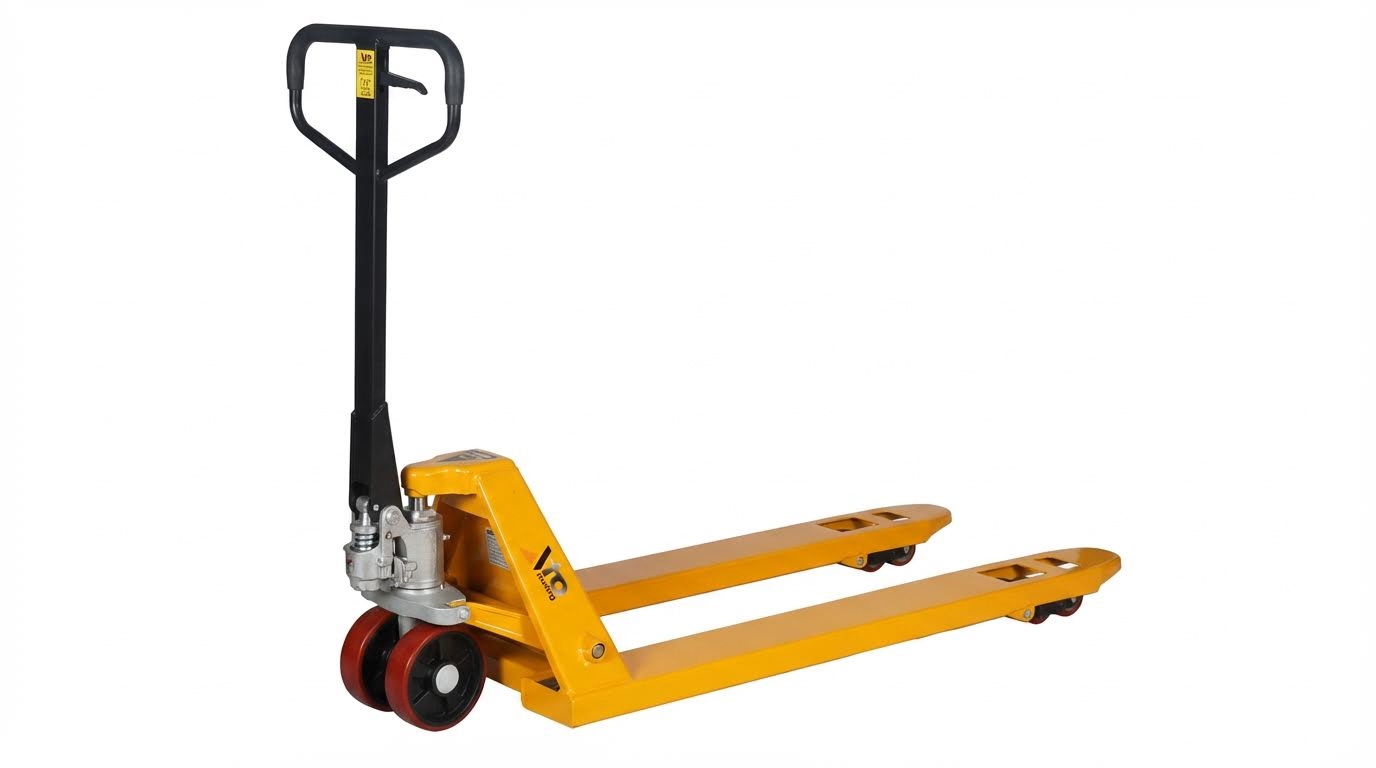
Understanding Pallet Jack Hydraulic Oil Basics

How a pallet jack hydraulic circuit works
A manual pallet jack uses a simple closed hydraulic circuit to convert handle strokes into lifting force. When you pump the handle, a small piston pressurizes hydraulic oil and pushes it into the main lift cylinder, which raises the forks. A check valve traps this pressurized oil so the load stays up until you move the release lever, which opens a return path back to the reservoir. Because the system relies entirely on clean, incompressible fluid, using the correct hydraulic oil is critical for smooth lifting, controlled lowering, and long seal life when you ask what oil does a pallet jack use.
- The reservoir stores the hydraulic oil at low pressure.
- The pump piston builds pressure each time you stroke the handle.
- Check valves control one-way flow into the lift cylinder.
- The lift cylinder converts oil pressure into fork lifting force.
- The release valve meters oil back to the tank for controlled lowering.
Why oil quality matters in the circuit
Inside this small circuit, clearances are tight and pressures are high, so the oil must resist wear, rust, foaming, and oxidation to protect the pump, valves, and cylinder surfaces over time. Many dedicated jack fluids are formulated to meet high‑pressure hydraulic specifications that ensure stable viscosity and good water separation, which helps prevent sludge, varnish, and erratic operation. These properties extend equipment life and improve operational efficiency.
What “jack oil” actually is
“Jack oil” is simply a specialized hydraulic oil optimized for compact lifting devices such as pallet jacks, bottle jacks, and small hoists. It is typically a mineral‑based hydraulic fluid with a viscosity in the ISO VG 32–46 range, blended with anti‑wear, anti‑foam, and anti‑rust additives to suit high‑pressure, low‑flow systems. One representative jack oil uses a mineral base stock with a kinematic viscosity of 44.6 cSt at 40°C and 6.8 cSt at 100°C, and a viscosity index of 98, giving stable thickness across normal warehouse temperature swings. The same product includes low‑zinc anti‑wear additives, good water separation, and sludge‑resistant performance, which are all desirable traits when deciding what oil does a pallet jack use.
| Property | Typical jack oil behaviour |
|---|---|
| Base oil type | Mineral hydraulic oil with amber appearance (example product) |
| Viscosity range | Mid‑range ISO VG (commonly around ISO 46) for all‑season use |
| Additives | Anti‑wear (often low‑zinc), anti‑rust, anti‑foam, oxidation inhibitors |
| Key performance needs | Resist oxidation and sludge, separate from water, protect pumps, valves, and seals |
In practice, jack oil is compatible with many standard hydraulic oils of similar grade, but mixing different types should be avoided unless the manufacturer confirms compatibility. The fluid is also used in other light hydraulic applications such as hoists, small vane or gear pumps, and some compressors, which shows that a pallet jack does not need a unique fluid, only one that meets suitable hydraulic specifications and viscosity. When operators ask what oil does a pallet jack use, the safest answer is a dedicated jack or hydraulic oil meeting the correct ISO grade and high‑pressure hydraulic standards, not engine oil or general lubricating oil.
Key Oil Specifications And Fluid Options

Viscosity grades: ISO 32 vs ISO 46 vs ISO 68
When technicians ask what oil does a pallet jack use, viscosity is usually the first parameter to check. ISO 32, 46, and 68 describe the oil’s flow at 40°C, with higher numbers meaning thicker fluid. ISO 32 works better in cold rooms and freezers because it flows easily at low temperature, while ISO 68 suits hotter environments but can make hand pumping stiff in the cold. ISO 46 sits in the middle and is the most common “all‑round” choice for manual pallet jacks in typical warehouse temperatures. Many dedicated jack oils fall in the ISO 46 range with kinematic viscosity around 44–46 cSt at 40°C and about 6–7 cSt at 100°C. A higher viscosity index (around 90–100) helps the jack feel consistent from cold start to operating temperature, so the handle effort and lowering speed remain predictable.
Standards: ISO 46, DIN 51524 HLP, ISO 6743 HM
Beyond “what oil does a pallet jack use,” maintenance teams should verify that the fluid meets core hydraulic standards. Many OEM‑style jack oils are ISO 46 hydraulic fluids that comply with DIN 51524 Part 2 HLP and ISO 6743 Part 4 HM classifications for high‑pressure anti‑wear service. These standards require resistance to oxidation, rust, wear, and foaming so the pump, check valves, and seals in the pallet jack survive repeated high‑load cycles. Typical jack oils use mineral base stocks with density around 0.86 kg/L at 15°C and a viscosity index close to 98, giving stable behavior over normal warehouse temperature swings and good film strength at operating pressure. Low‑zinc or zinc‑based anti‑wear additive systems form a protective layer on metal surfaces, cutting metal‑to‑metal contact in the pump and cylinder during pressure spikes and extending component life while also keeping sludge and varnish formation low.
Mineral, synthetic, and bio-based fluid comparison
In most answers to what oil does a pallet jack use, standard mineral hydraulic oil is the baseline. Mineral ISO VG 32–68 oils provide adequate lubrication and flow for typical jack pressures but have a limited temperature window and gradually degrade. Synthetic hydraulic oils offer a wider operating temperature range, better oxidation and foam resistance, and longer service life, making sense for fleets in extreme cold or heat or where long drain intervals are important thanks to their high viscosity index and thermal stability. Bio‑based options, usually vegetable‑oil derived, are attractive where spill risk or environmental rules are strict, since they are biodegradable and have naturally high lubricity but they cost more, oxidize faster, and can absorb moisture. For a typical warehouse pallet jack fleet, a quality mineral or synthetic ISO 46 fluid meeting HLP/HM specs is usually the most practical balance of cost, performance, and reliability, while bio‑based fluids are reserved for sensitive environments where environmental impact outweighs fluid price..
Selecting And Maintaining Oil For Your Fleet
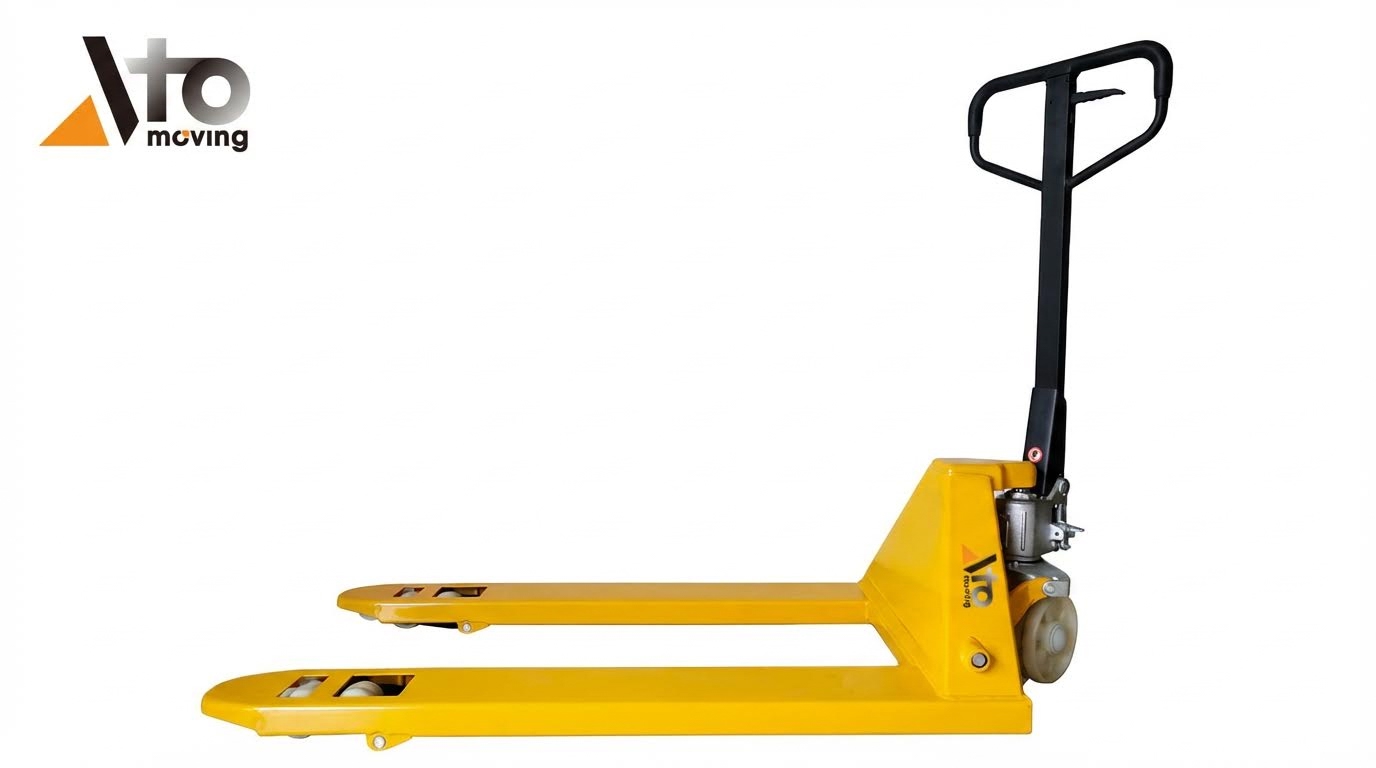
Matching oil choice to climate and duty cycle
When you decide what oil does a pallet jack use in your operation, match viscosity and base oil type to temperature and workload. In cold rooms or unheated docks, a lower-viscosity hydraulic fluid such as ISO 32 flows easier and reduces sluggish lifting at startup, while ISO 46 generally suits all‑season indoor warehouse use and ISO 68 fits hotter environments or very heavy, continuous duty where film strength is critical. Multi‑viscosity or high‑viscosity‑index fluids keep a more stable thickness across wide temperature swings, improving cold‑start behavior without sacrificing protection at operating temperature by maintaining viscosity across extreme temperatures. Mineral hydraulic oils in the ISO 32–68 range offer adequate lubrication for most pallet jacks, but synthetic or bio‑based options can be justified where you have extreme temperatures, long duty cycles, or strict environmental rules. Mineral oils commonly cover ISO VG 32–68, while synthetic fluids extend the temperature window and service life. For mixed fleets, standardize on one viscosity grade that works for the coldest and hottest conditions you see, then specify the same oil across all manual pallet jacks to reduce misfills and simplify storage.
Quick climate and duty‑cycle matching tips
- Cold storage or outdoor winter use: favor ISO 32 or a high‑VI synthetic for easy pumping and fast lift.
- Typical indoor warehouse, moderate temperatures: ISO 46 mineral or synthetic hydraulic oil is usually appropriate.
- Hot environments or continuous, heavy loading: consider ISO 46–68 with high oxidation and wear resistance.
- Environmentally sensitive sites: evaluate bio‑based or vegetable‑oil fluids, but monitor oxidation stability closely. Vegetable oils offer high lubricity and biodegradability but are less stable and more prone to oxidation.
Change intervals, top‑up procedures, and contamination control
Once you know what oil does a pallet jack use in your fleet, consistent change intervals and clean handling determine how long the hydraulics last. Many industrial hydraulic systems used change or flush intervals around 6 months or roughly 1500 operating hours as a baseline for mineral oils, and similar timing works well for hard‑worked pallet trucks when you see dirty or dark fluid. Hydraulic oil replacement was recommended after 6 months or 1500 hours on comparable pallet stacker equipment. Premium synthetic fluids can safely run longer when kept clean and monitored, because they resist oxidation, sludge, and varnish formation better than conventional oils. High‑quality synthetic hydraulic oils support extended drain intervals when paired with good filtration and oil analysis.
Top‑ups must always use the same oil type and viscosity already in the jack to avoid additive clashes and viscosity shifts. Before adding fluid, clean around the reservoir plug, park the jack with forks fully lowered to relieve pressure, then fill slowly to the specified level to prevent air entrainment. Daily or weekly checks for sluggish lift, jerky motion, or visible leaks give early warnings of low oil or contamination; a simple three‑pump lift test is a practical check, where slow fork rise often indicates the need for more hydraulic oil. Guides for manual pallet jacks recommended a short daily hydraulic test and visual inspection for leaks, jerky pumping, and fork behavior.
Contamination control is the cheapest way to extend seal and pump life. Store oil drums and small containers indoors, sealed, and off the floor, away from moisture and temperature extremes to limit water ingress and oxidation. Use dedicated, clean funnels or transfer pumps and keep fill points wiped clean so dust, metal fines, and fibers do not enter the reservoir. Best‑practice hydraulic maintenance called for clean storage, clean transfer equipment, and regular fluid sampling. For larger fleets, simple condition checks such as looking for cloudiness (water), foam, or burnt smell can trigger early oil changes before contamination damages check valves, pistons, or seals.
“”
Final Recommendations For Long Pallet Jack Life
The right hydraulic oil turns a simple pallet jack into a safe, predictable lifting tool. Correct viscosity, clean fluid, and proven hydraulic standards work together to protect pumps, valves, and seals under repeated high loads. When you match ISO grade to climate and duty, you keep handle effort reasonable, lifting smooth, and lowering speed controlled in every season.
For most indoor warehouses, a quality mineral or synthetic ISO 46 hydraulic oil that meets HLP/HM specifications gives the best balance of cost, protection, and ease of use. Colder sites should favor ISO 32, while very hot or heavy‑duty operations can justify ISO 68 or high‑VI synthetics. Whatever you choose, keep one grade across the fleet to cut misfills.
Oil choice alone is not enough. You must keep the system clean, avoid mixing fluids, and follow clear change intervals based on hours, temperature, and oil condition. Simple habits such as wiping fill points, using clean transfer tools, and doing short daily lift checks will catch problems early. Operations and maintenance teams that standardize on a suitable hydraulic oil, then pair it with disciplined contamination control, will see longer jack life, fewer leaks, and safer handling across their Atomoving pallet jack fleet.
Frequently Asked Questions
What type of oil does a pallet jack use?
A pallet jack typically uses hydraulic oil for its lifting mechanism. This oil ensures smooth operation and proper functioning of the hydraulic system. It is recommended to change the hydraulic oil at least once a year and inspect it every six months to ensure adequate levels. Pallet Jack Maintenance Tips.
How often should the oil in a pallet jack be checked?
The oil in a pallet jack should be inspected at least once every six months. If the oil levels are low, it is important to top it off to maintain optimal performance. Regular maintenance helps prevent issues such as one side not lifting or the pallet jack getting stuck. Pallet Jack Maintenance Tips.