Knowing how to put a scissor lift in neutral safely is critical any time you need to tow, push, or manually position the machine. This guide explains what “freewheel” really means, when towing is acceptable, and how to release drive hubs, brakes, and steering without damaging the lift. You will also see engineering limits for load, slope, speed, and duration so you can move your lift efficiently while protecting the driveline, hydraulics, and batteries. By the end, you will have a clear, step‑by‑step method for how to put a scissor lift in neutral and tow it with confidence.
Understanding Freewheel Mode On Scissor Lifts
What “neutral” or freewheel really means
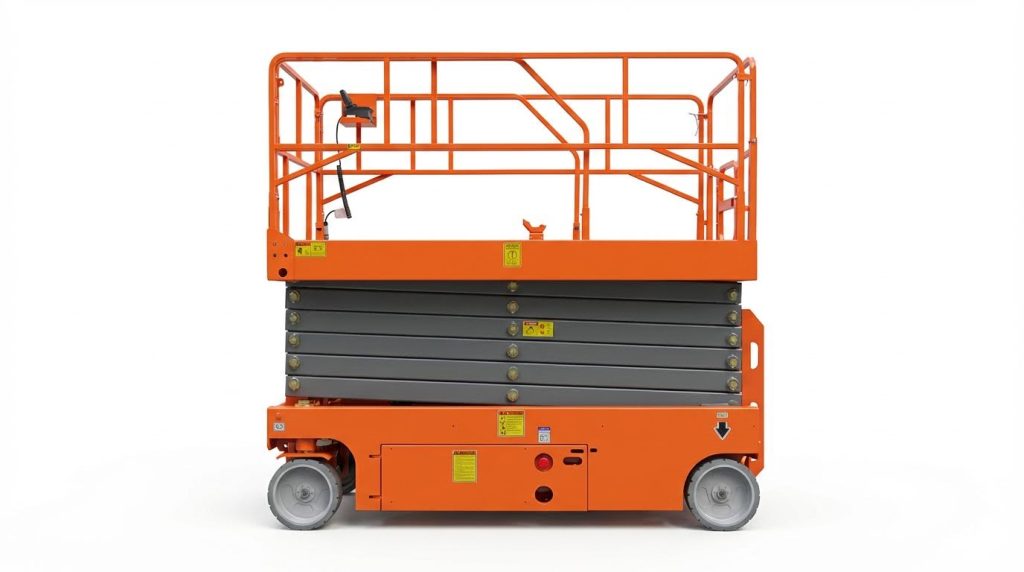
When people search for how to put a scissor platform in neutral, they usually mean “how do I move it without driving it under power?”. On most modern machines there is no traditional gearbox neutral. Instead, you create a “freewheel” condition by mechanically and hydraulically uncoupling the drive system so the wheels can turn with minimal resistance while the platform stays locked down.
In engineering terms, freewheel mode typically involves three things working together:
- Drive torque is removed from the wheels by disconnecting drive hubs or equivalent couplers. This prevents the hydraulic motors or electric drive from being back‑driven and damaged during towing.
- Service drive controls are in their neutral position so no unintended torque is commanded to the wheels. Typical procedures require the forward/reverse lever and gear selector to be set to neutral before towing.
- Braking and steering circuits are partially or fully bypassed so the machine can roll and be guided without powered assistance. Some designs use drive hub disconnect caps and steering bypass valves to achieve this.
Freewheel mode does not mean the whole machine is “loose”. The platform must remain fully lowered and locked, the load must be within rated capacity, and the structure must pass a pre‑move inspection. Standard practice is to check for damage, leaks, loose parts, and correct load before any movement. In short, neutral or freewheel is a controlled condition created so you can tow or manually position the unit without driving it like a vehicle.
Why you cannot rely on “pushing against the drive”
Trying to push or pull a scissor platform lift without releasing the drive hubs or equivalent couplers forces the wheel torque back through hydraulic motors or gearboxes. That can generate high internal pressures and temperatures, especially if the hydraulic system is already warm or has existing issues. Abnormal noise, rapid oil temperature rise, or leaks are common warning signs in stressed hydraulic circuits. Proper freewheel mode avoids this back‑driving and protects the driveline.
When towing or manual positioning is appropriate
Knowing how to put a scissor lift in neutral is only half the story. You also need to know when it is acceptable to tow or manually position the machine, and when it is safer to load it on a trailer or repair it in place.
Before deciding to tow or push a scissor lift, confirm these baseline conditions:
- The platform is fully lowered, gates are closed, and no one is on the platform.
- The machine has passed a basic inspection: no obvious structural damage, no severe leaks, and all guards and decals are present. Daily pre‑start inspections normally include checks of structure, hydraulics, decals, and function in a clear area.
- The surface is firm, level or gently sloped, and free of overhead or side obstacles. Standard operating guidance requires a flat, stable surface and clear surroundings.
- You have enough trained personnel to control the tow vehicle and spot the lift path. Only trained and qualified personnel should control or supervise movement of lifting equipment.
Under those conditions, towing or manual positioning is typically appropriate in these scenarios:
- Short repositioning on site: Moving a non‑running scissor lift a short distance to clear a work area, reach a charger, or get to a loading ramp.
- Loading for transport: Positioning the lift so it can be winched or driven onto a flatbed or trailer. Transport guidelines call for the platform to be fully lowered, arms locked, and the machine inspected before loading.
- Controlled towing at low speed: Moving the lift between nearby work zones within a site, within speed and time limits. Some manufacturers limit towing speeds to around 8–15 mph and set maximum towing durations.
By contrast, you should avoid towing or manual pushing and instead use proper transport or repair in place when:
- The ground is uneven, soft, icy, or steep enough that braking could be lost.
- The machine shows hydraulic or structural problems, such as major leaks, bent arms, or damaged guardrails. Any damaged or non‑functional components should be repaired before further use or movement.
- You cannot maintain visual control of the route, or there is traffic that could strike the lift.
- The distance is long enough that loading on a trailer would be safer and faster overall.
Checklist: Is towing/manual positioning acceptable?
Use this quick checklist before you act:
- Platform down, no riders, load removed or within rated limit.
- Machine inspected; no major leaks, cracks, or missing parts.
- Surface firm, level, and clear of obstacles.
- Drive hubs released, steering bypassed if required, controls in neutral.
- Trained operator and spotter in place, with clear communication.
- Speed and distance kept within the manufacturer’s towing limits. Some instructions also call for warning lights to be used during towing for visibility.
If you cannot tick all items, do not tow the lift. Arrange proper transport or repair instead.
“”
Engineering Considerations For Towing And Positioning
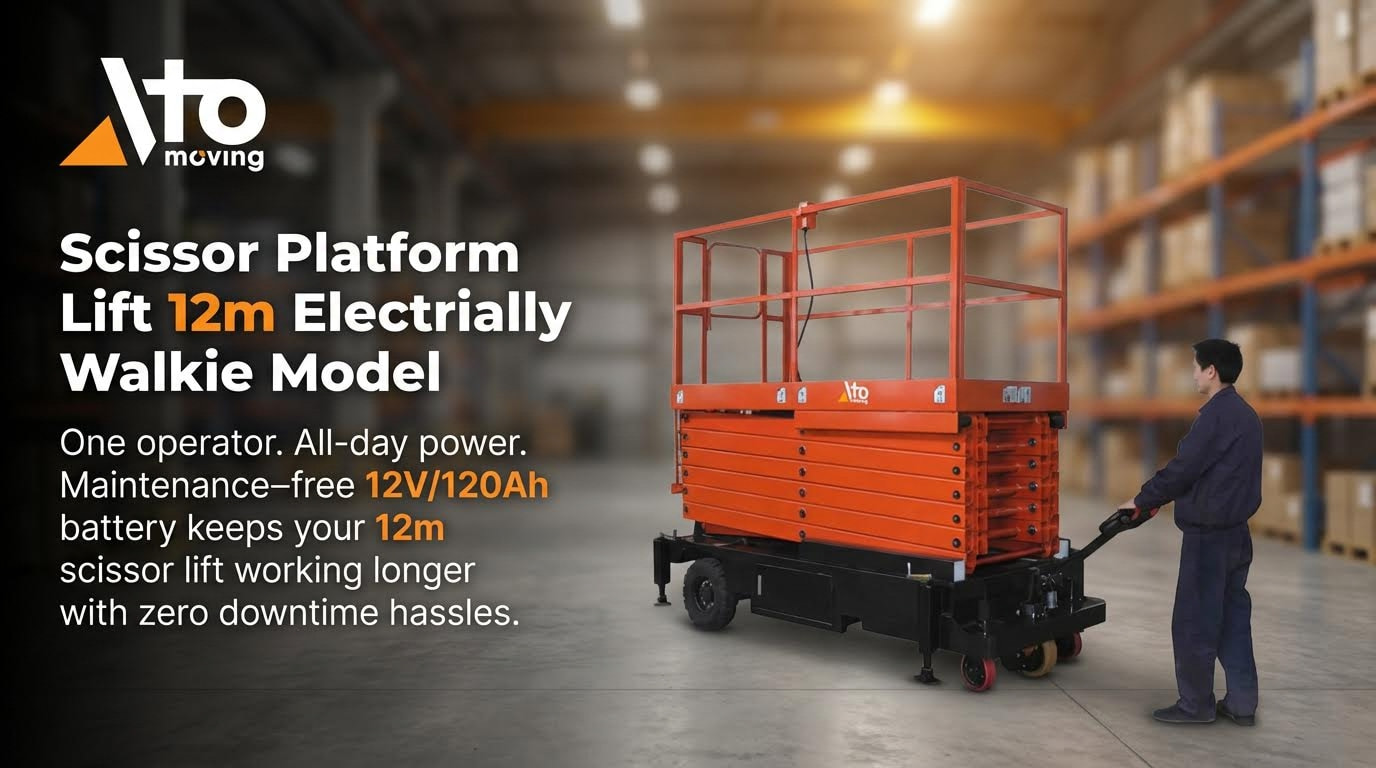
Once you know how to put a scissor lift in neutral, you still need to respect the engineering limits of the machine. Load, slope, surface, speed, and temperature all control how safely you can tow and how much damage you may cause to the driveline, hydraulics, and batteries. This section focuses on practical limits and what an engineer would check before approving towing on a job site.
Load, slope, and surface limits when towing
When a scissor lift is in freewheel, it behaves like a heavy, low‑speed trailer with limited brakes and steering. That makes load, gradient, and ground conditions critical to safe control.
- Always work with the machine’s gross weight, not just platform capacity.
- Keep the platform fully lowered and unloaded when towing.
- Use only firm, level, and obstruction‑free travel paths where possible. Lifts are designed to sit on flat, stable surfaces in normal operation
- Derate allowable slope sharply on wet, dusty, or loose surfaces.
| Parameter | Typical engineering guideline | Why it matters when towing in neutral |
|---|---|---|
| Machine weight range | Approx. 1,500–3,000 lb (electric slab) and 4,000–8,000 lb (rough terrain) Typical weight ranges | Sets drawbar force, stopping distance, and risk if the unit breaks free. |
| Tow vehicle capacity | Tow vehicle should comfortably exceed lift weight and expected drawbar load | Prevents loss of control and overloading of tow hitch or brakes. |
| Maximum slope (short distance, controlled) | Common practice is to stay at or below 5°–7° when in freewheel | Limits runaway risk and reduces brake/steering demand on the tow unit. |
| Surface type | Flat, compact concrete or asphalt preferred; avoid soft soil, deep gravel, or mud | Reduces rolling resistance spikes and wheel sinkage that can overload hubs. |
| Obstacles and transitions | Keep to low curbs/ramps with gentle approach angles | High impacts can damage tires, hubs, and scissor structure. |
Engineering notes on load and slope
On a slope, the downhill pull on the machine equals its weight times the sine of the slope angle. Even a 5° gradient can generate several hundred pounds of drawbar force on a 6,000 lb lift, which can overcome manual chocks or a light tow vehicle. That is why procedures for how to put a scissor lift in neutral are always paired with strict rules on gradient, blocking, and tow‑vehicle sizing.
Towing speed, duration, and thermal constraints
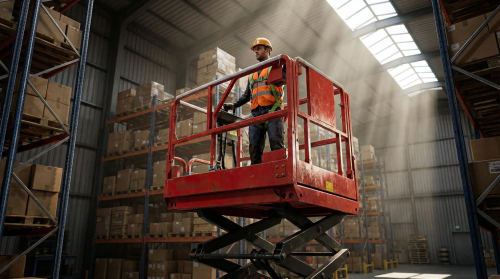
Speed and time in tow directly affect heat build‑up in wheel bearings, drive hubs, and any components that still see internal rotation even after you release the drive. Manufacturers often specify conservative limits for towing speed and duration.
| Parameter | Typical limit or range | Engineering reason |
|---|---|---|
| Recommended maximum towing speed | Often limited to 8–15 mph (≈12–25 km/h) for similar mobile equipment Example towing speed limits Additional maximum towing parameters | Controls dynamic loading, stopping distance, and bearing temperature rise. |
| Maximum towing duration at higher speed | Example: up to about 30 minutes at ≈8 mph for similar drive systems Towing time guidance | Prevents excessive heat in hubs and hydraulic components that still rotate internally. |
| Reduced speed for longer towing | Example: ≈6 mph (10 km/h) for up to about 60 minutes for comparable machines Longer‑duration towing limits | Lower speed reduces frictional power loss and extends safe tow time. |
| Stop‑and‑check intervals | Inspect at least every 15–30 minutes during longer tows | Allows checks for hot hubs, leaks, or abnormal noises in the hydraulic system. Abnormal noise and rapid oil temperature rise are warning signs |
- Stay at the lower end of any published speed range when the lift is in neutral with limited braking.
- Avoid long downhill tows; short, slow repositioning is very different from road transport.
- If hubs, tires, or hydraulic lines feel hot to the touch, stop and allow full cooldown before moving again.
Why thermal limits matter when in “neutral”
Even after you follow the correct steps for how to put a scissor lift in neutral, internal components can still rotate. Planetary gears, hub seals, and hydraulic motor components may spin without active lubrication flow, so friction heat has fewer paths to escape. That is the main reason manufacturers cap towing speed and duration instead of treating the lift like a free‑rolling trailer.
Impact on driveline, hydraulics, and battery systems
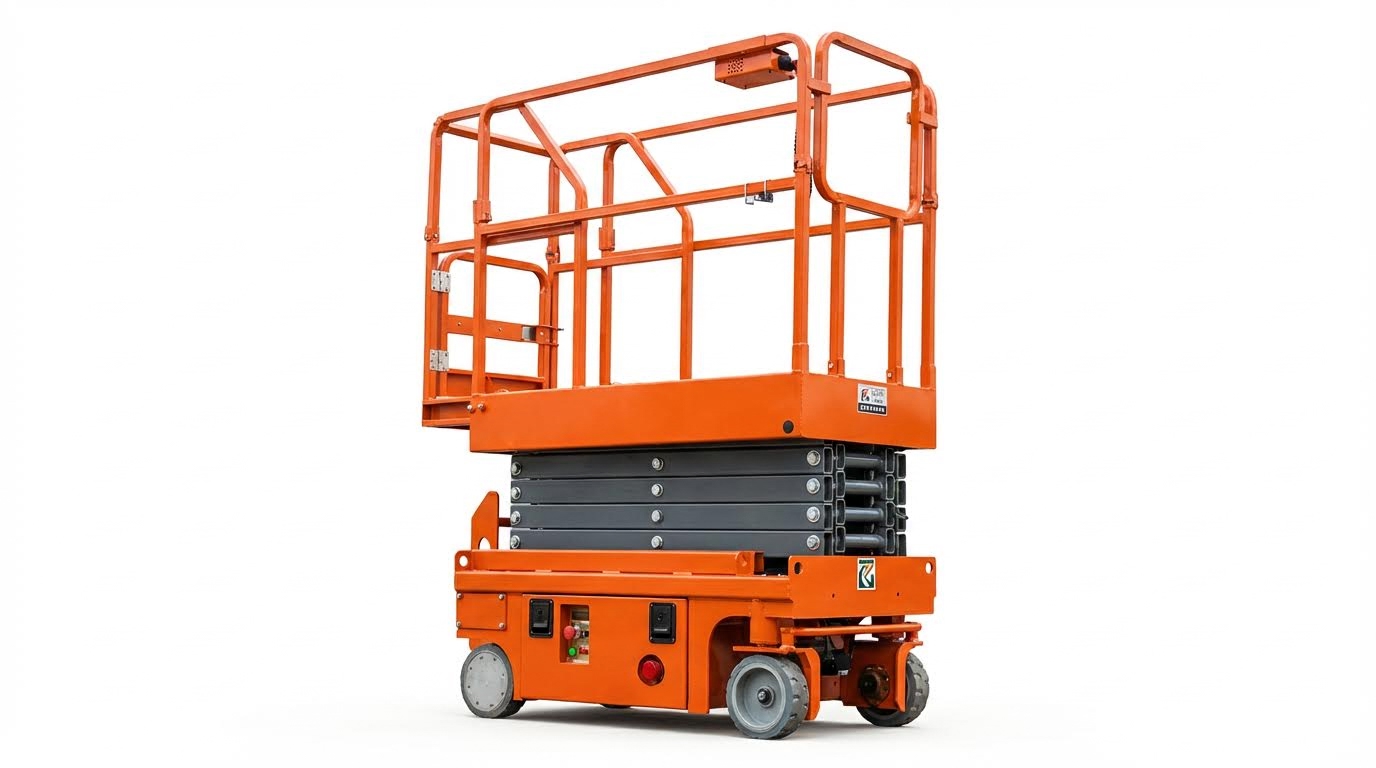
Neutral or freewheel settings protect the drive motors from direct torque, but repeated towing still loads the driveline, hydraulic circuits, and electrical system. Good engineering practice is to treat towing as an occasional, controlled operation, not a daily transport method.
| Subsystem | Potential impact of frequent towing in neutral | Mitigation / best practice |
|---|---|---|
| Drive hubs and axles | Increased bearing wear, seal wear, and possible gear pitting if rotated at higher speeds without full lubrication flow. | Respect speed/time limits; perform regular inspections for leaks and abnormal noise; follow scheduled maintenance. Routine checks on hydraulic and structural components are recommended |
| Hydraulic system | Back‑driving of hydraulic motors can generate pressure spikes and heat; hoses and fittings see extra vibration. | Use steering and brake bypass procedures exactly as specified; monitor for leaks, temperature rise, and abnormal sounds. Stop and inspect if hydraulic temperatures rise quickly |
| Brakes and parking brake | If not fully released, towing can drag the brakes, overheating linings and damaging components. | Confirm full brake release before towing; check for hot brake drums or discs after movement; adjust or service brakes as needed. |
| Steering system | For hydraulic steering, forcing wheels to caster without proper bypass can stress linkages and seals. | Open the steering bypass as specified; limit steering angle at speed; inspect tie rods and cylinders during maintenance. |
| Battery and electrical system | Improper towing procedures (key left on, controls bumped) can intermittently energize circuits; vibration can aggravate loose terminals. | Power down the machine for towing; follow daily battery and electrical checks. Regular battery and electrical inspections are part of standard maintenance |
- Integrate towing checks into your normal inspection and maintenance routine rather than treating them as separate tasks.
- Document every extended tow in the maintenance log so future inspections can focus on hubs, hydraulics, and steering.
- If you notice new leaks, noises, or temperature issues after towing, remove the lift from service until inspected by a qualified technician.
Linking neutral procedures with long‑term reliability
Knowing how to put a scissor lift in neutral is only one part of the reliability equation. Each time you tow, you impose non‑standard loading on drive, brake, and steering components that were optimized for low‑speed self‑propelled duty. By controlling weight, slope, surface, speed, and tow time, you keep those loads within a range the machine can tolerate over its full service life.
Key Facts For Safe Neutral Operation And Towing
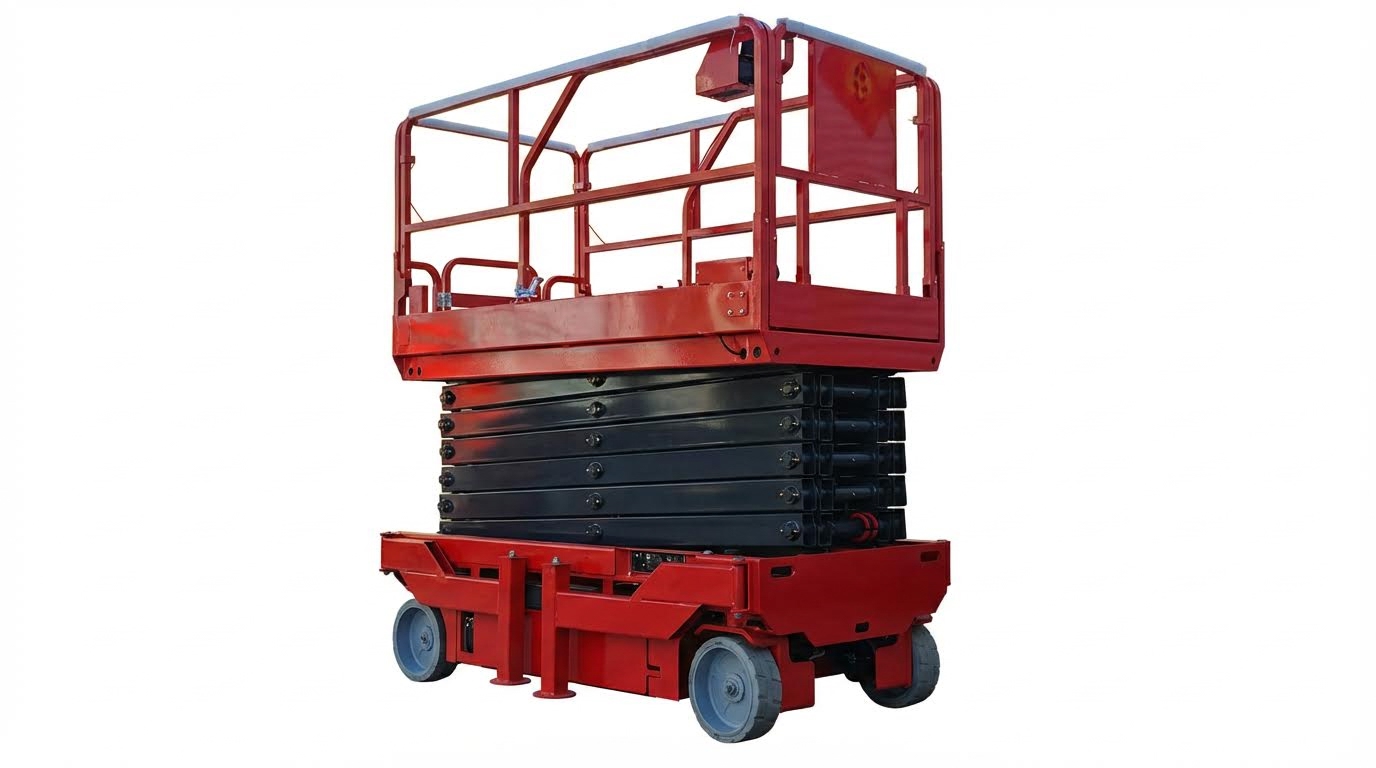
These key points summarize how to put a scissor platform in neutral and move it safely without drive power. Treat freewheel/tow mode as a controlled exception, not normal operation.
- Always perform a pre-use inspection before any towing or freewheeling. Check for leaks, structural damage, loose parts, and verify safety devices such as guardrails and emergency stops work correctly. Pre-operation inspection is a core safety requirement.
- Position the machine on a firm, level surface before releasing drive hubs or brakes, and clear overhead and side obstacles around the intended tow path. Flat, stable ground greatly reduces tipping risk.
- Know the machine weight before towing. Typical electric scissor lifts weigh roughly 1,500–3,000 lb and rough-terrain units about 4,000–8,000 lb, so choose a tow vehicle, ramp, and rigging with adequate capacity. Staying within rated limits is essential.
- Follow the manufacturer’s sequence for how to put a scissor platform lift in neutral: place the travel controls in neutral, release or disconnect drive torque hubs, and open any steering or brake bypass valves as specified. Some models require turning drive hub disconnect caps and opening a steering bypass valve before towing.
- Respect towing speed and duration limits to avoid overheating driveline and hydraulic components. Example values from typical guidance include not exceeding about 8–15 mph and limiting tow duration to 30–60 minutes depending on speed. One manual specifies a maximum of 8 mph and 30 minutes at that speed, while another sets 15 mph as an upper limit for safe towing speeds. Staying below these values reduces thermal and mechanical stress.
- Assume steering and braking will be heavier and slower if the engine or main power is off. Maneuver gradually and avoid sudden changes in direction or speed. Guidance warns that steering and braking may lack assistance without the engine.
- Use warning lights and, where applicable, an escort or spotter when towing through active work areas to protect pedestrians and other vehicles. Typical towing instructions require warning lights during movement.
- After towing, always re-engage drive hubs, close bypass valves, chock the wheels, disconnect the tow bar, then function-test drive, steering, and brakes on level ground before returning the lift to normal service. Post-towing procedures include reversing the hub disconnect and verifying all functions.
- Continue standard maintenance and inspection practices even if the lift is only being towed or positioned. Regular checks of hydraulic fluid, electrical systems, structural integrity, and batteries help prevent failures during towing and later operation. Scheduled inspections and fluid checks are part of safe lifecycle management.
Frequently Asked Questions
How Do You Put a Scissor Lift in Neutral?
To put a scissor lift in neutral, locate the lower-neutral-raise switch on the control panel. This switch allows you to lower or raise the platform and also has a “neutral” position. Placing the switch in the neutral position disengages the lifting mechanism, enabling safe movement of the equipment. Scissor Lift Operation Guide.
Can You Move a Scissor Lift Without Power?
Yes, you can move a scissor lift without power if it is placed in the neutral position. Use the lower-neutral-raise switch to set it to neutral, which allows manual pushing. Ensure the path is clear and level before attempting to move the lift manually. Always follow safety guidelines when handling equipment in such conditions. Scissor Lift Safety Tips.