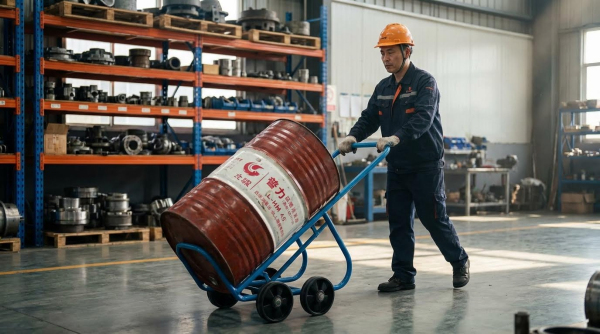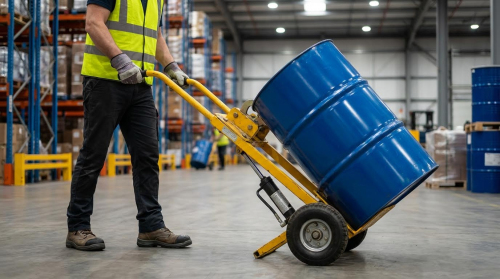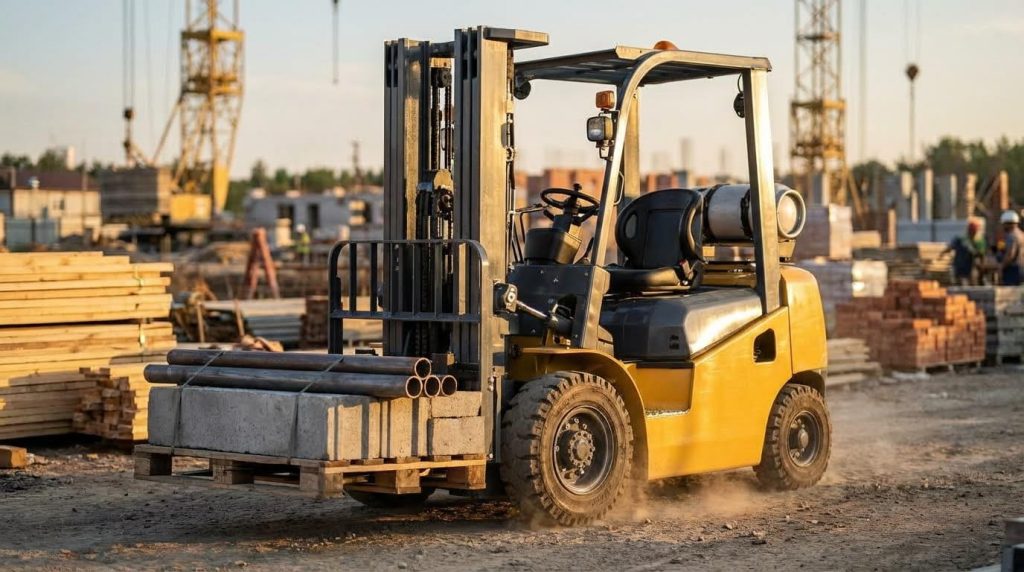
Choosing between electric and internal combustion forklifts starts with understanding how each powertrain makes torque, how that torque feels in real work, and what it costs you over the life of the truck. This guide uses practical data on performance, uptime, maintenance, and safety to answer questions like “do electric forklifts have more torque than internal combustion forklifts” in real-world terms, not brochure language. You will see where electric trucks now match or beat IC in acceleration and control, and where IC still wins for heavy loads, long runs, and harsh outdoor work. Use these comparisons to match the right forklift to your loads, shifts, and environment while controlling total cost of ownership and compliance risk. Consider equipment like manual pallet jack, hydraulic pallet truck, and drum dolly as part of your material handling solutions. Additionally, tools such as a forklift drum grabber can enhance operational efficiency.
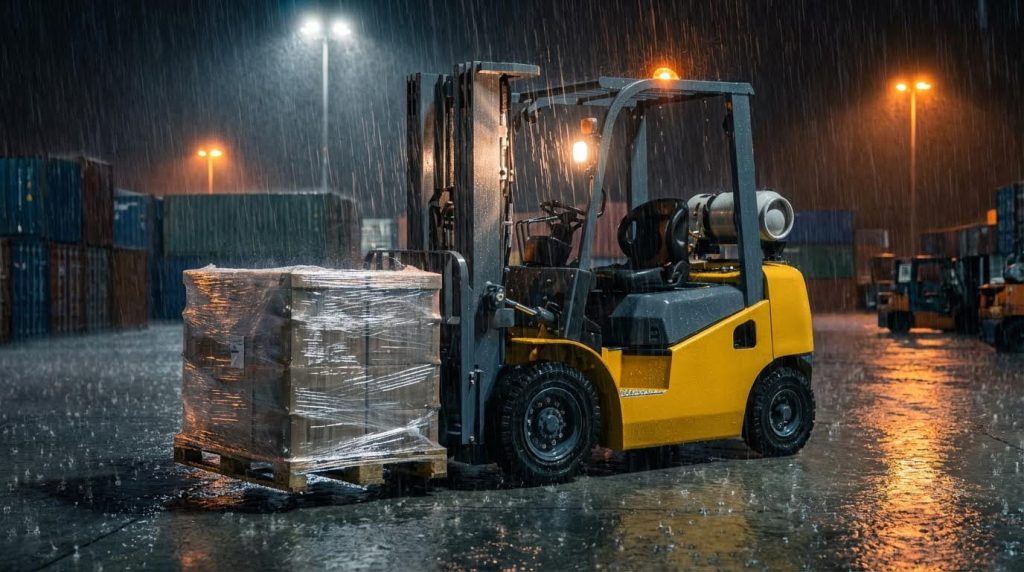
How Electric And IC Forklifts Produce Torque
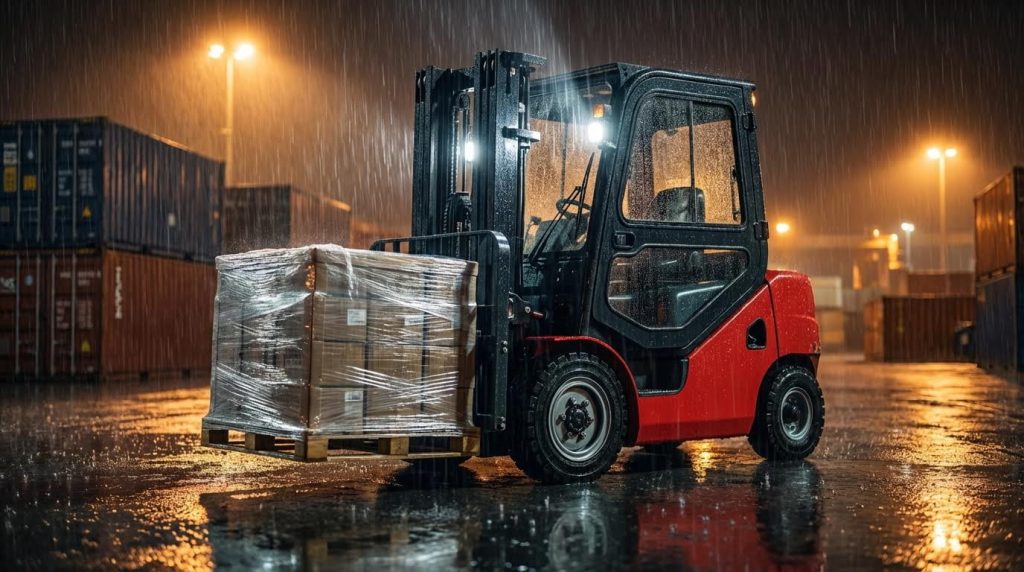
Electric motor torque curves explained
Electric forklifts use traction motors that deliver torque in a very different way from engines. Understanding this curve is key if you are asking do electric forklifts have more torque than internal combustion forklifts for your specific application.
- Instant peak torque at zero RPM – Electric motors produce their maximum torque from standstill, so the truck launches strongly without needing to “rev up.”
- Flat torque band at low–medium speed – Torque stays nearly constant over the main working speed range, which gives predictable acceleration and strong push on ramps and in tight spaces.
- Power‑limited at higher speed – At higher travel speeds the controller limits current, so torque gradually falls while power stays roughly constant.
- Electronic control – The motor controller shapes the torque curve, allowing different drive modes (eco, standard, high‑performance) without any mechanical changes.
- Regenerative braking – When decelerating, the motor works as a generator, creating negative torque that slows the truck and recovers energy into the battery.
Why this feels “stronger” to operators
Because maximum torque is available from zero RPM, operators often feel that electric forklifts “pull harder,” especially on start, ramps, and precise inching. This perception is common even where load capacity is similar to IC trucks. Electric models are now available with capacities above 15,000 lbs, matching many IC applications.
From an engineering standpoint, whether electric forklifts have more torque than internal combustion forklifts depends on:
- Motor rating and controller current limits
- Battery voltage and chemistry (lead‑acid vs lithium‑ion)
- Drive axle reduction ratio and tire size
- Software limits set for traction control and stability
In typical warehouse capacities, electric trucks often provide higher available wheel torque at low speed than comparable IC units, which is why they increasingly handle demanding indoor and some outdoor work. Advances in battery and motor technology have allowed electric forklifts to match the power of IC models in many applications.
IC engine torque, transmissions, and drivetrains
Internal combustion forklifts generate torque in the engine and then multiply it through the transmission and drive axle. The final wheel torque depends on the whole driveline, not just the engine spec.
| Driveline Element | Role in Torque Delivery | Key Characteristics for Forklifts |
|---|---|---|
| IC engine (diesel, LPG, gasoline) | Produces torque over a limited RPM band | Peak torque occurs at mid‑range RPM; little torque at idle |
| Torque converter or clutch | Multiplies torque during launch and low speed | Fluid torque converters give smooth start and extra pull when pushing into loads or on ramps |
| Transmission (powershift) | Selects gear ratios to trade speed for torque | 1–2 forward gears optimized for yard speeds and gradeability |
| Drive axle and final reduction | Further multiplies torque before the wheels | High reduction ratios give strong drawbar pull for heavy outdoor work |
IC engines do not produce peak torque at zero RPM, so the truck must rev into its torque band. The torque converter then multiplies this to get the truck moving, which is why IC forklifts feel strong when pushing or climbing ramps in heavy applications. IC trucks are still favored for heavy‑duty yards, long runs, and high‑speed outdoor work, often above 35,000 lbs capacity.
- Strengths of IC torque delivery
- Very high continuous power for long, fast runs
- Good gradeability with appropriate gearing
- Fast refueling keeps torque available across long shifts
- Limitations vs electric
- Less precise low‑speed control compared with electric drive
- Torque depends on engine RPM; operators must use throttle aggressively
- More driveline components mean more mechanical losses and maintenance
Putting torque into real‑world context
In heavy outdoor and high‑capacity roles, IC forklifts still dominate because their engines and drivetrains are optimized for continuous high power and harsh conditions. IC models show superior performance in heavy‑load, high‑frequency operations where interruptions from refueling or charging must be minimal. For most indoor and mixed indoor/outdoor applications, however, the way electric motors deliver torque at low speed often makes them feel stronger and easier to control, even when nameplate capacities are similar.
“”
Matching Powertrain To Application And Environment
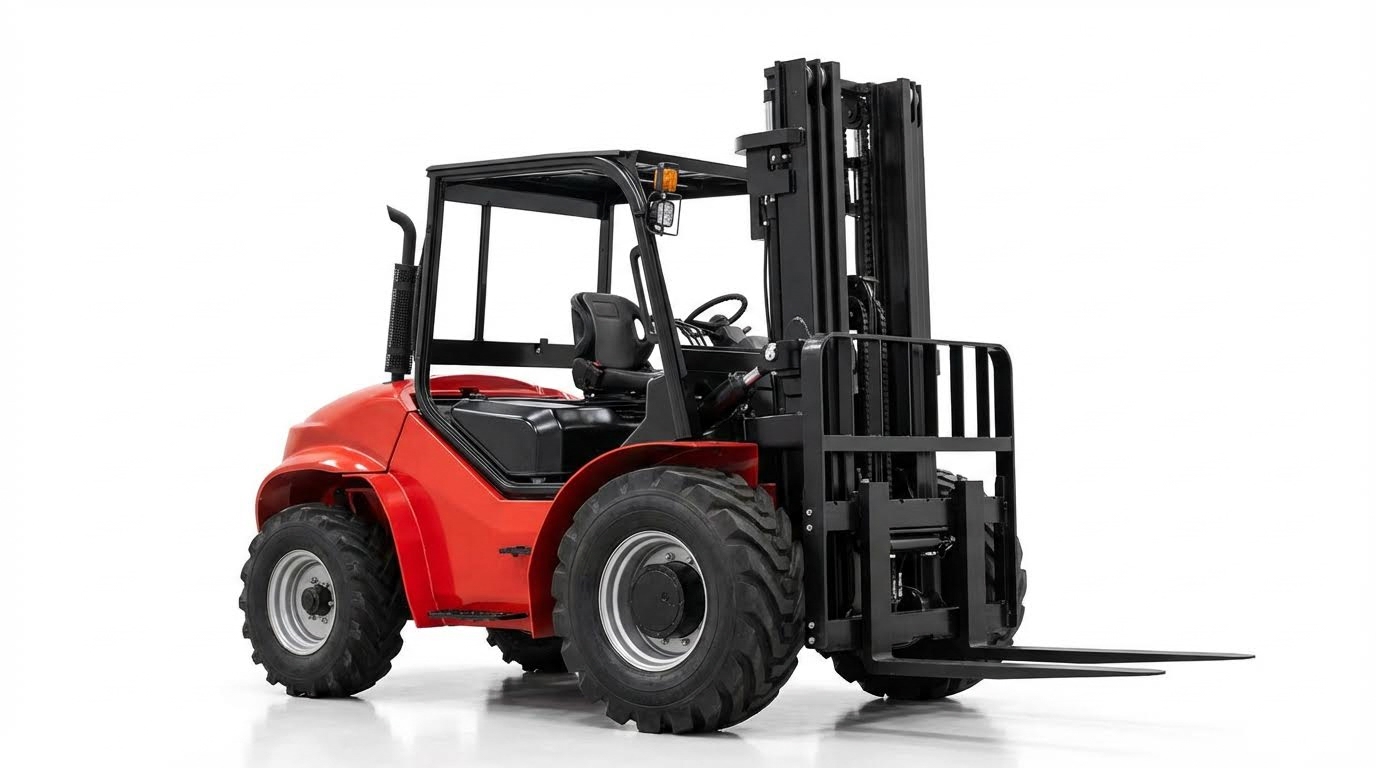
Indoor, outdoor, and narrow‑aisle constraints
Environment and space constraints usually decide the winner long before torque or price. The question “do electric forklifts have more torque than internal combustion forklifts” only matters after you confirm the truck can safely work where you need it to.
| Constraint | Electric Forklift | IC Forklift (LPG / Diesel / Gas) |
|---|---|---|
| Indoor air quality | Zero exhaust, ideal for enclosed spaces and clean industries (food, pharma, electronics, cold storage) | Emits CO, hydrocarbons, particulates, and odors; needs strong ventilation and may face restrictions |
| Outdoor use | Can work outdoors if motors / controllers are sealed and protected from moisture and debris | Well suited to yards, construction, ports, and rough surfaces; not limited by weather to the same degree |
| Narrow aisles / tight docks | Compact chassis and small turning radius; very strong fit for dense racking and cross‑docking | Typically larger turning radius and more counterweight mass; less suitable for very narrow aisles |
| Noise and vibration | Low noise and vibration; reduces fatigue and improves communication | Higher noise; can aid “audible presence” but adds fatigue and may require hearing protection |
| Cleanliness / contamination risk | No exhaust and no engine oil changes; strong fit for high‑cleanliness zones | Exhaust, oil, and fuel handling can conflict with strict cleanliness or food‑grade requirements |
For very tight aisles, semi electric order picker or narrow‑aisle electric trucks usually win because of shorter overall length and better maneuverability. IC trucks dominate in open yards, long travel distances, and rough outdoor surfaces where exhaust and noise are less of an issue.
Quick environment‑driven decision checklist
Choose electric when:
- Air quality, cleanliness, or noise limits are strict.
- Aisles are narrow and turning space is limited.
- The site supports charging and battery handling.
Choose IC when:
- Most work is outdoors on uneven or long routes.
- You need simple, fast refueling with minimal planning.
- Heavy capacities and continuous high‑duty work are routine.
Load profile, shift pattern, and TCO modeling
Once you confirm the truck can physically work in the space, match the powertrain to load profile and shift pattern. Here, the “do electric forklifts have more torque than internal combustion forklifts” question ties into how consistently the truck must deliver torque over each shift and over its full life cycle cost.
| Factor | Electric Forklift Implication | IC Forklift Implication |
|---|---|---|
| Typical load range | Best for small to medium loads; high‑capacity models exist but are less common above ~15,000 lb | Handles heavy loads and very high capacities (over 35,000 lb) in demanding yards and plants |
| Work intensity and duty cycle | Excellent for stop‑start, precise handling, and mixed‑intensity warehouse work; battery sizing must match duty cycle | Strong choice for heavy, continuous, high‑frequency operations with minimal pauses |
| Number of shifts | 1–2 shifts possible per battery depending on technology and maintenance; full recharge often ~8 hours plus cool‑down . Extra batteries or fast‑charge strategy needed for multi‑shift. | Refuel in under 5 minutes with LPG or fuel; inherently well suited for 2–3 shift operations |
| Energy / fuel cost | Lower and more stable energy cost; can be up to significantly cheaper per operating hour than propane | Higher ongoing fuel cost; sensitive to diesel, gasoline, or LPG price swings |
| Maintenance profile | Fewer moving parts and no engine oil; lower routine maintenance cost but requires disciplined battery care | Regular engine, transmission, and emission‑system service; higher maintenance frequency and consumables |
| Lifecycle TCO | Higher purchase price but often lower total cost of ownership over the life of the truck | Lower upfront cost; TCO can end up higher once fuel and maintenance are fully modeled |
Torque delivery differs by powertrain, but both can meet demanding duty cycles if they are sized correctly. Electric trucks give strong low‑speed torque and precise control, which is ideal for tight, repetitive warehouse moves; IC trucks sustain power for long hauls, ramps, and heavy outdoor loads with quick refueling support.
To model TCO realistically, quantify your actual operating pattern instead of relying on nameplate specs. Use the steps below as a simple engineering‑driven framework.
- Define load profile
- Record typical and peak load weights, load centers, and attachment use.
- Note vertical lift heights and ramp gradients that influence required torque and power.
- Map shift pattern and utilization
- Track hours per shift, number of shifts per day, and working days per year.
- Estimate true drive time vs idle, lift time, and auxiliary time for each truck.
- Calculate energy / fuel demand
- For electric units, estimate kWh per hour and multiply by utilization and energy price.
- For IC units, estimate gallons or kg of fuel per hour and apply realistic fuel prices.
- Layer in maintenance and downtime
- Include scheduled services, battery replacements, and expected repairs over the planned life.
- Account for lost production during refueling, battery change, or charging windows.
- Compare 5–10 year TCO per pallet moved
- Convert total cost into cost per operating hour and cost per pallet or per ton‑km handled.
- Run sensitivity checks for fuel price increases or changes in shift pattern.
When you follow this structured approach, the torque discussion becomes quantitative instead of theoretical. You see where electric torque and control reduce damage and energy per pallet, and where IC power and fast refueling cut downtime in high‑throughput, outdoor, or heavy‑load operations.
Final Thoughts On Choosing Electric Or IC Forklifts
Torque, environment, and duty cycle must work together if you want safe, efficient forklift operations. Electric trucks give instant low‑speed torque and smooth control. This reduces wheel spin, product damage, and rack impacts, especially in tight indoor spaces. IC forklifts use geared drivelines and torque converters to deliver strong continuous power. They hold speed on long ramps and heavy outdoor runs, but add noise, exhaust, and more maintenance.
Engineers and operations teams should start with space, air quality, and cleanliness limits. Then match truck capacity and torque delivery to real load profiles and gradients. Finally, model energy, maintenance, and downtime over at least five years. This turns the “electric vs IC” debate into a clear cost‑per‑pallet comparison.
As battery and motor technology advance, electric forklifts now cover most indoor and mixed‑use work with lower total cost of ownership. IC units still fit very heavy, harsh, or remote sites where fast refueling and high continuous power matter most. In practice, the best fleets often blend both types. Use electric units and Atomoving warehouse tools where precision and cleanliness are critical. Keep IC units for the toughest outdoor and high‑capacity jobs.
Frequently Asked Questions
Do electric forklifts have more torque than internal combustion forklifts?
Electric forklifts generally provide higher torque at lower speeds compared to internal combustion forklifts. This is because electric motors deliver instant torque, making them highly efficient for tasks that require quick acceleration or heavy lifting at low speeds. Internal combustion engines, on the other hand, may need to rev up to reach peak torque, which can result in slower response times.
- Electric forklifts are ideal for indoor use due to their quiet operation and zero emissions.
- Internal combustion forklifts are typically preferred for outdoor applications or where sustained high-speed performance is needed.
Are there any safety concerns with electric forklifts related to fire?
While electric forklifts do not have fuel tanks like internal combustion models, they still have large batteries that require proper handling. OSHA does not mandate fire extinguishers on forklifts, but if provided, they must comply with maintenance standards. Forklift Safety FAQs.