
إذا كنت تتساءل عن وزن رافعة التكديس اليدوية ، فالإجابة الواقعية تتراوح عادةً بين 450 و1,800 كيلوغرام، وذلك بحسب ما إذا كانت يدوية أو كهربائية. يؤثر هذا الوزن، بالإضافة إلى الحمولة، على إجهاد الأرضيات، وسلامة الرصيف والمقطورة، وخطر الانقلاب. يشرح هذا الدليل الأوزان النموذجية لرافعات التكديس اليدوية ، وكيف تؤثر الخيارات والبطاريات على هذه الأوزان، ولماذا يجب على المهندسين ومسؤولي السلامة فحص الأرضيات والمنحدرات وأسطح المقطورات قبل قيادة الرافعة إلى أي مبنى أو مركبة.
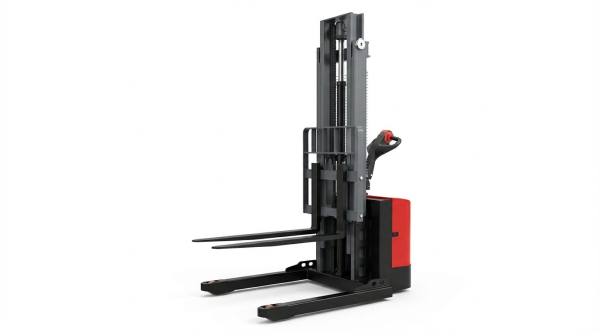
أوزان وتكوينات نموذجية لرافعات التخزين اليدوية
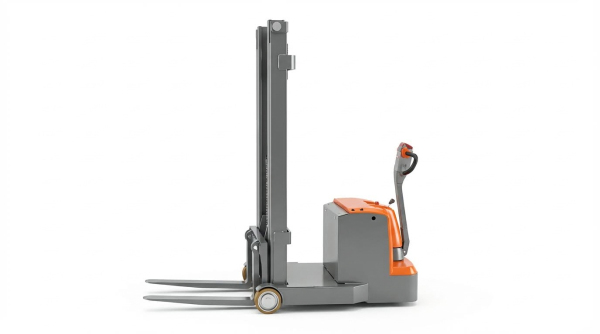
يتراوح وزن الرافعات الشوكية اليدوية النموذجية بين 450 و1,800 كيلوغرام، وفهم هذا النطاق أساسي للإجابة على سؤال "ما هو وزن الرافعة الشوكية اليدوية" بالنسبة لأرضيات التحميل والأرصفة والمقطورات. ويؤثر وزن التشغيل ونوع البطارية ونوع الصاري بشكل كبير على وزن الرافعة ضمن هذا النطاق.
تندرج معظم الرافعات الشوكية اليدوية ضمن فئات وزن محددة، ترتبط بما إذا كانت يدوية أو كهربائية، وبقدرتها المقدرة التي تتراوح بين 450 و1,800 كيلوغرام تقريبًا. ويؤثر تصميمها (الهيكل، والتوازن، والمدى) على كيفية توزيع هذه الكتلة فوق العجلات وفي أرضية المنصة أو المقطورة.
| نوع جهاز لاسلكي قابل للتكديس | نطاق وزن الخدمة النموذجي | السعة المقدرة النموذجية | الأفضل لـ / التأثير التشغيلي |
|---|---|---|---|
| مكدس لاسلكي يدوي | ≈450–1,000 كجم | ≈450–1,000 كجم | حلول تخزين خفيفة الوزن حيث يكون الحمل على الأرض والميزانية محدودين؛ سهلة النقل في الغرف الصغيرة. |
| رافعة منصات كهربائية صغيرة الحجم | ≈450–610 كجم | ≈1,000–1,200 كجم تم تقييمها في ظل ظروف مثالية | مكوك قصير في ممرات ضيقة؛ أحمال عجلات أقل للميزانين والألواح الخفيفة. |
| رافعة كهربائية يدوية قياسية | ≈900–1,800 كجم | ≈1,000–1,800 كجم مع صواري عالية ومدى وصول | التخزين العام في المستودعات حتى أوزان المنصات الشائعة؛ الاهتمام الرئيسي بألواح التحميل وأرضيات المقطورات. |
| رافعة شوكية للمشاة شديدة التحمل / من نوع الوصول | ≈1,400–1,800+ كجم | ≈1,500–1,800 كجم مع صواري عالية ومدى وصول | رفوف أعلى أو منصات نقالة أعمق؛ أحمال نقطية أعلى وفحوصات أكثر صرامة للأرضية والمقطورة. |
ضمن هذه النطاقات، تذكر أن الشاحنة المصممة لرفع حمولة تتراوح بين 1,000 و1,800 كجم لا تُقدم دائمًا كامل طاقتها إذا زاد مركز التحميل أو تم رفع الصاري بالكامل. فعندما يتجاوز مركز التحميل 600 مم تقريبًا، قد تنخفض السعة الفعلية بنسبة 20% أو أكثر، ولهذا السبب تربط جداول المواصفات دائمًا السعة بمركز تحميل وارتفاع محددين. تنخفض السعة كلما ابتعدت الحمولة عن الصاري ، حتى وإن بقي وزن الشاحنة ثابتًا.
ملاحظة من مهندس الموقع: عند التحقق من قدرة أرضية أو مقطورة على تحمل رافعة شوكية يدوية، أقوم أولاً بتثبيتها ضمن أحد نطاقات الوزن المذكورة أعلاه، ثم أضيف أقصى حمولة حية على الشوكات. غالبًا ما تكشف هذه العملية السريعة عن وجود حمولة زائدة على ألواح التحميل قبل وقت طويل من فتح أي رسومات تصميمية.
أوزان رافعة يدوية مقابل أوزان رافعة كهربائية
يتراوح وزن الرافعات اليدوية عادةً بين 450 و1,000 كيلوغرام، بينما يتراوح وزن الرافعات الكهربائية عادةً بين 900 و1,800 كيلوغرام بعد تركيب البطارية والعمود. تُحسّن هذه الكتلة الكهربائية الإضافية أداء الرفع، لكنها تزيد بشكل كبير من أحمال العجلات على الأرضيات والمقطورات.
تستخدم الوحدات اليدوية هيكلاً خفيفاً مزوداً بمضخة هيدروليكية صغيرة وبدون محرك جر، لذا يتركز معظم وزنها في الإطار الفولاذي والعمود. أما الوحدات الكهربائية فتضيف محرك الدفع، وعلبة التروس، والإلكترونيات، والأهم من ذلك، بطارية جر قد تشكل ما بين 20 و30% من إجمالي وزن التشغيل. لهذا السبب، يمكن أن يصل وزن الرافعة الكهربائية المدمجة إلى ما بين 450 و610 كيلوغرامات حتى قبل اللجوء إلى التصاميم ذات السعة الأكبر أو ذات المدى الأطول.
- رافعة يدوية (≈450–1,000 كجم): إطار بسيط، صاري صغير، بدون بطارية – أسهل في الدفع وأكثر ملاءمة لأرضيات الميزانين الخفيفة.
- رافعة كهربائية صغيرة الحجم (≈450–610 كجم): قاعدة عجلات قصيرة، بطارية أصغر – حل وسط جيد للمقطورات الخفيفة والمصاعد الضيقة.
- جهاز لاسلكي كهربائي قياسي (≈900–1,800 كجم): بطارية وعمود أكبر – استقرار وقدرة أفضل، لكنها تتطلب ألواحًا ومعدات رصيف أقوى.
لماذا تبدو الرافعات الكهربائية "أثقل" عند استخدامها
لا تقتصر مشكلة الرافعات الكهربائية اليدوية على وزنها الأثقل فحسب، بل إنها تُركّز كتلة أكبر على إطار قيادة صغير وعجلات تحميل صغيرة. هذا يُولّد ضغطًا أعلى على الأرض مقارنةً بوحدة يدوية ذات سعة مماثلة، ولذلك فإن الرافعات الكهربائية أكثر عرضةً لإتلاف الأرضيات الضعيفة وأسطح المقطورات الرقيقة إذا لم يتم التحقق من مواصفاتها.
يُصبح فرق الوزن هذا بالغ الأهمية عند الانتقال من مستودع أرضي إلى مقطورات أو أرضيات حاويات أو ألواح معلقة. غالبًا ما يكون استخدام رافعة يدوية بوزن يتراوح بين 450 و700 كجم مع منصة نقالة بوزن يتراوح بين 500 و800 كجم ضمن حدود العديد من الهياكل الخفيفة، بينما قد تتجاوز رافعة كهربائية بوزن 1,500 كجم مع منصة نقالة بوزن 1,800 كجم بسهولة حدود التحميل النموذجية لألواح التحميل أو المصاعد الصغيرة إذا لم يتم التحقق من ذلك.
وزن الخدمة، ووزن الشحن، والسعة المقدرة
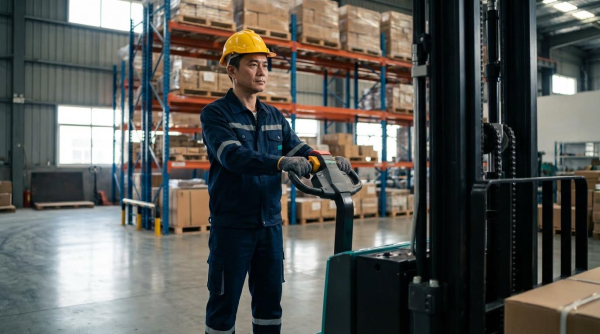
وزن التشغيل هو الوزن الفعلي للرافعة الشوكية الكهربائية أثناء الاستخدام، مع تركيب البطارية والعمود والسوائل والخيارات القياسية، بينما يكون وزن الشحن أقل نظرًا لإزالة أو تفكيك المكونات الرئيسية. أما السعة المقدرة فهي منفصلة أيضًا: وهي أقصى حمولة، تتراوح عادةً بين 1,000 و1,800 كيلوغرام، يمكن للرافعة الشوكية رفعها في ظل ظروف هندسية وسطحية مثالية.
عند فحص الأرضيات والأرصفة والمقطورات، يُؤخذ في الاعتبار وزن التشغيل بالإضافة إلى الحمولة الفعلية، وليس وزن الشحن الأخف. عادةً ما يتراوح وزن التشغيل للرافعات الكهربائية اليدوية بين 900 و1,800 كيلوغرام عند إضافة وزن البطارية المركبة والصاري الكامل. قد يكون وزن الشحن أقل بعدة مئات من الكيلوغرامات إذا تم شحن البطارية بشكل منفصل أو تم شحن الصاري وهو مفرود، ولذلك تُدرج وثائق التركيب كلا الرقمين دائمًا.
| مصطلح | ماذا يتضمن | نطاق القيم النموذجي (جهاز لاسلكي كهربائي) | التأثير التشغيلي |
|---|---|---|---|
| وزن الخدمة | شاحنة، صاري، بطارية، سوائل، خيارات قياسية | ≈900–1,800 كجم | يستخدم لتحميل الأرضيات، وألواح التحميل، والمقطورات، وفحوصات المصاعد؛ ويتحكم في أحمال العجلات. |
| وزن المشتريات | الشاحنة كما تم شحنها؛ غالباً بدون بطارية أو صاري كامل | أقل بعدة مئات من الكيلوجرامات من وزن الخدمة | ذات صلة بتصاريح النقل وعمليات رفع الرافعات؛ غير آمنة للاستخدام في التصميم الإنشائي أثناء الخدمة. |
| تصنيف القدرة | أقصى حمولة مسموح بها عند مركز التحميل والارتفاع المحددين | ≈450–1,800 كجم في ظل الظروف المثالية | يُستخدم لاتخاذ قرارات بشأن المنصات والرفوف؛ ويجب تخفيض تصنيفه لمراكز التحميل الأكبر أو الرفع العالي. |
لا تضمن السعة المقدرة قدرة الرافعة على رفع تلك الكتلة في الواقع. فبمجرد زيادة مركز التحميل أو رفع الصاري، تنخفض السعة المقدرة بسبب عدم الاستقرار وانحراف الصاري . على سبيل المثال، قد لا تتمكن رافعة مصنفة بسعة 1,500 كجم عند مركز تحميل 600 مم (24 بوصة) من رفع سوى حوالي 1,200 كجم عند مركز تحميل 760 مم (30 بوصة)، أي بانخفاض يقارب 20%، على الرغم من أن وزن الشاحنة التشغيلي لم يتغير.
- وزن الخدمة: أحمال عجلات القيادة والفحوصات الهيكلية – هذا يجيب على الجانب الهندسي من سؤال "كم يبلغ وزن رافعة التكديس اليدوية؟".
- وزن المشتريات: يساعد في تخطيط الخدمات اللوجستية للرافعات والمقطورات والتجهيزات – لا تستخدمه مطلقًا لإجراء فحوصات أرضية أثناء الخدمة.
- تصنيف القدرة: يتحكم في مقدار الوزن الذي يمكنك رفعه بشكل قانوني وآمن – يجب قراءتها مع مخططات مركز التحميل وارتفاع الرفع.
كيف يؤثر اختيار البطارية بهدوء على وزن الخدمة
يمكن أن تؤثر البطاريات على وزن الخدمة بمئات الكيلوغرامات. غالبًا ما تشكل بطاريات الرصاص الحمضية التقليدية ما بين 20 و30% من وزن خدمة جهاز المشي الكهربائي. أما بطاريات الليثيوم الحديثة، فتُقلل من كتلة البطارية بنحو 15%، مما يُخفف الوزن الإجمالي للشاحنة وأحمال العجلات، ولكنه يُقلل أيضًا من تأثير الثقل الموازن المُثبِّت. لذا، تأكد دائمًا من وزن الخدمة المُعلن من قِبل الشركة المُصنِّعة لنوع البطارية المُثبَّتة قبل الموافقة على حسابات أرضية أو مقطورة الشاحنة.
ملاحظة من مهندس ميداني: عند إجراء تدقيق للموقع، أطلب لوحة البيانات أو دليل المستخدم للتأكد من وزن التشغيل، ثم أضيف حمولة التشغيل القصوى للحصول على "أقصى حمولة تدحرج" سريعة لفحص الرصيف والألواح الخرسانية. إن استخدام وزن الشحن أو تجاهل تخفيض الحمولة هو ما يؤدي إلى انحناء المقطورات وتشقق الألواح الخرسانية حول الوصلات.
كيف يؤثر وزن الرافعة على الأرضيات والأرصفة والمقطورات
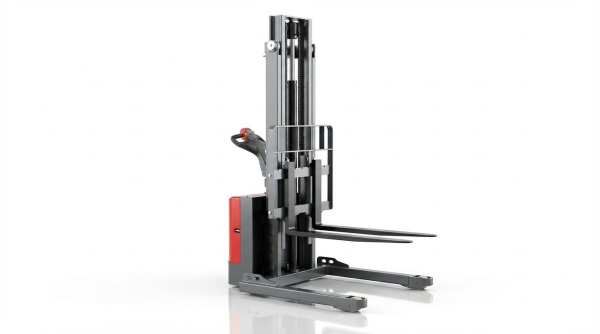
يُعد وزن الرافعة أمرًا مهمًا لأنه يتحول إلى أحمال عجلات عالية جدًا يمكن أن تتسبب في تشقق الأرضيات، وتحميل معدات الرصيف فوق طاقتها، وإتلاف أسطح المقطورات، خاصة عندما تحمل أيضًا أحمالًا مصنفة وتعمل على المنحدرات.
عندما يسأل الناس عن وزن رافعة التكديس الكهربائية ، فإن السؤال الهندسي الحقيقي هو كيفية انتقال هذه الكتلة إلى الأرضية أو المقطورة عبر عدد قليل من العجلات الصغيرة. يبلغ وزن رافعة التكديس الكهربائية النموذجية حوالي 900-1,800 كيلوغرام أثناء التشغيل، وبمجرد إضافة حمولة تتراوح بين 1,000 و1,800 كيلوغرام، قد يتجاوز رد الفعل الكلي على الأرضيات والأرصفة والمقطورات ما تتحمله هذه الهياكل بأمان على المدى الطويل.
- النقطة الأساسية: لا تنظر أبدًا إلى وزن الشاحنة وحده - بل تتحقق دائمًا من وزن الشاحنة والحمولة والسائق مجتمعين مقابل تصنيفات الأرضية والرصيف والمقطورة.
- المخاطر الرئيسية: يمكن أن تؤدي أحمال العجلات المركزة والمنحدرات إلى دفع رافعة تكديس "آمنة على الورق" إلى تشقق الألواح أو انهيار الرصيف أو الانقلاب.
ملاحظة من مهندس الموقع: في المباني القديمة، أفترض دائمًا أن الأرضية هي نقطة الضعف، وليس الرافعة. نتحقق من سُمك البلاطة، والتسليح، وأي ميزانين أو مقطورات قبل السماح بتشغيل رافعة يدوية بوزن 1.5 طن بحمولة كاملة، خاصةً بالقرب من الفواصل، أو الحفر، أو حواف الرصيف.
أحمال العجلات، وألواح الأرضية، وحدود سطح المقطورة
يؤدي وزن رافعة التحميل اليدوية إلى أحمال مركزة على العجلات يمكن أن تسبب إجهادًا زائدًا للألواح الخرسانية وأرضيات المقطورات الخفيفة إذا تجاهلت أحمال المحاور ومناطق تلامس العجلات.
تتراوح أوزان الرافعات الكهربائية اليدوية النموذجية بين 900 و1,800 كيلوغرام، بينما تتراوح أوزان الرافعات اليدوية بين 450 و1,000 كيلوغرام تقريبًا. يرتكز وزنها على عجلة قيادة صغيرة وزوج (أو زوجين) من عجلات التحميل الصغيرة، مما يجعل مساحات التلامس صغيرة والضغط الموضعي مرتفعًا. يقوم المهندسون بتحويل ردود فعل هذه العجلات إلى أحمال أرضية مكافئة للتحقق من انحناء البلاطة، وقوة القص، وقدرة سطح المقطورة.
| معامل | النطاق النموذجي / المثال | معنى الهندسة | التأثير التشغيلي |
|---|---|---|---|
| وزن الخدمة (رافعة كهربائية يدوية) | 900-1,800 كجم | يستقر وزنه الذاتي على الأرض بواسطة عجلات | حتى الوحدات "الخفيفة" قد تتجاوز حدود البلاطة الضعيفة أو الميزانين إذا أُسيء استخدامها |
| وزن رافعة يدوية | 450-1,000 كجم | كتلة أقل ولكنها لا تزال مركزة في العجلات الصغيرة | لا يزال الأمر محفوفًا بالمخاطر على الألواح الرقيقة أو الأرضيات الخشبية أو أسطح المقطورات. |
| تصنيف القدرة | يتراوح وزن العديد من الكلاب التي تمشي لمسافات طويلة بين 450 و1,800 كيلوغرام في ظل الظروف المثالية | أقصى حمولة آمنة عند مركز التحميل المحدد | يمكن أن يتجاوز الوزن الإجمالي للشاحنة مع الحمولة 3,000 كجم على الأرض |
| تصميم أرضية المقطورة | بالنسبة لأحمال المنصات، وليس العجلات المدببة في كثير من الحالات | يفترض توزيع الحمل بوحدة كيلو نيوتن/م² | يمكن للعجلات الصغيرة أن تسحق الألواح أو تخترق الأسطح الفولاذية الرقيقة. |
| فحص تحميل الأرضية | أحمال المحور ← ما يعادلها بالكيلو نيوتن/م² | قارن بتقييمات الألواح والميزانين | يمنع التشققات والتقشر والأضرار الهيكلية طويلة الأمد |
تُعدّ أرضيات المقطورات، على وجه الخصوص، خطرة لأنها مصممة لحمل منصات نقالة موضوعة على ألواح سطحية، وليس لحمل رافعة يدوية بوزن يتراوح بين 1,200 و1,800 كيلوغرام بالإضافة إلى منصة نقالة كاملة مُركّزة على عدد قليل من العجلات. يجب أن تُقارن فحوصات متانة الأرضية ضغوط تلامس العجلات المحسوبة مع تصنيفات المقطورة أو الميزانين المُعبّر عنها بالكيلو نيوتن/م² أو الكيلوغرام/م². إذا اقتصر سؤالك على "كم يبلغ وزن الرافعة اليدوية ؟" وتجاهلت ضغط التلامس، فإنك تُغفل سبب العطل الحقيقي.
- حمولة العجلات: نسبة الكتلة الإجمالية التي تحملها كل عجلة – يؤدي ذلك إلى زيادة الإجهاد الموضعي على الأرضية وخطر التلف.
- منطقة الاتصال: أثر العجلات على الأرض – مساحة أصغر تعني ضغطًا أعلى.
- ثقب الألواح: انهيار موضعي على شكل مخروط تحت تأثير الأحمال المركزة – حرج بالقرب من المفاصل والحفر والطبقات الرقيقة.
- سحق ألواح المقطورة: الخشب أو الفولاذ الرقيق ينثني تحت العجلات – قد يتسبب ذلك في هبوط مفاجئ أو تعطل الشاحنة.
كيف يتحقق المهندسون من استخدام رافعات التكديس الكهربائية في الأرضيات
يقوم المهندسون عادةً بما يلي: (1) تقدير أحمال المحاور من الشاحنة والحمولة، (2) القسمة على مساحة تلامس العجلات للحصول على الضغط، (3) التحويل إلى ما يعادله بالكيلو نيوتن/م²، (4) المقارنة مع تصنيفات البلاطات أو الميزانين أو المقطورات وتفاصيل التسليح. كما ينظرون إلى الوصلات والخنادق وحفر التحميل وأي مناطق ذات سماكة منخفضة باعتبارها نقاط ضعف محلية.
المنحدرات، ومستويات الأرصفة، وقيود الانحدار
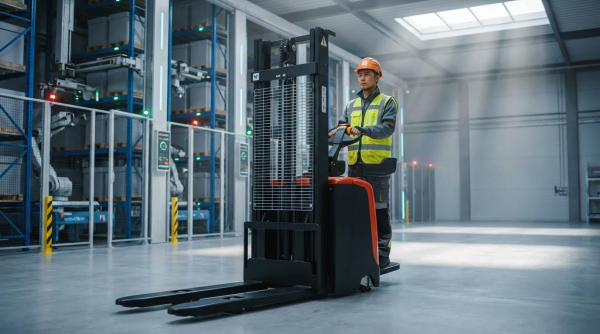
في المنحدرات ومستويات التحميل، يؤدي وزن الرافعة بالإضافة إلى الحمولة إلى مضاعفة ردود الفعل على المفصلات والحواف، بينما تعمل المنحدرات على تغيير مركز الثقل وزيادة مخاطر الانقلاب والجر.
تُعرّض الرافعات الكهربائية اليدوية، التي يبلغ وزنها التشغيلي حوالي 1,500 كجم بالإضافة إلى حمولات تصل إلى 2,000 كجم، قوىً هائلةً لمستويات التحميل والمفصلات والصفائح الطرفية عند عبورها رصيف التحميل أو وصلة المقطورة. عادةً ما تحدد القوانين واللوائح والمصنّعون انحدارات التحميل بنسبة 10% تقريبًا (حوالي 5.7 درجة) أو أقل لضمان التشغيل الآمن، وتُشير بعض الإرشادات إلى أن المنحدرات التي تزيد عن 7 درجات تتطلب قواعد خاصة، مثل تحديد اتجاه السير وحدود السرعة. وتُؤكد الإرشادات الميدانية على أن عجلات الرافعات الصغيرة حساسة للغاية للفجوات وصفائح التحميل والأسطح غير المستوية.
| العنصر | الحالة النموذجية / الحد | آلية المخاطر | الأفضل لـ / إرشادات التشغيل |
|---|---|---|---|
| ميل المنحدر المحمل | حوالي 10% أو أقل للمشي | انتقال مركز الثقل إلى أسفل المنحدر، فقدان قوة الجر | مداخل قصيرة ولطيفة للأرصفة ومنحدرات داخلية |
| نطاق المنحدر "القاعدة الخاصة" | تتطلب درجات الحرارة التي تزيد عن 7 درجات مئوية تقريبًا قواعد صارمة. عمليا | حركة أسرع لمركز الثقل أثناء الكبح/الانعطاف | القيادة للأمام صعوداً، وللخلف نزولاً، ممنوع الانعطاف على المنحدر. |
| تصنيف رافعات التحميل | بناءً على تركيبة الشاحنة والحمولة | إجهاد زائد في المفصلات والحواف والسطح | تأكد من السعة قبل إرسال أجهزة الاتصال اللاسلكي إلى المقطورات |
| الانتقال عند لوحة الإرساء | منحدر قصير + فجوة أو خطوة | أحمال الصدمات وقوى العجلات الديناميكية | سرعة اقتراب منخفضة، مسار مركزي، أسطح مانعة للانزلاق |
| جودة الأرضيات عند المنحدرات | سطح صلب أملس ذو احتكاك عالٍ | دوران العجلات أو انزلاقها على المنحدرات الملساء/المتسخة | التنظيف المنتظم والأسطح المانعة للانزلاق |
- استخدام المنحدر: اتبع حدود ميل المنحدرات وقواعد المرور الخاصة بالشركة المصنعة. يمنع الهروب والانقلاب.
- رافعات التحميل والتفريغ: تحقق من السعة المقدرة مقابل الشاحنة والحمولة – يتجنب أعطال المفصلات والشفة.
- الانتقالات: تعامل مع حواف الأرصفة وعتبات المقطورات على أنها مخاطر – خفف السرعة وحافظ على استقامة العجلات.
نمط تشغيل عملي للمنحدرات لرافعات التكديس اليدوية
بالنسبة للمنحدرات القريبة من الحد الأعلى المسموح به، يجب على المشغلين: (1) السير صعوداً مع تقدم الحمولة وانخفاض الشوكات، (2) السير نزولاً للخلف مع صعود الحمولة، (3) تجنب الكبح الشديد أو الانعطاف على المنحدر، و(4) عدم التوقف وإعادة التشغيل على منحدر حاد مع حمولة كاملة مصنفة.
مثلث الاستقرار، وعزم الحمل، وخطر الانقلاب
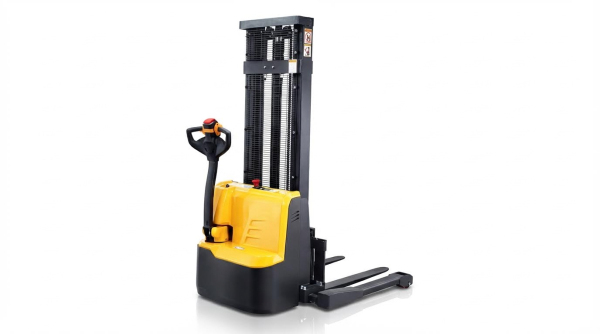
يحدد وزن الرافعة المثلث المستقر والثقل الموازن، لكن موضع الحمولة وارتفاع الصاري والمنحدرات هي التي تحدد في النهاية خطر الانقلاب على الأرصفة والمقطورات.
تتميز الرافعات الشوكية اليدوية بمثلث استقرار صغير نسبيًا نظرًا لقاعدة عجلاتها الضيقة وقصر طولها. عند القيادة فوق مقطورة أو رصيف تحميل، يؤدي أي انحراف أو ميل أو تغيير في التوجيه إلى تحريك مركز الثقل الكلي نحو حواف المثلث. كما أن ارتفاع الصاري، أو وضع المنصات خارج المركز، أو تجاوز السعة المقدرة عند مركز تحميل كبير، كلها عوامل تزيد من عزم الانقلاب وتقلل من هامش الأمان. توضح مخططات السعة كيف تنخفض فعالية قدرة الرفع مع زيادة مركز التحميل وارتفاع الرفع، مما يعكس هذه الحقيقة المتعلقة بالاستقرار.
| مفهوم وتصميم المنتج | ماذا تعني | مثال على التأثير | التأثير التشغيلي |
|---|---|---|---|
| مثلث الاستقرار | نقاط اتصال عجلة التوصيل متعددة الأضلاع | قاعدة ضيقة على رافعات يدوية | يمكن أن يؤدي تغيير طفيف في مركز الثقل على المنحدرات إلى الوصول إلى الحافة بسرعة |
| لحظة التحميل | الحمل × المسافة الأفقية (نيوتن متر) | يؤدي ارتفاع مركز الحمل أو طول الشوكات إلى زيادة العزم | يجب تقليل السعة مع نمو مركز الأحمال |
| تخفيض ارتفاع المصعد | انخفاض القدرة عند ارتفاع الصاري العالي | تنخفض قدرة الصواري الثلاثية بشكل أكبر عند أعلى ارتفاع لها في العديد من الرسوم البيانية | لا ترفع الحمولة المقدرة بالكامل إلى أقصى ارتفاع دون مراجعة الجدول. |
| ميل وانحراف المقطورة | مرونة سطح السفينة وزاويته تحت الحمل | يتحرك مركز الثقل مع انحناء أو ميلان المقطورة في الاستخدام الفعلي | مخاطر انقلاب إضافية على حواف الأرصفة وداخل المقطورات المرنة |
| وزن البطارية والخيارات الإضافية | جزء من نظام الثقل الموازن | يمكن للبطارية الأثقل أن تحسن مقاومة الانقلاب، لكنها تزيد من الحمل على الأرضية. | تأكد دائمًا من مطابقة مواصفات البطارية مع بيانات لوحة بيانات الشاحنة. |
- السفر بتكاليف منخفضة: حافظ على ارتفاع شوكات المقطورة من 300 إلى 400 ملم فوق الأرض عند نقلها في المقطورات – يقلل من عزم الانقلاب.
- مخططات الاحترام: لا تتجاوز أبدًا السعة المقدرة عند مركز التحميل والارتفاع المحددين – تتضمن المخططات بالفعل هوامش الاستقرار.
- تجنب الأحمال الجانبية: لا تدفع بشكل جانبي على الرفوف أو جدران المقطورة – يؤدي التحميل الجانبي إلى تقليص مثلث الاستقرار الفعال.
- مخاطر خاصة بالمقطورات فقط: داخل المقطورات، الرؤية ضعيفة والمساحة ضيقة في العديد من العمليات - تسير بسرعة منخفضة للغاية مع منع مرور المشاة بشكل صارم.
لماذا لا يكفي سؤال "كم يبلغ وزن رافعة التخزين اليدوية" لتحقيق الاستقرار؟
قد يتساوى وزن رافعتين كهربائيتين، لكن الرافعة ذات الصاري الأعلى، أو الشوكات الأطول، أو الخيارات الأثقل كخاصية الإزاحة الجانبية، تتميز بثبات مختلف تمامًا. الأهم هو جدول الحمولة الكامل: وزن الشاحنة، وقاعدة العجلات، ونوع الصاري، ومركز الحمولة، وأقصى ارتفاع للرفع، بالإضافة إلى ظروف التشغيل الفعلية كالمنحدرات، وانحراف الرصيف، وجودة الأرضية.
الاعتبارات الهندسية عند اختيار رافعة تكديس
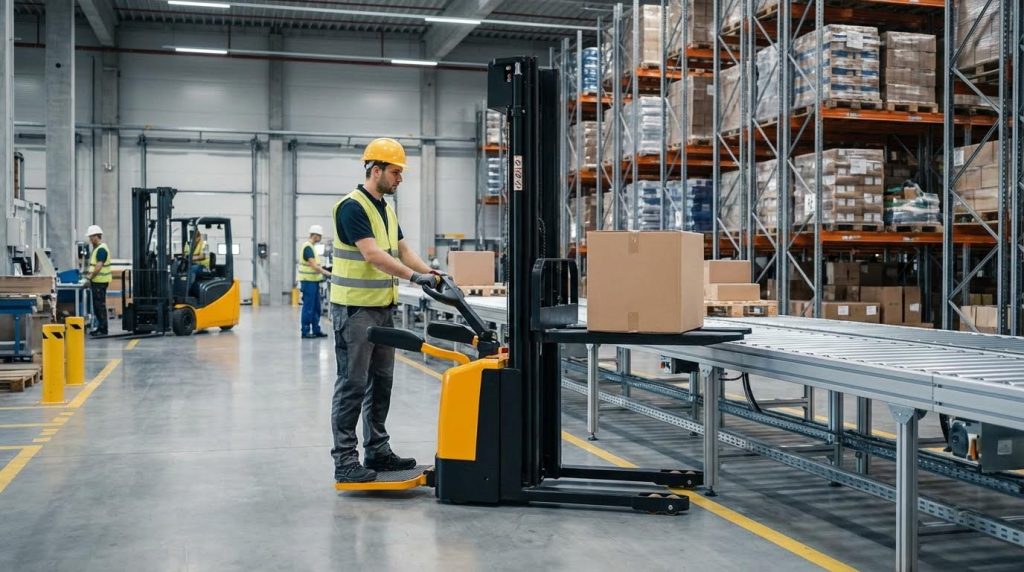
تُحدد الخيارات الهندسية المتعلقة بالبطاريات وتصميم الصاري والخيارات الأخرى وزن رافعة التكديس ، وكيفية تعاملها مع الأحمال، ومدى أمان عملها على أرضياتك وأرصفتك ومقطوراتك. عندما يُسأل أحدهم "كم يبلغ وزن رافعة التكديس اليدوية؟"، فإن الإجابة الصادقة هي أن الخيارات والتكوينات قد تُغير وزن التشغيل بمئات الكيلوغرامات، وتُغير الاستقرار، وحمل الأرضية، وتكلفة دورة الحياة.
- نظام البطارية: تُحدد التركيبة الكيميائية والحجم ما بين 20 و30% من وزن الخدمة – يؤثر بشكل مباشر على الثبات وأحمال العجلات.
- تصميم الصاري: تضيف الصواري الأعلى متعددة المراحل الفولاذ والأسطوانات – يزيد من وزن الشاحنة ويرفع مركز ثقلها.
- المرفقات/الخيارات: نظام الإزاحة الجانبية، ومثبتات الشوكة، والواقيات – أضف ما يصل إلى 20% من الوزن وقم بتحريك الحمل للأمام.
- دورة التشغيل والتضاريس: مسافات طويلة، منحدرات، أرضيات خشنة – يفضل استخدام إطارات وبطاريات متينة وأثقل وزناً.
- حدود المباني والمقطورات: ألواح الأرضيات، وألواح التحميل، والمصاعد – يجب أن يتطابق وزن الخدمة للرافعة مع الحمولة.
تكنولوجيا البطاريات، والكتلة، وتوزيع الوزن
تُحدد تقنية البطاريات إلى حد كبير كتلة الرافعة، وتوزيع وزنها، وبالتالي استقرارها وسعتها القابلة للاستخدام. في معظم الرافعات الكهربائية اليدوية، تُساهم البطارية بنحو 20-30% من وزن التشغيل وتعمل كثقل موازن رئيسي.
- بطاريات الرصاص الحمضية: تضيف بطاريات الرصاص الحمضية التقليدية، سواءً كانت مغمورة أو مغلقة، "عدة مئات من الكيلوغرامات" وغالباً ما تشكل ما بين 20 و30% من إجمالي وزن الخدمة. توفر هذه المنتجات ثقلاً موازناً جيداً ولكنها تزيد من الحمل على الأرضية والعجلات.
- بطاريات الليثيوم أيون: تُقلل بطاريات فوسفات الحديد الليثيوم عادةً من كتلة البطارية بنحو 15% لنفس الطاقة – فهي تخفف وزن الشاحنة، وتقلل ضغط العجلات، وتحسن التسارع وكفاءة الطاقة.
- تأثير وزن الخدمة: قد يزن جهاز تكديس كهربائي صغير الحجم 450-610 كجم اعتمادًا على حجم البطارية، بينما تصل وحدات المشاة الأكبر حجمًا عادةً إلى وزن خدمة يتراوح بين 900-1,800 كجم مع بطارياتها المثبتة.
- توزيع الوزن: يؤدي وضع البطارية (داخل الهيكل أو خلف المشغل) إلى تغيير مركز الثقل المشترك وبالتالي مثلث الاستقرار ومقاومة الانقلاب.
- حساسية السعة: ويشير المصنعون إلى أن وزن البطارية وحالتها يمكن أن "تؤثر بشكل كبير على استقرار الشاحنة وأداء الرفع"، مما يؤدي إلى تغيير السعة الفعالة بهامش ملحوظ. وزن البطارية وثباتها
| نوع البطارية | تأثير الكتلة النموذجي | حصة وزن الخدمة | التأثير التشغيلي |
|---|---|---|---|
| حمض الرصاص المتسرب | الخيار الأساسي (الخيار الأكثر شيوعًا) | ≈20-30٪ | ثبات وتوازن أفضل، ولكن أحمال عجلات أعلى وتآكل أكبر للأرضية. |
| بطاريات الرصاص الحمضية المغلقة (AGM/gel) | أخف قليلاً من اللون المغمور | ≈20-25٪ | صيانة أقل، وشعور مماثل بتحميل الأرضيات والتعامل معها. |
| فوسفات الحديد الليثيوم | أخف بنسبة 15% تقريبًا من بطاريات الرصاص الحمضية المكافئة | ≈15-25٪ | وزن أقل للرافعة، وكفاءة طاقة أفضل، ولكن وزن موازن "حر" أقل. |
- استخدام الطاقة: تحتاج الشاحنات الأثقل إلى طاقة جر أكبر لكل متر، خاصة على الأرضيات الخشنة أو المنحدرات – وهذا يزيد من استهلاك الطاقة بالكيلوواط/ساعة لكل وردية عمل.
- تآكل الإطارات والأرضيات: تزيد كتلة البطارية الإضافية من ضغط التلامس على عجلات الأحمال الصغيرة – يؤدي ذلك إلى تسريع تآكل الإطارات ويمكن أن يتسبب في تلف ألواح الرصيف الرقيقة أو الألواح الضعيفة.
- ملف الصيانة: تتطلب بطاريات الرصاص الحمضية الري والمعادلة؛ بينما تقلل بطاريات الليثيوم أيون من الصيانة ولكنها تزيد من التكلفة الرأسمالية. يصبح اختيار الوزن قرارًا يتعلق بتكلفة دورة الحياة، وليس مجرد رقم في ورقة المواصفات.
كيف يؤثر اختيار البطارية على السعة "الحقيقية"
تعتمد السعات المنشورة على نوع البطارية ووزنها المحددين عند تركيبها على أرضيات صلبة ومستوية وناعمة. قد يؤدي استبدال البطارية بأخرى أخف وزنًا دون موافقة الشركة المصنعة إلى تقليل الثقل الموازن الفعال، مما يقلل هامش الأمان ضد الانقلاب الأمامي عند التعامل مع المنصات الطويلة أو غير المتمركزة.
ملاحظة من مهندس ميداني: في التخزين البارد تحت درجة حرارة 0 مئوية، يؤدي استخدام زيت هيدروليكي عالي اللزوجة وإطارات صلبة إلى تقليل هوامش المناولة. إضافةً إلى ذلك، فإن استخدام بطارية ناقصة الوزن أو شبه فارغة الشحن يؤدي إلى تحريك مركز الثقل للأمام بسرعة أكبر مما يتوقعه المشغلون، لذا احرص دائمًا على اختيار حجم البطاريات ونوع الزيت المناسبين لأبرد منطقة تشغيل، وليس لدرجة حرارة الرصيف المحيطة.
ارتفاع الصاري، والخيارات المتاحة، وتأثيرها على وزن الشاحنة
يمكن أن يؤثر ارتفاع الصاري وعدد المراحل والخيارات الإضافية على وزن الرافعة التي تعمل بالبطارية بنسبة تصل إلى 20%، كما تؤثر بشكل كبير على ثباتها عند الارتفاعات العالية. وتتطلب الصواري الأطول والأكثر تعقيدًا تخفيضًا أكثر صرامة في قدرة التحمل.
- منصات الصاري: تصل الصواري الثلاثية (ثلاث مراحل) إلى ارتفاعات أعلى، لكنها تستخدم كميات أكبر من الفولاذ والأسطوانات مقارنةً بالصواري البسيطة أو المزدوجة – وهذا يضيف كتلة كبيرة فوق الهيكل.
- ارتفاع المصعد مقابل السعة: مع ازدياد ارتفاع الرافعة، يقل الحمل المسموح به عند شوكات الرافعة بسبب حدود الاستقرار وانحراف الصاري. لذا، تتطلب الصواري الأعلى تخفيضًا أكبر في الحمل عند أعلى ارتفاعاتها. ارتفاع الرفع وتخفيض القدرة
- نطاق السعة المقدرة: تتراوح القدرات النموذجية للرافعات اليدوية من حوالي 450 إلى 1,800 كجم في الظروف المثالية، ولكن هذا التصنيف ينطبق فقط عند مركز التحميل المحدد وعند أو أقل من ارتفاع رفع معين. نطاق السعة ومركز التحميل
- خيارات الكتلة: يمكن أن تزيد عربات الإزاحة الجانبية، ومثبتات الشوكة، والحواجز الإضافية من الوزن الإجمالي للشاحنة بنسبة تصل إلى 20% تقريبًا مقارنةً بالتكوين الأساسي – وغالباً ما يقومون بتحريك مركز التحميل إلى الأمام.
- حساسية مركز الحمل: قد لا تتمكن رافعة التكديس المصنفة عند 1,500 كجم مع مركز تحميل 600 مم إلا من التعامل مع حوالي 1,200 كجم عند مركز تحميل 760 مم، أي بانخفاض قدره 20٪ تقريبًا. مركز التحميل مقابل السعة
| اختيار التصميم | تأثير ذلك على وزن الرافعة | التأثير على القدرة والاستقرار | التأثير التشغيلي |
|---|---|---|---|
| نظام أحادي/مزدوج ذو صاري منخفض (≤3,000 مم) | خط الأساس، صاري أخف | انخفاض أقل في القدرة المقدرة؛ مركز ثقل منخفض | الأفضل للأرفف المنخفضة، والميزانين، والمقطورات الضيقة. |
| الصاري الثلاثي العالي (≥4,800 مم) | مجموعة الصاري الأثقل | مزيد من التخفيض في أعلى ارتفاع؛ مركز ثقل أعلى | يحتاج الأمر إلى أرضيات أكثر متانة وتدريب دقيق على عمليات الرفع العالية. |
| عربة ذات إزاحة جانبية | كتلة فولاذية إضافية وكتلة هيدروليكية | تمضي شركة COG قدماً، مما يقلل قليلاً من صافي السعة. | يحسن محاذاة المنصات ولكنه يزيد من أحمال العجلات والأرضية. |
| جهاز تحديد موضع الشوكة الهيدروليكي | زيادة في الوزن تصل إلى 20% تقريبًا مقارنة بالوزن الأساسي | زيادة الحمل على المحور الأمامي؛ حساسية أكبر للألواح الضعيفة | معالجة أسرع لعروض المنصات المختلطة؛ تحقق من تصنيفات الرصيف والمصعد. |
- عمليات فحص الأرضيات والأرصفة: تؤدي الصواري الأثقل وخيارات الواجهة الأمامية إلى زيادة أحمال المحور الأمامي والعجلات، مما قد يؤدي إلى إجهاد الألواح الرقيقة أو رافعات التحميل أو أرضيات المقطورات إذا نظرت فقط إلى "كم يبلغ وزن رافعة التكديس اليدوية" في مواصفاتها الأساسية.
- مقاومة الطرف: يؤدي الوزن الإضافي للصاري والملحقات فوق محور القيادة إلى تقليص هامش الاستقرار، خاصة مع الأحمال الطويلة أو عند الكبح على منحدر.
- قيود النقل: يمكن أن تتجاوز حمولة الرافعة التي يبلغ وزنها التشغيلي حوالي 1,800 كجم بالإضافة إلى الحمولة تصنيفات المصاعد أو ألواح التحميل الأصغر، لذا تحقق دائمًا من وزن الشاحنة بما في ذلك الخيارات مقابل بيانات المبنى والمقطورة.
كيفية قراءة لوحة السعة للصاري وتأثيرات الخيارات
تُبيّن لوحة السعة الحمولة المقدرة بالكيلوغرام، ومركز الحمل بالمليمتر، وأقصى ارتفاع للرفع. تتضمن العديد من اللوحات جدولًا أو رسمًا بيانيًا يُظهر انخفاض السعات عند ارتفاعات الرفع العالية أو مراكز الحمل المختلفة. عند تركيب خيارات مثل الإزاحة الجانبية، تُصدر الشركات المصنعة لوحات مُحدّثة؛ إذ يُعدّ استخدام التصنيف القديم مع الملحقات الجديدة الأثقل غير آمن ولا يتوافق مع معايير السلامة العامة.
ملاحظة من مهندس ميداني: عند تعديل رافعة شوكية يدوية بإضافة صاري أثقل أو ملحق جديد، تعامل معها كشاحنة جديدة من الناحية الهندسية. أعد فحص أحمال تصميم أرضية التحميل، وتصنيفات ألواح التحميل، وخطط استخدام المقطورة؛ فغالباً ما تظهر الزيادة في الوزن (150-300 كجم) أولاً على شكل تشققات في ألواح التحميل أو تآكل في مفاصل المستودع قبل أن يلاحظ أي شخص التغيير في لوحة البيانات.
أفكار ختامية حول تحديد مواصفات رافعات التخزين الكهربائية حسب الوزن
الخلاصة الرئيسية هي أن "كم يبلغ وزن رافعة التخزين اليدوية" هو سؤال يتعلق بالهيكل والسلامة وتكلفة دورة الحياة، وليس مجرد سطر مواصفات في ورقة البيانات.
عندما تسأل عن وزن رافعة التحميل اليدوية، فأنت في الواقع تحدد ما يجب على أرضياتك وأرصفتك ومقطوراتك ومشغليك تحمله بأمان يوميًا. تتراوح أوزان التشغيل للوحدات الكهربائية النموذجية بين 900 كجم و1,800 كجم تقريبًا، بينما تتراوح أوزان رافعات التحميل اليدوية غالبًا بين 450 كجم و1,000 كجم، وتتركز هذه الكتلة في عدد قليل من العجلات الصغيرة التي يجب أن تتحملها أرضياتك وأسطح مقطوراتك تحت تأثير الأحمال الديناميكية.
من وجهة نظر هندسية، يجب أن تتضمن كل ورقة مواصفات ثلاثة عناصر أساسية: الوزن الإجمالي للخدمة، والقدرة المقدرة عند مركز التحميل الصحيح، والوزن الإجمالي (الشاحنة + الحمولة + المشغل) على المنحدرات، ومستويات التحميل، وأرضيات المقطورات. تفترض القدرة المقدرة أرضيات مثالية مستوية وصلبة ومراكز تحميل صحيحة؛ ولكن عند زيادة مركز التحميل أو رفع الصاري إلى مستويات أعلى، قد تنخفض القدرة الفعلية بنسبة 20% أو أكثر، خاصةً على الصواري الثلاثية الطويلة عند أقصى ارتفاع. يُظهر انخفاض القدرة مع الارتفاع ومركز التحميل بوضوح ضرورة التصميم بناءً على أسوأ الحالات الواقعية، وليس على الأرقام المذكورة في الكتيبات.
تؤثر خيارات الوزن أيضًا على ثبات المركبة. فالهيكل والبطارية الأثقل يزيدان من مقاومة الانقلاب ويسمحان بقدرات تحميل أعلى، لكن خيارات مثل الشوكات الأطول أو نظام الإزاحة الجانبية تُحرك مركز الثقل للأمام، مما يُقلل من هامش مثلث الثبات. في المقطورات والمنحدرات، يتفاعل مثلث الثبات الصغير والكتلة الكبيرة مع المنحدرات، وانتقالات الأرصفة، ومرونة المقطورة، مما يزيد من خطر الانقلاب وانهيار الأرضية عند القيادة بالقرب من الحدود القصوى. تُؤكد إرشادات تحميل المقطورات أن المنحدرات التي تزيد عن 7 درجات تقريبًا وأحمال العجلات المركزة على أسطح المقطورات الرقيقة تُشكل مخاطر حقيقية يجب أن يُراعيها تقييم المخاطر. تُوضح إرشادات أرضية المقطورة، والمنحدر، والثبات مدى سرعة تحرك مركز الثقل نحو حافة مثلث الثبات.
أخيرًا، يُعدّ الوزن عاملًا مؤثرًا في تكلفة دورة حياة الجهاز. فالكتلة الزائدة تزيد من طاقة الجر لكل متر، وتُسرّع من تآكل الإطارات والعجلات، وتُلحق الضرر بالأرضيات وألواح التحميل وأسطح المقطورات. وتؤدي خيارات تقنية البطاريات إلى تغيير 15% أو أكثر من هذه الكتلة، وبالتالي تغيير استهلاك الطاقة، ومتطلبات الصيانة، والقدرة القابلة للاستخدام خلال نوبة العمل. عند تحديد مواصفات وحدتك التالية، اعتبر وزن رافعة التحميل اليدوية قيدًا تصميميًا يجب أن يتوافق مع تصميم الأرضية، ومواصفات معدات التحميل، وبنية المقطورة، وظروف التحميل الفعلية من حيث المنصات والارتفاع والميل. إذا لم تتمكن من إثبات هذه المتطلبات كتابيًا، فلن تكون قد انتهيت من هندسة عملية الشراء.
أفكار ختامية حول تحديد مواصفات رافعات التخزين الكهربائية حسب الوزن
وزن رافعة التخزين اليدوية ليس تفصيلاً من تفاصيل الكتالوج، بل هو أحد مدخلات التصميم الهيكلي والسلامة. يحدد وزن التشغيل وكتلة البطارية وتصميم الصاري أحمال العجلات وهوامش الاستقرار واستهلاك الطاقة في كل وردية.
يجب على المهندسين دائمًا العمل انطلاقًا من وزن التشغيل، وليس وزن الشحن، ثم إضافة وزن أثقل منصة نقالة واقعية ووزن المشغل. هذا الوزن الإجمالي هو ما يحدد عمليات فحص تصميم الألواح، واختيار رافعات التحميل، والموافقة على المقطورات. تُحوّل عجلات القيادة والتحميل الصغيرة هذه الكتلة إلى ضغوط موضعية عالية جدًا، لذا تتطلب الألواح الرقيقة والميزانين وأسطح المقطورات عناية خاصة.
يعتمد الاستقرار على العلاقة بين وزن الشاحنة ومركز الثقل وارتفاع الصاري. تُظهر جداول السعة ومثلث الاستقرار أن الصواري الأعلى والشوك الأطول وخيارات مثل الإزاحة الجانبية تُقلل من السعة الآمنة، خاصةً على المنحدرات وأسطح المقطورات المرنة. إن تجاهل تخفيض الحمولة هو ما يؤدي إلى انحناء المقطورات وانقلاب الشاحنات.
أفضل الممارسات واضحة. حدد أولاً أبعاد المنصات الفعلية، وارتفاعات الرفع، وانحدارات الأرض. تأكد من مواصفات الأرضية، والرصيف، والمقطورة. ثم اختر رافعة تكديس، وبطارية، وعمودًا يتناسب مع هذه الحدود مع هامش أمان. في حال الشك، استشر مهندسًا إنشائيًا وموردك، مثل شركة Atomoving، قبل أن تلامس الشاحنة أي رصيف تحميل.
الأسئلة الشائعة
ما هو وزن رافعة شوكية يدوية؟
يختلف وزن رافعة التخزين اليدوية حسب الطراز والمواصفات. في المتوسط، يبلغ وزن رافعة التخزين اليدوية النموذجية حوالي 1,542 كيلوغرامًا (3,400 رطل). يشمل هذا الوزن عادةً البطارية. لمزيد من التفاصيل، يمكنك الاطلاع على طرازات محددة في صفحات معدات المستودعات.
ما هي العوامل التي تؤثر على وزن رافعة التخزين اليدوية؟
يتأثر وزن رافعة التخزين اليدوية بعدة عوامل:
- وزن البطارية: تستخدم الرافعات الكهربائية اليدوية بطاريات ثقيلة لتوفير الطاقة.
- المواد والبناء: عادةً ما يتم تصنيع الإطار والمكونات من الفولاذ المتين.
- قدرة الرفع: غالباً ما تتطلب قدرات الرفع العالية مواد أقوى وأثقل.
للحصول على مزيد من المعلومات حول مواصفات معدات مناولة المواد، يرجى الرجوع إلى أدلة مناولة المواد.