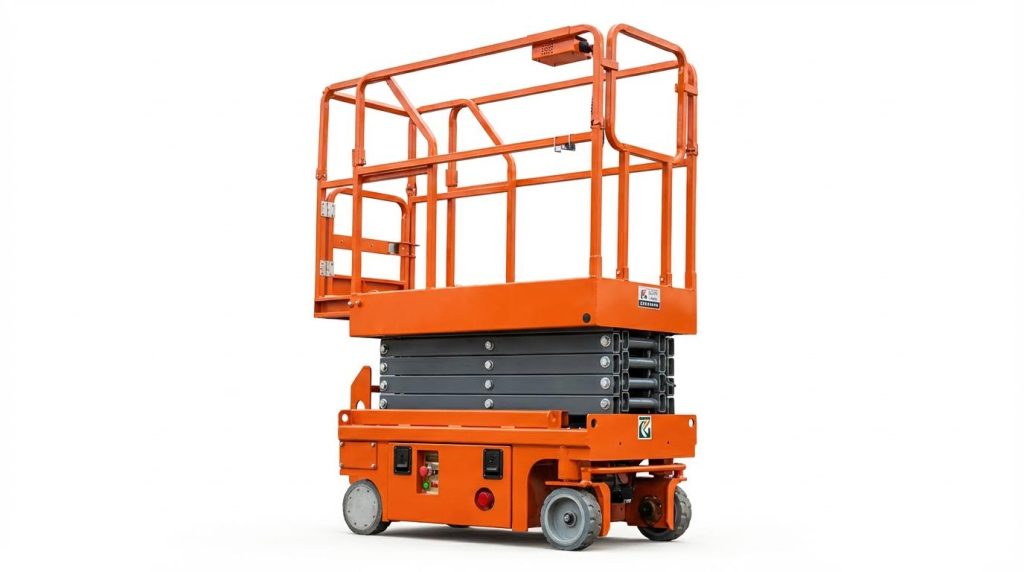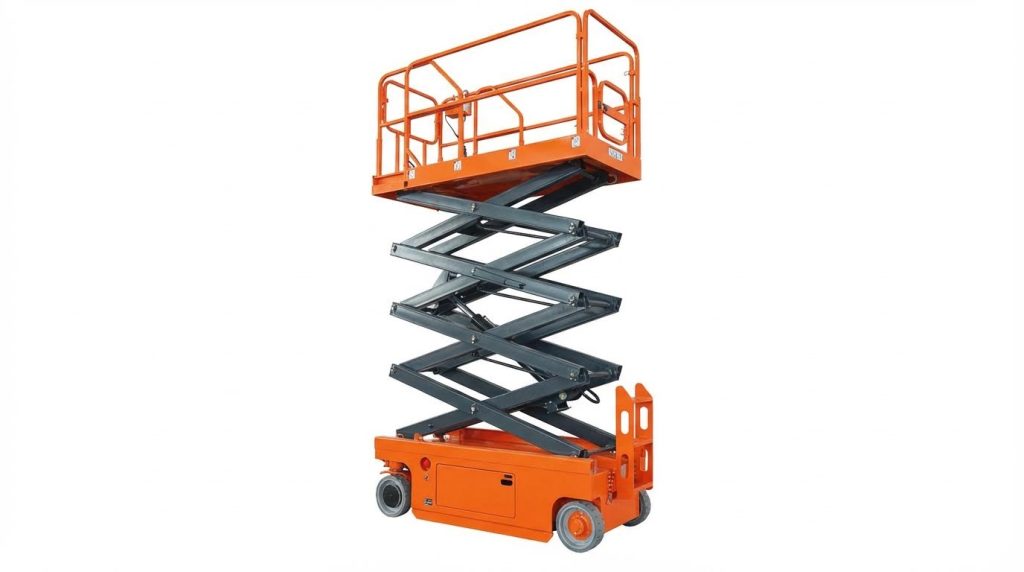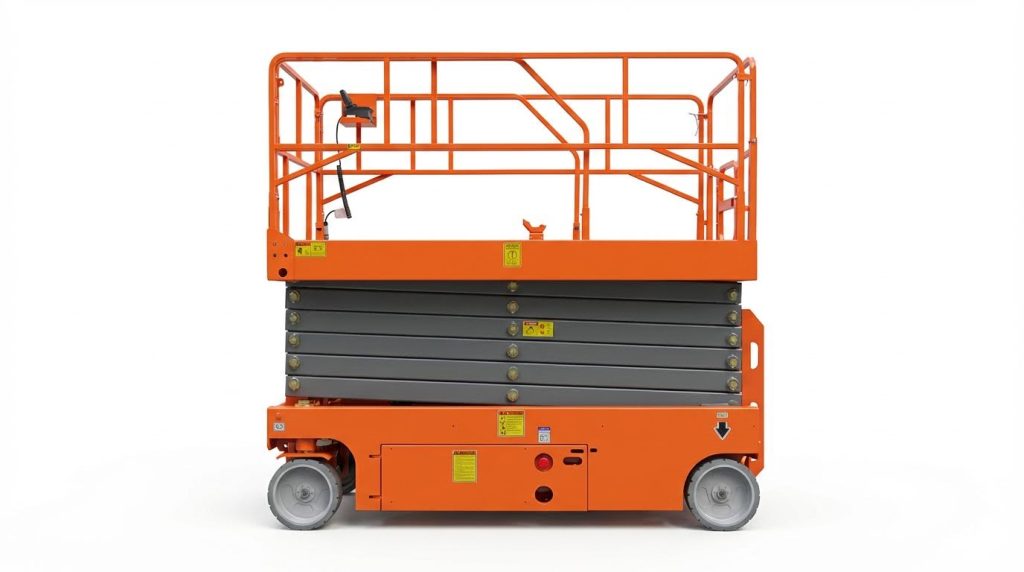
This article gives a guide to ladders and elevated working platforms using an engineering lens. It links OSHA ladder rules, global EWP standards, and structural design limits to real job planning. You will see how load ratings, angles, reach, and clearances affect safe ladder use, and when elevated platforms become the better control for work at height.
The full guide then compares risk profiles and capacity limits of ladders versus boom lifts, scissor lifts, and other EWPs. It closes with a practical selection matrix so engineers, safety managers, and supervisors can justify when a ladder is acceptable and when an elevated platform is the safer, more efficient choice.
Regulatory Framework For Work At Height
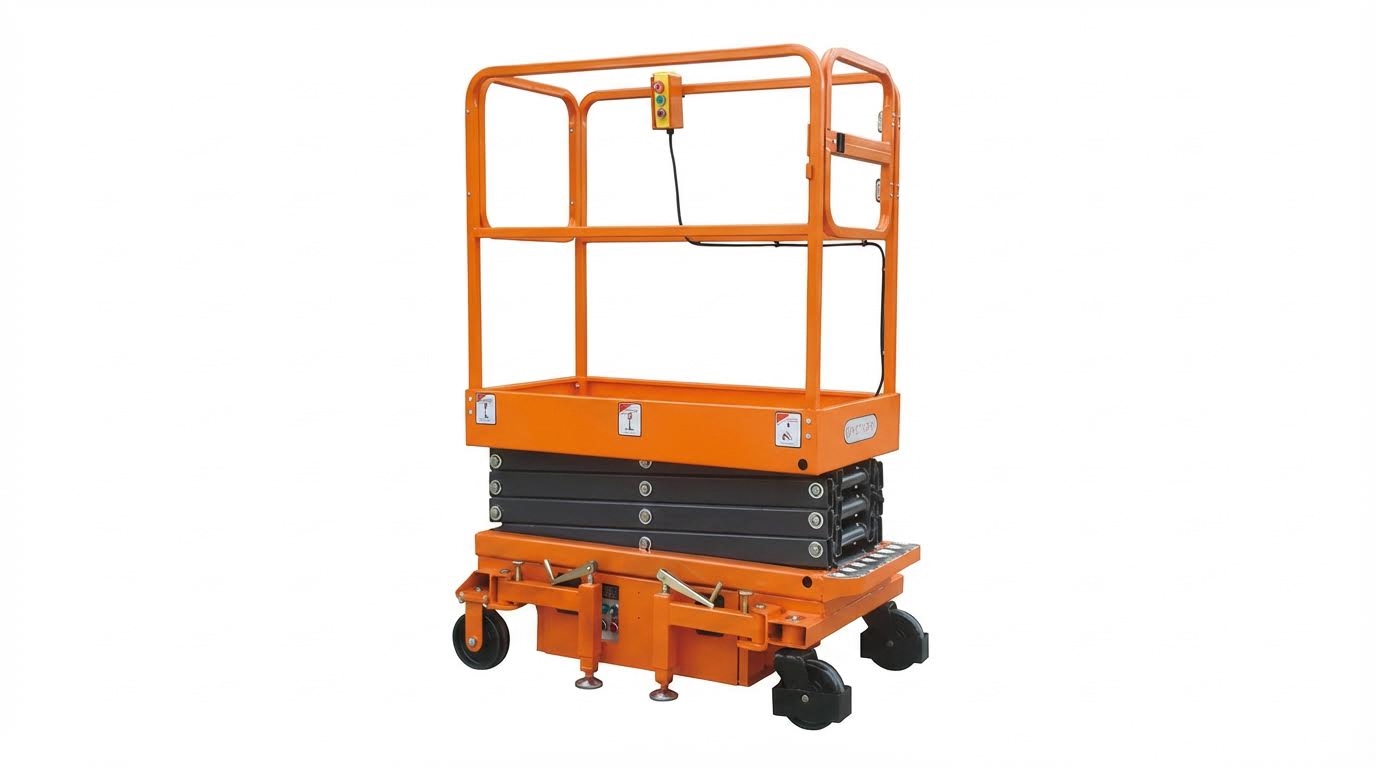
This section explains how regulations shape a guide to ladders and elevated working platforms. Engineers and safety managers must align equipment choice with legal duties, not only convenience or cost. Understanding ladder rules, fixed ladder design criteria, and elevated work platform (EWP) standards helps define when each option is acceptable. The final part links these rules to employer and worker responsibilities so policies and field practice match.
Key OSHA Requirements For Ladders
OSHA treated ladders as engineered structures, not simple access tools. Standards required portable ladders to support at least four times the maximum intended load, with some heavy-duty metal types at 3.3 times. Fixed ladders had to carry two 113 kilogram loads between any two attachments plus expected live loads. Rungs needed uniform spacing between 250 millimetres and 355 millimetres, with minimum clear widths of 292 millimetres for portable and 406 millimetres for fixed ladders.
Clearances controlled strike and entrapment risks. Fixed ladders required at least 178 millimetres from rung centerline to any surface behind, and 762 millimetres to the climbing side, reducible with deflection devices. Side rails of through or side-step ladders had to extend 1 067 millimetres above landings. Non-self-supporting ladders had to follow the 4:1 rule, where the base set back one unit for every four units of working length.
OSHA focused strongly on use and condition. Ladders had to stand on stable, level surfaces or be secured. Users could not move or extend ladders while occupied and had to face the ladder with at least one hand in contact. A competent person had to inspect ladders regularly and after any event that could affect integrity. Damaged ladders needed tagging and removal from service until repaired to original design criteria.
Design And Load Criteria For Fixed Ladders
Fixed ladders sat under stricter geometric and protection rules because users often climbed greater heights. Pitch could not exceed vertical, and designers had to manage step-across distances between 178 millimetres and 305 millimetres. If the step-across exceeded 305 millimetres, a landing platform was mandatory. Minimum clear width was 381 millimetres each side of the centerline when no cage or well existed.
Fall protection for long climbs was critical. For heights above 7.3 metres, OSHA allowed ladder safety systems, self-retracting lifelines with rest platforms every 45.7 metres, or cages and wells split into sections shorter than 15.2 metres. Cages had to start about 2.1 to 2.4 metres above the access level and extend 686 to 762 millimetres from the rung centerline. Wells needed at least 762 millimetres internal width and no internal projections.
Ladder safety devices had to pass a drop test with a 227 kilogram mass falling 457 millimetres. Devices needed to engage within 0.61 metres and limit descent speed to 2.1 metres per second. Engineers also had to design carriers and mountings with secure end fixings and intermediate supports, especially for flexible cable systems exposed to wind.
These criteria drove clear design choices in a guide to ladders and elevated working platforms. Where fixed ladders could not meet clearance, protection, or structural demands, designers had to consider platforms, stairs, or EWPs instead.
Global Standards For Elevated Work Platforms
Elevated working platforms operated under a mix of national regulations and consensus standards. In the United States, OSHA rules in construction and general industry required risk assessments, operator training, fall protection on boom-type EWPs, and safe distances from power lines. ANSI A92 standards classified machine types and set design, inspection, and operation requirements. These documents defined rated working load, guardrail strength, and stability test methods.
Other regions followed similar frameworks. The United Kingdom enforced the Work at Height Regulations 2005 and applied PUWER and LOLER to EWPs. These required suitable equipment, competent operators, and regular thorough examinations. Canada used CSA B354 series standards, while provincial agencies enforced site compliance. Australia applied Model WHS Regulations and AS 2550.10, with high-risk work licences and detailed Safe Work Method Statements for complex jobs.
Common elements across these systems included three layers of control. First, pre-use checks by operators each shift. Second, frequent inspections at defined intervals. Third, annual or major inspections by certified persons, with written records. All systems demanded that EWPs match terrain, load, and reach needs and that manufacturers declare a rated working load covering people, tools, and materials.
These global rules supported a shift away from ladders for repetitive or prolonged work at height. A guide to ladders and elevated working platforms should therefore compare not only mechanical features but also how each option fits regional compliance paths.
Employer And Worker Legal Responsibilities
Work-at-height regulations placed clear duties on employers. They had to plan tasks, choose suitable equipment, and ensure that ladders were used only when a higher level of protection was not reasonably practicable. For EWPs, employers had to fund training, verify licences where required, and maintain machines according to manufacturer instructions and relevant standards. They also had to provide fall protection gear, emergency rescue plans, and written procedures for inspection and defect control.
Workers carried complementary duties. They had to follow training, use ladders and EWPs only as intended, and wear and maintain assigned personal protective equipment. Workers needed to carry out pre-use checks, keep ladder access areas clear, and report defects or unsafe conditions without delay. Regulations gave workers the right to refuse unsafe work without penalty when serious risks existed.
Legal systems tied these duties to real consequences. Authorities could issue improvement or prohibition notices, impose large fines, or pursue criminal prosecution after serious breaches. Poor ladder control, which historically led to high numbers of fall injuries, often triggered enforcement. In contrast, well-managed EWP programs showed lower incident rates and stronger compliance records.
For engineers and safety leaders using a guide to ladders and elevated working platforms, the message was direct. Selection decisions had to document why a ladder, fixed access, or EWP was the safest practicable option, supported by risk assessment, training records, and inspection data.
Engineering Criteria For Ladder Selection
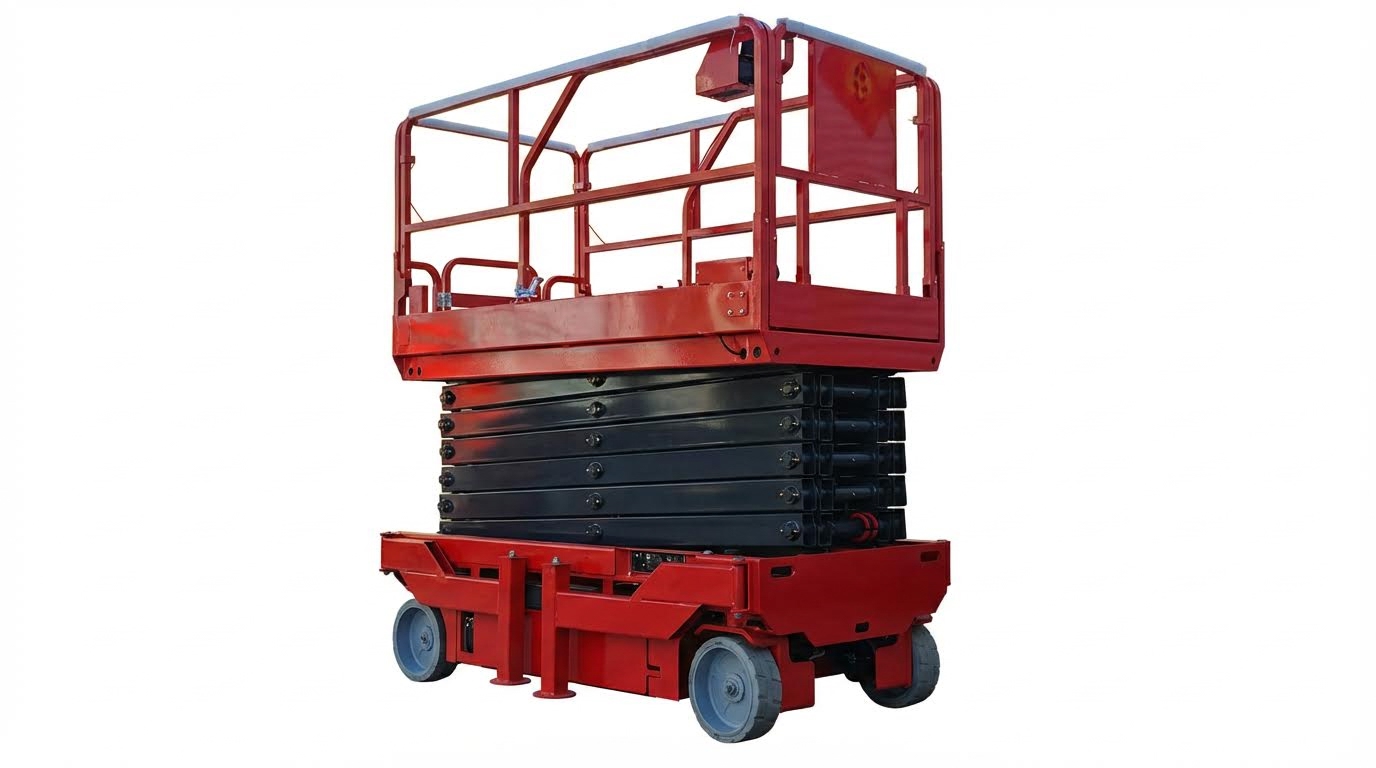
Engineering teams need clear rules when they compare ladders with elevated working platforms. A guide to ladders and elevated working platforms should start with structural limits, then move to geometry, hazards, and lifecycle cost. This section gives a practical framework that safety, maintenance, and project engineers can apply on any site. It links OSHA ladder rules with performance and cost drivers that influence when an elevated platform becomes the safer and cheaper option.
Structural Ratings, Load Classes, And Duty Cycles
Structural rating is the first filter in a guide to ladders and elevated working platforms. OSHA required portable ladders to support at least four times the maximum intended load, except extra heavy duty type 1A metal or plastic ladders, which needed 3.3 times. Fixed ladders had to support two 113 kilogram loads between any two attachments plus other expected loads. Engineers should match this to task weight, tool weight, and worker clothing weight.
For repetitive tasks, duty cycle matters as much as rating. Frequent climbing with heavy tools accelerates wear, especially on wood or fiberglass ladders. In such cases, a vertical mast or scissor lift with a rated working load that covers workers and materials can reduce structural fatigue risk. A simple selection table that compares ladder duty class against task weight and frequency helps standardize decisions.
| Criterion | Portable Ladder | Fixed Ladder |
|---|---|---|
| Safety factor on load | 3.3–4 × intended load | Two 113 kg loads plus extras |
| Best use | Short duration, light tools | Regular access routes |
| Upgrade trigger | High weight or long duration | Frequent carrying of materials |
Geometric Constraints: Angle, Reach, And Clearances
Geometry often decides whether a ladder is acceptable or an elevated platform is required. Non self supporting ladders should be set at a one in four rule, where the base is one quarter of the working length from the wall. Portable access ladders needed at least 0.9 metres above the landing unless secured and fitted with a grasping device. Fixed ladders had detailed rules for rung spacing, clear width, and step across distance.
Key geometric limits included 0.25 to 0.36 metre rung spacing and minimum clear widths of 0.29 metres for portable and 0.4 metres for fixed ladders. Fixed ladders needed at least 0.18 metre clearance behind rungs and 0.76 metre clearance on the climbing side, unless deflection devices were installed. When these clearances cannot be met because of pipework or ducting, an elevated working platform with defined platform size and guardrails is usually the only compliant choice.
Engineers should map the access path and note step across distances, overhead obstructions, and landing positions. If workers must lean sideways, overreach, or climb past 6 to 7 metres without rest, a mobile elevated platform or scaffold gives a better safety margin. This geometry review should feed into a project specific access plan.
Electrical, Slip, And Access Hazard Controls
A guide to ladders and elevated working platforms must treat electrical and slip hazards as hard limits, not preferences. Ladders used near live conductors should have non conductive side rails. Metal rungs on fixed and portable ladders needed slip reducing features such as corrugation, knurling, or coatings. Surfaces had to be free from oil, grease, or loose material that could cause slips.
Access hazards include traffic, doors opening into the ladder line, and moving equipment. Standards required that ladders placed in these zones be secured or barricaded. Where this is not realistic, a guarded platform with defined entry points is safer. Elevated platforms with full guardrails, toe boards, and controlled access gates remove many of the side step and door swing risks that ladders cannot manage.
In wet, icy, or dusty environments, even treated rungs lose friction. Here, self propelled or push around platforms allow work without relying on boot to rung contact. Engineers should document trigger conditions such as work near live panels, high foot traffic, or contaminated floors that force a switch from ladders to platforms.
Inspection, Defect Management, And Lifecycle Costs
Inspection rules for ladders and platforms drive long term cost and risk. OSHA required a competent person to inspect ladders for visible defects on a regular basis and after any event that could affect safety. Damaged ladders had to be tagged out and either repaired to original design criteria or removed from service. Single rail ladders were banned outright.
Elevated working platforms follow a stricter regime. Typical practice used daily pre use checks, frequent checks every few months, and annual detailed inspections by trained personnel. Logs had to track dates, defects, and repairs. While this adds cost, it also gives traceable assurance for high risk work at height.
Lifecycle cost analysis should include direct purchase price, inspection labour, repair parts, storage, and incident costs. Data on ladder incidents showed high medical and indirect costs when falls occurred, often four to ten times the initial injury cost. When tasks are repetitive, at height, or tool intensive, elevated platforms with higher capital cost can still reduce total cost of ownership.
A practical selection matrix should rate each task on height, duration, load, environment, and rescue complexity. Ladders suit short, light, low risk tasks with easy rescue. Elevated platforms become the default where any of these factors exceed agreed thresholds.
When To Specify Elevated Work Platforms
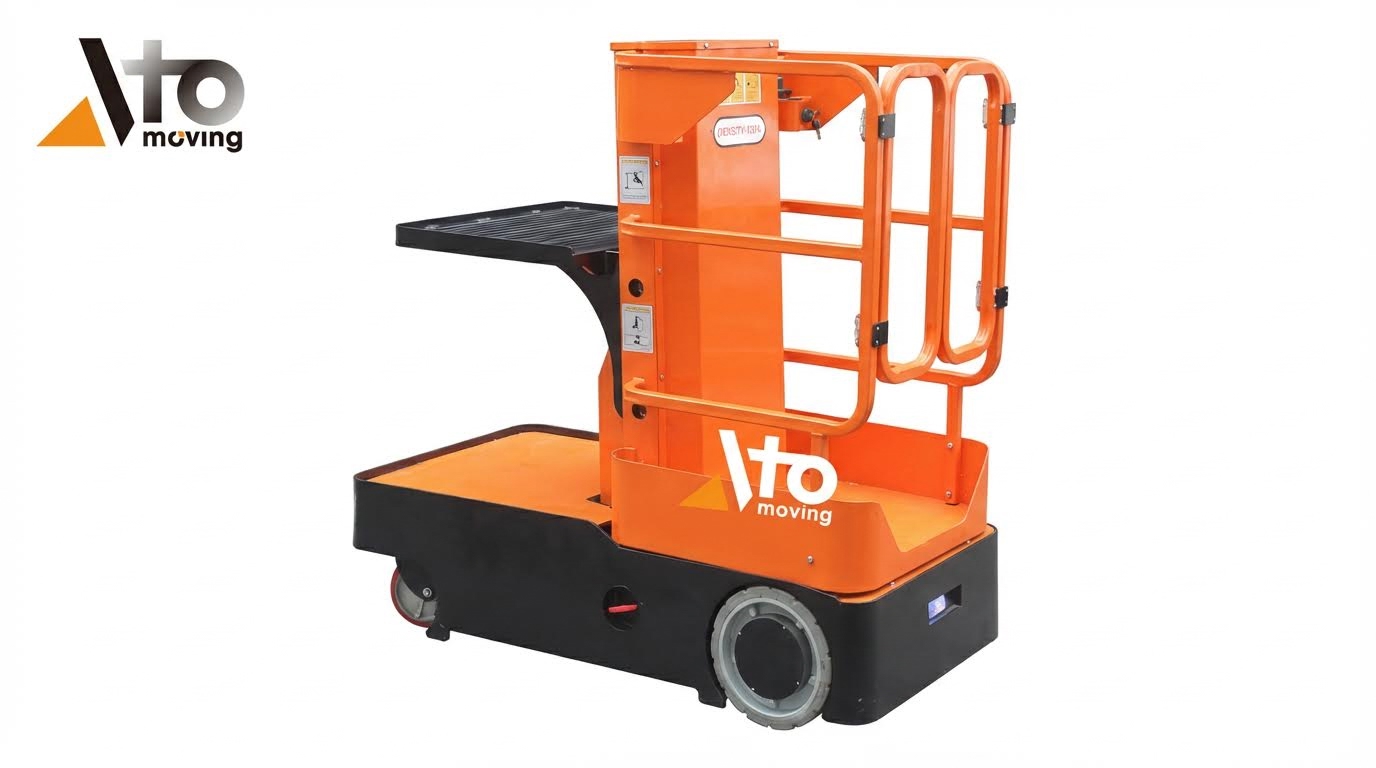
Engineers use elevated work platforms when ladder controls cannot reduce risk to an acceptable level. A guide to ladders and elevated working platforms should compare task duration, exposure frequency, and fall consequences. The goal is to match equipment to risk, geometry, and ground conditions, not just height. This section gives a structured method that safety, engineering, and operations teams can apply on any site.
Comparing Risk Profiles: Ladders Vs. EWPs
Ladders carried a very high share of fall injuries in construction. NIOSH reported that more than 80% of fall injuries on construction sites involved ladders. Elevated work platforms reduced several dominant ladder hazards, including overreaching and unstable footing. They also lowered ergonomic strain from repeated climbing and repositioning.
Use ladders only for short, light-duty tasks with low exposure time. EWPs fit better when workers need hands-free operation, heavy tools, or long dwell times at height. Platform guardrails and controlled access points reduce reliance on user technique alone. This shift moves control from administrative rules to engineered protection, which is more reliable over time.
Matching EWP Types To Tasks And Site Conditions
Task type and site layout drive EWP selection. Vertical mast lifts and low-level platforms work well for indoor tasks up to roughly 6–12 metres on firm floors. They replace ladders where workers need to carry tools and materials while working at height. Scissor lifts suit straight vertical access with higher platform capacities and larger decks.
Boom lifts are preferred when the work area is offset from the base. Telescopic booms give long horizontal reach, while articulating booms provide “up-and-over” access around obstacles. Power source also matters. Electric units suit indoor or low-emission zones, while diesel or hybrid units serve outdoor or long-duration work. Engineers must check access routes, door widths, slopes, and turning spaces before specifying any platform.
Capacity, Reach, Stability, And Ground Bearing Limits
EWPs must support all live loads on the platform. This includes workers, tools, materials, and safety gear. Manufacturers state a rated working load that engineers must not exceed. Ladders usually support one worker with a small tool load, so they are unsuitable when task loads grow.
Key selection checks include:
- Required working height versus platform height
- Horizontal reach versus obstacles and building geometry
- Number of workers and tools on the platform
- Ground-bearing pressure versus floor or soil capacity
As machine size and outreach increase, ground loads rise sharply. Engineers should verify slab thickness, suspended floor ratings, or soil bearing capacity. On uneven or soft ground, stabilisers, outriggers, or rough-terrain features may be essential for stability. Where ground or floor capacity is low, lightweight vertical masts or low-level platforms are often better than heavy booms.
Training, Fall Protection, And Maintenance Programs
EWPs reduce risk only when operators are trained and equipment is maintained. Training should cover platform controls, emergency lowering, load limits, and safe approach distances to power lines. Workers also need instruction in pre-use checks and how to recognise ground or weather limits. Refresher training is important after incidents or when changing platform types.
Fall protection policies must match platform type. Guardrails are primary protection on scissor lifts and vertical masts. Boom lifts usually require full-body harnesses with lanyards attached to approved anchor points. Maintenance programs should include daily pre-start inspections, periodic detailed checks, and annual examinations by competent technicians. Documented inspection and repair records support compliance and help engineers justify replacing ladders with elevated platforms in long-term cost and risk analyses.
Practical Selection Matrix And Summary Conclusion

A guide to ladders and elevated working platforms must end with a clear, usable decision tool. This section turns engineering and regulatory criteria into a simple selection matrix that safety managers and engineers can apply project by project.
For short, infrequent, low-risk tasks, a compliant ladder can remain acceptable. Typical examples include light maintenance below about 3–4 metres, short duration, with no heavy tools and secure footing. The ladder must meet load ratings, geometry rules, inspection controls, and access constraints set by standards. Once any of these limits are stressed, elevated platforms become the default option.
For repeated work, long task duration, or handling materials at height, elevated platforms usually offer lower total risk and lower lifecycle cost. Scissor lifts, mast lifts, and other EWPs provide guarded platforms, higher capacity, and better ergonomics. They also align more easily with global work-at-height rules on fall,Please provide the `{reference}` data so I can parse, filter, and generate the FAQ section based on the provided inputs.