Using elevated work platforms safely is an engineering problem first, and a procedural problem second. This guide explains what an aerial platform is for workers and material, how different platform types are rated, and how stability and load limits really work in the field. You will see how guardrails, fall protection, hydraulics, and control systems interact with surface conditions, wind, and traffic control to keep people and loads within safe limits. The article then turns these principles into clear selection, operating, and maintenance practices you can apply on any site for safer, more efficient work at height.
What Elevated Work Platforms Are And How They’re Rated
EWP types and regulatory classifications
An elevated working platform for workers and material is a powered device that lifts people, tools, and components to height with a guarded work area. Different engineering geometries and regulations apply depending on how the platform moves and how it is supported. Understanding these classifications is the first step to choosing safe equipment and applying the right standards.
- Common elevated work platform types
- Vertical mast platforms – compact vertical lift, small footprint, limited outreach.
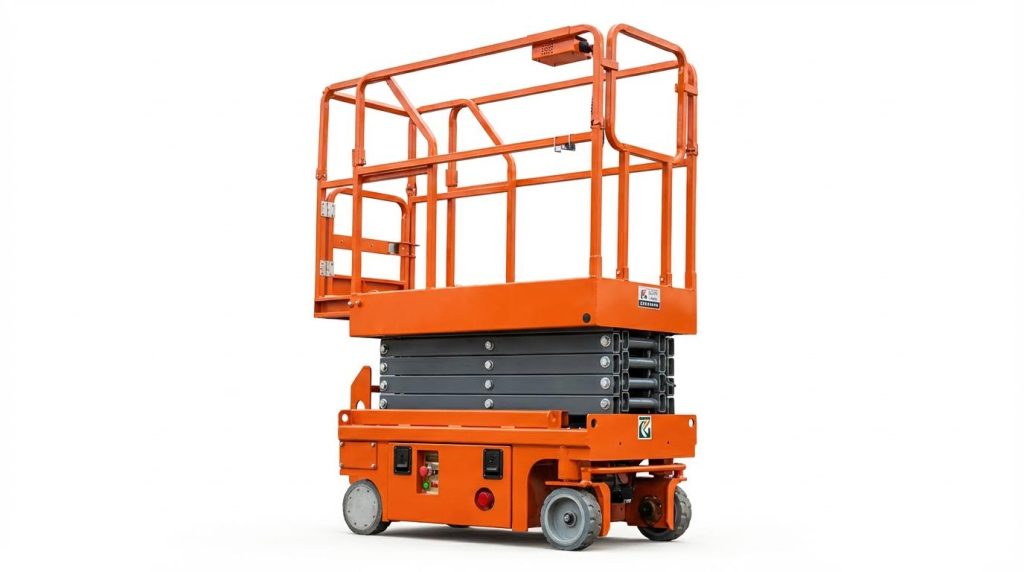
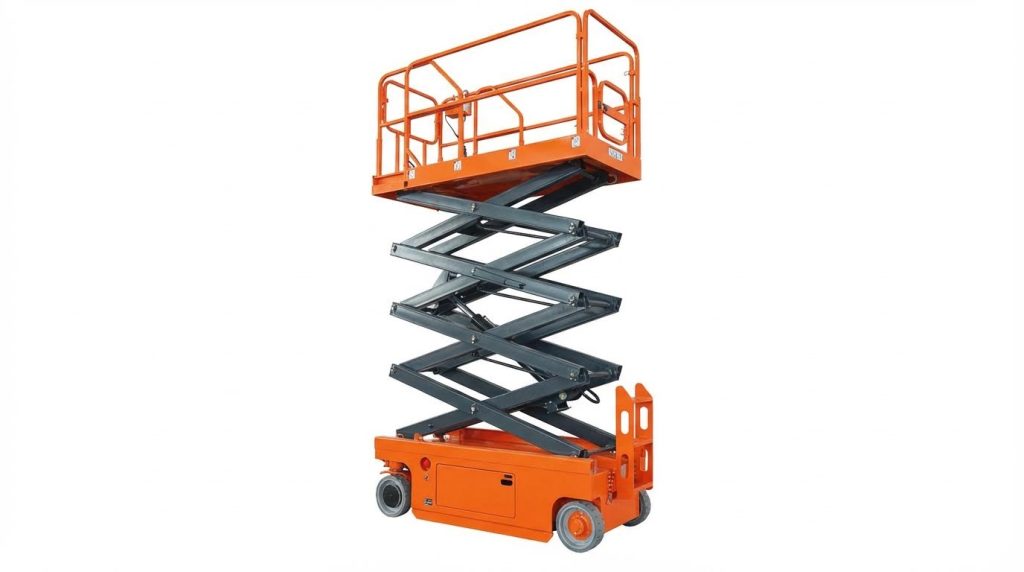
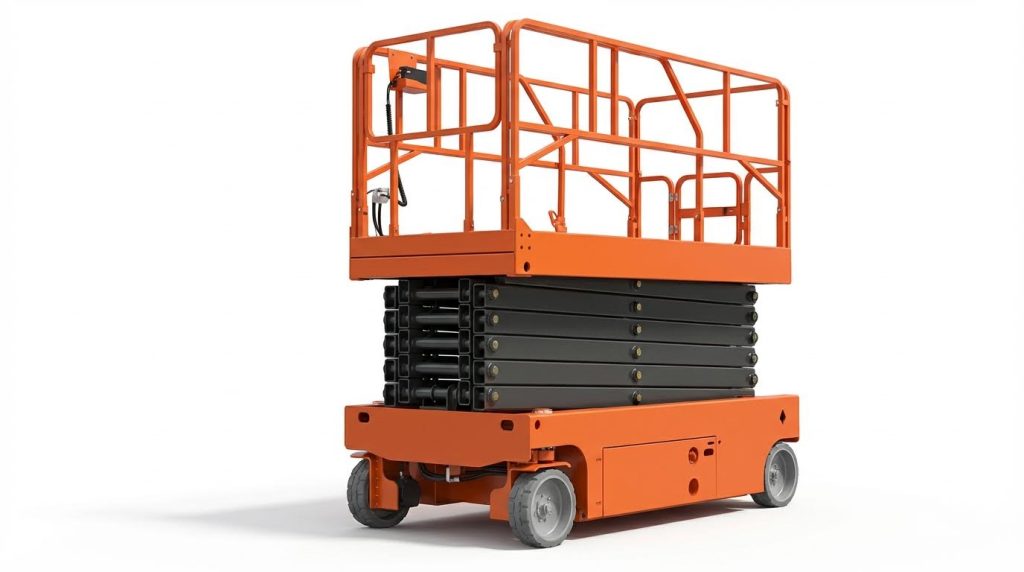
- Scissor lifts – vertical lifting with crisscrossing arms; large, flat deck suited to people and materials.
- Articulating boom lifts – multiple hinged booms to reach over obstacles.
- Telescopic boom lifts – straight boom for long horizontal reach and high access.
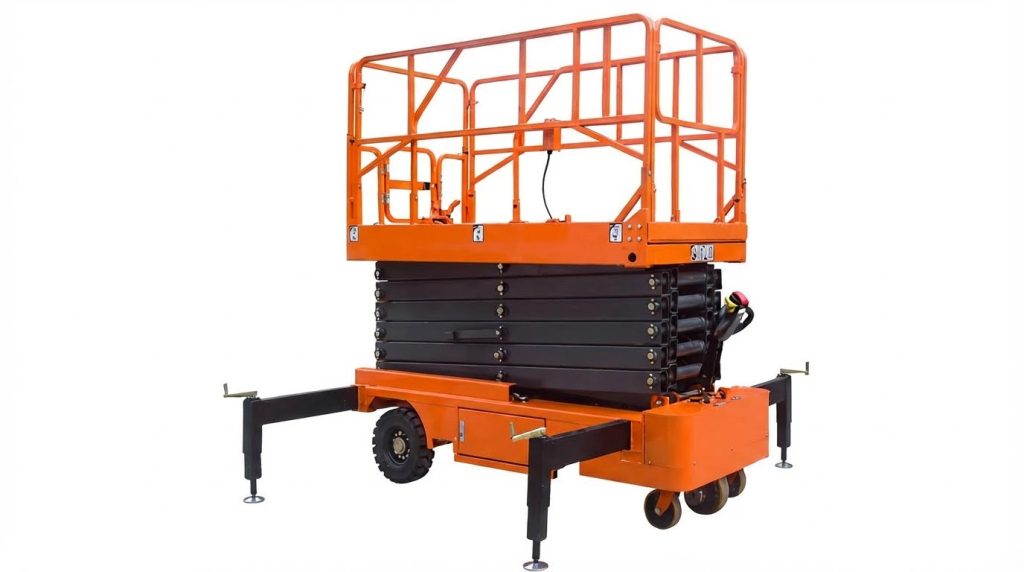
- Trailer‑mounted or vehicle‑mounted platforms – transportable units for temporary work sites.
- Key regulatory distinctions
- Some vertical platforms with a scissor mechanism are treated as mobile scaffolds rather than aerial lifts, which changes the stability, movement, and fall‑protection rules that apply. Stability criteria include limits on height‑to‑base ratio and surface levelness.
- Self‑propelled booms and truck‑mounted platforms generally fall under aerial lift standards, which specify operator training, basket behavior, control markings, and movement rules. Standards also reference ANSI A92 series requirements.
- Typical regulatory requirements across EWP types
- Platform must not exceed its rated load limit at any time. Load limits are mandatory for aerial lifts.
- Operators must be trained and familiar with the specific EWP model before use. Training is a prerequisite to operation.
- Upper and lower controls must be clearly marked, and ground controls must be able to override platform controls for rescue or hazard avoidance. Control marking and override capability are specified.
- Workers must stay within the guarded basket or platform and avoid climbing on rails or using makeshift height extensions.
Why classification matters in practice
Classification determines which stability ratios, movement rules, inspection intervals, and fall‑protection methods apply to a given machine. It also affects how site managers document training and risk assessments, and how they answer the question “is an elevated working platform for workers and material adequate for this task?”
Load ratings for personnel and materials
Load ratings define how much weight an elevated working platform for workers and material can safely carry and how that weight may be distributed. Staying inside these limits is essential to prevent tipping, structural overload, and hydraulic or drive‑system failures.
| Load / reach parameter | Typical engineering range | What it controls in practice |
|---|---|---|
| Rated platform capacity (people + tools + materials) | ≈ 200–600+ kg depending on EWP type and size Typical capacity range | Maximum total live load on the deck, including workers, materials, and accessories. |
| Permitted number of occupants | Specified per model (often 1–3 persons) | Controls crowding, dynamic movement, and evacuation complexity. |
| Maximum platform height / reach | Up to and beyond 30 m for some aerial platforms Typical reach heights | Defines vertical access envelope and required stability margins. |
| Height‑to‑base ratio during travel | Commonly limited to 2:1 unless extra stability testing is proven Stability criteria for movement | Restricts travel at height to reduce tipping risk. |
- How manufacturers define load ratings
- Static load: maximum allowable weight on the platform with no motion.
- Dynamic load: includes effects of driving, braking, and worker movement.
- Side load / outreach: limits to horizontal forces and off‑center loading.
- Critical rules for users
- Never exceed the stated platform capacity in kilograms or the maximum number of occupants. Overloading and climbing behaviors are prohibited.
- Include people, tools, components, and temporary fixtures in the load calculation.
- Keep heavy items centered on the deck to avoid shifting the center of gravity toward an edge.
- Do not use the platform as a crane or hoist to lift suspended loads from below. Guidance prohibits using platforms as cranes.
- Thermal and duty‑cycle limits linked to loading
- High loads increase hydraulic pressure and fluid temperature, accelerating wear.
- Heavy, repetitive cycles drain batteries faster and raise electrical temperatures.
- Exceeding assumed duty cycles can cause overheating and shorten component life. Duty cycles influence thermal limits and battery discharge.
Practical load‑planning checklist
Before each job, supervisors should confirm: 1) total mass of workers and PPE; 2) total mass of tools and materials; 3) distribution of that mass on the deck; 4) any dynamic actions (e.g., drilling, panel handling) that can shift loads suddenly. If the sum approaches the rated capacity, reduce materials on deck or select a higher‑capacity EWP.
Environmental and surface limits for safe operation
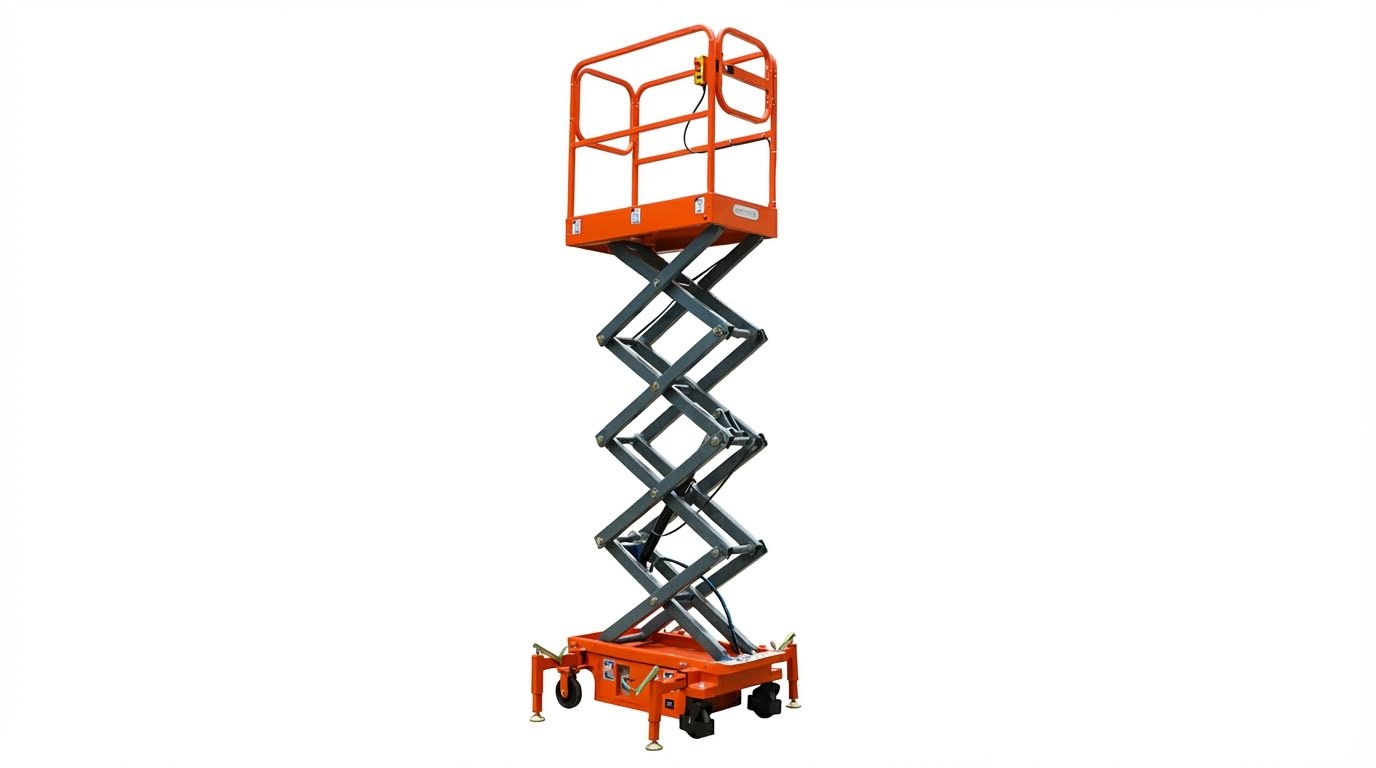
Even when is an elevated working platform for workers and material correctly rated for load, environmental and ground conditions can push it beyond safe limits. Standards define allowable surface slopes, wind speeds, temperatures, and other factors that must be respected.
| Condition type | Typical limit or requirement | Engineering / safety reason |
|---|---|---|
| Ground levelness for many scissor‑type platforms | Supporting surface must stay within ≈ 3° of level and be free of pits, holes, or obstructions Surface requirements and slope limits | Reduces risk of tipping and uneven load transfer into the chassis. |
| Travel at height on scissor‑type platforms | Restricted if height‑to‑base ratio exceeds ≈ 2:1 unless extra stability tests are met Height‑to‑base ratio during movement | Prevents overturning when driving with the platform raised. |
| Ambient temperature – suspended EWPs | Typical operating range about −10 °C to +55 °C with wind ≤ 8.3 m/s Environmental limits for suspended platforms | Protects hydraulic fluids, structural materials, and control systems from extreme conditions. |
| Ambient temperature – other aerial platforms | Typical range about −20 °C to +40 °C with wind ≤ 12.5 m/s Environmental limits for general platforms | Ensures stability and reliable system performance. |
| Altitude and humidity | Altitude often limited to ≤ 1000 m, humidity ≤ 90% at 25 °C for some designs Typical altitude and humidity constraints | Prevents derating of electrical systems and corrosion‑related failures. |
- Surface and support‑system rules
- Use outriggers or stabilizers where provided, and ensure pads contact solid, load‑bearing ground. Guidance stresses correct use of outriggers and stabilizers.
- Avoid operation on debris, soft fill, ramps, or near pits and trenches that can collapse.
- Set brakes, deploy outriggers, and chock wheels whenever the platform is on an incline. Brakes and outriggers are mandatory on slopes.
- Weather and wind constraints
- Do not operate in high winds, storms, or when wind speeds exceed the machine’s rated limit. Operation during strong winds is prohibited.
- Avoid use in heavy rain, ice, or snow that can reduce traction and increase slip risk. Adverse weather is a listed restriction.
- Proximity and movement limits
- Keep clear of overhead obstructions and electrical lines; never use the platform to “lean” on structures for stability. Stabilization against structures is prohibited.
- Avoid moving vehicle‑mounted lifts with the boom elevated and workers in the basket unless the design specifically allows it. Movement restrictions for elevated booms.
Quick field check for environmental suitability
Before raising the platform, verify: 1) ground is firm, level, and obstruction‑free; 2) outriggers or stabilizers are fully deployed and locked; 3) wind is comfortably below the machine’s rated limit; 4) no overhead structures or lines are within the platform’s planned movement envelope; 5) ambient temperature and weather match the EWP’s specification sheet. If any condition is outside limits, stop and re‑engineer the access method.
Engineering Limits, Stability, And Safety Systems
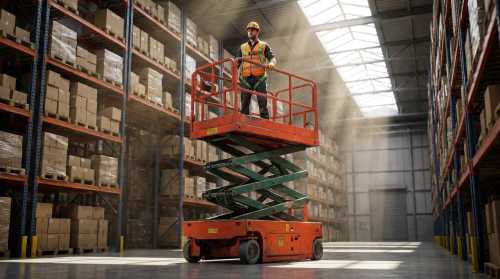
Engineering limits define how high, how far, and how safely you can use an aerial platform for workers and material. Stability and safety systems work together to keep the machine inside those limits, even when conditions change. Understanding these constraints is essential before choosing what is an aerial platform for workers and material for any job.
Center of gravity, tipping risk, and height limits
Every elevated work platform has a designed stability envelope. That envelope depends on the combined center of gravity (COG) of the chassis, structure, workers, and materials, and on surface conditions. Operators must keep the machine within its tested height, outreach, and load limits to avoid tipping.
| Stability Factor | Typical Engineering / Regulatory Limit | Why It Matters For Tipping Risk |
|---|---|---|
| Height-to-base ratio during travel (mobile scissor type) | Max 2:1 unless stability-tested per standard stability criteria | Higher platforms on narrow bases increase overturning moment when moving. |
| Surface level tolerance | Within about 3° of level, free of pits/holes/obstructions surface requirements | Out-of-level surfaces shift COG toward the tipping edge. |
| Rated load (workers + tools + materials) | Typically 200–600 kg or more depending on class capacity ranges | Exceeding capacity or uneven loading moves COG outside the safe base polygon. |
| Wind speed (self-propelled / MEWP types) | Common design limits around 8–12.5 m/s depending on type wind limits | Side wind adds overturning moment, especially at full height. |
| Operating temperature range | Approx. -20°C to +40°C for many platforms temperature ranges | Extreme temperatures affect hydraulic oil, tires, and structural behavior. |
Key controls on COG and tipping risk when choosing and using what is an scissor platform for workers and material:
- Keep total load (people + tools + materials) within the rated platform capacity and within the marked load zones.
- Avoid climbing on guardrails or using ladders on the platform, which raises the COG and increases overturning moment.
- Do not travel with the platform elevated unless the manufacturer and classification explicitly allow it, and then only within the stated height and speed limits movement restrictions.
- Use outriggers, stabilizers, and wheel chocks when provided, especially on inclines or soft ground stability precautions.
- Respect environmental limits: high winds, slopes, and uneven surfaces drastically reduce the real stability margin.
How duty cycle and dynamic effects influence stability
Repeated fast lifting, driving, and braking cycles change hydraulic temperatures and tire behavior, which affects how the platform responds to steering and stopping. Aggressive movements at height can introduce dynamic loads and oscillations that temporarily push the COG closer to the tipping line. Manufacturers assume conservative duty cycles when they define stability and structural limits duty cycle considerations.
Guardrails, fall protection, and traffic control zones
Guardrails, personal fall protection, and traffic control are the main engineered barriers between routine work and serious injury. When you select what is an order picking machines for workers and material, verify that both edge protection and ground-level separation are addressed.
| Safety Element | Typical Requirement / Practice | Risk Controlled |
|---|---|---|
| Guardrails on platform | Continuous top/mid/Toe boards; primary fall protection when intact guardrail guidance | Prevents falls from height during normal work. |
| Personal Fall Arrest / Restraint | Full-body harness and lanyard when guardrails are missing, damaged, or for certain lift types; anchor point ≥ 22.2 kN per worker PFAS requirements | Back-up protection if a worker slips or contacts an obstruction. |
| Work within basket | Workers must remain inside basket; no climbing or sitting on rails basket use rules | Maintains predictable COG and reduces fall potential. |
| Exclusion / traffic control zone | Minimum ~1.8 m clearance around lift using cones, barricades, or tape exclusion zone guidance | Separates pedestrians and vehicles from crush or impact zones. |
| Travel speed when elevated | Low speed, often around 0.8 km/h for elevated travel speed limits | Reduces collision and tip risk if the platform strikes an obstacle. |
Practical fall and traffic control measures to apply on every job:
- Confirm guardrails, gates, and access chains are installed and locked before raising the platform fall protection requirements.
- Use a harness and suitable lanyard whenever required by site rules, local regulations, or when working near obstructions that could eject a worker from the basket.
- Lay out a ground-level exclusion zone with cones, tape, or barriers at least 1.8 m from the machine footprint, and wider where overhead loads or materials could fall traffic control.
- Provide high-visibility signs and, for road-adjacent work, integrate with site traffic management so vehicles cannot enter the lift’s sweep path.
- Keep travel speeds to the manufacturer’s limits and avoid driving with the platform elevated unless the machine is specifically designed for that mode movement restrictions.
Special cases: over water, vessels, and confined spaces
When platforms operate over water, workers must wear personal flotation devices and consider vessel motion when planning stability and fall protection over-water requirements. On barges or floating structures, additional stability calculations and mooring controls are needed. In tight or overhead-congested areas, crushing hazards at the platform rails and control station require slow, incremental movements and a trained spotter.
Hydraulic, structural, and control system integrity
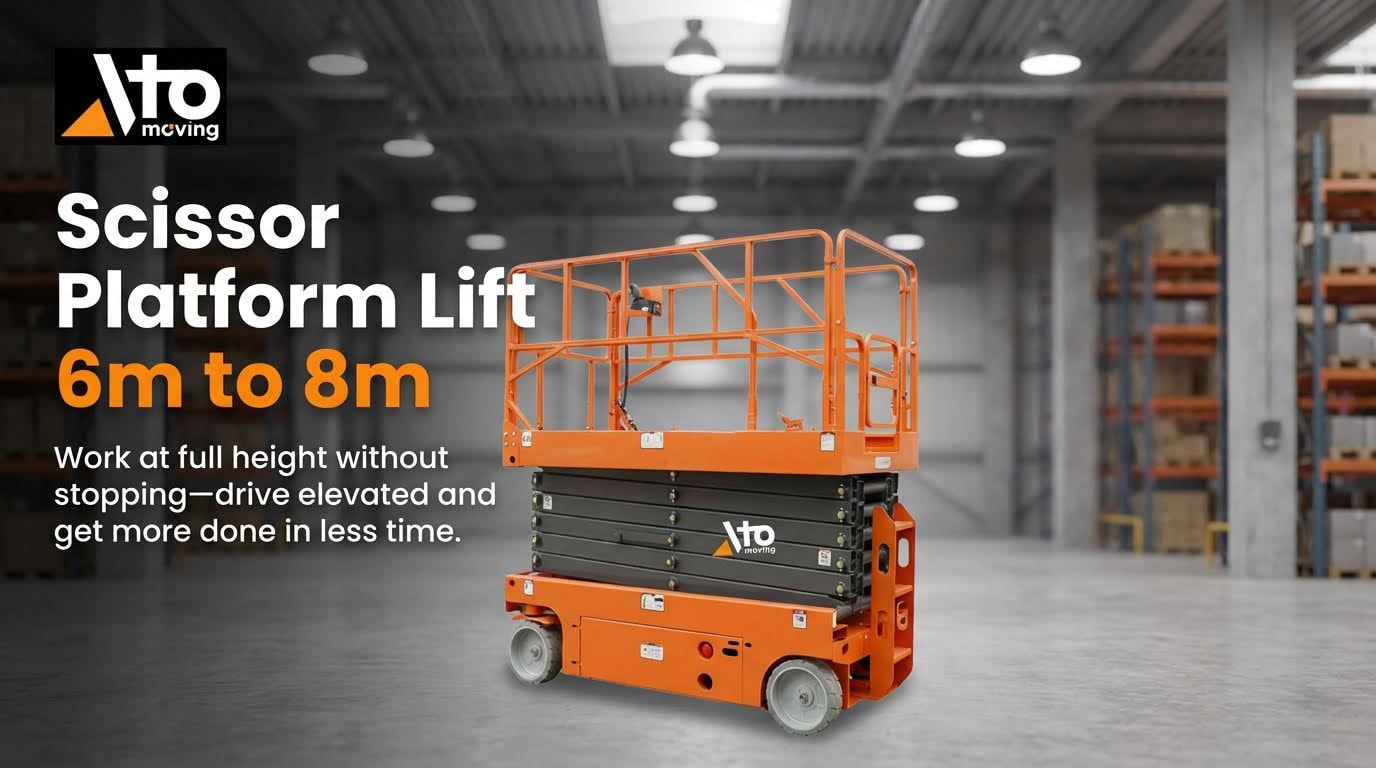
Hydraulic, structural, and control systems form the core safety backbone of any scissor platform lift for workers and material. Failures in these systems can cause uncontrolled descent, structural collapse, or loss of control. Consistent inspection and maintenance keep the machine behavior aligned with its original design assumptions.
| System | Key Inspection / Test Items | Typical Frequency | Safety Function |
|---|---|---|---|
| Hydraulic | Check fluid levels, hoses, cylinders, fittings, and manifolds for leaks or damage; monitor for abnormal lift speed or pressure hydraulic checks | Daily visual; scheduled service per manufacturer maintenance practices | Prevents sudden loss of support or uncontrolled descent. |
| Structural | Inspect arms, booms, pins, bushings, welds, and chassis for cracks, deformation, and corrosion structural examination | Weekly to monthly, plus after impacts or overload events | Maintains load-bearing integrity and stiffness. |
| Controls & Safety Devices | Test upper/lower controls, emergency stops, emergency lowering, limit switches, interlocks, tilt and overload alarms control checks control testing | Daily pre-use function test | Ensures safe stopping, override, and fault response. |
| Electrical / Battery | Check charge level, cables, connectors, and cases for damage, swelling, or leaks; verify correct charging practices electrical care | Daily visual; periodic detailed checks | Prevents power loss or electrical faults during elevation. |
Minimum integrity practices before you elevate any platform with people or material:
- Perform a documented pre-use inspection: structure, hydraulics, controls, tires, outriggers, guardrails, and decals pre-use inspection.
- Tag the machine out of service immediately if you find leaks, cracks, bent components, faulty controls, or missing safety devices.
- Before maintenance, fully lower the platform, isolate power, set brakes, deploy outriggers, and bleed hydraulic pressure as required pre-maintenance procedures.
- Do not modify structural members, add non-approved attachments, or use the platform as a crane; such changes invalidate the original engineering assumptions modification restrictions.
Final Thoughts On EWP Limits And Best Practices
Safe elevated work starts with engineering limits, not with paperwork. Load charts, stability ratios, wind ratings, and surface requirements define a hard boundary. Procedures only work when they respect that boundary. When planners choose an elevated working platform for workers and material, they must match capacity, reach, and geometry to the task, then check ground, weather, and access paths against the specification sheet.
During operation, three controls matter most. Keep the center of gravity inside the tested base by staying within rated load, keeping weight centered, and avoiding travel at height unless allowed. Use guardrails, harnesses, and clear exclusion zones so a slip, swing, or vehicle movement does not turn into a fall or crush injury. Maintain hydraulic, structural, and control systems so the machine still behaves like the designer assumed.
The best practice for any site is simple. Treat every EWP as a precision lifting system, not a flexible scaffold. Standardize pre-use checks, operator training, and environmental “go/no-go” rules. Select equipment from Atomoving or other suppliers based on engineering data, not convenience. If any condition pushes the machine outside its limits, stop, re-plan, or choose a different access method.
Frequently Asked Questions
What is an elevated working platform for workers and material?
An elevated working platform, also known as a Mobile Elevated Work Platform (MEWP) or Aerial Work Platform (AWP), is a machine designed to lift workers, tools, and materials to various working positions. These platforms typically include a work area with controls, an extending structure, and a chassis. They are widely used in industries such as construction, maintenance, and cleaning. EHS Guidelines.
What is considered elevated work?
Elevated work refers to tasks performed at heights above ground level, typically requiring the use of specialized equipment like elevating work platforms (EWPs). EWPs are mobile platforms that lift or lower people and equipment from a base support, ensuring safe access to elevated areas. Safe Work Australia.
What safety considerations should be kept in mind when using elevated work platforms?
When using elevated work platforms, it’s crucial to follow safety guidelines to prevent accidents. Key considerations include proper training for operators, regular equipment inspections, adherence to load limits, and ensuring the stability of the platform. Always comply with international safety standards such as OSHA and ANSI regulations. AWP Safety Guide.