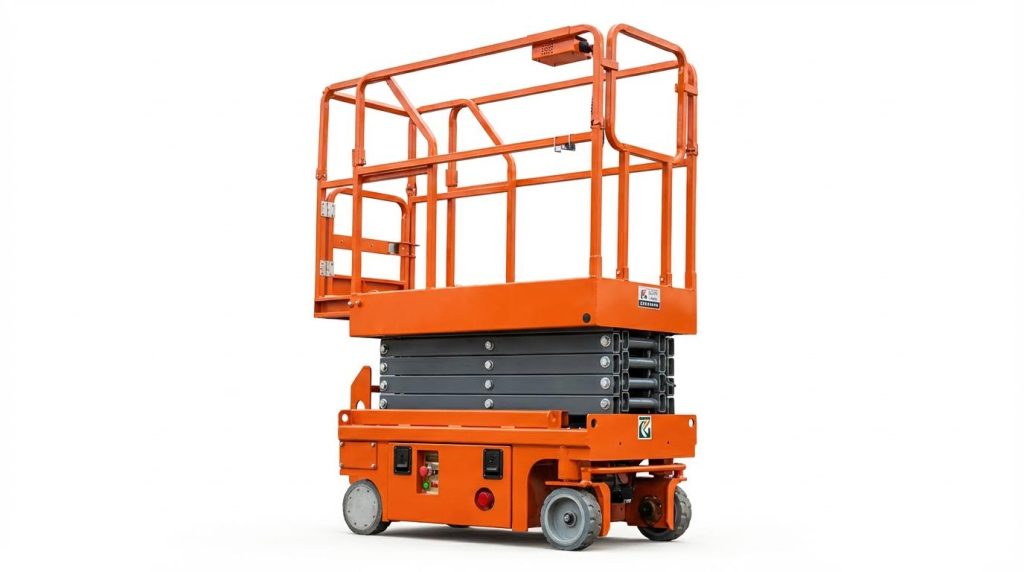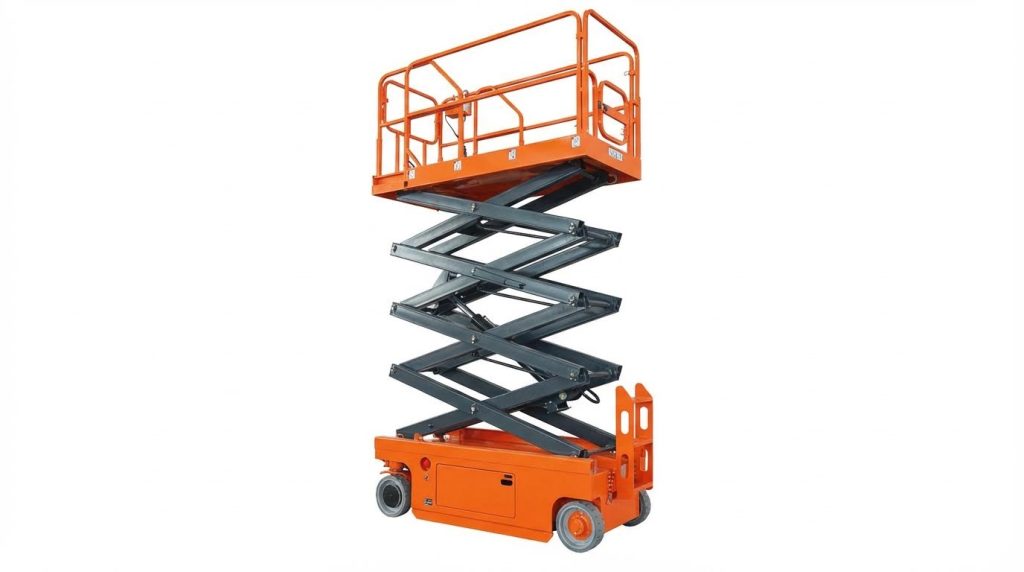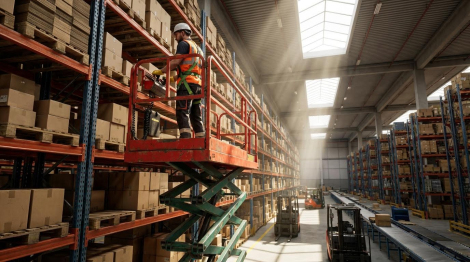
Scissor lift reliability and safe recovery from failures depended on disciplined inspection, troubleshooting, and emergency procedures. This article covered core safety standards, structured pre‑use inspections, site and load assessment, and integration of PPE, fall protection, and rescue planning.
It then examined systematic diagnostics for power, hydraulic, and electrical faults, including the role of digital tools and predictive maintenance. Finally, it detailed manual and powered emergency lowering methods, and concluded with consolidated best practices and emerging technology trends that reshaped scissor lift maintenance and operation.
Core Safety And Pre‑Operation Inspection
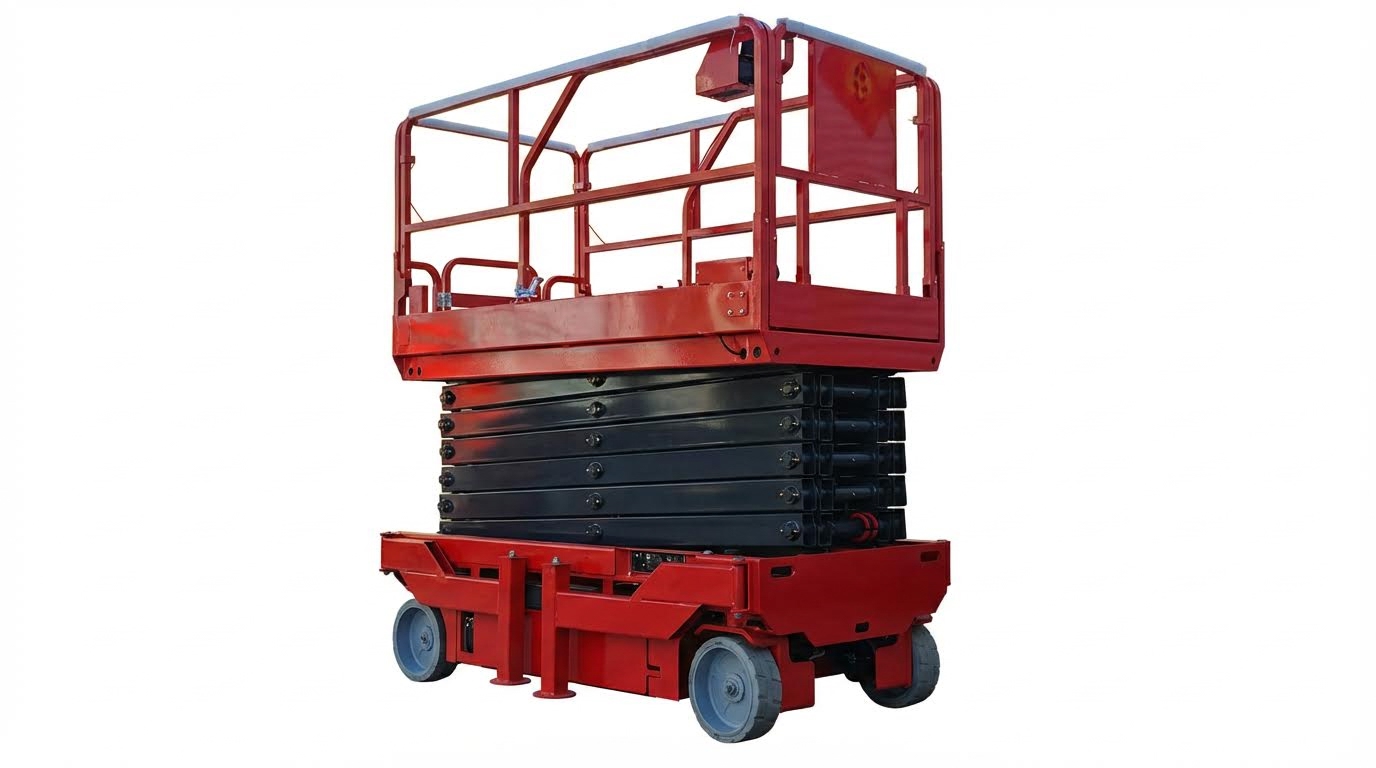
Core safety and pre‑operation inspection formed the foundation of reliable scissor lift operation. Structured checks before each shift reduced unplanned downtime and mitigated the risk of catastrophic failure. Modern inspection practice integrated regulatory requirements, OEM manuals, and digital checklists to create repeatable, auditable routines.
Regulatory Standards And Lockout/Tagout Basics
Scissor lift safety practices aligned with mobile elevating work platform (MEWP) standards and general machinery safety regulations. These frameworks required documented inspections, trained operators, and adherence to rated capacities and environmental limits. Lockout/tagout (LOTO) applied whenever technicians performed work that exposed them to moving parts, stored hydraulic energy, or live electrical circuits. A compliant LOTO sequence isolated the main power source, discharged stored energy in hydraulics and capacitors, applied physical locks and warning tags, and verified zero‑energy state before maintenance began.
Operators and technicians used the manufacturer’s manual as the primary reference for isolation points and test procedures. Emergency stop buttons and key switches alone did not satisfy LOTO requirements because they could be reset without the maintainer’s control. In fleet operations, supervisors typically enforced written LOTO procedures and maintained logs to prove due diligence during audits or incident investigations.
Structured Pre‑Use Inspection Checklist
A structured pre‑use checklist ensured that critical items were never skipped under time pressure. Technicians usually started with a 360‑degree visual walkaround, looking for hydraulic leaks, damaged guardrails, cracked welds, deformed scissor arms, and missing or illegible decals. They then checked tires and wheels for cuts, punctures, sidewall cracks, and correct inflation according to the OEM specification.
Functional checks followed in an area free of overhead and ground‑level obstructions. From the ground controls, operators tested emergency stop, lift and lower functions, horns, alarms, and any manual emergency descent system. They confirmed smooth, jerk‑free motion and listened for abnormal noises from hydraulic pumps, cylinders, or drive motors. Finally, they verified that all required manuals were on the machine and documented any abnormal findings, removing the lift from service until repairs were completed.
Site Assessment, Stability, And Load Rating
Site assessment focused on whether the work surface and environment could safely support the lift throughout its duty cycle. Operators evaluated ground conditions for bearing capacity, levelness, and contamination by oil, ice, or debris that could reduce traction or cause wheel sinkage. They checked for floor openings, trenches, or weak suspended slabs that might not tolerate concentrated wheel loads.
Stability depended on operating strictly within the rated platform height, outreach, and load capacity specified on the data plate. The total load calculation included personnel, tools, and materials, not just body weight. Operators verified slope limits and ensured pothole protection or stabilizers deployed correctly where fitted. They also checked overhead clearances, proximity to power lines, wind exposure, and potential falling‑object hazards, using barriers or exclusion zones to keep bystanders out of the operating envelope.
PPE, Fall Protection, And Rescue Planning
Personal protective equipment complemented, but did not replace, engineering controls such as guardrails and interlocks. Typical PPE for scissor lift work included a hard hat, safety glasses, high‑visibility clothing, gloves suited to the task, and safety footwear with slip‑resistant soles. Where site rules or risk assessments required fall protection, operators used approved anchor points on the platform and compatible harness and lanyard systems.
Rescue planning addressed what happened if the platform became stuck aloft due to power or hydraulic failure. At least one person at ground level needed training on the specific emergency lowering systems for that model, whether electric backup, manual valves, or cables. Teams rehearsed how to secure the area, communicate with the stranded operator, and check for obstructions in the descent path before activating emergency descent. Documented rescue procedures and periodic drills reduced response time and helped ensure that emergency systems actually functioned as intended when needed.
Systematic Troubleshooting Of Common Failures
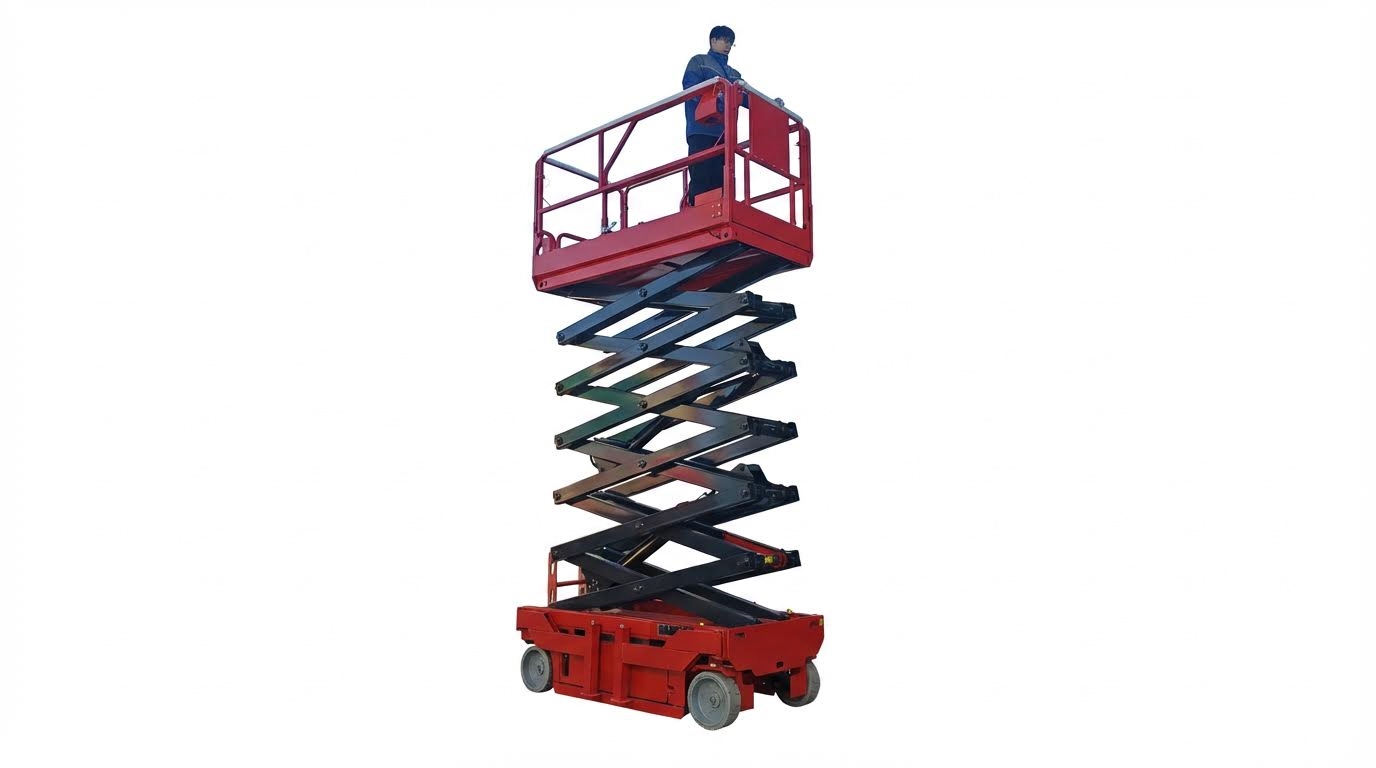
Systematic troubleshooting of scissor lifts required a structured, repeatable approach that minimized downtime and safety risk. Technicians started with a global check of power availability, hydraulic integrity, and electronic interlocks before diving into component-level diagnostics. Modern fleets combined traditional visual and functional checks with data from on-board controllers and battery monitoring systems. A disciplined workflow reduced unnecessary parts replacement and supported compliance with manufacturer instructions and regulatory obligations.
Power And Battery Diagnostics And Upgrades
Power-related faults historically accounted for a large share of scissor lift downtime. Initial diagnostics always started with verifying battery state of charge, electrolyte level for flooded cells, and cable integrity, including corrosion at terminals and lugs. Technicians then confirmed charger input power, inspected charger leads, and checked indicator lamps or display codes to validate correct charging. Weak batteries showed shorter run time, sluggish lift functions, slow drive response, and frequent low-voltage alarms.
Voltage measurements under load, using a calibrated digital multimeter, helped distinguish surface charge from true capacity. Amp-draw tests and conductance tests provided more accurate assessment of battery health and identified internal resistance growth. Poor maintenance could reduce battery life to roughly one year, while consistent cleaning, correct charging, and fluid checks extended life toward three years. Replacement required isolating power, removing old units with proper lifting technique, installing manufacturer-specified batteries, and torqueing connections to the recommended values.
Fleet operators increasingly adopted advanced battery monitoring systems that logged charge history, depth of discharge, and temperature. These systems provided state-of-charge estimates, highlighted chronic undercharging or opportunity charging patterns, and generated alerts before catastrophic failure. Upgrades to higher-performance batteries or smart chargers had to follow manufacturer approvals and consider weight, center-of-gravity effects, and enclosure ventilation. Any modification affecting rated capacity or electrical configuration required documentation and, where applicable, conformity with local electrical and machinery regulations.
Hydraulic Faults, Leak Detection, And Bleed‑Down
Hydraulic issues manifested as slow lifting, jerky motion, inability to reach full height, or platform drift. Troubleshooting began with verifying fluid level in the reservoir with the lift lowered and the machine powered down and cooled. Low fluid levels indicated external leaks or internal bypassing and could introduce air, causing spongy or erratic cylinder movement. Technicians inspected hoses, hard lines, fittings, and cylinder rod seals for wetness, staining, or puddles beneath the chassis.
Any damaged hose, cracked fitting, or swollen flexible line required immediate replacement with components rated for the system’s maximum pressure. After leak repair or significant fluid loss, bleeding procedures removed trapped air, typically by cycling the platform through full strokes according to the manufacturer’s instructions. Persistent drift at height suggested cylinder seal wear or valve leakage, requiring pressure testing and, if necessary, cylinder overhaul or valve replacement. Abnormal pump noise, such as cavitation, pointed to low fluid, suction restrictions, or aeration.
Bleed-down devices integrated into some cylinders or manifolds allowed controlled manual lowering during power loss. Technicians had to identify these valves, understand their orientation, and protect them from unauthorized adjustment. Fluid selection followed the manufacturer’s viscosity and additive specifications, especially for cold-weather operation, where inappropriate fluids increased cavitation risk and slowed response. All hydraulic work demanded strict cleanliness, correct torque on fittings, and proper disposal of contaminated oil under environmental regulations.
Electrical Controls, Sensors, And Error Codes
Electrical and control faults often appeared as non-responsive controls, intermittent operation, or error codes on the display. Systematic troubleshooting started with verifying main power switches, emergency stop buttons, and key switches were in the correct positions and functioning mechanically. Technicians then inspected wiring harnesses for abrasion, crushed sections, loose connectors, and exposed conductors, especially at articulation points and under the platform. Blown fuses were replaced only after identifying the underlying cause, such as short circuits or overloaded circuits.
Control panels required checking pushbuttons, joysticks, and selector switches for contamination, mechanical wear, or sticking. Cleaning with suitable electrical cleaners and replacing worn components restored reliable input signals. When display errors occurred, technicians confirmed supply voltage, connector seating, and physical damage to the display module before suspecting software faults. Many modern machines stored diagnostic codes that guided fault isolation toward specific sensors, valves, or communication lines.
Limit switches, tilt sensors, overload sensors, and pothole protection switches formed critical safety interlocks. A failed or misaligned sensor could legitimately inhibit lift or drive functions, so testing had to follow the manufacturer’s procedures instead of bypassing the device. Ground controls were tested to confirm they could
Manual And Emergency Lowering Methods
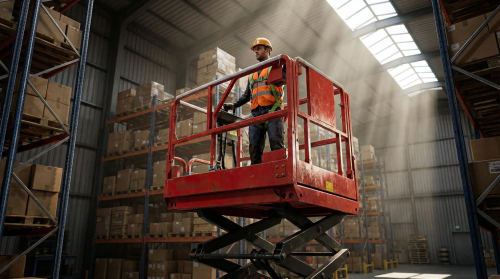
Manual and emergency lowering methods ensured that elevated work platforms could return to ground level when primary systems failed. Engineers and operators relied on a combination of powered backup systems and purely manual devices to manage unplanned stops at height. Understanding the specific configuration of each scissor lift model remained critical, as control locations, valve types, and sequences differed across manufacturers. A structured approach minimized panic, reduced rescue time, and limited the risk of secondary incidents during lowering.
Ground And Platform Emergency Controls
Scissor lifts used dual control stations so either the platform or ground personnel could initiate emergency movements. Typical platform controls included an emergency stop, lift and drive joysticks or buttons, a horn, and a selector to transfer control to ground level. Ground controls usually provided lift functions, an emergency stop, a key switch, and an emergency descent control or override. Procedures required operators to test these controls daily, including manual emergency descent, to confirm that emergency stop buttons halted all motion. During an incident, trained ground personnel used the ground station to override platform controls, lower the platform smoothly, and monitor for obstructions or instability.
Auxiliary Power Units And Backup Batteries
Many self‑propelled scissor lifts incorporated auxiliary power units (APUs) or dedicated backup batteries for emergency lowering. APUs used the machine’s battery bank or a separate supply to drive a small hydraulic pump when the main power circuit failed. Operators or rescuers activated the APU from the base panel, which powered the lowering valve and allowed controlled descent. Some compact lifts, such as indoor low‑level platforms, used integrated backup packs that discharged only during emergency lowering when a red emergency button was pressed. Manufacturers required that these backup systems remain fully charged, with periodic functional tests and documentation, because neglected APUs often failed exactly when needed.
Manual Valves, Cables, Bleed‑Down, And Hand Pumps
Where no auxiliary power was available, designers implemented purely hydraulic emergency lowering devices. Manual lowering valves at the base unit were turned anticlockwise or pulled via cables to open a controlled return path for hydraulic fluid, allowing the platform to descend under its own weight. Bleed‑down valves or plungers mounted on cylinders provided another method: pressing the plunger slowly bled pressure from the lift circuit, producing a gradual descent. Some platforms incorporated hand pumps that operators or rescuers stroked manually to move fluid and lower the platform in a controlled manner. Rescue procedures emphasized identifying the correct valve or handle, operating it incrementally, and stopping descent immediately if movement became unstable or obstructions appeared.
Cold Weather, Obstructions, And Rescue Procedures
Cold weather affected emergency lowering by increasing hydraulic fluid viscosity and reducing battery output, which slowed APUs and electric valves. Pre‑job planning in low temperatures included using manufacturer‑approved low‑temperature hydraulic fluids and verifying that backup power systems reached full charge. Before any emergency descent, rescuers needed to clear the platform’s lowering path of tools, materials, and ground‑level obstacles to prevent crushing or entrapment. Written rescue plans specified who could perform ground‑based lowering, how to access emergency valves or controls, and when to escalate to external rescue services. Training at least one person other than the platform operator in these procedures ensured that a competent rescuer was available if the operator became incapacitated or trapped at height.
Summary Of Best Practices And Future Trends
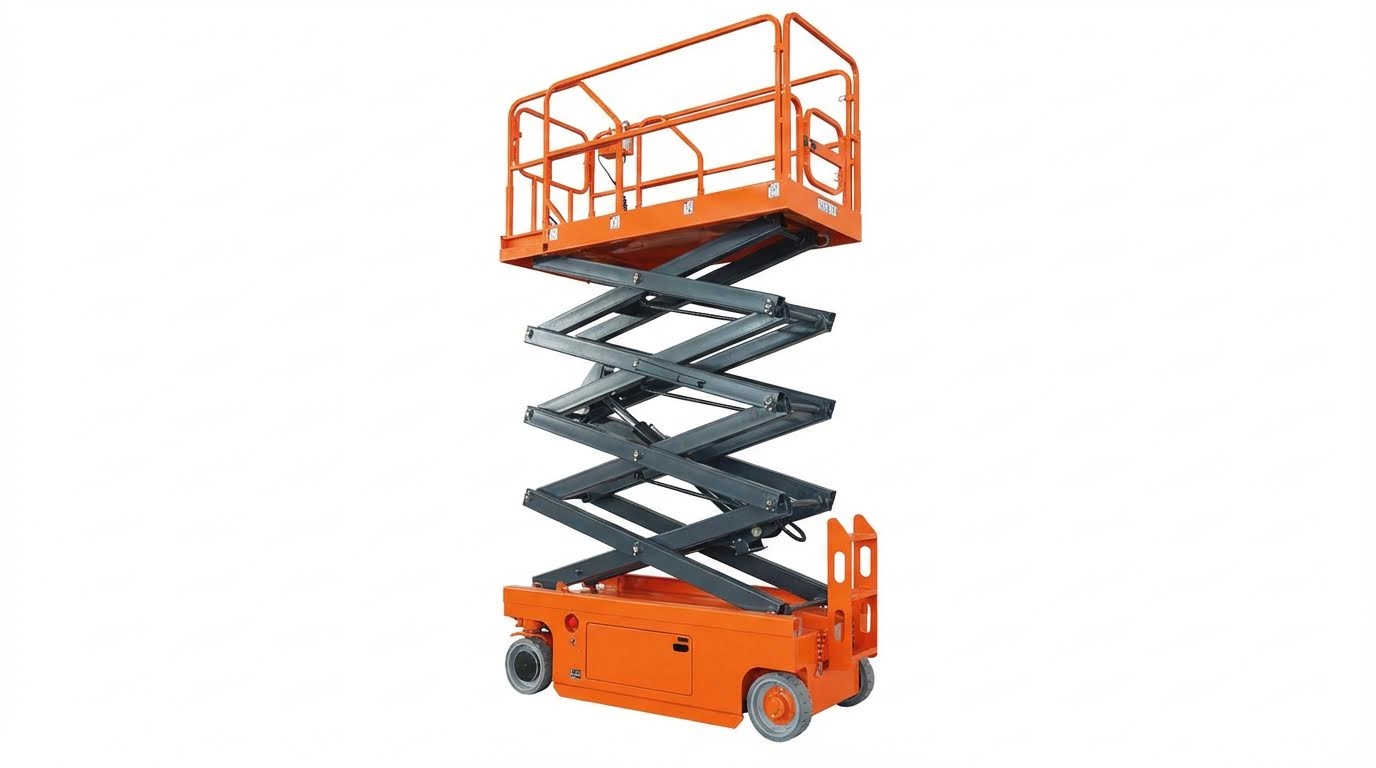
Scissor lift troubleshooting and emergency operation relied on disciplined inspection, structured diagnostics, and clearly trained rescue procedures. Daily walkaround checks, functional tests from ground and platform controls, and verification of emergency descent systems formed the foundation of safe use. Systematic fault-finding started with power and batteries, then hydraulics, followed by electrical controls and sensors, while always referencing the model-specific manual and recorded error codes. Documented maintenance, including fluid management, hose and seal inspection, and battery care, significantly extended component life and reduced unplanned downtime.
Industry practice increasingly integrated digital tools for condition monitoring and inspection management. Advanced battery monitoring systems, mobile control and diagnostics apps, and digital inspection platforms improved data quality and traceability. These technologies supported predictive maintenance strategies, where trends in charge history, fault codes, and utilization profiles drove targeted interventions instead of purely interval-based servicing. All developments still had to align with applicable standards for MEWPs, including requirements for pre-use inspection, operator training, and emergency lowering capability.
Implementing these best practices in the field required clear procedures, role-based training, and periodic drills for emergency descent and rescue. Owners needed to maintain up-to-date records, ensure correct replacement parts and fluids, and verify that any auxiliary power units or manual lowering systems remained functional and accessible. A balanced view of technology evolution recognized that advanced all-electric and self-diagnostic machines reduced routine maintenance but did not remove the need for fundamental mechanical checks and safe systems of work. Organisations that combined rigorous traditional inspection with data-driven maintenance and well-rehearsed emergency plans achieved higher uptime, better regulatory compliance, and a lower risk profile over the life of their scissor lift fleets.