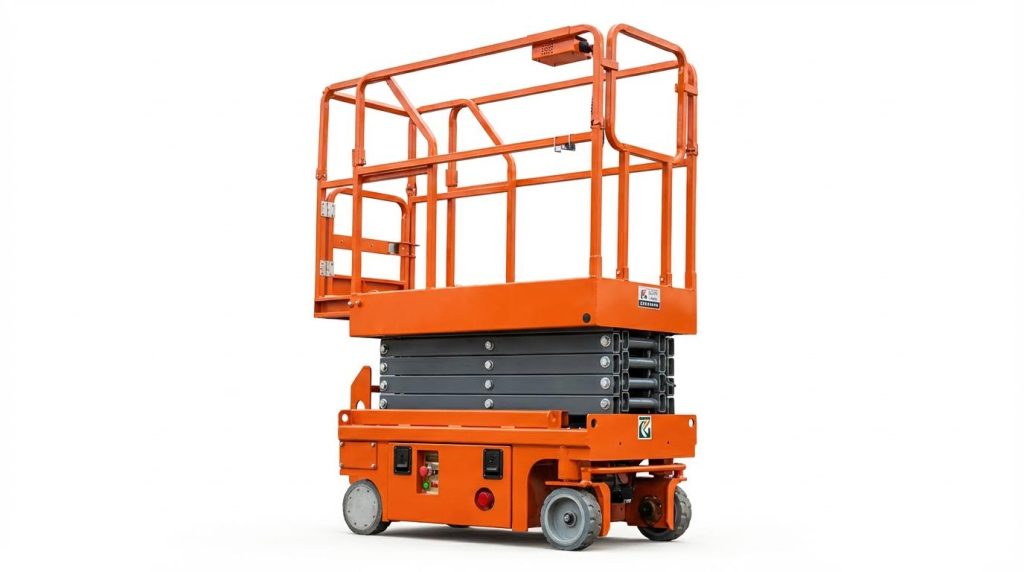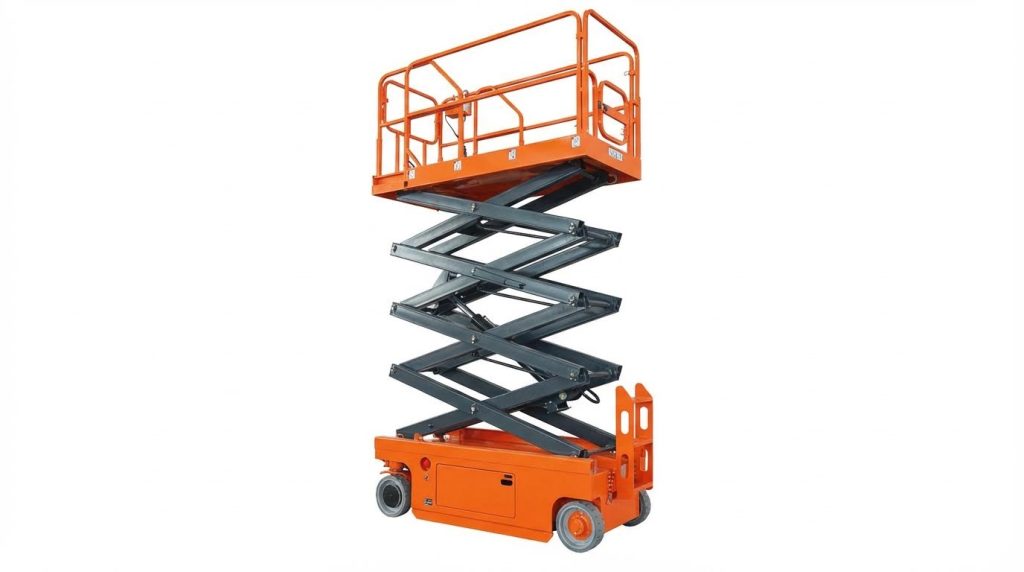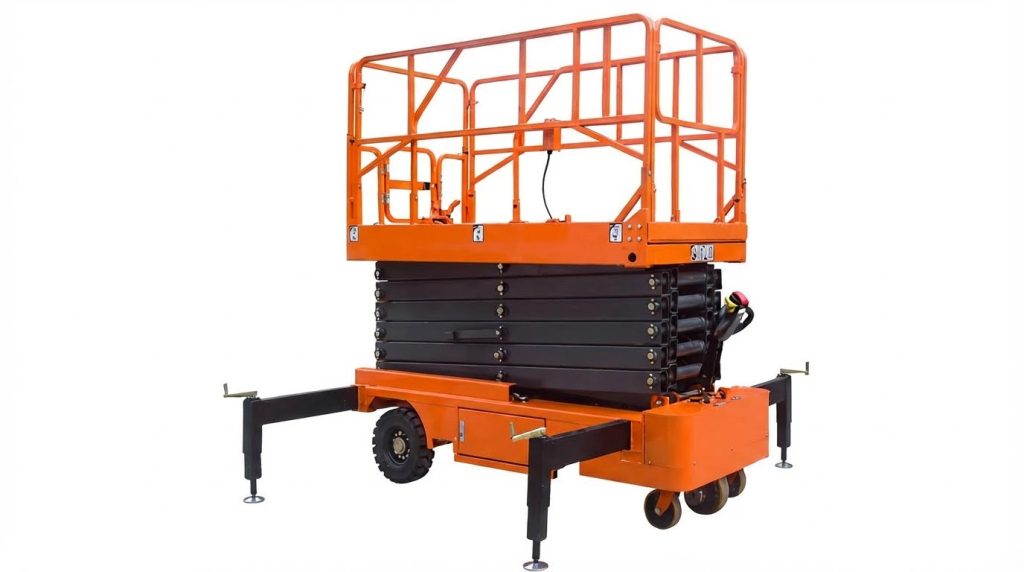
This guide explains how scissor lift tyres, tyre covers, and floor protection systems work together to protect both your people and your floors. You will learn how to pick tyre types, covers, boards, and trays that match your load, surface, and cleanliness needs. Along the way, you will also see what to check daily on tyres and where solutions like a scissor platform make sense if you are asking “where can I find a scissor lift tire cover” for your specific job site.
Core Tyre Types And Wheel Protection Basics
This section explains how scissor lift tyre construction and basic wheel protection affect safety, floor damage risk, and maintenance cost. Understanding these basics is step one before you decide on tyres, covers, or floor protection.
💡 Field Engineer’s Note: Never choose tyres on price alone. The wrong compound or construction on a delicate floor can turn a one-day job into a full resurfacing bill that dwarfs the lift hire cost.
Solid, Pneumatic, And Foam-Filled Tyres
Scissor lift tyres fall into three main constructions: solid, pneumatic, and foam-filled, each with distinct behavior under load, on gradients, and over different floor types.
| Tyre Type | Key Construction | Typical Use | Main Advantages | Main Limitations | Operational Impact |
|---|---|---|---|---|---|
| Solid | One-piece rubber or polyurethane, no air | Indoor, smooth or finished concrete/epoxy floors | Flat-free, puncture-proof, high load capacity, long life documented for movable scissor lifts | Harsher ride, higher weight, higher initial cost, speed typically limited to about 25 km/h under load compared with pneumatic tyres | Excellent for warehouses; minimizes puncture downtime but transmits more vibration into the structure and platform. |
| Pneumatic | Air-filled tyre with inner tube or tubeless casing | Outdoor, uneven or rough terrain | Smooth ride, maximum shock absorption, strong traction on uneven ground noted for rough surfaces | Can puncture or burst, needs regular pressure checks and maintenance, lower load capacity than solids with more downtime risk | Best for construction sites and external slabs; not ideal on sensitive indoor floors due to debris and marking risk. |
| Foam-filled | Pneumatic casing filled with polyurethane foam | Mixed indoor/outdoor work, light rough terrain | Flat-resistant, retains some cushioning, no pressure checks needed across mixed environments | More expensive, less durable than solids, foam may crack under extreme loads over time | Good compromise when you need outdoor capability but cannot afford puncture-related downtime inside a plant. |
In practice, electric slab scissor lifts often use compact solid tyres around 381 mm outer diameter and 127 mm width, carrying roughly 350 kg per tyre at about 3.3 km/h on smooth floors. Rough-terrain diesel scissors may run larger pneumatic sizes around 660 mm outer diameter and 304 mm width, supporting about 565 kg at 5.8 km/h for outdoor work on uneven ground.
- Solid tyres: Best for finished indoor floors – protect uptime and load capacity, but need extra attention to floor marking and vibration.
- Pneumatic tyres: Best for rough outdoor conditions – protect the machine and operator from shocks but risk flats and leaks.
- Foam-filled tyres: Best for mixed sites – limit puncture risk while still softening the ride compared with pure solids.
Inspection and maintenance frequency
Daily checks should look for cuts, chunking, and visible damage before operation. Weekly checks should confirm tread depth above about 3 mm and correct pressure on pneumatic tyres, with monthly inspections including sidewalls and full condition review to prevent failures in service.
Non‑Marking Compounds And Indoor Floor Care
Non-marking scissor lift tyres and basic wheel protection exist to keep floors clean and undamaged while still carrying several thousand kilograms safely.
Solid and foam-filled tyres are often available in non-marking compounds specifically for indoor use, where black rubber streaks or contamination are unacceptable in warehouses and similar facilities. When tyres are not non-marking, or the floor finish is especially sensitive, tyre covers can wrap around the tread to prevent direct contact and reduce transfer of dust, paint, or site contaminants to clean zones in offices, hospitals, or finished retail spaces.
| Protection Item | Main Function | Where It Is Used | Key Benefit | Operational Impact |
|---|---|---|---|---|
| Non-marking tyre compound | Reduces black marks and staining on floors | Indoor slabs, epoxy, tiles, sports floors | Keeps floor visually clean while maintaining traction | Ideal for long-term indoor fleets; may still need extra protection on soft or new finishes. |
| Tyre covers | Physically isolates tread from floor surface | Short-term work on delicate or newly finished floors | Limits dirt and chemical transfer from previous sites during indoor work | Useful when you cannot change tyres to non-marking, and often the first answer when people ask “where can I find a scissor lift tire cover” for a specific job. |
| Wheel guards | Deflect debris and stop objects entering wheel area | Sites with loose materials, mud, or liquids | Helps keep mud or splashes away from platform and chassis for cleaner operation | Reduces clean-up time and lowers the chance of foreign objects jamming wheels. |
| Containment trays | Catch drips of oil, hydraulic fluid, or dirt | Cleanrooms, food and pharma areas | Prevents contamination of critical floors or drains when lifts are parked | Often used under parked lifts overnight to comply with strict hygiene or environmental rules. |
- Non-marking tyres: Use where appearance and cleaning cost matter – they avoid streaks but do not stop all contamination from dirty sites.
- Covers and trays: Add them when the floor specification is stricter than standard warehouse concrete – they protect finishes and help pass handover inspections.
How tyres interact with floor protection boards and mats
Boards or mats placed under wheels must fully support the tyre footprint with no gaps, so the wheel does not sink or climb onto an edge. The combined load of lift plus payload must stay within the rated capacity of the protection system to avoid tilt or sudden level change under a single wheel on sensitive floors.
Tyre Covers, Wheel Guards, And Floor Protection Systems
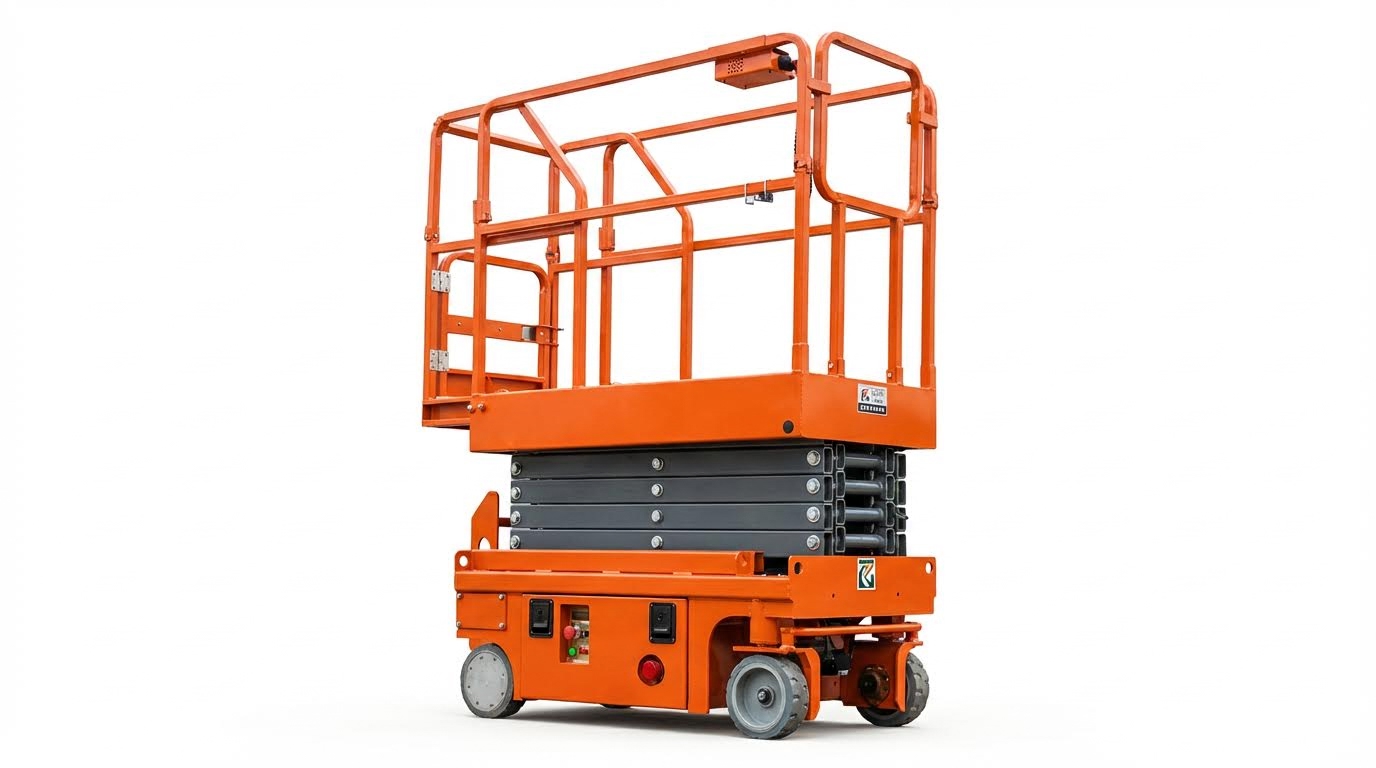
Tyre covers, wheel guards, and floor protection systems work together to keep floors clean, prevent damage, and control debris and leaks when operating scissor lifts indoors or on sensitive surfaces.
In practice you combine these three elements based on risk: visible tyre marking, contamination (dust, mud, oil), and floor load limits. The right setup lets you run standard lift tyres without ruining expensive concrete, timber sports floors, epoxy, or vinyl.
| Protection Type | Main Function | Typical Use Case | Operational Impact |
|---|---|---|---|
| Tyre covers | Isolate tread from floor | Non‑marking requirement, clean finished floors | Reduces tyre marks and tracked dirt in clean areas |
| Wheel guards | Deflect debris and splashes | Dusty, muddy, or wet construction sites | Keeps mud and debris away from chassis and platform |
| Containment trays | Catch drips and loose dirt | Cleanroom, food, pharma, or finished interiors | Prevents oil/hydraulic leaks from reaching floor |
| Boards/mats | Spread wheel loads | Timber, sports floors, raised floors | Prevents point loading, rutting, and tile cracking |
💡 Field Engineer’s Note: Treat tyres, covers, and floor protection as a single system: if you add thick boards or mats, re-check lift gradeability and guard clearance, because even a 20–30 mm step can upset stability when turning.
Scissor Lift Tyre Covers And When To Use Them
Scissor lift tyre covers are sleeves that wrap around the wheel to stop direct tread contact with the floor, and you use them whenever floor appearance or cleanliness is more critical than maximum traction.
They are especially useful when your lift runs on standard, non‑marking solid or foam‑filled tyres that still carry dust or leave light scuffing on pale or polished surfaces. Tyre covers create a sacrificial contact layer between rubber and floor finish.
- Basic function: Covers fully wrap the tread circumference – This stops direct rubber-to-floor contact and reduces marking.
- Contamination control: Covers trap dust, paint, or mud in the fabric – Less dirt tracks from “dirty” zones into clean areas.
- Retrofit solution: You can add them to existing tyres – No need to change to new non‑marking tyres mid‑project.
- Inspection access: They must be removable – You still need to see the tyre to check for cuts, chunking, or flat spots.
Tyre covers are particularly useful where tyres are not non‑marking but floor finish is critical, because they prevent direct tread contact and reduce transfer of dust, paint, or contaminants from wheels onto clean floors in sensitive areas.
| Scenario | Floor Type | Tyre Type On Lift | Use Tyre Covers? | Operational Impact |
|---|---|---|---|---|
| Finished indoor concrete/epoxy | Hard, smooth, light coloured | Standard solid or foam‑filled | Recommended | Minimises black marks and swirl scuffs during tight turns |
| New timber sports floor | Sealed wood, high value | Solid non‑marking | Strongly recommended | Adds extra barrier to protect lacquer and line markings |
| Vinyl or linoleum | Resilient, can dent | Solid non‑marking | Recommended with mats/boards | Reduces rubber staining; boards handle load, covers handle marking |
| Outdoor rough concrete | Unfinished, stained | Pneumatic | Not needed | Traction and self‑cleaning tread more important than appearance |
| Food or pharma facility | Clean, sanitised surfaces | Solid or foam‑filled | Recommended | Reduces transfer of plant dust or oils into hygienic zones |
If you are asking “where can i find a scissor lift tire cover”, the safest route is to specify your lift model, tyre size in mm (overall diameter and width), and operating environment, then source purpose‑made covers rated for that wheel size and duty rather than improvising with generic sheeting.
How to size and fit tyre covers correctly
Measure tyre outside diameter (OD) and width in mm. Covers should match OD closely so they stay tight without bunching, and they must not foul wheel guards or steering components when the wheel is fully turned. After fitting, cycle steering lock‑to‑lock and drive slowly to confirm no snagging.
Wheel Guards, Containment Trays, And Debris Control
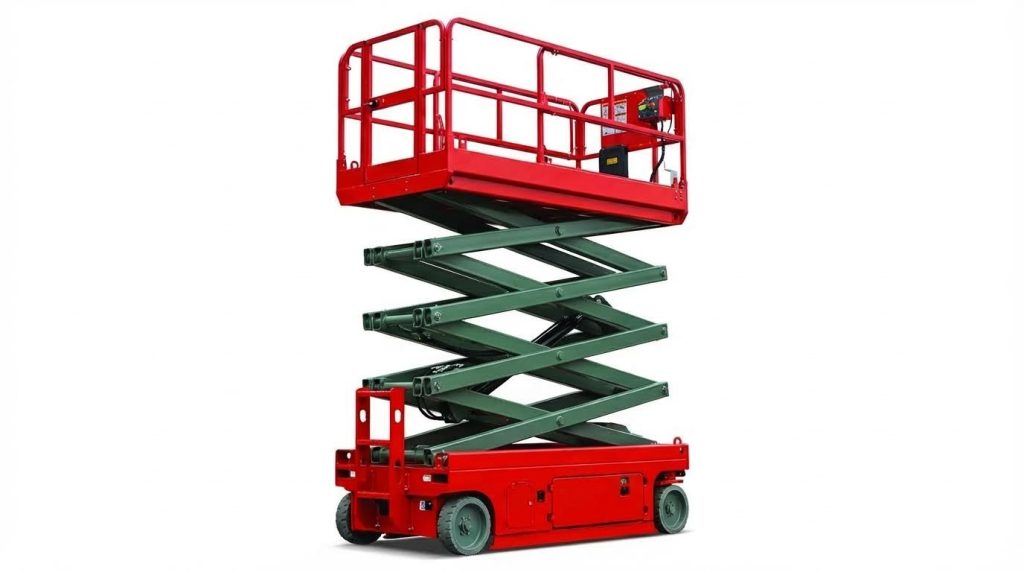
Wheel guards and containment trays work together to keep debris, mud, and leaked fluids away from sensitive floors and from the scissor lift’s critical components and platform area.
Wheel guards are rigid or semi‑rigid structures around the wheel that deflect debris and stop objects being drawn between tyre and chassis, while containment trays sit under the parked machine to catch drips and loose dirt.
- Wheel guards: Shields around the tyre area – Deflect stones, offcuts, and mud away from the wheel well.
- Debris prevention: Guards stop objects jamming between tyre and frame – Reduces sudden tyre damage or steering lock‑ups.
- Splash control: Guards limit mud or liquids splashing upward – Keeps the platform and controls cleaner and safer.
- Containment trays: Shallow pans under chassis when parked – Catch oil, hydraulic fluid, or dirt before it hits the floor.
Wheel guards deflect debris and prevent objects from being caught between the tyre and chassis, and they also help keep splashed mud or liquids from reaching the platform area on dirty sites. Containment trays placed under the lift when parked catch oil, hydraulic fluid, or dirt falling from the chassis, which is critical in cleanrooms or food/pharma zones where contamination is tightly controlled to protect the floor.
| Component | What It Does | Best For… | Operational Impact |
|---|---|---|---|
| Wheel guards | Shield wheel opening | Construction, renovation, outdoor access | Less debris ingress, fewer tyre jams and splash hazards |
| Front/rear mud shields | Extend splash protection | Muddy or wet approaches into buildings | Reduces clean‑up time near entrances and loading docks |
| Containment trays | Catch leaks and fines | Food, pharma, cleanrooms, showrooms | Prevents oil spots and contamination claims on pristine floors |
| Drip mats under tray | Secondary absorbent layer | Areas with zero‑tolerance for visible leaks | Adds redundancy against hydraulic or engine fluid spills |
💡 Field Engineer’s Note: If you ever park a lift overnight on a high‑value floor, always use a containment tray plus absorbent pad; a slow hydraulic seep that goes unnoticed for 8–10 hours can permanently stain porous concrete or timber.
Inspection and cleaning of guards and trays
Include wheel guards and containment trays in daily and weekly inspections. Remove built‑up mud or debris so it cannot harden and rub on tyres. Check trays for cracks or overflows, especially if the lift has known minor leaks. Clean and empty trays before moving the machine to avoid sloshing contaminants across clean floors.
Boards, Mats, And Load Distribution Under Wheels
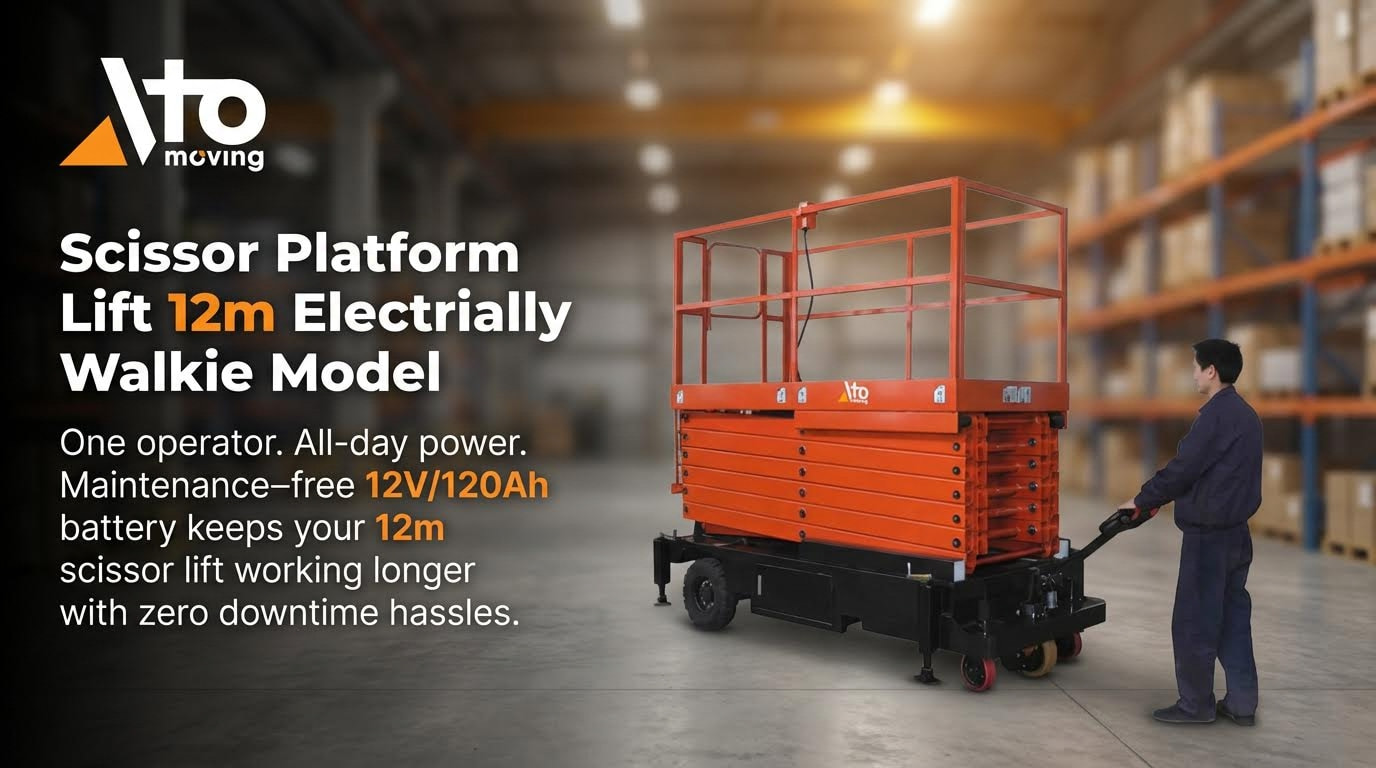
Boards and mats under scissor lift wheels spread the load over a larger area, protecting weaker or more delicate floors from point loading, rutting, and cracking.
Every wheel contact patch creates a concentrated load; adding boards or heavy‑duty mats turns that into a wider bearing area, reducing floor stress and helping keep the lift level when crossing softer or composite surfaces.
- Load spreading: Boards and mats increase contact area – Reduces pressure on timber, vinyl, tiles, or raised floors.
- Stability: Continuous coverage under wheel paths – Prevents one wheel dropping into a gap and tilting the platform.
- Compatibility: Materials must suit floor type – Avoid trapping moisture or damaging surface finishes.
- Capacity check: Protection layers must be rated – They must handle total machine + payload weight safely.
Boards or mats must fully support wheel paths without gaps to avoid localized sinking, tilt, or sudden level changes under one wheel, and you must ensure that the total load (lift plus payload) remains within the rated capacity of the protection materials and the floor system beneath to maintain stability.
When using scissor lifts on flooring systems with significant loads up to roughly 2,000 kg (around 4,500 lbs) including machine, operator, and tools, industry guidance recommends multi‑layer protection: at least two layers of about 19 mm (3/4″) thick clean protective sheathing with overlapping seams, plus a floor‑finish layer such as rosin paper, and the wheels must stay fully on the protected area at all times to avoid damage.
| Material | Typical Thickness | Floor Types | Best For… | Operational Impact |
|---|---|---|---|---|
| Plywood / sheathing boards | ≈19 mm per layer | Sports floors, timber, vinyl | Primary load distribution under wheels | Spreads wheel load; must overlap seams and stay dry |
| Corrugated plastic boards | Light but rigid | Cured concrete, tiles | High‑impact, high‑traffic jobs | Reusable, liquid‑resistant, easy to deploy |
| Heavy‑duty paperboard | Roll product | Hardwood, tile, concrete | Medium impact with breathability | Good for finished interiors with moderate traffic |
| Self‑adhesive films | Thin | Carpet, low‑traffic zones | Spill protection, not wheel loads | Not suitable alone under lift wheels due to low impact resistance |
| Rubber mats | Varies | Concrete, robust substrates | Maximum durability and slip resistance | Higher cost but excellent impact and traction performance |
💡 Field Engineer’s Note: Never let a wheel sit half on and half off a board or mat; that step change can shift as the board flexes, effectively “kicking” one side of the machine and unsettling operators at height.
Installing and maintaining floor protection under lifts
Measure the full working area before laying protection. Start at the farthest corner and work toward the exit so you do not track dirt over clean zones. Overlap sheets or boards by at least 50 mm, tape seams together with construction‑grade tape, and avoid taping directly to finished floors where adhesives might mark. Inspect daily for tears, punctures, or curling seams, especially in wheel tracks. Clean spills quickly and patch damage so wheels never run on exposed floor. When removing protection, sweep first, then roll or stack boards from the farthest point toward the exit to keep dust contained.
Selecting Tyres And Protection For Your Application
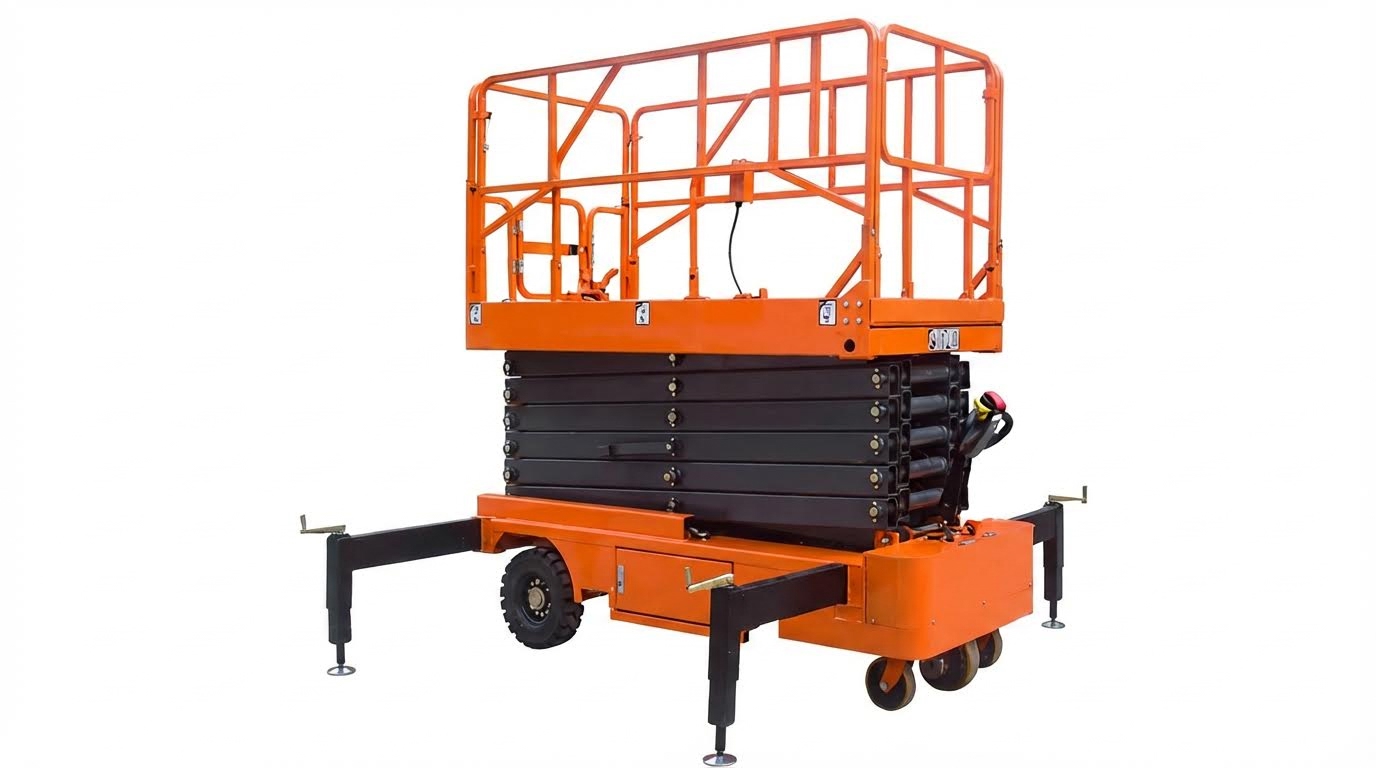
Select scissor platform lift tyres and floor protection by matching tyre construction to load and terrain, then adding covers, mats, or trays where floor finish, cleanliness, or contamination control are critical.
Matching Tyre Type To Load, Speed, And Surface
Tyre choice must balance load, speed, and floor condition so the lift stays stable, comfortable to drive, and safe for the surface underneath.
| Tyre Type | Typical Size Example | Load & Speed Capability | Best Surfaces | Operational Impact |
|---|---|---|---|---|
| Solid rubber | 381 mm OD × 127 mm width (15 × 5 NM) for electric scissors solid tyre data | ≈350 kg per tyre at ≈3.3 km/h capacity example | Smooth concrete, epoxy, indoor slabs | Puncture-proof, higher capacity, but harsher ride; ideal where flat-free uptime matters more than comfort. |
| Pneumatic | 660 mm OD × 304 mm width (26 × 12‑12) for diesel scissors pneumatic tyre data | ≈565 kg per tyre at ≈5.8 km/h capacity example | Gravel, asphalt, uneven outdoor yards | Best shock absorption and traction off‑road, but risk punctures and need regular pressure checks. |
| Foam-filled | Typically based on pneumatic carcass sizes foam‑fill overview | Good capacity; may crack under extreme loads load note | Mixed indoor/outdoor, moderately rough ground | No flats and some cushioning; ideal compromise where punctures are common but comfort still matters. |
- Load rating first: Check the total machine weight plus maximum platform load – tyres must safely carry this at the rated travel speed.
- Speed limits: Solid tyres often limit loaded speed to around 25 km/h on industrial equipment speed note – plan for slow, controlled travel indoors.
- Surface flatness: Use solids on flat slabs, foam-filled on mixed slabs and asphalt, and pneumatics where ruts or stones exceed 20–30 mm – this prevents shock loads into the scissor structure.
- Duty cycle: Heavy-duty tyres with higher hour ratings suit long shifts on rough floors duty classes – this reduces change‑outs and downtime.
- Maintenance appetite: Choose solids or foam-filled if you cannot support daily/weekly pressure checks – this mitigates under‑inflation failures on busy sites.
How to quickly estimate if a tyre is overloaded
Add machine weight and max rated platform load, then divide by the number of wheels. Compare that per‑wheel figure to the tyre’s rated kg at the intended speed. If your per‑wheel load is above 80–90% of the rating, step up to a higher‑capacity tyre or reduce load to keep a safe margin.
💡 Field Engineer’s Note: On slightly sloped warehouse floors, manual steering effort on solid tyres rises sharply once gradients exceed about 2%. If operators complain about “heavy steering,” check slope and consider foam-filled tyres or a smaller footprint machine to reduce scrub.
Criteria For Choosing Covers, Mats, And Trays
Covers, mats, and trays are selected by floor sensitivity, cleanliness requirements, and how often the lift moves over or parks on that surface.
| Protection Type | Primary Function | When To Use | Operational Impact |
|---|---|---|---|
| Tyre covers | Isolate tread from floor; reduce marking and dirt transfer tyre cover function | Non‑marking tyres not fitted, but floor finish must stay clean (epoxy, sports floors, tiles) | Fast to fit; ideal if you are asking “where can i find a scissor lift tire cover” for short indoor tasks on finished floors. |
| Wheel guards | Deflect debris and prevent entrapment around wheels wheel guard role | Messy sites with mud, scrap, or offcuts that can jam wheels | Reduces cleaning and unplanned stoppages from lodged debris. |
| Containment trays | Catch oil, hydraulic fluid, or dirt under parked lift tray function | Cleanrooms, food and pharma, finished interiors during overnight parking | Prevents drips from reaching sensitive floors or products. |
| Boards and mats | Spread wheel loads and protect finishes load distribution | On timber decks, sports floors, and new slabs, especially when total lift weight approaches 1,600–2,000 kg or more floor guidance | Reduces point loading and indentation by keeping all wheels on a continuous protected path. |
- Floor value vs. protection cost: The more expensive or delicate the floor, the more you should combine covers plus multi‑layer board or mat systems – a few mm of protection can prevent thousands in repairs.
- Machine weight threshold: Where machine plus load exceeds about 1,600–2,000 kg, follow flooring‑industry advice for multi‑layer 18–20 mm sheathing with overlapping seams multi‑layer recommendation – this avoids crushing softer substrates.
- Traffic pattern: If the lift shuttles repeatedly along one path, build a continuous “corridor” of boards or mats – keeping all wheels on protection at all times is critical.
- Clean vs. dirty zones: Use tyre covers at the transition from construction areas into clean interiors – they dramatically cut dust and paint being tracked inside.
- Inspection access: Choose covers that can be removed quickly so you can still perform daily visual checks and tread depth measurements down to 3 mm inspection guidance – this keeps tyres safe without skipping checks.
Installing boards and mats under scissor lift wheels
Measure the wheelbase and track width, then lay boards or heavy‑duty mats so they extend at least 150–200 mm beyond each wheel path. Overlap and tape seams so there are no gaps that could let one wheel “drop” off protection. Keep all movement within this protected area, as flooring experts recommended for lifts up to about 2,000 kg and beyond. floor protection layout
💡 Field Engineer’s Note: For high‑gloss sports or epoxy floors, I treat tyre covers as consumables. Once they pick up grit, they can act like sandpaper. Swapping to clean covers between work zones protects the finish far better than trying to clean contaminated covers in place.
Final Considerations For Safe, Clean Scissor Lift Operation
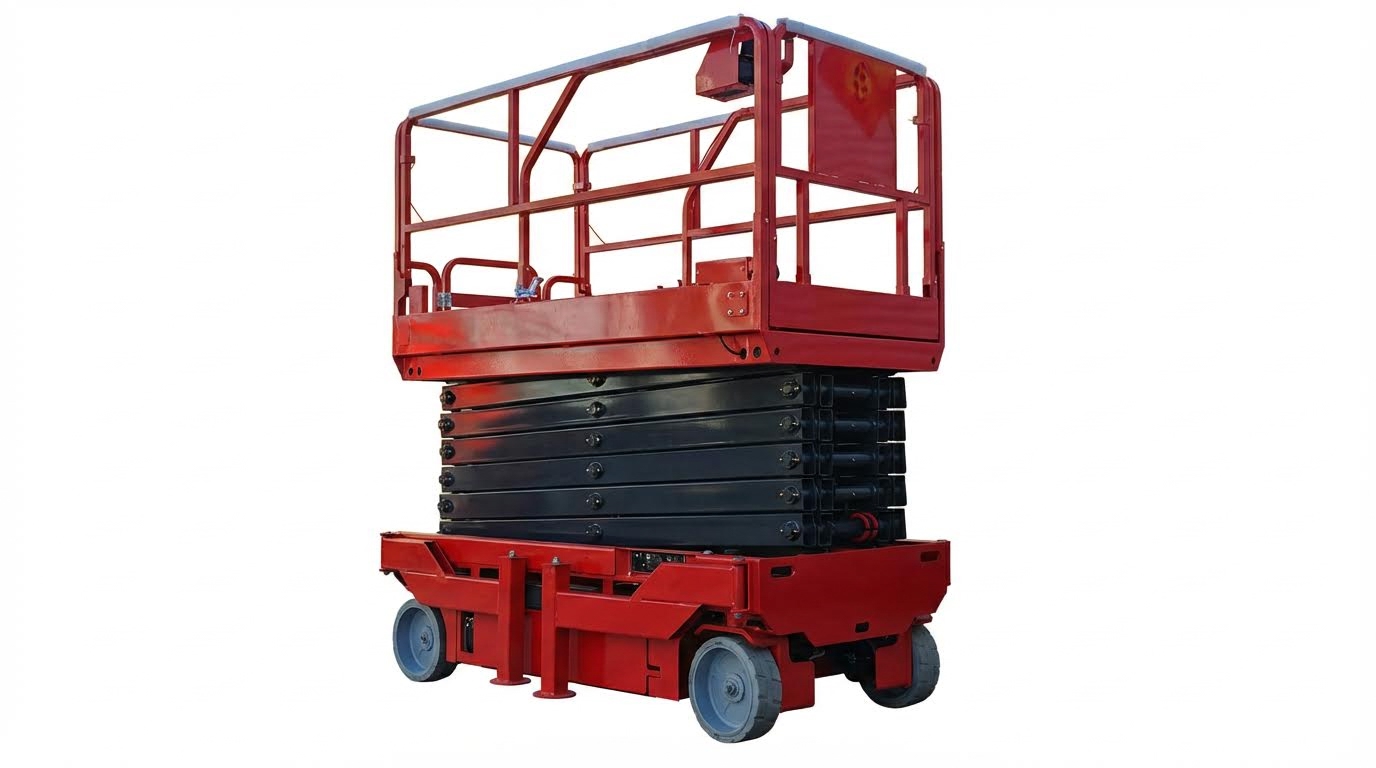
Safe, clean scissor lift operation depends on three things working together: the right tyre construction, the right floor protection, and disciplined inspection and housekeeping routines.
By this stage you should understand how tyre type, covers, guards, trays, and mats all interact with your floor system and safety rules. This last section pulls that into a short, practical checklist you can actually use on site.
- Confirm tyre construction: Solid or foam-filled tyres suit most indoor, finished floors – they avoid punctures and reduce sudden downtime compared with pneumatic options.
- Match tyres to environment: Use pneumatic tyres for rough outdoor ground – they give better traction and shock absorption on uneven surfaces.
- Respect load limits: Always check that tyre capacity covers machine weight, operator, tools, and materials – this mitigates casing failure and floor point‑loading issues.
- Use non‑marking where possible: Prefer non‑marking compounds on sensitive indoor finishes – they cut cleaning costs and reduce slip risk from rubber deposits.
- Add covers for “clean‑to‑dirty” transitions: Fit tyre covers when moving from dusty or painted zones into clean areas – this reduces tracked contamination across the building.
- Use guards and trays in wet or dirty work: Wheel guards and containment trays control splashes and drips – they protect both operators and high‑spec floors from mud and hydraulic oil.
- Spread the load under wheels: Where floors are delicate or engineered (sports floors, raised systems), use boards or mats sized to keep every wheel fully supported – this prevents local crushing and cracking.
- Follow a written inspection routine: Combine daily visual checks, weekly tread checks, and deeper monthly inspections – this catches damage before it becomes a safety event.
- Keep protection intact: Inspect covers, mats, and sheathing daily for tears, gaps, or curling edges – damaged protection can trip workers or expose bare floor under a loaded wheel.
- Plan for removal and cleaning: When the job ends, remove floor protection from the farthest point to the exit and clean as you go – this leaves the client with a genuinely “as‑found or better” floor.
Quick pre‑lift checklist for tyres and floor protection
Use this as a 60‑second walk‑around before raising the platform:
- Step 1: Check each tyre for cuts, chunking, or flat spots – visible damage indicates internal stress and higher failure risk.
- Step 2: Confirm tyre type suits the surface (solid/foam indoors, pneumatic only where puncture risk is acceptable) – this avoids surprises when crossing joints or debris.
- Step 3: Verify all tyre covers are seated and strapped correctly – loose covers can wrap into the wheel and jam steering.
- Step 4: Ensure boards or mats fully cover the wheel paths with no gaps – prevents one wheel dropping off the edge and tilting the machine.
- Step 5: Check containment trays (if fitted) for existing fluid and empty safely – stops overflow onto the protected floor mid‑shift.
- Step 6: Confirm the total load is within the lift and floor system ratings – overloading can exceed both tyre and sub‑floor capacity.
If you are asking “where can I find a scissor lift tire cover”, the safest path is to source covers that are specifically rated for your tyre size and machine weight, rather than improvising with generic fabric sleeves. Purpose‑designed covers sit correctly on common scissor lift tyre sizes and are built to cope with the high point loads typical of compact electric lifts.
💡 Field Engineer’s Note: On smooth epoxy or sports floors, I treat tyre covers and floor boards as a system: covers stop tracking dirt, while boards or mats handle point load and wheel spin. Using one without the other often looks fine at first, but the damage shows up later as micro‑cracks or glossy “burn” patches where tyres slipped under load.
Combining correct tyre selection, engineered floor protection, and consistent inspections gives you a repeatable way to run scissor platform lifts without surprises: no unexpected flats, no mystery floor damage, and far fewer call‑backs after handover.
Final Considerations For Safe, Clean Scissor Lift Operation
Safe, clean scissor lift operation depends on aligning tyre choice, floor protection, and inspection into one coherent system. Tyre construction sets how loads transfer into the floor and structure. Floor protection then spreads those loads, blocks contamination, and preserves finishes. Inspections keep that whole system inside its safe limits over time.
Engineering teams should start with a clear load map. Confirm total machine and payload weight, wheel count, and tyre ratings at the planned travel speed. Next, classify each work zone by floor strength, surface finish, and cleanliness rules. Use this to standardise packages: for example, solids plus non‑marking compound and boards for sports floors, or foam‑filled tyres with guards and trays for mixed indoor–outdoor work.
Operations teams should treat covers, boards, and trays as critical safety items, not cosmetic extras. Damaged or poorly placed protection can create steps, trip points, or local overloads that affect stability. Build short, written checklists so daily walk‑arounds confirm tyre condition, cover fit, and full wheel support.
When you combine correct tyres, well‑designed protection, and disciplined checks, you protect operators, floors, and project margins. That approach also lets you run Atomoving scissor platforms repeatedly on high‑value floors with predictable, low risk and fewer disputes at handover.
Frequently Asked Questions
Where can I find a scissor lift tire cover?
Scissor lift tire covers can typically be found through equipment parts suppliers or manufacturers. These covers are designed to protect tires from damage and extend their lifespan. You can also check with local dealerships or online marketplaces specializing in material handling equipment accessories. For more detailed options, you may want to explore Atomoving’s catalog.
What should I consider when purchasing a scissor lift tire cover?
When purchasing a scissor lift tire cover, consider the following:
- Material: Ensure the cover is made of durable, weather-resistant material.
- Size: Verify that the cover fits the specific tire dimensions of your scissor lift model.
- Functionality: Look for features like easy installation and removal.
- Brand Reputation: Choose reputable suppliers known for quality products.
For further guidance, you might refer to Atomoving’s resources.