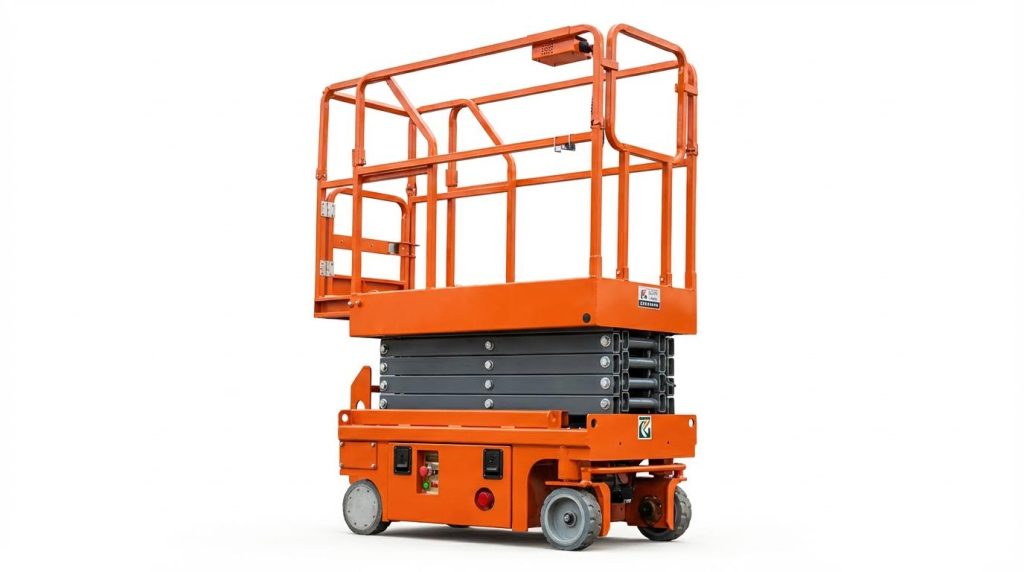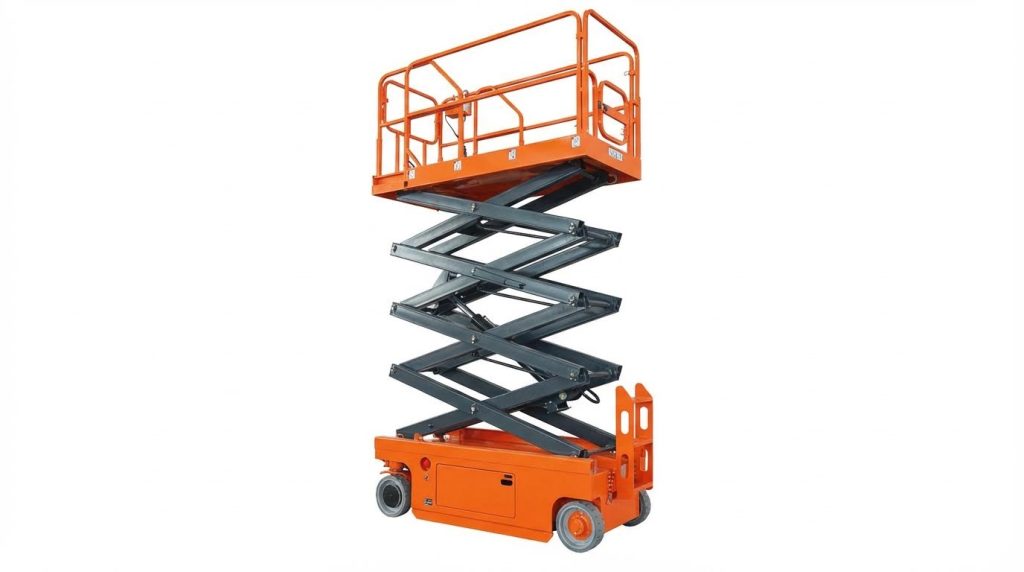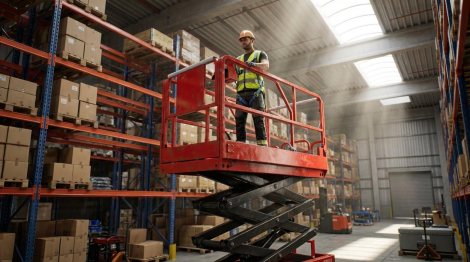
If you have ever asked “how much does scissor lift weigh,” this guide explains the numbers in a practical, job-site focused way. We connect typical scissor lift weights with trailer sizing, floor loading, and safety rules so you can plan transport and staging with confidence. You will see how design, power source, and stability requirements all drive overall machine mass, and why the average shipped unit is around 3,800 lb according to transport data. Use this as an engineering checklist before you choose a lift, book a trailer, or roll a machine onto a slab, mezzanine, or dock.
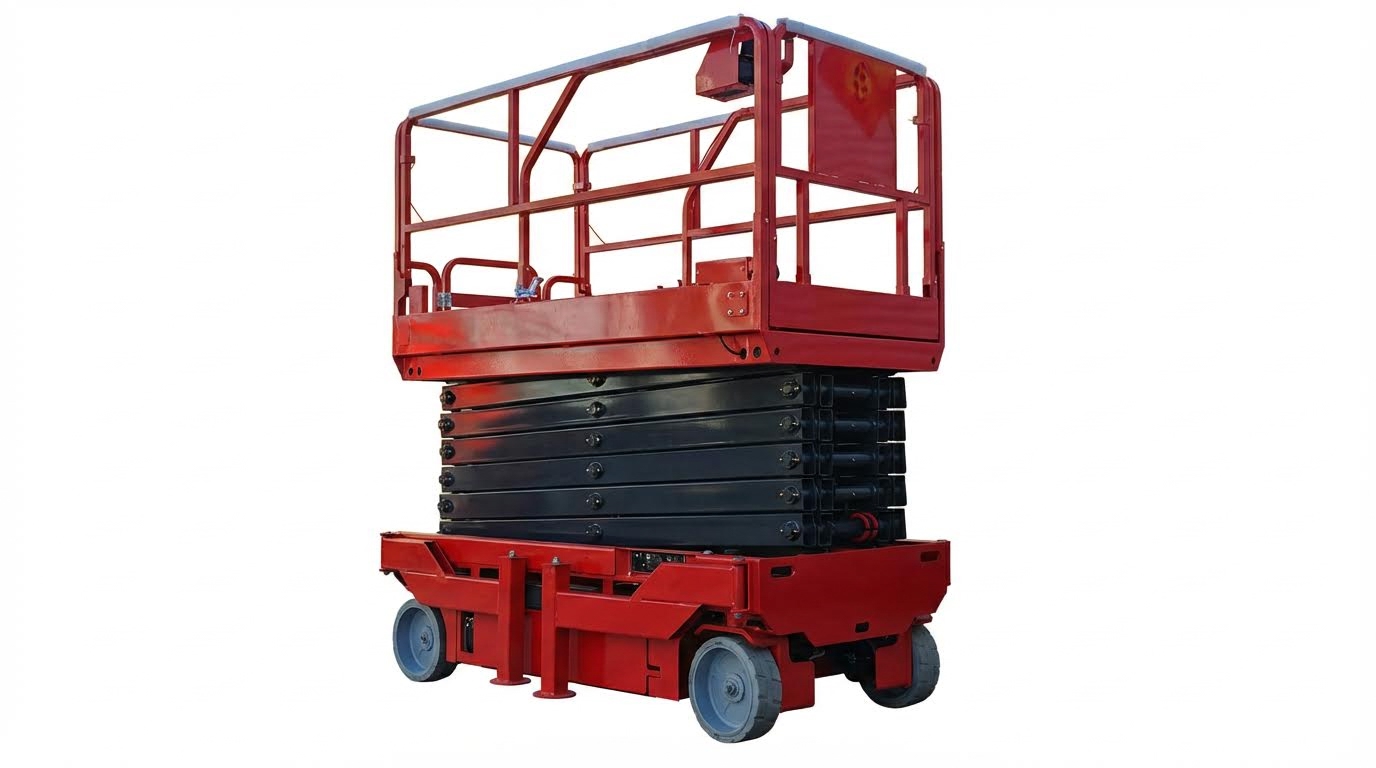
Typical Scissor Lift Weights By Type And Height
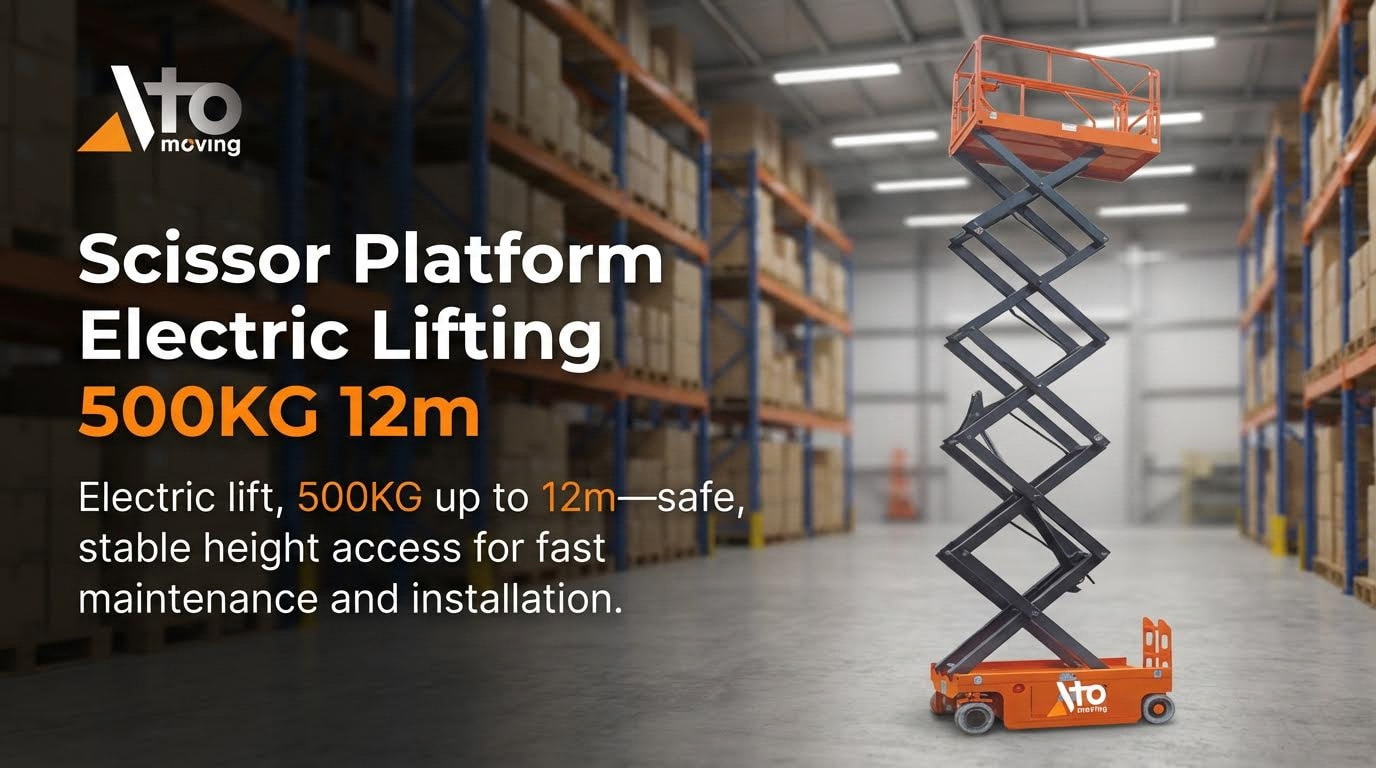
Why scissor lift weight varies so widely
When people ask “how much does scissor lift weigh,” the honest answer is that it depends strongly on design and application. Weight changes with platform size, working height, and the amount of steel in the scissor stack and base frame. Higher-capacity units that can lift from a few hundred kilograms up to several tonnes need much heavier structures to resist bending and fatigue under load and to handle rated capacities from about 150 kg up to 5000 kg. Power source and hydraulic system choice also add mass, with larger diesel or battery-electric drive trains and bigger hydraulic reservoirs increasing overall machine weight to support smooth lifting across a wide height range.
Stability requirements are another major driver. To stay within tipping limits at full elevation, the chassis and counterweight must be heavy enough relative to the rated platform load, especially on rough ground. That is why compact, low-height trolleys that only lift to around 0.7–2.0 m can remain relatively light, while self-propelled construction lifts that reach several storeys high weigh several thousand pounds. Shipping data showed that a typical mid-size scissor lift shipped at about 3,800 lb, illustrating how much base structure, hydraulics, and drive components contribute to total mass for common jobsite units.
Common weight ranges for key lift categories
To plan trailers, floor loads, and handling gear, it helps to group scissor lifts by type and height when answering “how much does scissor lift weigh.” Manual scissor lift trolleys that handle 150–3000 kg in warehouses usually stay in a range that a forklift or manual pallet jack can move, because they lift only from roughly 225 mm up to about 1220 mm and do not carry a heavy drive system thanks to simple foot-operated hydraulics. Electric trolleys with 12 V power and motors around 800 W add battery and motor weight, but still sit well below the mass of full-size mobile access platforms because their lift heights are typically under 2 m and their capacities under about 2000 kg with compact platforms.
Towable and self-propelled aerial scissor lifts that work between roughly 4 m and 20 m have much higher structural and stability demands. These units often weigh from the low thousands up into several thousand pounds, depending on platform size, drive type, and whether they are rated for rough terrain. Transport guidance for a common 19 ft class lift cited operating weights of about 2700–3000 lb, with larger models in the 3500–4500 lb range that already require tandem-axle trailers with payload capacities around 10,000 lb for safe hauling to stay within axle and payload limits. At the extreme end, fixed industrial or car-lift style scissor tables that handle up to about 5000 kg loads use very heavy frames and scissor arms, so their installed weight can rival or exceed the vehicles or goods they are designed to lift especially in basement or garage applications.
Engineering Factors That Drive Scissor Lift Weight
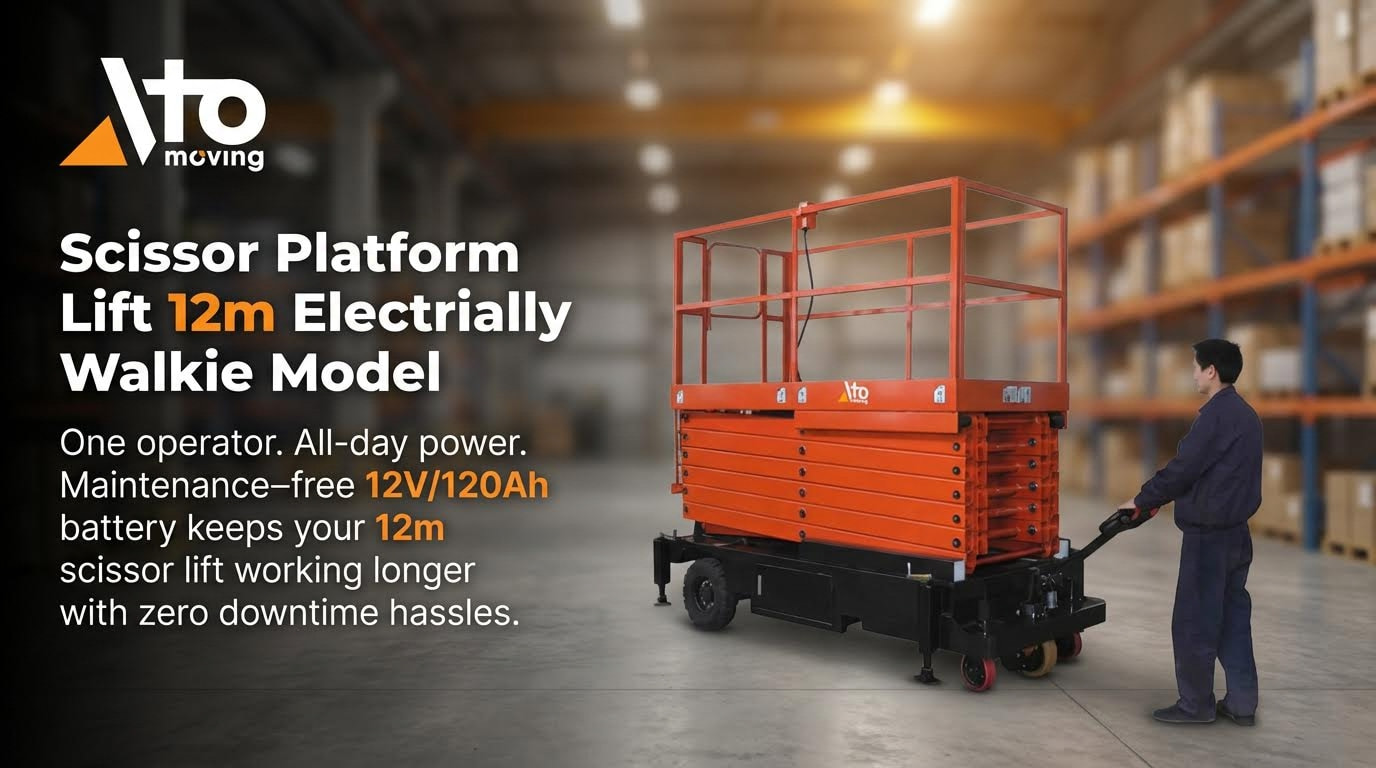
Structural design, steel sections, and safety factors
When someone asks “how much does scissor lift weigh,” the structural design is one of the biggest drivers. Taller or higher-capacity lifts need deeper scissor arms, thicker base frames, and larger platforms to keep deflection and stress within allowable limits. For example, capacities on industrial scissor mechanisms can range from 150 kg up to 5000 kg, and the steel structure must scale accordingly to support these loads safely across the full stroke. Engineers also add safety factors to meet standards, which means more material than the bare minimum required by static calculations.
- Higher working heights require longer scissors and larger pins, which add mass.
- Wide, heavy-duty platforms need reinforced cross-members and deck plates.
- Guardrails, toe boards, and integrated safety features add additional steel weight.
All of this structural steel increases the base machine weight but improves stiffness, fatigue life, and crash resistance. As a result, two lifts with the same platform height can weigh very different amounts if one is designed for heavy industrial duty and higher cycle life.
Power source, batteries, and hydraulic system mass
The power source and hydraulic system are another major contributor when you calculate how much does scissor lift weigh. Electric units carry large traction batteries and chargers, while engine-powered units carry engines, fuel tanks, and exhaust systems. Hydraulic systems add cylinders, hoses, valves, and oil; heavier-duty lifts use larger-bore cylinders and more oil volume to deliver higher capacities and heights with smooth motion and good control.
- Hydraulic scissor mechanisms rely on pumps, manifolds, and reservoirs sized to the maximum load and height.
- Battery-powered trolleys and small lifts use 12 V systems with motors in the 800 W range, which still add noticeable mass relative to the small frames.
- Towable and self-propelled units add axles, wheels, and sometimes drive motors, increasing total weight further scissor platform to handle outdoor terrain and travel speeds.
Together, these systems can push the shipped weight of a typical jobsite scissor lift into the 3800 lb range before any accessories or options. Heavier powertrains are often the trade-off for longer duty cycles, higher travel speeds, and better lifting performance.
Weight, stability, and compliance with ANSI/OSHA
In many cases, the answer to how much does scissor lift weigh is “as much as it needs to for stability and compliance.” Extra base weight helps resist tipping when the platform is elevated, especially with side loads or wind. Standards and regulations require that lifts remain stable under rated load, specified slopes, and defined lateral forces, so designers often add counterweight or enlarge the chassis footprint to pass these tests. Safety devices such as overload protection, anti-skid decks, and emergency descent valves also contribute some mass manual pallet jack but are essential for regulatory compliance.
- Heavier bases lower the center of gravity, improving resistance to overturning.
- Compliance with safety standards drives the need for robust guardrails, interlocks, and structural redundancy.
- Transport regulations also influence weight distribution, since the lift must be secure on trailers without exceeding axle limits drum dolly during highway travel.
From an engineering standpoint, the “extra” weight in a scissor lift is rarely wasted. It is usually there to satisfy stability margins, structural factors of safety, and transportation rules, all of which directly affect safe operation on site and on the road.
Matching Lift Weight To Trailers, Floors, And Job Sites
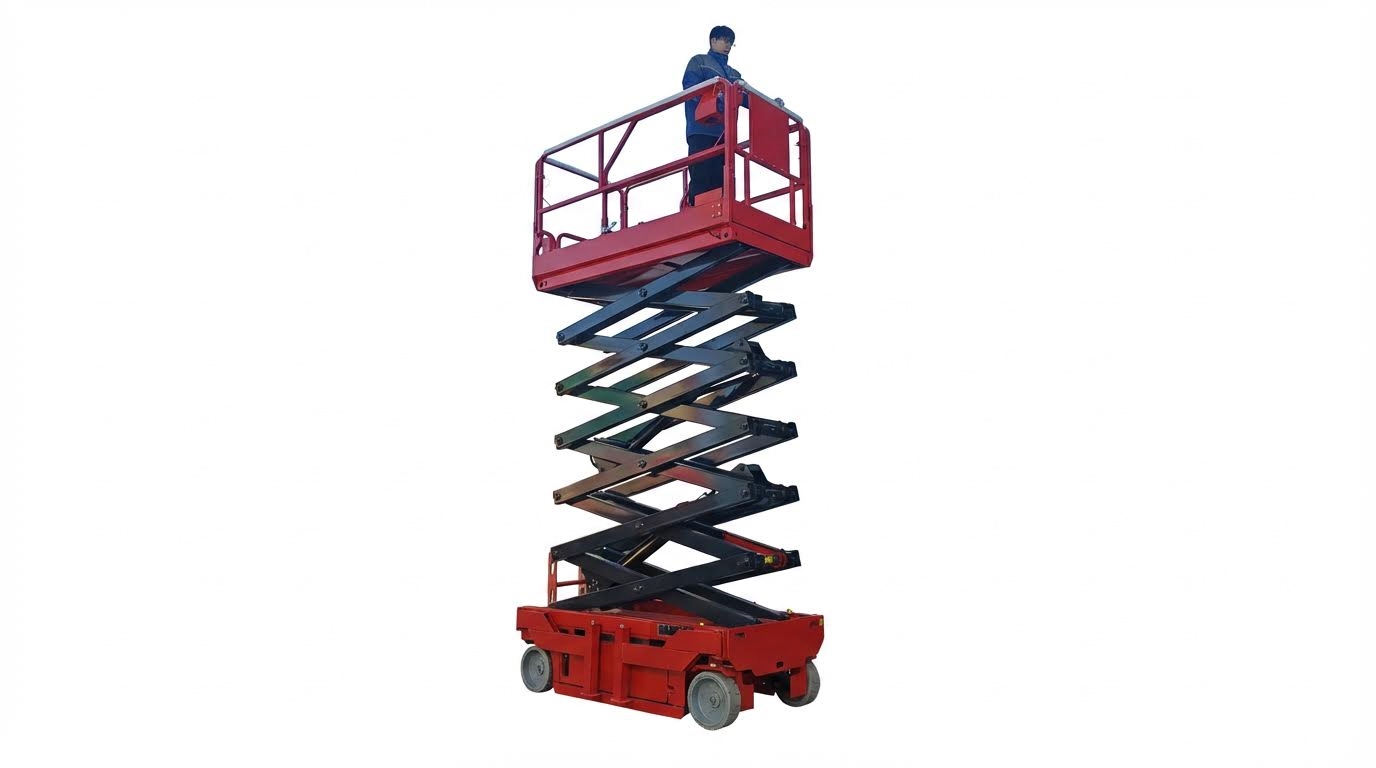
Trailer sizing, axle loads, and tie-down capacity
Before you pick a trailer, confirm the exact machine weight from the data plate or manual, not just a catalog range. Many users start with the question “how much does scissor lift weigh” because trailer rating, axle loads, and tie-down gear all depend directly on that number. As a reference point, the average shipped scissor lift weight was about 3,800 lb for typical units moved by road carriers. For a common 19 ft electric slab lift in the 2,700–3,000 lb range, operators often use a 10 ft trailer about 5–6 ft wide with 3,500–5,000 lb payload capacity to maintain a reasonable safety margin.
- For heavier units around 3,500–4,500 lb, step up to a tandem-axle trailer with up to 16 ft deck length and about 10,000 lb payload to stay within axle ratings and braking capacity.
- Check gross vehicle weight rating (GVWR), individual axle ratings, and hitch rating so combined lift + trailer + accessories stay within all limits.
- Use only chains or ratchet straps with working load limits that exceed the share of lift weight they restrain, and connect to designed tie-down points such as the base frame, not guardrails or covers.
- Position the lift to keep tongue weight in the recommended band (often about 10–15% of total trailer weight) to avoid sway.
Transport methods and when weight becomes a permitting issue
On highways, lighter units usually move on standard flatbed or equipment trailers, while very heavy or tall lifts may need lowboys, RGN trailers, or even cranes for loading depending on combined weight and dimensions. As operating weight grows, you may cross thresholds for oversize/overweight permits, escort vehicles, or route restrictions, so you should check local regulations early in planning to avoid delays at dispatch. Proper securement and weight distribution also reduce the risk of cargo shift, which protects both the lift and the trailer structure during braking and cornering and keeps you compliant with load restraint rules.
Floor load limits, docks, and mezzanine constraints
The same “how much does scissor lift weigh” question also drives whether a floor, dock, or mezzanine can safely support the machine. You must consider both the static weight of the parked lift and the dynamic effects when driving, steering, or braking. Warehouse and industrial floors were often designed for pallet loads, not concentrated wheel loads from a 3,000–4,000 lb machine plus personnel and tools. When in doubt, you should compare the lift’s total operating weight and wheel footprint to the slab’s rated pounds per square foot or consult a structural engineer.
- On docks and mezzanines, check posted capacity signs and any equipment data (dock leveler ratings, pallet rack limits) before driving a lift into the area.
- Remember that some scissor lifts carry loads up to 5,000 kg in special applications such as vehicle handling or heavy goods, so actual operating weight can be far higher than a typical small access platform.
- Check approach ramps and threshold transitions; steep or undersized ramps that are not rated for the lift weight can overstress edges and joints and increase tipping risk.
- Account for any additional payload on the platform when checking floor capacities, not just the bare machine weight.
Practical checks before taking a lift onto a new floor
Before moving onto a dock or mezzanine, verify that the surface is level, free of damage, and not subject to hidden voids or trenches. If the floor construction or rating is unknown, you should avoid taking heavy lifts into that zone until a qualified person assesses the structure. Combining accurate lift weight data, including attachments and batteries, with realistic estimates of live loads helps prevent slab cracking, deflection, or catastrophic failure. This structured approach keeps people safe and protects the building fabric while still allowing efficient use of powered access equipment on tight job sites.
Key Takeaways For Specifying And Transporting Lifts
Scissor lift weight is not a single number; it is the result of structural design, powertrain choice, and strict stability rules. Taller platforms, higher capacities, and long duty cycles all push engineers toward heavier steel sections, larger hydraulics, and bigger batteries or engines. That extra mass is not waste. It delivers stiffness, fatigue life, and tipping resistance that keep people safe at height and during transport.
For operations and engineering teams, the key is to treat lift weight as a design load case, not a guess. Always pull the exact operating weight from the data plate, then add realistic payload, attachments, and fuel or battery mass. Check that trailers, axles, tie-downs, floors, docks, and mezzanines all have ratings above that combined load with a clear safety margin.
Build a standard checklist: confirm machine weight, verify transport capacity, review floor limits, and check local road rules before dispatch. Use this process for every new site or lift model, whether it is a compact trolley or a tall rough-terrain unit. When in doubt, consult a structural or lifting specialist at Atomoving. This disciplined approach turns “how much does scissor lift weigh” into a controlled engineering input instead of a safety risk.
Frequently Asked Questions
How much does a scissor lift weigh?
Scissor lift weights vary significantly based on the model and type. Generally, they range from 1,600 lbs to 17,000 lbs (725 kg to 7,711 kg). Smaller models, like a 19-foot scissor lift, typically weigh between 2,580 lbs to 2,690 lbs (1,170 kg to 1,220 kg). Larger lifts, such as those with 40-45 feet of lift height, can weigh between 7,185 lbs to 11,684 lbs (3,260 kg to 5,300 kg).
- 19 feet: 2,580 – 2,690 lbs (1,170 – 1,220 kg)
- 26 feet: 4,190 – 7,295 lbs (1,900 – 3,310 kg)
- 32 feet: 4,975 – 5,185 lbs (2,256 – 2,352 kg)
- 40–45 feet: 7,185 – 11,684 lbs (3,260 – 5,300 kg)
For more details, you can check this scissor lift weight guide.
How heavy is a small scissor lift?
Small scissor lifts usually weigh less and are easier to transport. For example, mini scissor lifts often weigh around 1,078 lbs to 9,917 lbs (489 kg to 4,498 kg), depending on their platform height. A specific model, the DS-MSL-10, weighs approximately 1,078 lbs (489 kg) with a platform height of 9 feet.
Find more information about mini scissor lifts at this mini scissor lift resource.