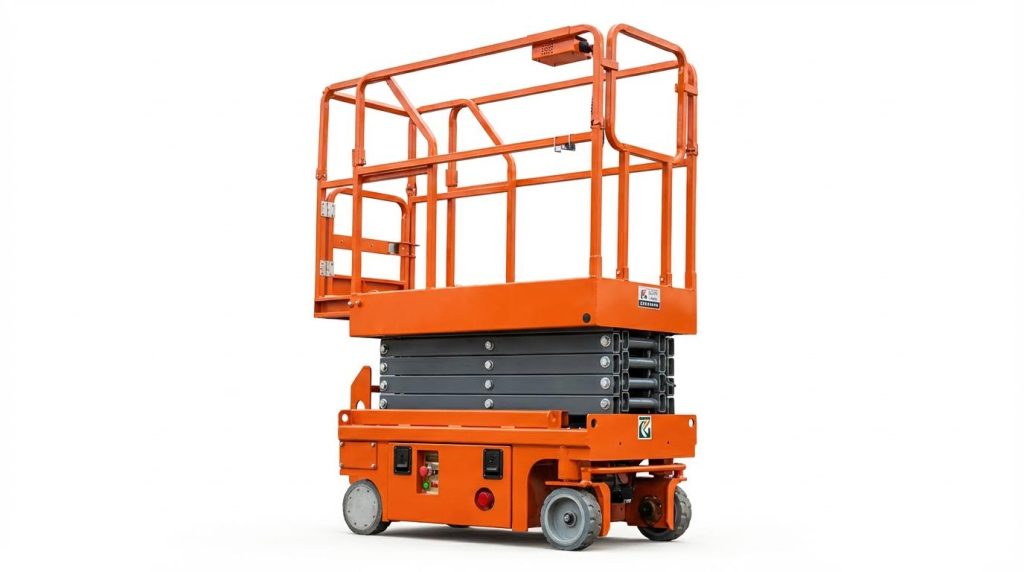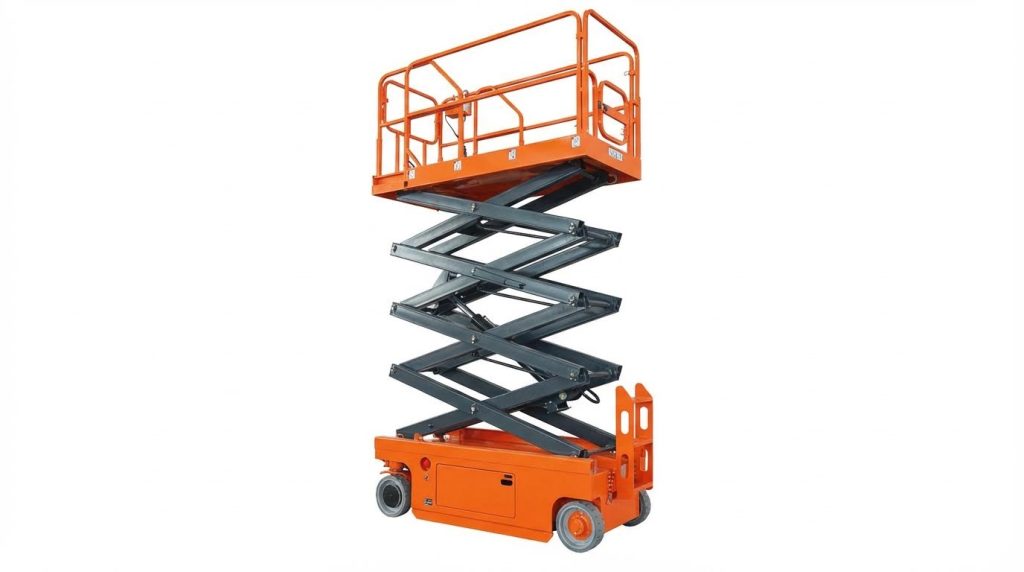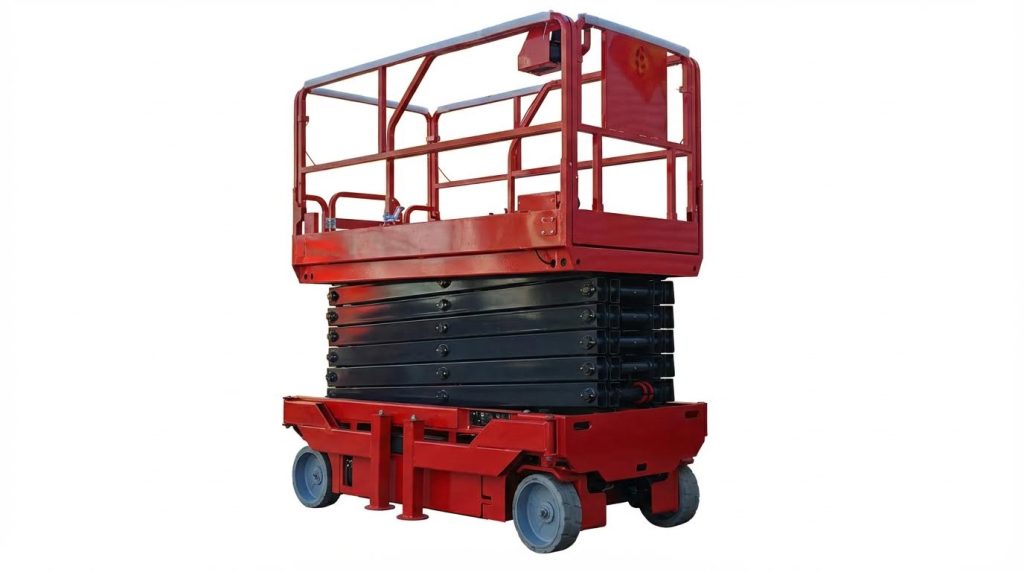
Small scissor lifts covered in this article range from light manual tables to compact slab and stationary goods lifts. Their weights and floor loads change with height, capacity, and structure, which affects both handling and building design. The full guide explains typical weight ranges, what drives those weights, and how to check floor slabs and deck systems safely. It finishes with practical selection advice so you can answer questions like “how much does a small scissor platform weigh” and match the lift to the floor, not just the job.
Typical Weights Of Small Scissor Lifts
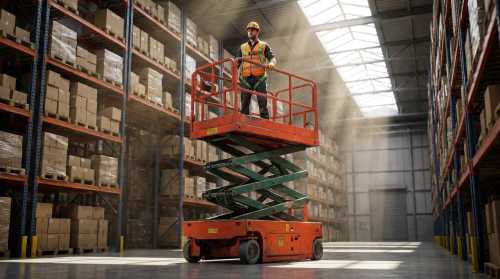
Engineers who ask “how much does a small scissor lift weigh” needed to separate four main product groups. Manual table lifts sat at the lightest end. Compact slab lifts, stationary goods lifts, and ultra-compact narrow-aisle units covered the rest of the small-lift range. Their weights linked directly to platform height, rated capacity, and duty cycle.
Manual Table Lifts (40–150 kg Range)
Manual table scissor lifts used simple hydraulic or screw mechanisms and small platforms. Typical units weighed from about 40 kg for 100 kg capacity up to roughly 130–140 kg for 750 kg capacity. The frame used thinner steel sections because lift heights stayed low, around 0.7–1.0 m. These low weights allowed one person to push and position the lift by hand. For floor design, the wheel loads from these units stayed close to those from a loaded pallet truck, so standard industrial slabs usually had enough capacity.
Compact Slab Lifts (1,200–3,500 lbs)
Compact slab scissor lifts answered most “how much does a small scissor lift weigh” searches. Typical self-propelled models weighed about 1,200–3,500 lbs depending on height and capacity. For example, a small unit with about 3 m platform height and roughly 225 kg capacity weighed around 1,200–1,300 lbs. A 4 m class machine weighed about 2,000–2,100 lbs, while a 5.8–6 m class unit approached 3,400–3,500 lbs. These machines concentrated load into a small footprint, so wheel loads often governed slab design rather than total machine weight.
Stationary Goods Lifts (780–2,200 kg)
Stationary scissor goods lifts anchored to a pit or surface and did not travel across the floor. A light-duty model with about 300 kg capacity and 3 m lift height weighed around 780 kg. Heavy-duty versions with about 3,000 kg capacity and 4.5 m stroke weighed close to 2,200 kg. Their own dead weight combined with the permanent foundation spread loads into the slab or pit walls. For engineers, the key design checks involved bearing at support points, anchor pull-out, and punching shear around concentrated reactions.
Ultra-Compact And Narrow Aisle Units
Ultra-compact and narrow-aisle scissor lifts targeted tight indoor spaces and doorway access. Some lightweight mobile units with about 6 m platform height weighed around 2,100–2,200 kg. Similar narrow machines with roughly 12 m height weighed about 2,900–3,000 kg. These lifts used narrow platforms and slim chassis to fit aisles near 0.8–0.9 m wide. The reduced footprint raised contact pressure, so floor load checks needed actual wheel spacing and tire contact area. When users asked “how much does a small scissor lift weigh” for these units, engineers also checked tipping stability and dynamic effects during travel, not just static mass.
Key Factors That Drive Scissor Lift Weight
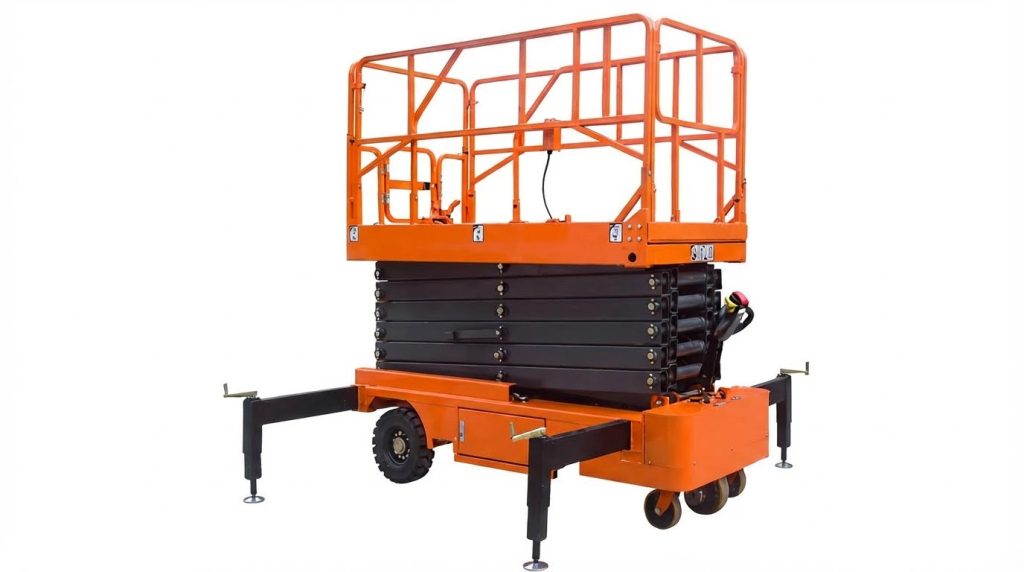
When engineers ask how much does a small scissor lift weigh, they must look beyond catalog numbers. The final weight comes from linked design choices on height, capacity, structure, and drive system. Each choice affects stability, wheel loads, and floor slab demands. Understanding these factors helps match the lift to both the job and the building structure.
Platform Height, Capacity, And Stability
Platform height is one of the strongest drivers of lift weight. As platform height increases, the scissor stack needs thicker arms and larger pins to control deflection and sway. A compact slab lift at about 3 m platform height could weigh around 560 kg, while a 6 m to 8 m model often moves into the 900 kg to 1,560 kg range. Higher working heights need a heavier base to keep the center of gravity inside the wheel footprint.
Rated capacity also adds mass. Manual table lifts that handled 100 kg loads weighed roughly 40 kg. Units that handled 750 kg loads reached about 137 kg. The same pattern held for stationary goods lifts. A 300 kg, 3 m unit weighed about 780 kg, while a 3,000 kg, 4.5 m unit weighed about 2,200 kg. Extra steel in the scissor arms, platform, and base frame drives this increase.
Stability rules and standards push designers to add weight at the chassis. Guardrail height, allowable tilt, and wind loading for personnel lifts all influence the counterweight effect. For very narrow or ultra-compact lifts, engineers often widen the wheelbase or lower heavy components to keep overturning margins within code limits.
Structural Materials And Safety Features
Structural material choice sets the baseline weight. Most small scissor lifts use high-strength structural steel for the arms, base, and platform. Higher strength grades allow thinner sections for the same capacity, which can cut weight while keeping stiffness. However, buckling and fatigue checks limit how thin sections can be in real designs.
Platform size also matters. A platform around 2,270 mm by 810 mm with a 900 mm extension deck adds both dead weight and live load reach. The extension deck needs extra beams and rollers, which increase mass and shift loads outward when deployed. Wheel size, typically about 100 mm to 150 mm diameter on compact units, drives the design of axles, brackets, and fork weldments, which all add steel.
Safety features increase weight but are not optional. Guardrails, mid-rails, and toe-boards form a stiff frame around the platform. Lock valves, flow control valves, and mechanical stops add blocks, manifolds, and brackets. Limit switches, wiring harnesses, and control boxes add smaller but cumulative mass. Explosion-proof or outdoor-rated components are often heavier due to thicker housings and sealing.
Designers balance these additions with cut-outs, formed sections, and welded box sections to keep stiffness high and weight controlled. They also consider corrosion protection. Hot-dip galvanizing, for example, adds coating weight but can allow thinner base steel in harsh environments.
Hydraulic, Electric, And Drive System Choices
The choice of lifting and drive system has a direct effect on how much a small scissor lift weighs. Hydraulic systems dominate small units. They use cylinders, a power pack, and hoses. Cylinders and oil add mass, but hydraulics offer high power density and smooth control. Typical hydraulic efficiency sits around 85% to 90%, which keeps motor size moderate.
Electric drive choices influence chassis weight. Electric slab lifts use traction motors, gearboxes, and batteries. Batteries are often the single heaviest component set on a compact self-propelled lift. Larger amp-hour capacity extends run time but increases both total weight and wheel loads. Manual push-around units avoid traction motors and large batteries, so they stay lighter for the same platform height.
Control architecture also matters. AC drive systems can use smaller motors for the same duty cycle compared with older DC systems, which can trim some weight. However, inverters and cooling hardware add back some mass. For stationary goods lifts, designers often place the power pack off the platform structure, which shifts but does not remove weight from the slab design problem.
Drive configuration affects how loads transfer into the floor. Front-wheel drive units may need heavier drive modules, while rear steer casters stay lighter. This choice changes individual wheel loads, which structural engineers must check against deck and slab limits.
Design Trade-Offs For Mobility And Footprint
Mobility and footprint requirements shape weight in subtle ways. Ultra-compact scissor lifts that pass through standard doors or narrow aisles must stay under width limits, often below about 0.8 m. To keep stability with a narrow base, designers may lower heavy components, shorten platform length, or limit platform height. Each option changes the mass distribution and the overall weight.
Lightweight designs improve manual handling and reduce floor loading. A lighter small scissor lift creates lower wheel loads and lower contact pressures, which helps on suspended slabs and mezzanines. However, aggressive weight reduction can reduce robustness for rough floors or frequent transport. Engineers must check fatigue life at welds and pivot points when they use thinner sections.
Compact footprint units often run higher tire pressures and smaller contact patches. This improves maneuverability but increases point loads into the floor. To manage this, designers can use dual wheels or softer tires, which add components and weight. There is a trade-off between easy turning and acceptable floor stress.
For users asking how much does a scissor platform weigh, the answer links to these trade-offs. A very mobile, narrow unit may weigh less overall but impose higher local floor stresses. A slightly heavier, wider chassis can reduce floor pressure and improve comfort but needs more space and stronger access routes. Matching these factors to the building structure is key for safe, efficient operation.
Floor Load, Slab Design, And Verification
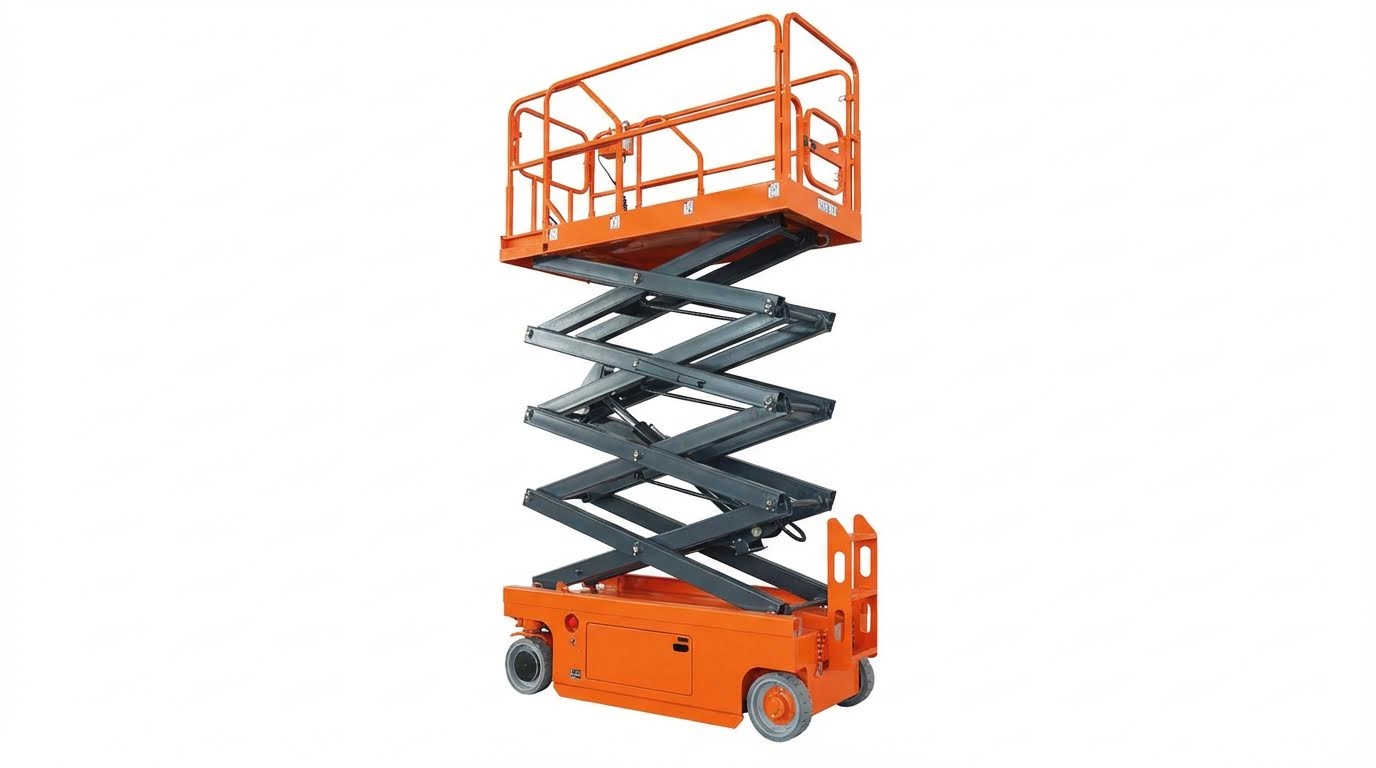
When engineers ask “how much does a small scissor lift weigh,” they also need to ask what the floor can safely carry. A compact slab lift could weigh from about 1,200 lbs to over 3,400 lbs, before any live load on the platform. Stationary goods lifts could weigh from roughly 780 kg to 2,200 kg. These dead loads and the moving wheel loads control slab design, reinforcement, and verification.
Distinguishing Lift Weight From Rated Capacity
Lift weight is the self‑weight of the machine. Rated capacity is the maximum live load on the platform. Floor design must consider both, but in different ways. The machine weight acts all the time as a dead load, usually through wheels or base frames. The rated capacity acts as a variable live load that can shift on the platform and change wheel reactions. For a small slab scissor platform, the machine might weigh 2,050 lbs while the platform capacity is only about 530 lbs. The engineer should check the worst credible combination, including dynamic factors for braking, steering, and platform movement.
Wheel Loads, Contact Areas, And Point Loads
Floors do not see the total lift weight. They see wheel loads and contact pressures. A 3,440 lb compact lift with four wheels could place around one quarter of its weight on a single wheel in static conditions. Dynamic conditions and uneven floors could increase a single wheel reaction. Wheel diameter and tire type control the contact patch. Typical diameters from 100 mm to 150 mm create small contact areas and high local bearing stresses. Engineers treat each wheel as a concentrated or patch load on the slab and deck ribs. They then check punching, local bending, and reinforcement anchorage. Narrow-aisle or ultra‑compact units may have smaller, harder wheels, which increase peak contact pressure even if total weight is lower.
Using Floor Deck Manuals And Codes
Composite deck slabs behave differently from plain concrete slabs under concentrated loads. The Steel Deck Institute’s Floor Deck Design Manual gave engineers tested tables and equations for scissor platform lift wheel loads. The second edition included methods for concentrated and moving loads so designers no longer relied only on conservative approximations. Engineers select a deck profile, slab thickness, and reinforcement, then use the manual to check nominal wheel load capacity. Building codes required that factored wheel loads from the chosen lift stay below the design resistance. Codes also limited crack widths and deflections to protect finishes and serviceability. For projects with frequent lift traffic, designers often increased slab thickness or mesh to reduce fatigue and cracking.
Checking Existing Slabs And Retrofit Options
Existing floors often were not designed with specific scissor lifts in mind. When users ask “how much does a small scissor lift weigh,” the next step is to compare that weight and its wheel loads with the original slab design data. Engineers review drawings, slab thickness, concrete strength, and reinforcement type. They then model the wheel loads, including impact factors and possible load paths near joints or openings. If capacity is marginal, retrofit options include surface steel plates to spread wheel loads, local thickening with bonded toppings, or adding beams or joists below. For underground and pit‑type lifts, checks also cover wall thickness, pit base thickness, drainage slopes, and groundwater protection. Load tests under no‑load and full‑load conditions can confirm performance by monitoring cracks and settlements before approving regular lift use.
Practical Selection Guidance And Summary Conclusion
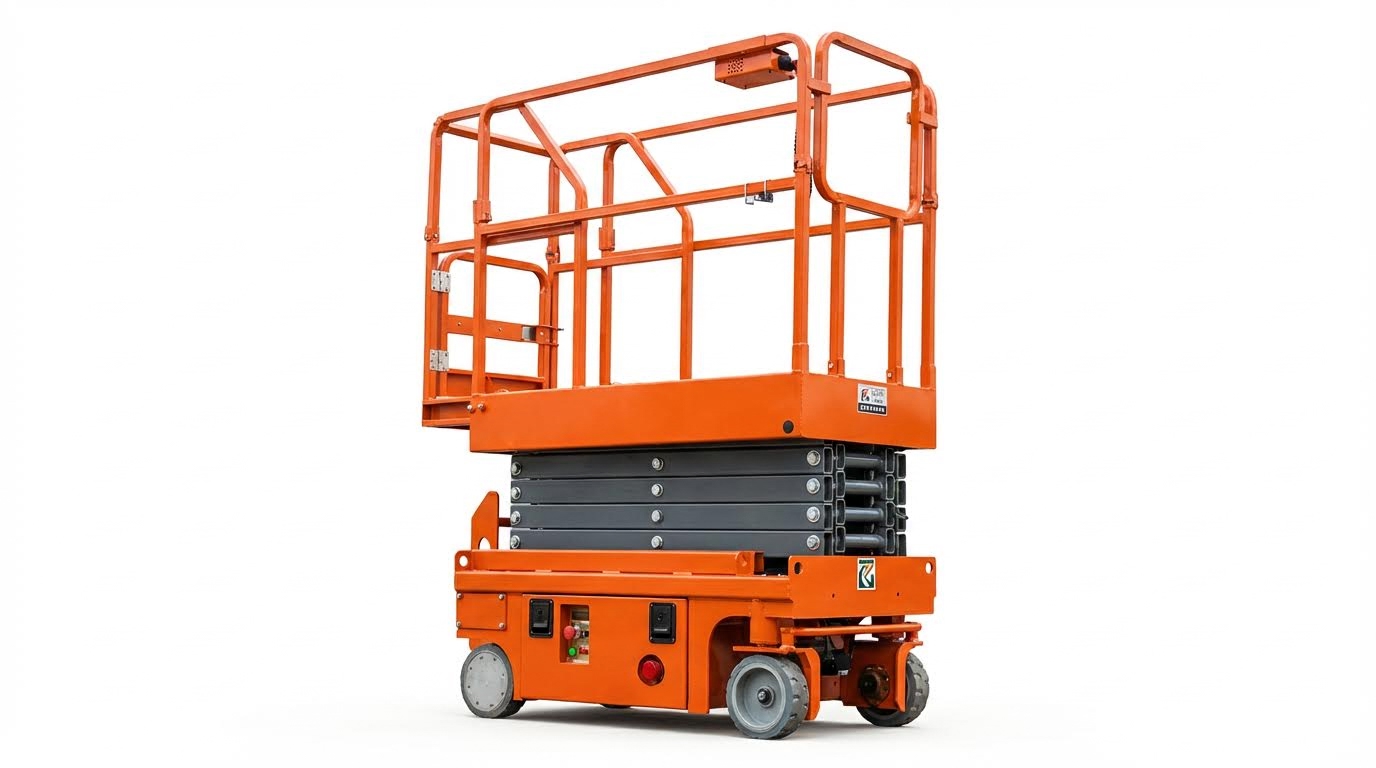
When users ask “how much does a small scissor lift weigh,” they usually want to match a lift to a floor, task, and access constraint. Weight affects slab design, transport method, and how close a unit can work to edges, joints, or mezzanines. A clear selection process links lift weight, wheel loads, and floor capacity so the equipment stays safe and productive.
For light assembly or packing areas, light duty electric stacker in the 40–150 kg range suit work positioning tasks. Their low self weight allows easy relocation and minimal effect on floor design. For indoor maintenance in warehouses or retail spaces, compact slab scissor lifts usually weigh about 1,235–3,440 lbs, with platform heights around 3–6 m and capacities near 225–250 kg. These units often pass through standard doors and work on typical industrial slabs when wheel loads are checked against deck manuals or slab design data.
Where users must lift pallets or trolleys between levels, stationary goods lifts weighing roughly 780–2,200 kg provide higher capacities and strokes. These lifts need engineered foundations, with slab thickness and reinforcement sized for concentrated base loads. Ultra-compact and narrow aisle lifts trade some platform size and capacity for reduced overall weight and width, which helps in dense racking or plant retrofit projects. Engineers should confirm that their smaller footprint does not create excessive point loads at wheels or base plates.
Future trends pointed toward lighter high-strength steels, more efficient hydraulic packages, and compact electric drives. These changes tended to reduce overall mass for a given capacity while keeping stability margins. However, floor load checks remained essential because wheel loads and contact pressures often governed design, not just total machine weight. In practice, specifiers should follow this sequence: define required height and capacity, shortlist lift classes and approximate weight ranges, verify wheel loads using manufacturer data, and check these against slab design, deck manuals, or local codes. This balanced approach keeps decisions grounded in structural capacity, not just catalog weight, and supports safe long-term use as lift technology evolves.