
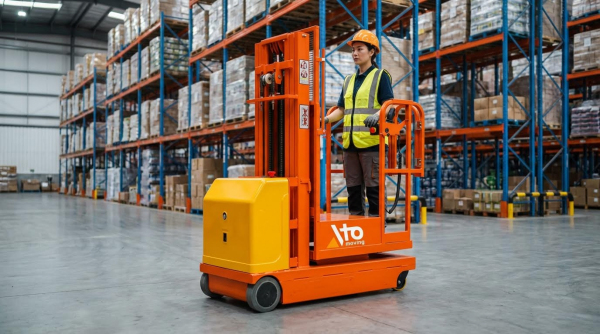
Automated warehouse order picking has become the core lever for increasing throughput, storage density, and accuracy without simply adding more labor or floor space. This article walks through the main picking architectures, how to design high‑density layouts, and how to size systems for peak demand and lifecycle cost. You will see how choices like goods-to-person grids, static or dynamic pick modules, and ASRS-based designs can deliver several times the storage capacity of traditional layouts while enabling fast, ergonomic picking. The goal is to give engineers and operations leaders a practical, system-level view so they can specify, compare, and justify the right warehouse order picker solution for their facilities.
Core Order Picking Architectures And Design Choices
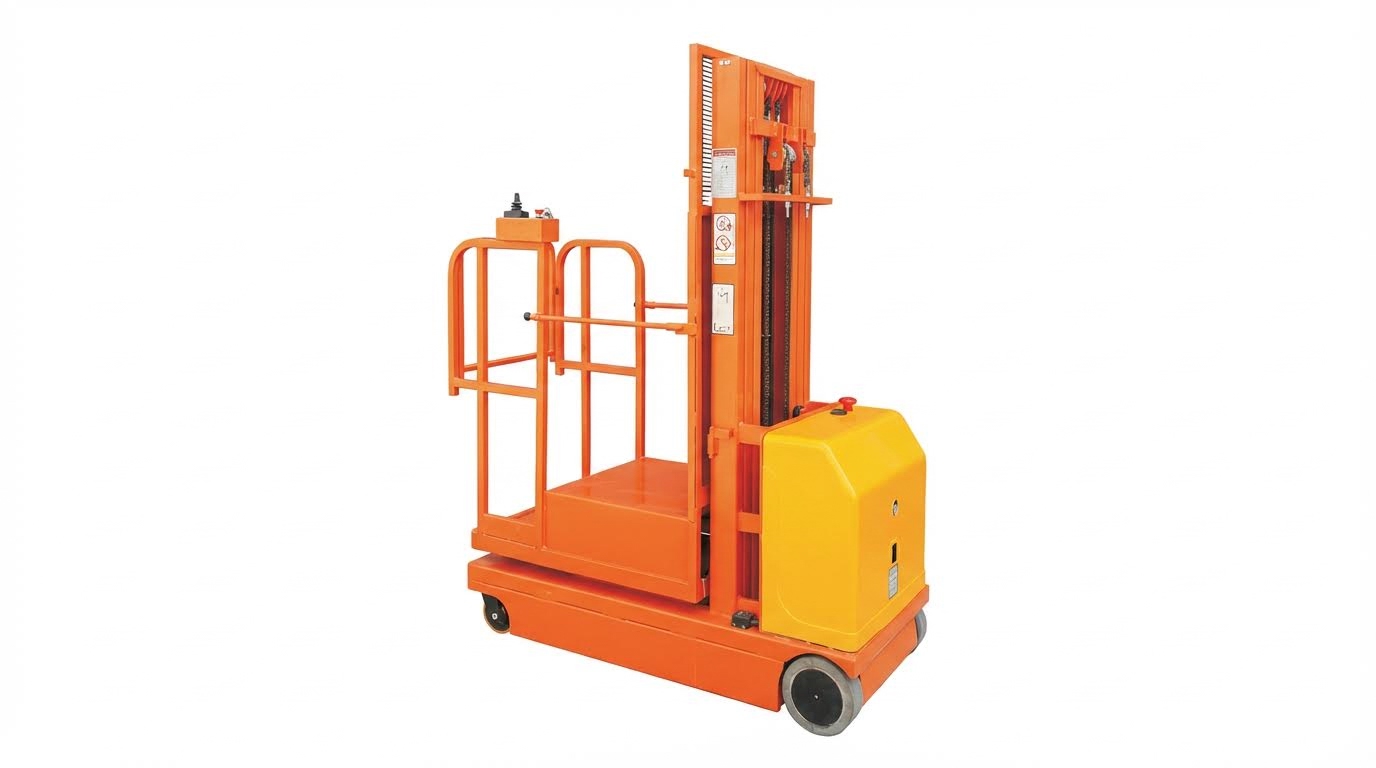
Comparing P2G, G2P, R2G, And G2R Flows
These four flows define how people, robots, and inventory interact in automated warehouse order picking. Person‑to‑Goods (P2G) keeps storage static while pickers walk or work with follow-me robots, offering low capex and high layout flexibility, but with higher travel time and labor share. Goods‑to‑Person (G2P) uses shuttles, grids, or ASRS to bring totes or cartons to ergonomic stations, cutting walking and boosting storage density by up to 2–3x versus conventional layouts as aisles disappear. Grid-based ASRS with robots also lifts accuracy by automating product retrieval. Robot‑to‑Goods (R2G) sends mobile pick robots into existing shelving, which is attractive for brownfield sites and night or peak operations, but is constrained by vision, grasping, and shelf access complexity. Goods‑to‑Robot (G2R) combines ASRS or conveyors with robotic picking at fixed cells; it removes most direct labor from the pick face and is strong for case and, increasingly, each picking as AI vision improves. In practice, high-performance automated warehouse order picking often blends P2G or R2G for flexibility with G2P or G2R for dense, high-throughput cores.
Static vs Dynamic Pick Modules In System Design
Static pick modules use fixed shelving, flow racks, and mezzanines. They have lower initial cost and low energy and maintenance needs, but pickers must travel to product, so they suit steady demand and stable assortments. Dynamic pick modules integrate conveyors, shuttles, mobile racks, or ASRS to move inventory or containers, maximizing cubic utilization and enabling very high-density storage, sometimes achieving more than triple the storage capacity of traditional layouts when combined with automated systems. Parts-to-picker concepts have demonstrated order picking rates around 1000 lines per hour per person, 8–15x higher than manual approaches. This makes dynamic modules ideal for high-SKU, high-volume automated warehouse order picker where travel distance is the main waste. The trade-off is higher capex, more complex maintenance, and greater reliance on controls and WMS integration, so total cost of ownership modeling must include energy, service, and upgrade paths over the full life cycle. Operations with volatile assortments and frequent re-slotting usually favor dynamic modules because they can scale and reconfigure in smaller, incremental steps.
Layout Planning For High Density And High Throughput
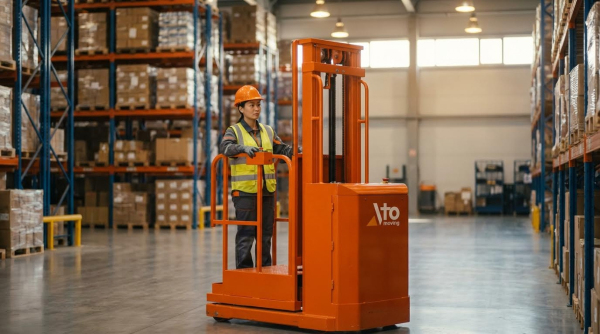
Vertical Storage, Grid Systems, And Rack Strategies
High-density automated warehouse order picking relies on aggressive use of cubic space. Modern ASRS and shuttle systems store totes or pallets up to 12–24 m high, delivering 2–3x the storage density of conventional layouts with standard aisles high-density racking with minimal aisle space. Grid-based systems can also exploit vertical height; when configured correctly they balance grid height with “dig time” so retrieval speed is not sacrificed for density grid height and bin configuration. Rack strategy should segment SKUs by velocity and unit load: high-velocity small goods go into dense grid or shuttle storage, while slower or bulky SKUs use double-deep or shuttle racking. This mix maximizes storage per square meter while keeping fast movers close to pick ports for high throughput.
Zoning, Slotting, And Travel Distance Reduction
For automated warehouse order picking, layout must minimize human and robot travel. ABC zoning places fast-moving SKUs closest to pick and packing areas, cutting handling time and congestion picking zone optimization with ABC analysis. Dynamic slotting, driven by WMS data, continuously repositions SKUs as demand changes, which can improve overall efficiency by double‑digit percentages compared with static layouts throughput enhancement strategies. In G2P and ASRS environments, eliminating or shrinking picker aisles shifts travel to robots and shuttles, dramatically reducing manual walking distance per pick travel distance reduction with grid-based ASRS. The result is higher lines per hour per operator and better use of each robot cycle.
Dimensioning Robots, Ports, And Pick Stations
Dimensioning the “interfaces” between storage and people is critical to throughput. In grid and shuttle systems, the number and placement of ports strongly influence bin travel time; smart arrangements, including tunnels or centrally located ports, can reduce travel and lower the robot count needed to meet peak demand footprint and port arrangements. Simulation is typically used to size the robot fleet so the system stays below congestion limits while still achieving target lines per hour optimal robot deployment. At pick stations, ergonomic design and the right mix of high-speed and standard ports ensure operators can sustain designed pick rates without fatigue. Together, these layout and sizing decisions align mechanical capacity with real order profiles for stable, high-throughput operation.
In material handling equipment selection, tools like the manual pallet jack, drum dolly, and hydraulic pallet truck play vital roles in optimizing workflows. Additionally, advanced solutions such as the semi electric order picker enhance productivity in high-density environments.
Engineering Order Picking For Performance And TCO
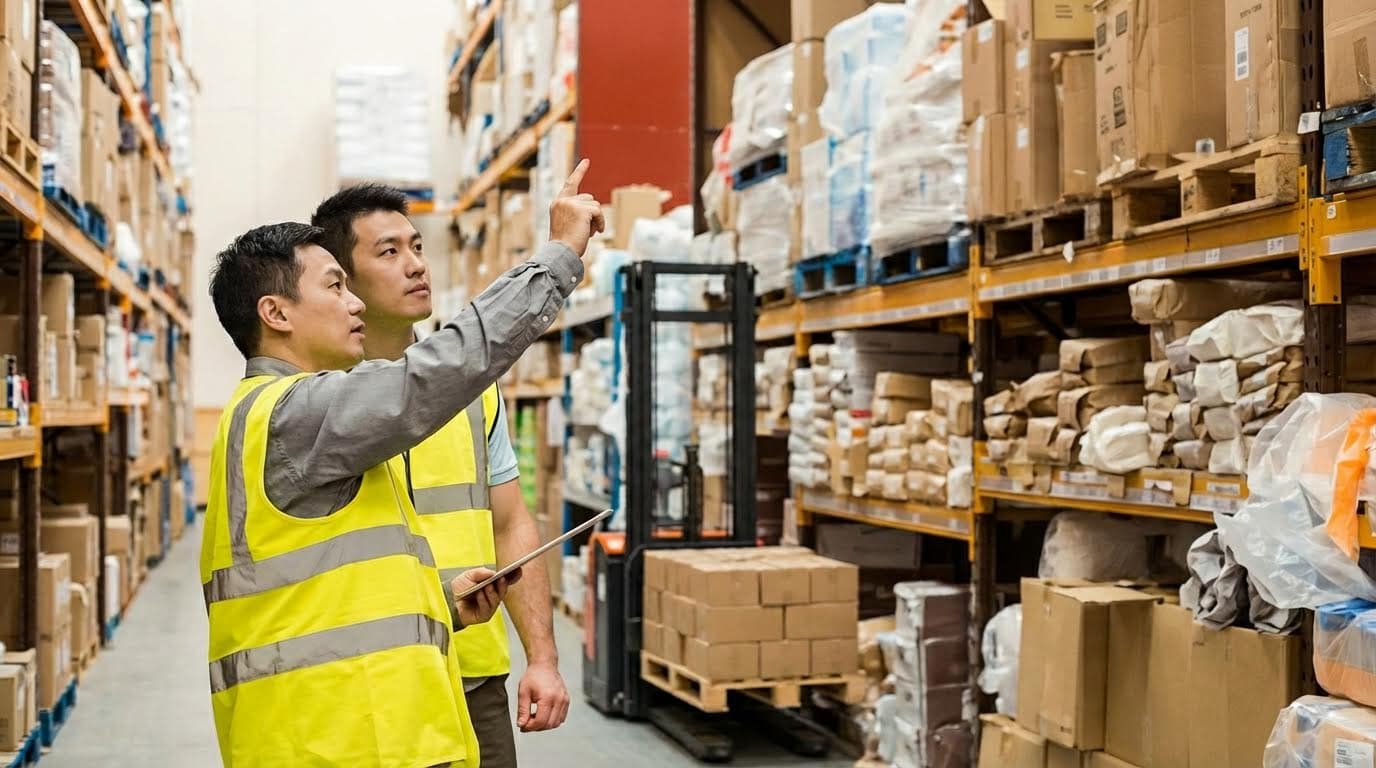
Throughput Modeling, KPIs, And Peak Sizing
For automated warehouse order picking, size the system on data, not averages. Start with order lines per hour by shift, day, and peak season, then convert this into required picks per workstation or robot. Modern parts-to-picker systems can reach about 1,000 order lines per person-hour, delivering 8–15 times the productivity of traditional manual picking for comparable installations. Key KPIs include lines per labor hour, cost per line, order cycle time, and equipment utilization. Use these to test scenarios such as extra shifts versus more robots or ports. Always model peak: apply realistic growth and seasonality factors, then add a safety margin so the system can absorb short surges without excessive queuing or overtime.
Energy Use, Maintenance, And Predictive Strategies
Total cost of ownership in automated warehouse order picking is driven as much by energy and maintenance as by capex. Dynamic systems with shuttles, lifts, and mobile robots offer very high throughput and space utilization but consume more energy and require more planned maintenance than static modules due to their many powered components. Implement predictive maintenance using sensor data and WMS/controls logs to detect abnormal cycle times, motor currents, or error codes before failures occur and schedule interventions in low-load windows. Combine this with energy strategies such as sleep modes, optimized robot fleet sizing, and off-peak bin pre-positioning to reduce kWh per order while maintaining service levels over the full life of the system.
Strategic Takeaways For Automated Picking Projects
Automated warehouse order picking works best when architecture, layout, and sizing decisions follow real demand and SKU data. Flow choices such as P2G, G2P, R2G, and G2R must match order profiles, building limits, and labor strategy, not just technology trends. Vertical storage, grid systems, and smart rack mixes then turn cubic space into dense, fast inventory access.
Engineers should treat travel distance as core waste. Use G2P or G2R cores, ABC zoning, and dynamic slotting to push movement onto machines and keep operators in ergonomic stations. Dimension ports, robots, and pick stations with simulation so mechanical capacity, software, and labor all align at peak, not average, load.
Total cost of ownership must sit beside throughput in every decision. Higher-capex dynamic modules, ASRS, and advanced Atomoving order pickers can cut cost per line when energy, maintenance, and upgrade paths are planned from day one. Predictive maintenance and energy management keep uptime high and kWh per order low.
The best projects start with data, model alternatives, and phase investments. Teams that follow this engineering-led approach build automated picking systems that stay stable at peak, scale with growth, and deliver durable financial returns.
Frequently Asked Questions
What is automated order picking in a warehouse?
Automated order picking refers to the process where technology, such as robotics or automated guided vehicles (AGVs), assists in selecting items from inventory to fulfill customer orders. This method aims to reduce human error, improve speed, and increase efficiency. The goal is to accurately assemble requested items while optimizing operational performance.
What are common goals of warehouse order picking?
The primary goal of order picking is accurate order fulfillment. However, warehouse managers often aim to improve employee productivity, ensure safety, and optimize the picking process. These goals help streamline operations and meet customer demands within specified timeframes. For more details on order picking goals, you can refer to Warehouse Order Picking Methods.
How can warehouses improve their picking processes?
To improve picking efficiency, warehouses can optimize their layout by storing high-demand items closer to packing areas, reducing travel time. Organizing items by type, size, or demand also speeds up the process. Additionally, maximizing vertical space enhances storage capacity and organization. Learn more about improving pick rates at Kardex Blog.