
If you have ever asked “what do drum dollies and cylinder dollies do,” this guide walks through their real jobs on the plant floor. We compare how each dolly supports and moves heavy containers, where they are typically used, and what that means for safety and ergonomics. You will see the engineering differences in frame design, wheels, and load paths, then learn how to match the right dolly to your drums, cylinders, weight ranges, and workflow. Use this to reduce manual handling risk, improve efficiency, and choose equipment that fits both your environment and compliance needs.
What Drum And Cylinder Dollies Are Designed To Do
Core function in material handling
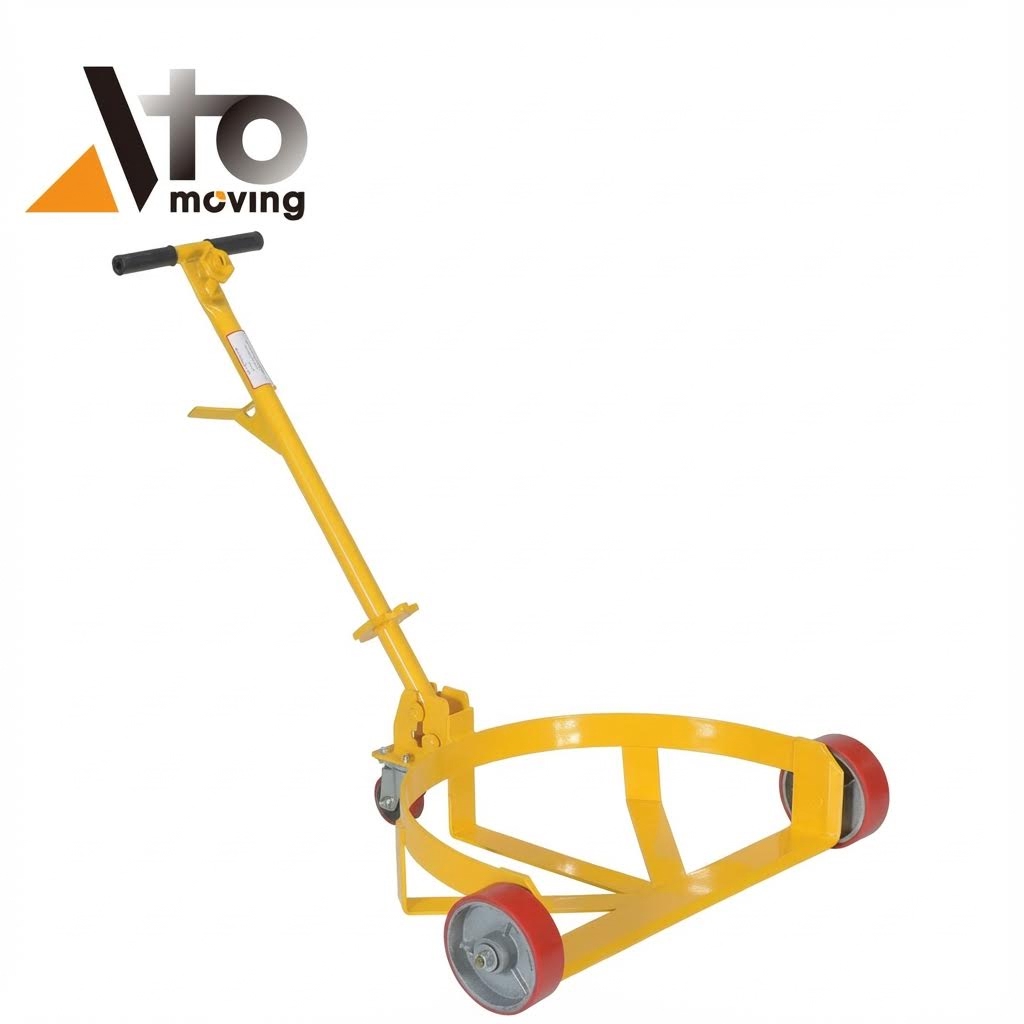
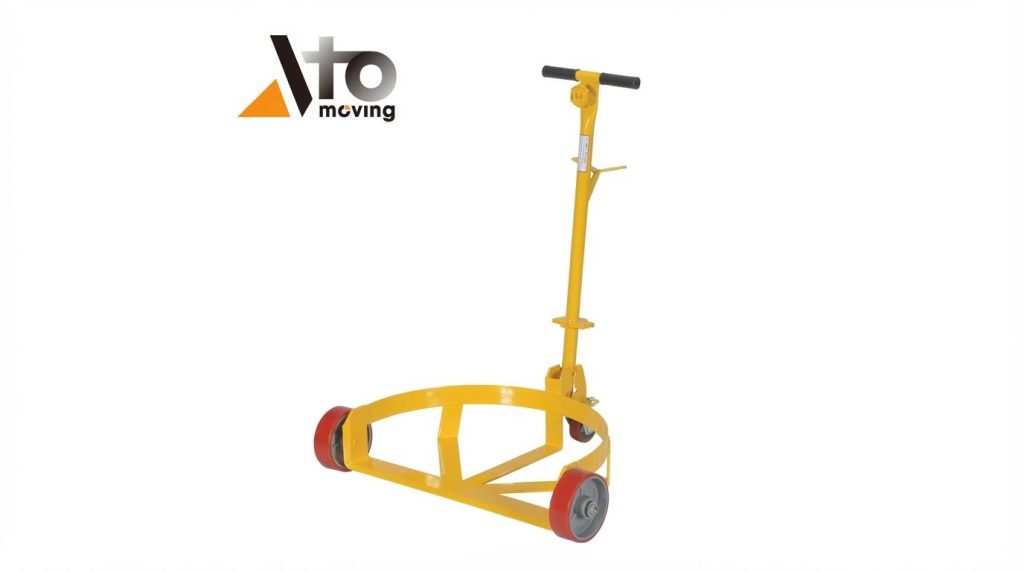
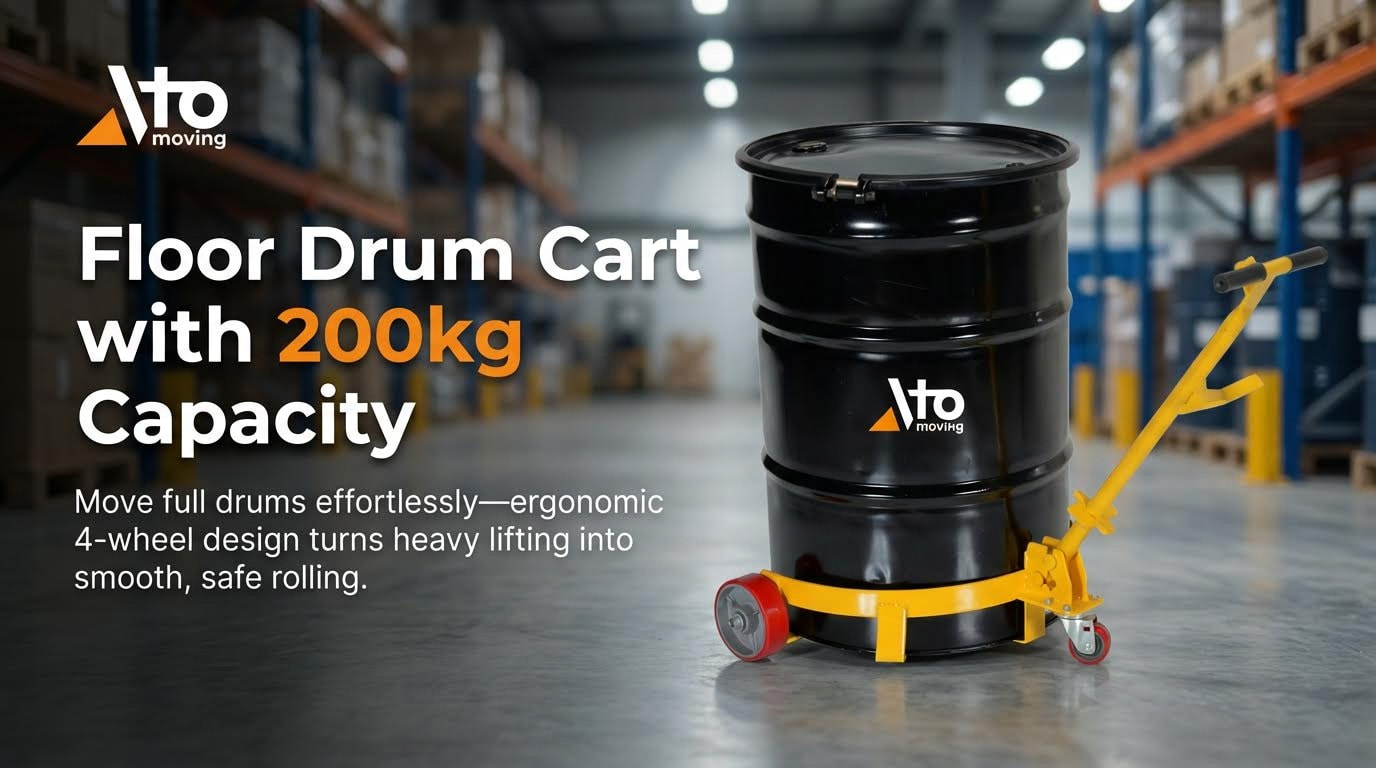
If you are asking “what do drum dollies and cylinder dollies do,” the core answer is that both reduce push–pull force and control risk when moving heavy, round containers. Drum dollies are wheeled platforms or rings that sit under drums and overpacks so operators can roll loads across flat floors instead of tilting or balancing them. They keep large containers upright and stable, usually requiring the drum to be lifted or placed onto the dolly with a hoist or other device. Typical drum models use steel frames with welded construction and four swivel casters for maneuverability on smooth floors. Steel, welded frames with four swivel casters are common Drum dollies also support dispensing and housekeeping tasks. Cross‑brace and open‑deck styles allow spills and wash water to pass through, while raised lips or rings prevent the drum from sliding off. Some designs use tiered X‑shaped decks so the same dolly can support 5‑, 30‑, and 55‑gallon drums while still letting liquid drain through. Tiered X‑decks and support rings keep drums centered and contained Cylinder dollies do a similar job for gas cylinders. They provide a stable cradle or pocket for one or two cylinders, then use large pneumatic wheels so the operator can move them safely over flat or uneven ground. Polyethylene frames are common for cylinder dollies because they are corrosion‑resistant and non‑sparking, which suits compressed gas handling. Polyethylene construction provides spark resistance and corrosion resistance
Typical use cases and environments
In real operations, what do drum dollies and cylinder dollies do day‑to‑day? Drum dollies mainly support liquid and chemical handling in plants, warehouses, and maintenance shops. They carry 30‑ to 55‑gallon drums of oils, solvents, coatings, food ingredients, or waste between storage, process lines, and waste collection points. Cross‑brace and open‑deck drum dollies are common where washdown and spill control matter, because the open center lets liquids drain and reduces debris buildup. Cross‑brace and open‑deck designs are lighter and allow liquid to pass through Solid‑deck drum dollies fit better where you want to keep drips off the floor, because the full platform stops liquid from falling through. Heavy‑duty and adjustable drum dollies appear in higher‑throughput or mixed‑container areas, such as drum re‑pack stations or chemical distribution, where higher capacities and variable diameters are common. Heavy‑duty and adjustable models handle heavier drums and varied sizes Cylinder dollies are used wherever compressed gases are stored or consumed. Typical environments include welding and fabrication shops, maintenance departments, laboratories, and outdoor job sites. Single‑cylinder dollies support one oxygen, nitrogen, or similar cylinder for point‑of‑use work, while dual‑cylinder versions move common gas pairs such as oxygen–acetylene together and provide tool trays for regulators and hoses. Single units often carry 1 × 12‑inch cylinder to about 250 lb, dual units about 500 lb total Large pneumatic wheels on many cylinder dollies make them suitable for construction sites, yards, and uneven exterior concrete where small casters would bog down.
Engineering Differences Between Drum And Cylinder Dollies
Frame geometry, load path, and stability
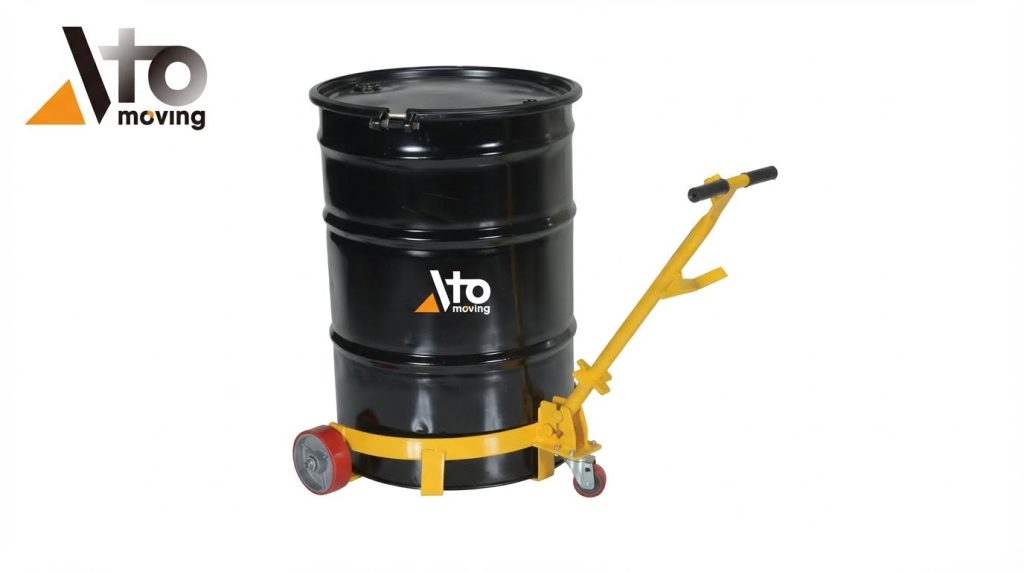
Drum dollies use circular or cross‑brace frames that support the drum around its full circumference. This ring or X-deck geometry keeps the drum’s center of gravity low and centered inside the wheelbase, which improves tipping resistance when you move heavy 30–55 gallon drums. Cross‑brace and open‑deck styles allow liquids and debris to pass through while a raised support ring prevents the drum from sliding off cross‑brace and open‑deck drum dollies. Cylinder dollies, by contrast, use a narrow, cart‑like frame that cradles one or two vertical gas cylinders, usually up to about 12 inches in diameter, with molded wells or saddles to locate the cylinder bases polyethylene cylinder dollies. Their load path runs straight down from the cylinder into the base pockets and then into two large wheels, which makes them stable in the rolling direction but less stable sideways than a four‑caster drum dolly. These frame and load‑path differences are central to understanding what do drum dollies and cylinder dollies do in terms of keeping tall, heavy containers upright during transport.
Wheels, casters, and floor or terrain conditions
Most drum dollies use four small swivel casters, typically around 3 inches in diameter and about 1‑1/4 inches wide, in rubber or cast‑iron materials for smooth, flat floors 3 inch swivel casters on drum dollies. This configuration allows the drum to move in any direction with minimal turning radius, which works well in tight aisles but is sensitive to floor defects and thresholds. Cylinder dollies instead use two large pneumatic wheels, around 16.5 inches in diameter, to roll over rough concrete, outdoor yards, and uneven terrain while carrying industrial gas cylinders pneumatic‑wheel cylinder dollies. The trade‑off is that cylinder dollies track best in a straight line, while drum dollies excel at lateral repositioning under stationary drums in indoor environments. Matching wheel type to your floor or yard conditions is a key part of deciding what do drum dollies and cylinder dollies do best in your facility.
Load capacity, materials, and safety compliance
Steel drum dollies with welded frames and powder‑coated finishes typically carry uniform loads in the 900–1,200 lb range while remaining relatively light, around 22–28 lbs, for manual handling drum dolly load capacities drum dolly dimensions and weight. Heavy‑duty cross‑brace designs use deeper support rings and stronger welds to handle higher loads and reduce drum slippage under impact or side loading heavy‑duty cross‑brace drum dollies. Cylinder dollies made from polyethylene are corrosion‑resistant and spark‑resistant, with typical capacities around 250 lbs for single‑cylinder models and 500 lbs for dual‑cylinder units single and dual cylinder dolly capacities. Both dolly types must be integrated into a handling system that follows applicable safety and guarding requirements for moving heavy loads, including compliance with manufacturer instructions and relevant standards for powered or hoisting equipment used to place drums or cylinders on the dollies OSHA requirements for drum hoists and controls. Understanding these capacity and material differences clarifies what do drum dollies and cylinder dollies do safely within their design limits and where you need additional engineering controls or procedures.
How To Choose The Right Dolly For Your Operation
Matching dolly type to container, weight, and workflow
Start by listing the container types you move: steel or plastic drums, overpacks, or compressed gas cylinders. Drum dollies use a circular ring or platform that supports the drum base and keeps it upright, with options such as cross‑brace, open‑deck, and solid‑deck designs to suit different spill and cleaning needs across flat floors. Cylinder dollies, in contrast, are shaped to cradle tall, narrow gas cylinders up to about 12 inches in diameter and keep them secure and upright during transport even over rougher ground. This core difference answers “what do drum dollies and cylinder dollies do” in practice: drum dollies move wide, heavy drums on relatively smooth floors, while cylinder dollies move tall gas cylinders safely through plant and yard areas.
Next, match weight and duty cycle. Many steel drum dollies are built for uniform loads around several hundred pounds and use four swivel casters for easy maneuvering under full 55‑gallon drums in frequent use. Single‑cylinder dollies commonly carry about 250 lb, and dual‑cylinder models about 500 lb, with pneumatic wheels that roll better on uneven or outdoor surfaces in industrial yards and loading areas. For workflows that include dispensing, cross‑brace drum dollies allow liquids to pass through and give access to drum spigots, while some cylinder dollies integrate tool trays so operators can carry regulators and hoses with the load without extra trips.
Quick selection checklist
- Use a drum dolly for 5–55 gallon drums, overpacks, and similar wide containers on smooth floors.
- Use a cylinder dolly for compressed gas cylinders up to about 12 inches in diameter, especially where tipping risk is high.
- Choose cross‑brace or open‑deck drum dollies where spills or washdown are common; solid‑deck where you want to catch liquids on the platform.
- Prefer pneumatic‑tire cylinder dollies for outdoor and rough surfaces; hard casters for smooth, indoor floors.
Safety, ergonomics, and total cost of ownership
Safety and ergonomics often decide the best answer to what do drum dollies and cylinder dollies do for your operation beyond simple transport. Drum dollies reduce the need to tilt or balance large drums; four‑caster platforms keep the center of gravity low and stable, which lowers tip‑over risk compared with hand trucks during routine moves. Cylinder dollies improve safety by securing tall gas cylinders and using spark‑resistant, corrosion‑free materials such as polyethylene, which is important around flammable gases or harsh chemicals in demanding environments. Properly sized and maintained dollies also support compliance with general OSHA expectations for guarding moving parts and following manufacturer operating instructions for material handling equipment in construction and industrial settings.
Total cost of ownership includes more than purchase price. Steel drum dollies with powder‑coated, welded frames and standard rubber or cast‑iron casters offer long service life in indoor plants, while open‑deck designs reduce cleaning time by allowing debris and liquids to pass through the center opening in spill‑prone areas. Cylinder dollies with pneumatic wheels and corrosion‑resistant frames may cost more up front but reduce downtime and replacement costs in outdoor or chemical environments. When you compare options, factor in reduced manual handling injuries, faster moves, and fewer damaged drums or cylinders; in most facilities, those savings quickly outweigh small differences in hardware price.
“”
Final Thoughts On Drum Vs. Cylinder Dollies
Drum and cylinder dollies solve different engineering problems, even though both move heavy, round loads. Drum dollies spread the drum’s weight over a wide, low ring with four casters. This geometry keeps the center of gravity inside the wheelbase and improves stability on smooth floors. It also supports high drum weights and frequent moves with low push forces. Cylinder dollies instead cradle tall, narrow cylinders and route the load into two large wheels. This layout stays stable in the rolling direction and works over rough yards and thresholds but needs careful side control.
Material choice and wheel type then tune each dolly to the environment. Steel frames and hard casters fit indoor drum handling. Polyethylene frames and pneumatic tires fit outdoor and gas‑handling work, where corrosion and sparks matter. To choose well, operations teams must define container type, weight, floor conditions, and duty cycle, then match those needs to a purpose‑built design from Atomoving or a similar specialist. When you do this, dollies become part of a safe handling system that cuts strain, limits tip‑overs, and supports compliance. The best practice is simple: never force one dolly style to do both jobs; select and maintain dedicated gear for drums and for cylinders.
Frequently Asked Questions
What do drum dollies and cylinder dollies do?
Drum dollies and cylinder dollies are tools designed to move heavy cylindrical objects like drums or gas cylinders safely and efficiently. A drum dolly allows you to tip the drum slightly, engage it with the dolly’s mechanism, and roll it on wheels. This reduces manual lifting and minimizes the risk of injury. Cylinder dollies function similarly but are specifically tailored for handling gas cylinders securely. Drum Dolly Safety Guide.
What are the benefits of using a drum dolly?
Using a drum dolly provides several advantages:
- Reduces physical strain by eliminating the need to lift heavy drums manually.
- Improves safety by keeping drums stable during transport, reducing the risk of accidents.
- Enhances efficiency in warehouses and industrial settings by enabling quicker movement of materials.
Drum Dolly Benefits Explained.
What is the purpose of dollies?
Dollies are compact, wheeled platforms used to move large, heavy, or awkward items more easily. They are essential in shipping, warehousing, and logistics operations, allowing workers to handle bulky loads without risking injury. Dollies come in various designs, including those tailored for drums, cylinders, or other industrial equipment. Dolly Definition & Uses.