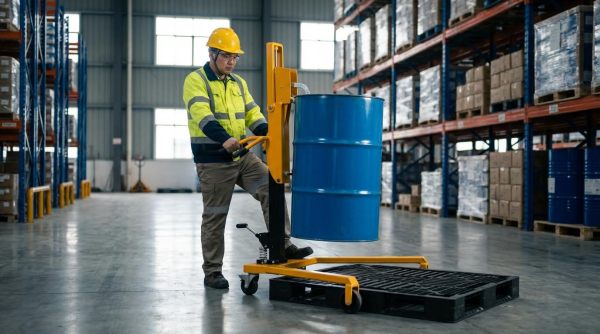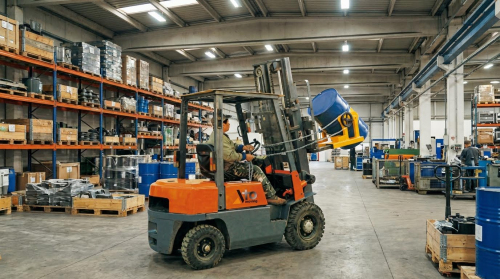
Securing drums on pallets is critical for safe and efficient industrial transport. Proper methods reduce the risk of damage, spillage, and accidents during handling and transit. This article covers preparation, mechanical securing techniques, compliance standards, and a comprehensive summary of best practices to ensure optimal drum stability and safety.
Each section addresses key technical considerations, from selecting pallets and inspecting drums to applying appropriate strapping materials and adhering to transport regulations. These guidelines help industry professionals implement reliable load securing protocols for various transport scenarios.
Pallet and Drum Preparation for Secure Handling
Selecting Suitable Pallets for Drum Support
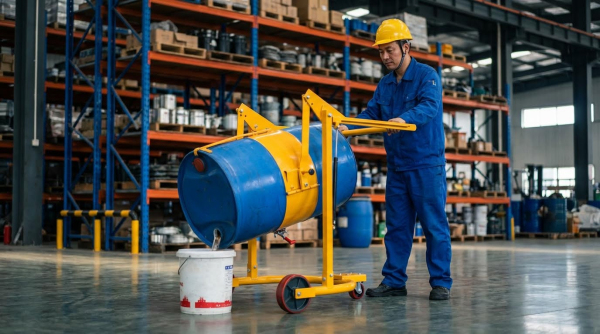
Choosing the correct pallet type is critical for drum stability during transport. Pallets must have adequate load capacity, typically rated for at least 1000 kg, to support the combined weight of multiple drums. Hardwood or high-density plastic pallets are preferred due to their strength and resistance to deformation. The pallet deck should be solid or have minimal gaps to prevent drum deformation or tipping.
Inspecting Drums for Damage and Proper Sealing
Prior to securing, drums must be thoroughly inspected for dents, cracks, or corrosion that could compromise integrity. Proper sealing is essential to avoid leaks; lids should be tightly fastened and gaskets checked for wear. Damaged drums must be repaired or replaced to maintain safety and compliance with transport regulations. This inspection reduces the risk of spills and contamination during handling.
Arranging Drums to Optimize Stability and Center of Gravity
Drums should be arranged on the pallet to evenly distribute weight and lower the center of gravity. A common practice is to position heavier drums at the pallet edges and lighter ones in the center. Staggered or interlocking patterns enhance lateral stability and prevent shifting. Maintaining uniform drum orientation also facilitates consistent load behavior under dynamic transport conditions.
Using Anti-Slip Mats and Intermediate Layers
Anti-slip mats placed between drums and pallets increase friction, reducing lateral movement during transit. These mats are typically made from rubber or other high-friction materials and must cover the entire pallet surface. Intermediate layers, such as cardboard or plastic sheets, can protect drum surfaces and distribute pressure evenly. Combining these layers helps prevent sliding and damage, enhancing overall load security.
Mechanical Securing Methods and Materials

Choosing Appropriate Strapping Materials and Types
Selecting the right strapping material is critical for securing drums effectively during transport. Steel straps offer high tensile strength and resistance to elongation, making them suitable for heavy loads and long-distance shipping. Polyester straps provide elasticity and shock absorption, reducing the risk of strap breakage under dynamic loads. Polypropylene straps are lightweight and cost-effective but have lower strength and are best for lighter drums or short hauls. The choice depends on load weight, environmental conditions, and handling requirements.
Applying Metal or Unbreakable Plastic Straps with Correct Tension
Proper tensioning of straps is essential to maintain drum stability without causing damage. Metal straps must be tightened using calibrated tensioners to avoid excessive pressure that could deform drum surfaces. Unbreakable plastic straps, such as those made from high-strength polyester, require tensioning tools that ensure uniform tension distribution. Over-tightening can compromise drum integrity, while under-tightening increases the risk of load shifting during transit. Regular inspection of tension during loading is recommended.
Utilizing Corner Cleats and Strap Protectors to Prevent Damage
Corner cleats serve as protective barriers between straps and drum edges, preventing strap cutting and drum deformation. They distribute strap pressure evenly and enhance load stability by maintaining strap alignment. Strap protectors made from durable plastic or rubber materials reduce friction and abrasion on drum surfaces and straps. Their use is particularly important when metal straps are employed, as they minimize the risk of damage caused by sharp edges or rough surfaces during vibration and movement.
Employing Innovative Devices Like Drumclips for Enhanced Stability
Drumclips are specialized securing devices designed to lock drums firmly to pallets. These clips engage with drum rims and pallet edges, providing mechanical interlock that supplements strap tension. Their use reduces the reliance on strap tension alone and improves overall load rigidity. Drumclips are made from corrosion-resistant materials and are reusable, offering cost efficiency and environmental benefits. Incorporating such devices enhances compliance with transport safety standards and reduces the likelihood of drum displacement.
Load Securing Techniques and Compliance Standards

Banding Multiple Drums Together Before Palletizing
Banding multiple drums before placing them on a pallet enhances load stability by reducing individual drum movement. This method typically involves using steel or high-tensile plastic bands to tightly group drums, creating a single consolidated unit. Proper tensioning of bands is critical to avoid drum deformation while ensuring secure containment during transit. This approach minimizes the risk of shifting loads that could compromise safety and damage the drums.
Using Over Pack Slipcovers and Vertical Banding for Protection
Over pack slipcovers provide an additional protective layer around the entire palletized load, shielding drums from environmental factors and mechanical impacts. Vertical banding complements this by securing the drums vertically, preventing toppling and lateral movement. These combined techniques improve overall load integrity and facilitate safer handling during loading, unloading, and transport. Selection of slipcover materials should comply with durability requirements relevant to the transport conditions.
Adhering to Transport Safety Standards and Certification Requirements
Compliance with international and regional transport safety standards such as ISO, UN, and ADR regulations is mandatory for drum-to-pallet securing. These standards specify criteria for packaging strength, securing methods, and labeling to ensure safe handling of hazardous and non-hazardous materials. Certification requirements often include testing for load retention under dynamic conditions. Adhering to these standards mitigates legal risks and enhances operational safety in industrial transport.
Best Practices for Vehicle Loading and Load Restraint
Effective vehicle loading requires strategic placement of palletized drums to maintain vehicle stability and weight distribution. Load restraint devices such as ratchet straps, load bars, and friction mats should be employed to prevent load shifting during transit. Regular inspection of securing devices and adherence to weight limits are essential to comply with road safety regulations. Implementing these best practices reduces accident risks and protects both cargo and personnel.
Comprehensive Summary of Drum-to-Pallet Securing Protocols
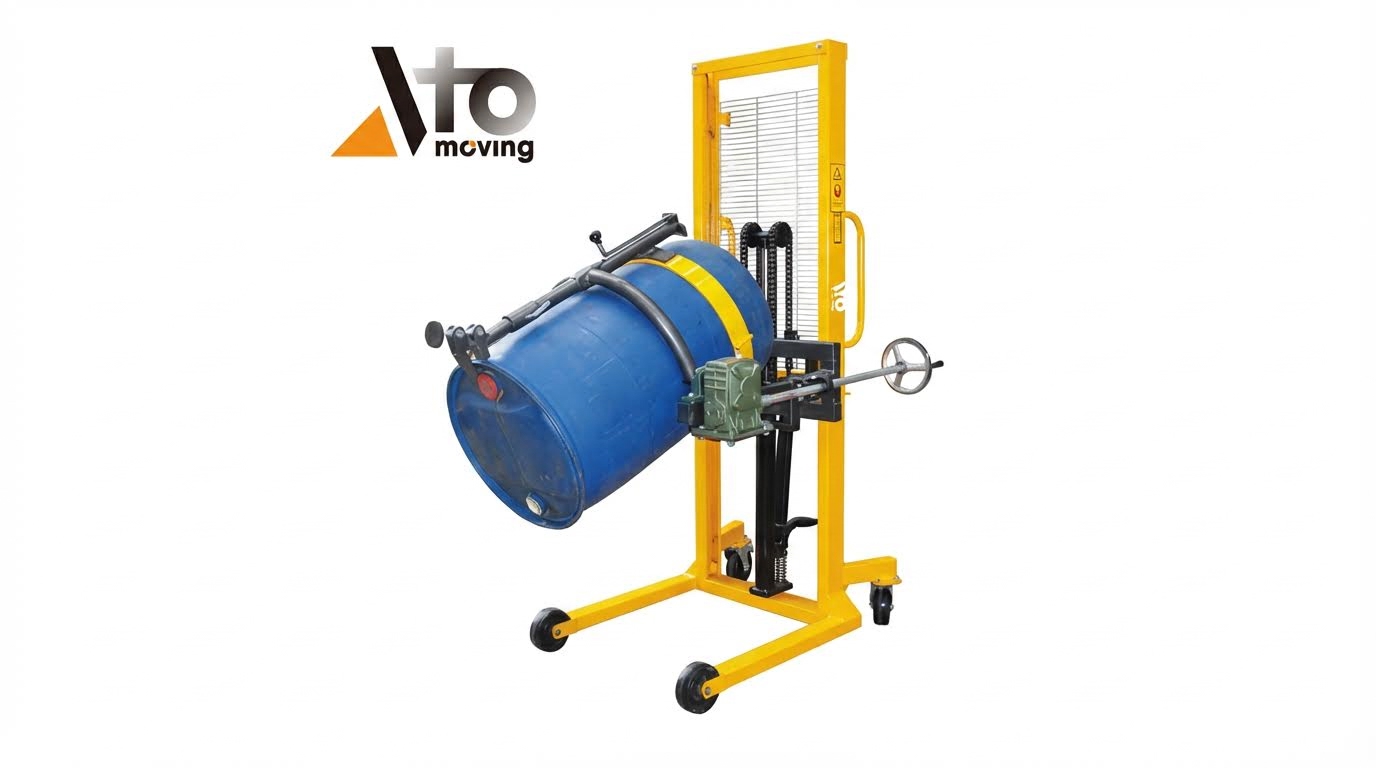
Securing drums to pallets in industrial transport requires a multi-faceted approach involving proper preparation, mechanical securing, and adherence to safety standards. Selecting pallets with adequate load capacity and inspecting drums for integrity are foundational steps. Mechanical methods such as using metal or plastic straps with the correct tension, combined with protective devices like corner cleats, ensure the physical stability of the load. Additionally, techniques like banding multiple drums together and employing over pack slipcovers enhance protection during transit.
Compliance with transport safety regulations and certification requirements is critical to mitigate risks associated with load shifting and damage. Proper vehicle loading and restraint practices further contribute to safe transportation. The integration of these protocols optimizes load stability, reduces damage, and aligns with industry best practices.
Looking forward, advancements in securing technologies, such as innovative drumclips and enhanced strapping materials, are expected to improve efficiency and safety. Practical implementation demands regular training and adherence to standardized procedures to maintain consistency across operations. A balanced approach that combines traditional methods with emerging solutions will address evolving industry challenges effectively.