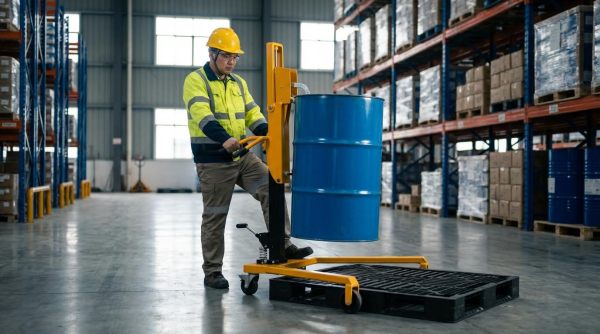
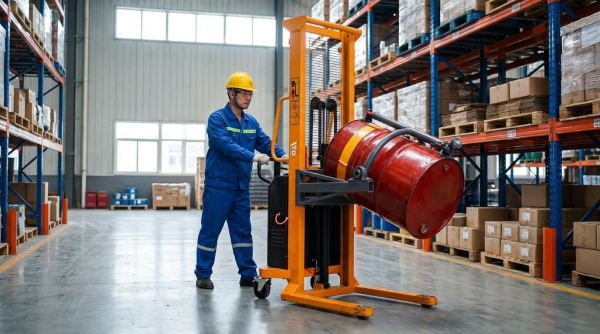
Industrial sites that move heavy drums every day depend on drum hand trucks and dollies to cut strain and prevent injuries. This article explains core safety principles, step‑by‑step operating rules, and advanced risk controls for these tools. You will see how to plan routes, set load limits, and choose PPE so that when handling drums and drum hand trucks be sure to follow a clear, repeatable standard. The final section gives a concise summary that safety managers can adapt into site procedures and training checklists.
The full guide covers how to select and inspect drum trucks, meet OSHA and SDS requirements, and control hazards from corrosive or flammable contents. It then links those rules to maintenance programs, static control, and digital tools that support uptime and compliance. Throughout, the focus stays on practical measures that fit real warehouse, plant, and terminal operations.
Core Safety Principles For Drum Hand Trucks
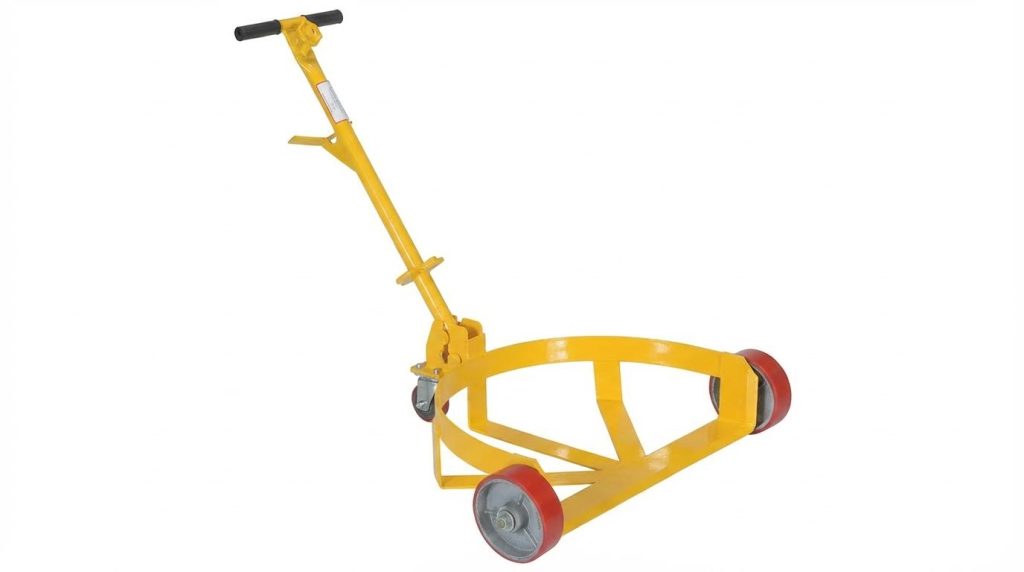
Core rules for drum hand trucks and dollies protect people from crush injuries, leaks, and strains. When handling drums and drum hand trucks be sure to match equipment to the drum, confirm load ratings, and follow OSHA and SDS guidance. These principles give a baseline for safe routes, correct loading, and effective PPE choices in busy industrial sites.
Selecting The Right Drum Truck Or Dolly
When handling drums and drum hand trucks be sure to choose equipment that fits drum size, weight, and contents. A typical 200 litre steel drum can weigh 180–360 kilograms when full, so the truck or dolly must be rated above that mass with margin. Frames should use rigid steel or strong alloy sections that resist bending when tilted back over the axle. Select wheel materials to match floor conditions: hard rubber or polyurethane for smooth concrete, and larger diameter wheels for rougher yards or expansion joints.
Use drum-specific cradles, clamps, or curved backs when you move round drums rather than flat loads. These supports keep the drum center of gravity low and close to the axle, which reduces tipping risk. For corrosive or flammable contents, pick equipment with compatible coatings and, where needed, anti-static or conductive wheels. Always reject improvised carts or damaged trucks, even for short moves.
Pre-Use Inspection And Load Rating Checks
When handling drums and drum hand trucks be sure to inspect equipment before every shift. Check:
- wheels and tires for flat spots, low pressure, or loose bearings
- frame and welds for cracks, bent sections, or corrosion
- handles, straps, and clamps for wear, cuts, or missing parts
- labels for clear safe working load (SWL) markings
Confirm that drum weight stays within the marked SWL. Never guess the mass of unknown drums; use SDS data, fill level, or scales. If any defect affects steering, braking, or load restraint, tag the truck out of service until repair. Store idle trucks in stable positions so they cannot roll, tip, or block aisles.
OSHA, SDS, And Site-Specific Compliance
OSHA rules for material handling required clear aisles, marked routes, and safe clearances at doors and docks. When handling drums and drum hand trucks be sure to keep paths clean, dry, and free from obstructions or unguarded edges. Fixed aisles should be painted or taped so operators know where to walk and where to roll loads. Site traffic plans should define priority for pedestrians, forklifts, and manual drum carts.
SDS documents describe hazards, reaction risks, and spill controls for each product in a drum. Operators must read SDS sections on handling, storage, and PPE before moving new materials. Site procedures can add extra controls, such as buddy systems near docks or bans on manual handling above set drum weights. Treat unlabelled drums as hazardous until identified and do not move leaking containers without containment plans.
PPE Requirements For Drum Handling Tasks
When handling drums and drum hand trucks be sure to wear PPE that matches both the load and the route. At a minimum, operators should use:
- closed, slip-resistant safety footwear with toe protection
- work gloves that give grip and guard against pinch points
- high-visibility vest in shared traffic zones
For corrosive, toxic, or flammable contents, upgrade PPE using SDS advice. That can include chemical resistant gloves, splash goggles, face shields, and aprons or coveralls. Hearing protection may be needed in noisy filling or drum reconditioning areas. PPE only works with good habits, so supervisors should coach correct fit, regular checks for damage, and timely replacement of worn items.
Safe Operating Practices With Drums And Dollies
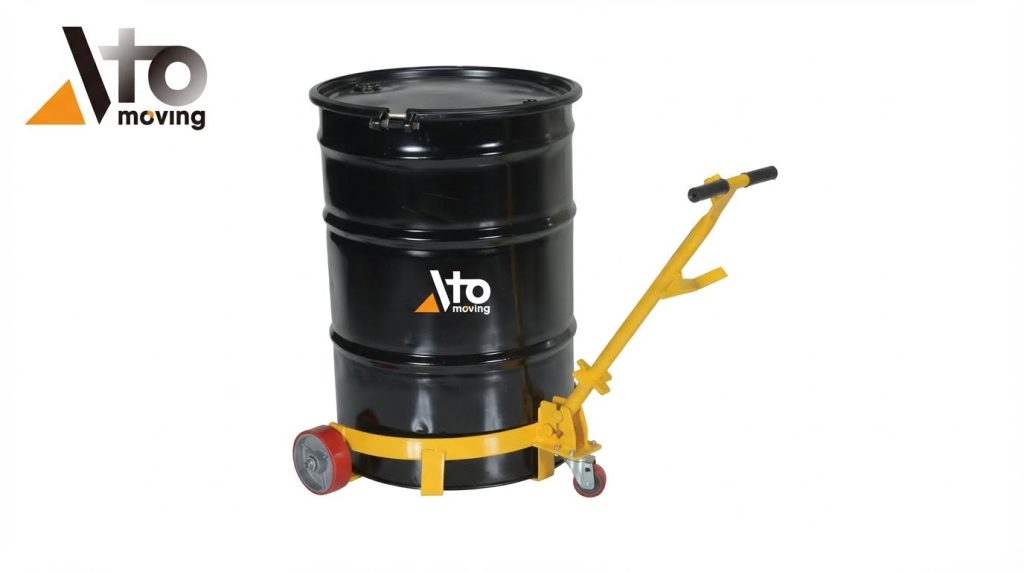
Safe operating practices link equipment design to real site risks. When handling drums and drum hand trucks be sure to control route planning, loading, speed, and edge protection as one system. The goal is stable loads, predictable handling forces, and zero uncontrolled movement. These rules apply to manual drum dollies, hand trucks, and combined drum carts.
Planning Routes, Clearances, And Floor Conditions
When handling drums and drum hand trucks be sure to plan the route before you move. Walk the path and remove obstacles, loose materials, and waste. Check that aisles meet OSHA clearance rules and that markings are visible. Confirm that doors, racks, and machines give enough width for the drum and the operator.
Floor condition drives rolling resistance and stability. Keep floors dry, level, and free from potholes or broken concrete. Treat ramps, dockboards, and bridge plates as structural elements and check their rated capacity. Use portable curb ramps where you must cross small steps or curbs.
The table below helps standardize pre-move checks.
| Check item | Good condition | Action if not OK |
|---|---|---|
| Aisle width | Clear, marked, no stored items | Stop move, remove storage, re-mark lines |
| Floor surface | Dry, even, no loose debris | Clean, cone off damage, report defect |
| Route edges | Guarded or clearly visible | Add barriers or spotter, change route |
| Ramps and docks | Rated, secured, non-slip | Do not use until inspected and secured |
Loading, Securing, And Balancing Heavy Drums
When handling drums and drum hand trucks be sure to control the center of gravity. Keep the drum fully seated on the nose plate or cradle with no overhang. For general freight on a hand truck, keep the stack at or below handle height. For drums, keep them upright unless the device is built for horizontal carry.
Load the drum so the weight sits directly over the wheels when you tilt back. This reduces push force and side loads on the frame. Use straps, chains, or clamps when the design includes them, and inspect these parts for cuts or corrosion. Never exceed the marked capacity; if the drum mass is unknown, use conservative estimates and seek data from the SDS or supplier.
Good loading practice also protects the operator. Use leg muscles, not the back, when tilting the drum onto the truck. Ask for a second person or use powered assist when the push force feels high or the route includes tight turns.
Push Vs. Pull, Speed Control, And Visibility
When handling drums and drum hand trucks be sure to push, not pull, whenever the layout allows. Pushing keeps the load ahead of the body and reduces strain on the spine and shoulders. Pulling increases trip risk because the operator cannot see the path well. Avoid walking backwards with a loaded drum truck except for very short controlled moves.
Speed control is a core safety variable. Move at walking speed or slower and match speed to floor grip and load mass. Slow down at blind corners, intersections, and doorways. Use a spotter when the drum or stack blocks the view, especially near docks or unguarded edges.
Visibility must stay clear in the direction of travel. Do not stack other items on top of drums in ways that hide the route. Use high-visibility clothing in mixed traffic areas. Where noise is high, combine eye contact, hand signals, and horns to control interactions with forklifts and pedestrians.
Handling Slopes, Ramps, And Dock Edges Safely
When handling drums and drum hand trucks be sure to treat slopes and edges as high-risk zones. Before you use a ramp, confirm its surface is clean, dry, and within a safe gradient for manual handling. Use equipment designed for incline work if the slope is steep. Keep the drum upgrade so gravity helps keep it against the frame.
On ramps, maintain a low, steady speed and avoid sudden direction changes. Keep both hands on the handles and do not attempt to turn across the slope with a full drum. If control feels marginal, stop, lower the drum to a safe position, and get help. Never try to save a tipping drum on a ramp by grabbing it at chest height; step clear instead.
Dock edges and platform edges need strict rules. Maintain a safety distance from unguarded edges and mark these lines on the floor. Use wheel chocks or dock locks for vehicles during loading and unloading. Do not use drum hand trucks to open or close freight doors or to bridge gaps. Where the route runs close to an edge, use barriers or a spotter so the drum cannot roll over the side.
Advanced Risk Controls And Maintenance Programs
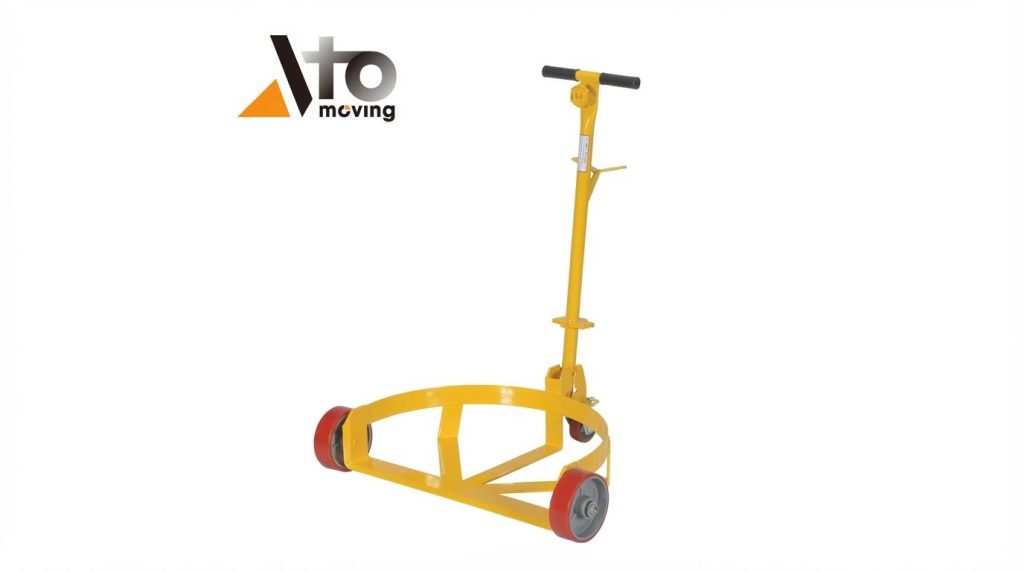
Advanced controls keep drum hand trucks and dollies reliable and safe under heavy use. When handling drums and drum hand trucks be sure to combine good technique with strong engineering controls. This section explains how planned maintenance, hazardous material controls, static protection, and digital tools work together. Safety teams can then build a program that reduces failures, spills, and injuries instead of only reacting to incidents.
Preventive Maintenance And Inspection Schedules
When handling drums and drum hand trucks be sure to link daily checks with planned maintenance. Operators should perform quick pre-use inspections that cover wheels, tires, frame, handle welds, and securing devices. Maintenance teams should then complete deeper inspections on a fixed schedule, such as weekly or monthly, depending on duty cycle.
A simple structure works well:
- Daily by operators: visual checks, wheel spin, tire damage, loose fasteners, label and rating legibility.
- Monthly by maintenance: full frame inspection, corrosion checks, caster alignment, lubrication of axles and pivots.
- Annual or overhaul: non‑destructive checks on welds, replacement of worn wheels, handles, and straps.
Record each inspection and repair. Tag any unsafe truck or dolly out of service until fixed. This approach reduces push force, improves control, and cuts the risk of sudden failure under a 200–400 kilogram drum.
Managing Hazardous, Corrosive, And Flammable Drums
When handling drums and drum hand trucks be sure to treat every unmarked drum as hazardous until proven otherwise. Read the label and Safety Data Sheet before you move the drum. The SDS defines required PPE, temperature limits, and spill response steps.
For hazardous, corrosive, or flammable contents, a structured approach helps:
| Drum type | Key risks | Control measures |
|---|---|---|
| Corrosive | Metal attack, leaks, vapors | Use corrosion‑resistant trucks, drip trays, frequent leak checks |
| Flammable | Vapor ignition | Use non‑sparking wheels, control static, avoid impact and heat |
| Toxic | Exposure, inhalation | Closed drums, ventilation, tight seals, fit‑tested respirators when needed |
Keep drums upright and secured on the truck or dolly. Plan routes away from ignition sources and busy walkways. Store contaminated or damaged equipment separately until decontaminated or disposed according to site rules.
ATEX, Grounding, And Static Control For Drums
When handling drums and drum hand trucks be sure to assess ignition risk in each area. In zones with flammable vapors or dust, static and sparks can ignite an explosion. Use equipment designed for such atmospheres and follow the site’s explosion protection document.
Static control should include:
- Bonding and grounding cables between drum, truck, and earth.
- Conductive or anti‑static wheels and tires where specified.
- Regular testing of grounding points and continuity.
Operators must clip grounding leads before moving or filling drums. Move slowly and avoid impacts that could cause mechanical sparks. Keep floors clean and dry so wheels maintain good contact and resistance values stay within the required range.
Digital Tools And AI For Safety And Uptime
When handling drums and drum hand trucks be sure to use digital tools where they add clear value. Modern systems tracked inspections, defects, and near misses in real time. This data helped engineers see patterns such as repeated wheel failures on specific routes or shifts.
Useful functions include:
- QR codes on each hand truck that link to checklists and history.
- Mobile apps for quick defect reporting with photos.
- Analytics that flag rising push forces or frequent minor incidents.
Some plants used AI models to predict failure risk based on age, hours, and environment. These tools supported just‑in‑time part replacement and reduced unplanned downtime. Digital systems never replaced operator judgment, but they gave safety and maintenance teams better evidence for decisions and investment plans.
Summary Of Drum Truck And Dolly Safety Rules
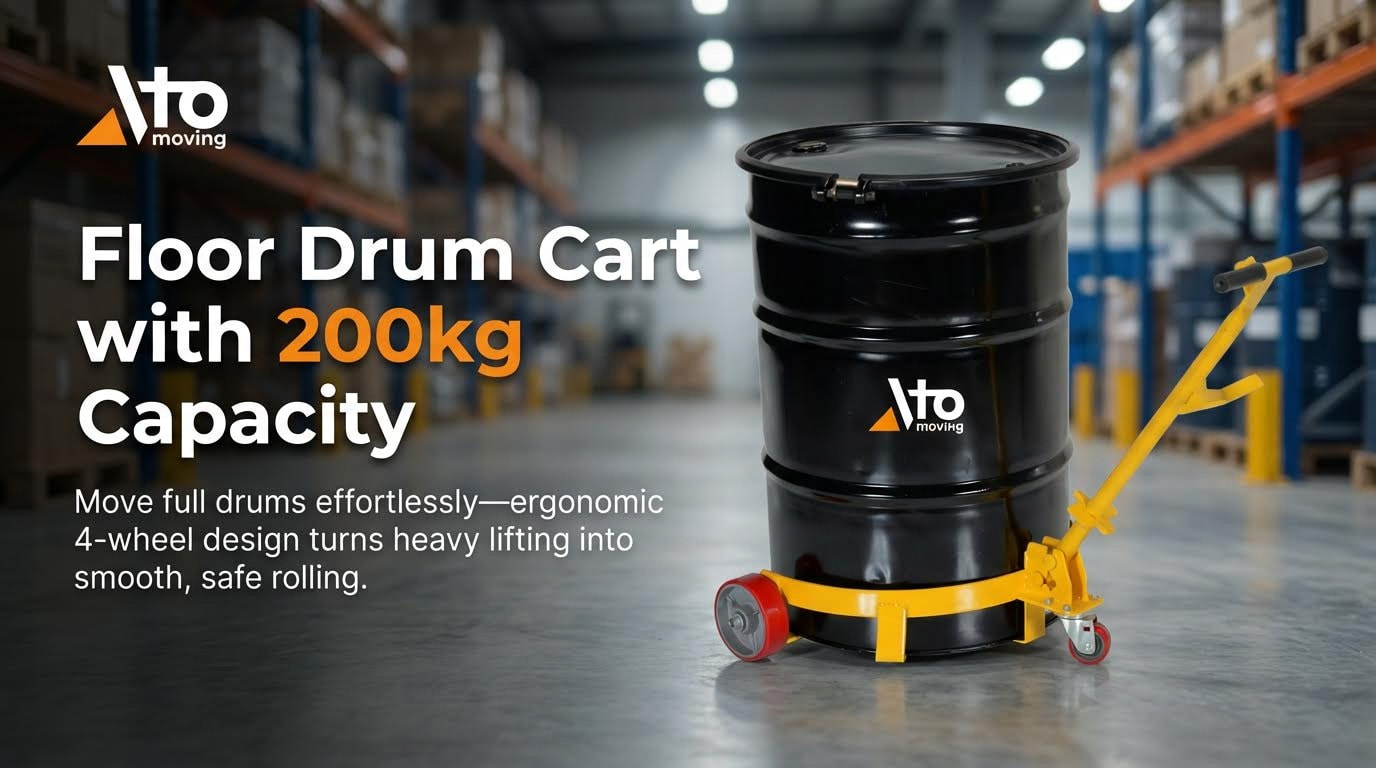
When handling drums and drum hand trucks be sure to follow a simple but strict rule set. Treat every move as a planned lift not a casual push. Combine correct equipment choice with route planning, load control, and disciplined housekeeping. Link these practices to OSHA rules, SDS data, and your site procedures.
From an engineering view the priority is to keep the drum stable and the operator outside the crush zone. Choose hand trucks and dollies that match drum size, floor conditions, and rated load. Keep the center of gravity low, keep the drum secured, and keep the operator behind the handles with two hands on the grip. Always push, avoid walking backward, and slow down at corners and dock edges.
Key rules to remember when handling drums and drum hand trucks be sure to: keep aisles clear and floors in good repair, inspect equipment before each shift, and respect nameplate capacity. Use PPE that matches the chemical and impact risks. Store trucks and dollies in marked areas so they cannot roll, tip, or block exits.
Future programs will add more sensors, digital checklists, and AI-based alerts. Still, the core controls stay the same. Stable loads, trained operators, and well‑maintained drum trucks will continue to prevent most injuries and spills in industrial sites.
Frequently Asked Questions
What is drum handling?
Drum handling is a safe and efficient process of moving and lifting drums in warehouses. This process involves using drum lifters, dollies, and dispensers. It is also suitable for positioning drums in manufacturing plants and logistic outlets. Drum Handling Guide.
What manual handling aid may be suitable for moving drums?
For short-distance movement of drums, drum dollies are convenient, especially in warehouses and commercial offices. For longer distances, such as on construction sites or during road maintenance, drum trucks are more appropriate. Drum Handling Equipment Types.
What are the safety rules for handling drums?
When handling drums, always inspect your tools to ensure they are in good condition. Use the right equipment for the task and be aware of your surroundings to avoid accidents. Additionally, follow all manufacturer instructions for the handling aids you are using. Hand Tool Safety Tips.