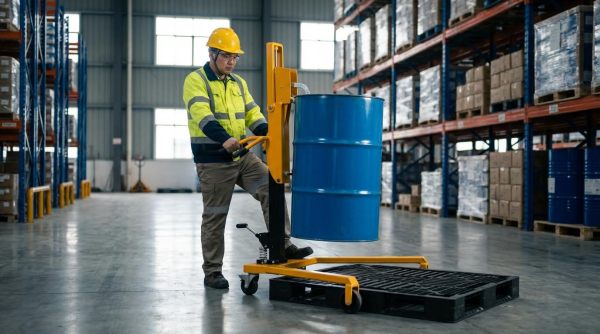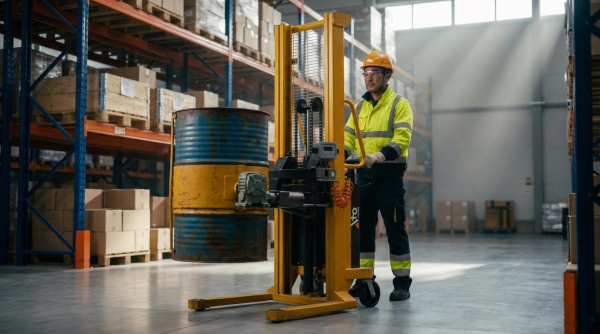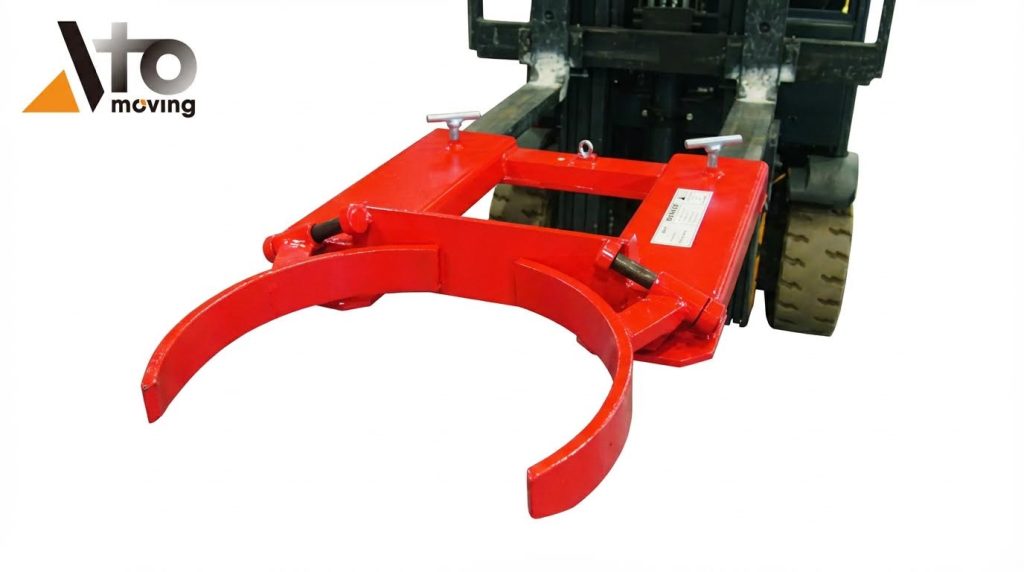
Drum lifters played a critical role in reducing manual handling risks and improving material flow in industrial plants and warehouses. This article examined the main lifter types and specifications, from manual and hydraulic units to hoist‑attached systems, and mapped them to appropriate use cases. It then detailed step‑by‑step operating procedures, including inspection, positioning, lifting, transport, and safe shutdown practices for operators. Finally, it reviewed safety standards, maintenance strategies, and emerging technologies such as IoT monitoring, predictive maintenance, digital twins, and integration with hoists and collaborative robots to guide practical implementation in modern facilities.
Drum Lifter Types, Specs, And Use Cases
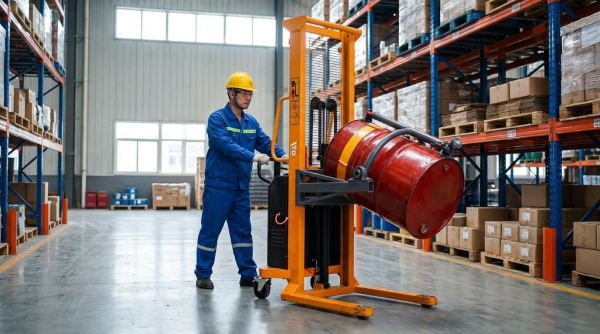
Industrial plants relied on a range of drum lifters to move, weigh, and pour 200–220 L drums safely. Selection depended on drum mass, handling frequency, and integration with existing hoists or forklifts. Understanding lifter types and their specifications helped engineers match equipment to process needs and regulatory constraints.
Manual, Hydraulic, And Hoist-Attached Lifters
Manual drum lifters used mechanical leverage or a manual hydraulic pump to lift and transport individual drums. Typical designs included a steel frame with adjustable gripping arms or forks that engaged the drum wall or rim. A representative manual hydraulic drum lifter handled about 450 kg, lifted drums up to roughly 1.5 m, and allowed controlled pouring at about 1.68 m height. Hoist-attached drum lifters, by contrast, suspended the drum under a manual, electric, or pneumatic hoist for vertical lifting in bays or under overhead cranes. Hydraulic drum trucks and stackers used foot or hand-operated hydraulic circuits for higher lift heights or repetitive handling, reducing operator effort compared with purely mechanical devices. Plants usually deployed manual push-type units for short horizontal moves and hoist-attached or powered hydraulic units where vertical travel, stacking, or integration with process equipment was critical.
Key Specifications: Capacity, Size, And Reach
Rated capacity was the primary specification and had to exceed the combined mass of the drum and contents, with a safety margin aligned to site standards. Manual drum lifters commonly rated around 450 kg for standard 55-gallon (≈200 L) steel or plastic drums; operators could not exceed that rating. Dimensional data such as overall size (for example 1400×1000×2100 mm) and front leg inside/outside widths (for example 650/810 mm) determined aisle clearance and pallet compatibility. Lifting height and pouring height, for example 1500 mm and 1680 mm respectively, governed whether the lifter could charge reactors, hoppers, or elevated platforms. Wheel and caster dimensions, such as 150×50 mm, influenced rolling resistance and floor loading, which mattered on coated or grating floors. For drum lifters with integrated scales, weighing accuracy around 3‰ of load mass allowed simultaneous handling and dosing within typical process tolerances.
Typical Industrial And Warehouse Applications
Manual hydraulic drum lifters saw wide use in chemical, coatings, and food plants for charging mixers, reactors, and kettles from 200 L drums. Operators lifted a single drum from floor or pallet level, transported it a short distance, and tilted it to pour into process vessels at controlled height. In warehouses and distribution centers, drum lifters supported receiving, storage, and order-picking operations where drums moved between pallets, racks, and staging areas. Integrated weighing drum lifters enabled simultaneous transfer and mass verification for inventory control and batching. Hoist-attached drum handling devices worked under overhead cranes or monorails in congested bays, where floor space for mobile lifters was limited. Across applications, plants selected between manual, hydraulic, and hoist-attached designs based on required lift height, horizontal travel distance, drum turnover rate, and the need to minimize manual handling risk.
Step-By-Step Procedure To Use A Drum Lifter
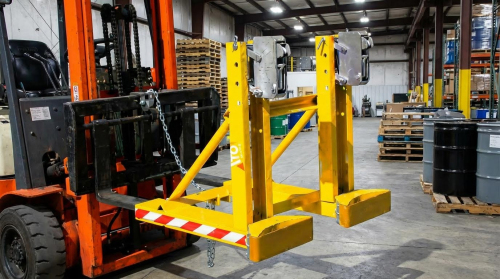
A structured operating procedure reduced incident rates and improved throughput in industrial drum lifting equipment. This section described a practical sequence from inspection to shutdown that aligned with typical plant safety systems and hoisting standards.
Pre-Use Inspection And Work Area Preparation
Operators first verified that the drum lifter matched the task, especially capacity and drum type. For manual drum lifters rated around 450 kg, they checked nameplates and ensured the expected drum mass stayed below the limit with margin. They inspected the frame, arms, casters, hooks, and hydraulic components for cracks, deformation, oil leaks, or excessive corrosion. They also confirmed that the weighing system, if fitted, remained within the stated accuracy of about 3‰ of the load by comparing to a known reference periodically.
Before moving the lifter, they surveyed the work area for trip hazards, uneven floors, and overhead obstructions. They ensured adequate aisle width for the lifter footprint, for example about 1400 mm by 1000 mm for a typical manual hydraulic model. They removed loose materials near the drum path and marked pedestrian exclusion zones where travel and lifting occurred. For hoist-attached drum devices, they additionally inspected ropes or chains for wear, bird-caging, and correct seating on drums and sheaves, and tested brakes and limit switches without load.
Positioning, Engaging, And Lifting The Drum
Operators positioned the drum lifter on a flat, stable surface and aligned it square to the drum. They adjusted the front leg width, for example between 650 mm and 810 mm inside–outside, to straddle the drum and maintain stability. They brought the lifter forward slowly until the gripping arms or forks aligned with the drum body or rim as specified by the manufacturer. The casters, often around 150 mm diameter, allowed fine adjustment without jerky movement that could destabilize the drum.
Once aligned, they closed or adjusted the arms so they contacted the drum uniformly and below its center of gravity where applicable. They confirmed full mechanical engagement, with safety latches or clamps fully seated and no visible gaps. Using the manual hydraulic pump handle or hoist controls, they then raised the drum smoothly, watching for tilt, slippage, or unexpected rotation. They stopped lifting immediately if the drum shifted, lowered it to the floor, and corrected grip or rigging before retrying.
Transporting, Tilting, And Setting Drums Down
With the drum clear of the floor by the minimum safe height, operators moved at walking speed and avoided sudden starts or stops. They pushed rather than pulled manual lifters where possible to reduce strain and improve control. They kept the drum centered between the front legs and avoided tight turns that could overload one caster or cause side loading. For hoisted drums, they kept the load directly under the hook and used tag lines to control swing.
When tilting or pouring, they only used lifters or vertical-lift pourers designed for that function and within the stated pouring height, for example about 1680 mm. They followed the device’s tilt control method, rotating the drum gradually and pausing to check stability and receiving container position. To set a drum down, they positioned it exactly over the target spot, then lowered it slowly until full contact with the floor or pallet occurred. Only after the drum rested stably did they release clamps or forks and retract the lifter clear of the drum.
Operator Training, Lockout, And Safe Practices
Plants required operators to complete formal training on drum lifters and any associated hoists before independent use. Training covered reading capacity labels, understanding center of gravity effects, and recognizing conditions that required taking equipment out of service. Operators learned to follow manufacturer procedures and plant-specific work instructions, including emergency stop protocols and communication signals. They also received instruction on manual drum handling limits, emphasizing that full drums should not be raised by hand and that team lifts or mechanical aids were mandatory.
Lockout and tagout applied whenever maintenance or repair occurred on drum lifters or hoists. Technicians isolated energy sources, including electrical, hydraulic, and pneumatic supplies, and attached tags indicating the equipment was out of service. Supervisors ensured that checklists documented daily and periodic inspections, and that defects such as cracked hooks, worn ropes, or leaking cylinders triggered immediate removal from service. Throughout operations, operators avoided distractions such as phones, never moved suspended drums over personnel, and stopped work if any person sign
Safety, Maintenance, And Emerging Technologies
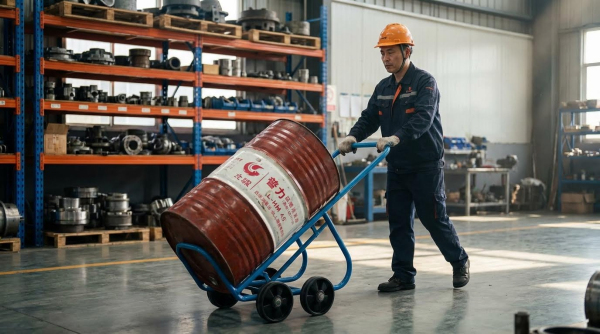
This section linked safety fundamentals with lifecycle maintenance and new technologies for drum lifters and hoisting systems. It focused on how correct load rating use, structured inspections, and digital monitoring reduced incidents and extended equipment life in industrial plants.
Load Ratings, Stability, And Regulatory Compliance
Load rating compliance formed the core of safe drum lifting. Manual drum lifters typically carried rated capacities around 450 kg for 55-gallon drums, and operators had to treat this as an absolute limit, including drum, contents, and any attachments. Stability depended on keeping the drum centered between the arms or forks, maintaining low travel height, and operating only on firm, level floors with adequate bearing capacity. Hoists and base-mounted drum hoisting mechanisms needed correct rope reeving, at least two full wraps on the drum, and operation within the manufacturer’s load chart and applicable standards. Regulations required employers to follow manufacturer procedures, ensure controls were within easy reach, guard exposed moving parts, and keep rated capacities, instructions, and load charts available at the operator station. Plants also had to implement procedures signed by qualified engineers when they related to capacity, and enforce rules such as no lifting over personnel, no side pulling, and respecting wind or environmental limits.
Routine Inspection, Lubrication, And Repairs
Routine inspection and lubrication prevented progressive wear from becoming catastrophic failures. Daily checks covered casters, frames, gripping arms, hydraulic pumps, hooks, brakes, limit switches, and safety latches, with defects triggering immediate removal from service. Hoisting drums and components required close inspection of ropes or chains for wear, bird-caging, reduced diameter, and drum wear approaching 15–20% of original thickness, which indicated replacement. Maintenance teams lubricated drum hoists, chains, and bearings with appropriate, non-excessive lubricants to avoid dirt accumulation, while keeping braking and friction surfaces clean and oil-free. Brake systems on overhead hoists needed functional checks for stopping distance, spring condition, magnetic cores, and linkage freedom, with worn shims, springs, or electrical parts replaced according to manufacturer guidance. Plants used structured maintenance checklists, with daily, weekly, monthly, and annual tasks, and documented findings for traceability and regulatory defense.
IoT, Predictive Maintenance, And Digital Twins
IoT and predictive maintenance approaches transformed drum lifter and hoist reliability management. Sensors on hoist drums, gearboxes, and motors collected data on load spectra, running hours, temperatures, vibration, and brake cycles. Plants analyzed this data to predict rope replacement timing, brake overhauls, or bearing failures before they caused downtime or safety incidents. Digital twin models of hoisting systems used real operating data to simulate fatigue, wear, and structural response to repeated drum handling cycles. These models supported optimized inspection intervals and justified component upgrades or derating under harsh conditions such as high temperature or corrosive atmospheres. Connectivity also enabled remote diagnostics and centralized monitoring of fleets of drum lifters and hoists across multiple plants, but operators still had to treat electronic aids as supplements, not substitutes, for formal inspections and professional judgment.
Integrating Drum Lifters With Hoists And Cobots
Integration of drum lifters with overhead hoists and collaborative robots (cobots) increased throughput while reducing manual handling risk. Hoist-attached drum lifters combined vertical lifting with controlled tilting or pouring, provided the rigging kept the drum’s center of gravity within the stability envelope and the hoist remained within rated capacity. Plants used standardized lifting points, tag lines, and anti-rotation devices to control drum swing when traveling under cranes. Cobots equipped with end-effectors for valve operation, sampling, or labeling worked around stationary or hoisted drums, while fixed guarding and safe zones prevented conflicts between human operators and moving equipment. System-level risk assessments addressed shared hazards such as pinch points, suspended loads, and unexpected motion, and control systems enforced safe speeds and interlocks. Successful integration relied on clear operating procedures, coordinated signaling, and lockout/tagout practices that covered all interconnected equipment in the drum handling cell.
Summary And Practical Recommendations For Plants
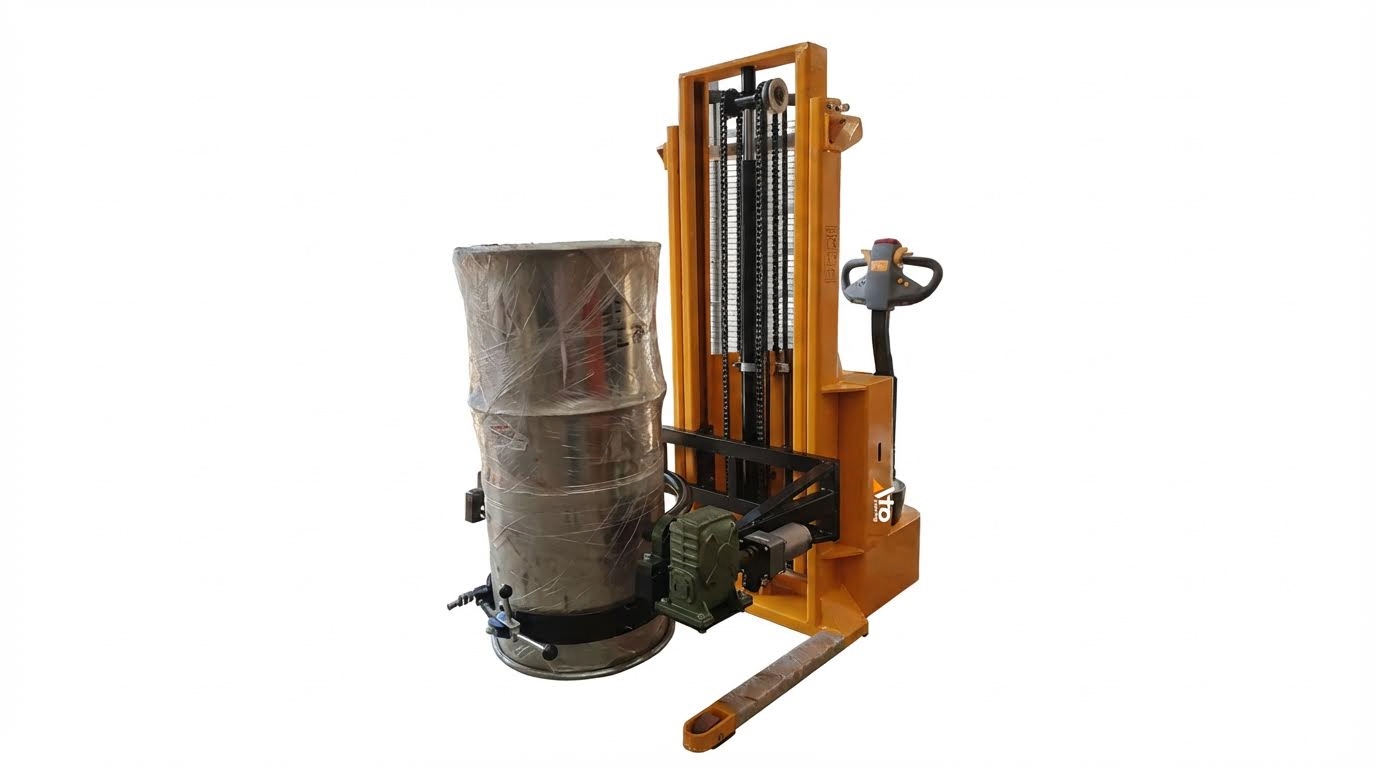
Industrial plants relied on drum lifters to control manual handling risks, increase throughput, and protect product integrity. The safest operations combined correctly specified equipment, trained operators, and disciplined inspection and maintenance programs. Plants that matched lifter type and capacity to drum mass, dimensions, and handling pattern reduced overloads, tip risks, and near-miss incidents. Integration with hoists and overhead systems required strict adherence to manufacturer limits, rope and chain inspection criteria, and brake and limit-switch testing.
Going forward, plants can improve safety by standardizing pre-use checklists, enforcing lockout/tagout for defective units, and prohibiting any operation above rated capacity. Maintenance teams should apply structured schedules similar to overhead hoist programs: daily functional checks, periodic detailed inspections, and component replacement at defined wear thresholds. Using OEM or engineered procedures for adjustments and repairs limited the risk of brake failure, rope derailment from drums, or structural fatigue. Digital tools such as IoT sensors and predictive analytics will increasingly support condition-based maintenance, especially on high-utilization lifters and hoists.
For practical implementation, plants should map all drum-handling flows, select manual, hydraulic, or hoist-attached lifters to suit each task, and define clear operating envelopes, including maximum drum mass and permitted travel routes. Supervisors should verify that operating manuals, capacity charts, and emergency procedures remain accessible at the point of use. A balanced approach treats advanced features and safety devices as support, not substitutes, for operator competence and hazard awareness. Plants that combine robust equipment, conservative load calculations, and continuous training will achieve safer, more efficient drum handling with lower downtime and fewer recordable incidents.