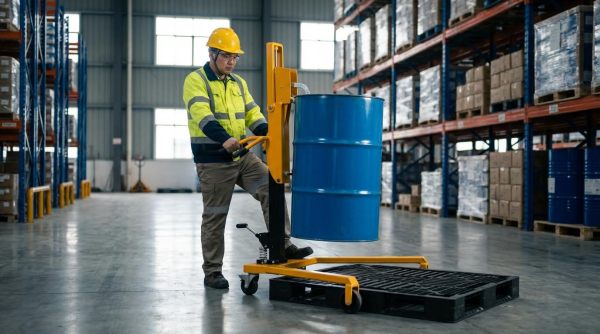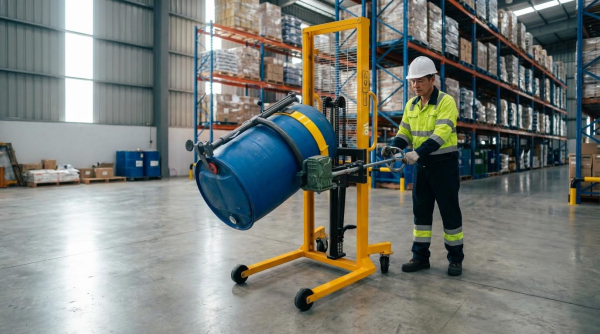
Safe stacking of 55-gallon metal drums in industrial facilities is the engineered process of arranging 208-liter steel drums so they remain stable, accessible, and compliant with fire, spill, and handling regulations. Poor drum stacking drives spills, injuries, and regulatory violations, especially when heavy drums (≈180–360 kg each) are double-stacked without proper drum stacker, patterns, and containment. This guide explains how to safely stack 55 gallon metal drums by covering drum dimensions and loads, pallet and stacking design, facility layout and equipment, and the inspection and training systems that keep stacks safe over time.
Core Principles Of Safe 55-Gallon Drum Stacking
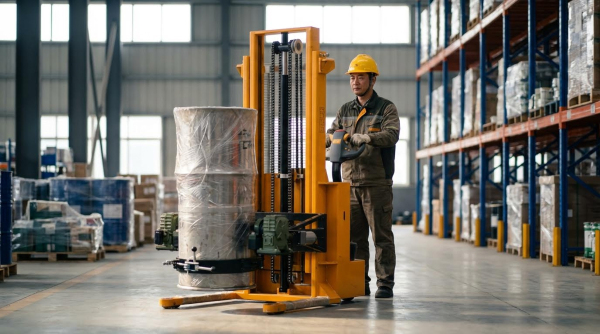
Core principles for how to safely stack 55 gallon metal drums center on knowing drum dimensions and weights, calculating realistic stack loads, and meeting regulatory limits on height, spacing, and containment for hazardous contents.
💡 Field Engineer’s Note: Most drum incidents I’ve investigated were not from “mystery failures” but from simple overload: too many drums high on weak pallets, or ignoring aisle and containment rules to squeeze in extra stock.
Drum dimensions, weights, and load calculations
Drum geometry and weight control how to safely stack 55 gallon metal drums because diameter, height, and filled mass set the footprint on the pallet, the center of gravity, and the compressive load into lower drums and decks.
| Parameter | Typical Value / Rule | Why It Matters In The Field |
|---|---|---|
| Standard drum diameter | ≈ 572 mm for a 55-gallon steel drum (standard drum dimensions) | Determines how many drums fit safely on a pallet and how much overhang you get at the edges. |
| Standard drum height | ≈ 851 mm for a 55-gallon steel drum (height reference) | Sets stack height; two-high stacks are ≈ 1,700 mm plus pallet, impacting sprinkler clearance and visibility. |
| Typical filled drum weight | ≈ 180–360 kg (400–800 lbs) depending on contents (weight range) | Used to verify pallet and floor loading; tells you when mechanical handling is mandatory. |
| Common pallet size (NA) | 1,219 × 1,016 mm pallet fits a 2×2 pattern of four drums with limited edge clearance (pallet layout) | Confirms four-drum “unit load” is feasible without unsafe overhang if deck gaps and condition are acceptable. |
| Pallet deck gap limit | Plank gaps < 20 mm recommended under drum chimes (gap guidance) | Prevents point loading and “punch-through” where a chime sits directly over a wide gap. |
| Recommended stack width | Rows not more than two drums wide (width limit) | Maintains stability and allows visual inspection of all drum surfaces. |
| Recommended stack height | Typically limited to two drums high for 208 L drums (height limit) | Controls tipping risk and ensures corrosion and leaks remain visible from the aisle. |
| Four-drum unit load weight | ≈ 720–1,440 kg for four full drums | Critical for checking pallet rating, racking beam capacity, and floor loading in older buildings. |
Load calculation for safe stacking means you multiply realistic drum weights by the number of drums per pallet and number of pallet tiers, then compare that to pallet, rack, and floor ratings with a safety margin.
How to do a quick field load check for a drum stack
Step 1: Take the upper-bound drum weight from the label or SDS; if unknown, assume ≈ 360 kg for worst-case liquids. (weight estimation)
Step 2: Multiply by four for a standard 2×2 pallet pattern to get unit load weight.
Step 3: If you double-stack pallets, multiply again by two and compare with pallet spec, rack beam rating, and any floor loading limits in kg/m².
Step 4: If any component is near its rating, reduce stack height or reconfigure to single-pallet storage.
- Understand stacking methods: Pyramid, column, and interlocking stacks each change how vertical and lateral loads travel through the drums and into the pallet, affecting stability and inspection access. (stacking techniques)
- Control manual handling risk: With 180–360 kg per drum, workers should use manual pallet jack, carts, or forklifts rather than manual lifting or rolling wherever possible. (manual handling)
- Inspect drum condition before stacking: Bulging, corrosion, dents, or seepage are red flags; such drums should not be placed in load-bearing positions or high stacks. (pre-handling assessment)
Regulatory and code requirements for drum storage
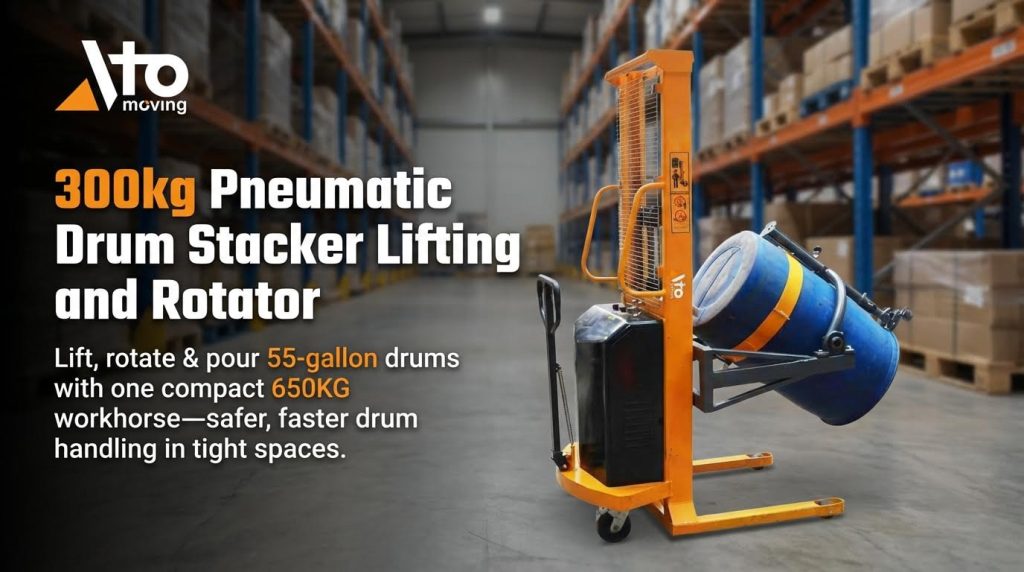
Regulatory requirements for how to safely stack 55 gallon metal drums impose limits on stack height, aisle spacing, segregation, secondary containment, and fire protection, especially when drums contain flammable or toxic materials.
| Regulatory Topic | Key Requirement / Typical Guideline | Field Impact On Drum Stacking |
|---|---|---|
| Maximum stack height for 208 L drums | Stacks typically restricted to two drums high and two drums wide in rows for hazardous contents (height guidance) | Prevents unstable tall stacks and ensures corrosion, leaks, and labels remain visible for inspection. |
| Total stack volume (large stores) | Some process safety guidance caps individual stacks at ≈ 300 m³ with ≥ 4 m between stacks (stack volume) | Limits fire load per stack and forces firebreaks, affecting how many pallets you can place in one block. |
| Aisle spacing | Minimum ≈ 760 mm clear between drum rows, often 760–900 mm in practice (aisle spacing) | Ensures inspectors and emergency responders can reach every drum with tools and absorbents. |
| Secondary containment volume (hazardous liquids) | Containment volume must be ≥ 10% of total liquid volume or 100% of the largest container, whichever is greater (containment sizing) | Determines berm, sump, or spill pallet sizing and limits how many drums can sit in one containment cell. |
| Dike / pan requirement for ≥ 55-gallon containers | Containers ≥ 55 gallons with flammable or toxic liquids must be surrounded by dikes or pans enclosing ≥ 35% of total volume (OSHA 1915.173) | Requires engineered containment around drum stacks, not just bare concrete floors, in many hazardous storage areas. |
| Protection from physical damage | Drums ≥ 30 gallons with flammable/toxic contents must be guarded or placed away from traffic to avoid impact damage (physical injury protection) | Drum stacks near aisles or docks need barriers, bollards, or guardrails to prevent forklift strikes. |
| Exposure to heat sources | Drums with flammable or toxic liquids must not be stored near open flame, hot metal, or artificial heat sources (heat exposure) | Forces you to keep stacks clear of heaters, welding bays, and hot process equipment to avoid pressure buildup and ignition. |
| Segregation of incompatible wastes | Incompatible or reactive wastes require physical separation via dikes, berms, walls, or separate cells (segregation rules) | Drums of acids, bases, oxidizers, and fuels cannot share the same stack or containment cell. |
| Distance to property line (ignitable/reactive wastes) | Ignitable or reactive wastes typically stored ≥ 15 m from property line (setback guidance) | Impacts outdoor drum yard layout and where high-hazard stacks can be located. |
| Fire extinguisher provision | Adequate, suitable fire extinguishers must be in the immediate storage/use area and ready at all times (fire protection) | Requires extinguishers sized and rated for the drum contents, placed so no stack is “out of reach.” |
- Do not pressurize drums to empty them: Regulations prohibit using pressure to force contents out of shipping drums because it can rupture the shell or bung fittings. (pressurization ban)
- Maintain clear, lit access routes: Guidance for safe drum stacking emphasizes clear pathways, proper lighting, and safety signage so operators can spot leaks and labels quickly. Facility Layout, Handling Equipment, And Inspections
Facility layout, handling equipment, and inspections determine whether you can apply how to safely stack 55 gallon metal drums in the real world without creating blind aisles, overloading trucks, or missing early leak warnings.
💡 Field Engineer’s Note: Poor layouts usually fail first during an emergency, not during normal shifts—design for fire crews with hoses and spill kits, not just for today’s forklift routes.
Aisle spacing, segregation, and secondary containment
Aisle spacing, segregation, and secondary containment control how far a spill or fire can spread and whether responders can reach stacked drums quickly without moving equipment out of their way.
Design Element Typical Engineering Value / Rule Regulatory / Guidance Basis Field Impact Minimum aisle width between drum rows ≥ 760 mm, often 760–900 mm used in practice Dangerous waste guidance for drum storage recommends ≥ 760 mm between rows for access and inspection (drum storage aisle spacing) Allows inspectors and emergency responders to pass with tools, absorbents, and hose lines without shifting pallets. Clearance from walls Inspection gap typically ≥ 450–600 mm where feasible Guidance requires “sufficient clearance” from walls for leak detection and inspection of back rows (wall clearance for drums) Prevents hidden corrosion and undetected leaks behind stacks. Segregation of ignitable / reactive wastes ≥ 15 m from property line for ignitable or reactive wastes Dangerous waste siting guidance for ignitable/reactive waste storage (segregation of ignitable wastes) Reduces risk to neighbors and public areas if a fire or explosion occurs. Segregation of incompatible materials Physical separation with dikes, berms, walls, or dedicated cells Guidance requires separating incompatible wastes using physical barriers or containment systems (segregation of incompatible wastes) Prevents mixing acids with bases, oxidizers with organics, etc., if multiple drums fail. Secondary containment volume Greater of 10% of total liquid volume or 100% of largest single container Hazardous waste secondary containment guidance for liquids and certain solids (secondary containment sizing) Ensures sumps, berms, or spill pallets can hold a worst-case drum failure plus typical slosh and rainfall where outdoors. Dike volume for flammable / toxic liquids ≥ 55 gal At least 35% of total container volume Requirement for drums ≥ 55 gallons containing flammable or toxic liquids to be surrounded by dikes or pans with ≥ 35% of total volume (OSHA 1915.173 dike requirement) Limits the spread of a multi‑drum spill, buying time for response and preventing contamination of other areas. Protection from physical damage Barriers or guards for drums ≥ 30 gallons with flammable/toxic contents OSHA requires barriers/guards unless drums are in out‑of‑the‑way areas not subject to physical injury (OSHA 1915.173 protection) Stops forklifts, trucks, or falling loads from puncturing stacked drums. How aisle spacing ties directly to safe stack design
When you decide how to safely stack 55 gallon metal drums (two high vs. single high, 2×2 pallets vs. rows), you must reserve at least 760 mm between rows and space stacks so that dikes and spill pallets still meet the 10%/100% containment rule. Over‑tight layouts often violate containment volume or block responders from reaching the rear drums.
Selecting forklifts, drum trucks, and attachments
Selecting forklifts, drum trucks, and attachments means matching equipment capacity and geometry to the real drum weight, stack height, and aisle width so operators never improvise with unsafe tilts or manual manhandling.
Equipment Type Key Spec / Practice Relevant Data / Guidance Field Impact on Drum Stacking Forklifts for palletized drums Rated to exceed total pallet load of drums plus pallet mass A 208‑liter (55‑gallon) drum typically weighs 180–360 kg depending on contents (drum weight range); four drums can easily exceed 720–1,400 kg Ensures the truck can safely lift a 2×2 pallet of drums to the required stack height without overload alarms or tip risk. Drum trucks / dollies Used when drum mass exceeds safe manual handling limits Mechanical aids are required when drum weight exceeds manual handling thresholds; 55‑gallon drums commonly reach 180–360 kg (need for mechanical aids) Reduces musculoskeletal injuries during short moves into and out of stacks, especially in tight areas where forklifts cannot enter. Drum handling attachments (clamps, grabbers) Designed to grip chimes or drum body securely at rated load Guidance stresses use of drum‑specific handling equipment (clamps, carts) to avoid sidewall damage and loss of control (drum handling equipment) Allows vertical lifting and precise placement on upper tiers of a stack without denting shells or striking adjacent drums. Manual handling technique (last resort) Roll on chimes, not sidewall; lift with legs, drum close to body Workers are advised to roll drums on chimes and keep backs straight, using leg muscles when upending drums (manual drum handling) Prevents sidewall deformation that can destabilize stacked drums and reduces strain injuries. Pre‑handling drum assessment Treat every drum as hazardous until verified safe Operators must read labels, hazard symbols, dates, and inspect for bulging, corrosion, punctures, or seepage before movement (pre-handling assessment) Stops you from lifting compromised drums into upper tiers where a failure would cause a multi‑level spill. 💡 Field Engineer’s Note: If your forklift barely fits down a 760 mm aisle with a drum clamp, your layout is wrong—widen the aisles or switch to narrower equipment before you start stacking.
Linking equipment choice to stack height limits
Guidance limits 208‑liter drum rows to two drums high and two drums wide to maintain stability and inspection access (two‑high drum stacking). Your forklift mast height, residual capacity at that height, and attachment weight all determine whether you can safely reach the second tier without derating below the pallet load.
Inspection, training, and predictive monitoring tools
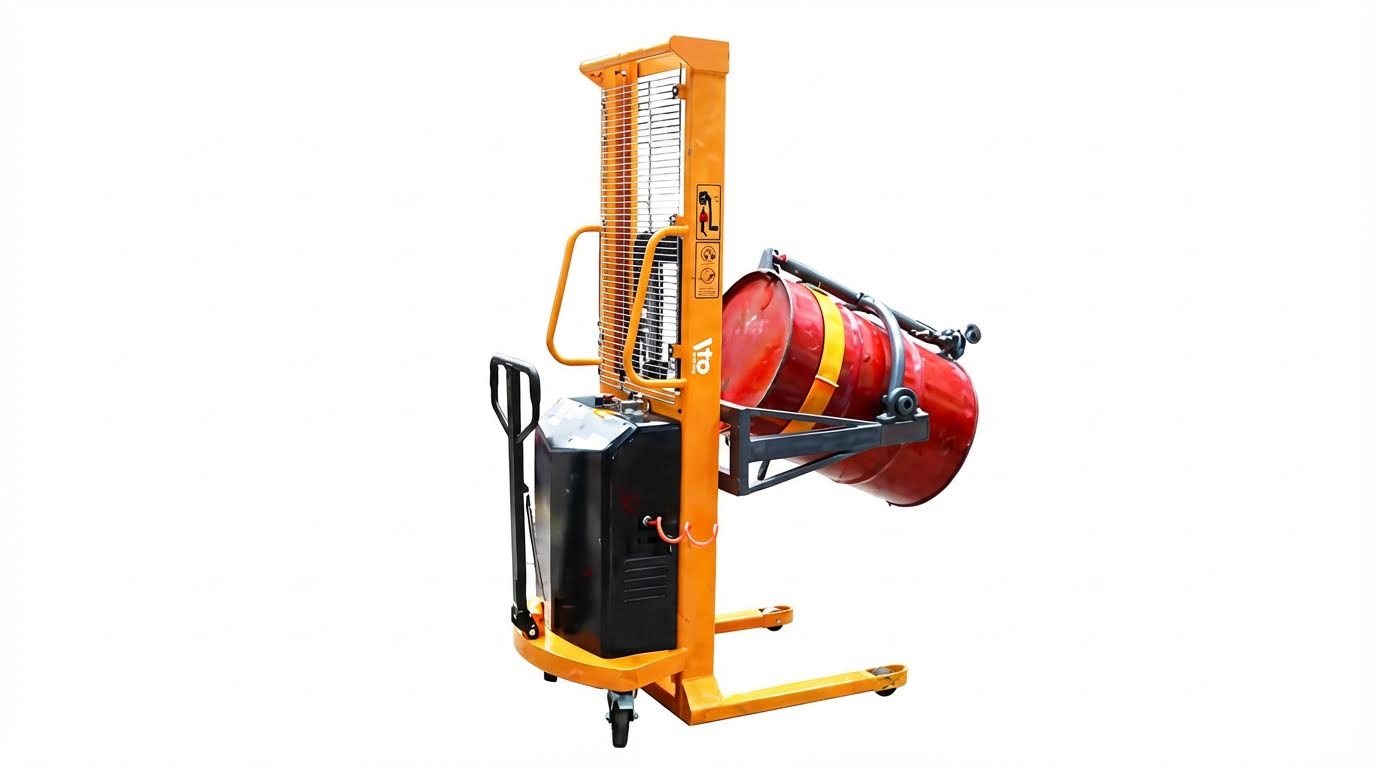
Inspection, training, and predictive monitoring tools convert your static drum layout into a controlled system, catching corrosion, overfilled sumps, and skill gaps before they cause a spill or fire.
- Routine inspection checklists: Weekly inspections of central accumulation areas are standard, with some sites adding daily walkdowns in high‑risk zones; checklists cover container condition, closures, labels, dates, aisle spacing, segregation, secondary containment, and housekeeping, with records kept for at least five years (inspection frequency and content).
- Secondary containment and leak monitoring: Engineers deploy level sensors in diked areas and sumps, plus leak‑detection probes, tying them into SCADA or building management systems to alarm on high sump levels, abnormal flows, or valve misalignment before containment is overtopped (predictive monitoring tools).
- Spill containment protocols: Facilities stage absorbents, compatible pumps, and non‑sparking tools; procedures require, for example, leaving forklift tines in a punctured drum until temporary containment is in place, then transferring contents to sound containers and managing all residues as hazardous waste per local rules (spill response practices).
- Training aligned to HASP and SDS: Drum handlers are trained under site‑specific Hazardous Waste Operations and Emergency Response plans, learning to interpret labels, hazard symbols, accumulation dates, and Safety Data Sheets so they understand the consequences of stacking flammables, corrosives, or reactives incorrectly (training requirements).
- PPE for drum handling tasks: PPE selection is based on material hazards and tasks, typically including chemical‑resistant gloves, safety footwear, eye and face protection, and in some cases respirators or aprons when handling highly hazardous contents or working near potential splash zones (PPE guidance).
- Storage environment controls: Drums containing toxic or flammable liquids or gases must not be stored where exposed to open flames, hot metal, or other artificial heat sources, and must be protected by suitable fire extinguishers located in the immediate area and ready for use at all times (OSHA storage and extinguisher requirements).
💡 Field Engineer’s Note: If your inspections only look at the front row of drums, your layout is wrong—design aisles and secondary containment so every drum seam and bung is visible without moving product.
How inspections reinforce safe stacking decisions
Consistent inspections validate that the way you chose how to safely stack 55 gallon metal drums—two‑high limits, proper aisles, intact dikes—still matches reality after months of operations. Checklists that explicitly reference stack height, pallet condition, and visible drum deformation help catch when operators start
“”
Final Considerations For Safe, Compliant Drum Storage
Safe stacking of 55-gallon metal drums depends on one integrated system, not a single rule. Drum geometry, realistic load calculations, pallet design, and containment capacity must all line up with code limits on stack height, aisle width, and fire load. When engineers respect these limits, stacks stay stable, labels stay visible, and leaks stay inside engineered barriers instead of reaching soil or drains.
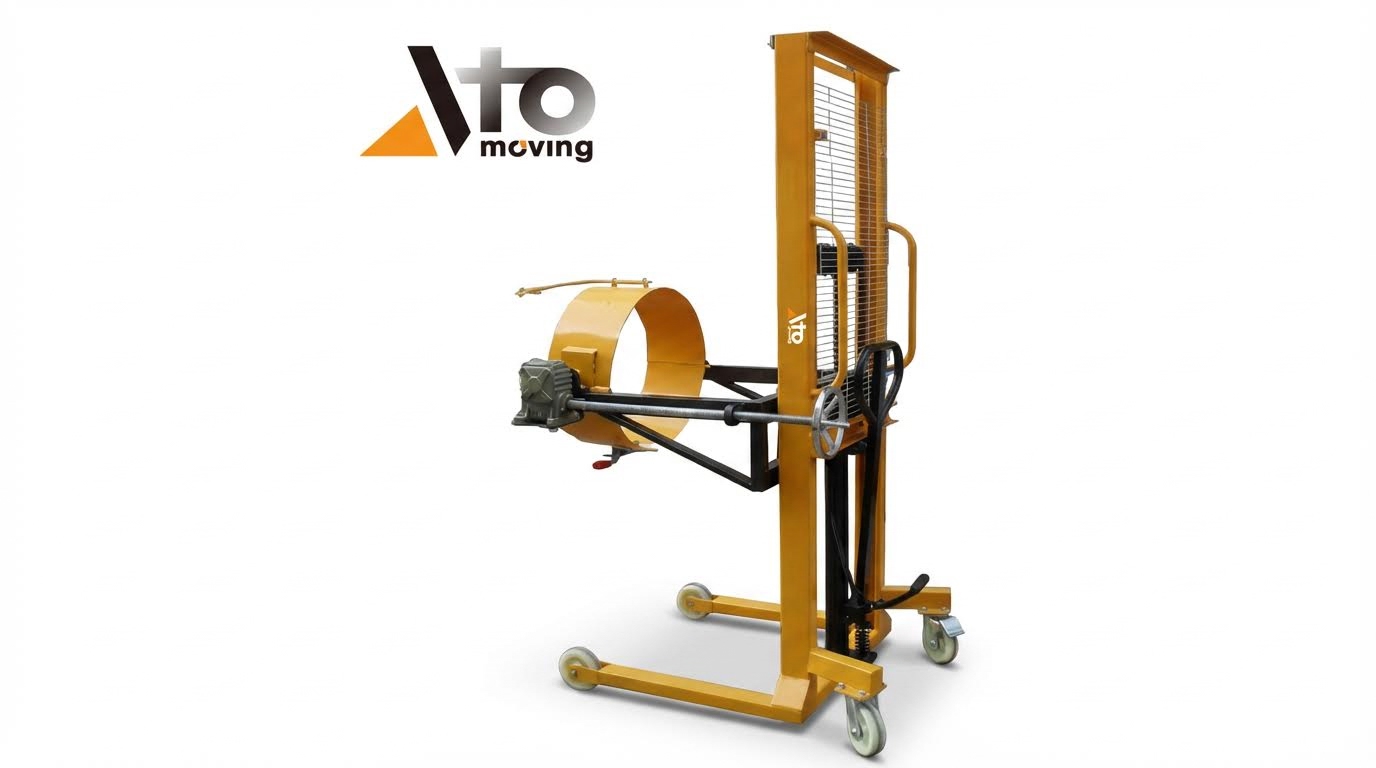
Facility layout and handling equipment then turn that design into daily practice. Correct aisle spacing, segregation, and diking let forklifts, drum trucks, and Atomoving drum stackers work without striking drums or blocking responders. Properly sized trucks and drum clamps prevent overloads and sidewall damage that would later undermine stack stability.
Inspections, training, and monitoring close the loop. Routine walkdowns, clear checklists, and level or leak sensors confirm that pallets, dikes, and drums still match the original design. Trained operators know when to reject a damaged drum, stop a lift, or call for spill response. The best practice is simple: design conservatively, choose purpose-built drum handling gear, enforce inspections, and never trade aisle space or containment volume for short-term storage gain.
Frequently Asked Questions
Can steel drums be safely stacked in a warehouse?
Yes, steel drums can be safely stacked if proper precautions are taken. When stacking two or more tiers high, chock the bottom tier of drums on each side to prevent shifting. If stored on their sides, block the bottom tiers to keep them from rolling. Material Stacking Safety Tips.
How heavy is a 55 gallon metal drum when empty and filled?
An empty 55 gallon steel drum typically weighs around 47 lbs (21 kg). When filled with liquid, the weight increases significantly. For example, a steel drum filled with water can weigh between 497 and 507 lbs (225 to 230 kg), depending on the liquid’s density.
- Empty weight: ~47 lbs (21 kg)
- Filled weight (water): ~497-507 lbs (225-230 kg)