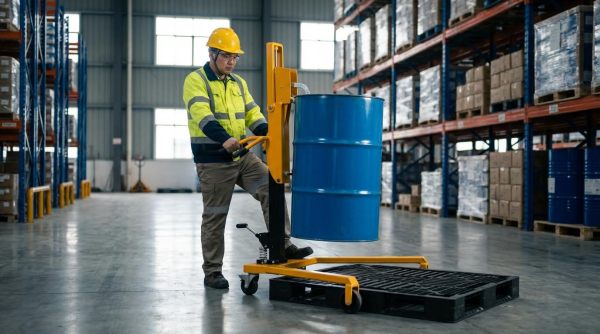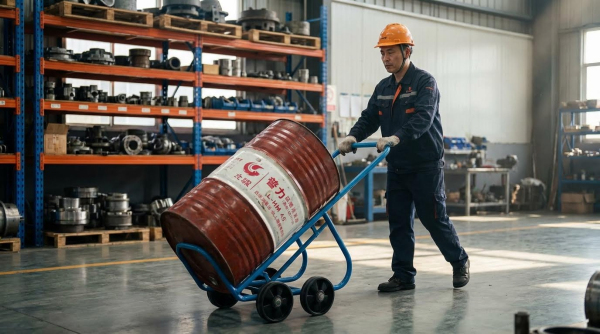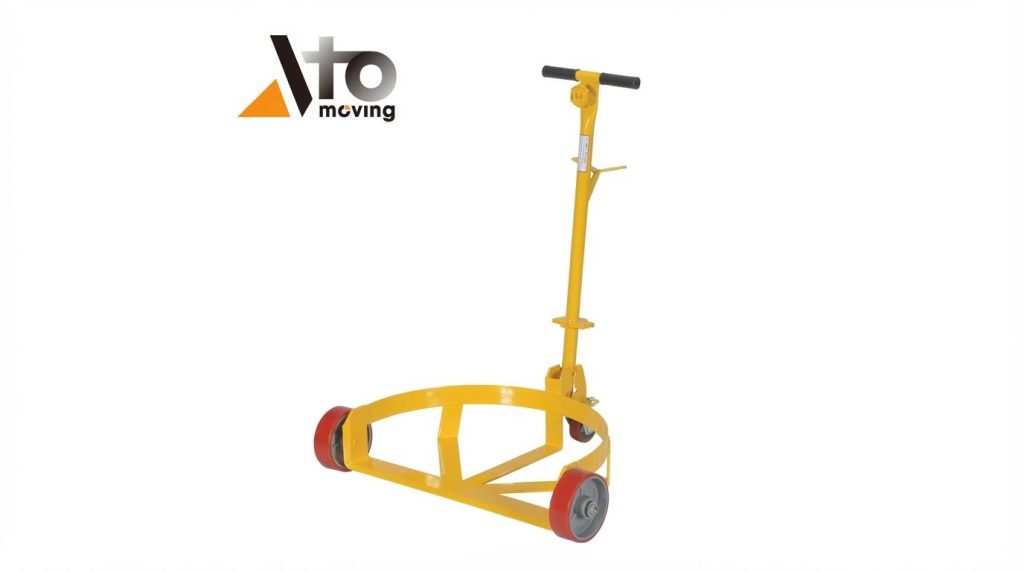
Using drum dollies correctly can turn one of the most awkward, high‑risk handling tasks into a controlled, repeatable process. This article explains what drum dollies are, how they work, and how to use a drum dolly safely in real industrial environments. You will see the key engineering factors that drive stability, maneuverability, and compliance, then learn how to match dolly specifications to your drums, contents, and facility conditions. By the end, you will have a clear, practical framework for selecting and standardizing drum dollies to improve safety and efficiency in your material handling operations.
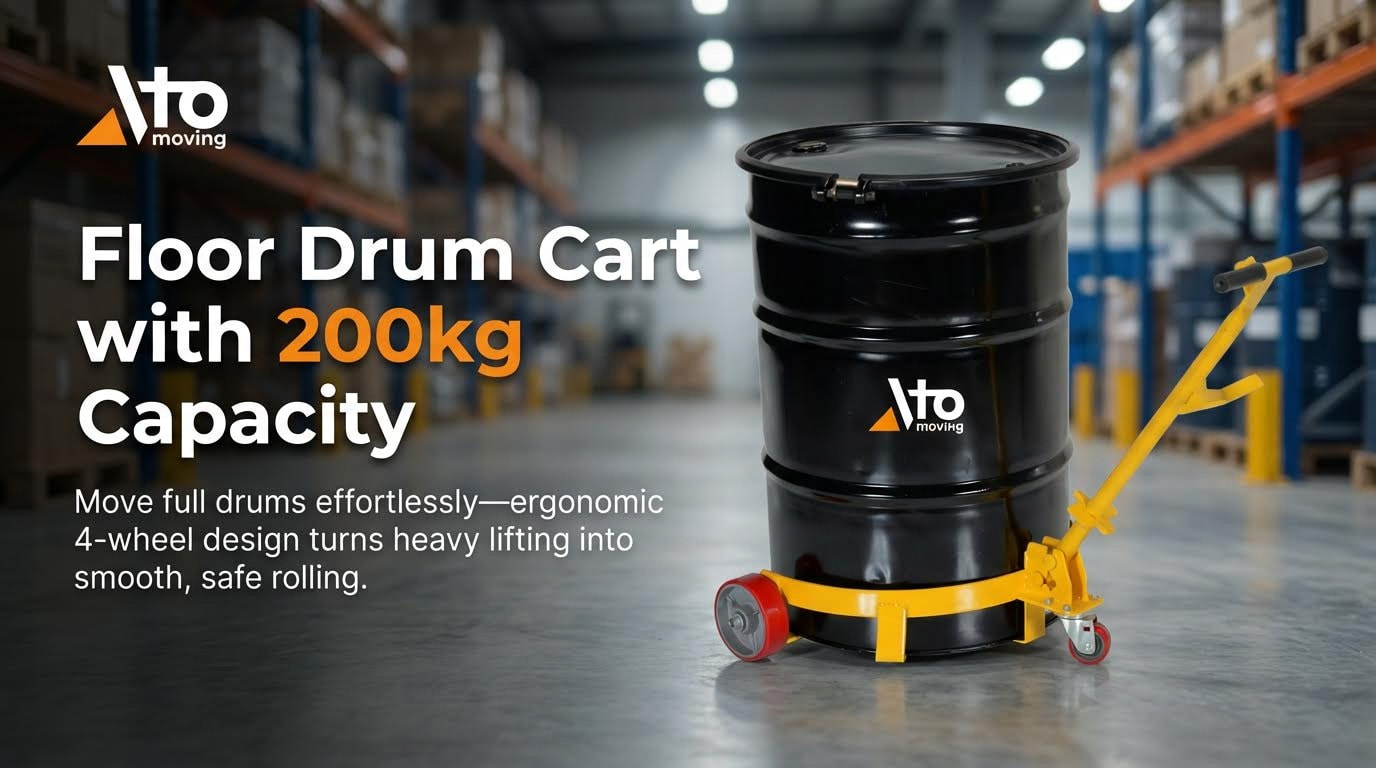
What A Drum Dolly Is And How It Works
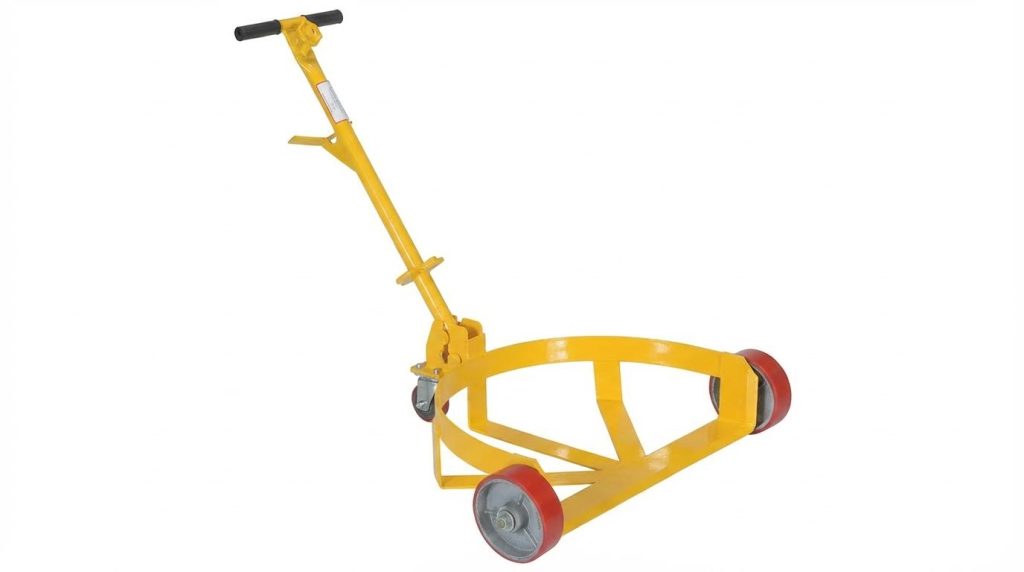
Core components and design features
A drum dolly is a low, wheeled platform engineered to move heavy drums safely with minimal manual effort. It typically supports the drum at the base so the load stays upright while operators push or pull from the side, which is central to how to use a drum dolly correctly in tight industrial spaces. Most industrial drum dollies weigh roughly 24–37 lbs to stay portable while still providing a rigid structure for heavy loads Drum dollies are designed to weigh between 24 and 37 lbs. Frames are usually fabricated from heavy-gauge steel sheet, for example 3 mm (11 gauge), with wide cross members that fully support the drum base and distribute load away from local stress points constructed from 3 mm (11 gauge) steel sheet, incorporating wide steel cross bases.
Most designs use four casters mounted around the rim for stability. Heavy-duty models may use polyolefin or similar industrial wheels around 3 inches in diameter and roughly 1-1/4 inches wide, bolted directly to the ring for better load transfer and resistance to impact and side loading equipped with four heavy-duty Polyolefin casters, each 3 inches in diameter and 1-1/4 inches wide, bolted to the rim. Higher-end drum dollies and caddies may incorporate tilting or dispensing features, such as a foot-operated mechanism that tips the drum by about 10° to aid liquid extraction while locking in place for control foot-operated tilting feature … can tilt drums by 10 degrees. Surface finishes are often powder-coated or otherwise corrosion resistant so the frame can withstand moisture, chemical splashes, and daily impacts without rapid degradation It is powder-coated to prevent corrosion.
Typical core elements you will see on a drum dolly
- Ring or cross-frame base sized to the drum diameter
- Four casters (often all-swivel for maneuverability)
- Reinforced welds and gussets at high-stress zones
- Optional tilt or dispensing mechanism and retention features
- Protective coating for corrosion and wear resistance
Typical capacities, drum sizes, and use cases
Drum dollies are designed for high load capacities relative to their own weight. Many industrial models are rated in the 900–1,200 lbs range for uniform loads, with some variants around 1,000 lbs or 450 kg for heavy-duty applications uniform load capacity ranging from 900 to 1,200 lbs load-bearing capacity of 450 kg (1,000 lbs). Broader drum-handling carts and caddies can extend this range, with some heavy-duty designs supporting up to about 1,500 lbs for oversized or high-density contents support weights ranging from 800 lbs to 1,500 lbs. Understanding these ratings is essential for deciding how to use a drum dolly within its safe working envelope.
Most drum dollies are dimensioned for standard industrial drum sizes. Common configurations fit 30-gallon and 55-gallon drums, with internal diameters around 23 inches and overall heights of roughly 6–7 inches so the drum stays low to the floor for stability hold drums with a diameter of 23 inches … suitable for 110-liter (30-gallon) and 205-liter (55-gallon) drums. Some models can also accommodate 5-gallon pails or plastic drums, provided the base ring and retention features match the container geometry compatible with plastic drums and can also accommodate smaller containers like 5-gallon pails. Typical use cases span manufacturing, chemical processing, food and beverage, pharmaceuticals, and construction, where operators need to move full drums between storage, mixing, and dispensing points without resorting to forklifts for every move used in various industries, including manufacturing … chemical industry … food and beverage … pharmaceuticals … construction.
| Parameter | Typical Range / Example | Engineering Impact |
|---|---|---|
| Uniform load capacity | ~900–1,200 lbs; some up to 1,500 lbs | Defines safe maximum drum weight including contents |
| Supported drum volumes | 5, 30, 55 gallons typical | Ensures correct fit and stable support |
| Typical drum diameter | ~23 inches for 55-gallon drums | Determines ring size and cross-frame spacing |
| Overall dolly height | ~6–7 inches | Controls center of gravity and tipping risk |
In practice, facilities use drum dollies to reduce manual lifting, shorten transfer times, and improve housekeeping around filling, mixing, and waste-collection areas. When operators know how to use a drum dolly correctly—matching load to rating, keeping drums centered, and selecting the right wheel type for the floor—they significantly lower spill and strain risks while increasing throughput in drum-handling workflows.
Engineering Considerations For Safe, Efficient Use
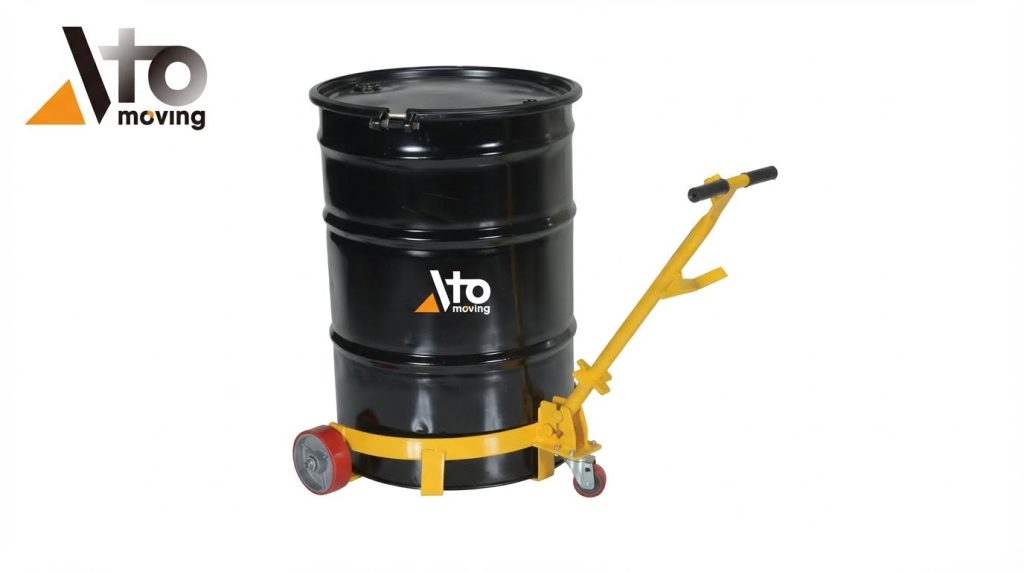
Load ratings, stability, and center of gravity
Understanding load ratings is the first step in how to use a drum dolly safely and efficiently. Many drum dollies are rated between 900 and 1,200 lbs for uniform loads, with some heavy-duty models reaching 1,500 lbs capacity for standard units and higher for heavy-duty designs. Always compare the filled drum weight, including contents and drum shell, with the dolly’s rated capacity and apply a safety factor (commonly 20–25%) for dynamic loads. Stability depends on drum diameter, dolly footprint, and drum height; tall, narrow drums raise the center of gravity and increase tip risk when starting, stopping, or turning. When you explain to operators how to use a drum dolly, stress slow acceleration, controlled turns, and keeping the drum vertical unless a dedicated tilt mechanism is engaged.
Frame geometry and construction also affect stability. Heavy‑gauge steel frames and wide cross bases support the full drum bottom and resist flexing under load in typical industrial models. Low overall height (around 6–7 inches) lowers the combined center of gravity and reduces the chance of tipping when crossing joints or dock plates for 30–55 gallon drums. Rated tilting features, often foot‑operated, may allow limited tilt (around 10 degrees) to improve liquid extraction, but they are usually approved only for the largest drum size the unit is designed for according to tilt‑dolly specifications. Operators must never exceed the specified tilt range or use the tilt function with undersized or off‑center loads.
Practical stability checks before use
- Confirm drum weight versus nameplate capacity.
- Check that the drum sits fully on the support ring or cross base.
- Verify that all casters contact the floor evenly.
- Test a slow push and turn with an empty or partial drum to feel behavior.
Wheel selection, floor conditions, and maneuverability
Wheel type and layout strongly influence how to use a drum dolly in real plant conditions. Typical drum dollies use four casters, often 3 inch diameter and about 1‑1/4 inch wide, to balance low profile with adequate load distribution in heavy‑duty steel models. Hard polyolefin or similar wheels roll easily on smooth concrete and resist flat‑spotting under loads around 1,000 lbs for common industrial units. For straight, repetitive routes, a mix of rigid and swivel casters can reduce steering effort; fully‑swivel layouts improve maneuverability in tight spaces but require more operator control, especially on sloped floors per drum caddy guidance.
Floor conditions dictate both wheel material and diameter. On smooth indoor floors, smaller hard wheels work well; on rough or outdoor surfaces, larger pneumatic wheels help absorb impacts and reduce transmitted shock by a significant margin, lowering spill risk at thresholds and dock plates for high‑shock routes. When coaching teams on how to use a drum dolly, emphasize route planning: avoid steep slopes, broken concrete, and floor drains where a small caster can hang up. Regularly inspect wheels for flat spots, loose fasteners, and bearing wear, and check pneumatic tires for correct pressure to maintain predictable handling as part of routine upkeep.
Wheel and floor matching tips
- Smooth indoor floors: hard poly or nylon casters, smaller diameters.
- Rough or expansion‑jointed floors: larger diameter wheels, softer tread.
- Outdoor yards: pneumatic or semi‑pneumatic wheels for shock absorption.
Safety, compliance, and maintenance practices
Safe operation starts with clear procedures and training on how to use a drum dolly for each material type. Operators should keep drums upright, push rather than pull when possible, and maintain clear visibility along the travel path. For flammable or static‑sensitive contents, use grounding chains or bonding straps to control static buildup and follow applicable safety standards for hazardous materials handling in chemically demanding applications. Where spill control is critical, dollies with integrated drip trays and raised edges help contain limited leaks during movement for small-volume containment.
Planned maintenance is essential for reliability and compliance. Manufacturers typically require testing, adjustments, and scheduled maintenance by qualified personnel to keep drum dollies within rated performance under normal service. Good practice includes routine inspections of wheels, frames, welds, and retaining features, plus cleaning to remove residues that could hide cracks or corrode components as part of broader equipment care. Documenting inspections and repairs, and integrating dollies into the facility’s preventive maintenance schedule, supports both internal safety programs and external audits for long-term asset control.
Core safety and maintenance checklist
- Train operators on loading, pushing, turning, and parking procedures.
- Inspect frames, casters, and fasteners on a defined schedule.
- Tag and remove from service any damaged or overloaded unit.
- Keep surfaces clean and dry to avoid slips and corrosion.
Selecting The Right Drum Dolly For Your Facility
Matching dolly specs to drum types and contents
Start by matching drum size and weight to the dolly’s rated capacity. Many drum dollies are designed to handle standard 5, 30, and 55-gallon drums and similar containers such as upright LP tanks, with typical capacities in the 900–1,200 lb range for uniform loads and tilting up to 200 lbs. Some heavy-duty variants support around 1,000 lbs or more, making them suitable for dense liquids and high-specific-gravity products in large steel or plastic drums. Always select a dolly with a capacity comfortably above the heaviest filled drum, including any residue or solids.
Geometry is just as important as weight. Check the drum ring or platform diameter and cradle height so the drum seats fully without overhanging the rim, which would compromise stability when you learn how to use a drum dolly in tight aisles or on ramps. Some models are optimized for 30-gallon or 55-gallon drums with overall heights around 6–7 inches and drum diameters near 23 inches, which keeps the center of gravity low for easier pushing and better tip resistance in busy production areas. If you also move 5-gallon pails or smaller containers, consider multi-size or insert-style dollies that can safely locate different footprints on the same base without excessive clearance that allows sliding.
Finally, decide whether you need handling features beyond simple rolling support. Foot-operated tilting mechanisms that tip a drum by around 10 degrees help operators decant product or drain residue with less manual effort and better control and typically lock in place for safety during pouring. When choosing these designs, verify that the tilting function is compatible with the largest drum you intend to handle and that the tilt capacity is adequate for your typical fill level. Matching the dolly’s mechanical features to your material, drum type, and transfer method reduces manual handling and lowers the risk of spills or ergonomic injuries.
Environment, chemical compatibility, and durability
Your operating environment strongly influences which drum dolly will perform best over its life. In general industrial service, heavy-gauge steel frames and wide cross bases provide robust support and resist bending or cracking under daily loading cycles even at maximum rated loads. Powder-coated finishes add corrosion resistance where moisture, washdowns, or occasional chemical splashes are present and help preserve structural integrity. In applications where operators push dollies long distances, lighter materials such as aluminum can cut push–pull forces significantly, improving ergonomics over a shift without sacrificing basic strength for moderate loads.
Chemical compatibility is critical wherever you handle acids, caustics, solvents, or flammables. For these services, look for dollies built from or coated with chemical-resistant materials such as specialized fluoropolymer finishes, corrosion-resistant steels, and compatible gaskets that withstand the specific products you store and transfer and support OSHA, EPA, and DOT compliance goals. Some models integrate drip trays or sumps with raised edges that can capture several gallons of leaked material, which is useful in spill-control programs or when you are training teams on how to use a drum dolly safely in chemical areas and need secondary containment under moving drums.
Wheel and caster materials also need to match both the floor and the chemicals present. Polyolefin or similar hard wheels provide low rolling resistance on smooth concrete and are common on 3-inch casters bolted around the drum rim for stability in typical warehouse environments. Where floors are uneven or you frequently cross dock plates, pneumatic wheels can absorb up to about 60% of impact energy, reducing vibration and the chance of splashing or losing control during moves on rough pavement or outdoor yards. Aligning frame material, coating, and wheel type with your environment ensures the dolly remains safe, compliant, and economical over its service life.
“”
Key Takeaways On Drum Dolly Use And Selection
Effective drum dolly use depends on matching engineering limits to real operating conditions. Load rating, frame geometry, and drum fit work together to control the center of gravity and prevent tipping. When teams respect these limits, they move heavy drums with far less risk of strain, impact, or spill.
Wheel selection and floor conditions strongly shape handling behavior. Correct caster material and diameter cut push forces, reduce shock at joints and thresholds, and keep the drum stable during turns. Planned routes that avoid slopes, damage, and drains further lower incident rates and keep traffic predictable.
Material choice, coating, and chemical compatibility protect both the dolly and the facility. Corrosion-resistant frames, suitable wheels, and optional containment features support long service life and help meet regulatory expectations. Regular inspection, cleaning, and documented maintenance keep units within their design envelope.
The best practice is to standardize on a small set of drum dollies that match your drum sizes, fill weights, floor types, and chemical profile, then train operators in consistent loading and driving methods. With the right specification and disciplined use, Atomoving drum dollies become a low-cost, high-impact tool for safer, faster material handling across the plant.
Frequently Asked Questions
How do you use a drum dolly?
To use a drum dolly, push the dolly up to the drum and position its feet at the base of the drum. Tip the dolly forward slightly to engage the dolly-drum lock. Pull back on the dolly until it rests securely on its wheels. This method ensures safe and efficient movement of drums. For more details, refer to this Drum Dolly Guide.
What is a drum dolly?
A drum dolly is a specialized piece of material handling equipment designed for moving heavy drums, barrels, or kegs. It provides an ergonomic solution for transporting items made of steel, plastic, fiber, or cardboard. Available in manual or electronic configurations, drum dollies simplify the process of moving bulky containers. Learn more from this Drum Dolly Overview.
Are drum dollies easy to move?
Yes, drum dollies are designed to make moving heavy drums easier. They reduce physical strain by allowing operators to roll drums instead of lifting them. By engaging the dolly-drum lock and using the dolly’s wheels, users can transport drums safely and efficiently. For additional insights, check out this Drum Movement Tips.