
Electric scissor lifts are vital tools in various industrial and construction settings. Understanding their operation, power sources, and application diversity is essential for safe and effective use. This article explores these key aspects, providing a comprehensive overview for professionals in the field.
Operating Principles and Safety Protocols
Mechanical Operation and Control Systems
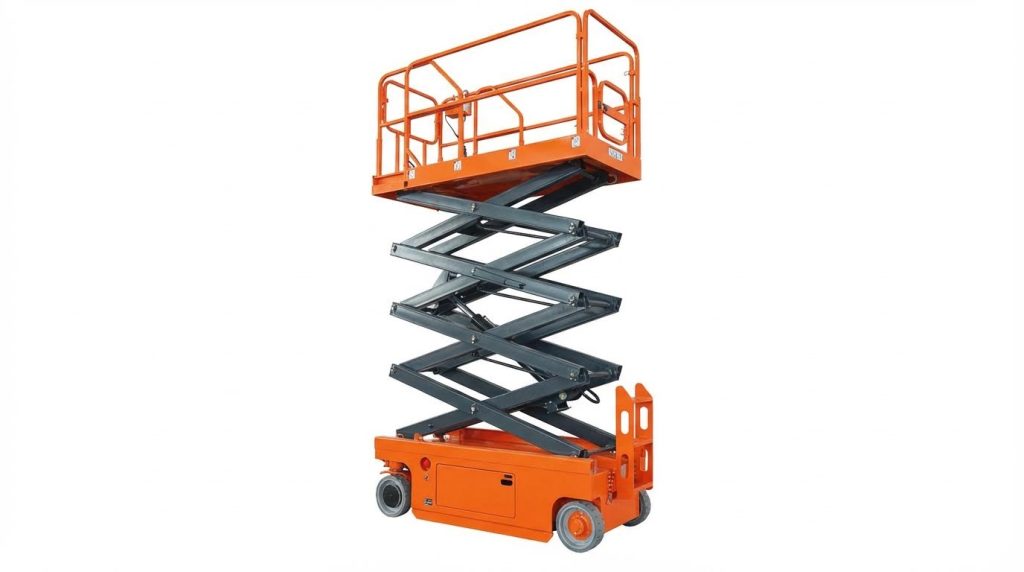
Electric scissor lifts operate through a system of linked, folding supports in a crisscross ‘X’ pattern. The mechanism extends vertically when hydraulic, pneumatic, or mechanical power is applied. Control systems typically include joystick or button controls that regulate the lift’s elevation and movement. Precision in control inputs ensures smooth operation and prevents abrupt movements that could compromise safety.
Pre-Operation Inspection and Operator Training
Before use, operators must conduct thorough inspections focusing on hydraulic fluid levels, battery charge, and structural integrity of the lift. Checking for leaks, loose components, and proper function of emergency stop controls is essential. Comprehensive operator training covers machine controls, emergency procedures, and hazard recognition to reduce accidents and improve operational efficiency.
Safety Gear and Fall Protection Requirements
Operators are required to wear personal protective equipment such as helmets, safety harnesses, and non-slip footwear. Fall protection systems must be integrated, including guardrails and harness anchor points. Compliance with OSHA and ANSI standards mandates the use of these safety measures to minimize injury risks during elevated operations.
Load Limits and Stability Considerations
Each scissor lift model specifies maximum load capacities, including personnel, tools, and materials, which must not be exceeded. Stability depends on even weight distribution and adherence to manufacturer guidelines for platform height relative to base width. Operating on uneven or sloped surfaces can reduce stability and increase the risk of tip-over incidents, necessitating strict adherence to site conditions and load management protocols.
Power Sources and Battery Maintenance
Battery Types and Charging Procedures
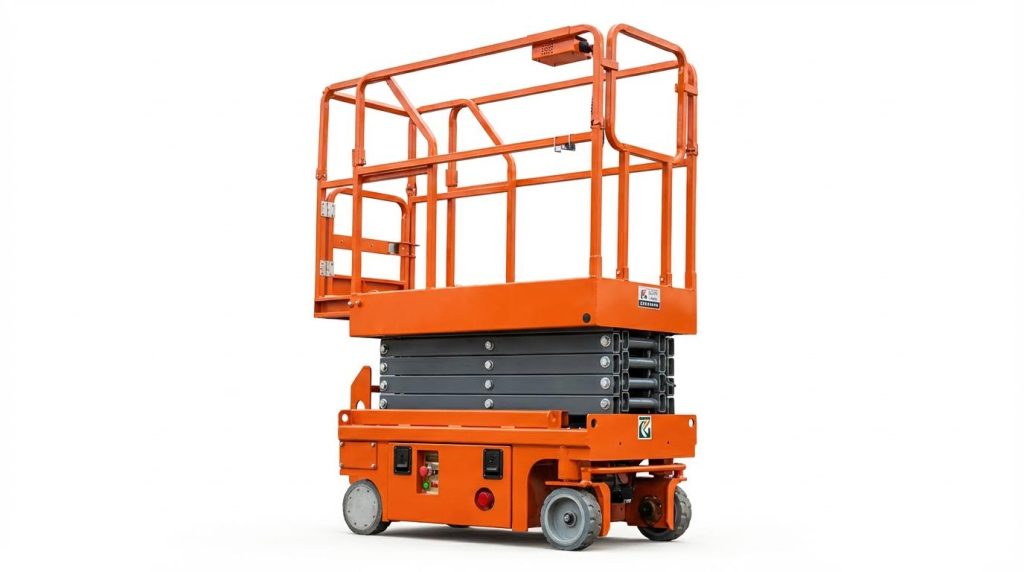
Electric scissor lifts commonly use lead-acid or lithium-ion batteries. Lead-acid batteries require regular water level checks and slow charging to prevent damage. Lithium-ion batteries offer faster charging and longer life but need compatible chargers. Charging procedures must follow manufacturer guidelines, including using the correct voltage and avoiding overcharging to maintain battery health.
Ventilation and Safety During Battery Servicing
Proper ventilation is critical during battery charging and servicing to dissipate hydrogen gas generated by lead-acid batteries. Charging areas should have adequate airflow to prevent gas accumulation and reduce explosion risks. Operators must wear appropriate personal protective equipment, such as gloves and eye protection, to guard against acid spills and electrical hazards.
Battery Monitoring and Impact on Performance
Battery monitoring systems track voltage, temperature, and charge cycles to optimize performance and lifespan. Regular monitoring helps detect early signs of battery degradation and prevents unexpected downtime. Maintaining batteries within recommended charge levels ensures consistent lift operation and prevents capacity loss over time.
End-of-Day Shutdown and Lockout Practices
At the end of the workday, operators should fully lower the platform and disconnect power sources. Lockout procedures include isolating the battery and securing the lift to prevent unauthorized use. Proper shutdown extends battery life, enhances safety, and prepares the equipment for the next operation cycle.
Applications and Model Variations
Indoor vs Outdoor Use and Terrain Adaptability
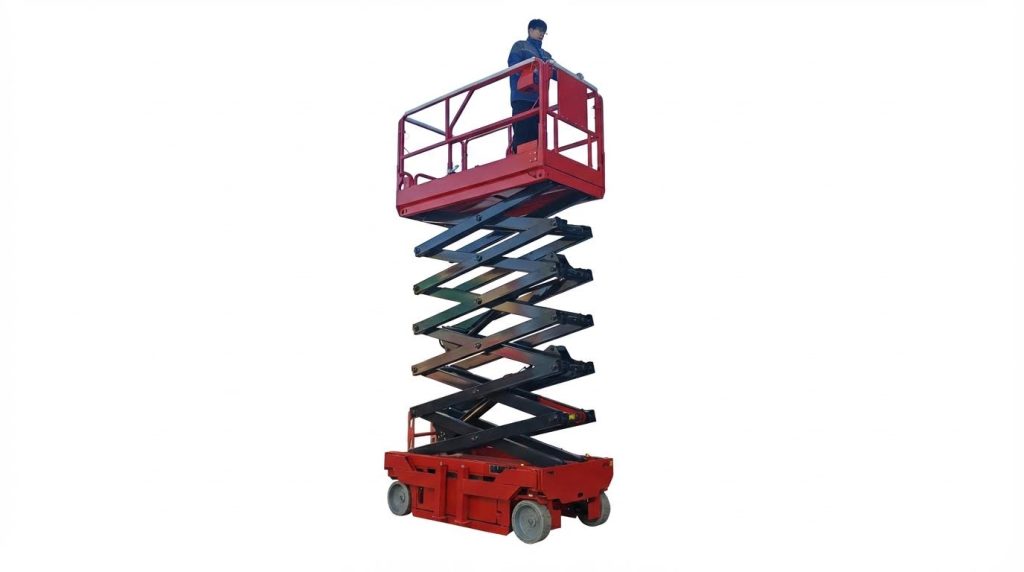
Electric scissor lifts designed for indoor use typically feature non-marking tires and compact dimensions to navigate tight spaces and smooth floors. Outdoor models incorporate rugged tires and enhanced suspension systems to maintain stability on uneven or rough terrain. Terrain adaptability depends on wheel type, drive system, and chassis design, enabling operation on gravel, grass, or slopes up to specified gradients. Selecting the appropriate model requires matching lift capabilities with the work environment conditions to ensure safety and efficiency.
Load Capacity and Platform Height Ranges
Load capacities for electric scissor lifts vary widely, commonly ranging from 227 kg to over 1000 kg. Platform heights also differ, with models offering working heights from approximately 3 meters to over 18 meters. Higher platform lifts often include reinforced structures and advanced stabilizing mechanisms to maintain load stability. Understanding the exact load and height requirements of the task is critical to selecting a compliant lift that meets operational demands without compromising safety.
Specialized Features: Self-Propelled and Extendable Platforms
Self-propelled electric scissor lifts integrate drive controls on the platform, allowing operators to maneuver the lift while elevated, increasing productivity and reducing repositioning time. Extendable platforms provide additional working space, improving access and operator safety during complex tasks. These features often come with advanced control systems and safety interlocks to prevent misuse. Incorporating such specialized options depends on job complexity, site constraints, and operator skill level.
Industry Use Cases and Emerging Trends
Electric scissor lifts find extensive use in construction, warehousing, facility maintenance, and event management due to their versatility and zero-emission operation. Emerging trends include integration with telematics for remote monitoring, enhanced battery technologies for longer runtimes, and modular designs for easier transport. Industry adoption increasingly favors lifts with improved energy efficiency and compliance with stricter occupational safety standards. Continuous innovation addresses evolving site requirements and environmental regulations.
Summary of Key Considerations for Selection and Use
Electric scissor lifts combine mechanical precision with advanced power systems to deliver versatile lifting solutions. Key factors include understanding the operating principles, adhering to safety protocols, and maintaining power sources effectively. Proper selection depends on load capacity, platform height, and terrain adaptability to match specific industrial needs.
Industry trends show increased adoption of self-propelled and extendable platform models, enhancing operational flexibility. Battery management remains critical for performance and safety, requiring consistent monitoring and adherence to charging and shutdown procedures. Operator training and pre-operation inspections are essential to minimize risks and ensure compliance with safety standards.
Future developments may focus on integrating smarter control systems and more efficient power sources, improving both productivity and environmental impact. Practical implementation requires balancing technological advancements with operator skill and site conditions to maximize lift efficiency and safety. Overall, a comprehensive approach to selection and use supports optimized performance and regulatory compliance in diverse industrial applications.