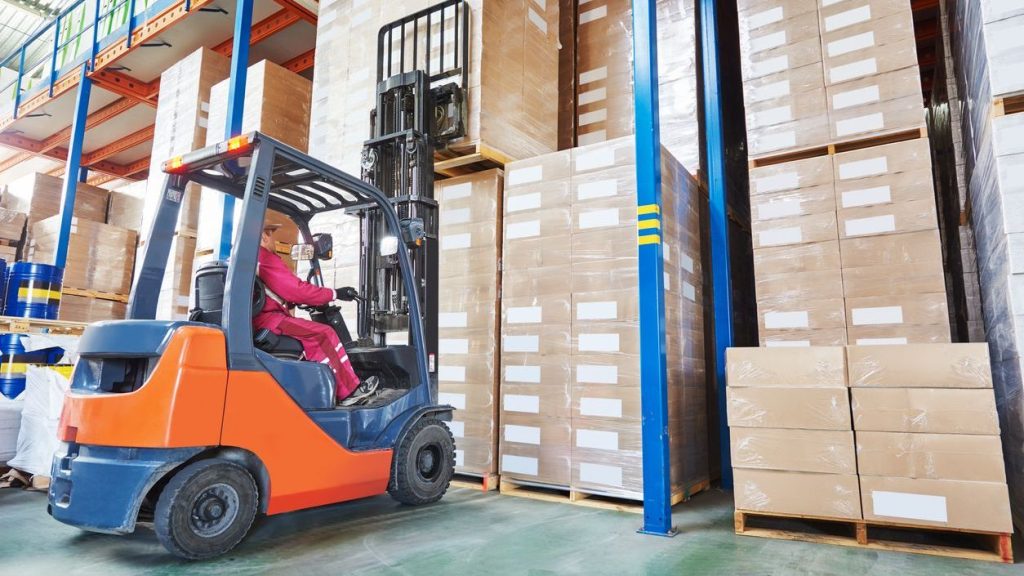
Empty pallet stacks on trucks sit at the intersection of fire codes, OSHA rules, and transport dynamics. This article uses the question how high can you stack empty pallets on a truck to connect code limits, engineering design, and dock operations into one consistent standard.
You will see how NFPA and OSHA height limits for idle pallets translate into practical stack counts in box trucks and semi-trailers. The middle sections explain how stability, geometry, and vehicle motion shape safe pallet patterns and load paths in transit. The dock-focused part then links inspection, handling limits, and training with modern automation, including AGVs, cobots, and Atomoving systems. The final summary turns these points into a concise, defensible stacking policy for safety, logistics, and engineering teams.
Code Limits And Typical Maximum Stack Heights
Engineers and safety managers often ask how high can you stack empty pallets on a truck without breaking codes. The answer links NFPA fire limits, OSHA stability rules, and common transport practice for box trucks and semi-trailers. This section explains code language in plain terms and connects it to real stack heights in vehicles. It focuses on idle empty pallets, not loaded unit loads.
NFPA And OSHA Rules For Idle Empty Pallets
NFPA fire codes treated idle empty pallets as a high fire load. NFPA 1 Section 34.11.3.3 limited these stacks to a maximum height of 4.6 metres. The same section also capped a single idle pallet pile footprint at 37 square metres. These limits applied in storage zones, staging areas, and docks unless a stricter local code existed.
OSHA regulation 29 CFR 1910.176(b) did not give a numeric pallet height. It instead required stacks be blocked, interlocked, and limited in height so they stayed stable and secure. In practice, safety auditors used the NFPA 4.6 metre limit as a hard ceiling for empty pallet piles. They then reduced that height when pallets were mixed, damaged, or on uneven foundations.
For vehicle loading, engineers combined both ideas. They treated empty pallets in a trailer as “stored in tiers” under 1910.176(b) and kept the stack under the NFPA 4.6 metre guide. They also checked that the stack did not rise into the 460 millimetre sprinkler clearance plane at docks with ceiling protection.
Typical Trucking Limits: Box Trucks Vs. Semi-Trailers
Transport practice narrowed the theoretical 4.6 metre limit to practical pallet counts. Operators of straight box trucks usually capped empty pallet stacks at about 15 units. Semi-trailer fleets typically accepted about 18 empty pallets in a single vertical stack. These values kept stacks clear of roof bows and dock doors and reduced rollover risk.
Typical internal heights help explain these numbers. Common dry van and box bodies offered internal clear heights around 2.6–2.8 metres. A standard wooden pallet was about 1200 millimetres by 1000 millimetres and roughly 120–150 millimetres high. A stack of 15 pallets therefore reached roughly 1.8–2.3 metres, which left headroom for handling and lashing.
Engineers also checked driver visibility and handling. Forklift operators struggled to see over stacks once they exceeded about 1.5 metres to 1.6 metres. For that reason, many facilities limited manual handling stacks to 6–9 pallets and used powered equipment above that. On trucks, fleets used 15–18 pallet limits as a balance between cube use and dynamic stability during braking and cornering.
Sprinkler Clearance And Fire Code Interactions
NFPA and OSHA rules linked pallet heights to sprinkler clearance. OSHA 29 CFR 1910.159(c)(10) required at least 460 millimetres of vertical clearance between sprinklers and the top of stored material. NFPA applied this clearance as a flat horizontal plane across the storage area. Any pallet stack or truck load parked under sprinklers had to stay below that plane.
For indoor docks, engineers worked backwards from the sprinkler elevation. They subtracted 460 millimetres, then subtracted trailer floor height to find the maximum safe pallet stack inside a truck at the dock. If this calculated height fell below the 4.6 metre NFPA idle pallet limit, the sprinkler rule controlled. In low-bay buildings this often produced tighter limits than transport practice alone.
In unsprinklered yards or open loading zones, only the NFPA idle pallet height and area limits applied. However, many companies still applied the 460 millimetre clearance rule as an internal standard. This created uniform visual height markers and simplified training across sites.
State Plans, Local Fire Marshals, And Penalties
State OSHA plans and local fire codes could tighten these limits. States such as California, Michigan, and Washington ran their own OSHA programs. These plans at times adopted stricter pallet storage rules or enforced NFPA provisions more aggressively. Local fire marshals also applied municipal codes that referenced NFPA but added zoning or exposure controls.
Engineers therefore treated federal OSHA and NFPA as the floor, not the ceiling. They confirmed pallet stack heights and truck loading rules with the authority having jurisdiction. Typical controls included posted maximum pallet counts per stack, painted height lines, and defined idle pallet zones. These steps reduced the risk of citations for unstable stacks, blocked sprinklers, or over-height storage.
As of 2025, serious OSHA violations carried penalties up to USD 16,131 per item. Willful or repeated violations could reach USD 161,323 per item. Fire code violations could add daily fines or even storage bans until corrections were complete. Clear internal limits on how high you can stack empty pallets on a truck helped avoid these outcomes.
Engineering The Stack: Stability, Geometry, And Load Paths
Engineers who ask how high can you stack empty pallets on a truck must treat stack design as a stability problem, not just a height decision. Typical transport practice limited empty pallet stacks on box trucks to about 15 pallets and on semi-trailers to about 18 pallets, while NFPA guidance for idle pallets capped free-standing stacks at about 4.6 metres. Within those outer limits, actual safe height depended on foundation quality, pallet uniformity, centre of gravity, and vehicle dynamics. This section explains how to engineer pallet stacks so they stay stable under braking, cornering, and vibration in transit.
Foundation, Pallet Uniformity, And Center Of Gravity
The bottom interface controlled almost every stability outcome. Engineers always started by placing empty pallets flat on a sound truck floor or deck, with no debris, no ice, and no local steps. Any twist or slope at the base amplified as height increased and pushed the centre of gravity sideways. Even a small lean at the bottom became a serious tilt at 15–18 pallets high.
Uniform pallets made the stack behave like a single column. Mixing different sizes or warped pallets introduced gaps and point contacts that broke clean load paths. Good practice grouped wood with wood and plastic with plastic and kept pooled pallets with similar designs together. This reduced rocking between layers and made the vertical load path more predictable.
To decide how high you can stack empty pallets on a truck, engineers checked the combined centre of gravity. A lower, centred stack tolerated higher acceleration during braking and lane changes. Stacking lighter or thinner pallets at the top and removing damaged units from the stack kept the centre of gravity low and the column straight.
Stack Patterns, Interlocking, And Anti-Slip Interfaces
Stack pattern strongly affected lateral stability, especially at transport heights above about 10 pallets. A straight vertical pattern with all pallets aligned gave good compressive strength but less resistance to side loads. Interlocked patterns, where alternate layers rotated or offset, improved shear resistance between layers and helped stacks survive vibration and cornering.
Engineers used three main tools to control interface slip:
- Pattern choice, such as block versus brick style, to change how deck boards overlapped.
- Anti-slip materials, such as friction mats or high-grip sheets, at the floor and between critical layers.
- Mechanical restraint, such as side blocking, straps, or load bars, tied to the vehicle structure.
OSHA rules required stacks to be blocked, interlocked, and limited in height so they stayed stable against sliding or collapse. That meant the answer to how high you can stack empty pallets on a truck depended on whether these anti-slip controls were present. With smooth trailer floors and no friction aids, conservative heights were necessary, even if space allowed taller stacks.
Height, Visibility, And Vehicle Dynamics In Transit
Height decisions balanced three factors: structural stability, operator visibility, and vehicle dynamics. Stacks taller than about 1.5 metres already reduced rearward visibility for forklift drivers; stacks above about 60 inches significantly blocked the view and raised collision risk during loading. Facilities often capped handling height by what operators could safely see over, even if the trailer could fit more pallets.
Vehicle dynamics set the other limit. During emergency braking or sharp steering, lateral and longitudinal accelerations shifted the effective centre of gravity. Tall, narrow stacks of empty pallets behaved like light towers with low normal force and low friction, so they slid or tipped earlier than loaded pallets. Engineers modelled these effects by checking overturning moments versus restoring moments at the base.
For typical road conditions, stable pallet stacks kept the height-to-base-width ratio conservative and used tight side gaps or blocking to avoid long free spans. When asking how high you can stack empty pallets on a truck, transport teams often stayed within about 15 pallets in box trucks and about 18 pallets in semi-trailers, then reduced that height if visibility, road quality, or driver behaviour posed extra risk.
Digital Twins, Simulation, And Instrumented Test Loads
Digital tools helped refine stack height beyond rule-of-thumb limits. Engineers built simple digital twins of pallet stacks and truck bodies to simulate braking, cornering, and vibration. These models varied stack height, footprint, friction level, and restraint systems to see when sliding or tipping began. Simulation outputs guided decisions on maximum pallet count per stack and where to place anti-slip layers or blocking.
Instrumented test loads validated those models. Facilities equipped trial stacks with accelerometers and displacement markers, then ran controlled brake and swerve tests on private tracks or yards. Data from these tests showed real slip onset, rocking amplitude, and impact loads into bulkheads and side walls. Engineers compared this behaviour with NFPA height limits for idle pallets and OSHA stability requirements.
Once validated, digital twins let teams answer how high you can stack empty pallets on a truck for each route and vehicle type. They could justify limits in written procedures and training, rather than relying on informal practice. Over time, feedback from incidents and near-misses updated both the models and the allowed pallet counts, keeping stack design aligned with real transport risk.
Operational Controls And Best Practices On The Dock
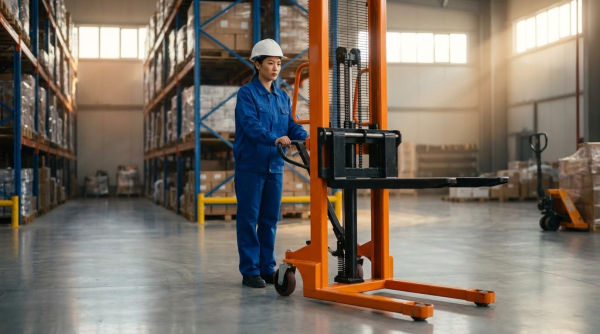
Dock operations decide how high you can stack empty pallets on a truck in real life. Good controls link OSHA rules, fire codes, and transport limits with daily habits on the dock. This section focuses on inspection, handling limits, visual rules, and the role of AGVs, cobots, and Atomoving systems. The goal is stable stacks, clear aisles, and repeatable loading methods that survive real transport conditions.
Inspection, Sorting, And Removal Of Damaged Pallets
Inspection before stacking is the first control that affects safe stack height on a truck. Teams should check each pallet for cracked stringers, loose or missing deck boards, and protruding nails. Damaged pallets reduce stiffness in the stack and lower the safe height long before code limits such as the 15‑foot NFPA cap apply. Facilities should remove defective pallets from service and route them to repair or disposal.
Sorting by pallet type and size also improves stack stability. Mixing plastic, wood, and pooled pallets in a single stack can create uneven contact areas and tilt. Better practice groups like pallets together and keeps stack footprints uniform. This helps maintain straight, vertical load paths when stacks ride in a moving truck. It also supports consistent answers to the question how high can you stack empty pallets on a truck for each pallet family.
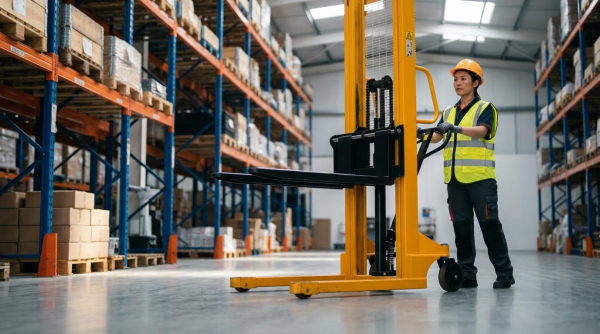
Forklift, Jack, And Manual Handling Limits
Handling limits often control stack height before code limits do. Manual stacking should stay low. A common guideline is no more than six empty pallets stacked by hand and no down‑stacking from above about nine pallets. Higher manual work increases fall and musculoskeletal risk.
Forklifts and pallet jacks handle taller stacks but must stay within equipment ratings. OSHA 1910.178 requires operators to follow the rated load on the data plate. That rating drops as the load center rises, so very tall empty pallet stacks can still overload a truck mast. Facilities should set written limits for how many empty pallets may be lifted or moved as one unit.
On the dock and in the trailer, operators must keep loads low when traveling. They should stop if a stack leans, then down‑stack to a safe height. These rules reduce tip‑over risk when trucks brake, corner, or hit rough pavement.
Visual Limits, Training, And OSHA-Compliant Programs
Visual rules make stack limits easy to follow under pressure. Facilities can mark maximum stack heights on walls, trailer posts, or dock doors using paint bands or decals. These markers should reflect both fire code guidance, such as the 15‑foot idle pallet limit, and practical driver visibility needs. Forklift operators usually lose forward sight when stacks rise above roughly 1.5 meters to 1.6 meters.
Training links these visuals to OSHA 29 CFR 1910.176(b), which requires stacks to be stable, blocked, and limited in height. Programs should cover how to spot leaning stacks, when to stop work, and how to correct unsafe loads. Written procedures and refresh training help new staff understand why an empty pallet stack that is legal on the floor may still be too tall on a moving truck.
A simple dock checklist supports compliance. It can include items such as clear aisles, 18‑inch sprinkler clearance in staging zones, and verification that trailer pallet stacks match site limits. Supervisors can review incident data and adjust height limits when near‑miss reports show problems.
Integrating AGVs, Cobots, And Atomoving Systems
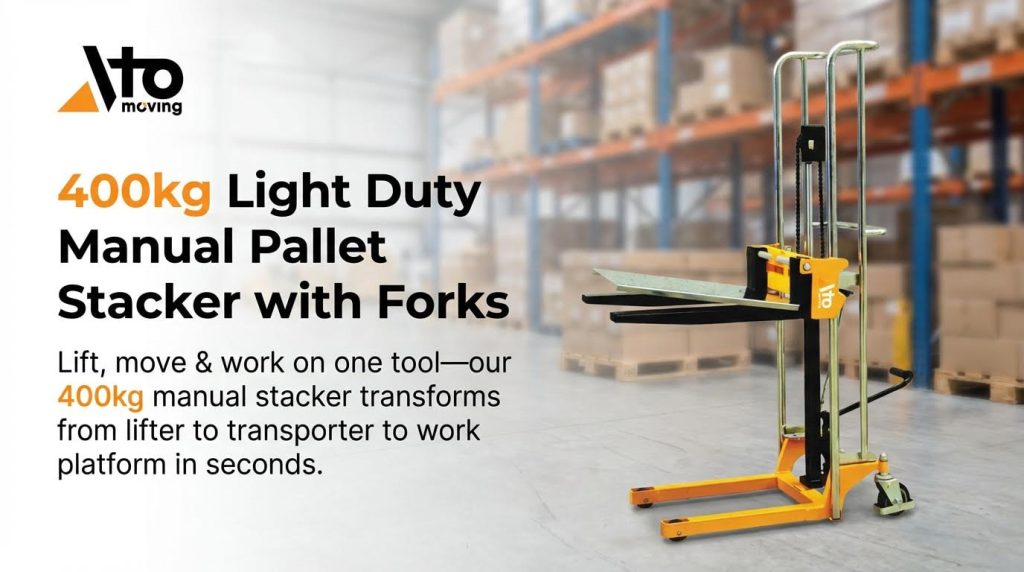
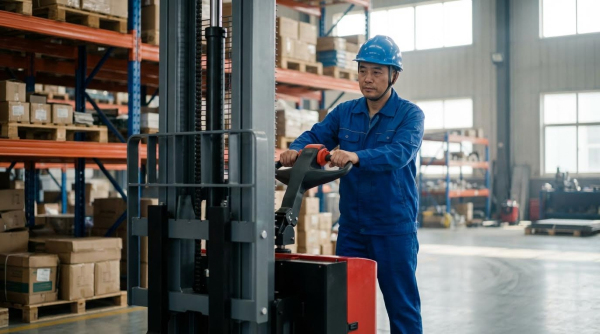
AGVs, cobots, and Atomoving systems can enforce safe pallet stack heights automatically. These systems can restrict missions that exceed a defined pallet count per stack. They can also reject missions that would place stacks where sprinkler clearance or aisle width would be violated. This reduces operator guesswork about how high you can stack empty pallets on a truck for each route and trailer type.
Automation also improves repeatability. AGVs follow fixed speeds and paths, which lowers dynamic forces on tall stacks during acceleration and braking. Cobots can handle low manual tasks such as top‑layer removal, so workers do not climb or reach over high stacks. Integrated sensors can detect skewed stacks or damaged pallets and divert them to rework lanes.
When deploying these systems, engineers should model trailer interiors and dock geometry. Digital rules can then cap stack height by trailer type, tie‑down method, and road profile. Over time, data from sensors and incident logs can refine these limits, balancing cube utilization with stable, code‑compliant pallet stacks in transit.
Summary: Safe, Compliant, And Stable Pallet Stacking
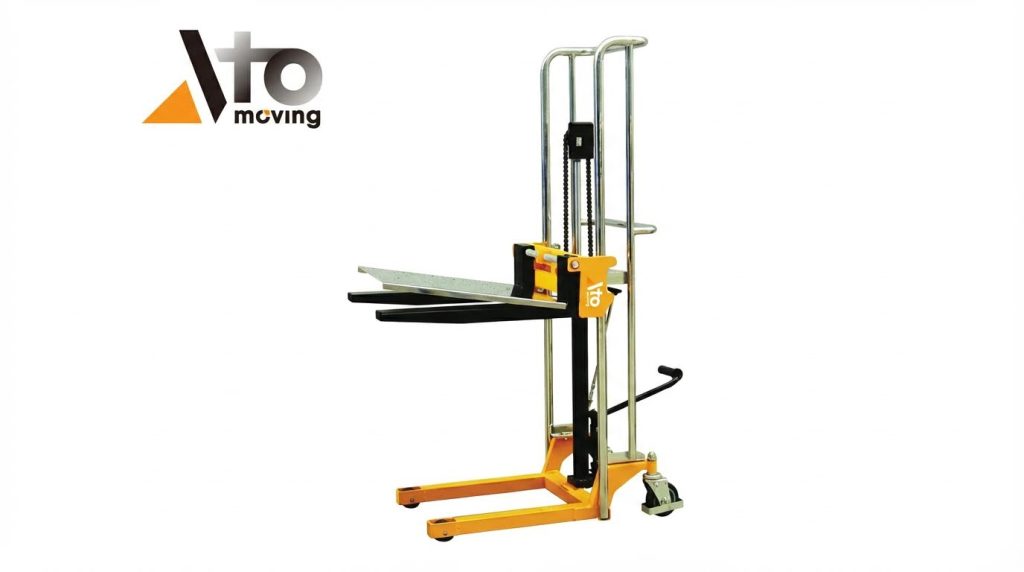
Safe practice for how high can you stack empty pallets on a truck must align with OSHA stability rules and NFPA idle pallet limits. On the dock and inside trailers, stacks should stay within typical transport guidance of about 15 pallets in box trucks and about 18 pallets in semi-trailers, provided stability and visibility remain acceptable. Facilities also had to keep 18 centimetres of vertical clearance below sprinklers and respect the NFPA 15‑foot limit for idle pallet stacks in storage zones. These code anchors gave engineers a clear ceiling for both warehouse staging and trailer loading plans.
From an engineering view, stable pallet stacks relied on sound foundations, uniform pallet types, and a low combined centre of gravity. Column or interlocked patterns, anti‑slip interfaces, and proper blocking helped control lateral movement during braking, cornering, and vibration in transit. Digital twins and instrumented test loads allowed teams to validate stack height, tie‑down layouts, and trailer loading patterns before wide deployment. This data-driven approach reduced trial‑and‑error and supported defensible internal standards.
Operationally, inspection programs, damage removal, and clear visual height limits turned code language into daily practice. Forklift, jack, AGV, cobot, and Atomoving workflows needed consistent rules for approach, lift height, and travel visibility around tall empty stacks. Future trends pointed toward more simulation, real-time monitoring, and integrated safety analytics, but the core,
Frequently Asked Questions
How high can you stack empty pallets on a truck?
The maximum height for stacking empty pallets on a truck is generally around 15 feet, or approximately 4.5 meters. This limit ensures stability and safety during transportation. Pallet Storage Guide. For outdoor storage, the same height limit applies to prevent accidents. Safe Pallet Stacking Tips.
- Ensure pallets are evenly aligned to avoid leaning or collapsing.
- Secure pallets with straps or shrink wrap to prevent shifting.
What is the height limit for stacking pallets safely?
For safe stacking, pallets should not exceed 15 feet (4.5 meters) in height. This recommendation comes from industry standards aimed at preventing accidents in busy work areas. Pallet Safety Guidelines. If you’re working in confined spaces or transporting goods, consider reducing the height further to ensure better stability.