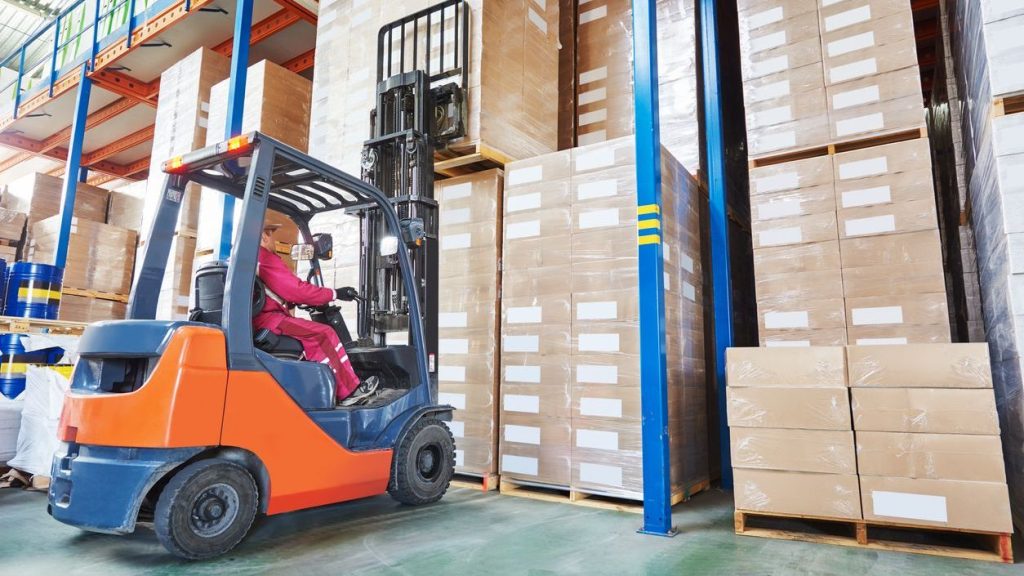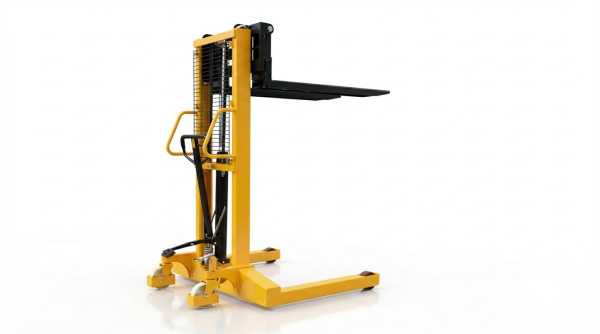
Straddle stackers could operate on asphalt if surface quality, wheel selection, and duty cycle match the machine’s design limits. This article explains how asphalt flatness, slope, drainage, and cleanliness affect stability and tire wear when you ask whether a straddle stacker can run on asphalt. It then compares wheel and tire options for asphalt, outlines outdoor power and safety factors, and closes with a practical summary of when asphalt use is technically acceptable. Engineers, fleet managers, and safety professionals can use these guidelines to specify, operate, and maintain stackers for controlled outdoor service on asphalt.
Surface Requirements For Asphalt Operation
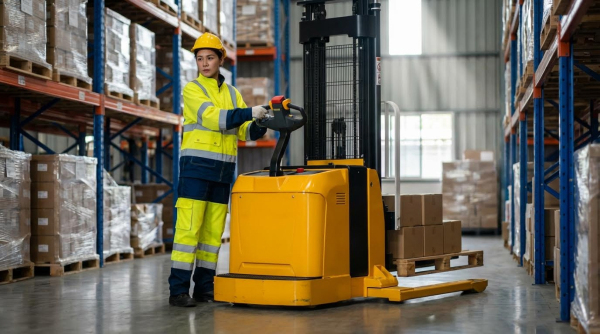
Engineers assessing whether a counterbalanced stacker can run on asphalt must treat the surface as part of the load-bearing system. Asphalt stiffness, flatness, slope, and cleanliness all influence wheel contact, braking distance, and tip-over margins. Correctly prepared asphalt supports predictable traction and low rolling resistance, while poor surfaces accelerate wheel damage and destabilize the truck. The following criteria help decide when asphalt is suitable and what limitations apply.
Minimum Asphalt Quality And Flatness Criteria
Asphalt used for straddle stacker traffic should match at least light-duty roadway standards. The wearing course must be fully cured, with no visible rutting, pumping, or surface bleeding. Flatness should approximate indoor industrial floors, with local height deviations typically below 5 mm over 2 m straightedge. Larger bumps or depressions cause dynamic load shifts, which reduce stability margins and increase mast oscillation. Cracks, potholes, and patched areas under wheel tracks concentrate stress and can lead to sudden wheel drop, especially with small-diameter load wheels. If the question is “can straddle stacker run on asphalt,” the answer is yes only when the asphalt provides continuous, firm, and reasonably level support.
Slope Limits, Drainage, And Ramp Design
Straddle stacker manufacturers specified maximum gradients, often between 5% and 10% for travel without load and lower values when loaded. Asphalt ramps must stay within these published limits and avoid abrupt grade changes at transitions. A smooth vertical curve prevents the drive or load wheels from losing contact or bottoming the chassis. Drainage design should route water away from wheel paths to avoid standing water, which reduces friction and hides defects. Crossfall should remain gentle, typically below 2%, to limit lateral pull and side-tip risk. When planning outdoor routes, position loading and turning zones on the flattest asphalt segments, and restrict ramp use to travel with the mast and load in the lowest practical position.
Cleanliness, Contamination, And Debris Control
Asphalt yards often accumulate sand, gravel, manual pallet jack fragments, and metal offcuts, which significantly affect small industrial wheels. Loose aggregate increases rolling resistance and can wedge under load wheels, causing shock loads and steering deviations. Oil, fuel, and hydraulic fluid spills reduce friction and extend braking distances, especially for polyurethane or hard rubber wheels. A documented sweeping and inspection routine should keep wheel tracks clean, with particular focus on ramps, intersections, and dock approaches. Remove embedded debris from wheel contact zones and repair any raveling surfaces before regular traffic resumes. Effective contamination control not only improves traction but also extends wheel life and reduces the risk of punctures for pneumatic tires used in some outdoor configurations.
Indoor-Designed Units Used Outdoors
Indoor-rated straddle stackers can operate on asphalt in short, controlled runs if the surface quality approaches that of a warehouse floor. These units typically use smaller, harder wheels that tolerate smooth asphalt but suffer on coarse or damaged pavement. Limit their outdoor duty to short distances, low speeds, and favorable weather, avoiding heavily cracked, sloped, or gravel-contaminated areas. Operators should keep loads low, reduce steering angles on uneven patches, and never raise loads while crossing ramps or joints. For sites where the question “can straddle stacker run on asphalt” arises frequently, engineers should distinguish between occasional transfer on high-quality asphalt for indoor units and continuous outdoor duty, which requires equipment and wheels specifically rated for rougher external surfaces.
Wheel And Tire Selection For Asphalt Use
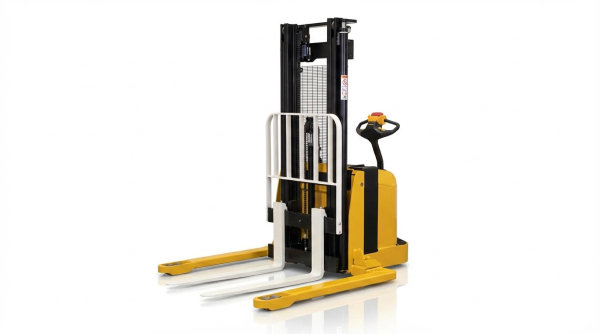
Wheel and tire selection largely determines whether a counterbalanced stacker can run on asphalt safely and efficiently. Engineers must match wheel material, geometry, and bearing design to asphalt stiffness, surface texture, and expected temperature range. Incorrect choices increase rolling resistance, vibration, and tipping risk, especially when the truck operates near its rated capacity. The following subsections focus on how wheel types, tire construction, and maintenance practices influence outdoor performance on asphalt surfaces.
Polyurethane Vs. Rubber Wheels On Asphalt
Polyurethane wheels historically dominated indoor applications because they offered low rolling resistance and high load capacity on smooth concrete. On asphalt, however, rubber wheels typically provided better traction and shock absorption, especially where the surface included small defects or temperature swings. Polyurethane treads could harden in cold conditions and transmit more vibration, which increased operator fatigue and accelerated bearing wear. Rubber wheels conformed better to the microtexture of asphalt, reduced impact loads on the chassis, and improved braking performance, which directly affected whether a lift stacker could run on asphalt with acceptable safety margins. Engineers often specified polyurethane for short, light-duty outdoor crossings on dense, smooth asphalt, and rubber for regular outdoor duty cycles.
Solid, Pneumatic, And Non-Marking Tire Choices
Solid tires suited straddle stackers that carried high loads at low speeds where puncture risk remained high and downtime costs were significant. On asphalt, solid rubber or solid elastomer tires resisted cuts from small debris but offered limited shock absorption, so they required relatively flat, defect-free surfaces. Pneumatic tires worked better on rougher or older asphalt because their air volume absorbed shocks and reduced peak dynamic loads on the mast and load, but they introduced blowout risk and required pressure monitoring. Non-marking compounds, usually based on light-colored rubber or polyurethane, reduced floor staining but often had lower heat dissipation and load capacity, which mattered on dark asphalt that absorbed solar radiation. When users asked if a walkie pallet truck could run on asphalt, the answer depended strongly on whether its tires combined adequate load rating, puncture resistance, and temperature tolerance for the specific outdoor route.
Load, Speed, And Tire Wear Considerations
Tire selection for asphalt use required a clear definition of maximum load, travel distance, and average speed. Higher loads increased contact stresses and hysteresis losses in the tread, which accelerated wear and raised operating temperature, particularly on coarse or hot asphalt. Elevated speeds amplified these effects and could cause chunking or rapid tread loss in under-specified tires, even when the stacker stayed within its rated capacity. Engineers typically calculated a duty-cycle-based load index and derated tire capacity for continuous outdoor use to keep operating temperatures within manufacturer limits. This analysis directly influenced whether a given straddle stacker could run on asphalt all day or only perform occasional outdoor transfers between buildings.
Maintenance Practices To Extend Wheel Life
Regular maintenance significantly extended wheel and tire life for straddle stackers operating on asphalt. Technicians needed to inspect tread depth, sidewall condition, and wheel bearings at defined intervals based on operating hours and outdoor exposure. Cleaning routes and removing gravel, metal fragments, and broken asphalt pieces reduced cut and puncture risk, especially for pneumatic and softer non-marking tires. Correct inflation of pneumatic tires, proper torque on wheel fasteners, and timely rotation of drive and load wheels helped equalize wear and maintained predictable handling. By coupling appropriate wheel selection with disciplined maintenance, operators improved safety, reduced downtime, and ensured that the straddle stacker could run on asphalt within its intended lifecycle cost targets.
Outdoor Duty Cycle, Power, And Safety Factors

Outdoor use on asphalt changes how engineers size power systems, define duty cycles, and set safety margins. When users ask whether a counterbalanced stacker can run on asphalt, they must consider more than wheel type. Energy consumption, thermal conditions, slope stability, and operator behavior all interact. This section focuses on how outdoor operation affects batteries, stability, safety systems, and lifecycle cost when a lift stacker runs on asphalt.
Battery Sizing, Charging, And Thermal Effects
Outdoor asphalt operation usually increases rolling resistance compared with polished concrete. Engineers should therefore assume higher current draw and size batteries with additional ampere-hour margin, especially for high-duty shifts. For electric units that can run on asphalt, onboard chargers and clear state-of-charge indicators support opportunity charging near outdoor work areas. Battery management plans should include monthly top-up charging during idle periods to avoid sulfation or deep-discharge damage. Thermal effects matter because dark asphalt heats quickly in sunlight and can raise battery temperature, which accelerates aging if it exceeds recommended limits. In cold climates, asphalt cools faster than indoor floors, which reduces available capacity and voltage under load. Designers and fleet managers should validate outdoor duty cycles using real energy measurements, then set conservative runtime expectations and charging intervals.
Stability Limits On Slopes And Uneven Ground
Whether a straddle stacker can run on asphalt safely depends strongly on slope and surface uniformity. Manufacturers specified maximum gradients, usually in the low single-digit percentages for loaded travel, and operators should never exceed these values. On asphalt ramps, the stacker should travel slowly, with smooth acceleration and braking to limit dynamic load transfer. Best practice keeps the mast and forks as low as possible on any incline, because raising the load raises the combined center of gravity and cuts the stability margin. Turning on slopes or over patched asphalt with height steps significantly reduces lateral stability and increases tip risk. Procedures should require direction changes only on flat, level zones before or after the ramp. Load placement close to the mast, within rated capacity, is critical because asphalt imperfections amplify the effects of off-center or unstable loads.
Training, Procedures, And Safety Technologies
When a straddle stacker can run on asphalt, structured training becomes the primary risk control. Training programs should cover outdoor-specific hazards such as variable friction, surface defects, water films, and reduced visibility. Operators need clear rules for speed limits, ramp approach, and travel with or without loads on asphalt surfaces. Procedures should require inspection of outdoor routes for potholes, cracks, oil, or loose aggregate that could reduce traction. Safety technologies like low-speed modes, automatic braking, and obstacle-detection sensors increase protection when operating near loading docks or traffic crossings. Visual aids such as marked travel lanes and stop lines on asphalt improve route discipline and separation from pedestrians. After any outdoor incident or near miss, supervisors should review data logs and refine training content and procedures.
Lifecycle Cost, Downtime, And Specification Tips
Running a straddle stacker on asphalt affects lifecycle cost through higher tire wear, increased vibration, and potentially shorter battery life. Engineers should factor these effects into total cost of ownership calculations, not just purchase price. Wheel and tire selection for asphalt, along with correct inflation for pneumatic variants, strongly influences wear rates and downtime. Maintenance plans should include more frequent inspections of wheels, axles, and mast components because outdoor shocks and contamination accelerate fatigue and corrosion. When specifying a unit that can run on asphalt, buyers should document maximum gradient, daily travel distance outdoors, temperature range, and required uptime. This data supports correct selection of tire type, battery capacity, and protection systems. A well-specified straddle stacker for asphalt use typically shows lower unplanned downtime and more predictable operating costs over its service life.
Summary: When A Straddle Stacker Can Run On Asphalt
Straddle stackers could run on asphalt when surface, wheel selection, and duty cycle matched outdoor requirements. The key question was not only “can straddle stacker run on asphalt” but “under which constraints and with what risk level.” Engineers evaluated asphalt flatness, slope, wheel type, and power system before approving outdoor use.
From a technical standpoint, asphalt needed to be smooth, well-compacted, and free from potholes, standing water, or loose aggregate. Wheel and tire choices strongly influenced feasibility: rubber or high-grade polyurethane wheels with adequate diameter and contact area improved traction and reduced point loading on softer asphalt. Solid or pneumatic tires each offered trade‑offs between puncture resistance, shock absorption, and rolling resistance, which engineers balanced against load, speed, and expected wear.
Outdoor duty cycles on asphalt demanded correct battery sizing, robust charging practices, and consideration of temperature effects on both batteries and hydraulic systems. Stability limits tightened on slopes and uneven patches, so operators kept loads low, avoided turning on inclines, and respected manufacturer gradeability ratings. Training, clear procedures, and safety technologies such as speed limiting and obstacle detection significantly reduced incident rates.
In practice, a straddle stacker could safely run on asphalt when four conditions aligned: compliant surface quality, wheels and tires specified for outdoor or mixed use, conservative operating procedures, and preventive maintenance focused on wheels, brakes, and light duty electric stacker batteries. Indoor-designed units still operated on short, smooth asphalt stretches, but engineers restricted their use, reduced load and speed, and monitored tire wear and structural fatigue. As outdoor-capable lift stacker evolved, users gained more flexibility, yet the engineering answer to “can straddle stacker run on asphalt” remained conditional, not absolute, and always tied to site-specific risk assessment and adherence to standards. Additionally, some applications benefited from battery-powered stacker models designed for mixed-use environments.