

Knowing how to inspect a pallet truck correctly reduces accidents, unplanned downtime, and damage to goods. This guide walks through a practical, step‑by‑step inspection program for manual and electric pallet trucks, from forks and hydraulics to batteries and records. You will see how to align your checks with common safety expectations, structure daily and periodic inspections, and integrate documentation into your facility workflow. Use it as a working checklist to tighten safety, improve handling efficiency, and extend truck service life.
Defining A Robust Pallet Truck Inspection Program
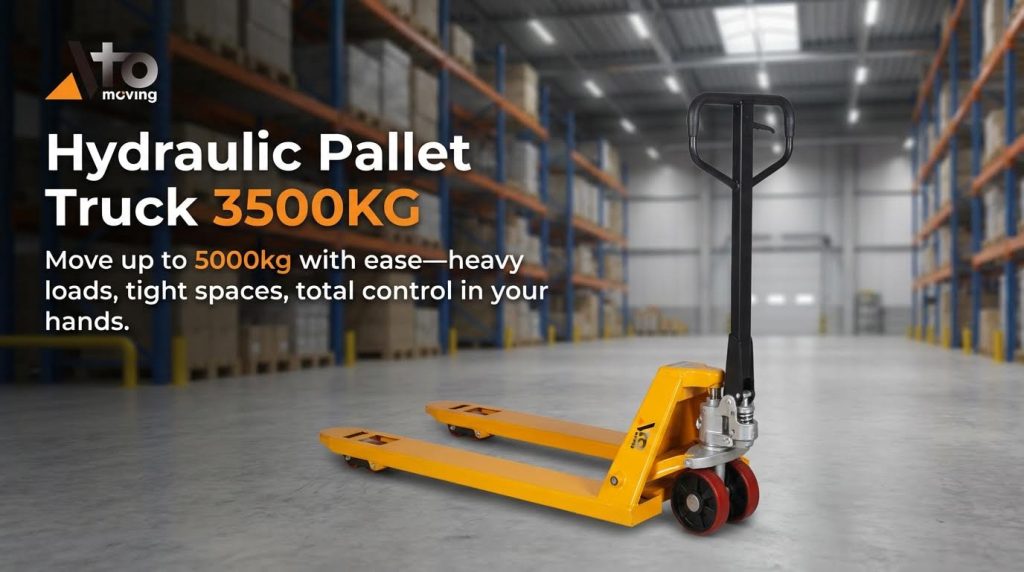
Types Of Pallet Trucks And Risk Profiles
Before you decide how to inspect a pallet truck, you need to match the inspection depth to the truck type and its risk profile. Manual, semi-electric, and fully electric units all fail in different ways and create different hazards for operators and loads.
- Manual pallet trucks: Main risks come from structural failure of forks and frame, worn wheels, and leaking hydraulics. A robust program focuses on visible cracks, bent forks, damaged load rollers, and hydraulic leaks or poor lift performance, supported by daily visual checks and functional tests.
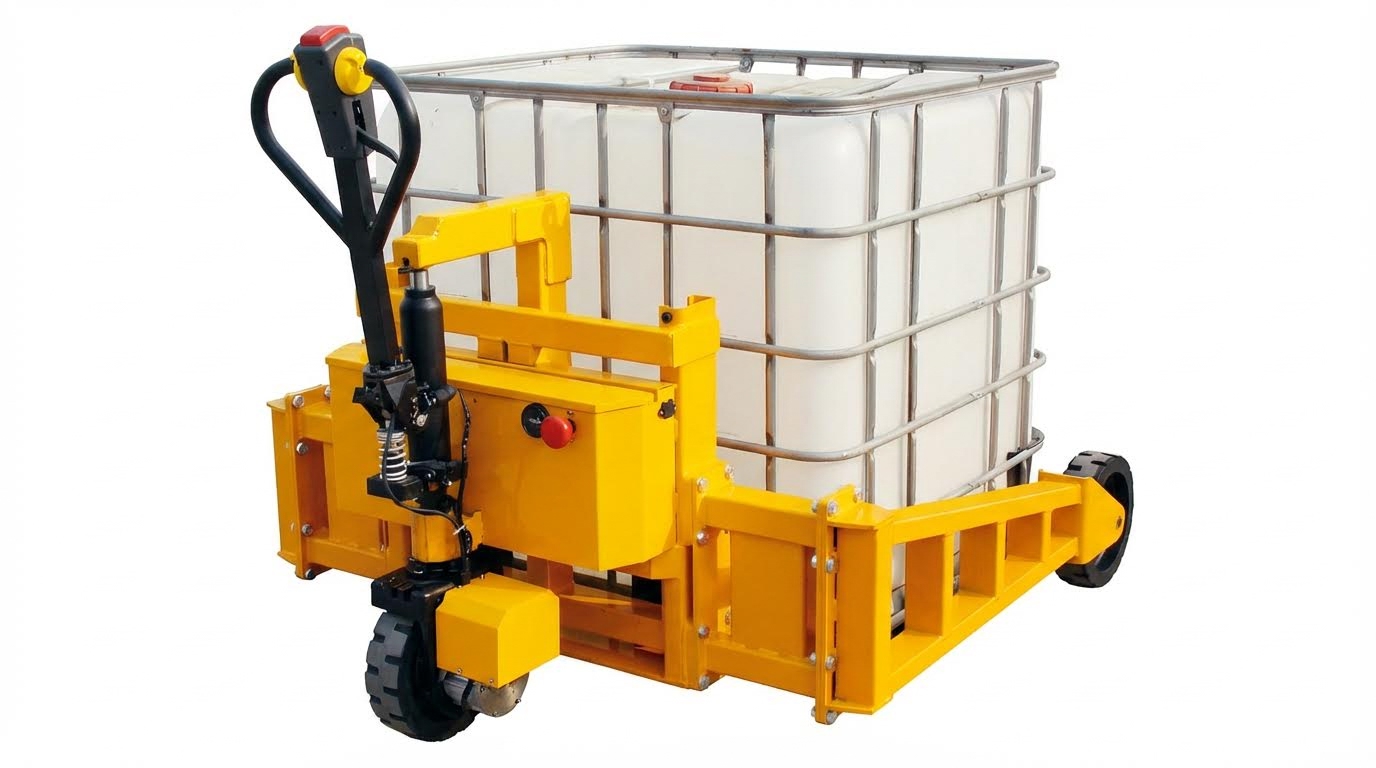
- Electric pallet trucks: Add electrical and battery risks to the mechanical ones. Your checklist should cover battery condition, charging practices, wiring damage, and control function, alongside standard checks for wheels, forks, and hydraulics, because early wear detection prevents major breakdowns and costly repairs by catching damage or excessive wear on key components.
- Environment and duty cycle: High-throughput docks, cold stores, and rough floors increase risk. Trucks in multi‑shift or harsh environments need more frequent inspections and tighter wear limits than low‑use store-room units.
- People and process risk: Sites with many new or agency operators, tight aisles, or heavy loads should classify pallet trucks as higher risk and require documented pre‑use checks, clear out‑of‑service tagging, and supervisor review of failed inspections.
How risk profiles shape your inspection checklist
For low‑risk, light‑duty manual trucks, a short pre‑use checklist plus a monthly detailed inspection is often enough. For high‑risk electric trucks working multiple shifts, combine a structured pre‑shift check, weekly condition review of wheels, forks, and hydraulics, and scheduled battery and electrical inspections aligned with your maintenance plan.
Regulatory And Standards Framework (OSHA/ANSI)
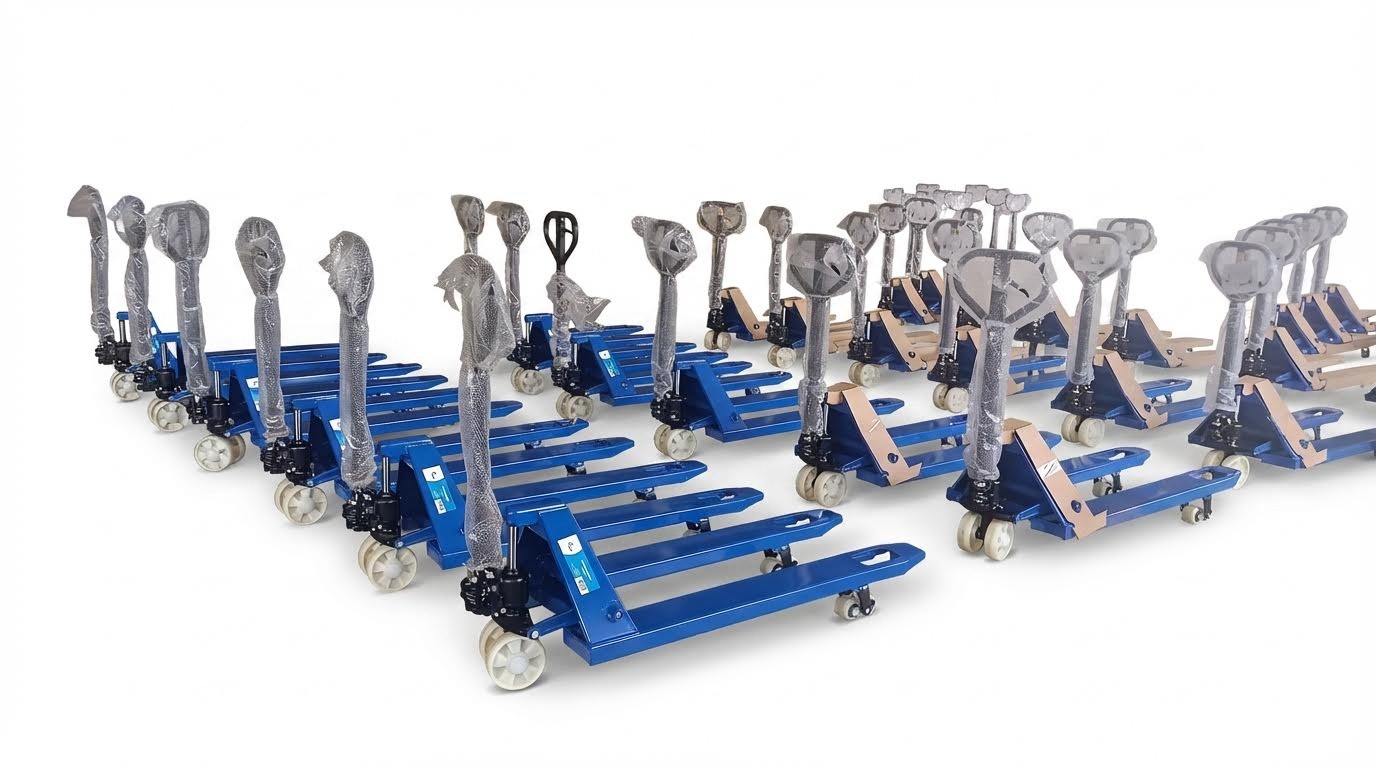
A robust pallet truck inspection program must align with general safety duties in OSHA regulations and good practice from ANSI-style standards, even where no single rule lists every check item. This framework guides how to inspect a pallet truck so that it is both safe and legally defensible.
- Daily/pre‑use inspections: OSHA-style powered industrial truck rules require trucks to be examined before being placed in service each day and removed from service if unsafe. For pallet trucks, this translates into daily checks of structural components, wheels and castors, brakes, hydraulics, and load rating visibility, ensuring all structural parts are free of cracks or damage and that safety decals and nameplates are legible as part of a general inspection.
- Defect and out‑of‑service rules: A compliant program defines that any truck with critical defects is tagged “out of service,” removed from the work area, and reported with specific fault details to supervisors and maintenance so it is not used until repaired.
- Inspection area and documentation: Good practice is to set up a designated, well‑lit inspection area and maintain records of all inspections, including dates, inspector names, equipment IDs, and notes about issues and repairs to demonstrate compliance and support preventive maintenance planning.
- Checklist structure and frequency: Your written program should define daily operator checks and more thorough periodic inspections by trained maintenance staff, using a clear PASS/FAIL checklist format with duplicate copies where needed for record-keeping and display at the truck location so both operators and supervisors see the status.
Aligning your site rules with standards
To turn this framework into practice, assign responsibility for pre‑use checks to operators, set minimum inspection frequencies, define pass/fail criteria, and integrate findings into your maintenance system. This closes the loop between standards, daily operation, and long‑term reliability of your pallet truck fleet.
Step-By-Step Mechanical And Safety Inspection Checklist
Forks, Frame, And Load Handling Components
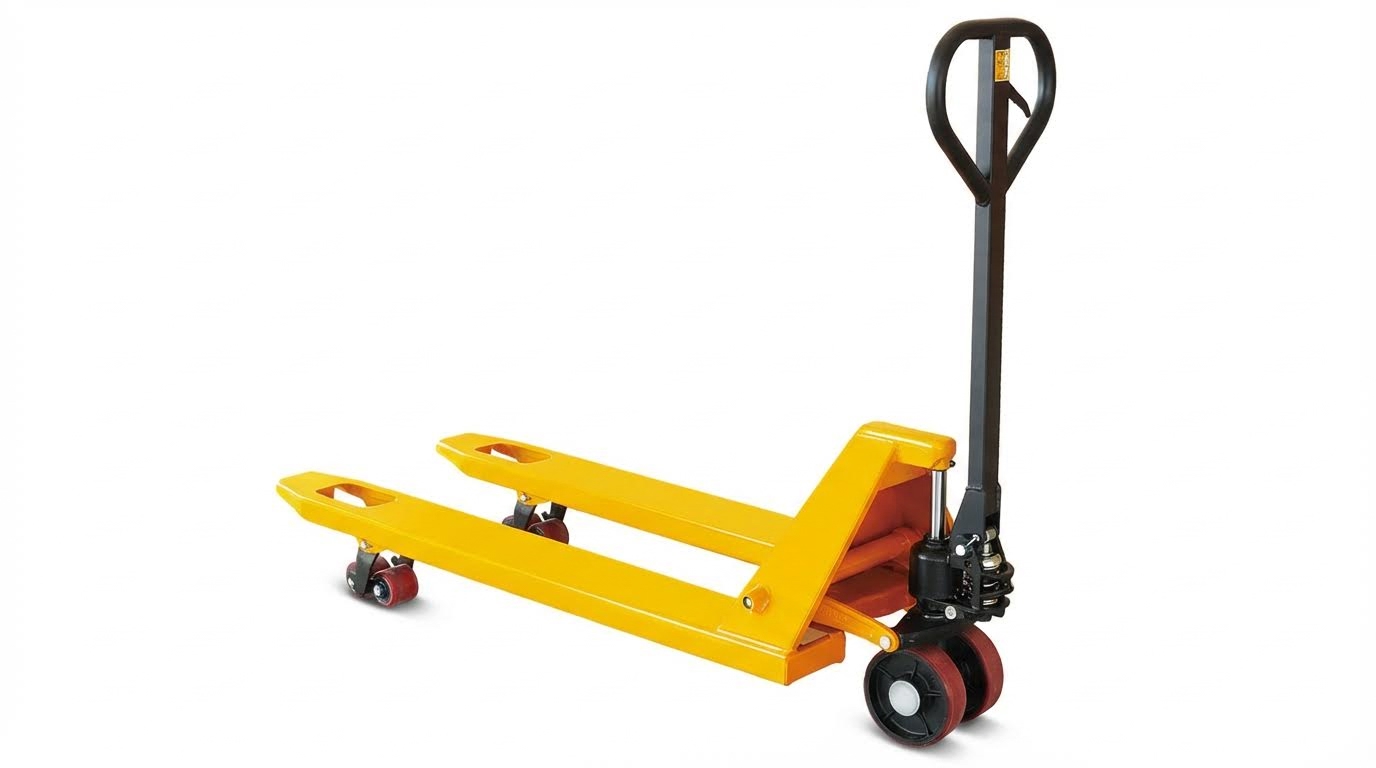
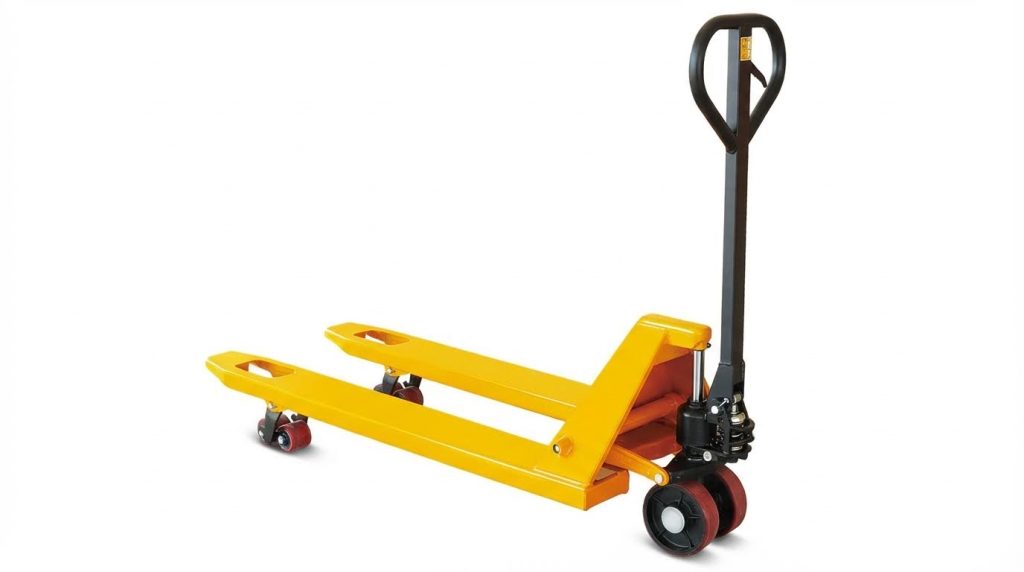
When planning how to inspect a pallet truck, always start with the load path. Check that the rated capacity plate is present, legible, and suitable for the loads in your facility and that forks can support that capacity safely. Inspect forks along their full length for bends, cracks, or twisting, and verify that fork tips are not chipped or excessively worn, which can lead to pallet damage or sudden failure.
- Measure fork height difference at the tips; a visible mismatch can indicate structural damage or misalignment.
- Check welds at the heel, fork hangers, and frame junctions for cracks or rust trails that suggest fatigue.
- Confirm the load backrest or any load‑retention device is present, straight, and firmly secured with all fasteners in place so attachments remain properly installed.
Walk the frame from handle to fork tips and look for dents, bent sections, or corrosion that could reduce strength. Ensure all safety decals and the main nameplate are present and readable to support operator training and compliance checks during general inspection. If you find any structural crack, missing fastener, or illegible rating, tag the truck out of service and report it for maintenance before use.
Wheels, Castors, Steering, And Braking System
The next step in how to inspect a pallet truck is to verify that it can roll, steer, and stop safely under load. Spin each load wheel and steer wheel by hand to confirm they rotate freely and are free from flat spots, chunking, or excessive wear that would impair smooth travel. Check that axles, spacers, and retaining clips are present and tight, and look for embedded debris around wheels that could cause jamming or tracking issues.
- Operate the tiller through its full steering range and confirm there is no excessive play, binding, or grinding in the pivot or linkage.
- Inspect steering linkage pins and bushings for visible wear and proper lubrication, as dry joints increase steering effort and wear.
- Test the parking or service brake on a flat floor and then on a slight incline, confirming it engages smoothly, does not require excessive force, and holds the truck completely stationary when applied in all test positions.
Listen for abnormal noises such as scraping or knocking while rolling the truck, which often point to bearing or axle damage. Any wheel with severe wear, cracked material, or loose mounting should be replaced before the truck returns to service because worn wheels directly affect stability and load capacity. If braking performance is inconsistent or steering feels unpredictable, remove the truck from operation and escalate for repair.
Hydraulics, Lubrication, And Lift Performance
Hydraulic health is central to safe lifting, so it is a critical part of how to inspect a pallet truck. Begin by checking for visible oil leaks around the pump unit, cylinder, hoses, and fittings, including under the truck after it has been parked. Verify that the hydraulic fluid level meets the manufacturer’s specification and that the fluid appears clean, without foam or contamination since low or dirty oil compromises valves and cylinders.
- Operate the lift with the handle or control to raise the forks through the full stroke; the motion should be smooth, without jerks, unusual noise, or hesitation.
- With a test load within the rated capacity, confirm that the forks reach and hold the required lift height without creeping down over a short observation period.
- Inspect pivot points, linkages, and lift chains or rods and apply appropriate lubrication to hinges, joints, and bearings to reduce friction and wear while avoiding over‑lubrication that attracts dirt.
Check entry and exit rollers at the fork tips, ensuring they roll freely and allow the pallet to be taken smoothly without impact during pallet entry. Weekly visual checks of hydraulic components for leaks, dried or cracked seals, and damaged hoses help prevent sudden failures in service and extend component life. Any sign of rapid lowering under load, spongy lift response, or recurring leaks is grounds to tag the truck out of service until a qualified technician repairs and tests the system.
Electric Pallet Trucks, Documentation, And TCO

Battery, Electronics, And Charging Safety Checks
When planning how to inspect a pallet truck with electric drive, start with the battery and wiring. Check the battery case for cracks, leaks, or swelling, and confirm vents are clear. Inspect cables and connectors for cuts, frayed insulation, loose lugs, or discoloration that suggests overheating. Wiring and electrical parts should be inspected for visible damage or fraying to keep the truck safe and fully functional. Electrical Component Inspection
- Follow correct charging practices: avoid full discharge, plug in at recommended charge level, and allow full charge cycles for longer battery life. Battery Charging Practices
- Keep terminals clean and tight. Remove corrosion and dust buildup to maintain optimal power flow and prevent heat spots or arcing. Battery Terminal Maintenance
- Store electric pallet trucks in a cool, dry place, away from direct sun and freezing conditions, to protect battery performance. Storage Conditions for Equipment
- Include a quick functional test in every inspection: power on, check display or indicator lights, horn, emergency stop, and travel/lift controls.
Why cleaning and hydraulics still matter on electric units
Dirt and debris can obstruct moving parts and cooling airflow, so cleaning the pallet truck after use maintains smooth operation. Cleaning After Use Electric pallet trucks also rely on hydraulic systems for lift, so check oil level and look for leaks or damaged hoses as part of the standard inspection. Hydraulic System Maintenance
Inspection Frequency, Records, And Digital Checklists
For electric models, the logic of how to inspect a pallet truck stays the same: frequent, light-touch checks plus scheduled deep inspections. Operators should carry out pre-use inspections at the start of each shift, while maintenance staff handle more thorough periodic checks. Inspection Frequency Daily checks focus on visible damage, battery charge and connections, wheels, brakes, and basic functionality. Weekly or monthly routines go deeper into fasteners, wiring condition, hydraulic components, and wear trends.
Good documentation closes the loop between inspection and maintenance. Records should capture date, time, equipment ID, hours (if available), inspector name, and specific defects found or items serviced. Documentation If a defect is found, tag the truck “out of service,” remove it from the work area, and report the issue with clear detail so maintenance can act quickly. Defective Equipment Protocol
- Use a designated, well-lit inspection area so operators can see leaks, cracks, and wiring damage clearly. Inspection Area Setup
- Adopt duplicate or digital checklists with PASS/FAIL status to make sign-off and escalation simple. Checklist Design
- Digital systems can timestamp inspections, attach photos of defects, and trigger automatic work orders for maintenance.
Typical inspection schedule for electric pallet trucks
Daily tasks usually include visual checks, brake tests, battery charge status, and functional tests of lift and drive. Daily Maintenance Schedule Weekly and monthly tasks focus on tightening fasteners, thorough cleaning, and inspecting structural welds, bearings, and axles, with annual checks targeting deeper component wear and replacement. Weekly, Monthly, Annual Maintenance
Cost Of Ownership, Tools, And Facility Integration
Understanding how to inspect a pallet truck also means understanding cost of ownership. A structured inspection program reduces breakdowns, extends battery and component life, and lowers unplanned downtime. When you choose inspection tools and systems, look beyond purchase price and evaluate long-term cost of ownership; low recurring costs and durable equipment are preferable. Cost of Ownership
| Aspect | What To Look For | Impact On TCO |
|---|---|---|
| Inspection tools | Weather-resistant, self-cleaning or low-maintenance designs that handle dirt and moisture | Less replacement and repair cost over time |
| Software & checklists | Simple navigation, fast data entry, and trend reporting | Less admin time, better decisions from stored inspection data |
| Facility layout | Dedicated inspection and charging areas integrated into traffic flow | Higher throughput, fewer bottlenecks around charging and maintenance |
Inspection systems that integrate with your maintenance or fleet software let you store results, track trends, and generate management reports for better planning. Management Tools Simple diagnostic tools with accurate readings and consistent user interfaces help technicians work faster and reduce training time. Diagnostic Tool Navigation and Accuracy
Integrating inspections into your facility workflow
Plan charging, inspection, and minor repair zones into your warehouse layout to avoid congestion and unnecessary truck travel. Facility Design Considerations Choose systems that can scale with fleet size, withstand harsh conditions, and receive regular software updates so they remain reliable over the life of your electric pallet trucks. Durability Under Harsh Conditions Reliability and Longevity
Key Takeaways For Reliable Pallet Truck Operations
A reliable pallet truck fleet does not happen by chance. It comes from a structured inspection program that links geometry, structure, hydraulics, and electrics to clear pass/fail rules. When operators check forks, frames, wheels, brakes, and hydraulics before use, they catch cracks, misalignment, and leaks before these faults turn into dropped loads or injuries. Electric units add battery and wiring risks, so teams must treat charging, cable condition, and control tests as core safety checks, not extras.
OSHA-style daily inspections and documented out-of-service tagging give supervisors a defensible system and protect operators on the floor. Digital checklists and simple diagnostic tools turn inspection data into maintenance actions and trend insights, which cuts downtime and total cost of ownership. The best practice is clear: define risk-based inspection frequencies, train operators and technicians, and integrate inspection areas, charging, and minor repair zones into the facility layout. When you apply these principles with well-designed equipment from Atomoving and keep records tight, pallet trucks stay stable, predictable, and ready to work every shift.
,Please provide the `{reference}` data so I can parse, filter, and generate the FAQ section for “how to inspect a pallet truck.” The reference should include an array of objects containing the `output` field with JSON strings. Once you provide this, I’ll proceed with the task.