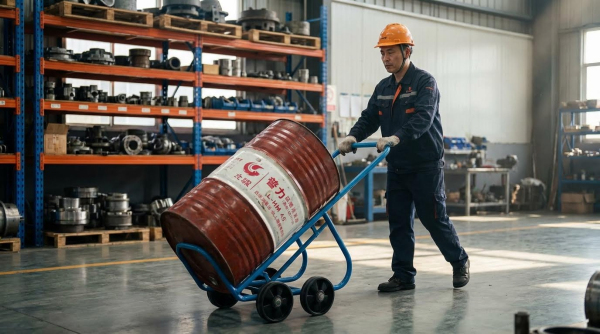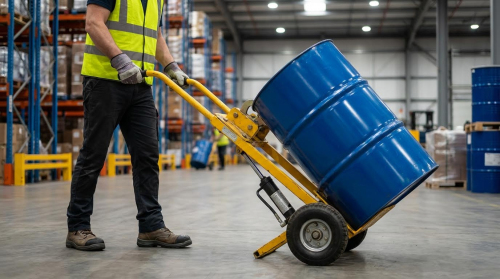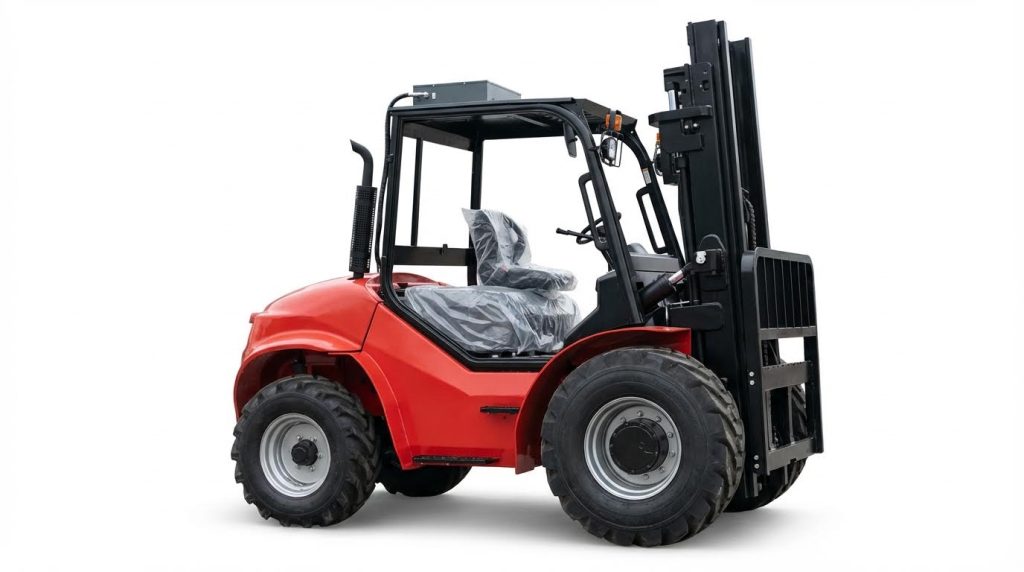
Forklift operations in warehouses increasingly extended beyond controlled indoor aisles into yards, loading docks, and mixed-use sites. This shift created distinct engineering, safety, and maintenance requirements for indoor versus outdoor applications. The full article examined how load profiles, environmental exposure, and surface conditions drove different specification and regulatory needs, and how fleet engineers selected appropriate classes, powertrains, tires, and cabins for each environment. It also analyzed training, OSHA-compliant inspections, and digital tools such as telematics and predictive maintenance, before concluding with an integrated strategy for managing forklifts that routinely transitioned between warehouse interiors and outdoor yards.
Comparing Indoor And Outdoor Forklift Requirements
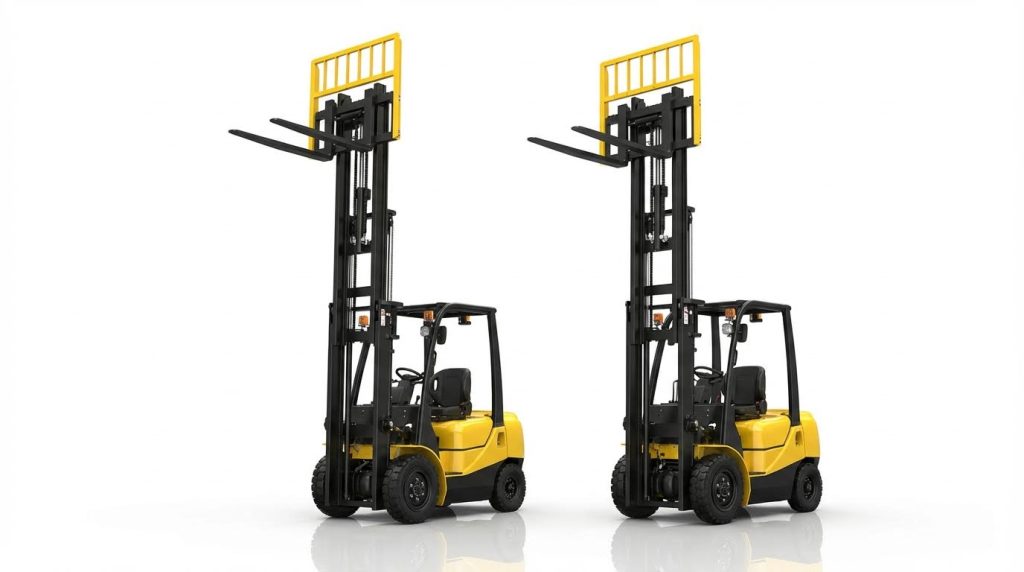
Indoor and outdoor forklift applications required different engineering and operational envelopes. Indoor fleets typically operated on predictable floors, with controlled climates and defined traffic patterns. Outdoor and mixed-use fleets faced variable weather, surfaces, and public exposure, which drove different safety and durability requirements. Comparing these conditions systematically helped spec the correct truck class, options, and maintenance regime.
Load Types, Duty Cycles, And Throughput Demands
Indoor warehouse operations usually handled palletized, unitized loads with standardized dimensions and known mass distributions. This allowed tighter matching of rated capacity, mast height, and aisle width to required throughput. Duty cycles indoors often involved high-frequency, short-distance shuttling between docks, racking, and staging zones. Outdoor work profiles differed; construction yards and dockyards handled irregular loads, variable centers of gravity, and more frequent full-capacity lifts. Travel distances outdoors were typically longer, with higher exposure to gradients and deceleration events, increasing thermal and mechanical loading on brakes, drivetrains, and hydraulics. Mixed indoor–outdoor fleets needed capacity and stability margins for the worst-case outdoor load cases, while still fitting indoor constraints such as doorway height and floor loading limits.
Environmental Factors: Temperature, Moisture, And Contaminants
Indoor forklifts operated in relatively stable temperatures, with limited moisture and lower airborne contamination. This reduced corrosion rates and extended component life, especially for electrical systems and hydraulic fittings. Outdoor forklifts faced rain, snow, hail, and solar load, which accelerated degradation of seals, hoses, and wiring. Low temperatures required attention to antifreeze concentration, cold-start performance, and hydraulic oil viscosity to avoid sluggish lifting and steering. High temperatures increased the risk of engine overheating and battery stress, making coolant checks and radiator cleanliness critical. Moisture, mud, and dust accumulated on exposed components and around tires, reducing grip and masking leaks. Outdoor specifications therefore favored higher IP-rated electrics, better sealing, corrosion-resistant coatings, and maintenance plans that included frequent cleaning and fluid checks.
Surface Conditions: Smooth Floors Vs. Rough Terrain
Indoor warehouse floors were usually flat concrete with known bearing capacity and minimal discontinuities. These conditions suited cushion tyres or smooth solid tyres, enabling tight turning radii and low rolling resistance. Stability calculations indoors assumed minimal surface-induced tilt, so tipover risks were dominated by operator behavior and load positioning. Outdoor environments introduced gravel, potholes, loose material, and abrupt changes in gradient. These features increased dynamic load shifts and lateral instability, especially with elevated masts. Pneumatic or foam-filled tyres with deeper tread and larger diameters improved traction and shock absorption on such terrain. Rough surfaces also raised impact loads into the mast, chassis, and attachments, which shortened service intervals and demanded more robust undercarriages. For indoor–outdoor transitions, specifiers had to balance floor protection and turning performance against the need for traction and clearance on yards and ramps.
Regulatory And Zoning Considerations Indoors Vs. Outdoors
Indoor forklift operation fell under stricter constraints on emissions, noise, and fire safety. Electric trucks or low-emission internal combustion units with appropriate exhaust treatment were typically required in enclosed spaces to comply with occupational exposure limits. Zoning within warehouses defined pedestrian aisles, storage areas, and restricted zones, and standards such as OSHA 1910.178 and ANSI B56.1 specified inspection frequency, safety devices, and operator training. Outdoor operation added interface with public or semi-public areas, such as car parks, access roads, and loading aprons. This increased the need for conspicuous lighting, signaling, and traffic management plans that considered non-trained pedestrians and vehicles. Weather-related zoning, such as exclusion of certain ramps during ice or heavy rain, also became necessary. Compliance frameworks required documented pre-shift inspections, removal of unsafe trucks from service, and clear demarcation of shared indoor–outdoor routes to manage transition risks.
Engineering Selection: Indoor, Outdoor, And Hybrid Fleets
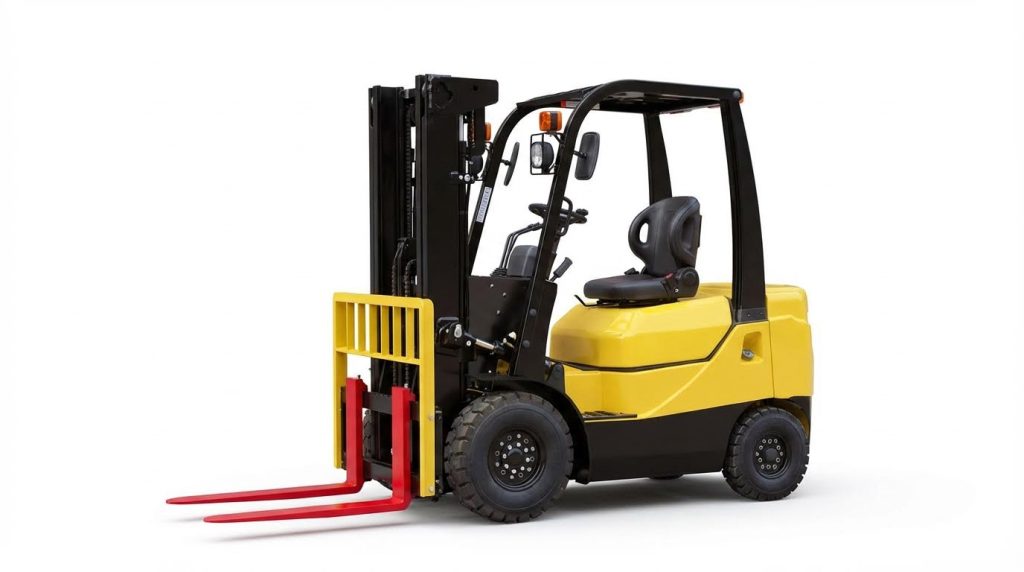
Engineering a forklift fleet for mixed indoor and outdoor use required a structured comparison of duty cycles, environments, and regulatory constraints. Indoor-only fleets typically operated on smooth, dry floors with tighter aisle geometry and higher emphasis on emission-free operation. Outdoor fleets experienced higher mechanical shock, thermal cycling, contamination, and weather exposure, which accelerated wear. Hybrid fleets bridged these conditions, so engineers needed to specify equipment that tolerated the harsher envelope without compromising indoor safety and air quality.
Forklift Classes, Powertrains, And Emissions Constraints
Indoor applications historically favored electric Class I and II trucks due to zero point-of-use emissions and low noise. Outdoor yards and construction areas often used internal combustion (IC) Class IV and V trucks with diesel, LPG, or CNG engines for higher power density and fast refueling. Hybrid fleets needed careful zoning so IC units did not enter confined or poorly ventilated spaces, in line with OSHA 1910.178 and ANSI B56.1 guidance. Engineers evaluated tailpipe emissions, ventilation capacity, and local air-quality rules when deciding whether LPG or diesel units could cross dock doors or remain strictly outside.
Powertrain selection also depended on gradeability, load mass, and required acceleration on uneven ground. Electric trucks with modern high-voltage lithium-ion packs delivered comparable performance outdoors but required IP-rated enclosures and thermal management. For IC units, fuel type affected cold-start reliability and exhaust treatment complexity. Lifecycle modeling compared fuel or energy cost, expected utilization hours, and maintenance burden before final selection.
Tire And Undercarriage Design For Floor Vs. Yard Use
Indoor trucks typically used cushion tires with small diameter and high hardness, which produced low rolling resistance on smooth concrete and tight turning radii in narrow aisles. These tires were unsuitable for gravel, potholes, or wet grass, where they lost traction and transmitted high shock loads to the mast and chassis. Outdoor units instead used larger pneumatic or foam-filled tires with deeper tread, which improved grip on loose or uneven terrain and provided shock isolation for the load and operator. Engineers sized tires based on maximum axle load, required contact pressure, and target ground conditions.
Hybrid fleets often required a compromise tire, such as smooth or semi-tread pneumatic tires that could traverse yards without damaging indoor floors. Undercarriage design also changed between environments. Outdoor trucks needed increased ground clearance, reinforced steer axles, and protected brake lines to resist impact from rocks and debris. Indoor units prioritized compact wheelbases and low counterweight overhang to minimize aisle width. Selection needed to ensure that the chosen undercarriage geometry still maintained rated stability on both flat floors and moderate slopes.
Cab, Visibility, And Ergonomic Protection In All Weather
Indoor-only trucks often operated with open cabs or overhead guards only, relying on stable temperatures and controlled lighting. Outdoor and hybrid operations required additional weather protection, including enclosed or semi-enclosed cabins, wipers, demisters, and heaters or air conditioning. These features reduced operator fatigue and preserved reaction times in extreme temperatures, directly influencing incident rates. Engineers specified glazing area, pillar design, and mirror or camera packages to maintain sightlines when adding cab structures.
Visibility aids were critical when moving between bright outdoor yards and dim warehouses, where the operator’s eyes needed time to adapt. Work lights, brake lights, and high-visibility markings improved detection by pedestrians in both zones. Ergonomic seats with suspension, adjustable armrests, and low-effort hydraulic controls reduced whole-body vibration and musculoskeletal stress on rough terrain. In cold climates, heated seats and controls improved dexterity, while in hot climates, ventilation and solar-reflective glazing helped control cab temperature.
Energy Use, Lifecycle Cost, And Maintenance Intervals
Outdoor exposure to dirt, moisture, and temperature extremes increased energy consumption and accelerated component wear. Pneumatic tires, rough surfaces, and frequent grade climbing raised traction losses compared with indoor concrete travel. Engineers modeled annual energy demand using duty profiles that captured travel distance, lift cycles, and typical gradients. For electric fleets, this analysis drove battery capacity, charging infrastructure sizing, and whether opportunity or fast charging was viable without overheating packs. For IC fleets, it informed tank sizes, on-site fuel storage, and refueling logistics.
Lifecycle cost comparisons combined capital cost, scheduled maintenance, unscheduled repairs, and downtime. Outdoor and hybrid trucks required shorter maintenance intervals for inspections of tires, brakes, steering joints, and hydraulic hoses. Daily pre-shift checks of fluid levels, tire pressure, and lighting were mandatory to manage the higher risk of weather-driven failures. Corrosion protection, underbody cleaning, and regular radiator and
Safe Operation, Training, And Digital Technologies
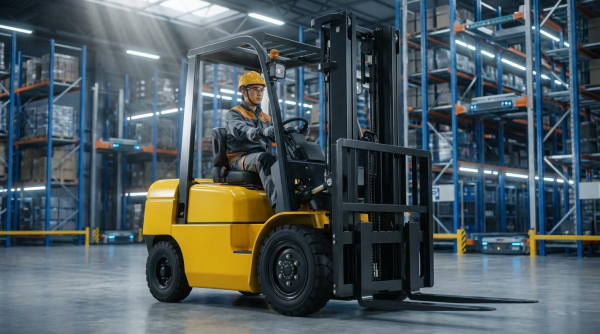
Safe forklift operation in mixed indoor–outdoor environments required a systems view that combined engineering controls, operator training, and digital oversight. Warehouses, yards, and loading docks presented different risk profiles, but incidents often shared root causes: poor visibility, inadequate communication, and missed maintenance. Leading operations therefore integrated traffic management, structured training, and data-driven inspection regimes into a single safety program. Digital tools such as telematics and electronic checklists increasingly underpinned this integrated approach.
Indoor Traffic Control, Pedestrian Safety, And Signaling
Indoor operations relied heavily on engineered traffic control to separate forklifts from pedestrians. Facilities typically used marked aisles, one-way systems, and designated crossing points to reduce conflict zones. Visual cues such as floor striping, overhead mirrors, and warning signs supported operator situational awareness. Audible and visual signaling, including horns, backup alarms, and blue or red warning lights, helped alert pedestrians in high-rack or blind-corner areas.
Training emphasized low travel speeds, controlled cornering, and strict right-of-way rules at intersections and dock doors. Operators needed to maintain clear sightlines, which required keeping loads low during travel and avoiding obstructed forward views. Where visibility was constrained, best practice involved using spotters with agreed hand signals or radio protocols. Consistent communication standards across shifts and contractors reduced misunderstandings, particularly in multilingual workforces.
Indoor layouts also considered interaction with other equipment such as pallet jacks, order pickers, and AGVs. Planners sought to minimize crossing flows and congested nodes where queuing could encourage risky overtaking. Periodic reviews of near-miss reports and telematics data supported continuous improvement of traffic plans. Adjustments to signage, speed limits, or aisle assignments followed evidence rather than anecdote.
Outdoor Hazards, Slopes, And Weather-Driven Risk
Outdoor forklift use introduced hazards absent from smooth warehouse floors. Uneven or loose surfaces, potholes, rocks, and stray materials increased tipover and load-loss risk. Operators required specific training on speed control, steering inputs, and braking distances on gravel, asphalt patches, or compacted soil. They also needed to understand how gradients affected center of gravity and stopping performance, especially when traveling with elevated or offset loads.
Weather significantly altered risk profiles. Rain, snow, or ice reduced tire grip and lengthened stopping distances, demanding lower speeds and extended following gaps. In winter, operators wore insulated, high-visibility clothing and used machines with weather protection such as cabins or covers to maintain dexterity and reaction time. Summer heat required hydration protocols and sun protection to avoid fatigue-related errors.
Visibility outdoors varied with time of day and weather, so fully functional lighting and reflective markings were critical. Operators transitioning between bright yards and dim interiors had to anticipate temporary vision adaptation delays. Regular housekeeping outdoors, including removal of mud accumulations, branches, and debris, reduced unexpected wheel deflections. Supervisors encouraged continuous hazard scanning and prompt reporting of surface defects or drainage issues.
Pre-Shift Inspections And OSHA-Compliant Checklists
Pre-shift inspections formed the backbone of regulatory-compliant forklift safety programs. OSHA 1910.178 required checks at the start of each shift and removal of any defective truck from service until repair. Operators inspected general condition, tires, forks, mast, chains, and safety devices such as seat belts, horns, lights, and backup alarms. They verified that capacity plates were legible and matched installed attachments, aligning with ANSI B56.1 requirements.
Fluid-level checks covered engine oil, hydraulic oil, coolant, and brake fluid, while outdoor units also required antifreeze verification. For electric forklifts, operators confirmed battery charge state, cable integrity, and secure connectors; for internal combustion units, they checked fuel levels and looked for leaks. After start-up, functional tests validated steering response, service and parking brakes, and smooth lift and tilt operation under a light test load.
OSHA-compliant checklists ensured consistency and documentation. Facilities retained inspection records for auditability, typically for at least one year. Supervisors trained operators to recognize critical defects such as hydraulic leaks, bent forks, cracked welds, or underinflated tires that could compromise stability. Clean machines made inspection easier by exposing leaks and cracks, so daily cleaning became part of the safety routine. End-of-shift checks confirmed safe parking, key removal, and reporting of newly observed issues.
Telematics, Digital Checklists, And Predictive Maintenance
Telematics systems allowed fleets to move from reactive
Summary: Integrating Indoor And Outdoor Forklift Strategy
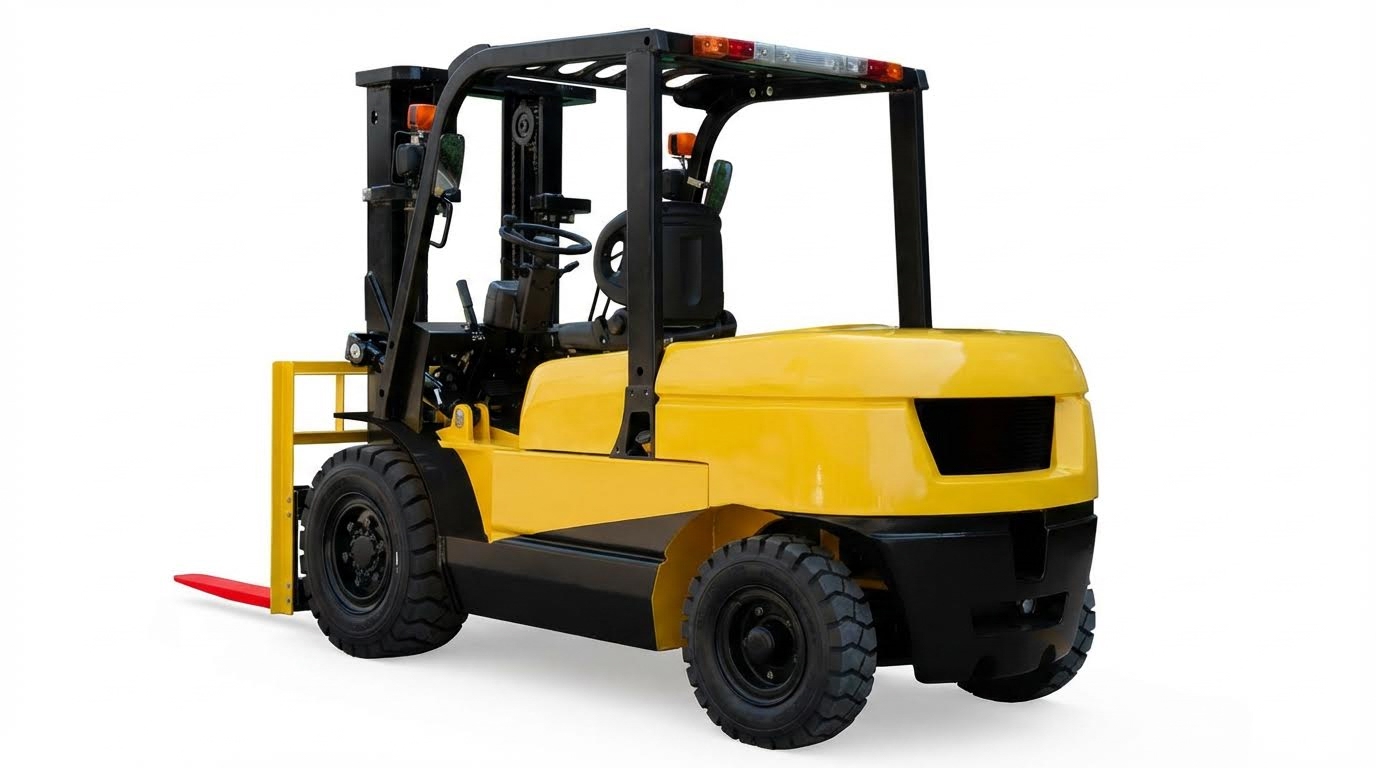
Integrated forklift strategies linked indoor warehouse performance with outdoor yard and dock demands. Engineering teams evaluated load spectra, duty cycles, and throughput to size fleets correctly and separate indoor-only units from outdoor or hybrid trucks. They matched powertrains, tire constructions, and undercarriage designs to temperature, moisture, contamination, and surface roughness, while observing emission and zoning constraints for enclosed spaces.
Safety programs aligned with OSHA 1910.178 and ANSI B56.1 requirements. They combined structured operator training, environment-specific procedures for slopes and transitions, and mandatory pre-shift inspections using standardized checklists. Operations that adopted digital tools such as telematics and electronic inspection forms improved defect capture rates, reduced unplanned downtime, and created auditable compliance records.
From an industry perspective, fleets moved toward mixed energy portfolios, including electric indoor units and weather-hardened combustion or high-capacity electric trucks outdoors. This shift increased the importance of lifecycle cost modeling, charging or fueling infrastructure planning, and maintenance interval optimization under harsher outdoor conditions. Future trends pointed to wider use of condition monitoring, predictive maintenance, and geofenced speed and access control to reduce incidents at indoor–outdoor interfaces.
Practical implementation required phased rollouts. Operators typically piloted new traffic layouts, visibility aids, and digital inspection workflows in high-risk zones such as dock approaches or yard crossings. A balanced strategy treated forklifts as part of a system that included pavements, racking, lighting, and communication protocols. Organizations that continuously reviewed incident data, weather-related disruptions, and component wear patterns achieved safer operations and more reliable indoor and outdoor material flows.