Forklift operation in industrial facilities required strict adherence to OSHA rules, formal training, and documented certification. This article outlined federal and state-plan OSHA requirements, mandatory training content, evaluation methods, and recordkeeping expectations for employers. It also examined how to design effective training programs, including online and in-house options, train-the-trainer structures, and the use of digital tools for tracking and cost control. Together, these sections provided a practical roadmap for building compliant, safe, and auditable forklift operator programs across diverse workplaces.
Core OSHA Rules For Forklift Operator Certification
Federal OSHA Regulations And 29 CFR 1910.178
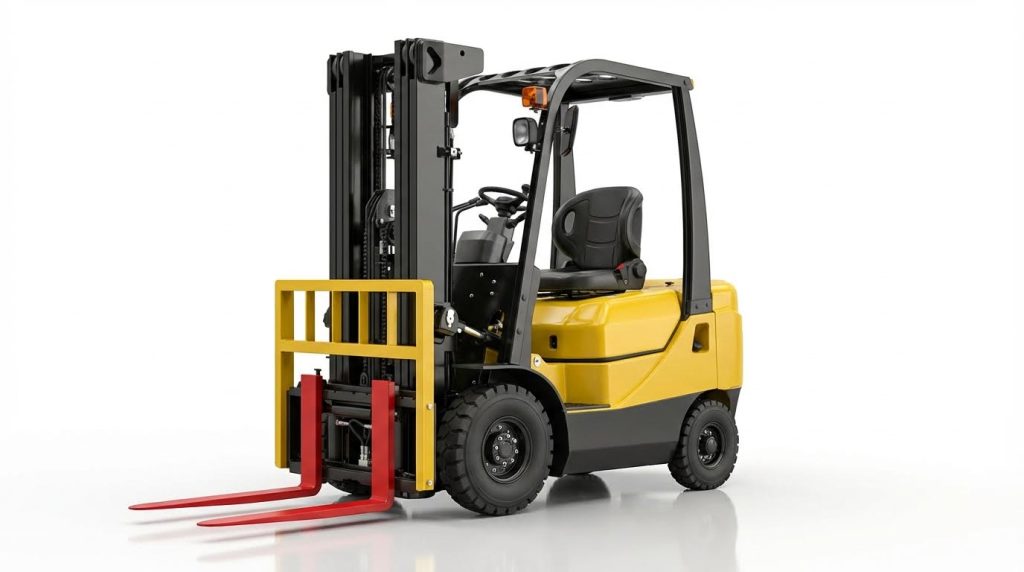
OSHA regulated powered industrial trucks under 29 CFR 1910.178. This standard defined powered industrial trucks, covered truck design, and set operating rules. It required employers to develop training programs based on safe operation principles and site conditions. The rule mandated that only trained and competent operators could use forklifts. It also required pre-use inspections and removal from service of unsafe trucks. Forklifts built after 1992 needed restraining systems such as seat belts, and older units required retrofit unless technically infeasible. OSHA also required legible nameplates showing capacity and configuration.
Age, Competency, And Employer Legal Obligations
Federal law required forklift operators to be at least 18 years old. Operators also needed sufficient training and demonstrated competency before independent operation. Employers bore the legal duty to design and implement a compliant training program. They had to ensure only trained and evaluated operators used forklifts at work. Training needed both formal instruction and practical exercises tailored to truck type and workplace hazards. Employers could use internal trainers or external providers, but trainers needed adequate knowledge and experience. Employers also had to enforce seat belt use and other safety devices when provided. Failure to meet these obligations exposed employers to OSHA citations and civil liability.
Three-Year Certification Cycle And Recertification Triggers
OSHA required evaluation of each operator’s performance at least once every three years. In practice, this created a three-year certification cycle across states. However, recertification could occur earlier when specific triggers appeared. Triggers included unsafe operation, accidents, or near-miss incidents involving the operator. Additional triggers were poor evaluations, assignment to a different truck type, or major changes in workplace conditions. In these cases, operators needed refresher training plus a new performance evaluation. Employers had to document training dates, evaluation dates, operator identity, and trainer identity. Online theory courses could support this cycle, but employers still needed site-specific practical evaluations.
Federal Vs. State-Plan OSHA Requirements
Federal OSHA rules applied directly in states without approved state plans. Several states operated OSHA-approved state plans that covered private and public sector workers. These state plans had to be at least as effective as federal OSHA and often mirrored 29 CFR 1910.178. States such as California, Washington, and Oregon sometimes added extra requirements or guidance. Other states ran plans only for public sector workers, while private employers followed federal OSHA. Forklift certification remained valid for three years in all states under OSHA principles. However, moves into state-plan jurisdictions could require additional state-specific training or documentation. Employers operating across states needed to verify both federal and relevant state-plan rules. Certification transfer between employers still required a site-specific evaluation by the new employer.
Required Training Content And Evaluation Methods
Formal Instruction: Required Truck-Related Topics
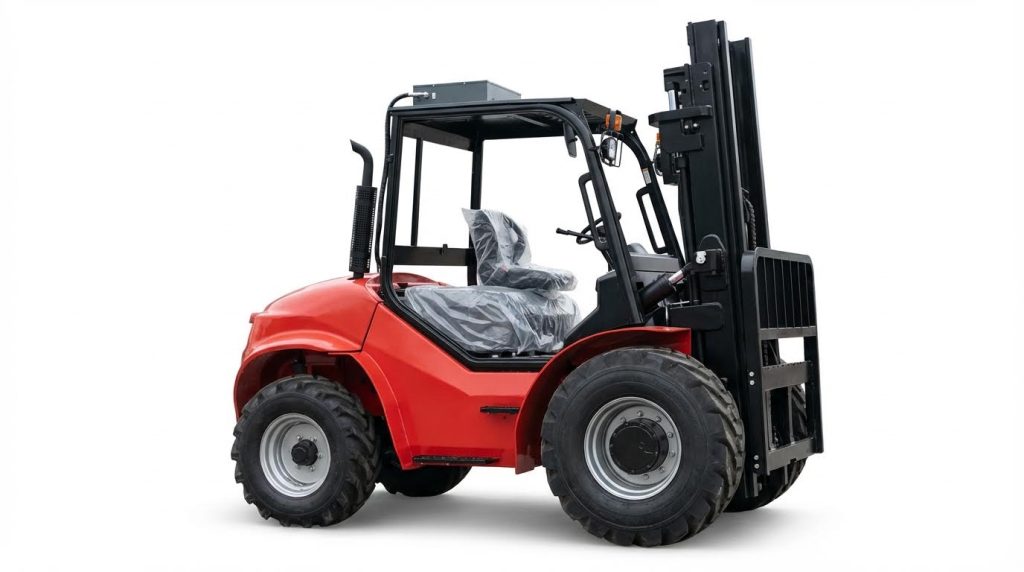
Formal instruction covered the theoretical aspects of powered industrial truck operation. OSHA 29 CFR 1910.178 required operators to learn operating instructions, warnings, and precautions from manuals and data plates. Training addressed differences between forklifts and automobiles, including rear-wheel steering, load center effects, and higher tip‑over risk. Courses explained control functions, steering characteristics, and how mast tilt, lift height, and speed affected stability. Instructors reviewed engine or motor operation, braking behavior, and the impact of hydraulic systems on load handling. Operators studied rated capacity, load center specifications, and stability triangles using real nameplate data. Required topics also included pre-use inspections, preventive maintenance responsibilities, refueling or battery charging procedures, and operating limitations such as maximum grade and derating with attachments.
Workplace-Specific Hazards And Operating Conditions
OSHA mandated that training addressed site-specific hazards, not only generic theory. Instructors analyzed surface conditions, including wet floors, potholes, dock plates, and unguarded edges. They covered load composition, packaging, and stacking patterns that influenced center of gravity and risk of shifting. Training described pedestrian traffic patterns, blind intersections, and separation controls such as marked aisles and warning signals. Narrow aisles, racking layouts, and overhead obstructions required special focus for collision and tip‑over prevention. Courses addressed hazardous locations, including classified areas with flammable vapors or dust, and the need for appropriate truck designations. Trainers discussed ramps, slopes, and trailer loading, emphasizing approach angles, chocking, and trailer restraint systems. Ventilation, exhaust buildup, and battery charging off‑gassing formed part of indoor air quality discussions, especially for internal combustion trucks.
Hands-On Training, Supervision, And Skills Evaluation
OSHA required practical training that combined demonstrations with trainee exercises under direct supervision. Trainees could operate trucks only where their practice did not endanger themselves or others. Practical modules typically included pre-shift inspections, basic maneuvers, stacking, unstacking, and working around pedestrians. Trainers observed speed control, turning radius usage, load stability, and correct fork positioning. Skills evaluations documented the operator’s performance against objective criteria such as maintaining three-point contact, using seat belts, and respecting capacity limits. Employers had to ensure evaluators were knowledgeable about both the truck type and workplace conditions. Refresher training and re-evaluation became mandatory after unsafe operation, incidents, near misses, equipment changes, or major workplace modifications.
Documentation, Recordkeeping, And Audit Readiness
OSHA required employers to certify that each operator had been trained and evaluated. Records needed to include the operator’s name, training date, evaluation date, and trainer or evaluator identity. Robust programs extended this to course outlines, test scores, equipment types used, and site conditions covered. Organizations often used centralized or cloud-based systems to track expiration dates and trigger three-year recertification reminders. Documentation also covered pre-shift inspection checklists, maintenance tags for removed-from-service trucks, and corrective actions after incidents. For audit readiness, safety teams maintained written training policies, OSHA-compliant signage, and logs of toolbox talks or safety meetings. During inspections or after accidents, complete, accurate records demonstrated due diligence and reduced regulatory and legal exposure.
Designing Effective Forklift Training Programs
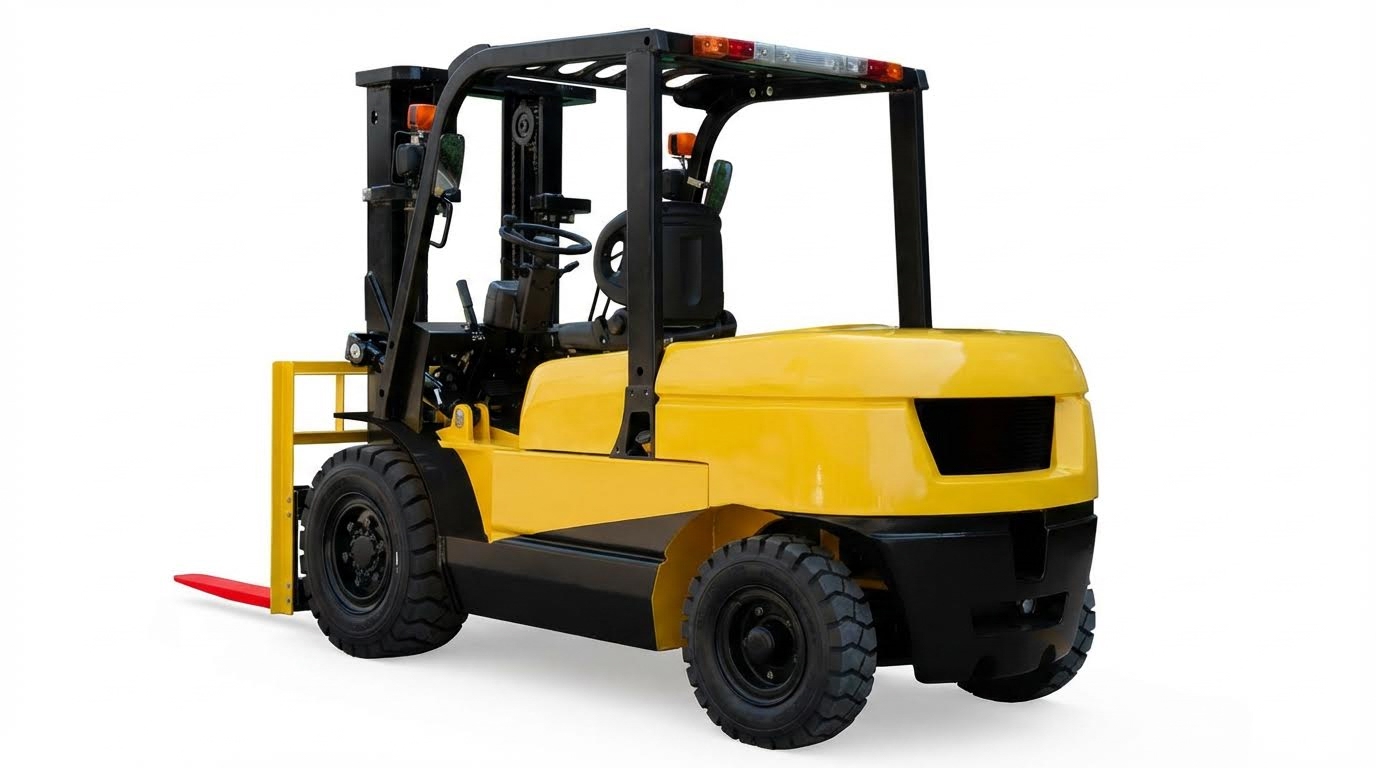
Effective forklift training programs aligned with OSHA requirements combined regulatory content with practical, site-specific methods. Designers balanced formal instruction, supervised hands-on practice, and periodic evaluations to maintain compliance and safety performance. A robust program structure integrated operator development, documentation, and continuous improvement. Organizations also used technology and data to control lifecycle training costs while improving safety outcomes.
Selecting Online, In-House, And Third-Party Training
Program designers evaluated training options against OSHA’s requirement for both formal instruction and practical evaluation. Online providers delivered standardized theory modules, practice exams, and flexible scheduling, which reduced classroom time and travel costs. However, employers still had to supplement this e-learning with on-site hands-on training and performance evaluations by qualified personnel. In-house programs offered strong site customization but required internal trainer competence, structured materials, and administrative support. Third-party trainers brought specialized expertise and ready-made curricula but needed coordination to align content with specific truck types, workplace hazards, and company procedures. A blended model often worked best: online theory, on-site practical exercises, and external consultation for complex sites or large fleets.
Train-The-Trainer Programs And Safety Team Structure
Train-the-trainer courses built internal capacity by qualifying selected employees to deliver and document OSHA-compliant training. These trainers studied regulatory requirements, equipment characteristics, hazard scenarios, and adult-learning techniques to run effective sessions. Organizations integrated these trainers into a formal safety team with clear roles for curriculum control, scheduling, and record management. The safety team typically coordinated budget allocation for training materials, refresher courses, and periodic external audits. Cross-functional membership from operations, maintenance, and HR improved alignment between training content, equipment condition, and staffing needs. This structure supported consistent messaging, faster response to incidents, and continuity when personnel changed.
Integrating Incidents, Near Misses, And Site Audits
Incident data and near-miss reports fed directly into continuous improvement of forklift training content. Safety teams reviewed trends such as recurring tip-over risks, pedestrian conflicts, or load stability failures and converted them into targeted modules and toolbox talks. Trainers used anonymized case studies from the facility to make lessons concrete and to highlight consequences of ignoring procedures. Regular workplace audits checked aisle widths, traffic patterns, signage, lighting, and ventilation against current operating practices. Findings from these audits informed scenario-based exercises and adjusted route-planning, speed limits, and parking rules. This closed-loop approach ensured training stayed relevant as equipment, layouts, or product mixes changed.
Technology, Digital Tracking, And Lifecycle Cost Control
Digital platforms supported scheduling, delivery, and tracking of forklift training over the full operator lifecycle. Learning management systems stored training modules, exam results, and evaluation records, reducing paper handling and improving audit readiness. Automated reminders flagged upcoming three-year evaluations and earlier refresher triggers after incidents or equipment changes. Some organizations linked digital records to access controls or telematics, restricting truck operation to currently certified operators. Data from pre-shift inspections, near-miss logs, and telematics metrics such as impact events or overspeed episodes helped target refresher content to high-risk behaviors. By combining centralized tracking with risk-based training interventions, companies reduced unplanned downtime, minimized regulatory penalties, and optimized total training spend per operator over time.
Summary Of Forklift Training, Licensing, And Compliance
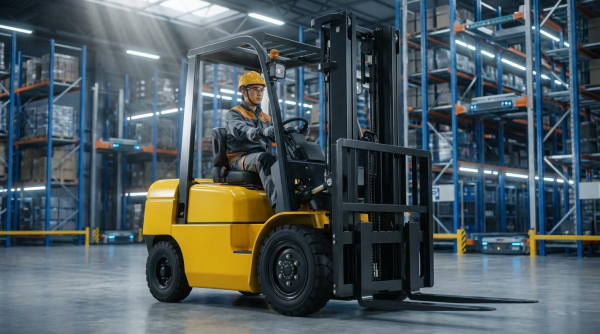
Forklift compliance required alignment with OSHA 29 CFR 1910.178 and, where applicable, state-plan rules. Operators had to be at least 18 years old, trained, evaluated, and formally certified by their employer before operating powered industrial trucks. Training programs combined formal instruction, practical exercises, and workplace evaluations that addressed both truck-specific functions and site hazards. Employers remained legally responsible for program design, trainer qualification, and restricting operation to competent, certified drivers.
Certification validity followed a three-year cycle, but refresher training triggered earlier after unsafe operation, incidents, near misses, equipment changes, or major workplace modifications. Robust documentation supported compliance and audits, including written policies, training curricula, evaluation checklists, inspection logs, and centralized tracking of certification dates and trainer identities. Organizations increasingly adopted digital systems for reminders, record retention, and performance analytics to reduce administrative risk and missed renewals. Site-specific evaluations ensured that certifications transferred correctly when operators changed facilities or jurisdictions.
Industry practice moved beyond minimum OSHA requirements toward integrated safety cultures. Effective programs linked training content to real incidents, near misses, and audit findings, and used safety teams to drive continuous improvement. Online theory modules, combined with structured hands-on practice, reduced downtime while preserving skill quality. Future trends pointed toward greater use of telematics, digital badges, and automated inspection tools, improving traceability and lifecycle cost control. Organizations that treated forklift training as a strategic safety investment, rather than a compliance checkbox, achieved lower incident rates, fewer violations, and more reliable material handling operations.