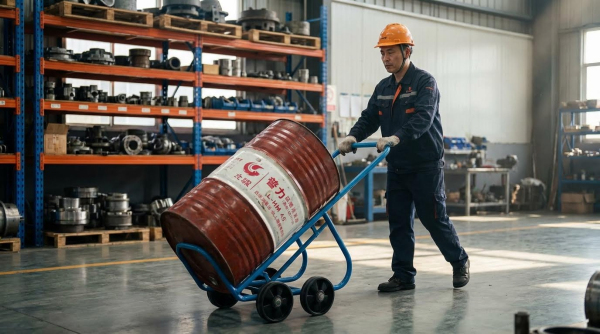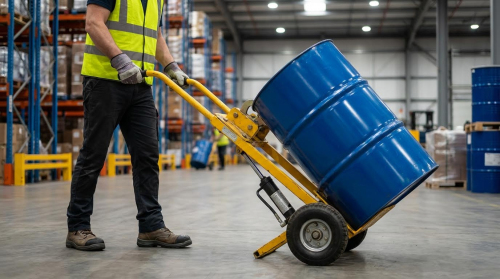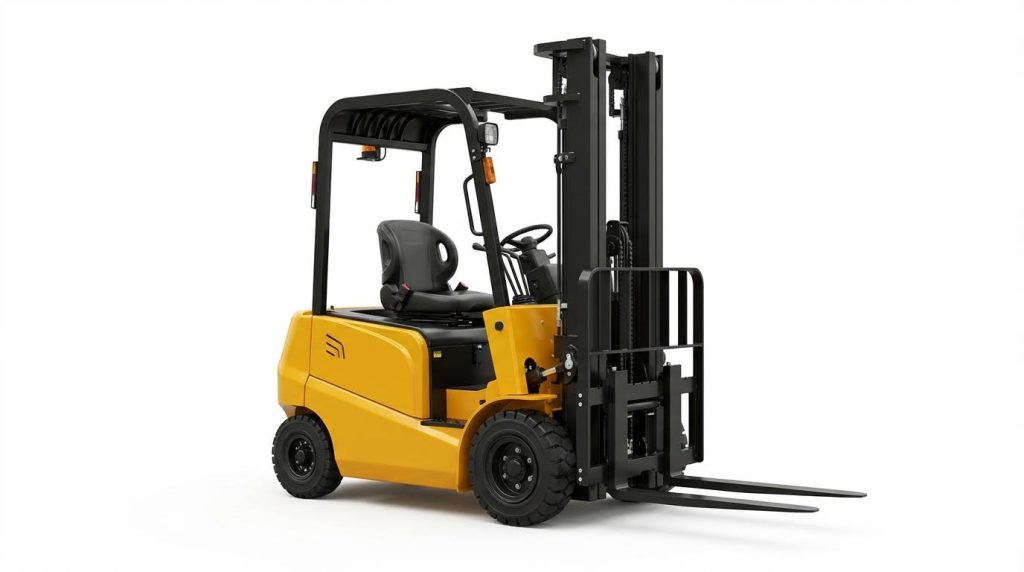
Choosing a machine to lift pallets of stuff required understanding how different pallet-lifting technologies performed across lift height, capacity, and automation. This article examined core equipment types, from forklifts and pallet jacks to walkie stackers and AS/RS stacker cranes, and compared their engineering characteristics and use cases.
It then analyzed design and performance factors such as load capacity, stability, center of gravity, mast design, aisle planning, and powertrain efficiency, including the integration of cobots, AGVs, and digital twins. Later sections addressed safety, regulatory compliance, maintenance, and lifecycle cost control for pallet-lifting fleets. Finally, the article concluded with practical selection guidelines to match the right machine to specific pallet-handling requirements.
Core Types Of Pallet-Lifting Machines
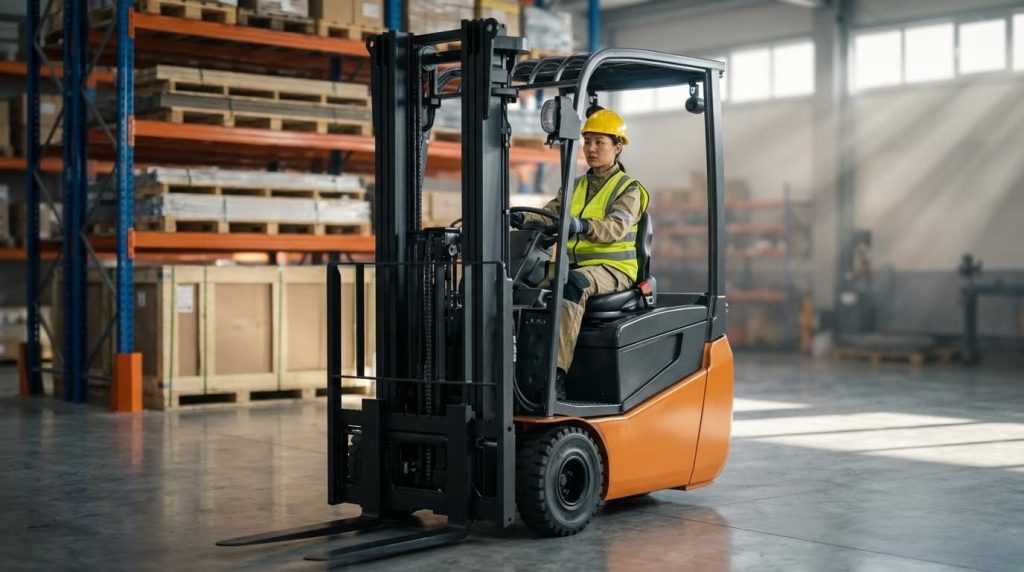
Engineers selecting a machine to lift pallets of stuff must match lift height, duty cycle, and automation level to the application. Core pallet-lifting equipment ranges from hand-operated pallet jacks to fully automated AS/RS stacker cranes. Each machine class offers distinct capabilities in capacity, reach, maneuverability, and cost. Understanding these differences supports safe, efficient, and standards-compliant material handling system design.
Forklifts And Lift Trucks: Capabilities And Limits
Forklifts handled palletized loads where both vertical lift and horizontal transport were required. Typical counterbalance trucks lifted 1,500–5,000 kg to heights of 3–7 m, with specialized models exceeding 10 m. They operated indoors or outdoors, depending on tires, powertrain, and emissions controls. Electric forklifts suited indoor warehouses, while internal combustion units supported heavy-duty and outdoor work. However, forklifts required OSHA-compliant operator training and strict pre-shift inspections under 1910.178, including forks, mast chains, hydraulics, steering, brakes, and warning devices. They also demanded structured maintenance programs to control accident risk and lifecycle cost, since unplanned failures and incidents carried high financial and safety impacts. Forklifts were not ideal where extremely narrow aisles, ultra-high storage, or fully automated operation were primary design drivers.
Pallet Jacks: Low-Lift, Short-Run Handling
Pallet jacks provided the simplest machine to lift pallets of stuff for short horizontal moves. Manual versions used a hydraulic pump and drawbar to raise pallets roughly 75–200 mm, just enough for floor clearance. Rated capacities typically ranged from 1,000–2,500 kg, making them suitable for dock work, retail backrooms, and small warehouses. Electric pallet jacks and walkie pallet trucks reduced operator effort and improved throughput on longer walk distances. Their key limitations were low lift height and the inability to stack pallets vertically. They also depended on good floor conditions and relatively short transport routes. From an engineering perspective, pallet jacks offered low acquisition cost, minimal infrastructure requirements, and high maneuverability in tight aisles, but they were not substitutes for forklifts or stackers where vertical storage density was critical.
Walkie And Rider Stackers For Medium Lift Heights
Walkie and rider stackers bridged the gap between pallet jacks and forklifts. These machines lifted pallets to medium heights, typically up to about 6 m, depending on mast design and model. Walk-behind units suited lower-throughput environments, while rider versions supported higher cycle rates and longer travel distances. They were well-matched to narrow-aisle racking where full counterbalance forklifts could not operate efficiently. Stackers handled tasks such as feeding pallet flow lanes, building low-to-mid level racks, and servicing production lines. Their capacities were generally lower than those of standard forklifts, so accurate load data and center-of-gravity assessment were essential. Stackers required structured operator training, attention to visibility around the mast, and careful aisle width planning to prevent off-center loading and tip risks. They offered a cost-effective way to add vertical storage without the capital and integration complexity of fully automated systems.
AS/RS Stacker Cranes And High-Density Storage
AS/RS stacker cranes represented the highest automation level for lifting pallets in warehouses. These rail-guided machines moved along narrow aisles and lifted pallets to multi-level rack positions, often beyond 20 m, controlled by a Warehouse Management System. They enabled high-density storage with minimal aisle space and supported environments such as cold storage and high-throughput distribution centers. Stacker cranes transferred pallets automatically between input/output stations and rack locations, reducing direct human interaction with loads and improving inventory accuracy. Engineering a stacker crane system required precise analysis of load dimensions, pallet quality, seismic conditions, and throughput requirements. Safety depended on physical barriers, interlocks, and defined maintenance access procedures rather than traditional operator training. While capital-intensive, these systems delivered long-term gains in space utilization, labor productivity, and controlled handling conditions, making them suitable where manual equipment could not economically achieve the required density or speed.
Design, Performance, And Application Engineering
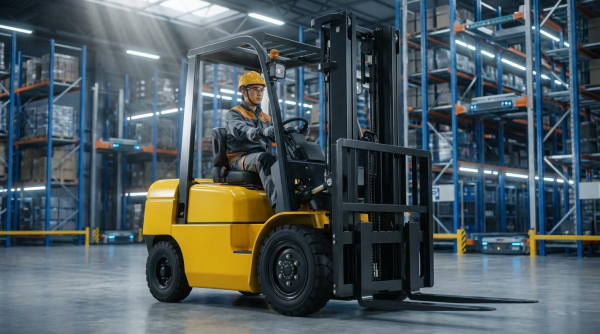
Engineering a machine to lift pallets of stuff requires balancing structural design, powertrain selection, and digital integration. Forklifts, pallet jacks, walkie and rider stackers, and AS/RS stacker cranes all obey the same physics but serve different operating envelopes. This section explains how capacity, stability, lift systems, and drive technologies translate into safe, efficient pallet handling in real facilities.
Load Capacity, Stability, And Center Of Gravity
Engineers rate a machine to lift pallets of stuff using a nominal capacity at a defined load center, typically 500 mm for standard pallets. Actual usable capacity decreases as the load center increases or as attachments extend the load forward. Stability depends on the combined center of gravity of truck and load staying inside the stability triangle or polygon defined by the wheels. When operators raise loads or tilt masts forward, the combined center of gravity migrates toward the front axle and reduces the stability margin. Application engineering therefore matches capacity not only to maximum pallet mass but also to typical load geometry, attachment use, and stacking height, with safety factors aligned to ANSI/ITSDF B56 standards.
Lift Height, Mast Design, And Aisle Width Planning
Lift height requirements drive mast selection, from low-lift pallet jacks at roughly 200 mm to stackers near 6 m and AS/RS cranes exceeding 30 m. Higher masts increase deflection and dynamic sway, so designers specify stronger sections, better bearings, and chain or roller systems with controlled slack. Free-lift and overall collapsed height matter in container loading and facilities with low doors or mezzanines. Aisle width planning links directly to turning radius, load length, and mast tilt envelope. Narrow-aisle or very-narrow-aisle layouts reduce real estate costs but demand tighter tolerances on guidance, clearances, and rack alignment to avoid mast-to-rack contact during pallet handling.
Powertrains: IC, Electric, And Energy Efficiency
Internal combustion powertrains remain common for outdoor or mixed-use environments where a machine to lift pallets of stuff must handle ramps, long runs, and variable weather. They deliver high peak power but generate exhaust, noise, and heat that limit indoor use. Electric powertrains, including lead-acid and lithium-ion, dominate indoor warehouses because they provide zero local emissions and precise low-speed control. Energy efficiency depends on drive motor technology, hydraulic system design, and duty-cycle matching; regenerative braking and optimized lift-lower valves reduce total energy per pallet moved. Engineers evaluate life-cycle cost by combining fuel or electricity consumption, scheduled maintenance intervals, and expected component life under the site’s actual operating hours and load spectra.
Integrating Cobots, AGVs, And Digital Twins
Modern pallet-handling fleets increasingly combine manual machines with automated guided vehicles and collaborative robots. Cobots handle repetitive case picking or palletizing while lift trucks and stackers perform transport and vertical storage. AGVs and AMRs move pallets autonomously along mapped routes, relying on sensors, LiDAR, and safety scanners that comply with functional safety standards. Digital twins of warehouses and lifting equipment model traffic, energy usage, and congestion before hardware procurement. Engineers use these simulations to size fleets, test alternative rack layouts, and optimize charging or fueling infrastructure, ensuring the selected mix of machines achieves throughput, safety, and cost targets for the full system, not just individual trucks.
Safety, Compliance, And Lifecycle Cost Control
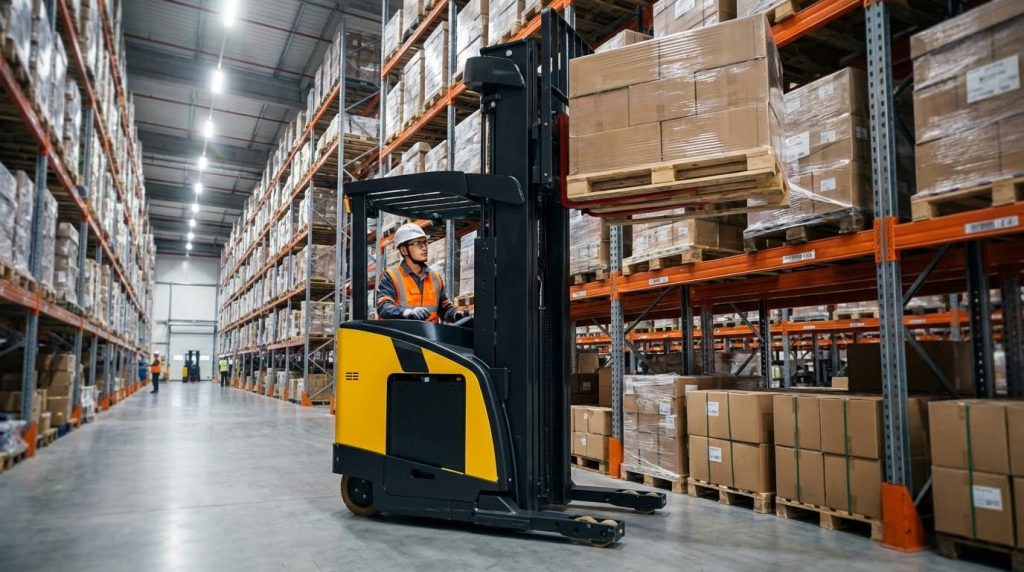
Safety and lifecycle cost control defined whether a machine to lift pallets of stuff delivered value or risk. Engineering teams addressed regulatory compliance, preventive maintenance, and component care together, because failures in one area usually propagated to the others. Structured inspection regimes, data-driven maintenance, and disciplined cost tracking created measurable reductions in accidents and unplanned downtime. The following sections outlined how to build a technically robust program for pallet-lifting fleets across forklifts, stackers, pallet jacks, and automated systems.
OSHA And ANSI Requirements For Lift Equipment
OSHA and ANSI standards governed design, inspection, and operation of every machine to lift pallets of stuff in industrial facilities. OSHA 1910.178 required that powered industrial trucks be inspected before each shift, and 1910.178(q)(7) specified a documented 15-point pre-use check. ANSI/ITSDF B56.1-2023 detailed technical limits for forks, masts, chains, and safety devices, which engineering and maintenance teams used as acceptance criteria. Forks had to retain at least 90% of original thickness, with wear limited to 10% at marked points, verified using digital calipers with 0.01 mm resolution. Any structural crack, unauthorized weld repair, or fork length mismatch above 3 mm triggered immediate removal from service. OSHA 1910.178(q)(6) also mandated that trucks with inoperable safety devices, such as horns or lights, be locked out until repaired. Annual structural inspections with ultrasonic thickness checks and dye penetrant testing documented that overhead guards, masts, and frames remained within allowable degradation limits for continued safe service.
Preventive Maintenance And Predictive Analytics
Preventive maintenance schedules structured how facilities managed a machine to lift pallets of stuff through its lifecycle. Industry data from distributors showed that disciplined programs reduced repair costs by 25–40% and extended useful life by 3–5 years. Time- or hour-based tasks included hydraulic fluid changes around 1,000 operating hours, fuel filter replacement every 250 hours, and transmission service roughly every 500 hours. Predictive analytics enhanced this baseline by using oil analysis, transmission fluid sampling, and chain wear measurements to detect degradation trends before failure. Particle counts, water content below 0.1%, and total acid number under 1.0 mg KOH/g were typical hydraulic acceptance limits. Fleet management software aggregated fault codes, hour meters, and work orders to calculate mean time between failures and identify high-risk units. Operations exceeding one shift per day adjusted intervals, often doubling lubrication and inspection frequencies to match real duty cycles.
Battery, Hydraulic, And Tire Care Best Practices
Energy storage, hydraulic systems, and tires dominated reliability for electric and internal combustion pallet-lifting machines. Electric fleets followed weekly and monthly battery routines, including full charge cycles, equalization charges, and water top-up with deionized water to 6 mm below the fill tube base. Battery rooms required engineered ventilation of at least five air changes per hour, eyewash access within 10 seconds, and acid containment in line with OSHA 1910.178(g). Hydraulic systems demanded fluid levels within marked ranges with forks fully lowered, leak rates below one drop per minute, and smooth cylinder motion without chatter. Periodic fluid replacement with ISO 32–46 grades, 10-micron filtration, and seal changes around 5,000 hours controlled contamination and wear. Tire programs checked cushion tires for chunking and replaced them at 50% wear, while pneumatic tires maintained 30–50 psi and rotated every 300 hours. In cold conditions, engineers specified ISO 22 hydraulic fluid, slightly reduced tire pressures for traction, and enforced engine warm-up procedures before loading.
Total Cost Of Ownership And Fleet Right-Sizing
Total cost of ownership analysis treated each machine to lift pallets of stuff as a long-term asset rather than a simple purchase. Cost models aggregated acquisition price, energy or fuel, scheduled maintenance, unscheduled repairs, operator training, and accident-related losses. OSHA data indicated that a single serious forklift accident historically cost around USD 135,000 when equipment damage, medical costs, and lost productivity were included. Effective safety and maintenance programs therefore acted as direct cost-control measures, not only compliance activities. Fleet right-sizing compared actual operating hours, peak versus average demand, and utilization across trucks to eliminate underused units and avoid chronic overloading of a small subset. High-usage environments above eight hours per day benefited from rotation schemes that distributed wear, improving residual value at replacement time. By aligning machine types, capacities, and lift heights with real load profiles, engineering teams reduced capital tied up in underutilized equipment while maintaining service levels and safety margins.
Summary And Practical Selection Guidelines
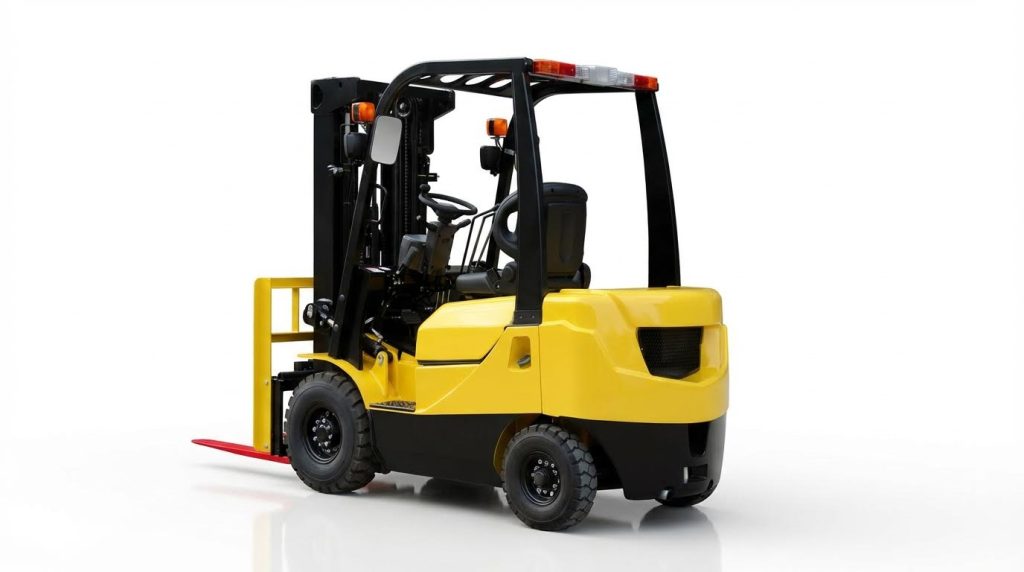
Choosing a machine to lift pallets of stuff requires balancing load, height, duty cycle, and automation level. Engineers and warehouse planners should align forklifts, pallet jacks, stackers, and stacker cranes with quantified performance, safety, and lifecycle cost targets. Effective preventive maintenance and regulatory compliance transform lifting equipment from a cost center into a predictable, high-availability asset.
From a technical standpoint, forklifts and rider stackers suit mixed tasks where loads reach several tonnes and lift heights exceed 3 m. Pallet jacks work best for low-lift, short runs with lift heights below 200 mm and moderate daily hours. Walkie and rider stackers bridge the gap to 6–8 m racking, while AS/RS stacker cranes handle high-density, multi-level storage with automated pallet moves. For each class of machine to lift pallets, specification should start from rated capacity at the required load center, residual capacity at target lift height, turning radius, and compatible aisle width.
Safety and compliance shape practical selection as strongly as performance. OSHA 1910.178 and ANSI/ITSDF B56.1 defined operator training, daily inspection, and structural integrity requirements. Fork inspections, hydraulic leak limits, brake performance checks, and functional warning devices reduced accident frequency and the typical USD 135,000 cost per serious incident. For electric equipment, battery rooms needed engineered ventilation, spill control, and PPE, while hydraulic and tire maintenance schedules directly influenced stability and stopping distance.
Lifecycle cost analysis should compare total cost of ownership over 5–10 years rather than purchase price. Well-structured preventive and predictive maintenance programs historically cut unexpected breakdowns by up to half and extended usable life by several years. High-usage or harsh environments justified more durable trucks, sealed components, and enhanced cooling, while low-throughput sites often achieved better economics with simpler walkie pallet truck and manual pallet jack.
Looking ahead, increased deployment of AGVs, cobot-assisted picking, and digital twins will reshape how facilities specify a machine to lift pallets of stuff. Engineers will integrate real-time data, simulation, and predictive analytics into fleet sizing and layout design. The most resilient strategies will blend manual, semi-automated, and fully automated pallet-lifting solutions, matched to each zone’s throughput, labor profile, and risk tolerance, while keeping safety and regulatory compliance as non-negotiable constraints. Additionally, tools like the scissor platform lift will continue to play a critical role in versatile material handling operations.