Warehouse and logistics teams often ask are pallet inverters classed as lifting equipment when they design new lines or upgrade safety systems. This article explains how regulators distinguish lifting equipment from general material handling systems, and where pallet inverters sit in that framework across different jurisdictions.
You will see how legal classification drives the rules for design, inspection, and documentation through sections on safety law, compliance, and integration with forklifts, AGVs, and conveyors. Later sections translate these rules into practical guidance on risk assessment, guarding, operator training, and maintenance in harsh environments such as cold stores and cleanrooms.
The final part links compliance, lifecycle risk, and best practice so engineers, safety managers, and duty holders can adopt a consistent standard for specifying, operating, and auditing pallet inverters within wider material handling systems.
How Pallet Inverters Are Classified in Safety Law
Engineers and safety managers often ask a precise question: are pallet inverters classed as lifting equipment or only as material handling devices. The answer affects design, inspection, and documentation duties under national regulations. This section explains how regulators draw that line and how different inverter types fit into lifting law. It also sets out who carries legal responsibility for selection, inspection, and safe use in daily operations.
Definition of Lifting Equipment vs. Material Handling
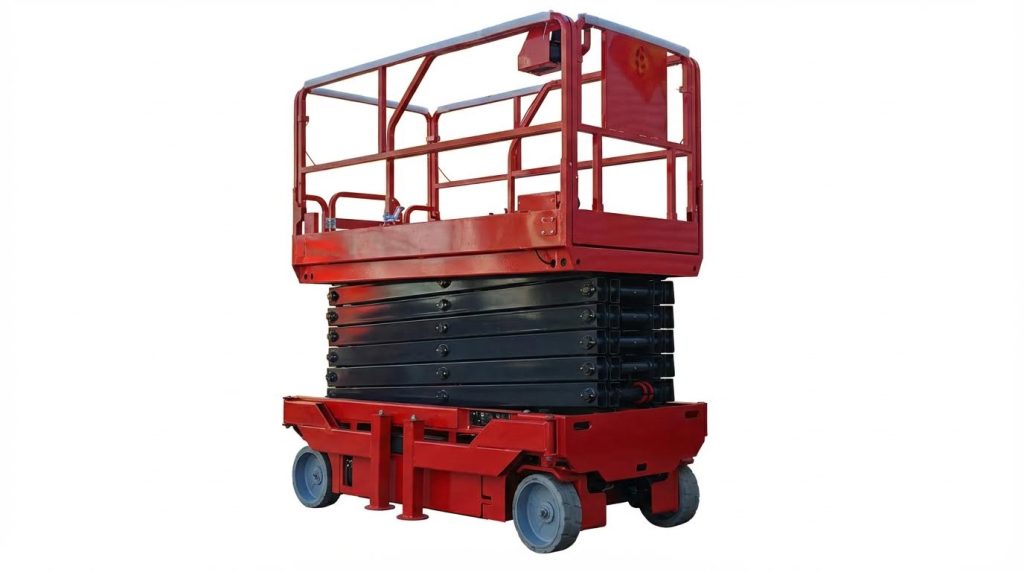
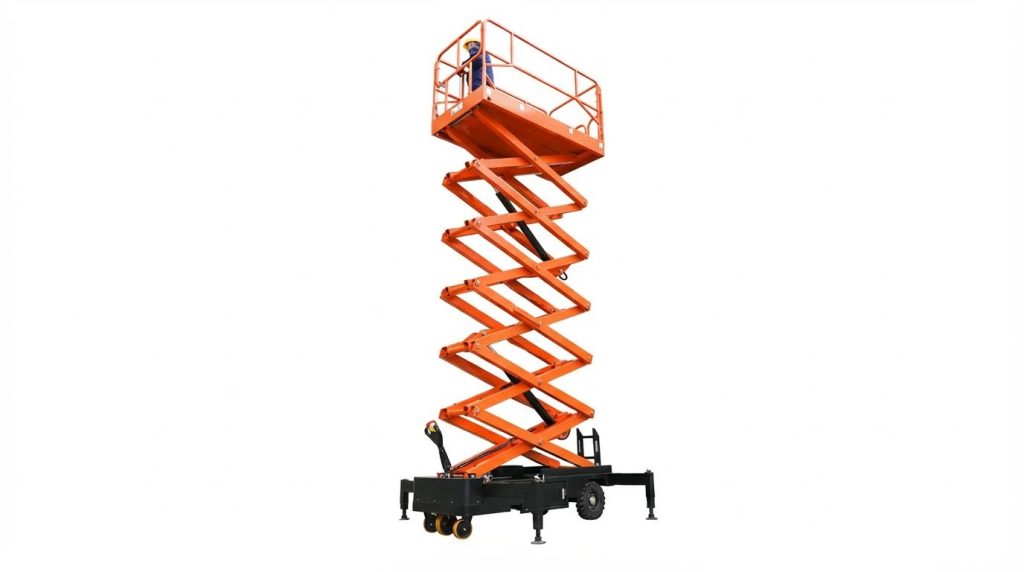
Safety law usually treats equipment as “lifting” when it raises, lowers, or suspends a load against gravity. The load can be goods, people, or both. The key factor is whether the device supports the load in a lifted state and could drop it if it failed. Material handling equipment, in contrast, often moves loads horizontally or supports them on fixed structures.
Pallet inverters clamp, lift, and rotate a palletized load. They often raise the load clear of the floor or support structure. In that mode, regulators can class them as lifting equipment, not just conveyors. However, if an inverter only tilts slightly and the load remains fully supported by a table, it may fall under general machinery or powered industrial truck rules instead.
| Function | Likely Classification |
|---|---|
| Lift and hold palletized load off the floor | Lifting equipment |
| Rotate load while fully supported on a table | Material handling machinery |
| Horizontal transfer only | Conveyor / handling system |
Local law and guidance finally decide the category. Designers should document the intended use and load path to support the chosen classification.
When Pallet Inverters Fall Under LOLER or OSHA Rules
In jurisdictions that used the Lifting Operations and Lifting Equipment Regulations (LOLER), pallet inverters that raise and hold loads were usually treated as lifting equipment. They then required formal lifting risk assessments, proof load data, and periodic thorough examinations. Where loads were only slightly tilted and never suspended, regulators sometimes applied only general machinery rules.
Under OSHA in the United States, pallet inverters often sit at the interface between powered industrial trucks, conveyors, and general machine guarding rules. OSHA did not publish a pallet inverter specific standard. Instead, duty holders had to apply:
- Powered industrial truck rules where forklifts feed or remove loads.
- Machine guarding rules for pinch points, rotating clamps, and moving frames.
- Walking-working surface rules around pits, platforms, and access ways.
Where an inverter functioned like a vertical lift, OSHA inspectors could treat it similar to other load lifting devices. That meant focus on rated capacity, control reliability, and fall protection around raised loads. After any software change, relocation, or collision, a revalidation of these safety functions is good practice and often a regulatory expectation.
Fixed, Free-Standing, and Integrated Inverter Types
Different inverter layouts lead to different regulatory views. Fixed inverters bolt to a foundation or structural frame. They often form part of a defined lifting system. Free-standing inverters sit on the floor and can be relocated with a forklift or crane. Integrated inverters build into conveyor lines, automated storage, or AGV systems.
Fixed inverters usually see the strictest lifting interpretation. They often have dedicated safety fencing, interlocked gates, and engineered foundations. Free-standing units may be treated more like industrial trucks or stand-alone machines. However, if they lift and rotate a full pallet stack, regulators can still class them as lifting equipment.
Integrated inverters sit inside larger automated systems. Control integration with conveyors, AGVs, or shuttles then becomes critical. Designers must align inverter safety functions with upstream and downstream equipment. Typical measures include:
- Interlocked guarding around the inverter envelope.
- Safe torque off or hydraulic dump on emergency stop.
- Speed and position limits during automatic modes.
Across all types, the decisive factor is not mobility. It is whether the inverter lifts and supports the load in a way that creates a drop hazard.
Responsibilities of Employers and Duty Holders
Once an authority answers “yes” to the question “are pallet inverters classed as lifting equipment,” employer duties increase. Duty holders must then treat the inverter like any other lifting device in their safety management system. This includes selection, inspection, and operator control.
Key responsibilities usually include:
- Specify inverter capacity, duty cycle, and environment correctly.
- Ensure structural verification for frames, clamps, and anchors.
- Set inspection intervals and keep written records.
- Train operators and maintenance staff on hazards and limits.
Where pallet inverters are not formally classed as lifting equipment, these duties do not disappear. They shift under general machinery and warehouse safety rules. In both cases, management must control crush risks, falling load risks, and interaction with forklifts or AGVs. Clear ownership for the asset, from procurement through decommissioning, is essential for compliance and lifecycle risk control.
Regulatory Compliance and Inspection Requirements
Engineers and safety managers often ask are pallet inverters classed as lifting equipment when defining compliance duties. The answer drives which regulations apply, how often inspections occur, and what records authorities expect. This section explains how standards, inspection regimes, and mechanical checks link together for safe lifecycle control.
Applicable Standards, Directives, and Local Codes
The question are pallet inverters classed as lifting equipment is central when mapping standards. Where regulators define a pallet inverter as lifting equipment, it usually falls under lifting operation rules such as LOLER in the United Kingdom or equivalent local law. In other regions, authorities may treat it as powered material handling machinery and apply general machine safety rules plus occupational safety codes.
Typical frameworks include:
- Lifting operations regulations for devices that raise, lower, or support a suspended load.
- Machinery safety standards covering guards, emergency stops, control systems, and stability.
- Workplace safety rules for powered industrial trucks when forklifts interface with the inverter.
Local building and fire codes can also apply. These affect inverter anchorage, clearances, guarding around pits, and emergency access. Designers and duty holders should map every clause that refers to lifting, rotation, clamping, or load transfer and document which apply to each inverter type.
Inspection Frequencies, Checklists, and Records
Inspection intervals depend on how regulators answer are pallet inverters classed as lifting equipment. If classed as lifting equipment, formal thorough examinations usually follow fixed periods, often every six or twelve months depending on use and jurisdiction. If classed as material handling machinery, law may only define that inspections are periodic and risk based, but industry practice still favors structured schedules.
A practical scheme often includes:
| Inspection level | Typical timing | Main focus |
|---|---|---|
| Pre-use checks | Each shift | Visible damage, leaks, abnormal noise |
| Routine visual | Monthly or quarterly | Guards, labels, controls, hoses, anchors |
| Thorough exam | 6–12 months | Structure, hydraulics, controls, safety devices |
Checklists should link line by line to legal and standard clauses. Records must capture date, unique equipment ID, findings, corrective actions, and inspector identity. Digital forms help log photos, trend defects, and trigger work orders. They do not replace physical examinations but improve traceability during audits, incident reviews, and insurance surveys.
Structural Integrity, Guards, and Safety Devices
Classification under lifting rules increases focus on structural integrity because the inverter supports heavy dynamic loads. Engineers should verify frame welds, pins, and pivot points for cracks, deformation, or corrosion. Anchors and baseplates must resist overturning and fatigue from repeated cycles, especially where forklifts impact guides or stops.
Guarding and safety devices form the second layer of protection. Typical elements include:
- Fixed guards or fencing to keep people out of crush and shear zones.
- Interlocked gates that stop motion when opened.
- Emergency stop devices at operator and maintenance positions.
- Limit switches for end-of-travel and clamp pressure limits.
Inspection routines should test each device for correct function, not only presence. Technicians should simulate travel limits, clamp faults, and emergency stops under controlled conditions. Any failed guard or interlock normally requires immediate lockout until repair because risk of crushing or ejection is high.
Integration With Forklifts, AGVs, and Conveyors
When users ask are pallet inverters classed as lifting equipment, integration with other systems often decides the answer in practice. Forklifts, AGVs, or conveyors introduce extra motion, impact, and control paths. These increase both the mechanical loads on the inverter and the complexity of the safety functions.
For forklift interfaces, inspections should confirm:
- Approach guides and rack faces show no impact damage that could misalign loads.
- Floor anchors remain tight and undamaged near frequent contact points.
- Clear markings show truck limits, fork pockets, and no-go areas for personnel.
For AGVs and conveyors, engineers must verify safe communication between systems. This includes stop signals, interlocks, and speed controls. Tests should prove that the inverter cannot rotate or clamp while a vehicle or load is in an unsafe position. After any software change, relocation, or collision, a revalidation of these safety functions is good practice and often a regulatory expectation.
Safe Design, Operation, and Maintenance Practices
Safe use of pallet inverters depends on design, operation, and maintenance working together. Duty holders who ask “are pallet inverters classed as lifting equipment” must treat them with controls similar to other load handling systems. The goal is to prevent crush, shear, and impact hazards while protecting product and structure. The following sections group the main engineering and procedural measures.
Risk Assessment, Zoning, and Guarding Strategies
Risk assessment should start from the full load envelope, not just the pallet footprint. Engineers must consider lift, clamp, rotation, and any travel motion. For jurisdictions that treat pallet inverters as lifting equipment, the assessment should mirror methods used for cranes and hoists.
Practical steps usually include:
- Identify crush, shear, entrapment, and ejection zones during inversion.
- Define safe approach distances for pedestrians and trucks.
- Classify areas as normal, restricted, or no‑go zones.
Guarding then enforces these zones. Designers combine fixed mesh guards, interlocked gates, and light curtains where pallet access is frequent. Interlocks should stop motion and hold the load safe if a guard opens. Clear floor markings and overhead signs help operators see the inverter’s danger area quickly. Where the inverter feeds conveyors or AGVs, guarding must cover transfer points and any nip points between systems.
Operator Training, SOPs, and Lockout/Tagout
Operator training should treat pallet inverters with the same seriousness as forklifts and aerial lifts. Training needs both theory and hands‑on practice. It should explain when pallet inverters are treated as lifting equipment and what that means for daily checks, limits, and reporting.
Effective SOPs normally cover:
- Pre‑use checks of guards, clamps, controls, and warning devices.
- Correct loading sequence, including pallet centering and weight limits.
- Safe interaction with powered industrial trucks at the inverter station.
Lockout/Tagout (LOTO) must isolate all energy sources before entry into the guarded area for maintenance. This includes electrical, hydraulic, and pneumatic supplies. Procedures should define who can apply locks, how to verify zero energy, and how to restore service. Supervisors should review LOTO records during audits, just as they do for other machinery covered by OSHA rules.
Predictive Maintenance, Sensors, and Data Logging
Modern pallet inverters benefit from predictive maintenance, especially where they handle heavy loads at high frequency. Sensors can detect abnormal vibration, temperature rise in motors, or pressure spikes in hydraulic circuits. These signals help planners schedule work before failure stops production.
Useful data points include:
| Item | Typical purpose |
|---|---|
| Cycle counters | Trigger inspections by number of inversions |
| Motor current | Reveal overloads or mechanical drag |
| Hydraulic pressure | Confirm clamp force stays within limits |
| Impact or tilt sensors | Flag abnormal shocks or misalignment |
Data logging should link inverter events to time, operator, and load reference where possible. Digital records support compliance audits and root‑cause analysis after incidents. They also align with trends in smart warehouses, where impact monitoring and checklists already exist for racks and forklifts.
Use in Cold Stores, Cleanrooms, and High-Risk Areas
Cold stores place extra stress on pallet inverters. Low temperatures increase brittleness and slow hydraulic response. Corrosion also accelerates where condensation or defrost cycles occur. Inspection intervals therefore need to be shorter than in ambient warehouses, with special focus on seals, hoses, and structural welds.
In cleanrooms and pharmaceutical areas, design must reduce particle generation and allow easy sanitation. Typical measures include smooth stainless surfaces, enclosed drives, and low‑shedding guards. Lubricants must be compatible with the required cleanliness class. Procedures should prevent wooden debris or damaged pallets from entering controlled zones.
High‑risk areas, such as flammable storage, require careful zoning of electrical parts and potential ignition sources. Controls and enclosures may need suitable protection categories. Where regulations treat pallet inverters as lifting equipment, duty holders should align inspection and certification cycles with those used for other critical lifting assets in the same zone.
Summary: Compliance, Lifecycle Risk, and Best Practice
Engineers and safety teams often ask a core question: are pallet inverters classed as lifting equipment. The answer drives which rules apply, how often to inspect, and what records to keep. Across their lifecycle, pallet inverters behave like both lifting equipment and fixed material handling systems. That mix demands a structured, documented safety approach.
Where law treats pallet inverters as lifting equipment, duty holders must apply lifting-specific rules. That includes formal risk assessments, inspection by competent persons, and written reports at defined intervals. Where law treats them as material handling plant, general machinery and warehouse safety standards still apply. In both cases, employers must prove operator training, maintenance, and control of modification.
Lifecycle risk management works best when teams link design, operation, and maintenance data. Design choices for guarding, interlocks, and emergency stops should match actual use patterns and load ranges. Operational controls then focus on clear SOPs, lockout / tagout, pallet quality, and interface with forklifts or AGVs. Maintenance plans should combine scheduled checks with condition-based actions from sensors and data logs.
Future practice will likely treat the question are pallet inverters classed as lifting equipment less as a label and more as a risk profile. Digital records, impact monitoring, and remote diagnostics will support tighter control of high-risk sites such as cold stores and cleanrooms. However, these tools will not replace sound engineering, conservative load limits, and disciplined inspections. Facilities that align classification, regulation, and real-world use will achieve the lowest lifecycle risk at acceptable cost.
,
Frequently Asked Questions
Are pallet inverters classed as lifting equipment?
Pallet inverters are considered lifting equipment because they are designed to lift, rotate, and handle loads such as pallets. Lifting equipment includes any device used for lifting or lowering loads, which applies to pallet inverters. HSE Guidelines.
What qualifies as lifting equipment?
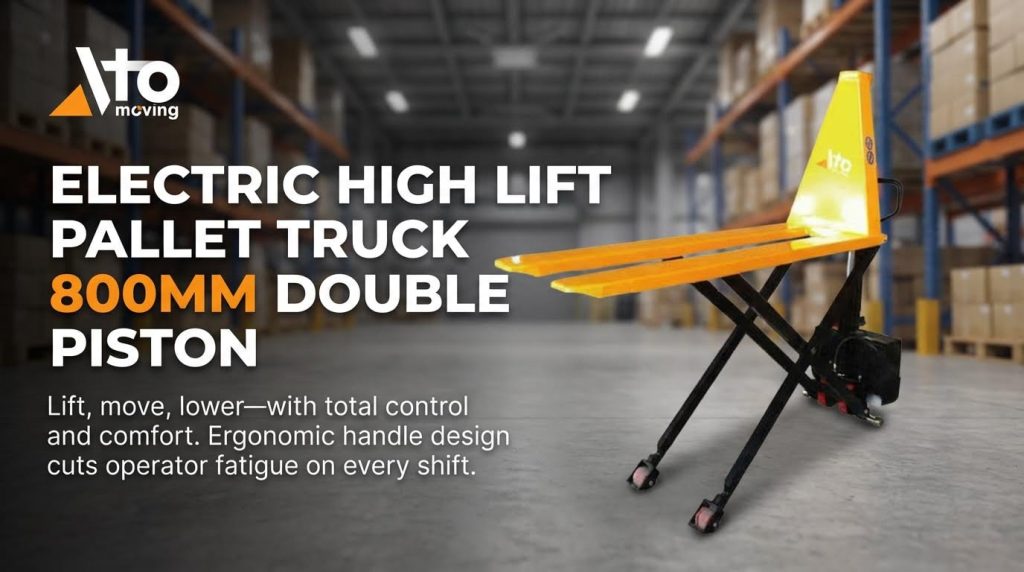
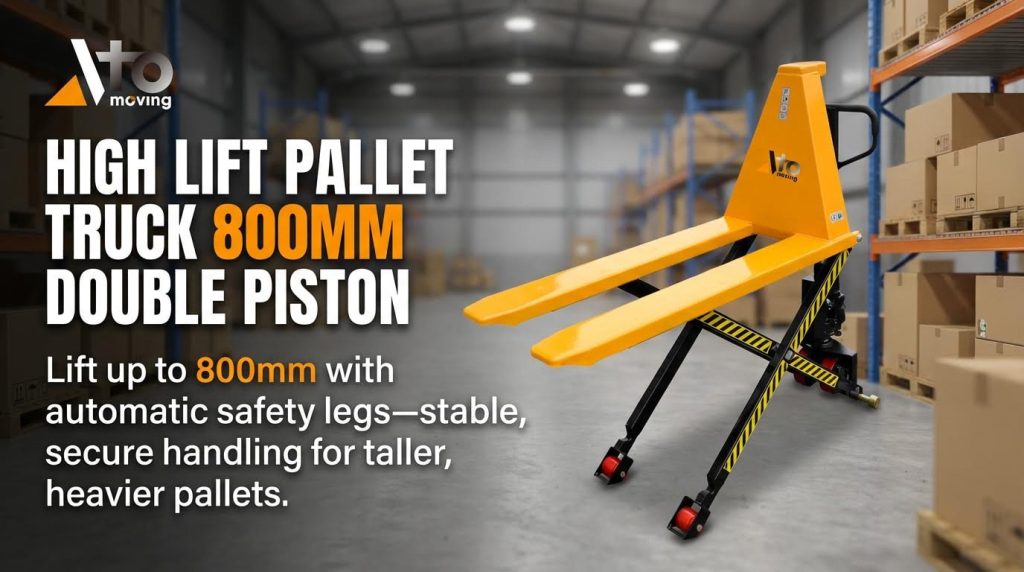
Lifting equipment refers to any machinery or device used for lifting and lowering loads. Examples include overhead cranes, patient hoists, and pallet trucks. Accessories that support or anchor the equipment also fall under this category. HSE Guidelines.
Are pallet trucks lifting equipment?
Yes, pallet trucks are classified as lifting equipment. They are designed to lift pallets slightly off the ground to move them from one place to another. This makes them subject to regulations like PUWER inspections. Manutan UK Blog.