Knowing how to operate a battery pallet lift safely protects people, product, and equipment while keeping your warehouse productive. This guide walks through fundamentals, daily inspections, safe travel and load handling, and correct battery charging and maintenance practices. You will learn how to match operation to your duty cycle and environment, stay aligned with safety standards, and avoid common causes of damage or downtime. Use these principles to build consistent, compliant operating habits across your team.
Fundamentals Of Battery Pallet Lift Operation
Key components and control layout
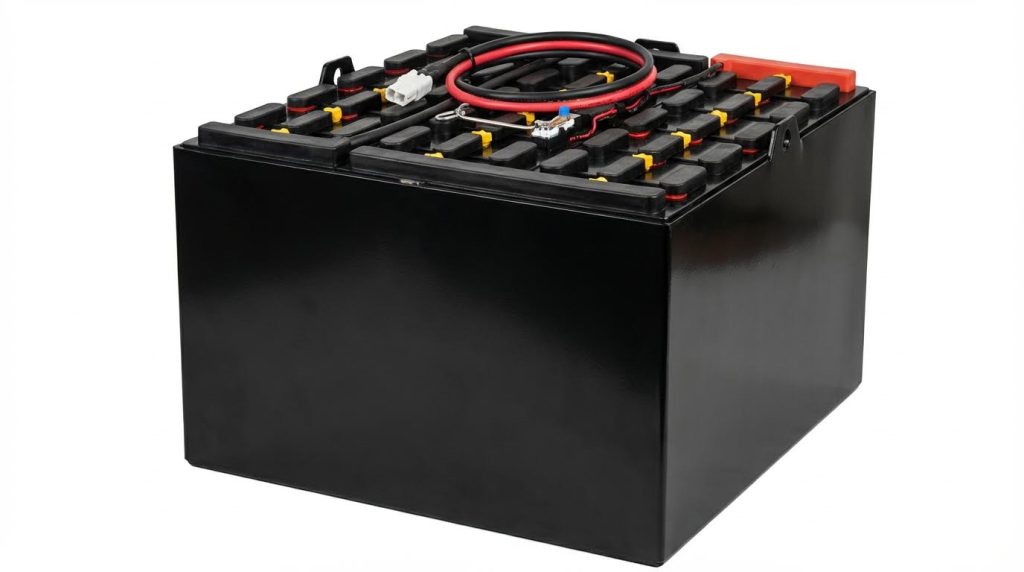
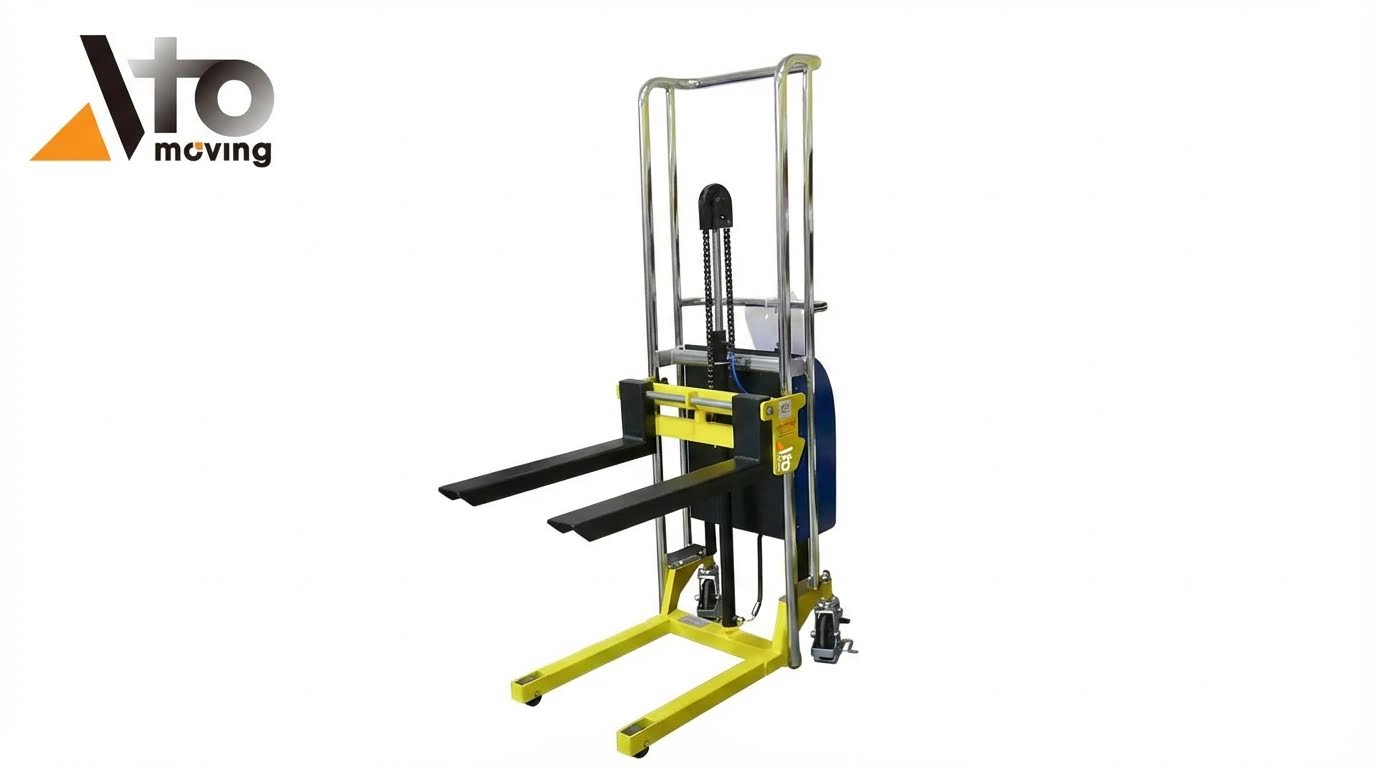
Understanding the key components and control layout is the first step in learning how to operate a battery pallet lift safely and efficiently. A typical unit includes the battery pack, drive motor, hydraulic pump, control handle (tiller), and load-bearing structure with forks and wheels. Before use, operators should confirm that wheels, forks, and the handle move freely and show no visible damage or leaks through a basic inspection. This prevents mechanical faults from combining with electrical power to create loss-of-control events.
- Battery and key/ON switch: Many electric pallet lifts use a key or power button to energize the control system. Status lights on the dashboard or handle confirm that the unit is ready once switched ON.
- Tiller head controls: The handle usually integrates travel direction (forward/reverse), speed modulation, lift/lower rocker switches, and an emergency stop or belly button. These controls let the operator walk at a controlled pace while maintaining full command of traction and hydraulics.
- Hydraulic lift system: An electric pump raises and lowers the forks. Operators should use short, deliberate lift commands and verify the forks rise smoothly without jerks or unusual noises during pre-use checks.
- Braking and emergency stop: Most battery pallet lifts brake automatically when the tiller is raised upright, and many include an emergency reverse button to prevent crushing if the operator is pinned against an obstacle.
Clear labeling of functions on the handle and a consistent pre-use check routine make it easier to standardize how to operate a battery pallet lift across shifts. This reduces operator error and supports compliance with powered industrial truck safety expectations such as documented inspections.
Basic operating sequence step by step
A structured operating sequence helps new and experienced operators apply best practice every time they run a battery pallet lift. The steps below focus on safe start-up, controlled movement, and proper load handling, which are central to how to operate a battery pallet lift in busy warehouses.
Step-by-step operating flow
- Pre-operation and area check
- Verify the surrounding area is clear of obstacles, pedestrians, and loose materials before moving the unit as part of the initial setup.
- Confirm wheels, forks, handle, and hydraulic components are in good condition and that the battery has sufficient charge through a visual inspection.
- Power-up and control check
- Insert the key or turn the main switch to ON and confirm indicator lights show the truck is ready for operation before moving.
- Test lift and lower controls with empty forks to verify smooth, predictable hydraulic response.
- Approach and pick up the load
- Align the forks with the pallet openings and drive slowly forward until the forks are fully inserted under the load.
- Center the load on the forks and ensure it does not exceed the rated capacity to maintain stability.
- Lift the pallet just high enough to clear the floor, keeping the center of gravity as low as possible before traveling.
- Travel with the load
- Use the travel lever gently and keep speed at or below normal walking pace for maximum control.
- Reduce speed at corners, intersections, and uneven surfaces, and sound the horn at blind spots to warn pedestrians.
- Keep hands and feet clear of the forks and wheels, and avoid sharp turns or sudden stops with a raised load to prevent tip-over or loss of load.
- Set down and park
- Stop on level ground, lower the load until it is fully supported, then back the forks out straight.
- Move to the parking area, lower forks fully, switch OFF the power, and remove the key if fitted.
Following this consistent sequence standardizes how to operate a battery pallet lift across operators and shifts. It also aligns with recognized best practices for inspection, load handling, and controlled travel that reduce incidents and equipment wear in powered industrial truck operations.
Safe Handling, Travel, And Battery Management

Pre-use inspection and OSHA compliance
Before deciding how to operate a battery pallet lift on any shift, start with a documented pre-use inspection. OSHA requires powered industrial trucks to be examined before being placed in service at least once per shift, with unsafe units removed from operation 29 CFR 1910.178(q)(7). Check the truck and battery systematically so defects do not turn into incidents during load handling or travel.
- Walk around the truck and check forks, wheels, handle, and controls for damage, cracks, or missing parts. Look for hydraulic leaks and verify the battery charge status and indicator lights as recommended in pallet truck best-practice guides.
- Confirm the work area is clear of obstacles, floor damage, and pedestrians before turning the unit on, and stand in the manufacturer’s recommended operating position as outlined in typical electric pallet truck procedures.
- Verify safety devices (horn, emergency stop, dead‑man controls) function correctly, and that capacity labels and warning decals are legible.
- Ensure only trained and authorized operators over 18 years of age use the equipment, in line with OSHA rules for powered industrial trucks on age limits and operator competence.
When you plan how to operate a battery pallet lift for a facility, build these inspection points into a standard checklist and keep records for compliance and traceability.
Load handling, travel speed, and stability
Safe handling is central to any procedure on how to operate a battery pallet lift, because stability margins are small at floor level and operators often work close to pedestrians. Always keep the load within the rated capacity and positioned to maintain a low, central center of gravity. Poor loading or excessive speed multiplies stopping distances and tipping risks.
- Before lifting, align the forks with the pallet openings and insert them fully under the load as recommended in pallet truck loading procedures. Center the load on the forks and use straps or other restraints if the stack is unstable.
- Raise the forks just high enough to clear the floor, keeping the load low for maximum stability, and never exceed the nameplate weight limit as load-handling guidelines emphasize.
- Travel at or below normal walking speed, operate the travel control smoothly, and avoid abrupt starts, sharp turns, and sudden stops to reduce the risk of losing control. Slow down at corners, intersections, ramps, and uneven floors, and sound the horn at blind spots as part of standard movement practices.
- Keep hands and feet clear of wheels and forks, wear appropriate footwear and gloves, and navigate obstacles or rough surfaces at reduced speed per safe operation guidance.
These habits protect the truck’s structure and battery system as well, because smoother operation reduces shock loads and peak current draws during acceleration and braking.
Battery charging, maintenance, and thermal limits
Battery management is a critical part of how to operate a battery pallet lift safely and economically. Incorrect charging or thermal abuse shortens battery life and can create fire, explosion, or acid exposure hazards. A structured charging and maintenance routine improves uptime and keeps the truck within OSHA expectations for powered industrial truck maintenance and battery charging safety under 29 CFR 1910.178.
- Use only the correct, compatible charger for the specific battery type, and avoid overcharging or undercharging, which both reduce service life according to battery life guidance. For lithium systems, never connect a charger intended for lead‑acid batteries as charger mismatch can cause damage.
- Charge and change batteries only in well‑ventilated areas with eye‑wash and body-flush facilities available, to control hydrogen gas levels and provide emergency response for electrolyte exposure as OSHA requires. Keep hydrogen concentrations well below 1% of air volume and follow battery safety protocols for spill control and PPE outlined for electric industrial trucks.
- Maintain batteries by cleaning terminals and cases to remove dust and corrosion to preserve power flow, and by inspecting for cracks, leaks, or physical damage as part of a scheduled program with maintenance records kept.
- Control temperature by storing and charging batteries in cool, dry, well‑ventilated areas, away from direct heat or freezing conditions, since extreme temperatures accelerate degradation or reduce capacity as battery life studies show and as electric pallet jack maintenance guidance recommends.
By combining disciplined charging, environmental control, and routine inspection, you extend battery life, reduce unplanned downtime, and keep the pallet lift operating safely throughout its duty cycle.
Matching Operation To Duty Cycle And Environment
Selecting battery type for shift patterns
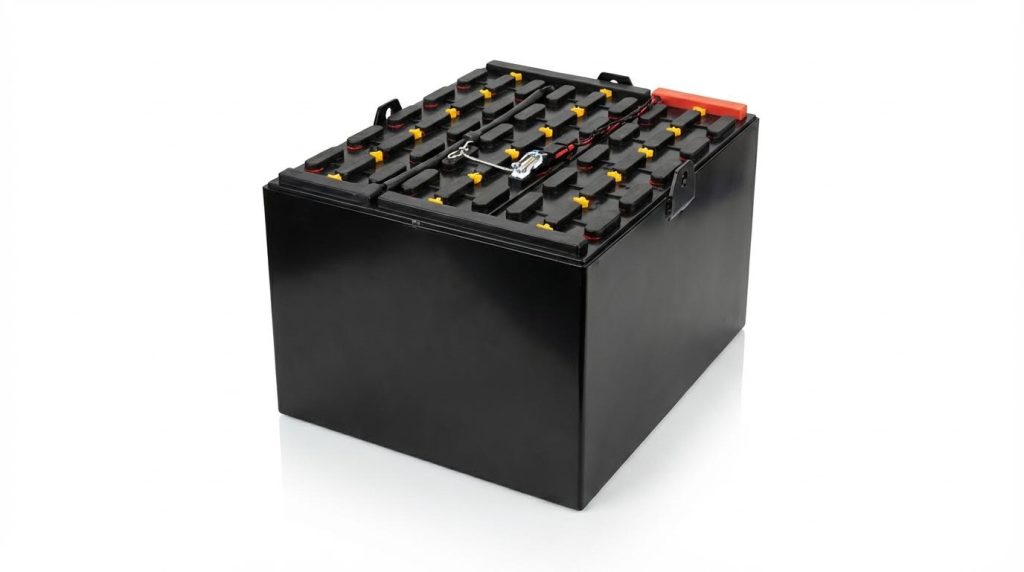
To decide how to operate a pallet jack efficiently, you first match the battery chemistry to your duty cycle. For light, intermittent use on single shifts with long breaks, basic lead‑acid batteries often provide sufficient runtime at lower cost, provided you follow full charge cycles and avoid frequent opportunity charging that can cause sulfation and shorten service life. For multi‑shift or near-continuous use, lithium batteries are better suited because they accept frequent opportunity charging and recover capacity quickly without the memory effects typical of some older chemistries. In all cases, you must use the correct, compatible charger for the installed battery type to avoid damage and loss of capacity. Using a charger designed for a different chemistry can permanently damage the battery.
- Single-shift, low utilization: prioritize lower upfront cost and plan full overnight charges.
- Two- or three-shift operation: prioritize fast charging and high cycle life; design scheduled opportunity-charge windows.
- Irregular or seasonal use: choose batteries that tolerate storage well and maintain them on a routine charging schedule to prevent sulfation and capacity loss. Maintaining a regular charge routine reduces sulfation and extends life
Charging and maintenance by duty cycle
Heavy-duty fleets should schedule preventive battery inspections at least annually, including checks for physical damage and corrosion, to keep runtime predictable. Regular cleaning of terminals and casing helps maintain efficiency. For wet‑cell batteries, high‑use applications require disciplined watering routines because low electrolyte levels are a leading cause of premature failure. Automated watering systems can simplify this task and protect capacity. Aligning your battery and charger selection with actual shift patterns is a core part of how to operate a hydraulic pallet truck safely and cost‑effectively over its life.
Operating in narrow aisles and mixed conditions
When you plan how to operate a drum dolly in narrow aisles, you must adapt both driving technique and energy use to the environment. In tight spaces, operators should keep speeds at or below normal walking pace, avoid sharp turns, and use smooth acceleration and braking to maintain stability and reduce peak current draw from the battery. Controlled travel speed and gradual starts and stops are recommended to maintain stability and visibility. Mixed conditions, such as moving from cold storage to ambient warehouses or from smooth floors to rough thresholds, also place extra stress on both the truck and the battery. Extreme temperatures reduce battery capacity and accelerate degradation, so equipment should be stored in cool, dry areas away from heat sources.
- In narrow aisles, keep the load low and centered on the forks, maintain clear sightlines, and reduce speed at intersections and blind spots. Sounding the horn at crossings further reduces collision risk.
- In mixed-temperature environments, avoid parking or charging the truck in very hot or very cold zones; move it to a moderate area for charging and longer breaks. Adequate ventilation during charging helps prevent overheating and permanent battery damage.
- On uneven or contaminated floors, reduce speed, keep hands and feet clear of the truck, and avoid sudden steering inputs that could destabilize the load. Safe operation guidelines emphasize reduced speed and careful navigation over obstacles.
Environment-specific battery considerations
Cold areas reduce available runtime, so operators should plan more frequent charging or battery changes for the same workload. Hot areas accelerate chemical degradation, making temperature control and airflow around the battery and charger critical for long life. Storing batteries in cool, dry conditions and monitoring for signs of heat or moisture damage helps preserve performance. Matching driving style, storage location, and charging practices to the actual aisle layout and climate ensures both safe maneuvering and reliable battery life.
“”
Final Thoughts On Efficient, Safe Operation
Safe battery pallet lift operation depends on three linked pillars: sound equipment, disciplined operators, and controlled energy management. Pre‑use inspections catch leaks, cracks, and control faults before they combine with electric power and tight spaces. Correct loading, low fork height, and walking‑pace travel keep the center of gravity stable, which protects pedestrians as well as the truck frame and wheels.
Battery practices matter just as much as driving habits. Matching chemistry to duty cycle, using the correct charger, and controlling temperature all preserve runtime and limit failure risk. Clean terminals, documented checks, and ventilated charging areas keep you aligned with OSHA rules and reduce fire and corrosion hazards.
When you plan procedures for your site, treat these steps as a single system, not separate tasks. Standardize the operating sequence, inspection checklist, and charging rules across shifts. Train and authorize only qualified operators, and enforce speed, load, and aisle‑use limits.
Teams that follow this integrated approach see fewer incidents, less downtime, and longer battery and truck life. Use these guidelines with Atomoving equipment to build clear, repeatable routines that keep people safe and material flow steady, even in narrow aisles and demanding multi‑shift operations.
Frequently Asked Questions
How to Operate a Battery Pallet Lift?
To operate a battery pallet lift, ensure it is turned off and disconnected from the power source before starting. Locate the reset button near the battery compartment, press and hold it for 10-20 seconds, then reconnect the power and test the equipment. For safe usage, always follow proper handling techniques—electric pallet jacks are typically operated in a pulling position using a controller. Reset Guide.
Do You Need Certification to Operate an Electric Pallet Jack?
Yes, according to OSHA standard 1910.178, workers must complete training and certification to operate an electric pallet jack safely. Certification involves formal instruction, practical training, and a performance evaluation. Online courses are available that allow you to complete the formal instruction portion at your own pace. OSHA Certification FAQs.
Should You Push or Pull an Electric Pallet Jack?
Electric pallet jacks are designed to be operated in a pulling position using the controller, which ensures better control and reduces physical strain. Manual pallet jacks, on the other hand, are safer when pushed to avoid back injuries. Always use the controls as intended by the manufacturer for optimal safety and efficiency. Pallet Jack Guide.