
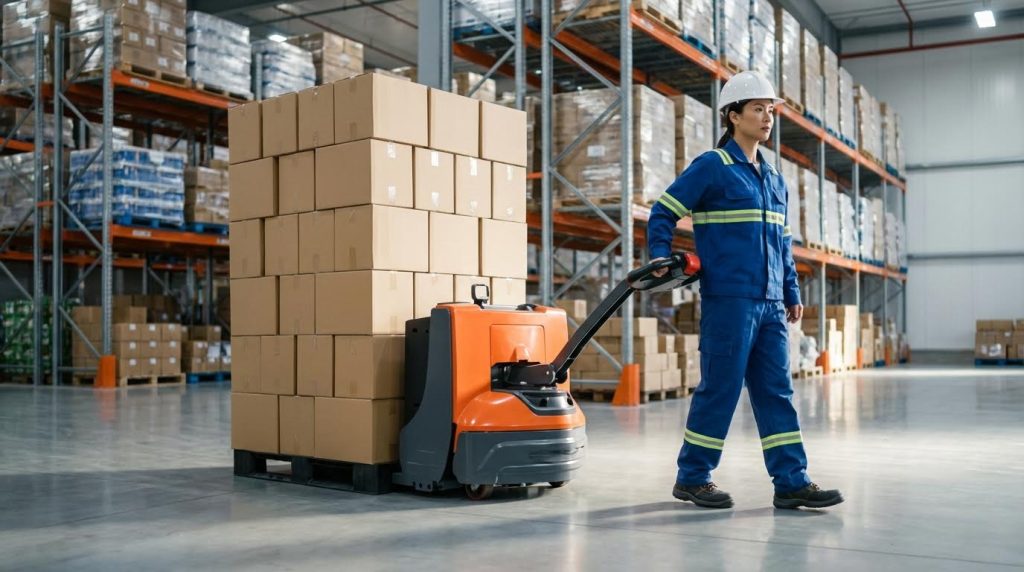
Manual pallet stacking is limited far more by ergonomics, stability, and fire code than by how light empty pallets feel in your hands. This guide explains exactly how high can empty pallets be stacked manually in meters, how to stay compliant, and how to design safer pallet areas.
You will see where OSHA’s “no collapse” rule, NFPA fire limits, and practical engineering ratios intersect, and why most facilities cap manual empty pallet stacks around 1.2–1.8 m. Use these numbers to set clear, defensible site rules and train your team..manual pallet jack and are essential tools for this task. Additionally, using a drum dolly or forklift drum grabber can improve efficiency.
Defining Safe Manual Pallet Stack Heights
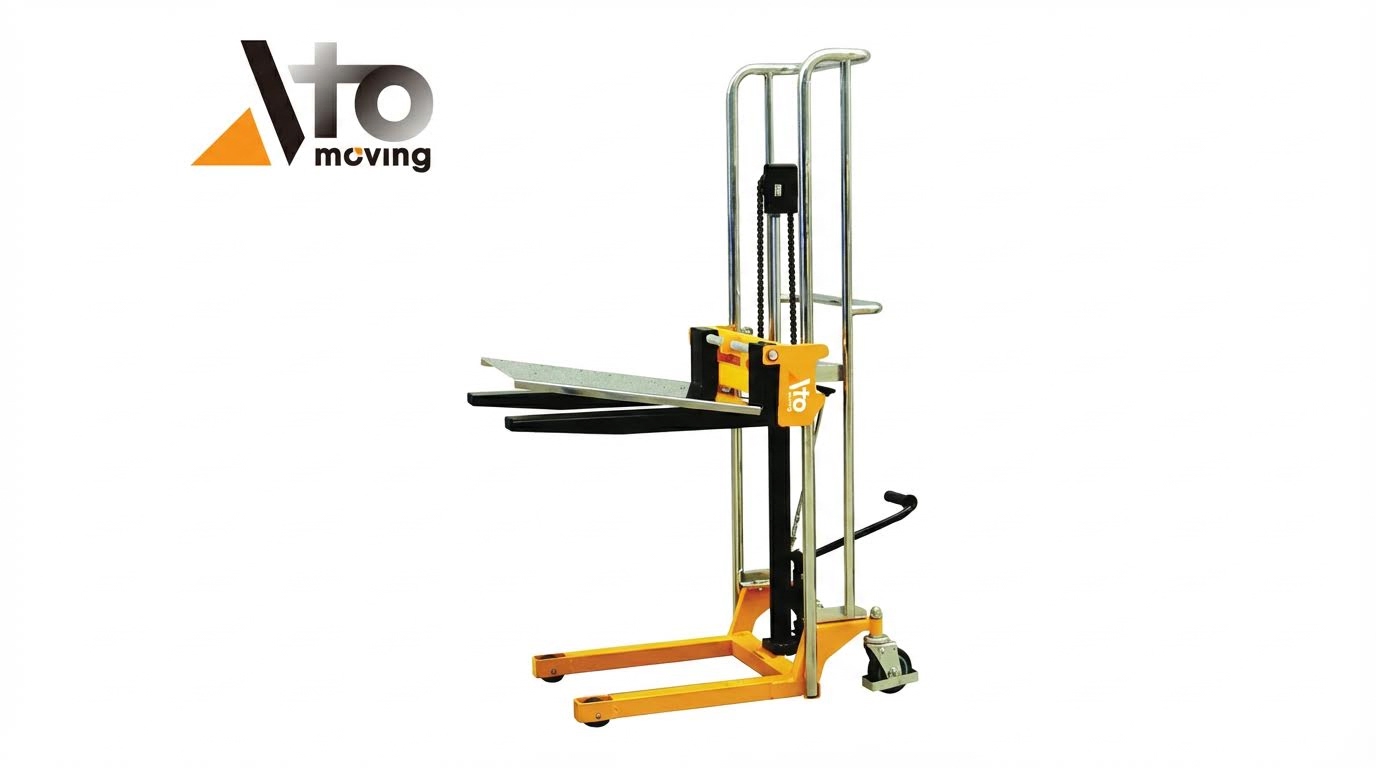
Safe manual pallet stack height is normally limited by stability, fire code, and ergonomics, which means empty pallets are usually stacked only to about 1.2–1.8 m when handled entirely by hand.
If you are asking how high can empty pallets be stacked manually, the safe answer is almost never “as high as they will go.” Instead, you must meet OSHA’s stability rules, stay inside ergonomic reach zones, and leave clearance to sprinklers or lighting.
- Core idea: Manual pallet stacks are set by people, not forklifts – so shoulder height, not ceiling height, becomes the real limit.
- Legal backdrop: OSHA requires stacks that cannot slide or collapse – so any height that feels “wobbly” is already a compliance problem.
- Engineering check: Base-to-height ratios and floor conditions – determine whether a tall empty-pallet stack can stand without bracing.
| Question | Typical Safe Answer | Operational Impact |
|---|---|---|
| How high can empty pallets be stacked manually in most warehouses? | About 1.2–1.8 m | Keeps top layer around shoulder height for average workers; reduces strain and tipping risk. |
| What is the absolute engineering limit for a free-standing pallet stack? | ≈3–4 × smallest base dimension | Theoretical only; manual handling, misalignment, and fire code usually force lower heights. |
| Does fire code affect idle pallet stack height? | Yes, often 1.8–4.6 m caps for idle pallets | May require sprinklers, stack separation, or lower heights to stay compliant. |
💡 Field Engineer’s Note: In real audits, I rarely approve manual empty-pallet stacks above 1.5 m unless the floor is very flat, pallets are uniform, and the area is tightly controlled. Small misalignments grow fast with height.
OSHA and general duty requirements
OSHA does not give a single number for how high empty pallets can be stacked manually; instead, it requires that stacked materials stay stable and free from collapse hazards.
The key OSHA obligation comes from the “no hazards” principle. Stacks must not create struck-by, sliding, or collapse risks when workers build, walk near, or break down the stack. That is what really governs how high can empty pallets be stacked manually in your facility.
- OSHA stability rule: Materials stored in tiers must be stacked, blocked, interlocked, or otherwise secured to prevent sliding or collapse – this applies directly to pallet stacks according to OSHA material handling standards.
- General Duty Clause: Employers must keep the workplace free of recognized hazards – tall, unstable pallet piles are a textbook “recognized hazard.”
- Tiered storage requirement: Cargo and pallets stored in tiers must be arranged to avoid sliding and collapse – so the higher you go, the more conservative you must be per OSHA stacking rules.
What this means for your written pallet stacking rule
To show OSHA compliance, your written rule for manual empty pallet stacking should at minimum: (1) cap manual stack height (for example at 1.5–1.8 m); (2) require plumb, interlocked stacks on level floors; (3) prohibit stacking damaged pallets; and (4) require keeping clear of sprinklers, lights, and egress paths.
OSHA’s enforcement history also focused on obvious red flags: leaning stacks, pallets stored under sprinklers, and pallets stacked so high that workers must reach overhead or climb on them. When you define how high can empty pallets be stacked manually in your SOPs, you should assume an inspector will judge by eye whether a typical person can safely build and unstack the pile without overreaching or pulling it over.
Typical manual stacking limits in meters and feet
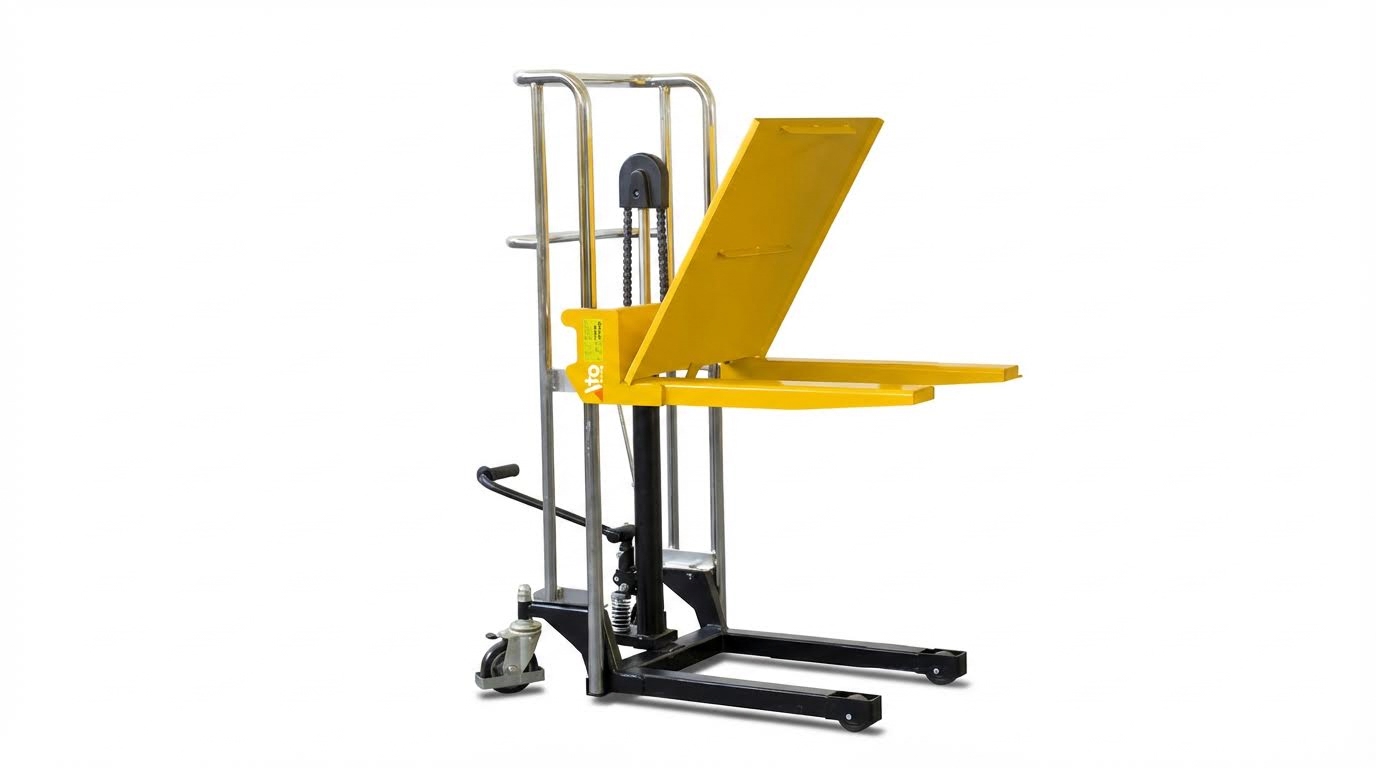
In most facilities, safe manual empty pallet stacks fall between about 1.2 m and 1.8 m high, keeping the top pallet roughly at or below shoulder height for average workers.
This practical range balances three things: OSHA’s stability requirement, ergonomic limits on overhead reaching, and basic engineering rules on base-to-height ratios. Even though engineering math might allow taller free-standing stacks, manual handling risks usually force a lower limit when deciding how high can empty pallets be stacked manually.
| Scenario | Typical Manual Stack Height | Reason / Operational Impact |
|---|---|---|
| Ergonomic “ideal” for frequent manual stacking | ≈1.0–1.2 m (≈3.3–4.0 ft) | Keeps most work near navel height, minimizing bending and overhead reach for frequent handling per ergonomic guidelines. |
| Common manual limit in warehouses | ≈1.2–1.8 m (≈4–6 ft) | Top pallet stays near shoulder height for most workers; acceptable for occasional stacking and unstacking of empty pallets as reflected in manual handling guidance. |
| Engineering theoretical limit (stability only) | ≈3.0–4.0 m (≈10–13 ft) for 1,200 × 1,000 mm pallet | About 3–4 × smallest base dimension; rarely used for manual handling because misalignment and worker reach make it unsafe in practice per common stability ratios. |
| Fire code cap for idle wood pallets (with protection) | Up to ≈4.6 m (≈15 ft) | NFPA allows taller idle pallet piles under specific fire protection conditions, but this is a fire limit, not a manual handling recommendation as summarized in pallet stacking guidance. |
- Ergonomic working zone: Mid-thigh to shoulder height, roughly 0.5–1.5 m – this is the safest range for frequent manual lifts per ergonomic manuals.
- Single-person lift weight: About 20–25 kg per lift under good conditions – empty pallets are often near this limit, so overhead handling is risky according to ergonomic guidance.
- Stability ratio rule-of-thumb: Limit free-standing stacks to ≈3–4 × the smallest base dimension – but apply stricter limits for manual stacking to allow for misalignment as seen in stacking guidance.
💡 Field Engineer’s Note: When writing site rules, I recommend one simple, enforceable number: for manual handling of empty pallets, cap stacks at 1.5 m unless a risk assessment justifies up to 1.8 m, and require mechanical aid for anything taller.
How to convert this into a site-specific limit
Measure your tallest worker’s shoulder height, subtract at least 100–150 mm for safety, and use that as your absolute manual stack cap. Then check fire code and sprinkler clearance. The lowest of: (1) ergonomic shoulder limit, (2) stability assessment, and (3) fire/sprinkler clearance becomes your documented answer to “how high can empty pallets be stacked manually” for your site.
When considering equipment like manual pallet jack, drum dolly, or hydraulic pallet truck, it’s important to ensure they align with your stacking policies to maintain safety and efficiency.
Engineering And Code Factors That Limit Stack Height
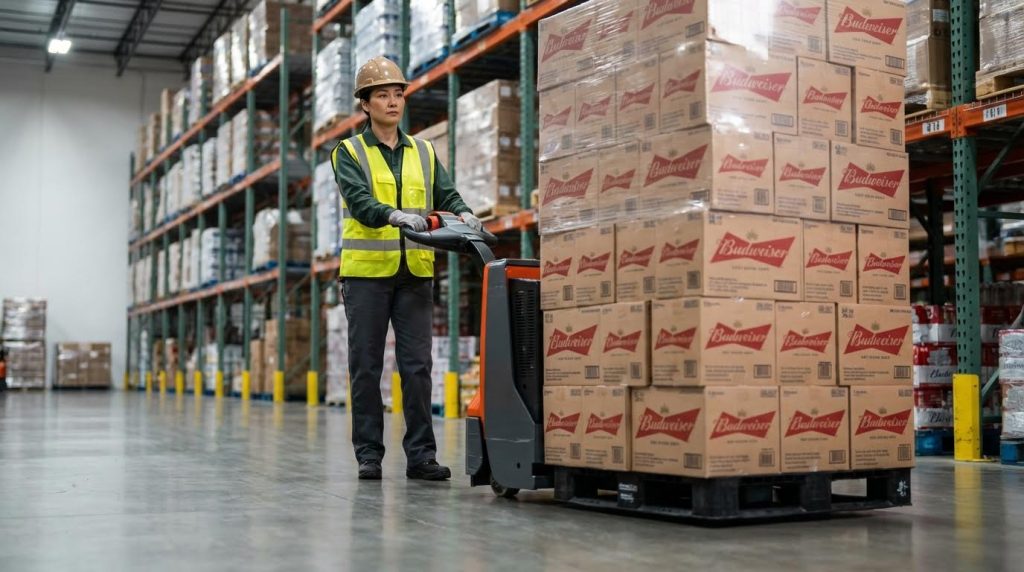
Engineering stability, fire codes, sprinklers, and ergonomics together decide how high can empty pallets be stacked manually in a real facility, not just in theory. Even “light” empty pallets can become unstable, unstackable, or non‑compliant long before you hit a geometric limit.
To set a safe manual limit, you must check three things: how easy the stack is to tip, how it interacts with fire protection systems, and what heights your workers can handle without strain. The sections below break those factors into simple rules you can apply on the floor.
Stability ratios and base-to-height rules
Stability ratios and base‑to‑height rules answer the physics side of how high can empty pallets be stacked manually before they are too easy to tip. The goal is to keep the center of gravity low and inside the footprint even with bumps and misalignment.
A common engineering rule is to limit free‑standing stacks to about 3–4 times the smallest base dimension, assuming uniform pallets and a level floor. For a 1,200 mm × 1,000 mm pallet, that suggests a theoretical stack height of roughly 3.0–4.0 m. OSHA rules also require that materials stored in tiers be stacked to prevent sliding and collapse, which effectively enforces a stability margin rather than a single maximum height.
In practice, manual handling, imperfect alignment, and floor irregularities usually force you to set lower limits than the pure geometry would allow. The table below translates the ratio rule into practical guidance for common pallet sizes and shows why most facilities cap manual stacks around 1.2–1.8 m.
| Pallet base size (mm) | Smallest base dimension (mm) | Theoretical max (3–4× base) | Typical manual limit | Operational impact |
|---|---|---|---|---|
| 1,200 × 1,000 | 1,000 | 3.0–4.0 m | 1.2–1.8 m | Stable for hand stacking; keeps top below or near shoulder height. |
| 1,200 × 800 | 800 | 2.4–3.2 m | 1.2–1.5 m | Narrower base needs lower limit to resist tipping and side impact. |
| 1,000 × 1,000 | 1,000 | 3.0–4.0 m | 1.5–1.8 m | Square base is stable, but ergonomic reach still governs manual height. |
- Limit height-to-base ratio: Keep free‑standing pallet stacks at or below 3–4× the smallest base dimension – reduces tip‑over risk from minor impacts.
- Account for misalignment: Assume some pallets will sit skewed – so set a lower “real world” limit than the theoretical maximum.
- Watch floor conditions: Avoid stacking high on sloped, cracked, or soft floors – uneven support shifts the center of gravity toward one edge.
- Heavier at the bottom: Place any heavier or thicker pallets low in the stack – this lowers the center of gravity and stabilizes the pile.
- Cap manual stacks conservatively: For manual handling, keep empty pallet stacks generally in the 1.2–1.8 m range – this balances stability with ergonomic reach.
Why the ratio rule matters more for narrow pallets
As pallets get narrower, the same absolute side push produces a larger tipping moment because the center of gravity is closer to the tipping edge. That is why 800 mm wide pallets often need lower stack limits than 1,000 mm pallets, even if they weigh the same.
💡 Field Engineer’s Note: When you see stacks starting to “snake” or lean slightly, you are already beyond a comfortable stability margin. In audits, I treat visible lean as a sign the ratio limit is too aggressive for that pallet type or floor and reduce the allowed height by at least one pallet layer.
Fire code, NFPA, and sprinkler clearance limits
Fire codes, NFPA rules, and sprinkler clearances often cap how high can empty pallets be stacked manually well below what physics alone would allow. Idle pallets are treated as a high fire load, so height, footprint, and spacing are tightly controlled.
NFPA guidance for idle wood pallets typically limits stacks to about 4.6 m high with a maximum pile footprint around 37 m², unless enhanced fire protection is installed. Many insurers and internal standards go further and cap floor‑stacked pallets around 1.8 m and require at least 2.4 m of clear space between stack groups to slow fire spread and allow access. OSHA’s material storage rules also require that stacks not create collapse or struck‑by hazards, which ties fire layout back to stability.
On top of that, sprinkler rules generally require at least 450 mm of vertical clearance between the top of any stored material and sprinkler deflectors. Some facilities specify larger clearances in their design documents. That means your answer to how high can empty pallets be stacked manually must fit under both the sprinkler clearance and any NFPA or insurance cap.
| Factor | Typical requirement / value | Operational impact on stack height |
|---|---|---|
| NFPA idle wood pallet stack height | Max ≈ 4.6 m without special systems | Sets absolute upper bound for pallet piles in many occupancies. |
| Common insurer / in‑house limit for floor stacks | ≈ 1.8 m | Often becomes the practical manual stacking limit even for empty pallets. |
| Max pallet pile footprint | ≈ 37 m² | Prevents oversized blocks that are hard to control in a fire. |
| Separation between stack groups | ≥ 2.4 m | Creates fire breaks and access lanes for responders and equipment. |
| Sprinkler vertical clearance | ≥ 450 mm below deflectors | Reduces allowable stack height if roof is low or sprinklers hang low. |
- Measure to sprinklers, not to the roof: Always measure from finished floor to the lowest sprinkler deflector – then subtract at least 450 mm for required clearance.
- Apply the stricter rule: If fire code allows 4.6 m but your insurer or internal policy says 1.8 m – your safe manual limit is 1.8 m or less.
- Control footprint: Keep each pallet pile within the allowed m² footprint – this avoids massive “walls” of fuel that overwhelm sprinklers.
- Maintain separation aisles: Hold at least 2.4 m between pallet stack groups – this doubles as an access lane and a fire break.
- Document your limits: Record the maximum permitted pallet stack height and show how you calculated it – this supports OSHA General Duty compliance during inspections.
How to calculate max height under sprinklers
1) Measure floor to sprinkler deflector (for example, 6.0 m). 2) Subtract required clearance (450 mm) to get 5.55 m. 3) Apply any fire‑code or insurance cap (for example, 1.8 m for idle pallets). The lowest of these numbers becomes your maximum pallet stack height; manual handling rules may reduce it further.
💡 Field Engineer’s Note: In older buildings with low, uneven sprinkler piping, I always set pallet limits by the lowest sprinkler run in the zone, not the average height. One stray tall stack under a low pipe is enough to void your fire protection assumptions.
Ergonomic load limits and worker reach zones
Ergonomic limits and worker reach zones usually give the most practical answer to how high can empty pallets be stacked manually day‑to‑day. Even if fire code and stability allow more, manual stacks that force workers to lift above shoulder height quickly create injury risk.
Ergonomic guidance keeps frequent manual handling within roughly mid‑thigh to shoulder height, about 500–1,500 mm for most adults. The optimal working band for repetitive palletizing is narrower again, around 850–1,150 mm, roughly at navel height. Studies and guidelines also cap single‑person lifts at about 20–25 kg under ideal conditions; heavier loads should use team lifts or mechanical aids. For empty pallets, weight is usually low, but reach and twist still matter.
Because of these constraints, many ergonomic programs recommend a maximum manual pallet stack height of about 1,200 mm, even though some facilities stretch that to 1,500–1,800 mm for lighter, occasional handling. Ergonomic case studies show that keeping work near navel height and close to the body greatly reduces back and shoulder strain.
| Ergonomic factor | Typical range / limit | Operational impact on manual stack height |
|---|---|---|
| Preferred working zone | ≈ 850–1,150 mm | Best band for frequent pallet handling; ideal top of stack for high‑frequency work. |
| Acceptable manual reach band | ≈ 500–1,500 mm | Reasonable for occasional stacking; above 1,500 mm increases shoulder loading. |
| Recommended max manual pallet stack | ≈ 1,200 mm | Common ergonomic limit to avoid regular lifting above shoulder height. |
| Single‑person lift mass | ≈ 20–25 kg | Guides when to use team lifts or equipment for heavier pallets or bundles. |
- Keep frequent work at navel height: Aim to handle most pallets between 850–1,150 mm – this minimizes bending and overhead reach.
- Cap everyday manual stacks: Design for a normal maximum pallet stack around 1,200 mm – this keeps the top layer within a safe reach for most workers.
- Use aids for higher tiers: When you must stack higher than 1.5 m, use lift tables, trolleys, or powered equipment – this avoids overhead, away‑from‑body lifts.
- Respect weight limits: Treat 20–25 kg as a ceiling for one‑person lifts under good conditions – use team lifts or mechanical help above that.
- Plan for variance in worker height: Base limits on shorter workers in the crew, not the tallest – this keeps the job safe for everyone, every shift.
Using palletizing aids to keep within ergonomic zones
Scissor lift tables and height‑adjustable pallet stands let you keep the active work layer in the 850–1,150 mm band as the stack grows. As you add pallets, you lower the table to maintain the same hand height. This is one of the simplest ways to increase stack capacity without pushing manual reach limits.
💡 Field Engineer’s Note: When I audit sites that ask how high can empty pallets be stacked manually, the first thing I watch is shoulder and neck posture, not the tape measure. If I see workers reaching up, shrugging shoulders, or standing on toes to place the top pallets, the stack is already too high for that team, regardless of what the written limit says.
Best Practices For Manual Empty Pallet Stacking
Best practice is to keep manually handled empty pallet stacks to about 1.2–1.8 m high, inspect every pallet, and design clear aisles and stack spacing so stacks cannot slide, collapse, or block egress. These rules directly control how high can empty pallets be stacked manually in real warehouses.
Inspection routines for pallets and stack plumbness
Safe manual pallet stacking starts with a strict inspection routine for every pallet and every stack. This prevents hidden damage and lean from turning into a sudden collapse when someone adds “just one more” pallet on top.
- Inspect every pallet before stacking: Look for broken deck boards, split stringers, loose or missing blocks, and protruding nails – removes weak links that can crush or shear under the stack weight.
- Reject damaged pallets: Tag and remove any pallet with visible structural damage from circulation – prevents progressive failure inside tall stacks.
- Check cleanliness and dryness: Keep pallets free of oil, grease, or moisture – reduces slip between pallets and avoids mold or rot on wood.
- Verify uniform size and type in each stack: Stack only like-for-like pallets together – ensures consistent contact area and predictable stability.
- Confirm floor condition: Check for cracks, slopes, drains, or debris under the stack area – a level, clean base prevents lean as the stack grows.
- Align stringers and blocks: Make sure top pallet sits squarely on the one below, not on overhanging boards – gives direct load paths rather than point loading.
- Use a quick “plumb” check: Sight up the corners or use a simple plumb line or level – catches early lean before the stack becomes too tall to correct safely.
- Limit manual stack height: Keep manually built empty pallet stacks around 1.2–1.8 m where practical – keeps work near shoulder height and within ergonomic limits for most workers according to industry guidance.
- Schedule routine walkthroughs: Perform at least weekly inspections of all pallet areas – verifies stack plumbness, height limits, and removal of damaged pallets as recommended for General Duty compliance.
- Document findings and actions: Record unsafe stacks, removed pallets, and corrective steps – creates proof of due diligence if there is an incident.
| Inspection Item | What To Look For | Risk If Ignored | Operational Impact |
|---|---|---|---|
| Deck boards | Cracks, breaks, missing boards | Foot punctures, sudden pallet collapse | Red-tag and remove to keep stacks structurally sound. |
| Stringers/blocks | Splits, crush damage, loose blocks | Stack settles or tilts under load | Prevents leaning stacks at 1.5–1.8 m height. |
| Nails/fasteners | Protruding, bent, missing | Cuts, snags on clothing or wrap | Makes manual stacking safer and faster. |
| Surface contamination | Oil, water, chemicals | Slip between pallets, mold growth | Keeps friction high so tall stacks stay stable. |
| Stack plumbness | Visible lean or bowing | Tip-over into aisles or workers | Triggers restacking before adding more height. |
💡 Field Engineer’s Note: If a stack of empty pallets leans more than about one pallet thickness at the top relative to the base, treat it as unstable. Stop manual additions, cordon off the area, and break down the stack from the top with mechanical help rather than trying to “push it straight.”
How inspection routines control how high can empty pallets be stacked manually
Consistent inspection of pallet condition and stack plumbness is what lets you safely approach the 1.2–1.8 m manual stack range. Without it, even a 1.0 m stack can be hazardous because a single crushed stringer or misaligned pallet can trigger a domino effect.
Layout, spacing, and aisle width in pallet areas
Good pallet yard layout uses controlled stack blocks, clear spacing, and wide aisles so stacks remain stable and accessible as they grow. This directly limits how high can empty pallets be stacked manually without creating fire, egress, or struck-by hazards.
Industry and insurance guidance typically keeps manually handled empty pallet stacks to about 1.8 m high, with at least 2.4 m between stack groups and 2.4–3.0 m main aisles for people and equipment traffic based on common fire and layout practices.
- Group stacks into defined blocks: Keep pallet stacks in designated zones rather than scattered – simplifies inspections and keeps traffic patterns predictable.
- Limit individual manual stack height: Cap manually built empty pallet stacks at roughly 1.2–1.8 m – keeps handling within ergonomic reach and below typical shoulder height which aligns with ergonomic working zones.
- Maintain stack-to-stack separation: Keep at least about 2.4 m between pallet stack groups – slows fire spread and leaves space for trucks, manual pallet jack, and evacuation paths per typical idle pallet storage guidance.
- Size main aisles correctly: Design main travel aisles at about 2.4–3.0 m – accommodates two-way pedestrian flow and common material handling equipment per safe passageway practices.
- Protect sprinkler clearance: Ensure at least 450 mm vertical clearance below sprinkler deflectors – prevents pallet stacks from obstructing fire protection as they approach their maximum height per common sprinkler rules.
- Keep away from walls and columns: Leave a narrow inspection gap (for example, 100–300 mm) – allows visual checks for lean and prevents hidden impact damage.
- Control floor slopes and drains: Avoid stacking across floor falls or near trench drains – prevents gradual sideways movement as stacks get taller.
- Separate pedestrians from high stacks: Use painted lines or barriers – keeps walking routes out of the fall zone of a tipping stack.
- Sign and enforce height limits: Post clear “Max pallet stack height” signs at each zone – turns engineering and code limits into daily behavior.
| Layout Parameter | Typical Recommended Value | Reason | Operational Impact |
|---|---|---|---|
| Manual stack height (empty pallets) | 1.2–1.8 m | Ergonomics and stability | Defines how high can empty pallets be stacked manually without overreaching. |
| Separation between stack groups | ≥ 2.4 m | Fire spread and access control | Creates fire lanes and equipment access corridors. |
| Main aisle width | 2.4–3.0 m | Traffic and evacuation | Allows safe two-way movement of people and pallet trucks. |
| Sprinkler vertical clearance | ≥ 450 mm | NFPA/insurance practice | Prevents storage from blocking sprinkler spray pattern. |
| Wall/column clearance | ≈ 0.1–0.3 m | Inspection and impact protection | Makes it easier to spot lean or damage early. |
Why layout decisions change your safe stack height
In a cramped corner with no aisle and poor sprinkler clearance, you may need to limit stacks to well under 1.5 m. In a well-laid-out pallet yard with 2.4 m fire lanes and good access, you can safely approach the upper end of the 1.8 m manual range because workers can see, reach, and correct issues before they become failures.
💡 Field Engineer’s Note: When you redesign pallet areas, walk the route carrying a dummy pallet at shoulder height. If you cannot turn, set down, or step back safely anywhere along that path, your aisles are too tight for the stack height you are planning—reduce height or widen the layout before an incident forces the change.
Final Thoughts On Setting Manual Pallet Stack Limits
Safe manual pallet stacking depends on how geometry, fire protection, and human limits work together, not on how light empty pallets feel. Stability ratios define a hard boundary, but real risk appears much earlier when floors are uneven, pallets are mixed, or stacks start to lean. Fire code and sprinkler clearances then cut this down again to protect the building and people during a fire event.
Ergonomics usually set the most practical limit. Once workers reach above shoulder height, every lift loads the back and shoulders and raises the chance of a strain or a pulled stack. That is why well-run sites keep manual empty pallet stacks around 1.2–1.8 m and rely on equipment such as Atomoving handling solutions when they need higher storage.
The best approach is simple. Pick one conservative manual height limit, usually near 1.5 m. Check it against stability ratios, NFPA and sprinkler rules, and your shortest workers’ reach. Use the lowest result, write it into your SOPs, mark it in the pallet area, and enforce it with inspections. This turns complex engineering and code requirements into one clear, daily rule your team can follow.
Frequently Asked Questions
How high can empty pallets be stacked manually?
The maximum recommended height for stacking empty pallets manually is typically around 4.6 meters (15 feet). This limit is based on guidelines from organizations like the National Fire Protection Association (NFPA), which aims to prevent hazards such as tipping or collapsing stacks. Pallet Stacking Safety.
- Ensure pallets are of the same size and stack evenly.
- Avoid including damaged pallets in the stack.
- Always start with a flat, stable surface to prevent leaning.
What safety measures should be followed when stacking empty pallets?
To ensure safety while stacking empty pallets, follow these best practices:
- Stack pallets only up to the recommended height of 4.6 meters (15 feet).
- Align pallets evenly to avoid instability.
- Secure the stack with straps or shrink wrap if necessary to prevent shifting.
- Never stack pallets vertically; always lay them flat.
These practices help maintain a safe working environment. Pallet Safety Guide.