
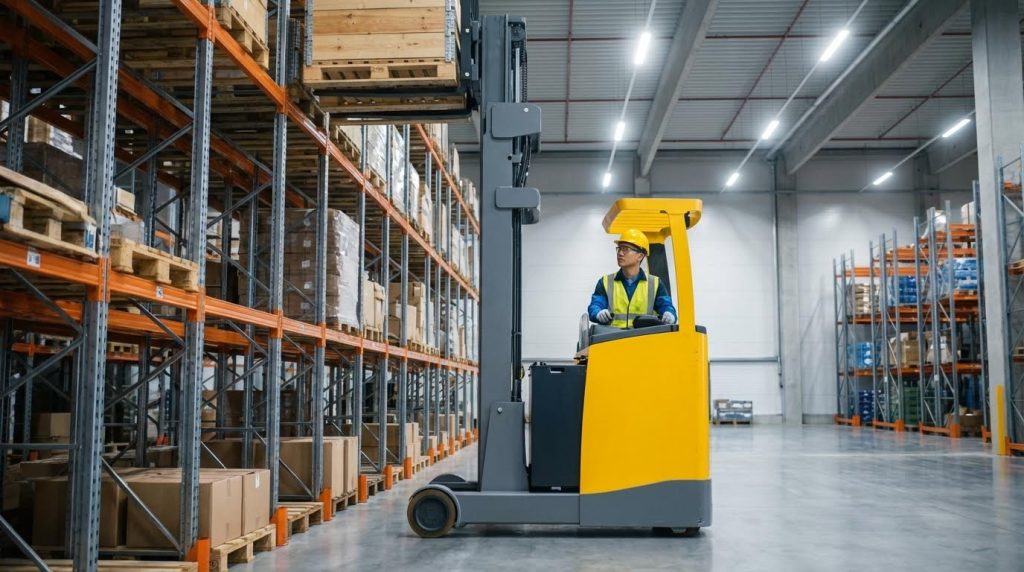
Machines that lift pallets are material handling devices designed to raise, move, and position palletized loads safely and efficiently in warehouses, factories, and yards. If you are searching for a machine to lift pallets of stuff, the real question is matching capacity, lift height, and maneuverability to your floor space, racking, and safety rules. This guide explains the core types of pallet lifting equipment, compares their design and performance, and shows how to select the right solution for your throughput and total cost of ownership. You will see where forklifts, pallet stackers, pallet lifters, and pallet trucks each fit, using real-world ranges for capacity, lift height, and inspection practices drawn from current industry data.
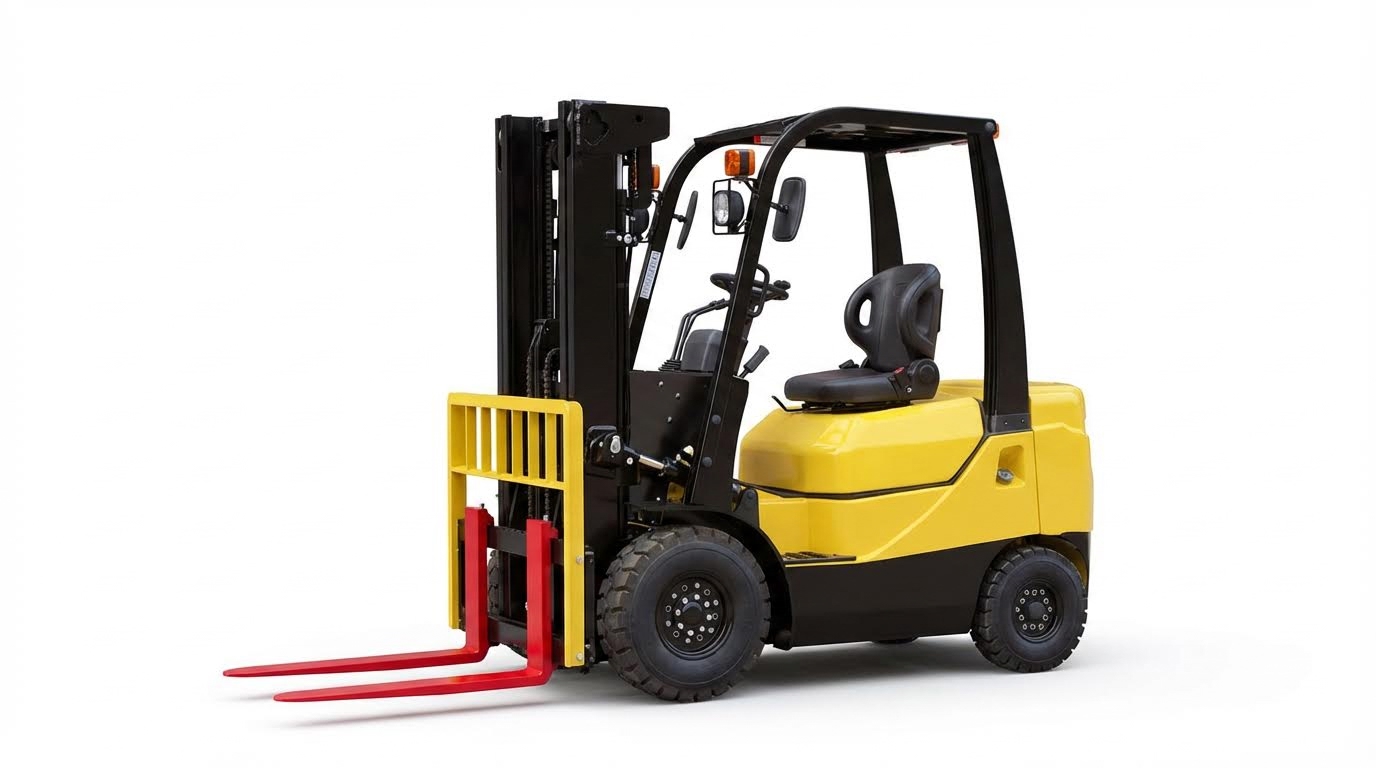
Core Types Of Machines For Lifting Pallets
Core pallet lifting machines are the main categories of equipment you choose from when you need a machine to lift pallets of stuff safely, efficiently, and in compliance with handling standards. This section explains where forklifts, high‑lift trucks, counterbalanced stacker, and walkie stackers each fit so you don’t overspec (waste money) or underspec (create safety and throughput problems). You’ll see how their load, height, maneuverability, and power options differ, and what that means on your warehouse floor.
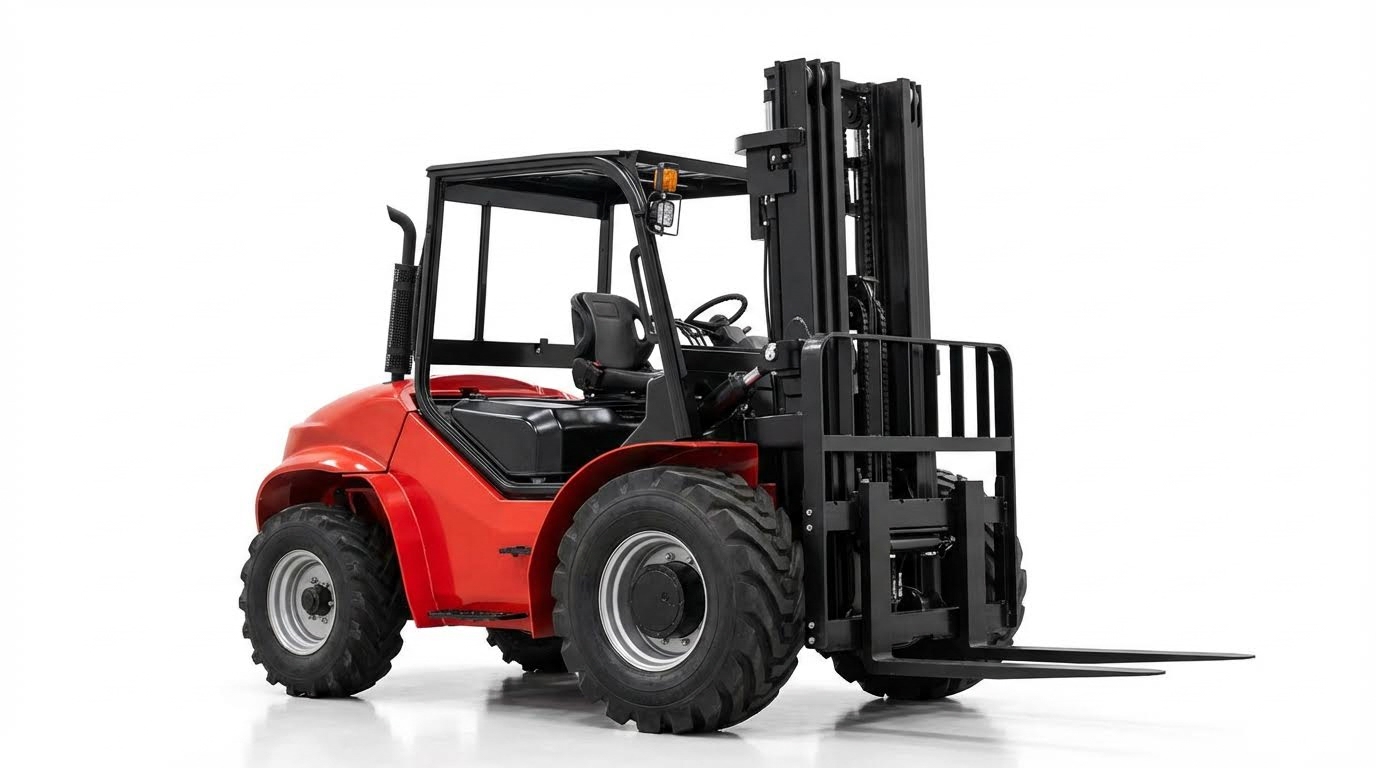
Forklifts And High-Lift Trucks
Forklifts and high‑lift trucks are ride‑on powered industrial trucks designed to lift heavier pallets to greater heights and over longer distances than walk‑behind equipment. They are usually the first choice when you need a machine to lift pallets of stuff in high‑bay racking or yard operations.
| Parameter | Typical Forklifts / High-Lift Trucks | Field Impact |
|---|---|---|
| Rated load capacity | ≈1,000–20,000 kg and above capacity range | Covers everything from standard 1,000 kg pallets to very heavy industrial loads; fewer trips and more flexibility. |
| Typical lift height | Up to ≥10 m in high‑lift designs lift height | Supports high‑bay racking and mezzanines; requires careful stability planning and trained operators. |
| Travel speed (example high‑lift truck) | ≈18–19 km/h laden / unladen travel speed | High transport productivity across long internal routes; higher collision risk if layouts and rules are weak. |
| Power sources | Electric, diesel, LPG, gasoline power options | Allows matching to indoor (low‑emission, low noise) or outdoor (high torque, long duty) applications. |
| High‑lift pallet truck example capacity | ≈3,000–3,500 kg, lift height ≈3,000 mm capacity & height | Covers standard pallet loads to mid‑level racking; common in dock and staging zones. |
| Brake systems (example) | Hydraulic service brake, mechanical parking brake brake types | Critical for controlled stopping on ramps and at intersections; must be checked in daily inspections. |
Forklifts and high‑lift trucks use robust hydraulic masts and counterweight designs to keep the truck stable as load centers move away from the front axle. Their higher center of gravity and speed mean they fall under stricter training and certification rules (e.g., OSHA powered industrial truck requirements and ISO/ANSI B56‑type standards).
When you specify a forklift as a machine to lift pallets of stuff, you are paying for capacity, vertical reach, and travel speed. That investment only pays back if your layout, racking height, and throughput truly need that performance envelope.
💡 Field Engineer’s Note: The most common real‑world mistake with forklifts is ignoring floor condition and slope. A truck that feels stable on flat concrete can become marginal on worn floors or 5–8% dock ramps, especially when turning with raised loads.
When to choose forklifts or high‑lift trucks
Use forklifts or high‑lift trucks when you regularly handle pallets above ≈1,500–2,000 kg, need to reach upper rack levels (often >6–7 m), or must move loads quickly over 50–150 m distances. For light loads and short shuttles, they are often overkill from both a cost and safety‑exposure standpoint.
Pallet Stackers And Walkie Stackers
Pallet stackers and walkie stackers are compact, usually walk‑behind or ride‑on stand‑on machines optimized for lifting lighter pallets to moderate heights in tight warehouse aisles. They are often the most economical machine to lift pallets of stuff in small to mid‑size stores, production cells, and back‑of‑house areas.
| Parameter | Pallet Stackers / Walkie Stackers | Field Impact |
|---|---|---|
| Rated load capacity | ≈1,000–2,500 kg capacity | Ideal for standard pallets and moderate loads; protects operators from overloading compared with heavy forklifts. |
| Typical lift height | ≈3–4 m lift height | Covers ground level plus 1–2 racking levels; good for low‑bay storage and machine feeding. |
| Maneuverability | Very compact, small turning radius maneuverability | Works safely in narrow aisles and crowded production areas; reduces rack and wall impacts. |
| Power options | Manual or electric power source | Manual versions suit low‑frequency tasks; electric versions support longer shifts with less operator fatigue. |
| Typical speed and duty | Slower than forklifts; short‑distance moves speed & efficiency | Best for point‑to‑point handling, not long internal transport; reduces kinetic energy in collisions. |
| Training requirement | Minimal compared with forklifts training | Faster onboarding, but you still need documented instruction and supervision to meet OSHA/ISO expectations. |
| Safety features | Automatic braking, horn alerts, other protections safety features | Helps control roll‑away and warn pedestrians; complements but does not replace safe driving habits. |
Electric pallet stackers typically use low‑voltage battery systems and compact hydraulic units, giving enough lift performance for 1,000–2,500 kg pallets without the mass and speed of a sit‑down truck. Because operators walk or stand close to the chassis, their design emphasizes automatic braking and tight steering geometry.
From a cost and maintenance perspective, pallet stackers usually have lower purchase price and operating costs than forklifts cost comparison. That makes them attractive for sites that move fewer pallets per hour or work primarily at ground and first rack levels.
💡 Field Engineer’s Note: In many small warehouses, swapping one large forklift for two electric walkie stackers cuts impact damage and near‑misses dramatically. The lower speed and better visibility more than offset the reduced travel speed for short runs.
When to choose pallet stackers or walkie stackers
- Light to medium loads: Your pallets are mostly ≤1,500–2,000 kg and rarely approach heavy‑industrial weights.
- Moderate lift heights: You store at floor plus one or two levels, typically under ≈4 m.
- Tight aisles: Your clear aisle width is limited, or you share space with pedestrians and workstations.
- Lower budget: You want a machine to lift pallets of stuff without committing to forklift‑level capital and maintenance costs.
- Simpler training: You prefer equipment with shorter operator training curves while still enforcing safe‑use procedures.
“”
Matching Pallet Lifting Equipment To Your Operation
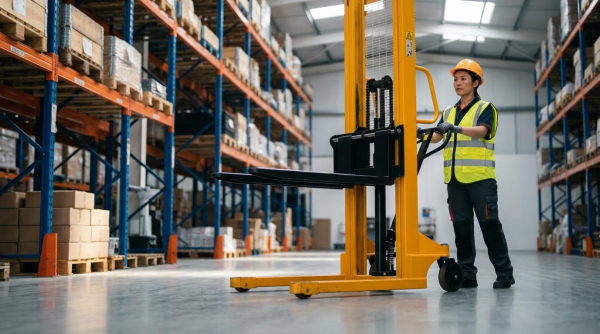
Matching pallet lifting equipment to your operation means choosing a machine to lift pallets of stuff that fits your aisles, racking, throughput, and maintenance budget while staying compliant with OSHA/ISO safety expectations.
💡 Field Engineer’s Note: Always walk your aisles with a tape measure and a loaded pallet before buying equipment; most mis‑sized trucks come from trusting drawings instead of the real floor.
Layout, Aisle Width, And Racking Strategy
Layout and aisle width dictate whether your best machine to lift pallets of stuff is a compact pallet stacker, a walkie, or a counterbalance forklift, because turning radius must fit safely between racks with clearance.
- Measure real aisle widths: Record clear aisle width (rack-to-rack) and any pinch points like columns or dock doors; equipment needs turning and safety clearance, not just “it barely fits.”
- Map pallet flow paths: Trace how pallets move from dock to storage and to shipping; long straight runs favor faster forklifts, tight zig-zag paths favor walkies or stackers.
- Align with racking height: Low racking (≤3–4 m) can be served by manual platform stackers, while higher racking (up to 10 m or more) typically requires forklifts with higher masts with appropriate lift height.
- Choose equipment by maneuverability: Pallet stackers have a smaller turning radius and excel in tight aisles, while forklifts need more space but move faster in wider aisles due to their design.
- Consider floor and dock interfaces: If you must load directly into trailers or onto overhead hooks, you may need pallet lifters rated 1–20 tons instead of just floor-running hydraulic pallet trucks with suitable fork geometry.
How aisle width affects truck selection
Narrow aisles push you toward compact walkie pallet trucks or stackers with short overall length and tight turning, while standard aisles can support counterbalance forklifts that carry heavier loads at higher speeds.
💡 Field Engineer’s Note: If you plan to add racking later, spec lift height and collapsed mast height now; changing trucks after installing higher racks is far more expensive than buying slightly more capability up front.
Throughput, TCO, And Maintenance Planning
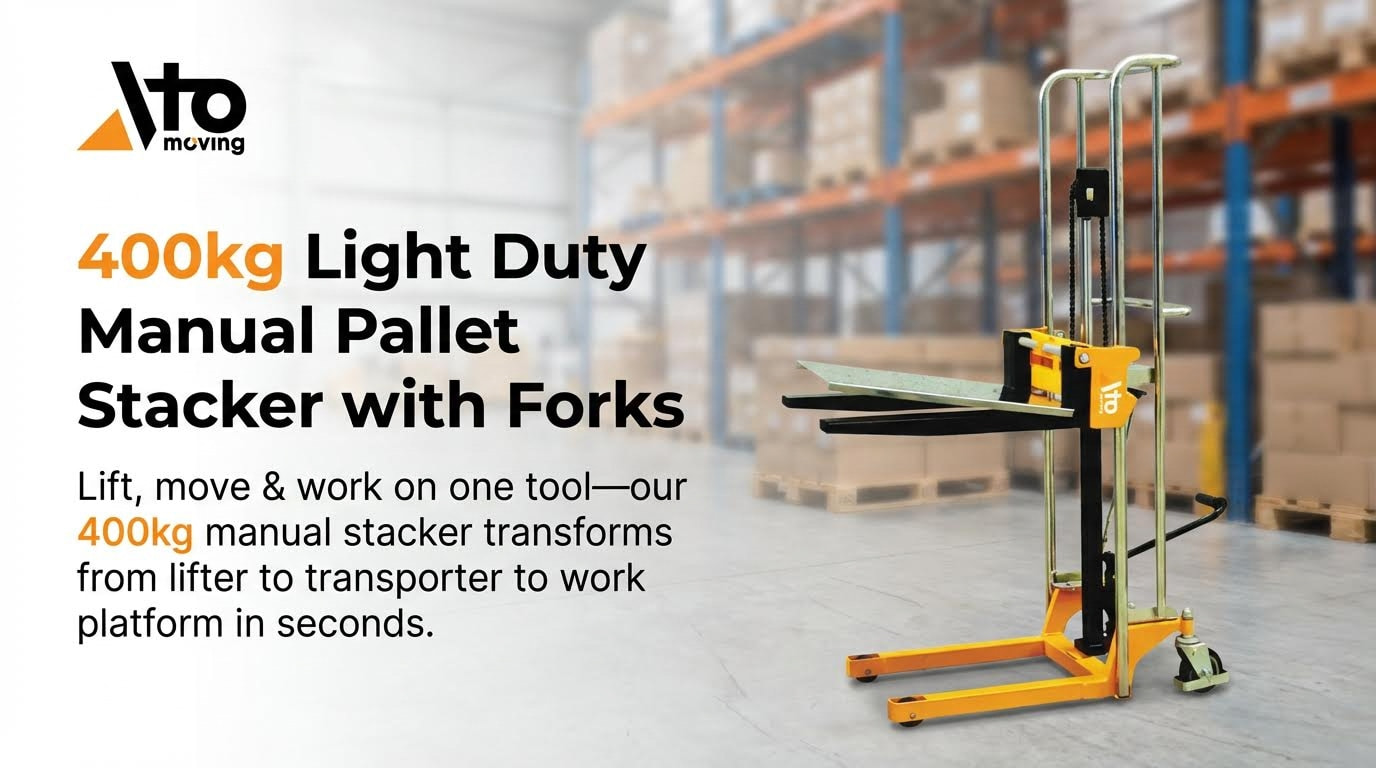
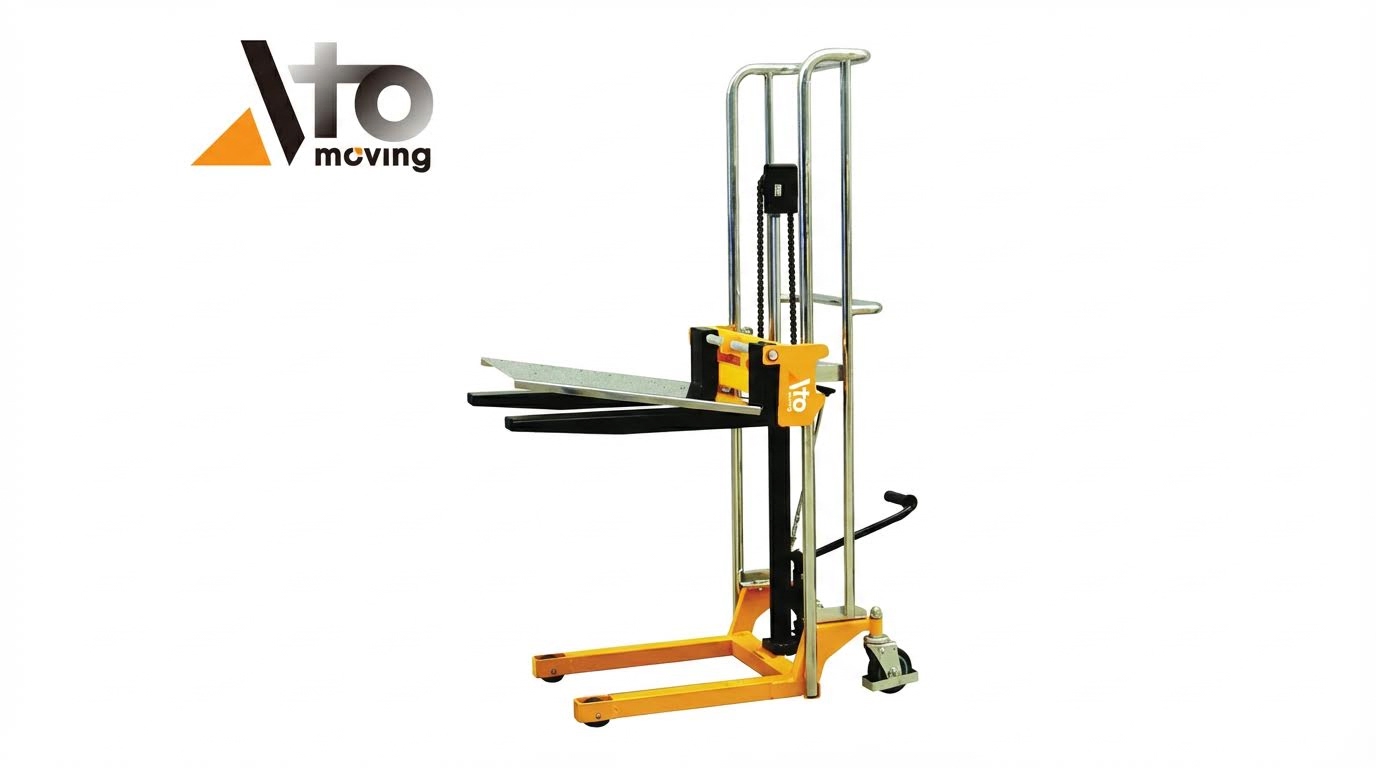
Throughput and total cost of ownership (TCO) determine whether you justify faster, higher-capacity forklifts or simpler pallet trucks and stackers, balancing pick rates against energy, maintenance, and inspection costs.
- Define required pallet throughput: Calculate pallets moved per hour and per shift; high-volume operations usually need faster forklifts that outperform pallet stackers in speed and efficiency for lifting and travel to hit productivity targets.
- Match capacity to load profile: If most loads are 1,000–2,500 kg, pallet stackers or pallet trucks may suffice; heavier or taller loads up to 20,000 kg require forklifts or pallet lifters with appropriate tonnage ratings to stay within safe limits.
- Plan energy and power strategy: Decide between manual, electric, or engine-powered units based on duty cycle; manual pallet trucks (1–5 tons) and electric versions (1–3,5 tons) suit lighter, shorter shifts, while diesel or high-capacity electric trucks serve continuous, heavy-duty use with appropriate lift systems.
- Build a maintenance schedule: Incorporate daily, weekly, and monthly inspections into your plan, including hydraulic, brake, and structural checks, to control safety risks and comply with OSHA/ISO inspection expectations and maintain uptime.
- Estimate lifecycle cost, not just purchase price: Include energy, tires, hydraulic fluid, brake parts, and scheduled inspections; pallet stackers often have lower initial and maintenance costs than forklifts, which carry higher purchase and operating expenses over time affecting TCO.
💡 Field Engineer’s Note: When comparing two options for a machine to lift pallets of stuff, add at least 10–15% contingency to maintenance and downtime costs; real-world abuse, not catalog specs, usually drives your true TCO.
Final Considerations When Choosing Pallet Lifting Machines
The right machine to lift pallets depends on how weight, height, and distance interact in your building. Forklifts deliver high capacity, tall lift, and fast travel, but they demand wide aisles, strong floors, strict training, and tight inspection routines. Pallet stackers and walkies trade peak performance for compact size, lower speed, and simpler maintenance, which often improves day‑to‑day safety in tight spaces.
Engineers and managers should start with measured aisle widths, real load weights, and racking heights, then choose equipment that fits those limits with a safety margin. Always match truck class and power source to duty cycle and air quality rules, and lock in a written maintenance and inspection plan from day one. Daily checks of hydraulics, brakes, and structure keep catalog capacities valid in the field.
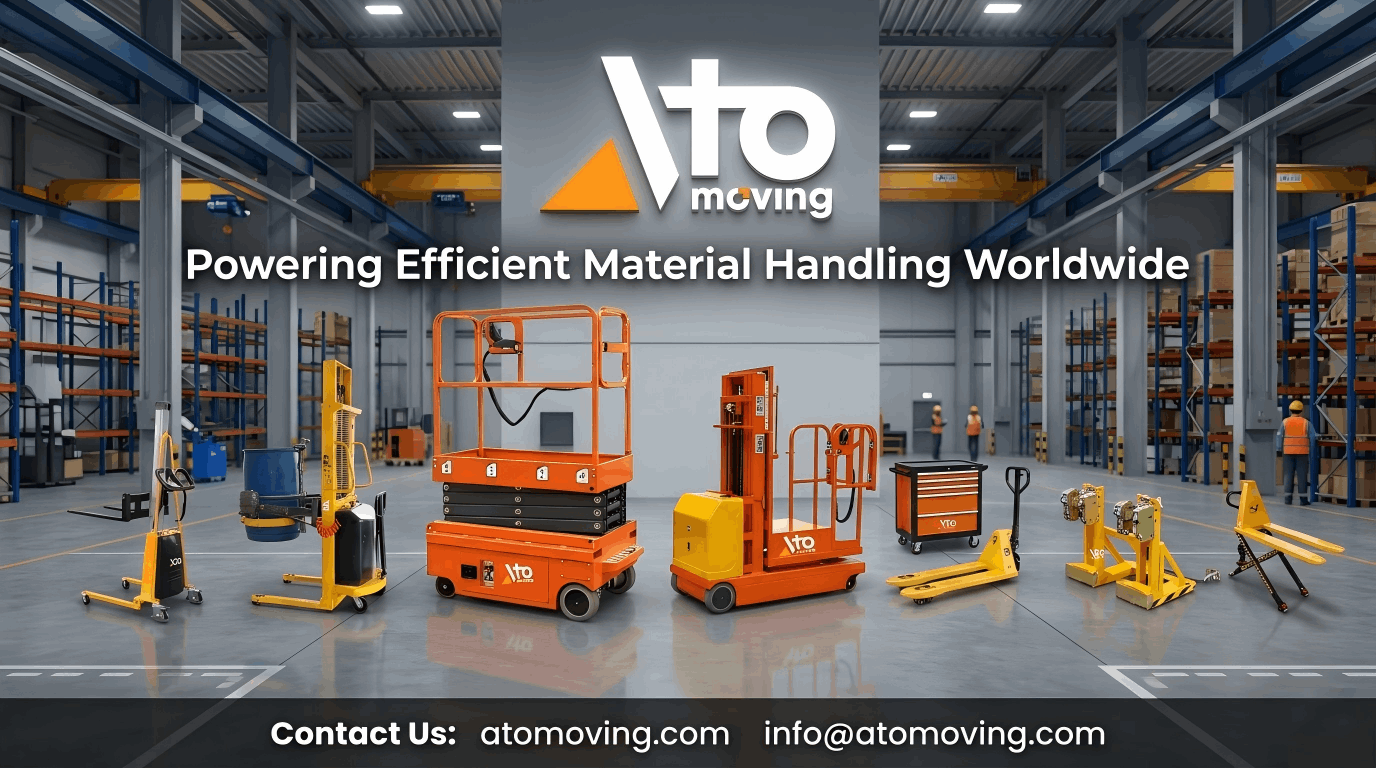
The best practice is to buy the smallest, slowest truck that still meets your throughput and lift needs. Use forklifts where heavy loads, long runs, or high racks justify the extra risk and cost. Use pallet stackers, pallet trucks, or custom lifters from Atomoving to cover lighter, shorter, or tighter work. This approach aligns safety, uptime, and total cost over the full life of your fleet.
Frequently Asked Questions
What is a machine that can pick up pallets of stuff?
A forklift is a powered industrial truck used to lift and move materials over short distances. It is one of the most common machines used in warehouses and distribution centers. Forklift Overview.
What are some alternatives to forklifts for lifting pallets?
If you don’t have access to a forklift, you can use manual pallet jacks or electric pallet jacks. These tools are safe and efficient for moving pallets around a facility without needing a forklift. Forklift Alternatives.
- Manual pallet jacks are operated by hand and ideal for smaller loads.
- Electric pallet jacks provide more power and are better suited for heavier pallets.
What is a pallet jack, and how does it work?
A pallet jack, also known as a pump truck, is a machine used exclusively to transport pallets. Both electric and manual models are available and are maneuvered by warehouse staff on foot. Pallet Jack Guide.