Warehouse operations have evolved significantly with the introduction of advanced picking technologies. Voice picking and pick-to-light systems represent two leading solutions that enhance efficiency and accuracy in order fulfillment. This article explores their technical principles, design considerations, and maintenance strategies to provide a comprehensive understanding of these technologies.
By integrating these systems with warehouse management software, facilities can achieve substantial productivity gains while reducing errors and improving worker safety. The following sections delve into the core aspects and practical implications of implementing these advanced picking methods.
Technical Principles and Operational Benefits of Voice Picking

Voice Recognition and Real-Time WMS Integration
Voice picking systems rely on advanced voice recognition algorithms to interpret operator commands accurately. These systems integrate seamlessly with real-time Warehouse Management Systems (WMS), enabling dynamic task allocation and immediate data updates. The continuous communication between the voice interface and WMS ensures precise tracking of inventory movements and order statuses, minimizing delays and discrepancies.
Hands-Free Workflow and Productivity Gains
By enabling hands-free operation, voice picking allows workers to maintain focus on physical tasks without handling paper or handheld devices. This reduces task-switching time and physical strain, leading to measurable productivity improvements. Studies have shown that voice picking can increase picking rates by up to 20%, as operators receive instructions and confirm actions verbally, streamlining the entire process.
Inventory Accuracy and Safety Improvements
Voice picking enhances inventory accuracy by providing immediate verbal confirmation and error-checking prompts during the picking process. This reduces picking errors and misplacements, contributing to higher order fulfillment accuracy. Additionally, the hands-free nature improves workplace safety by allowing operators to keep their eyes on their surroundings and maintain ergonomic postures, lowering the risk of accidents and repetitive strain injuries.
Limitations and Environmental Challenges
Despite its advantages, voice picking faces limitations in noisy environments where background sounds can interfere with voice recognition accuracy. Additionally, accents, speech impairments, or language barriers may affect system performance. Environmental factors such as radio frequency interference and poor network connectivity can disrupt real-time WMS integration, requiring robust infrastructure and occasional manual overrides to maintain operational continuity.
Design and Implementation of Pick-to-Light Systems
Visual Guidance Mechanisms and Hardware Components
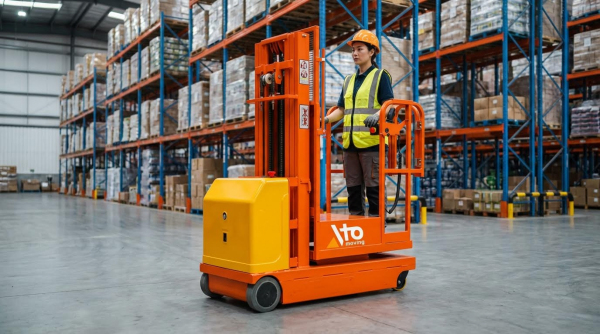
Pick-to-light systems use LED displays and light indicators mounted on shelving or bins to guide operators during the picking process. These visual cues direct workers to the exact location of items, reducing the need for manual searching. Hardware components typically include light modules, control units, and display panels that communicate with the warehouse management system (WMS). The system’s design ensures clear visibility in various lighting conditions to maintain consistent accuracy.
Integration with Warehouse Management Systems
Effective pick-to-light systems are tightly integrated with real-time WMS software, enabling dynamic task assignments and status updates. This integration allows the system to send picking instructions and receive confirmation signals, ensuring synchronization between physical operations and inventory records. The WMS integration also supports batch picking and order consolidation, optimizing workflow and minimizing errors.
Impact on Picking Speed and Error Reduction
By providing immediate visual instructions, pick-to-light systems significantly increase picking speed, often reducing process times by 20% to 50% compared to manual methods. The clear guidance minimizes human error by eliminating guesswork and misinterpretation of paper or handheld device instructions. Studies have shown error rates dropping below 1% in well-implemented pick-to-light environments, enhancing overall inventory accuracy and customer satisfaction.
Scalability and Layout Considerations
Pick-to-light systems can be scaled from small order-picking stations to large, complex warehouse layouts. Modular hardware designs facilitate incremental expansion without disrupting existing operations. However, system effectiveness depends on careful layout planning to ensure light visibility and ergonomic access. Facilities with high SKU counts or densely packed storage may require customized configurations to optimize line-of-sight and operator movement efficiency.
Maintenance, Security, and Performance Optimization
Preventive Maintenance and Routine Inspections
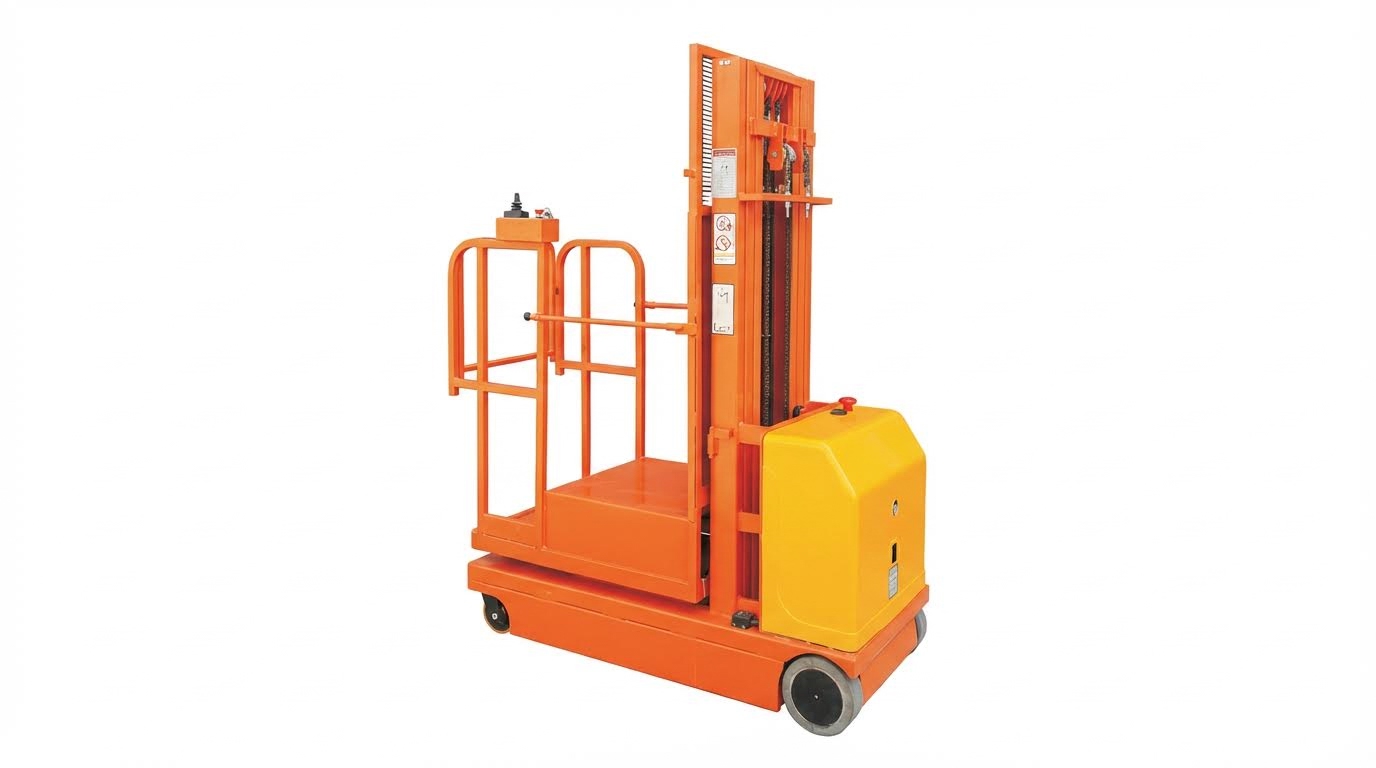
Preventive maintenance is essential to ensure the continuous operation of voice picking and pick-to-light systems. Scheduled inspections of hardware components, such as headsets, scanners, and light modules, prevent unexpected downtime. Routine checks verify system calibration and connectivity to the Warehouse Management System (WMS), maintaining operational accuracy and reliability.
Regular firmware and software updates are critical to address bugs and enhance system functionality. Documenting maintenance activities helps track component lifespan and plan timely replacements, reducing costly disruptions.
Staff Training and Troubleshooting Protocols
Effective staff training programs improve user proficiency with advanced picking technologies. Training focuses on proper device handling, system navigation, and recognizing alerts or errors. Well-trained personnel can resolve minor issues independently, minimizing workflow interruptions.
Establishing clear troubleshooting protocols accelerates problem resolution. These protocols include step-by-step guides for common faults, escalation procedures, and access to technical support. Continuous training updates accommodate system upgrades and evolving operational requirements.
Cybersecurity Measures for Voice and WMS Systems
Securing voice picking and WMS systems is vital to protect sensitive inventory and operational data. Implementing encryption protocols safeguards wireless communications between devices and central servers. Access controls restrict system usage to authorized personnel only, preventing unauthorized data manipulation.
Regular security audits identify vulnerabilities and ensure compliance with industry standards. Integrating multi-factor authentication and network segmentation further enhances system resilience against cyber threats.
Monitoring Performance Metrics and Continuous Improvement
Performance monitoring involves tracking key indicators such as picking accuracy, system uptime, and response times. Data analytics identify trends and highlight areas for operational improvement. Real-time dashboards enable supervisors to make informed decisions promptly.
Continuous improvement processes leverage performance insights to optimize workflows and update system configurations. Feedback loops between users and technical teams foster adaptive enhancements, ensuring the technology evolves with warehouse demands.
Summary of Key Considerations for Warehouse Picking Technologies
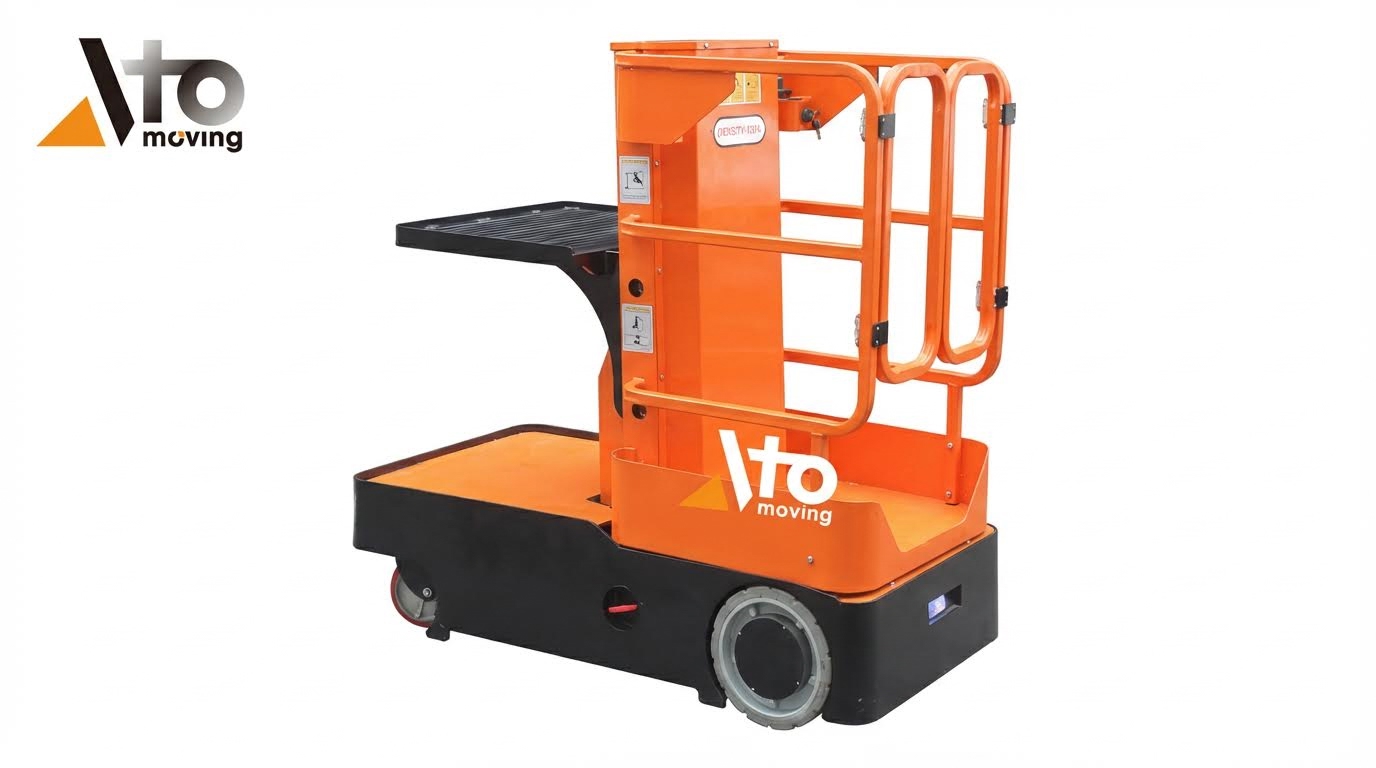
Advanced warehouse picking technologies such as voice picking and pick-to-light systems have demonstrated significant benefits in operational efficiency and accuracy. Voice picking leverages voice recognition integrated with real-time warehouse management systems (WMS) to enable hands-free workflows, which enhance productivity and reduce picking errors. Pick-to-light systems use visual guidance hardware integrated with WMS to accelerate picking speed and minimize mistakes, especially in high-volume environments.
Implementing these technologies requires careful attention to maintenance protocols, staff training, and cybersecurity measures to ensure system reliability and data protection. Preventive maintenance and routine inspections help avoid downtime, while continuous performance monitoring supports ongoing process improvements. Cybersecurity is critical to protect sensitive inventory data and maintain operational integrity.
Looking ahead, these technologies are expected to evolve with advancements in artificial intelligence and IoT connectivity, enabling more adaptive and scalable solutions for complex warehouse layouts. Practical implementation must consider facility size, product diversity, and workforce capabilities to optimize the return on investment. Balancing automation benefits with human oversight will remain essential as warehouse operations continue to modernize.