Automated order picking systems have reshaped how warehouses handle throughput, labor, and accuracy. This article explains the core technologies, engineering design choices, and performance benchmarks that matter when you move from manual to automated workflows. You will see how to compare options like goods-to-person, AMRs, ASRS, and robotic picking, and how to model their impact on capacity, space, and safety. Finally, we connect these technical decisions to cost, TCO, and ROI so you can build a realistic business case for automation.
Foundations Of Automated Order Picking Systems
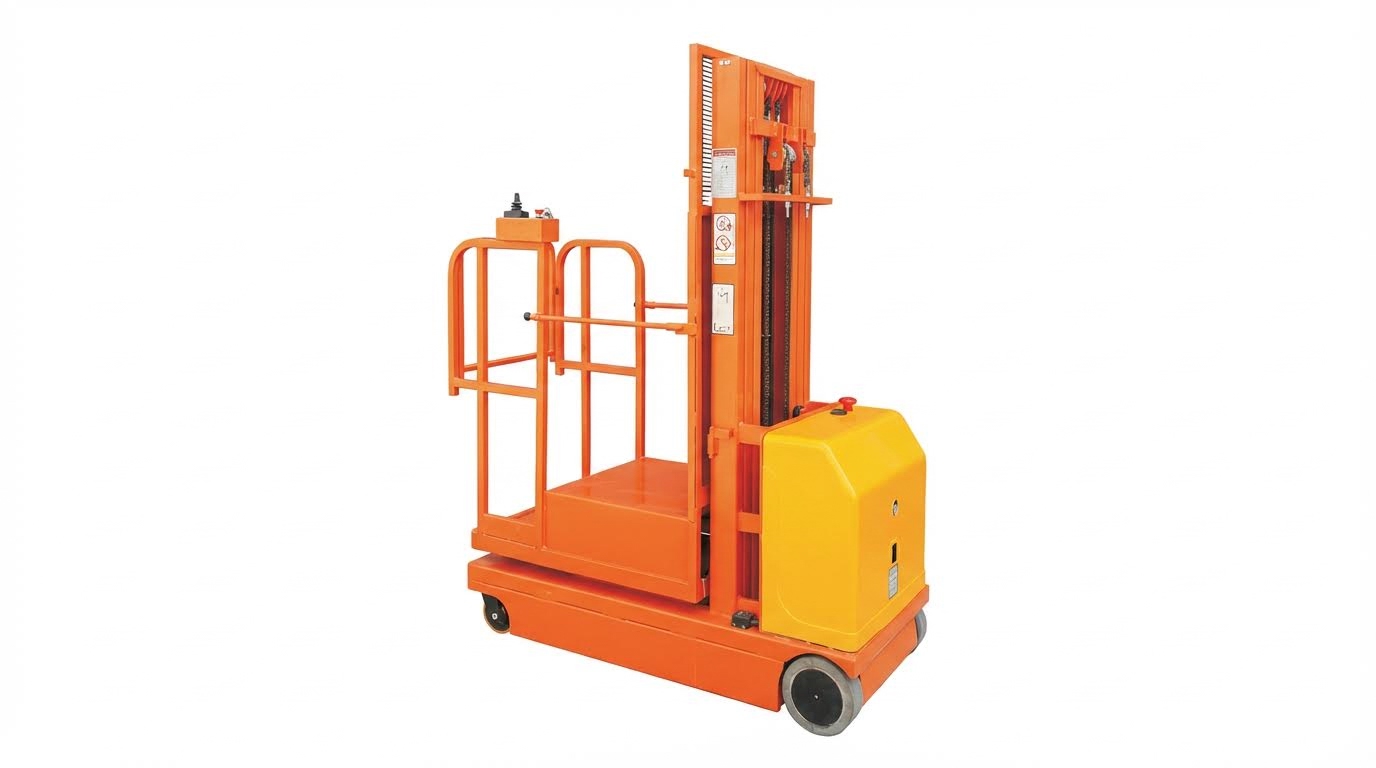
Definitions, system scope, and key components
Automated order picking systems are integrated solutions that use machines, software, and data to move, store, and pick items with minimal human travel. They typically combine storage technology, conveyance or mobile robots, and intelligent control to improve speed, accuracy, and labor efficiency. In contrast to manual picking, where operators walk to every SKU, these systems bring goods to the picker, guide the pick, and verify it in real time.
In scope, automated order picking systems usually cover processes from forward storage through picking, consolidation, and handoff to packing. Upstream receiving, reserve storage, and downstream shipping can remain manual or be automated in phases, depending on budget and volume. Typical building blocks include:
- Storage and retrieval equipment such as ASRS, shuttles, carousels, or dense racking served by robots, which can cut floor space and travel by delivering items directly to operators and often pay back in roughly 18 months.
- Conveyors, AMRs, or AGVs to move totes, cartons, or pallets between storage, picking, and consolidation zones, with AMRs using onboard sensors and AI for flexible navigation in changing layouts while AGVs follow fixed routes.
- Picking interfaces such as pick-to-light, voice, or scan verification that guide operators to the correct SKU and quantity and reduce search time and human error through real-time confirmation.
- Piece-picking robots, vision systems, and AI where appropriate, allowing robotic arms to pick diverse items from bins using 3D cameras and machine learning for gripping decisions and supporting high-precision sectors.
- Control software such as WMS, WCS, and analytics that allocate work, create batch or wave picks, and balance flow between storage, picking, and packing using predictive models that improve inventory accuracy and service levels by more than a third in some deployments.
Together, these components transform order picking from a travel-heavy, manual task into a controlled, data-driven flow. For engineers, the foundation is a clear definition of functional scope, interfaces with existing processes, and the physical and software modules that will deliver the required throughput and accuracy.
Manual vs automated performance benchmarks
Manual picking performance is constrained by walking distance, search time, and fatigue. Typical manual pick rates in bin or shelf environments fall in the low hundreds of lines per hour, and error rates often sit in the low single digits. Automated order picking systems raise these benchmarks by attacking travel, guidance, and verification simultaneously.
Data from automated bin-picking deployments shows that robotic systems can reach about 400–800 or more picks per hour, depending on item mix and complexity, compared with roughly 100–200 picks per hour for manual operations in similar environments. Error rates in these automated cells have been reported below about 0.5%, versus 1–3% in manual picking, thanks to 3D vision, force sensing, and closed-loop confirmation of each pick built into the system. AI-optimized workflows can push performance further, with some AI-driven order picking solutions achieving up to about 1,400 picks per hour at around 99% accuracy by optimizing storage locations and pick paths and cutting average pick time by more than one-fifth.
Human–robot collaboration also shifts benchmarks. Deployments where autonomous mobile robots handle transport while people focus on picking have increased units picked per hour by roughly 70%, with some sites reporting productivity gains up to 85% when combining AMRs and optimized workflows compared with pre-automation baselines. Beyond throughput and accuracy, automated order picking systems also reduce the labor hours required per shipped unit and lower exposure to ergonomic injuries by cutting walking distance and keeping picks in the ergonomic “golden zone” where strain and claim costs are lower. For engineers and operations leaders, these benchmark ranges provide realistic starting points for sizing systems, modeling ROI, and setting performance targets when moving from manual to automated order picking systems.
Core Technologies And Workflow Design Options
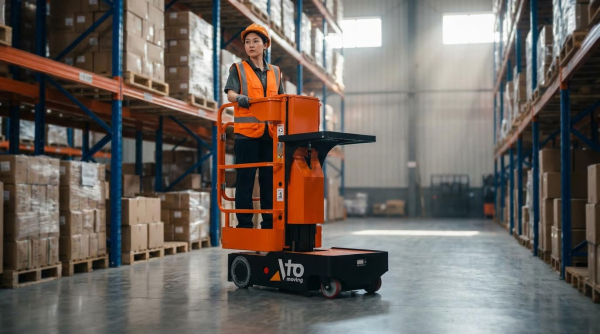
Goods-to-person, AMRs, AGVs, and ASRS
Goods-to-person (GTP) technology is a core building block of automated order picking systems because it removes most operator walking time. GTP shuttles, carousels, or mobile robots bring shelves, totes, or trays to a fixed workstation, allowing the picker to work in the ergonomic “golden zone” and supporting high, repeatable pick rates. Automated Storage and Retrieval Systems (ASRS) extend this concept vertically, cutting travel time and reducing floor space usage by up to 85% while still delivering items directly to the operator for picking and replenishment by up to 85%. In practice, GTP and ASRS are often paired with batch or zone strategies to keep workstations continuously fed.
Autonomous Mobile Robots (AMRs) and Automated Guided Vehicles (AGVs) provide the transport layer inside automated order picking systems. AGVs follow fixed paths using guides such as magnetic tape or rails, which suits stable, predictable layouts with long, repeatable routes magnetic tapes or guide rails. AMRs use on-board sensors, cameras, and AI to navigate dynamically, so they adapt better to changing layouts, mixed traffic, and temporary obstacles sensors, cameras, and AI to navigate autonomously. When AMRs work in human–robot teams, units picked per hour can increase by about 70%, and some operations have reported productivity gains of up to 85% after deployment improve units picked per hour by 70%…boost productivity by up to 85%. Integrators typically combine GTP/ASRS with AMRs or AGVs to decouple storage, picking, and transport capacities so each can be scaled independently.
When to favor each technology
- AGVs: Long, fixed routes; minimal layout change; predictable flows between fixed points.
- AMRs: Dynamic layouts; frequent SKU or process changes; mixed human–robot environments.
- ASRS: High SKU count; limited floor space; strong need to cut travel time.
- GTP: Labor-constrained sites that need higher pick density and better ergonomics.
Piece-picking robots, vision, and AI optimization
Piece-picking robots add an automated “hand” to automated order picking systems, especially where items are small, numerous, or handled in bins. Modern systems use 2D/3D cameras, machine learning, and force sensing to recognize and grasp a wide variety of shapes and packaging formats, making them suitable for sensitive products such as medical or electronic components handle various item shapes…high-precision environments like medical or electronic goods. Compared with manual picking, where typical performance is about 100–200 picks per hour, automated bin picking solutions can reach roughly 400–800+ picks per hour depending on item complexity 400–800+ picks per hour…100–200 picks per hour. Error rates also improve, often falling below 0.5% versus 1–3% in manual workflows below 0.5%, compared to…1–3%.
AI further boosts performance by optimizing storage locations, routes, and task allocation. In some deployments, AI-driven order picking has achieved up to 1,400 picks per hour with around 99% accuracy, showing what is possible when high-speed mechanics, vision, and algorithms are tuned together up to 1,400 picks per hour with 99% accuracy. Explainable AI has also been used to cut average order picking time by about 23% by optimizing storage assignments and travel paths reduced average order picking time by 23%. These gains reduce labor requirements and support a clear return on investment because fewer people can handle more lines with higher quality drastically reduces the need for large picking teams. For engineering teams, the key is to match gripper design, camera placement, and cycle time to SKU mix and the upstream storage technology.
Picking strategies, WMS integration, and safety
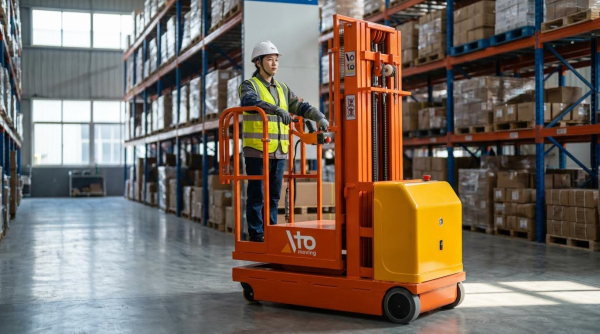
Technology only delivers full value when it is paired with the right picking strategies and strong WMS integration. Automated order picking systems typically rely on batch, zone, or wave picking to compress travel and balance workload. Batch picking groups orders with common SKUs so an operator or robot can fulfill many orders in one pass, which is especially effective in high-volume environments Grouping multiple orders…significantly increasing efficiency. Zone picking assigns workers or robots to dedicated areas, reducing travel, while wave picking sequences work by carrier cutoff or priority to protect service levels zone picking…wave picking. Light-directed and voice-directed technologies then guide operators through these strategies, cutting search time and errors by providing clear, hands-free instructions at the point of pick Pick-to-light systems…voice-directed systems.
The WMS is the control layer that coordinates storage locations, task queues, and verification. It generates batch or wave lists, manages zone boundaries, and drives scan verification so each pick is checked in real time with barcodes or vision systems, reducing the need for downstream quality inspection real-time item validation during picking. Safety engineering must be built into every design: AMRs and AGVs need certified sensing and stop zones, GTP and ASRS require guarded access and safe maintenance procedures, and workstations should follow ergonomic principles such as waist-height picking and cushioned flooring to reduce injury risk Placing frequently picked items at waist height…cushioned floor mats. When strategies, software, and safety are aligned, automated order picking systems deliver higher throughput, better accuracy, and a safer working environment without sacrificing flexibility.
In material handling equipment, tools like the manual pallet jack, hydraulic pallet truck, and drum dolly play critical roles in improving efficiency and safety across warehouse operations.
Engineering Selection, Sizing, And ROI Modeling
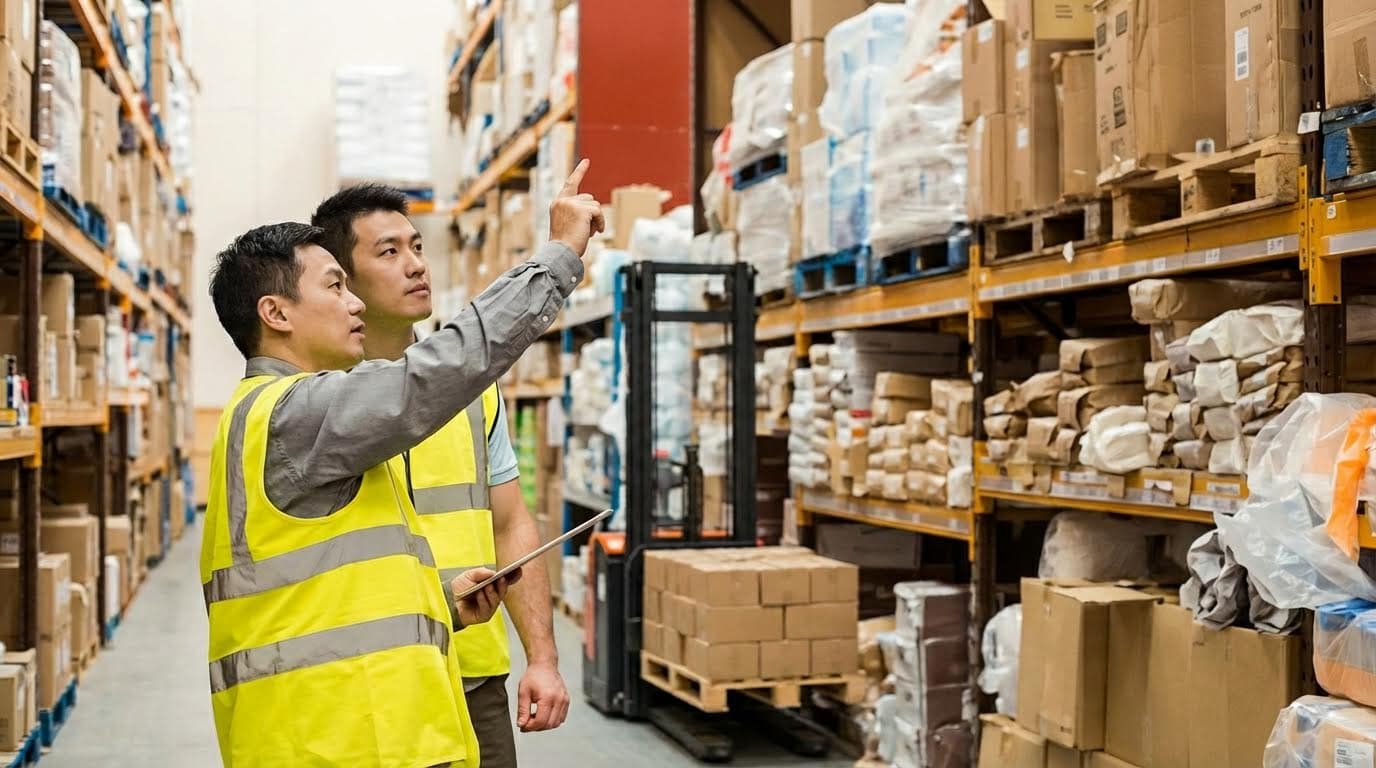
Throughput, accuracy, and layout-driven design
Engineering selection for automated order picking systems starts with quantifying throughput and accuracy requirements. Modern robotic picking can reach about 400–800+ picks per hour per station, versus 100–200 picks per hour manually depending on item complexity. Automated solutions also achieve error rates below 0.5%, where manual picking typically runs between 1–3% mis-picks, which directly affects returns and chargebacks in most operations. These benchmark ranges allow you to size the number of workstations, robots, or AMRs needed to meet peak order lines per hour with buffer capacity.
Layout-driven design then focuses on minimizing travel and non-value-added time. A logical sequence of areas—receiving, storage, replenishment, picking, sorting, packing, and outbound—reduces cross-traffic and congestion when engineered correctly. High-velocity SKUs should sit closest to packing and shipping to cut walking or AMR travel distance, while slower movers can be stored in denser automated storage. Automated Storage and Retrieval Systems can cut floor space by up to 85% and significantly reduce travel time by bringing goods to the picker, often paying back in roughly 18 months under suitable profiles.
To connect engineering to performance, define design targets and map them to technologies:
- Throughput: lines/hour and cartons/hour at average and peak.
- Accuracy: target mis-pick rate and verification method (scanners, vision).
- Layout: maximum acceptable travel distance per order and vertical space usage.
- Labor: number of operators per shift and ergonomic constraints.
Example sizing approach
1) Calculate peak required picks per hour. 2) Apply realistic picks/hour per station from benchmarks. 3) Add 15–25% buffer for growth and variability. 4) Check that storage and transport subsystems (ASRS, conveyors, AMRs) can feed these stations without starvation.
Cost modeling, TCO, and ROI calculation methods
For automated order picking systems, cost modeling must cover both capital and operating expenses over a realistic horizon, typically 5–10 years. Upfront investment includes equipment, software, integration, facility modifications, and commissioning plus project management and consulting. Operating costs include labor for supervision and exception handling, maintenance, spare parts, energy, and IT support over the period as part of total cost of ownership. A tailored cost baseline that expresses current activities in cost per item or per order (for example, £0.20 receiving, £0.25 picking) helps compare manual and automated scenarios on like-for-like terms over at least five years.
ROI is typically calculated using a standard formula: (Annual Savings – Annual Costs) ÷ Investment × 100 applied to the automation project. Annual savings come from labor reduction, fewer errors, higher throughput, and space savings; annual costs include additional maintenance, software licenses, and support. Automation can outperform manual operations by a factor of four to five in productivity when correctly applied, which significantly shifts the cost per line picked in favor of automation over time in many modeled cases. Some picking-robot projects have paid back within about one year, especially where labor costs were high and error reduction delivered substantial savings and processes were repetitive.
| Cost / Benefit Category | Typical Elements |
|---|---|
| Capital costs | Equipment, software, integration, racking, building works, electrical and fire protection upgrades |
| Operating costs | Labor, maintenance, spares, energy, IT, consumables |
| Direct savings | Labor reduction, fewer errors, lower damage, faster cycles |
| Indirect savings | Better stock control, denser packing, optimized transport, deferred expansion |
Short-term vs long-term ROI
Short term, most gains come from labor and error reduction and faster order cycles within the first years. Long term, reduced injuries, lower turnover, energy savings, and avoided building expansions become significant contributors to total ROI for automated solutions.
Scalability, risk, and implementation roadmap
Scalability planning for automated order picking systems ensures capacity can grow with demand without a full redesign. Modular technologies, such as station-based robotics, AMRs, and ASRS modules, allow incremental additions of workstations or storage blocks as volume increases. Key ROI drivers like labor savings, space utilization, and throughput should be modeled in stages, so each expansion phase has its own business case aligned with growth. Medium-sized automation projects in the £10–30 million range often achieved ROI in about six to eight years, while very large installations above £50 million sometimes needed around ten years, so phased deployment helps manage capital exposure and risk in complex programs.
Risk management should cover technical, operational, and financial dimensions. Technical risks include integration issues with WMS and existing infrastructure; operational risks include disruption during cutover and change-management challenges; financial risks relate to volume assumptions, labor-rate changes, or technology obsolescence. A structured roadmap reduces these risks by moving from concept to steady state in defined steps:
- Diagnostic phase: map current flows, costs, and constraints; define KPIs and target service levels.
- Concept and simulation: compare automated concepts against manual baselines using throughput and cost models.
- Pilot and proof-of-concept: validate performance on a limited SKU set or zone before full roll-out.
- Phased implementation: deploy by area, shift, or customer segment to limit disruption.
- Stabilization and optimization: fine-tune slotting, batch strategies, and labor allocation based on live data.
Mitigating implementation risk
Use clear acceptance criteria tied to throughput and accuracy. Ensure training, ergonomic design, and contingency processes for system downtime are in place before go-live. Continuously monitor KPIs—picking accuracy, throughput, labor cost per order—to confirm the expected ROI trajectory and trigger corrective actions early during ramp-up.
Strategic Takeaways For Modern Warehouse Operations
Automated order picking systems only succeed when engineering, operations, and finance work from the same playbook. Throughput, accuracy, and layout targets must drive every technology choice, from ASRS and goods-to-person stations to AMRs, AGVs, and piece-picking robots. When you size stations using realistic pick rates and engineer short, conflict-free flows, you cut travel, errors, and ergonomic risk at the same time.
Control software then turns hardware into a coordinated system. A well-tuned WMS and WCS allocate work, enforce batch or zone strategies, and verify each pick in real time. This raises service levels and reduces rework, which feeds directly into ROI models. Cost and TCO analysis must include labor, space, maintenance, and energy so leadership sees the full financial impact over 5–10 years, not just the upfront spend.
The strongest results come from modular, phased deployments. Start with a clear diagnostic, pilot in one zone, and scale capacity in blocks as volume grows and payback is proven. Treat safety and ergonomics as hard design constraints, not add-ons. For most warehouses, the best practice is clear: combine targeted automation with data-driven design and disciplined ROI tracking to build a resilient, scalable, and safer operation with Atomoving equipment at its core.
Please provide the `{reference}` array of objects so I can parse, filter, and generate the FAQ section based on the query “automated order picking systems.” The `{reference}` should include objects with an `output` field containing a JSON string. Once you provide this data, I will proceed with the task.