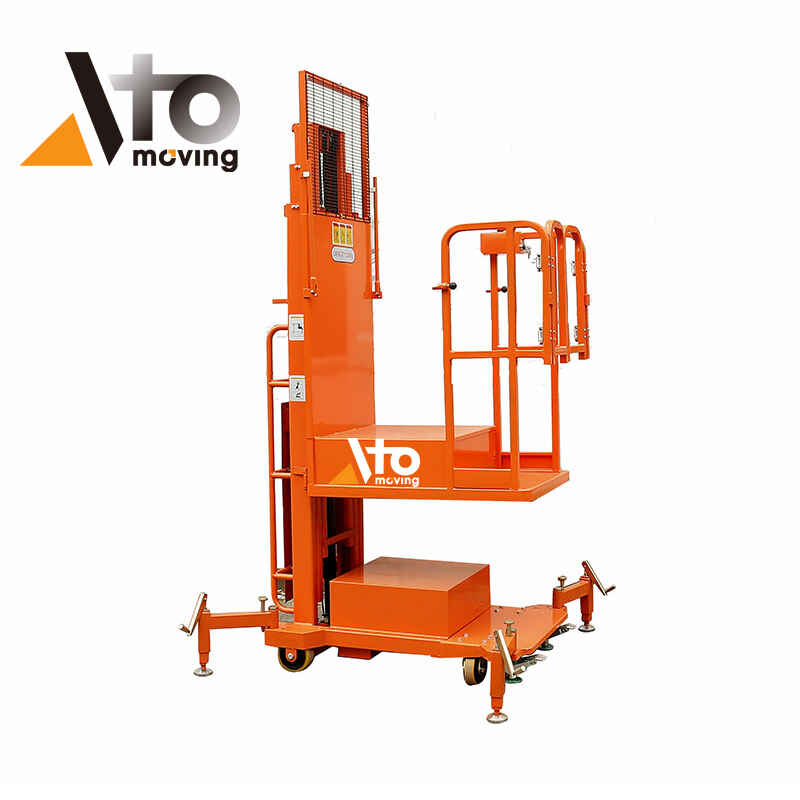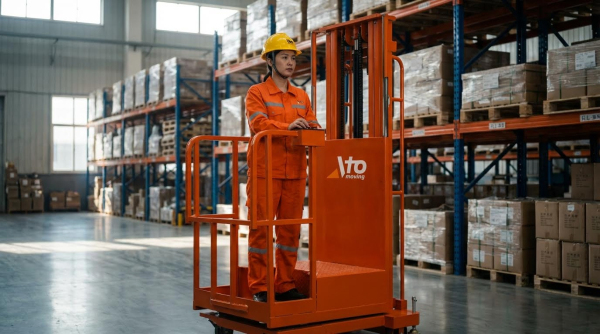
Best-in-class warehouse picking for e‑commerce fulfillment combined engineered processes, automation, and safety-focused design. This article examined core picking strategies, high-rate automation technologies, and the engineering trade-offs that governed selection, safety, and lifecycle cost. It also connected warehouse safety, ergonomics, and conveyor maintenance practices to real-world warehouse order picker performance. Finally, it translated these insights into practical recommendations so teams can decide what are the best order picking machines for e-commerce fulfillment in their own facilities.
Core Picking Strategies For E‑Commerce Fulfillment
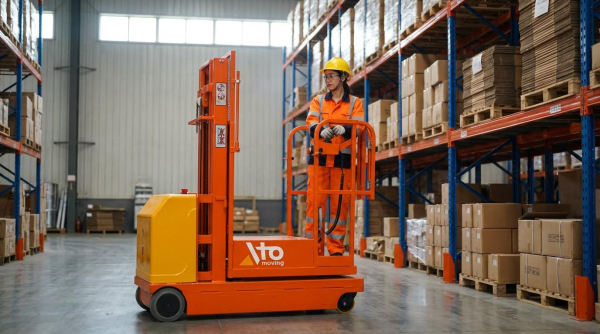
Core picking strategy design determines what are the best warehouse picking solutions for e-commerce fulfillment in a given facility. Engineers must balance travel distance, touches per order, labor utilization, and automation fit. The right mix of batch, wave, zone, and goods-to-person methods reduces cost per order while sustaining peak-season service levels. The following subsections break down the main patterns and how to apply them to volatile e-commerce profiles.
Batch, Wave, And Zone Picking Fundamentals
Batch, wave, and zone picking address the same problem: reducing unproductive walking while protecting service promises. Batch picking groups multiple orders into a single pick tour, which works well for high-overlap SKU profiles and small items. It minimizes travel distance per order but requires robust sortation at pack or consolidation points. Wave picking releases work in time-boxed waves aligned to carrier cutoffs, enabling tight control of dock workloads and labor. Zone picking divides the warehouse into zones; pickers stay inside their area while orders move between zones physically or logically. This approach reduces congestion and training complexity but introduces more handoffs, so it benefits from clear exception rules and strong execution software. In practice, high-throughput e-commerce sites often combine batch or wave logic with zoning to keep pick density high and walking distance low.
Goods-To-Person Vs. Person-To-Goods Systems
Person-to-goods systems rely on pickers walking or riding to storage locations, which increases travel time as inventory expands. Goods-to-person systems invert this pattern and bring totes, trays, or shelves to ergonomic pick stations using shuttles, carousels, or autonomous mobile robots. Published data before 2026 showed goods-to-person solutions reaching up to 350 picks per hour per station and increasing daily order capacity by up to 10 times versus traditional walking-based picking. These systems also improved space efficiency by roughly 20% because storage density increased and travel aisles reduced. Automated solutions supported simultaneous picking for up to 16 orders at a station and achieved accuracy rates approaching 99.99% when combined with scan verification and light-directed prompts. For e-commerce operations with high order volumes and tight cutoffs, goods-to-person designs often represented the best warehouse picking solution, provided that capital budgets and building characteristics aligned.
Single-Line, Multi-Line, And Multi-Order Picking
Single-line orders contain one order line and usually one unit, which is common in direct-to-consumer e-commerce. These orders benefit from fast-flow strategies such as discrete picking in forward pick areas, automated put walls, or direct pick-to-pack. Multi-line orders contain several SKUs and often drive more travel distance; they suit batch or cluster picking, where a picker fills multiple orders in parallel using multi-compartment carts or smart totes. Multi-order picking combines dozens of orders into a single optimized route, then relies on secondary sortation at pack, put walls, or automated order buffering. Automated systems that supported picking to multiple orders simultaneously reduced touches and allowed higher station utilization, especially when integrated with execution software that balanced workloads across zones. Engineers should segment the order pool by line count and cube, then assign each segment to the most efficient picking method rather than applying a single strategy to all orders.
Designing For SKU Volatility And Peak Seasonality
E-commerce catalogs changed frequently, and promotional activity shifted demand across SKUs weekly. Effective picking designs therefore used flexible storage media and slotting rules that supported rapid reconfiguration. High-density bin storage under pallet racking, adjustable shelving, and carton flow lanes allowed engineers to reposition fast movers near pick paths and demote slow movers without major reconstruction. During peak season, the best warehouse order picker solutions for e-commerce fulfillment combined temporary labor, streamlined pick paths, and automation that scaled via additional robots or extended operating hours. Execution software and WMS integrations enabled dynamic order release, walking-path optimization, and smart batching rules that maintained service levels under load. Designing with volatility in mind meant reserving capacity for promotional SKUs, providing overflow forward pick locations, and ensuring replenishment algorithms could react in real time. This approach reduced congestion, protected accuracy, and kept cost per order stable even when order volumes spiked sharply. Additionally, utilizing an scissor platform lift or an aerial platform can enhance operational flexibility during peak seasons.
Automation Technologies For High-Rate Order Picking
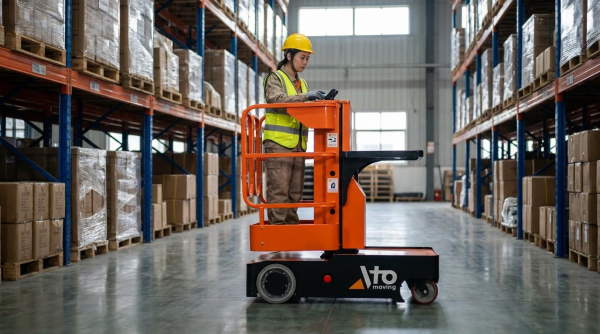
Automation technologies defined what are the best warehouse picking solutions for e-commerce fulfillment when operations targeted high order volumes, short delivery windows, and tight labor markets. High-rate systems combined robotic movement, engineered pick flows, and tightly integrated software to deliver consistent throughput and accuracy at scale. The following sub-sections break down the core technology building blocks that engineering teams evaluated when designing modern e-commerce fulfillment centers.
Goods-To-Person Robots And AMR Shelf Systems
Goods-to-person robots and autonomous mobile robot (AMR) shelf systems became central to high-rate e-commerce picking. These systems brought storage locations to operators instead of sending people to walk aisles, which reduced travel time and fatigue. Reported pick rates reached up to 350 order lines per hour per station, with overall daily order capacity increasing as much as tenfold versus traditional person-to-goods layouts. Some shelf-to-person AMRs transported payloads up to 500 kg, while pallet-moving AMRs handled loads up to 2 000 kg, removing forklift bottlenecks in inbound and replenishment flows.
Space utilization improved because dense storage grids or high-bay shelving no longer required wide travel aisles for people and lift trucks. Studies before 2026 indicated roughly 20% gains in space efficiency when warehouses adopted goods-to-person automation. These systems also supported simultaneous picking for up to 16 orders, using put-to-light or put-to-wall arrays to sort items in parallel. Integrated workflows covered decanting, automated putaway, inventory replenishment, and empty-tote recycling, all orchestrated through warehouse control or execution software.
Accuracy levels reached 99.9% to 99.99% when robots, barcode scanning, and confirmation prompts validated each pick. This level of precision reduced returns, rework, and customer dissatisfaction, which were critical metrics when evaluating what are the best warehouse picking solutions for e-commerce fulfillment. Engineering teams sized the number of robots, shelves, and workstations based on peak-hour order lines, SKU counts, and service-level targets, then validated designs through simulation before deployment.
Conveyor, Sortation, And Order Buffering Design
Conveyor and sortation systems provided the backbone transport layer for high-rate fulfillment centers. Belt, roller, and modular plastic conveyors moved totes, cartons, and polybags between storage, picking, packing, and shipping zones with predictable, controllable flow. High-speed sorters, such as sliding-shoe or cross-belt units, directed items or parcels to dozens of outbound lanes, carrier chutes, or order buffers. Engineers designed these systems around peak carton rates, accumulation density, and merge/divert complexity to avoid congestion and starvation.
Order buffering played a strategic role in synchronizing multi-line orders. Buffer modules temporarily stored picked items by order, then released them in sequence to pack stations or robotic arms once all lines became available. This decoupled picking from packing and reduced dwell time at downstream areas. Automated marshalling zones handled labeling, weighing, and wrapping, then staged outbound loads in carrier-specific sequences to accelerate trailer loading and pickups.
Reliable conveyor performance required structured maintenance programs. Daily inspections checked for belt wear, misalignment, debris buildup, and unusual noise or vibration. Weekly lubrication and periodic tightening of fasteners helped prevent premature failures and unplanned downtime. Quarterly deep cleaning of belts, rollers, and frames preserved friction coefficients and tracking behavior. When engineers evaluated what are the best warehouse picking solutions for e-commerce fulfillment, they considered both the throughput advantages of conveyors and the lifecycle cost of preventive maintenance and spare-parts strategies.
Pick Stations, Ergonomics, And Human–Robot Workflows
High-rate picking systems concentrated human activity at engineered pick and pack stations. These workstations used clear visual cues, light-directed put walls, and intuitive user interfaces to guide operators through each task. Flexible station designs supported piece picking, hybrid pick/pack operations, and specialized flows such as fragile or oversized items. Customized work modules included dedicated piece-pick stations, advanced hybrid pick-pack benches, pack-out tables, and staging or delivery stations aligned with conveyor or AMR interfaces.
Ergonomics strongly influenced station layout and equipment choice. Height-adjustable benches, tilt trays, angled shelving, and carton-flow lanes reduced bending, reaching, and twisting. Anti-fatigue mats and optimized reach envelopes limited musculoskeletal strain, which had historically driven over one-third of lost-time injuries in warehousing. These measures improved sustainable pick rates and reduced error rates because operators could maintain focus over long shifts.
Human–robot workflows required clear separation between pedestrian and AMR paths, guarded transfer points, and well-marked safety zones. Systems integrated sensors, speed limits, and collision-avoidance logic to protect workers. Training programs covered safe interaction with robots, emergency stops, and exception handling at stations. When organizations assessed what are the best warehouse picking solutions for e-commerce fulfillment, they compared not only raw pick rates but also ergonomic risk scores, incident histories, and compliance with regional safety regulations.
Execution Software, WMS Integration, And Data Flows
High-rate automation relied on robust execution software layered above the warehouse management system (WMS). Warehouse execution or control systems assigned work to robots, conveyors, and operators, balancing loads in real time across pick zones and pack stations. These platforms provided 24/7 visibility into order status, equipment utilization, and bottlenecks, enabling supervisors to adjust labor allocation and wave strategies dynamically. AI-driven optimization modules monitored on-floor events and tuned task interleaving, walking paths, and batch-building logic.
Deep integration with WMS platforms ensured that inventory, orders, and automation stayed synchronized. Interfaces exchanged data on directed putaway locations, replenishment triggers, smart picking jobs, and scheduled waves. Algorithms optimized walking paths and container selection, which reduced travel distance and improved lines-per-hour performance. Real-time data also supported automatic reordering and replenishment to prevent stockouts during peak events.
Execution software connected to peripheral systems for dimensioning, shipping, and analytics. Dimensioning tools captured carton sizes during putaway or packing, which improved storage planning and carrier billing accuracy. Shipping integrations enabled rate shopping across parcel and freight carriers, reducing transportation costs while honoring service commitments. Partner marketplaces and modular architectures allowed operations teams to add new automation types, modify picking rules, or plug in third-party analytics without major rewrites. In the context of what are the best warehouse picking solutions for e-commerce fulfillment, strong software and data flows turned hardware investments into coordinated, scalable ecosystems rather than isolated islands of automation.
Engineering Selection, Safety, And Lifecycle Costs
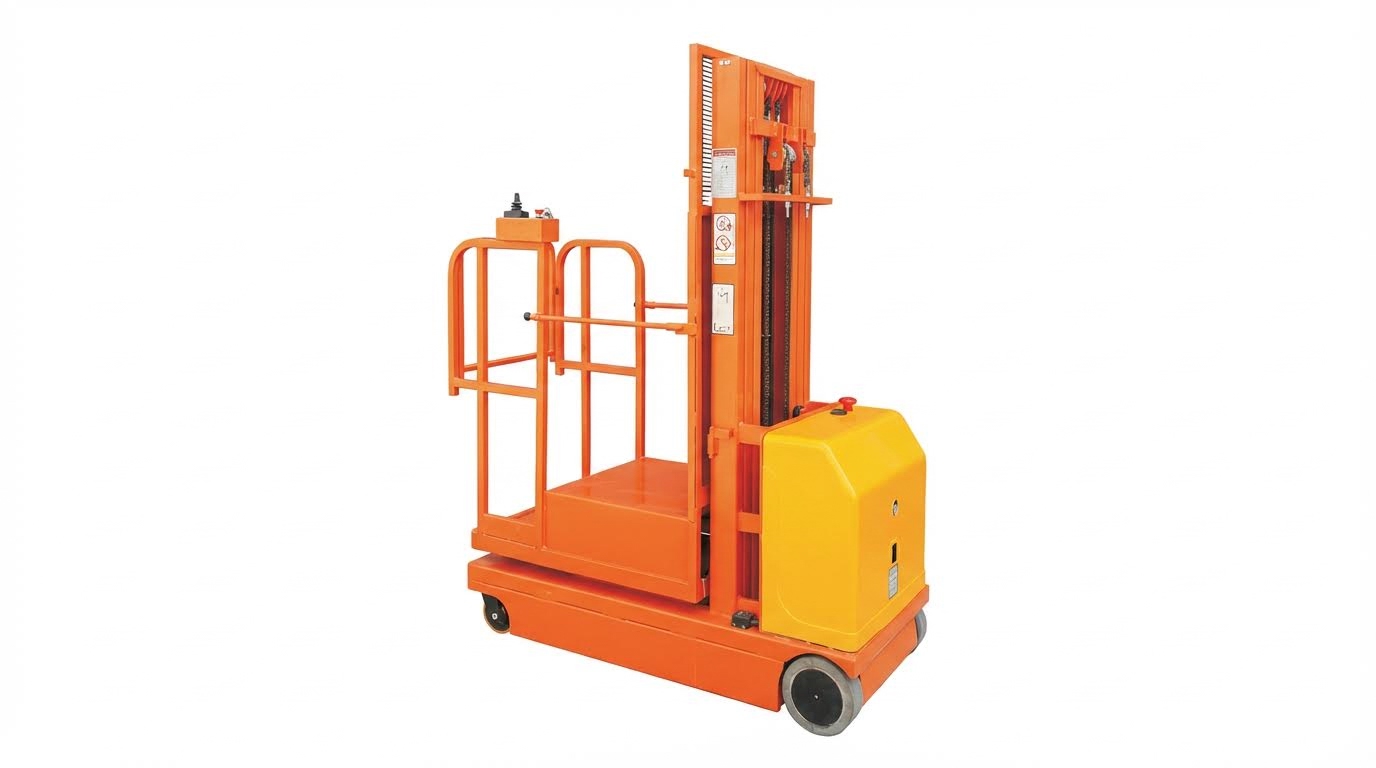
Engineering teams that ask “what are the best warehouse picking solutions for e-commerce fulfillment” must evaluate systems across performance, safety, and lifecycle economics. Decisions that ignore any of these dimensions usually increase total cost of ownership and operational risk. A structured engineering framework aligns technology choices with throughput targets, safety obligations, and long-term flexibility.
Throughput, Accuracy, And Space Utilization Metrics
Engineering selection starts with quantifiable performance requirements. Goods-to-person systems historically delivered up to 350 picks per hour per station and increased daily order capacity by up to a factor of ten versus manual person-to-goods picking. Automated solutions reached 99.99% picking accuracy when combined with scan validation and exception workflows, which greatly reduced reships and customer service costs. High-rate systems also enabled simultaneous picking of up to 16 orders, which supported batch and multi-order strategies for dense e-commerce order profiles.
Space utilization strongly influenced which picking solution was best for a given e-commerce facility. Reports indicated that goods-to-person automation improved storage density and space efficiency by roughly 20%, mainly through high-bay storage and tighter aisle spacing. High-density bin storage under pallet racking increased SKU density by up to 60% and cut travel and search labor by as much as 40%. Carton flow and pallet flow racks supported first-in-first-out control while providing up to 40 SKU lanes per bay, which aligned well with fast-moving e-commerce assortments. Engineers should benchmark candidate designs using standardized metrics: order lines per labor hour, picks per square metre, and errors per thousand order lines.
Safety, Ergonomics, And Regulatory Compliance
Safety performance directly affected the real answer to what are the best warehouse picking solutions for e-commerce fulfillment. Warehousing historically ranked among the top industries for recordable injuries, with back and shoulder injuries accounting for over 35% of missed work and estimated total costs near 150,000 USD per affected worker. High-bay picking with operator-up equipment increased fall and struck-by risks, so engineered controls such as full-body harness systems, compliant anchor points, and clearly rated platforms were mandatory. Clear separation of pedestrian and equipment aisles, guarded transfer points, and compliant racking design reduced collision and collapse hazards.
Ergonomic engineering reduced chronic strain and improved pick quality. Height-adjustable workstations, adjustable workbenches, and anti-fatigue mats supported neutral postures during high-frequency picking and packing. Tilt trays, angled shelving, and carton flow modules reduced reach distance and bending, which lowered musculoskeletal risk while increasing pick speed. Automation introduced new safety considerations: collaborative mobile robots required certified safety-rated scanners, speed-and-separation monitoring, and validated emergency stop circuits. Regular safety audits, quarterly training refreshers, and alignment with OSHA and local regulations ensured that new picking technologies improved, rather than degraded, the overall risk profile.
Maintenance, Reliability, And System Scalability
Lifecycle engineering evaluated how picking solutions behaved after years of continuous e-commerce operation. Conveyor, sortation, and automated storage systems needed structured preventive maintenance programs that included daily visual checks, weekly lubrication, monthly fastener tightening, and quarterly deep cleaning. Neglecting these tasks historically led to belt failures, misalignment, and unplanned downtime that directly constrained order cut-off times. Automated tote-handling and pallet-handling AMRs with payloads up to 4,400 pounds required battery management, wheel and sensor inspections, and software health monitoring to maintain availability targets above 98–99%.
Reliability engineering should use failure mode and effects analysis to identify critical components such as conveyor belts, lift tables, and pick station devices. Spare parts strategies must cover belts, rollers, bearings, sensors, and controllers to avoid extended outages. Scalability depended on modular design: shelf-to-person AMRs that could add robots, storage aisles, or pick stations incrementally offered smoother capacity growth than monolithic fixed automation. Software scalability mattered as much as hardware. Warehouse execution and control software had to orchestrate robots, conveyors, and manual zones while preserving consistent service levels during peak events such as holiday promotions.
TCO, Retrofit Options, And Future-Ready Design
When deciding what are the best warehouse picking solutions for e-commerce fulfillment, teams needed to compare full lifecycle economics rather than only capital expenditure. Total cost of ownership included energy consumption, maintenance labor, spare parts, software licenses, and periodic upgrades. High-automation designs often justified their cost through labor savings, documented 30–40% labor-efficiency gains, and the ability to ship up to three times more orders without adding headcount. However, engineers had to model realistic utilization, maintenance costs, and training requirements to avoid optimistic payback assumptions.
Retrofit-friendly solutions allowed stepwise modernization of brownfield facilities. Examples included adding carton flow, high-density bin storage, or pallet flow to existing racking, then layering conveyor segments or AMR-based tote transfer for high-velocity SKUs. Future-ready design reserved space, power capacity, and data infrastructure for later automation phases, including additional robots or advanced order buffering. Open, well-documented software interfaces and headless architectures reduced vendor lock-in and supported integration with evolving WMS and shipping platforms. A balanced engineering approach combined robust safety, high throughput, ergonomic workstations, and modular automation to keep lifecycle costs predictable while preserving flexibility for future e-commerce growth.
Summary And Practical Recommendations For Teams
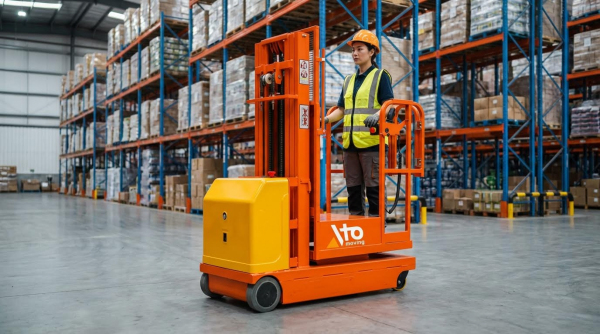
Engineering teams that ask “what are the best warehouse picking solutions for e-commerce fulfillment” should combine data-driven design with disciplined operations. The most effective facilities aligned core picking strategy, automation level, software stack, and safety program with explicit service-level and cost targets. This section consolidates the key findings and translates them into practical steps for cross-functional teams.
From a technology standpoint, goods-to-person and AMR-based shelf systems delivered the highest sustained pick rates and scalability. Published benchmarks showed up to 350 picks per hour per station and up to a tenfold increase in daily order throughput versus traditional person-to-goods layouts. Automated solutions that supported simultaneous multi-order picking, sometimes up to 16 orders, also achieved near-perfect accuracy levels approaching 99.99%. Teams that coupled these systems with warehouse order picker, intelligent pack stations, and automated staging workflows realized additional space-efficiency gains of about 20% and reduced manual touches across inbound, picking, packing, and shipping.
Industry trends indicated a shift away from monolithic automation toward modular, software-orchestrated ecosystems. AMRs capable of moving payloads from hundreds to thousands of kilograms reduced forklift congestion and supported flexible reconfiguration as SKU profiles changed. Execution software and tightly integrated WMS platforms provided 24/7 visibility, directed putaway, smart picking jobs, and walking-path optimization. Vendors reported labor-efficiency improvements around 30–40% and multi-fold increases in shipped order volumes within months of deployment. At the same time, ergonomic pick stations, high-density storage, and carton or bin flow solutions mitigated musculoskeletal risk and supported compliance with evolving safety expectations.
For practical implementation, teams should start with a quantitative design brief: target order lines per hour, peak-to-average demand ratio, allowable order cycle time, and budgeted cost per order. Next, they should evaluate a matrix of picking strategies (batch, wave, zone, single-line, multi-line, multi-order) against SKU velocity tiers and order profiles, then overlay appropriate levels of automation, from low-tech flow racks to goods-to-person robots. A phased roadmap works best: stabilize manual and semi-automated flows, then add AMRs, automated buffering, and advanced execution software as data maturity increases. Throughout, safety and ergonomics must stay non-negotiable, with regular audits, task rotation, height-adjustable workstations, and engineered aids such as scissor platform lift and flow racks.
Looking ahead, AI-driven optimization and headless software architectures will further personalize picking strategies in real time, based on live order backlogs and on-floor conditions. However, the best warehouse picking solutions for e-commerce fulfillment will remain those that balance throughput, accuracy, space utilization, and human well-being rather than chasing maximum automation. Cross-functional governance that includes operations, engineering, IT, safety, and finance will help maintain that balance and ensure that each new technology increment measurably improves cost-to-serve and worker safety instead of adding complexity.