Case picking sat at the center of high-volume warehouse operations, bridging full-pallet handling and piece picking. It determined how efficiently facilities replenished stores, served wholesale channels, and supported emerging e‑commerce flows. This article examined core engineering principles, from layout, slotting, and safety controls to automation architectures, robotics integration, and maintenance strategies. It concluded with strategic guidance on how to align case-picking design, technology choices, and KPIs with long-term operational resilience and scalability.
Core Principles Of Efficient Case Picking
Core principles for efficient case picking focused on matching order profiles, storage media, and picking methods. Engineers aligned process design with throughput, accuracy, and labor constraints, then embedded these principles into WMS logic and layout decisions.
Defining Case Picking Vs. Piece And Pallet Picking
Case picking handled full cartons or cases, typically containing a single SKU, instead of individual units. It sat between piece picking and pallet picking in terms of handling unit, labor intensity, and equipment requirements. Piece picking targeted e‑commerce or spare parts operations, where operators picked single items into totes or cartons. Pallet picking moved full unit-loads, usually one SKU per pallet, with walkie pallet truck or pallet shuttles. Engineers selected case picking when orders required carton quantities, some customization, but not enough volume per line to justify full pallets.
Common Case Picking Methods And Use Cases
Single-order picking processed one order at a time and suited low-volume or highly variable SKU profiles. Batch picking grouped multiple orders so a picker collected shared SKUs in one route, then downstream sorting separated orders. Zone picking assigned operators to defined warehouse zones, reducing travel distance in large facilities and enabling specialization. Wave picking combined batch and zone concepts, releasing groups of orders in timed waves aligned with carrier cutoffs or production slots. Engineers mapped these methods to demand patterns, SKU velocity, and warehouse size to minimize travel and order cycle time.
Throughput, Accuracy, And Labor KPIs For Case Picking
Throughput metrics included cases picked per hour, order lines per hour, and orders completed per shift. Accuracy tracked order-line accuracy, case-level accuracy, and return rate due to picking errors. Labor KPIs covered picks per labor hour, indirect versus direct labor ratio, and overtime percentage. Engineers also monitored internal order cycle time from release to ship confirmation to validate service levels. Advanced operations used WMS and Labor Management Systems to automate KPI capture, apply engineered labor standards, and highlight bottlenecks by zone, shift, and method. These metrics guided layout changes, slotting rules, and automation investment decisions.
Integrating Case Picking With WMS And ERP Systems
Integration between WMS and ERP ensured that order data, inventory status, and shipping requirements flowed automatically to case picking processes. The WMS orchestrated picking strategies such as batch, wave, or zone picking and generated optimized pick lists or RF, voice, or pick-to-light instructions. Engineers configured slotting rules, pick-path logic, and replenishment triggers inside the WMS based on historical demand and seasonality. Real-time inventory updates from scanners and sensors maintained traceability and reduced stockouts at pick faces. Tight coupling with ERP enabled synchronized order promising, billing, and transportation planning, while two-way interfaces supported performance reporting and continuous improvement of case picking operations.
Warehouse Layout, Storage Design, And Safety Controls
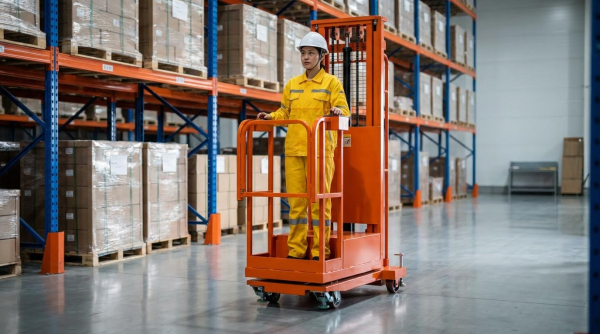
Warehouse layout for case picking required clear separation of receipt, storage, picking, replenishment, and packing zones. Engineers structured flows to minimize cross-traffic and deadheading, while preserving clear pedestrian and equipment aisles. Storage design balanced cube utilization against access frequency, with compact systems near high-intensity pick zones. Safety controls overlaid the entire layout, integrating signage, lighting, and procedural barriers to keep throughput high without increasing incident rates.
Slotting, Pick Paths, And Case Flow Rack Design
Engineers defined slotting rules from actual order profiles, demand curves, and seasonality data. High-velocity SKUs moved closer to primary pick faces and near consolidation or packing, which reduced travel distance and order cycle time. Warehouse management software sequenced locations to support wave, batch, or zone picking, and then generated optimized pick paths that avoided backtracking. Case flow racks used gravity-fed lanes to separate replenishment from picking, increasing face availability while cutting picker congestion.
Flow rack lane pitch, roller type, and braking elements depended on case mass, stiffness, and packaging friction coefficients. Designers limited lane depth to maintain first-in-first-out control and to avoid impact damage at the pick face. They positioned heavy, high-consumption SKUs at lower levels to reduce lift heights and musculoskeletal strain. Engineers validated pick paths with simulation or historical travel data, then iteratively adjusted slotting rules when demand patterns shifted.
Storage System Selection And Stack Stability Engineering
Storage system selection depended on SKU mix, unit load type, and required access frequency. Pallet racking worked best when pallets held a single SKU, while carton or case flow systems supported mixed-SKU case picking. Compact systems such as drive-in or mobile racking increased density but reduced selectivity, so planners reserved them for slower movers. For bulk bags or irregular loads, designers sometimes used block stacking with strict limits on stack height and footprint aspect ratio.
Stack stability engineering considered bag or case compressibility, friction between layers, and deformation over time. Engineers avoided tall, slender stacks with poor interlock, especially for large bags or shrink-wrapped loads that could shift. They specified maximum stack heights, minimum overlap, and mandatory use of pallets, dunnage, or containment when stability margins were low. For high-risk loads, they incorporated mechanical restraints such as rack backstops, safety mesh, or guard rails to prevent collapse into work areas.
Ergonomics, PPE, And Safe Manual Handling Procedures
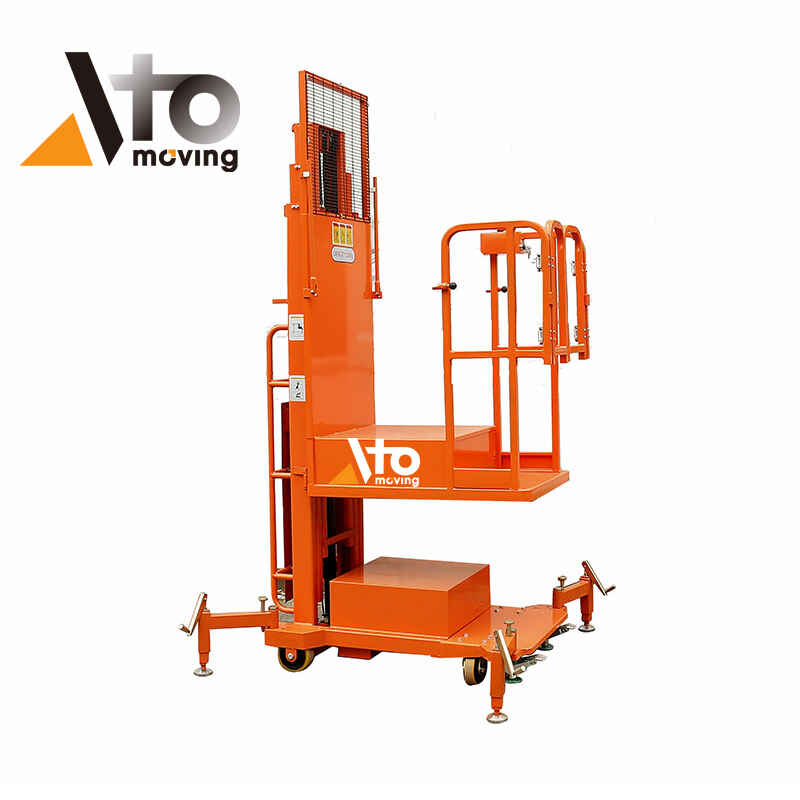
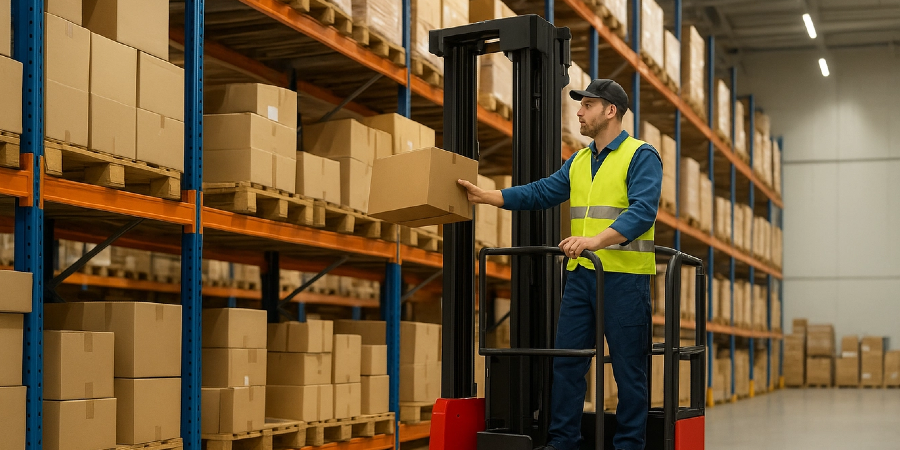
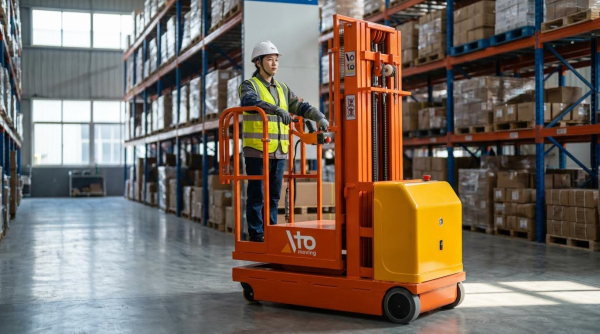
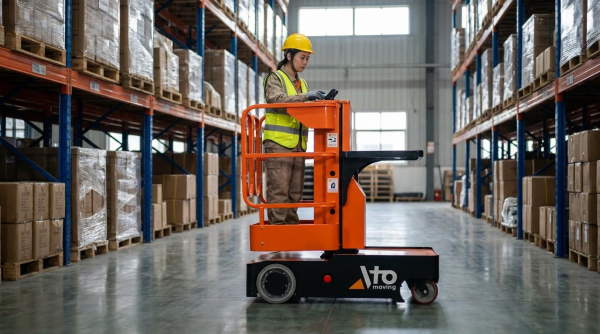
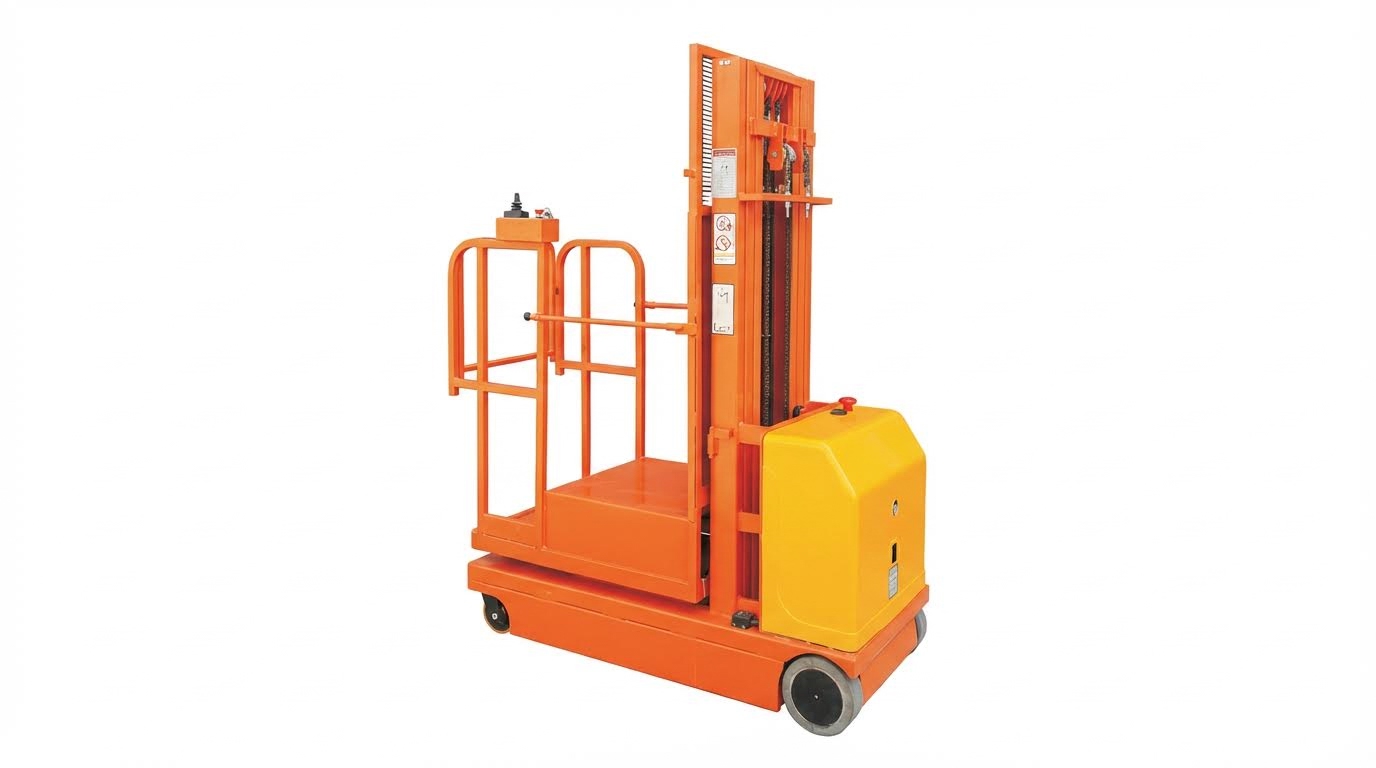
Ergonomic design aimed to keep most case picks between mid-thigh and shoulder height to reduce bending and overhead reaches. Adjustable workstations, height-appropriate shelving, and ergonomic carts reduced push–pull forces and awkward postures. Engineers analyzed tasks with high repetition or force and introduced job rotation, anti-fatigue flooring, and mechanical aids such as semi electric order picker or vacuum assists. Training programs reinforced safe lifting techniques, emphasizing load proximity to the body and coordinated team lifts for heavier cases.
Personal protective equipment complemented, but did not replace, ergonomic engineering controls. Typical PPE for case picking included safety footwear with toe protection, cut-resistant gloves where packaging edges were sharp, and eye protection in areas with risk of falling objects. Supervisors monitored compliance and replaced worn equipment before performance degraded. Operations teams linked incident reports and near-miss data to specific tasks or zones, then updated handling procedures and workstation layouts accordingly.
Risk Assessment, Signage, And Regulatory Compliance
Formal risk assessments preceded layout changes or introduction of new storage schemes, especially for bulk bags or high stacks. Engineers identified hazards such as unstable piles, fall zones, pinch points, and congested intersections, then applied elimination, substitution, or engineering controls. Areas with collapse or burial risk required physical barriers, restricted access, and clearly marked exclusion zones. Incident case studies, including collapses of poorly stacked bag piles, informed conservative design limits and supervision requirements.
Signage standards supported quick hazard recognition in high-traffic environments. Facilities used consistent pictograms, color codes, and floor markings to indicate pedestrian routes, equipment aisles, emergency exits, and no-go areas. Adequate lighting ensured that labels, rack load limits, and warnings remained visible at typical working distances. Compliance with occupational safety regulations and applicable storage standards required documented inspections, load rating labels, and periodic audits of racking, stacks, and safety systems.
Automation, Robotics, And Maintenance For Case Picking

Automation in case picking increased throughput, reduced manual travel, and stabilized quality in high-volume warehouses. Engineers combined goods-to-person systems, ASRS, and robotics to match SKU profiles, order patterns, and footprint constraints. Robust maintenance and data-driven monitoring preserved uptime and protected capital investment. This section analyzes architecture choices, robotics integration, predictive maintenance, and lifecycle economics for case picking systems.
Goods-To-Person, ASRS, And Conveyance Architectures
Goods-to-person architectures reversed the traditional picker-to-goods paradigm by bringing totes, cartons, or cases directly to operators. Automated Storage and Retrieval Systems (ASRS) retrieved cases from high-density storage and delivered them to pick stations within approximately two minutes in well-tuned designs. Engineers selected between unit-load cranes, shuttle systems, and cube-based storage based on required throughput, SKU count, and building height. Conveyors, sorters, and vertical lifts linked ASRS with decant, picking, consolidation, and shipping, forming continuous material flow paths.
Designers balanced storage density against access speed by tuning aisle count, crane speed, shuttle levels, and buffering capacity. Case-picking ASRS typically targeted throughput improvements up to roughly five times over manual shelving with walk picking. Modular architectures allowed incremental expansion of aisles, shuttles, or storage modules as order volumes grew or SKU mixes shifted from B2B to B2C. Integration with Warehouse Management Systems ensured that every retrieval task aligned with wave, batch, or zone-picking strategies and real-time inventory allocation.
Cobot, AGV, And Robotics Integration For Case Handling
Collaborative robots (cobots), Automated Guided Vehicles (AGVs), and Autonomous Mobile Robots (AMRs) supported case picking by decoupling transport and lifting from human walking. Cobots at pick stations assisted with repetitive lifting, case reorientation, and palletizing, using force and vision sensing to operate safely near people. AGVs and AMRs transported cases or totes between ASRS discharge points, pick modules, and shipping lanes, reducing non-value-adding travel. Robotic case handlers, such as articulated arms with grippers, automated depalletizing, repalletizing, and layer picking where case weights and packaging were consistent.
Engineering integration required standardized load interfaces, such as uniform case footprints, stable stacking patterns, and defined handoff points. Control systems synchronized robot movements with conveyor speeds and WMS task queues to avoid congestion and idle time. Safety functions, including speed-and-separation monitoring, laser scanners, and clearly marked collaborative zones, reduced collision risk. Validation tests verified pick accuracy, cycle times, and safe stopping distances before scaling robotic deployments across additional pick zones.
AI-Driven Monitoring And Predictive Maintenance Programs
AI-driven monitoring used sensor data from motors, drives, conveyors, shuttles, and robots to predict failures before they stopped case picking. Engineers collected vibration, temperature, current draw, cycle counts, and error codes, then applied analytics to detect abnormal patterns. Dashboards tracked key metrics such as throughput, cycle time, error rates, and micro-stoppages, highlighting assets drifting from baseline. Predictive models recommended targeted inspections, lubrication, or component replacement during planned maintenance windows.
Maintenance teams combined periodic preventive tasks with condition-based interventions triggered by AI alerts. Work-order systems linked to monitoring platforms documented inspections, repairs, and parts usage, closing the loop for continuous model improvement. Firmware and software updates followed controlled change-management procedures to avoid unplanned downtime or loss of configuration. Training programs ensured technicians could interpret diagnostic data, follow lockout-tagout procedures, and safely service high-speed automated equipment.
Lifecycle Cost, Energy Use, And Uptime Optimization
Lifecycle cost analysis for automated case picking considered capital expenditure, maintenance labor, spare parts, software licensing, and energy consumption over the system life. Engineers compared scenarios such as manual picking with walkie pallet truck, semi-automated conveyors, and full ASRS plus robotics using net present value and payback calculations. Energy-efficient drives, regenerative braking on lifts, and smart standby modes reduced electricity usage without sacrificing throughput. High-density storage also lowered building energy loads by shrinking the conditioned footprint per unit stored.
Uptime optimization depended on both fault-tolerant design and rapid recovery procedures. Redundant paths, bypass lines, and parallel pick stations limited the impact of localized failures. Clearly defined escalation protocols, remote diagnostics, and access to critical spare parts cut mean time to repair. Continuous improvement loops used KPIs such as overall equipment effectiveness, internal order cycle time, and maintenance response time to refine operating strategies. As demand patterns evolved, engineers periodically re-slotted SKUs, retuned control logic, and adjusted maintenance intervals to keep performance, cost, and energy use in balance.
Summary And Strategic Implications For Case Picking
Case picking in warehouse management relied on engineered combinations of process design, layout, and automation to deliver high throughput with low error rates. Mature operations integrated clear picking methods, optimized slotting, and robust safety controls with WMS- and ERP-driven orchestration. Automated storage and retrieval, goods-to-person systems, and assisted picking technologies increased productivity by factors of two to five compared with purely manual models, while also improving traceability and ergonomics.
From an industry perspective, the trend moved toward modular, scalable automation that could flex between B2B and B2C profiles, absorb SKU proliferation, and support shorter order cycle times. Robotics, ASRS, carton and case flow solutions, and advanced WMS logic allowed operators to reconfigure strategies between batch, wave, zone, and cross-docking modes as demand patterns shifted. At the same time, regulators and customers expected higher safety standards, complete product traceability, and consistent service levels, pushing sites to formalize risk assessments, PPE policies, and performance KPIs.
For practical implementation, engineering teams needed to treat case picking as a system problem: align storage media, pick paths, and stack stability with chosen picking methods, then layer WMS rules, assistance technologies, and maintenance programs on top. Investments in predictive maintenance, condition monitoring, and structured spare-parts strategies protected uptime and lifecycle cost. A balanced roadmap combined incremental improvements, such as better slotting or ergonomics, with staged automation that preserved flexibility, avoided single points of failure, and maintained safe, humane working conditions as throughput and automation levels increased. Tools like semi electric order picker, warehouse order picker, and order picking machines became essential in modernizing these workflows.