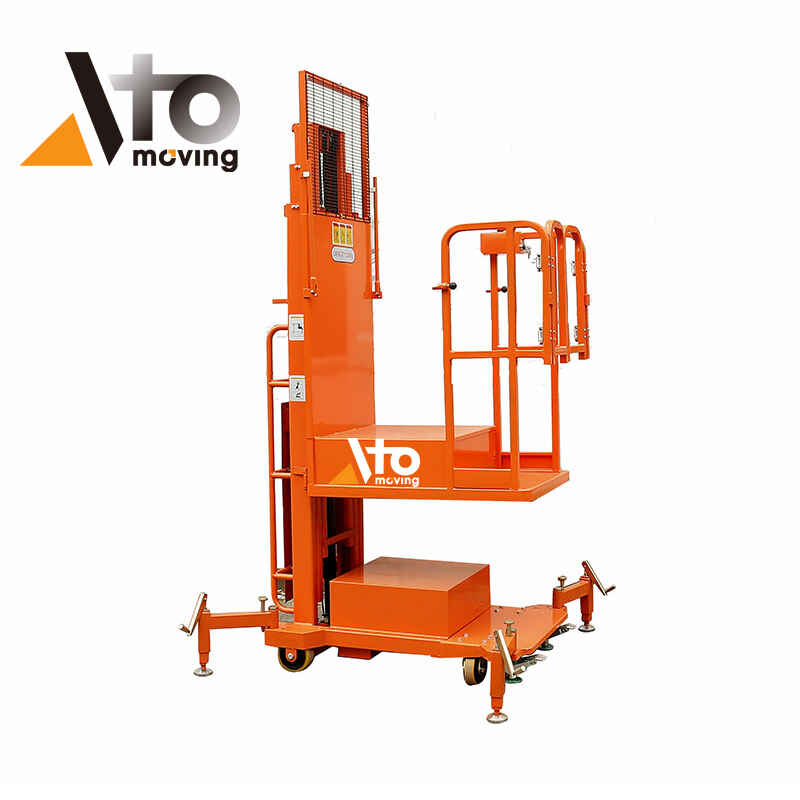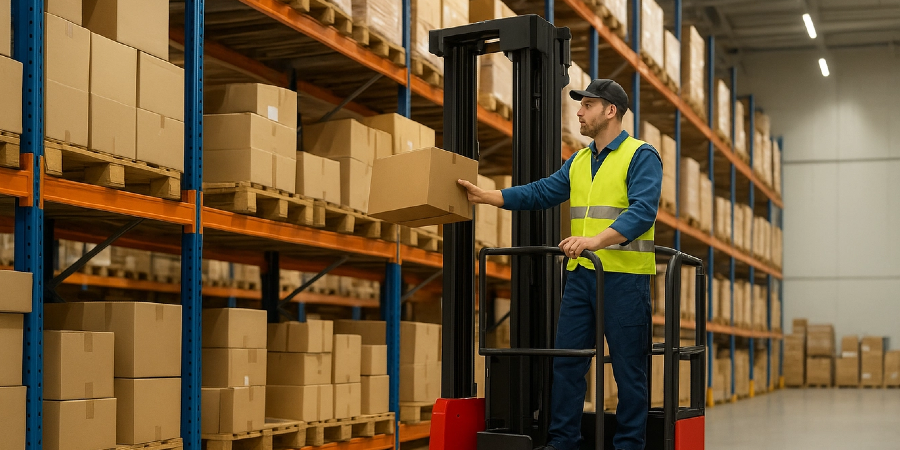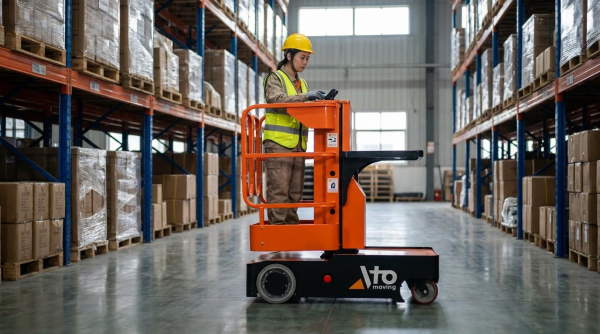
Case picking in a warehouse focuses on pulling full cartons instead of individual items or full pallets. This article explains what case picking is, when to use it, and how workflows run from order release to the shipping dock across different picking methods. It then examines manual and automated equipment options, including how WMS-driven system design affects throughput and SKU velocity management. Subsequent sections address safety, ergonomics, and performance metrics before closing with a structured approach to selecting the right warehouse order picker strategy for a given operation.
Core Concepts And Case Picking Workflows
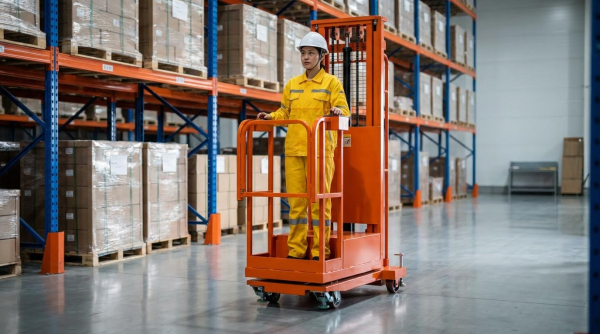
Core concepts and workflows define how case picking integrates into overall warehouse operations. Engineers must understand when to deploy case-level fulfillment, how orders flow from receipt to dock, and how to compare case picking with piece, pallet, and layer strategies. This section explains what case picking is in a warehouse, outlines a typical process, contrasts alternative picking levels, and reviews key order picking methods such as batch, zone, and wave.
What Case Picking Is And When To Use It
Case picking in a warehouse is the process of selecting full cartons of a single SKU to fulfill orders. Operators handle sealed manufacturer cases instead of individual items or full pallets. This approach suits store replenishment, wholesale, and B2B channels where demand aligns with case quantities. It delivers higher pick rates and lower transaction counts than piece picking, which improves accuracy and reduces cost per pick. Use case picking when order lines typically require one or more full cases and only limited item-level customization. It becomes less efficient when orders are highly fragmented or require frequent broken-case handling.
Typical Process Flow From Order To Ship Dock
The case picking workflow starts when the warehouse management system releases orders and generates pick waves or tasks. The system assigns locations, sequences pick paths, and selects a picking method, for example batch or zone. Operators or automated equipment travel the path, retrieve required cases from floor storage, pallet racks, or flow lanes, and confirm picks with barcode, RF, or voice systems. Cases then move to a consolidation or packing area where staff verify quantities, apply shipping labels, and build outbound pallets according to load and stability rules. Finally, pallets or loose cases transfer via conveyor or lift stacker to the correct dock door, where staff stage, scan, and load them onto trailers.
Case Picking Vs Piece, Pallet, And Layer Picking
Case picking sits between piece and pallet picking in terms of unit size and handling intensity. Piece picking works at each or inner-pack level and suits e-commerce or spare parts but drives higher touches and travel. Pallet picking moves full unit loads, often by forklift, and fits high-volume SKUs or cross-dock operations with minimal handling. Layer picking removes one or more layers of cases from a pallet, which balances cube utilization and handling effort for fast movers. Compared with piece picking, case picking reduces pick transactions, travel distance per shipped unit, and error probability. Compared with pallet or layer picking, it offers finer-grained allocation for stores with moderate demand, at the cost of more handling per cubic metre shipped. Engineers typically mix these strategies by SKU velocity and order profile.
Common Order Picking Methods (Batch, Zone, Wave)
Case picking in a warehouse usually combines with structured order picking methods to reduce travel and congestion. In single-order picking, one operator completes one order at a time, which simplifies control but increases travel for higher volumes. Batch picking groups multiple orders that share SKUs; the operator picks consolidated quantities and later staff or systems sort them to orders, cutting travel time by up to double-digit percentages. Zone picking divides the warehouse into zones, assigns pickers or automation to each area, and passes totes or pallets between zones or to a central merge point. Wave picking releases groups of orders together based on carrier cut-offs, dock capacity, or labor availability, and can overlay batch or zone logic. Selecting among these methods depends on SKU count, order line density, service-level targets, and available automation such as conveyors or scissor platform. Engineers may also evaluate tools like walkie pallet truck to optimize material movement.
Equipment, Automation, And System Design
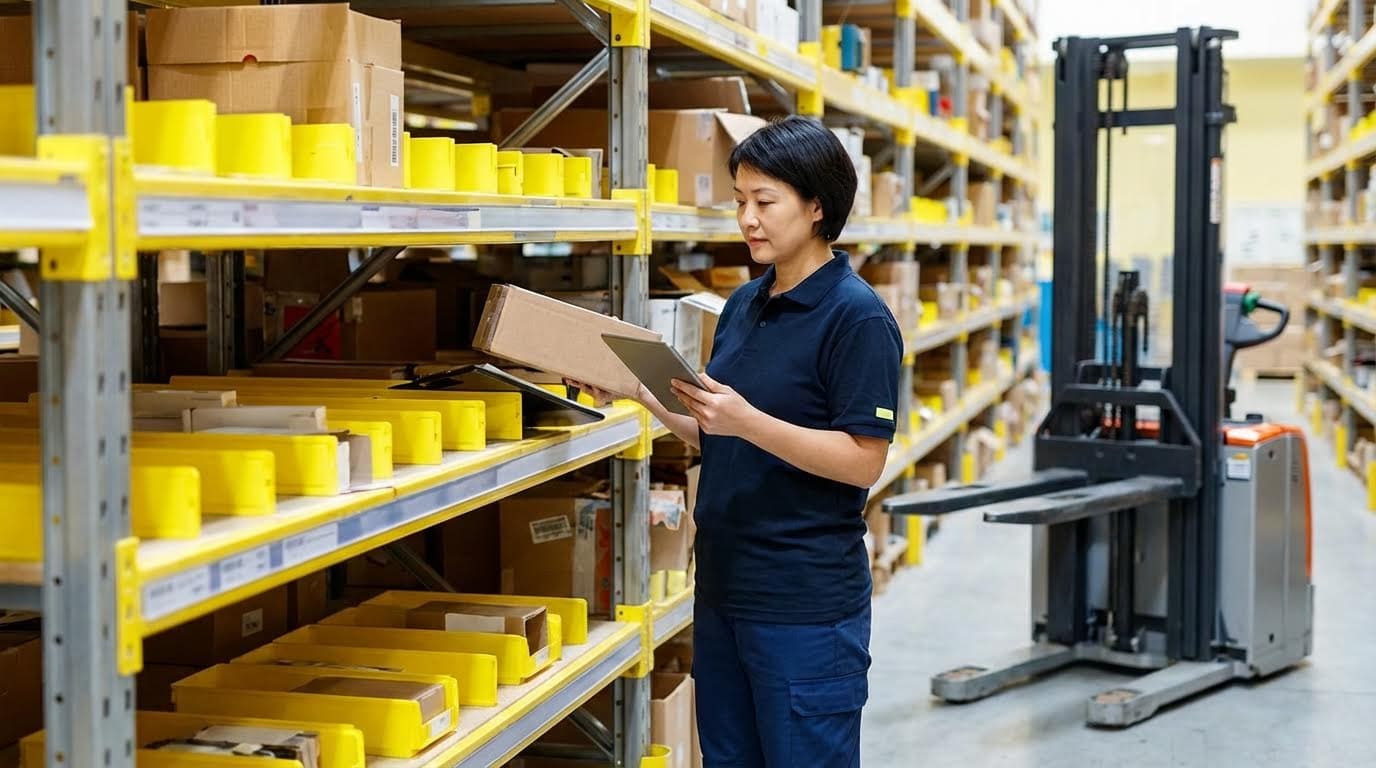
In case picking, equipment and system design determine throughput, labor intensity, and error rates. Understanding what is case picking in a warehouse requires linking manual tools, automation, and software into one coherent flow. Well-matched technologies reduce travel, stabilize ergonomics, and support SKU growth without major reconfiguration. This section explains how to select and combine tools so case picking stays efficient as order profiles and volumes change.
Manual Tools: Racks, Carts, Jacks, And Conveyors
Manual tools formed the backbone of traditional case picking in warehouses. Selective pallet racks and carton flow racks defined storage density and access speed for full cases. Pallet flow and carton flow systems used gravity to bring replenished pallets or cases to the pick face, cutting picker travel distance and maintaining first-in-first-out rotation for dated goods. Carts, pallet jacks, and hand trucks moved picked cases to consolidation or shipping, while basic gravity or powered conveyors bridged long distances between zones. For low-to-medium volume case picking, these tools still achieved acceptable pick rates when combined with good slotting and short pick paths. However, as order lines per day increased, manual transport and vertical access with forklifts constrained throughput and raised ergonomic risk.
Automated Case Picking, ASRS, And Robotics
Automated case picking systems addressed the limits of manual travel and lifting. Automated storage and retrieval systems (ASRS) stored cases in high-density structures and brought them to ergonomic pick or palletizing stations, shifting from person-to-goods to goods-to-person. These solutions reduced pick path distance by up to about 80% versus fully manual layouts and cut labor requirements by roughly 20% to 70%, depending on design and baseline conditions. Robotic case-handling cells and mixed-case palletizers built store-ready pallets according to load rules such as heavy cases at the bottom and crushable cases on top. In high-volume food and beverage facilities, automation operated in ambient, chilled, and freezer environments, limiting worker exposure to cold and maintaining high accuracy. Mobile robots and shuttle systems supported flexible routing and scalable throughput, which suited operations with fluctuating order volumes and changing SKU assortments.
WMS, WES, And Operator Guidance Technologies
Software and guidance technologies synchronized equipment and labor in case picking workflows. Warehouse management systems (WMS) generated case-level pick tasks, controlled inventory locations, and enforced allocation and lot-tracking rules. Warehouse execution systems (WES) balanced work across ASRS, conveyors, and manual zones, releasing waves or continuous flows of orders to avoid bottlenecks at induction, sortation, or dock staging. Operator guidance tools such as barcode scanning, voice-directed picking, and light-directed systems increased pick accuracy into the 96.7% to 99.6% range and cut search time at the pick face. Wearable devices and mobile terminals provided real-time task updates, enabling dynamic re-slotting and labor reallocation during peaks. Together, these technologies transformed what is case picking in a warehouse from a static route-based activity into a data-driven, continuously optimized process.
Designing Layouts For SKU Velocity And Throughput
Layout design for case picking relied on SKU velocity analysis and order profiles. High-velocity SKUs typically sat in pallet flow or carton flow near shipping or consolidation to minimize travel and congestion. Medium-velocity items often used selective rack or multi-level pick modules, sometimes with pick-to-conveyor feeding downstream sortation. Low-velocity SKUs fit best in higher-density storage or ASRS, which replenished forward pick faces automatically based on demand. Engineers modeled pick paths, case touches, and conveyor loads to size aisles, accumulation zones, and dock staging. They also considered ergonomic reach zones, limiting frequent case handling to roughly shoulder-to-knee height to comply with safety guidance and reduce musculoskeletal risk. A velocity-based layout, combined with appropriate automation and software, increased throughput by roughly 20% to 40% and lowered order cycle times without sacrificing accuracy.
Safety, Ergonomics, And Performance Metrics
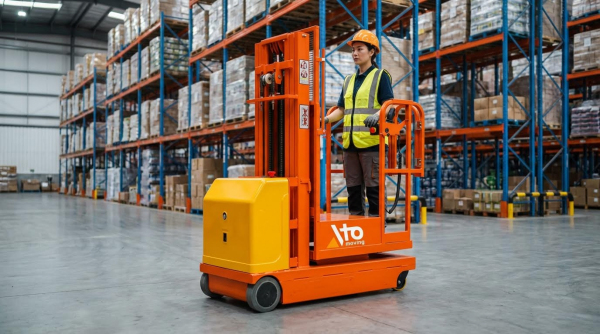
Safety, ergonomics, and performance measurement defined how efficiently warehouses executed case picking and protected operators. These topics became critical once operations scaled from manual picking to mixed fleets of forklifts, pallet jacks, and automation. Understanding them clarified what case picking was in a warehouse from a people, process, and risk-control perspective.
Ergonomic Design For High-Frequency Case Handling
High-frequency case picking concentrated repetitive bending, lifting, and twisting into every shift. Poor design increased musculoskeletal disorders and drove absenteeism and compensation costs. Ergonomic layouts kept the primary pick zone between mid-thigh and shoulder height to maintain neutral spine posture. Facilities raised pallets with lift tables or pallet positioners so pick faces stayed inside this zone as layers depleted. Gravity pallet flow and carton flow systems presented cases at the pick face, which minimized walking and deep reaching. Engineering controls targeted case mass, with best practice limiting typical case weights to 15–16 kg and using team lifts or mechanical aids above that threshold. Slotting strategies placed fast-moving SKUs in the golden zone and oriented labels toward pickers to reduce awkward wrist postures. In cold storage, planners allowed longer warm-up and stretching periods and used insulated, high-grip gloves to offset reduced dexterity and strength.
OSHA-Oriented Safety Practices And Forklift Use
OSHA-based programs framed how warehouses managed powered industrial trucks within case picking aisles and docks. Only trained and certified operators could drive forklifts, and pre-shift inspections checked brakes, hydraulics, forks, and warning devices. Operations enforced rated capacity limits and required stable, low travel of raised loads, especially when retrieving or replenishing case-pick pallet rack. Pedestrian and forklift traffic separated through marked aisles, speed limits, mirrors at blind intersections, and physical barriers at pick tunnels. At docks, operators maintained distance from edges, used wheel chocks or vehicle restraints, and followed strict procedures for trailer entry and dockboard use. Battery charging or LPG refueling areas included ventilation, eyewash, fire extinguishers, and no-ignition-source policies. Lockout/tagout procedures applied during maintenance of conveyors, lifts, and automated case picking systems to prevent unexpected motion. Supervisors documented training refreshers and incident investigations to keep programs aligned with OSHA guidance as layouts and technologies changed.
KPIs: Pick Rate, Accuracy, Cost Per Pick, Utilization
Performance metrics quantified how well a warehouse executed case picking in relation to labor and capital. Pick rate measured lines or cases picked per labor hour and captured the impact of layout, travel distance, and guidance technology. Accuracy tracked error rates at case, line, or order level, often verified via scan confirmation at pick or pack; high-performing case operations typically targeted above 99% order accuracy. Cost per pick consolidated direct labor, equipment ownership, energy, and systems overhead into a single unit metric, enabling comparison between manual, semi-automated, and automated strategies. Utilization described how effectively facilities used labor and equipment capacity across shifts, highlighting underloaded automation or bottleneck zones. Warehouses integrated these KPIs into WMS or labor management systems for real-time dashboards and historical analysis. Correlating KPIs with ergonomic and safety data allowed managers to identify when higher pick rates started to drive fatigue, near misses, or injury trends.
Maintenance, Reliability, And Lifecycle Cost Control
Maintenance strategy directly influenced the lifecycle cost of case picking equipment and the stability of service levels. Planned preventive maintenance schedules for forklifts, pallet jacks, conveyors, and automated storage systems reduced unplanned downtime and secondary damage. Technicians monitored condition indicators such as chain wear, roller alignment, hydraulic leaks, and sensor faults, then closed work orders before failures affected throughput. Reliability engineering tools, including mean time between failures and mean time to repair, helped compare technologies and vendors over multi-year horizons. Spare parts strategies balanced inventory carrying cost against the risk of extended outages on critical subsystems like shuttle drives or sortation motors. Clean, debris-free pick aisles and regular rack inspections reduced impact damage and structural risk in high-velocity case zones. When evaluating upgrades, engineers modeled total cost of ownership, including energy use, maintenance labor, digital licenses, and training, rather than focusing only on initial capital cost.
Summary: Selecting The Right Case Picking Strategy
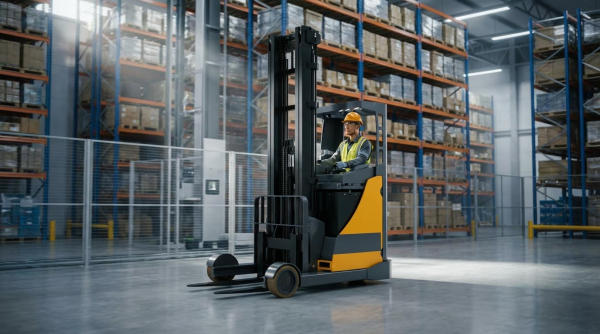
Case picking in a warehouse meant selecting full shipping cases instead of individual items or full pallets. The right strategy depended on order profiles, SKU velocity, labor constraints, and required service levels. Operations teams evaluated workflows, equipment, and automation options to align case picking with safety, ergonomics, and cost-to-serve targets. A structured approach helped match technology, layout, and processes to long‑term network design.
From a technical standpoint, decision makers compared case, piece, pallet, and layer picking against demand patterns and storage density. High-volume, repeatable store-replenishment lanes favored mechanized or automated case picking with conveyors, ASRS, and robotic handling. Mixed profiles with e‑commerce or split-case requirements benefited from hybrid systems that supported both case and item-level picking with shared infrastructure. WMS, WES, and operator guidance platforms coordinated batching, zoning, and wave release to reduce travel distance and increase pick accuracy, often reaching 96.7% to 99.6%.
Industry trends moved toward goods-to-person automation, AI-supported slotting, and real-time labor management. Automated systems in case picking achieved throughput gains of 20% to 300% and reduced labor and cost per pick by up to 50%, depending on baseline conditions. However, capital intensity, integration complexity, and change management requirements remained significant. Facilities therefore staged investments, starting with data-driven layout redesign, ergonomic improvements, and low-risk technologies such as barcode, voice, or light-directed picking.
In practice, selecting a case picking strategy began with detailed analysis of SKU velocity, cube, order lines per order, and peak profiles. Engineers modeled scenarios for manual, mechanized, and automated options, including lifecycle cost, maintenance, and reliability impacts. They also validated OSHA-oriented safety practices, ergonomic limits on lifting, and travel paths for manual pallet jacks and walkie pallet trucks. A balanced roadmap combined quick wins in process and slotting with phased automation, ensuring that case picking remained scalable, safe, and economically viable as product and channel mixes evolved.