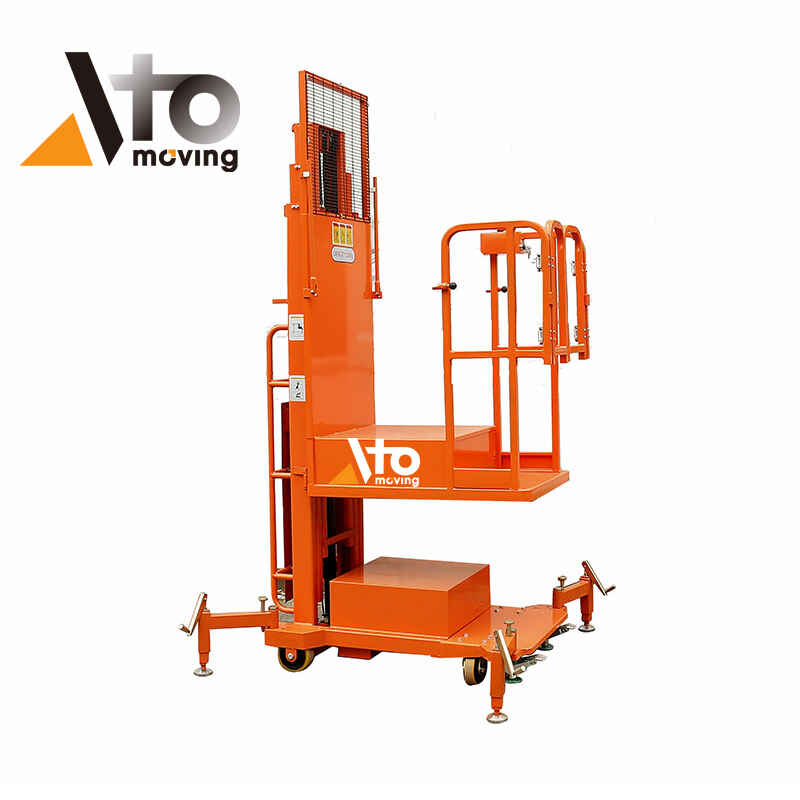
An electric order picker is now a core machine in high-throughput warehouses, combining vertical access, precise travel, and energy‑efficient powertrains. This guide explains how these trucks work, their safety and compliance requirements, and how to specify and maintain them for reliable multi‑shift operation. You will see how design choices, OSHA‑compliant practices, and structured maintenance directly affect productivity, uptime, and risk. Use this as a practical reference when evaluating order picking machines, training operators, or optimizing an existing picking fleet.
What Electric Order Pickers Are And Why They Matter
Core functions and operating principles
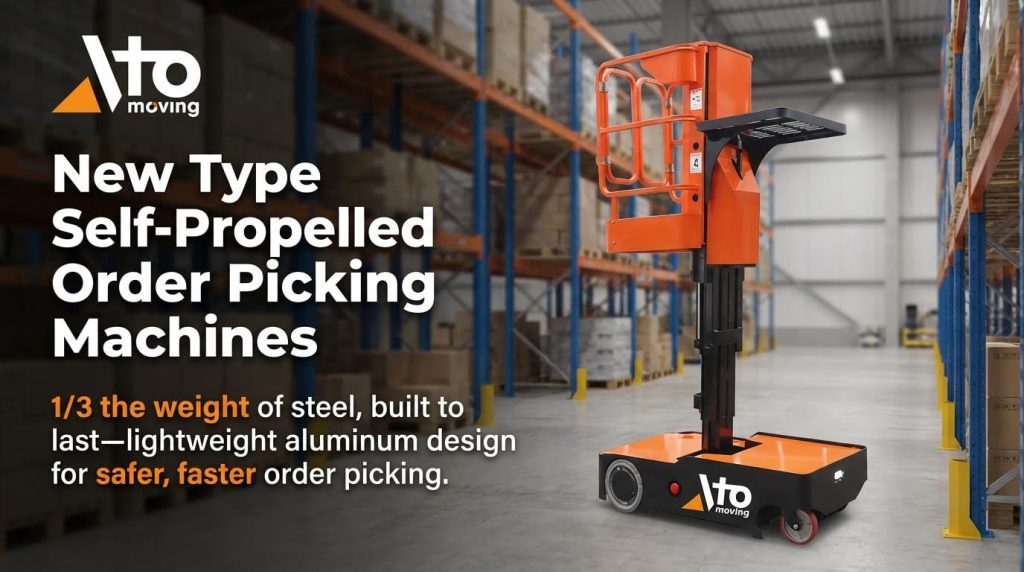
An electric order picker is a powered industrial truck that elevates the operator and the load so they can pick individual cases or items directly from racking and then transport them to staging, packing, or shipping areas. These machines typically lift operators to rack heights of up to 11 m for low- and medium-level models, with some high-level designs exceeding 14 m picking height for very tall storage systems in demanding warehouse environments with integrated guidance and WMS connectivity. A typical electric order picker combines an electric drive motor, a lift mast, a stand-on platform, and forks or a load deck, all controlled from the operator compartment using steering, travel, and lift controls. The operator drives to the pick location, elevates to the correct rack level, stabilizes the truck, and then manually transfers the product onto a pallet or platform before lowering and moving to the next pick. Modern units use AC drive and lift motors for high energy efficiency and reduced maintenance, and they often include height-adjustable steering, programmable travel profiles, and pedestrian modes to improve control and throughput with tailored travel speeds and PIN activation using efficient AC drive and lift motors. In narrow-aisle applications, optional wire or rail guidance systems keep the truck centered in the aisle so the operator can focus on picking instead of steering, while lift logic systems automatically adjust travel speed based on platform height to maintain stability and safety through guided travel and speed control by height. Many electric order picker platforms raise hydraulically via hand or foot switches, and may include sensors that automatically position pallets at an ergonomic working height, reducing bending and overreaching while sustaining high pick rates with hydraulic platforms and optical pallet height sensors.
Key benefits for modern warehousing
Deploying the right order picking machines has a direct impact on warehouse productivity, space utilization, and labor safety. By elevating the operator to the product instead of bringing full pallets down to floor level, facilities can pick individual units from very high storage locations, with some trucks reaching lift heights around 390 in (approximately 9.9 m) and beyond for specialized models to access tall racking in narrow aisles and exceed 14 m picking height in high-bay warehouses. This vertical reach enables narrower aisles and higher racks, increasing storage density without expanding the building footprint, while guided systems and pedestrian modes shorten travel distances between closely spaced pick faces to cut unproductive walking time using pedestrian mode for short-distance picking with optional wire guidance in narrow aisles. Electric powertrains with lithium-ion batteries support multi-shift or even 24/7 operation with rapid opportunity charging, consistent voltage, and minimal performance drop-off, which reduces downtime and simplifies fleet scheduling compared with traditional lead-acid batteries by providing stable power and efficient AC motors and energy-efficient synchronous reluctance motors for 24/7 use. From a safety and ergonomics standpoint, features such as ergonomic floor mats, railings, harness attachment points, and automatic pallet positioning reduce fatigue and musculoskeletal strain while helping operators maintain three points of contact and stable footing at height through ergonomic cab concepts and personal protection systems. Finally, telematics-ready electric order picker fleets give operations managers visibility into utilization, impacts, and energy use, supporting data-driven decisions on driver coaching, maintenance intervals, and right-sizing the fleet to meet changing order profiles via integrated telematics and impact monitoring.
Engineering Design, Safety Systems, And Powertrain
Mast, platform, and guidance technologies
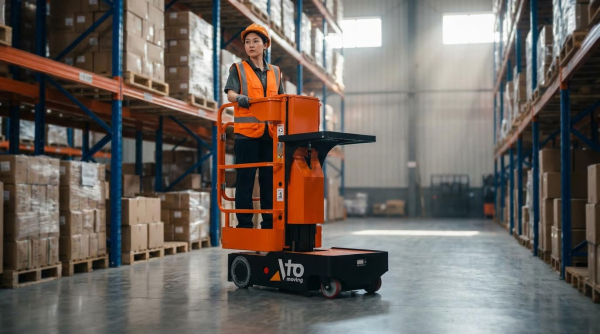
The mast and operator platform define how an warehouse order picker performs at height. Modern masts routinely reach around 11 m in picking applications while maintaining stability and safe travel speeds under demanding conditions. Electric order pickers are designed to enhance picking rates at heights of up to 11 meters while ensuring travel safety and efficiency The platform is usually hydraulically raised via hand or foot controls, with railings and non-slip floors to keep operators secure at the first and second rack levels. A hydraulically raised stand-on platform operated via a foot switch, with footsteps and railings, supports frequent low-level picking
Guidance technologies allow safe, high-throughput work in very narrow aisles. Wire guidance and double-rail guidance systems keep the truck centered in the aisle, reducing steering corrections and the risk of rack impacts. Optional wire guidance and double rail guidance systems enable easy maneuverability in narrow warehouse aisles Optical sensors can automatically position pallets at an ergonomic working height, which reduces bending and improves cycle times. An optical sensor mounted on the load section automatically lowers pallets to an ideal working height Medium and high-level electric order picker models push picking heights above 14 m and often integrate with warehouse management systems via RFID for optimized routing. Medium/high-level order pickers achieve picking heights exceeding 14 meters and integrate via RFID with warehouse management systems
Safety compliance and operator protection
Safety on an semi electric order picker starts with engineered protection at height. Fall protection harnesses, energy-absorbing tethers, and gated platforms reduce the risk of ejection during sudden stops or impacts. Safety mechanisms include full body harnesses and energy-absorbing tethers Wire-mesh mast guards and automatic pallet clamps help keep loads contained and protect the operator from falling items. Safety features include wire mesh mast guards and automatic locking pallet clamps Personal protection systems and improved mast designs also increase all-round visibility, which is critical in dense storage layouts. Personal protection systems and new mast designs improve all-around visibility for safer warehouse operations
Compliance with powered industrial truck rules requires both equipment and process controls. Electronic disc brakes, travel-speed management, and lift-height monitoring help maintain stability and reduce stopping distances with less wear. Electronic disc brakes reduce wear and increase uptime Optional “lift logic” functions adjust travel speed automatically as platform height increases, lowering kinetic energy at elevation. Lift Logic technology continuously monitors lift height and optimizes travel speed at various elevations Telematics packages add impact logging and equipment tracking so safety teams can target coaching and adjust traffic patterns where incidents cluster. Telematics solutions provide visibility into impact events and equipment tracking for better fleet decisions
Batteries, drive systems, and energy efficiency
The powertrain of an order picking machines combines battery chemistry, motor type, and control logic to deliver efficient throughput. AC drive and lift motors have fewer wear parts than DC designs, which cuts maintenance and improves responsiveness in stop–start duty cycles. AC drive and lift motors offer increased energy efficiency and reduced maintenance costs due to fewer moving parts Advanced synchronous reluctance motors further reduce electrical losses, improving kWh per pallet moved. Synchronous reluctance motors minimize energy losses for higher efficiency
Battery strategy drives uptime in multi-shift warehouses. Rapid battery change systems allow low and medium-level units to stay in continuous service with minimal downtime between shifts. Rapid battery replacement lets order pickers operate efficiently across multiple consecutive shifts Lithium-ion packs supply stable voltage over the discharge curve, which keeps lift and drive performance consistent as the state of charge drops. Lithium-ion batteries maintain consistent voltage and performance for extended operations Combined with high-efficiency motors, these batteries support true 24/7 multi-shift operation when paired with opportunity charging. Lithium-ion technology supports multi-shift operations up to 24/7 with superior energy efficiency over lead-acid batteries.
Specifying, Operating, And Maintaining Order Pickers
Matching equipment to height, aisle, and load profile
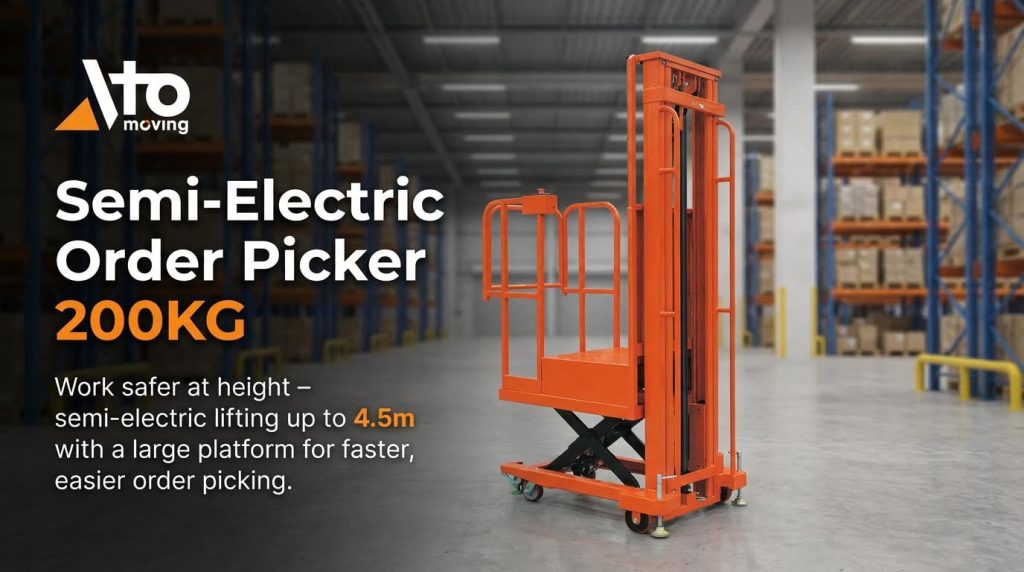
Start by mapping your pick heights, aisle widths, and typical load weights before choosing an warehouse order picker. Low‑level units suit floor and first/second beam work, while medium and high‑level machines handle picking heights above 11 m and can exceed 14 m in some models designed for up to 11 m and above 14 m. Narrow‑aisle layouts benefit from wire or rail guidance that keeps the truck centered and allows precise travel in tight racks using optional wire and double rail guidance. Define your heaviest SKU plus pallet, add the operator and tools, and ensure this total stays within the truck’s rated capacity range, which commonly runs up to about 3,000 lb for order picking applications with limits for platform, carry deck, and tray. Battery and shift pattern also matter: fast battery change systems and energy‑efficient AC or synchronous reluctance drives make multi‑shift work feasible with minimal downtime using rapid battery replacement and efficient motors.
Key matching considerations
- Maximum pick height vs. rack design.
- Aisle width vs. need for wire/rail guidance.
- Load weight (SKU + pallet + operator + tools) vs. truck capacity.
- Shift pattern vs. battery technology and change strategy.
OSHA-compliant operation and safe picking practices
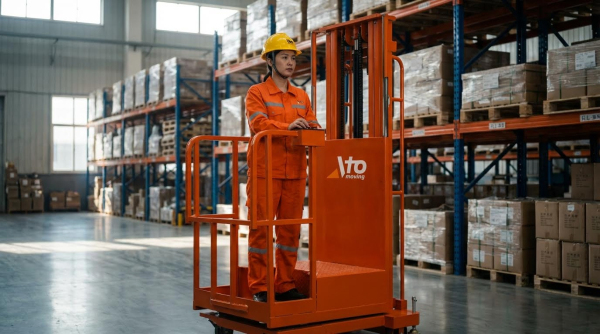
An electric order picker falls under OSHA Class II electric motor narrow‑aisle trucks, so operators must complete formal training and evaluation before use as required for order picker operation. Anyone working at height must wear correctly fitted fall protection, typically a full body harness with an approved tether, and stay within the guarded platform behind rails or gates using fall protection and restraints. Loads must be stable, within the rated capacity, and engaged with forks placed fully under the pallet; operators then use slight back tilt for stability and avoid extreme tilt, especially at height per safe stacking and load engagement guidance. Safe travel also depends on site rules: defined traffic lanes, speed limits, clear right‑of‑way, constant scanning for pedestrians, and keeping both hands on the controls whenever the truck is moving to prevent collisions and hand injuries.
- Require PPE: safety footwear, high‑visibility vest, eye protection, gloves, and hard hat where overhead hazards exist as part of standard PPE.
- Perform a job hazard analysis for narrow aisles, overhead obstructions, pedestrian crossings, and battery areas before deploying equipment to identify and mitigate risks.
- Never exceed component‑specific limits for platform, material tray, or carry deck weight when using an electric order picker since each has its own rating.
Preventive maintenance and inspection checklist
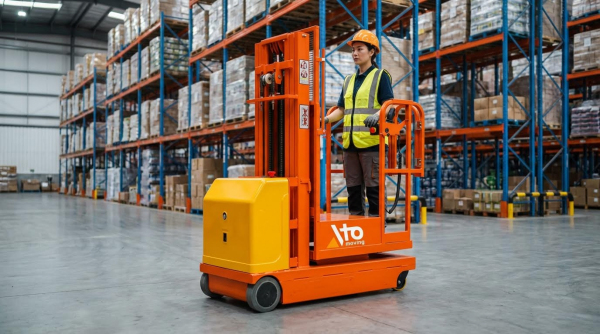
A structured preventive maintenance program keeps order picking machines reliable and OSHA‑ready. Operators should perform a quick daily walk‑around, checking forks, mast, chains, wheels, and visible hydraulic components for cracks, leaks, or damage as part of routine inspection with daily checks on main assemblies and hydraulics. They should test brakes, steering, horn, lights, emergency stop, and alarms before each shift and tag out any unit that fails these checks per pre‑maintenance best practices. Batteries need daily visual checks for cable condition and electrolyte or water levels, plus regular cleaning of terminals and recharging before deep discharge to extend life by recharging above 20% and checking terminals daily.
| Interval | Key tasks |
|---|---|
| Daily (operator) | Visual walk‑around; check forks, chains, mast, wheels, tires; test horn, lights, brakes, steering, emergency stop; inspect battery cables and fluid level; look for leaks and unusual noises per daily forklift‑style checks and condition monitoring. |
| Weekly / Monthly (technician) | Inspect hydraulic system for leaks and fluid level; lubricate chains, rollers, and bearings; tighten chassis bolts and electrical connections; check brake fluid and pad wear; inspect drive unit and lifting chains for wear following weekly/monthly maintenance guidance. |
| Quarterly / Semi‑annual (service) | Run controller diagnostics and review error codes; load‑test batteries; replace hydraulic oil and filters; measure fork thickness, chain elongation, and structural components against limits; check mast and frame for cracks or stress as part of periodic inspections and professional service every 6 months. |
Documenting these tasks and tying them to each electric order picker’s serial number helps track condition over time and supports safer, higher‑uptime fleets.
Final Thoughts On Optimizing Order Picking Fleets
Electric order pickers link engineering design, safe operation, and disciplined maintenance into one system. Mast geometry, guidance, and platform design control stability at height, so you must match machine class to rack height, aisle width, and load profile with care. Safety hardware only delivers full value when operators follow OSHA‑compliant training, wear fall protection, and respect rated capacities for every component. Powertrain choices and battery strategy then decide real‑world uptime, especially in multi‑shift work.
Operations and engineering teams should treat order pickers as critical assets, not generic lift trucks. Standardize on clear selection rules, written site traffic plans, and a repeatable operator training program. Back this up with a tiered maintenance schedule that combines daily checks, planned service, and telematics data where available. This integrated approach cuts unplanned downtime, reduces incident rates, and extends service life.
When you apply these principles, electric order pickers become a precise tool for dense storage and fast, accurate picking. Use Atomoving equipment specifications, plus your own throughput and safety targets, to guide every fleet decision. The result is a stable, energy‑efficient, and compliant picking operation that can scale with future demand.
Please provide the `{reference}` data so I can generate the FAQ section for “electric order picker.” The reference should include an array of objects with `output` fields containing JSON strings. Once you provide this, I’ll proceed with the task.