Warehouse picking performance depended on a tightly engineered combination of layout, technology, processes, and people. This article examined how to design warehouse layouts that shorten walking distances, apply intelligent slotting, and embed ergonomics directly into pick faces. It then compared core picking technologies, from RF and barcode systems to AS/RS, order picking machines, and autonomous mobile robots, and explained how to integrate them with warehouse management and digital twin systems. Finally, it covered process design, KPI structures, and continuous improvement methods so engineers could build integrated, high-throughput picking operations with predictable accuracy and cost.
Engineering The Warehouse For Faster Picking
Engineering a warehouse for fast picking required a structured approach to layout, storage media, and operator workflows. High-performance facilities combined short travel paths, clear visual guidance, and ergonomically sound pick faces. The goal was to convert every meter of travel and every reach motion into productive work, while maintaining safety and accuracy.
Layout Design To Minimize Travel Distance
Engineers minimized travel distance by placing high-velocity SKUs closest to packing and shipping areas. They designed U-shaped or through-flow layouts so inbound and outbound flows intersected efficiently without congestion. Narrow, uniform pick aisles with dedicated one-way traffic reduced cross-traffic and deadheading. Gravity conveyors and carton or pallet flow racks brought product to the picker, cutting backtracking. Designers validated layouts with simulation or digital models, checking walking distance per line, aisle utilization, and expected congestion points.
Slotting By Velocity, Size, And Handling Method
Slotting strategies grouped SKUs by velocity so fast movers occupied golden zones between mid-thigh and mid-chest. Engineers sized locations according to carton dimensions, weight, and handling method to avoid over-deep storage and double handling. Full-case and pallet picks went to pallet flow or selective racking, while piece picks used carton flow, shelving, or small-parts systems. Regular inventory profiling based on order history ensured that slotting reflected current demand patterns, not outdated assumptions. Re-slotting rules considered travel distance saved per pick versus labor required to move inventory.
Zoning, Routing, And Walking Path Optimization
Zoning divided the warehouse into logical areas by temperature class, product family, or pick method to balance workload. Zone picking limited each operator to a compact area, reducing walking distance and simplifying training. Routing algorithms in WMS or execution software optimized pick sequences, often cutting walking time by more than 30%. Engineers applied one-way loop paths, serpentine patterns, or cluster routing to avoid cross-traffic and dead ends. They validated routes with time studies and heat maps of travel paths, then tuned zone boundaries and order assignment rules.
Ergonomics And Safety In Pick Face Design
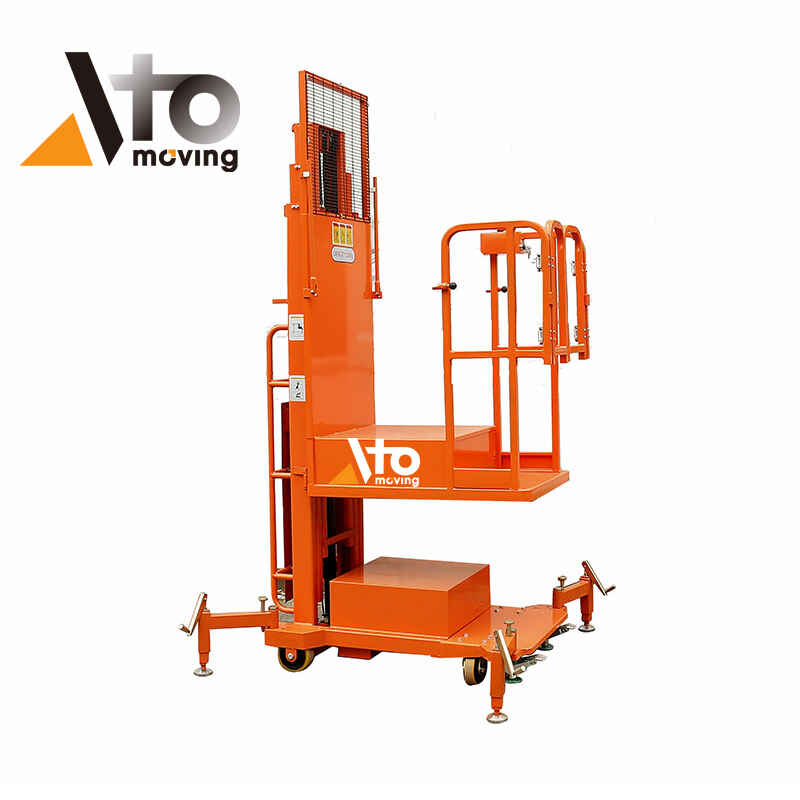
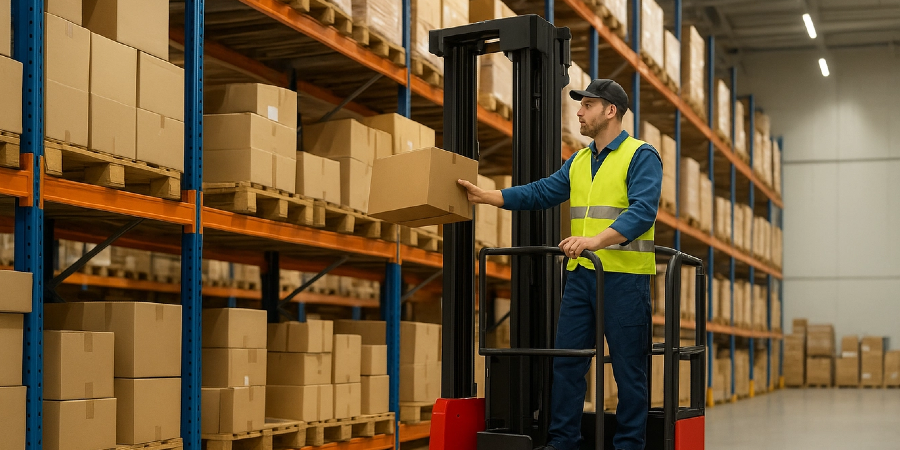
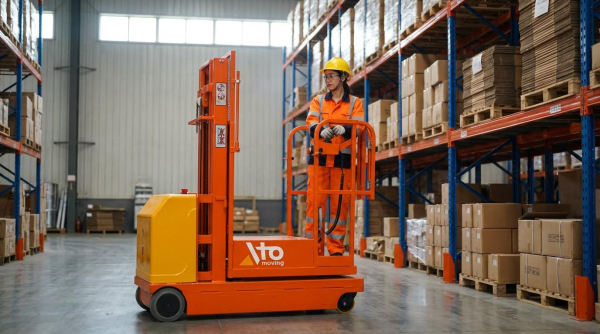
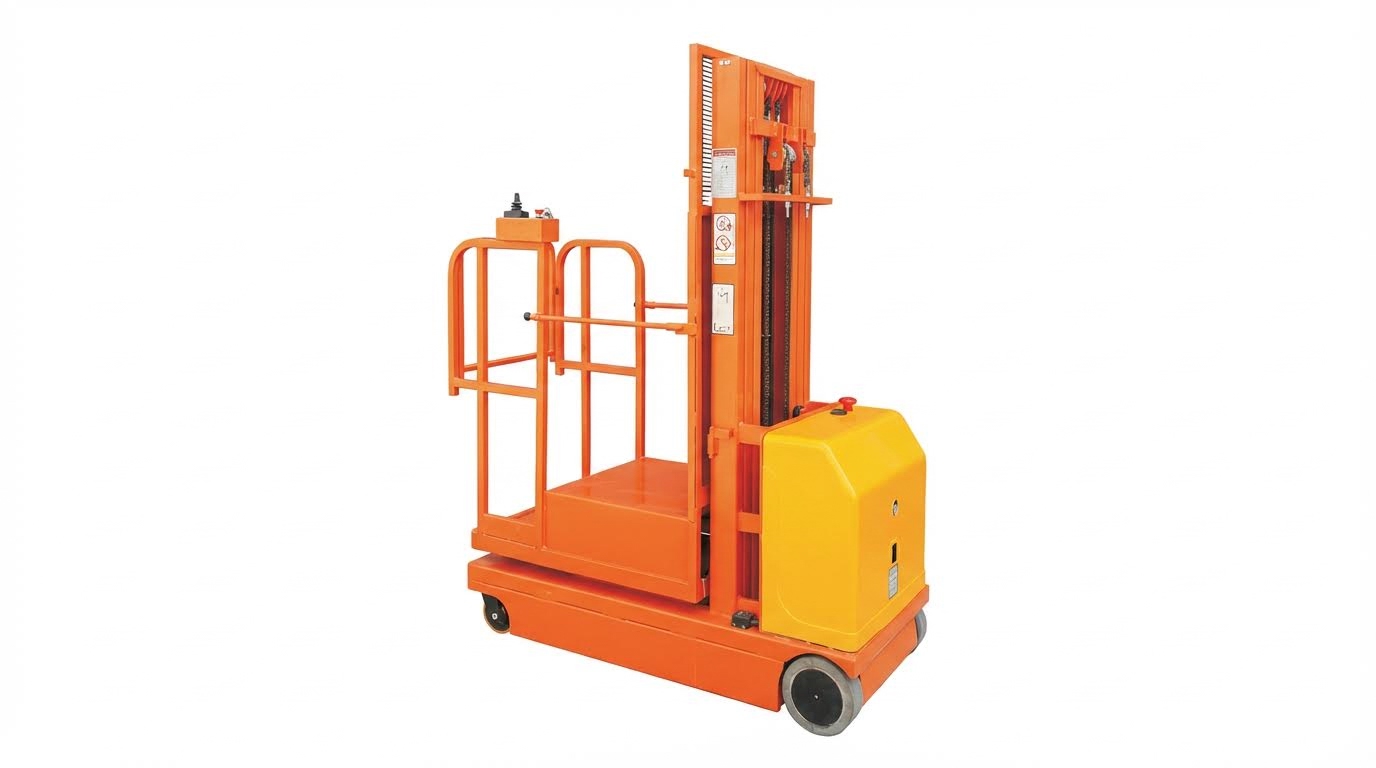
Ergonomic pick face design reduced bending, reaching, and twisting, which increased sustained pick rates and lowered injury risk. High-frequency picks occupied golden zones, while heavy items sat at waist height or slightly below to minimize lift distance. Tilted shelves, carton flow with tilt trays, and recessed rack beams improved visibility and reduced reach depth by more than 15%. Engineers integrated clear labeling, anti-slip flooring, and adequate lighting to cut search time and prevent accidents. They validated designs through ergonomic assessments, observing posture, reach envelopes, and force requirements during typical picking tasks. To further enhance efficiency, tools like semi electric order picker, warehouse order picker, and order picking machines were strategically utilized.
Selecting Technologies For High-Throughput Picking
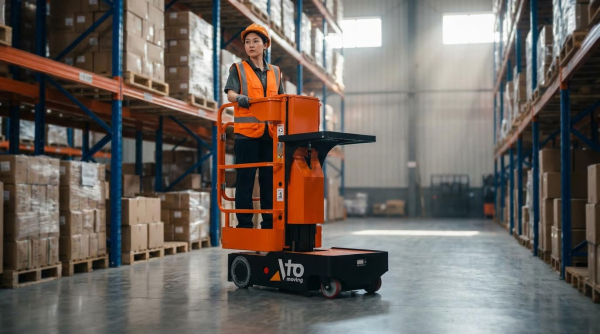
Engineers improved warehouse picking throughput by combining data capture, automation, and software orchestration. Technology selection depended on SKU velocity, order profiles, labor costs, and service-level requirements. High-performing facilities integrated scanning, guidance systems, mechanized storage, and advanced WMS logic into one coherent architecture. The following subsections describe core technology blocks and how they interacted in engineered picking systems.
RF, Barcode, And RFID Systems For Error Reduction
RF and barcode systems formed the baseline for digital control of picking. Operators used handheld or wearable RF scanners to confirm locations, SKUs, and quantities, which reduced manual keying and typical paper-based error rates. Industry sources reported 10–15% productivity gains with near-perfect scan accuracy versus purely manual methods, especially for low-velocity SKUs. RFID tags and readers further automated identification by enabling non-line-of-sight, bulk, or portal-based reads, useful for pallets, cartons, or high-throughput dock doors.
Engineering decisions balanced hardware cost, tag cost, and read reliability. Barcodes offered low unit cost and mature standards but required line-of-sight and correct orientation. RFID provided faster capture and supported item, case, or pallet-level tracking but needed careful antenna layout, shielding, and calibration to avoid stray reads. In both cases, the WMS validated scans against pick tasks and generated exception alerts for mismatches. This closed-loop verification underpinned higher picking accuracy KPIs and supported traceability and audit requirements.
Voice, Pick-To-Light, And Put-To-Light Applications
Voice-directed picking systems guided operators via headsets, freeing hands and eyes for handling tasks. Studies indicated average productivity increases around 35% compared with paper lists, with strong gains in dense, high-line-count orders. Engineers specified noise-cancelling headsets, robust Wi‑Fi coverage, and voice recognition tuned to accents and languages. System logic sequenced tasks, confirmed picks by check digits or quantities, and captured real-time status back to the WMS.
Pick-to-light and put-to-light systems used illuminated displays at storage or consolidation locations to indicate where and how much to pick or place. These solutions worked well in high-density, repetitive environments such as e‑commerce each picking or sort-to-order operations. Lights reduced search time, supported rapid visual verification, and cut training time for new staff. Engineers designed lane layouts, power and data wiring, and mounting to minimize cable damage and ensure maintainability. Selection between voice and light guidance depended on SKU density, order complexity, and the need for mobility versus fixed pick faces.
AS/RS, Goods-To-Person, And AMR-Based Solutions
Automated storage and retrieval systems (AS/RS) mechanized storage and retrieval of pallets, totes, or cartons in high-bay structures. These systems increased space utilization and delivered predictable cycle times, especially for pallet and case picking. Goods-to-person solutions advanced this concept by bringing totes or shelves directly to pick stations. Reported performance figures reached up to roughly 350 picks per hour per station, with picking accuracy around 99.99% when combined with scan or weight checks.
Autonomous mobile robots (AMRs) enabled flexible goods-to-person or person-to-goods hybrids. Shelf-to-person AMRs transported shelving units or racks to operators, achieving high pick rates and allowing simultaneous picking for multiple orders. Payload capacities reached on the order of 500 kg for shelf movers and around 2,000 kg for pallet-focused AMRs, depending on design. Engineers integrated AMRs with AS/RS, conveyors, and workstations, using traffic management software to avoid congestion. Technology selection considered SKU velocity stratification, peak throughput requirements, building constraints, and payback periods, with automated systems often delivering large labor savings and floor-space reductions.
WMS, Directed Putaway, And Digital Twin Integration
A capable warehouse management system (WMS) coordinated all picking technologies by generating tasks, managing inventory locations, and enforcing process rules. Directed putaway algorithms assigned incoming stock to optimal locations based on velocity, size, and handling characteristics. Smart picking jobs and walking path optimization minimized travel distance by sequencing tasks and clustering orders. Rule sets covered single- and multi-SKU orders, oversized or fragile items, and store, carrier, or customer-specific workflows.
Advanced platforms incorporated digital warehousing features that simulated and optimized operations. A digital twin of the warehouse mirrored locations, equipment, and flows in software, enabling engineers to test slotting changes, routing logic, or automation layouts before physical deployment. Reported benefits included labor efficiency improvements on the order of 30–40% through guided picking trips and algorithmic routing. Integration between WMS, material flow controllers, AMR fleets, and ERP systems ensured real-time data consistency. This orchestration allowed continuous tuning of KPIs such as warehouse order picker accuracy, order cycle time, and resource utilization across the entire picking ecosystem.
Process Design, KPIs, And Continuous Improvement
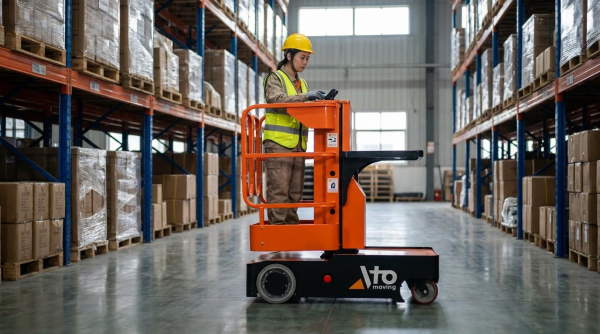
Process engineering for picking defined how labor, technology, and layout interacted under real demand patterns. Robust designs standardized how work flowed, how exceptions were handled, and how performance was measured. High-performing sites coupled clear strategies with disciplined execution, supported by continuous analysis and iterative improvement. This section focused on structuring methods, people, and metrics into a closed feedback loop.
Choosing Batch, Zone, Wave, And Hybrid Strategies
Engineers selected picking strategies by analyzing order profiles, SKU velocity, and service-level targets. Batch picking grouped multiple orders to reduce walking distance, which suited high-overlap small-order profiles. Zone picking divided the warehouse into logical areas, reducing congestion and enabling specialization, especially where SKUs clustered by velocity or family. Wave and hybrid strategies synchronized picking with carrier departures and consolidation capacity, combining batch, zone, and discrete picking to balance throughput, travel time, and cut-off adherence.
Advanced systems used algorithms to generate smart and scheduled picking jobs, sequencing work to minimize walking paths and idle time. Location-based and zone-based rules allowed different strategies for single-SKU, multi-SKU, oversized, or fragile orders within one operation. Engineers modeled flows with WMS data, then validated strategies through controlled pilots before full deployment. The most efficient designs remained flexible, allowing rapid reconfiguration when order mix, channels, or volumes shifted.
Training, Standard Work, And Error-Proofing
Consistent training underpinned every engineered process, especially when introducing RF, voice, or light-directed systems. Operations teams developed standard work instructions that detailed picking sequences, scan points, labeling rules, and exception handling. Checklists and pre-dispatch reviews reduced omissions, while clear signage and product labeling lowered cognitive load at the pick face. Regular refresher training and periodic accuracy tests maintained skills and reinforced best practices.
Error-proofing combined procedural and technical controls. Scan verification, barcode or RFID checks, and guided picking trips constrained operators to correct locations and quantities. Ergonomic workstation design, tilt trays, and height-adjustable stations reduced fatigue, which strongly influenced error rates over long shifts. Engineers analyzed mis-picks and discrepancies by category, then embedded countermeasures into standard work, WMS prompts, and physical design to prevent recurrence.
KPI Framework: Accuracy, Throughput, And Utilization
A structured KPI framework translated engineering intent into measurable performance. Core metrics included picking accuracy rate, lines picked per labor hour, and orders picked per hour for each strategy. Additional indicators tracked picker travel distance, rework volume, and order cycle time from release to ship confirmation. Engineers monitored space utilization at pick faces and workstations to ensure that storage density did not compromise accessibility and speed.
Leading operations used KPIs at multiple levels: site, zone, and individual workcell or station. They linked picking accuracy to upstream processes such as receiving quality and replenishment timeliness, avoiding siloed interpretations. Real-time dashboards from WMS or digital warehousing modules provided feedback on backlog, throughput, and exceptions. Threshold-based alerts flagged deviations, such as sudden accuracy drops in a zone, enabling rapid containment and root cause investigation.
Data-Driven Root Cause And Lean Improvement
Continuous improvement relied on systematic root cause analysis supported by high-quality operational data. Engineers segmented errors by SKU, location, picker, time-of-day, and technology mode to identify patterns. They applied lean tools such as value stream mapping and standard work combination tables to visualize waste in walking, waiting, and over-processing. Walking path optimization and inventory profiling by velocity emerged directly from these analyses.
Improvement cycles followed a plan–do–check–act structure, with small experiments on routing rules, slotting, or picking methods measured against baseline KPIs. Digital warehousing and WMS platforms enabled rapid reconfiguration of order routing, zone definitions, and automation rules without major physical changes. Over time, operations built a library of proven rules for different demand scenarios, from peak season surges to low-volume periods. This disciplined, data-driven approach kept engineered picking systems aligned with evolving business requirements and technology capabilities.
Summary: Integrated Approaches To Picking Optimization

Engineering high-performance picking operations required an integrated approach that combined layout, technology, process, and people. Well-designed layouts with optimized travel paths, velocity-based slotting, and ergonomic pick faces reduced walking distance and physical strain while increasing sustainable pick rates. Storage media such as carton flow, pallet flow with separators, and ergonomic pallet racking enhanced access, supported FIFO, and improved safety at the pick face.
Technology selection determined the attainable throughput ceiling. RF and barcode systems delivered double-digit productivity gains with high accuracy, while voice and light-directed systems pushed performance further, especially in piece and case picking. Goods-to-person systems, AMRs, and AS/RS enabled step-change improvements, achieving hundreds of picks per hour, high space efficiency, and accuracy levels near 99.99%. Integration with WMS, directed putaway logic, and advanced routing algorithms coordinated inventory locations, picking jobs, and walking paths in real time.
Process design and management systems sustained these gains. Structured picking strategies, standard work, and error-proofing, supported by continuous training, reduced variability and rework. KPI frameworks that tracked picking accuracy, lines per labor hour, travel time, and utilization made performance visible and supported targeted interventions. Data-driven root cause analysis, combined with lean methods, enabled iterative improvements in slotting, routing rules, and automation utilization.
Future trends pointed toward deeper use of AI-driven optimization, digital twins, and more collaborative AMR fleets that synchronized with human pickers and automated stations. Successful implementations would balance capital intensity with flexibility, matching technology levels to SKU profiles, order patterns, and growth scenarios. The most resilient operations treated picking optimization as an ongoing engineering discipline, continuously tuning the interaction between facility design, automation, software, and workforce capabilities.