Engineering warehouse picking accuracy required a systems view across process design, human factors, and automation. This article examined how layout, slotting, SOPs, and ergonomics shaped baseline performance, then layered in WMS, scanning, and advanced picking technologies to reduce error opportunities. It also explored how AI, digital twins, and predictive analytics supported proactive detection of failure modes before they impacted customers. The final section synthesized these elements into an integrated, data-driven strategy for error-free fulfillment at scale.
Engineering The Business Case For Picking Accuracy
Engineering a business case for picking accuracy required quantifying how errors affected cost, service, and risk. Operations teams translated mis-picks into measurable impacts on labor, transport, inventory, and customer experience. By linking accuracy initiatives to key performance indicators and regulatory requirements, leaders justified investments in process redesign, training, and automation. A structured financial model helped compare improvement options and prioritize projects with the highest return.
Cost Of Errors, Returns, And Rework
Picking errors propagated cost across the entire fulfillment chain. A single mis-pick usually triggered additional handling, reverse logistics, and rework in receiving, inspection, and repacking. Freight costs increased because replacement shipments often used premium transport modes to protect service levels. Inventory accuracy degraded, which drove emergency cycle counts and manual investigations. Engineering the business case meant calculating the fully loaded cost per error, including labor, packaging, transport, write-offs, and lost-margin due to cancellations or discounts. When multiplied by error volume, this figure typically justified investments in better layout, technology, and training.
Key KPIs: Picking Accuracy, Lines, And Units
Well-defined KPIs allowed objective evaluation of picking quality initiatives. The primary metric, picking accuracy rate, expressed the percentage of orders, order lines, or units shipped without error. Operations often tracked three related KPIs: order-level accuracy, line-level accuracy, and unit-level accuracy, since each revealed different failure modes. Engineers correlated these KPIs with throughput, labor hours, and technology uptime to understand trade-offs between speed and precision. Periodic picking accuracy tests and targeted audits validated system data and exposed process weaknesses. Management used KPI trends to compare zones, shifts, and picking methods, then focused countermeasures where error density remained highest.
Safety, Compliance, And Customer Service Risks
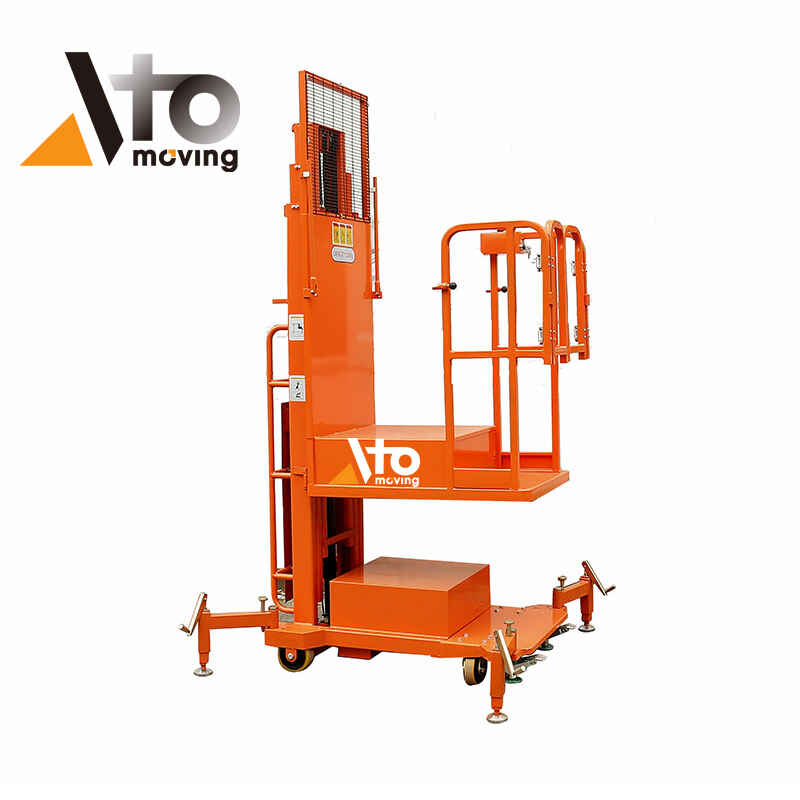
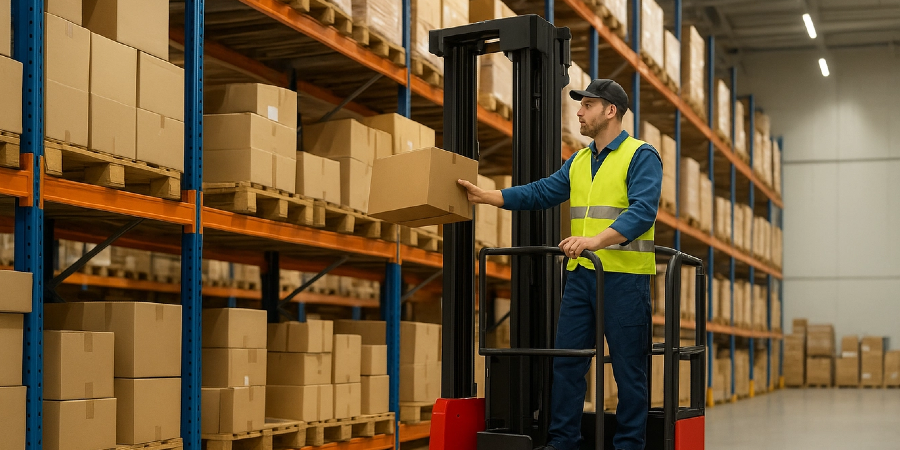
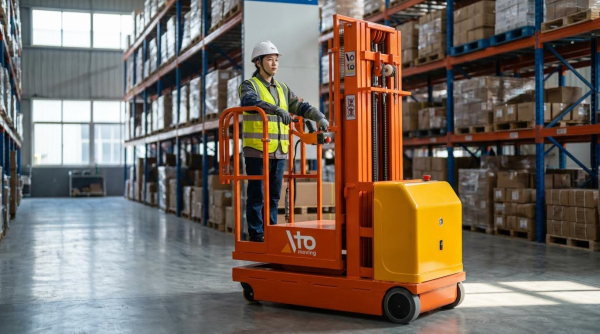
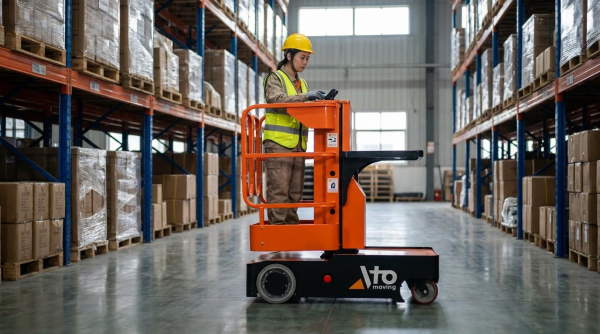
Poor picking accuracy did not only increase cost; it also elevated safety and compliance risk. Wrong items in outbound shipments could violate regulatory requirements, especially for pharmaceuticals, chemicals, or food products with strict traceability rules. Mis-picked hazardous materials or incorrect quantities created potential overloading, stability, or incompatibility issues during transport and storage. From a customer perspective, late or incorrect deliveries eroded trust, drove higher contact center volume, and increased churn. Double-verification for high-value or regulated items, along with robust traceability in WMS records, reduced exposure. By quantifying potential penalties, recall costs, and brand damage, organizations strengthened the business case for systematic error reduction investments. Investments in tools like semi electric order picker, warehouse order picker, and order picking machines became critical to addressing these challenges effectively.
Process Design, Layout, And Human Factors
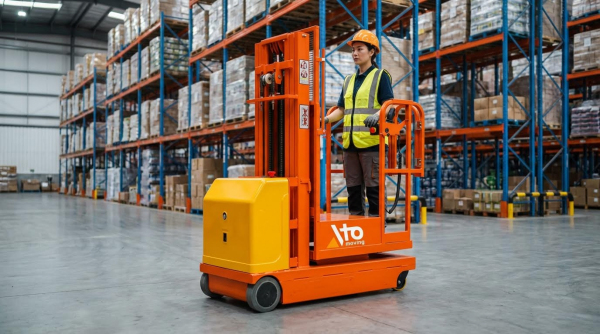
Process design, physical layout, and human factors engineering determined warehouse picking accuracy and throughput. Well-structured slotting, clear visual management, and disciplined operating standards reduced cognitive load and error risk for pickers. Integrated quality gates and targeted training programs then stabilized performance and enabled continuous improvement. This section examined how engineering the work system around people created a robust foundation for error-free fulfillment.
Slotting, Zoning, And Travel Distance Reduction
Engineered slotting strategies placed high-velocity SKUs close to packing and dispatch areas to minimize travel time. Operations grouped related SKUs and common order combinations to reduce search effort and mispicks. Zoning divided the warehouse into clearly defined areas, which allowed specialization, reduced congestion, and simplified supervision. Order profiling supported these decisions by analyzing SKU velocity, cube, and order affinity to design optimal locations. Shorter travel distances not only increased pick rates but also reduced fatigue, which historically correlated with higher error rates. Goods-to-person systems further cut travel by bringing inventory to stationary pickers, while person-to-goods layouts relied on optimized routes generated by WMS. In both models, consistent replenishment of pick faces prevented last-minute substitutions that often triggered picking mistakes.
Labeling, Location Coding, And 5S Discipline
Clear, consistent labeling underpinned accurate picking and fast visual confirmation. Warehouses used distinct, non-ambiguous product codes and location identifiers to avoid confusion between similar SKUs. Large, high-contrast location markers placed at eye level and on rack beams improved scan success and reduced search time. 5S practices—sort, set in order, shine, standardize, sustain—created stable, clutter-free pick faces where deviations became immediately visible. Separating look-alike products and using color-coded zones or rack labels lowered the risk of near-miss errors. Regular audits checked label legibility, alignment with WMS master data, and adherence to 5S standards. When receiving teams followed strict placement procedures and updated locations in real time, downstream pickers faced fewer discrepancies and fewer forced workarounds.
SOPs, Double-Checks, And Quality Gate Design
Standard operating procedures defined a single best way to execute each picking and verification step. Concise SOPs with visual work instructions reduced interpretation, especially for new or temporary staff. Double-check mechanisms acted as quality gates for high-value, regulated, or customer-critical lines. These gates included second-operator verification, scan-to-pack checks, or weight checks at packing stations. Well-designed quality gates balanced risk and throughput by targeting error-prone steps rather than inspecting every move. Data from verification failures fed back into root-cause analysis and SOP updates. Structured error reporting and corrective action workflows ensured that issues led to systemic fixes rather than repeated operator coaching alone.
Training, Ergonomics, And Continuous Improvement
Comprehensive onboarding and recurrent training built operator competence in layout, systems, and SOPs. Programs covered correct use of barcode or RFID devices, interpretation of picking lists, and escalation paths when discrepancies appeared. Ergonomic workstation design reduced strain through appropriate reach distances, vertical placement of totes, and minimized bending or twisting. Better ergonomics lowered fatigue-induced errors during long shifts or peak seasons. Managers used KPIs such as picking accuracy rate and error type frequency to target coaching and process changes. Continuous improvement frameworks, including lean and 5S reviews, encouraged operators to propose layout tweaks and procedural refinements. Over time, this feedback loop turned pickers into process experts and helped stabilize high accuracy levels even as order profiles and technologies evolved. For instance, tools like the semi electric order picker, warehouse order picker, and order picking machines have become integral in modern operations.
Automation, WMS, And Advanced Picking Technologies
Automation and advanced software reshaped warehouse picking performance before 2026. Operations combined identification technologies, real-time optimization, and mechanized handling to cut errors and raise throughput. Engineering teams evaluated each technology’s fit against order profiles, SKU velocity, and labor constraints. The following subtopics describe how core technology blocks interacted to deliver near error-free fulfillment.
Barcode, RFID, And WMS Route Optimization
Barcode and RFID systems automated item identification and location confirmation. Operators scanned items, locations, or totes to validate each pick against the order line in real time. RFID tags enabled non-line-of-sight verification for pallets, cases, or high-value items, improving control in dense storage. A warehouse management system (WMS) used this data to maintain accurate on-hand balances and prevent downstream picking from incorrect inventory records.
WMS route optimization algorithms minimized travel distance and congestion. The system sequenced picks by zone, aisle, and level, grouping compatible orders into efficient batches. It positioned high-velocity SKUs closer to dispatch and created shortest-path routes that respected one-way aisles and safety rules. Operations that enabled optimized routing and barcode validation typically reported higher lines-per-hour and lower error rates.
Engineers tuned route logic based on historical order profiles and heat maps of picker movement. They adjusted pick path strategies for wave, batch, or cluster picking modes. The WMS also supported cycle counting during picking, flagging discrepancies between expected and scanned quantities. This closed the loop between inventory accuracy and picking quality, reinforcing error prevention at the source.
Pick-To-Light, Voice, And Pick-To-Color Systems
Pick-to-light systems used addressable light modules and numeric displays at storage locations. When an order released, lights illuminated at required locations and showed quantities to pick. Operators acknowledged each pick with a button press, providing immediate confirmation and error checking. Well-designed systems achieved accuracy above 99.9% for high-velocity, small-parts environments.
Voice-directed picking used headsets and wearable terminals to deliver spoken instructions. The system guided operators to locations and quantities while keeping hands and eyes free. Operators confirmed picks using check digits or quantity responses, which the system validated against the order. This reduced dependence on paper lists and improved performance in low-light or cold-storage conditions.
Pick-to-color interfaces extended visual guidance to multi-order picking carts or workstations. Each order position associated with a distinct color, and lights or screens indicated which bin received each item. Workers could fulfill 20 or more orders simultaneously with high repeatability and low cognitive load. This approach suited e-commerce and piece-pick operations with mixed SKU profiles and frequent promotions.
Goods-To-Person, AS/RS, And AMR Integration
Goods-to-person systems reversed traditional travel patterns by bringing inventory to stationary pickers. Automated storage and retrieval systems (AS/RS) retrieved totes, trays, or pallets and delivered them to ergonomic pick stations. This cut walking distance, stabilized cycle times, and simplified training because workers interacted with standardized workstations. High-density storage also increased space utilization compared with wide-aisle person-to-goods layouts.
Automated case, layer, and pallet picking solutions handled repetitive, heavy, or high-throughput tasks. They supported full-pallet, layer, or case extraction and often integrated with AS/RS buffers. Automated replenishment modules kept pick faces stocked for both manual and automated stations, reducing downtime. This coordination minimized stockouts at pick locations and stabilized order completion times.
Autonomous mobile robots (AMRs) transported totes, carts, or walkie pallet truck between storage and pick zones. AI-based task allocation engines assigned missions to AMRs and human workers to avoid bottlenecks. Operations that combined AMRs with optimized workflows often doubled or tripled pick productivity. Engineers designed safety-rated traffic rules and charging strategies to maintain availability and comply with regulations.
AI, Digital Twins, And Predictive Error Analytics
AI software analyzed historical order, error, and movement data to predict where mistakes would occur. It identified patterns such as mis-picks on visually similar SKUs, congestion hotspots, or shifts with elevated error rates. The system then recommended corrective actions like slotting changes, additional verification steps, or targeted training. Software-only deployments already improved inventory control and reduced human error without large mechanical investments.
Digital twins created virtual replicas of warehouse layouts, flows, and control logic. Engineers used them to simulate new picking technologies, routing algorithms, or staffing levels before physical changes. They evaluated error impacts, travel distances, and equipment utilization under different demand scenarios. This reduced commissioning risk and helped justify capital expenditure with data-backed projections.
Predictive analytics supported dynamic quality gates within the picking process. The system increased verification frequency for high-risk orders, high-value SKUs, or operators with rising error trends. It also adjusted labor deployment by directing skilled workers to complex tasks and automating repetitive ones. Over time, these feedback loops drove continuous improvement and sustained high picking accuracy across changing product portfolios.
Summary: Integrated Strategy For Error Reduction

Engineering high picking accuracy required a coordinated approach that linked process design, technology, and human factors. Operations that treated picking as an engineered system, rather than a manual activity, achieved higher service levels and lower costs. Data from recent deployments showed that combining layout optimization, WMS capabilities, and advanced picking aids reduced error rates by more than half in short time frames. The most resilient warehouses used an incremental roadmap, validating each change against KPIs before scaling.
Key findings indicated that layout, slotting, and 5S discipline created the foundation for accuracy by reducing cognitive load and travel variability. Barcode or RFID identification and WMS-directed routes then standardized execution and eliminated transcription errors. Layered on top, pick-to-light, voice, or color-guided systems routinely delivered accuracy above 99.9% for suitable profiles, while goods-to-person and AS/RS designs cut travel and stabilized throughput. AI-based labor orchestration and error analytics further increased pick rates by factors of two to ten while lowering labor cost per line.
Implementing these capabilities required robust SOPs, training, and change management. Sites had to redesign quality gates, define verification policies for high-value orders, and embed continuous improvement based on error pattern analysis. Future trends pointed toward deeper use of digital twins, predictive analytics, and software-first automation, with semi electric order picker and smart replenishment closing remaining gaps. A balanced strategy combined low-tech discipline, targeted automation, and rigorous KPI monitoring, ensuring that accuracy gains remained sustainable as volumes, SKU counts, and service expectations evolved.