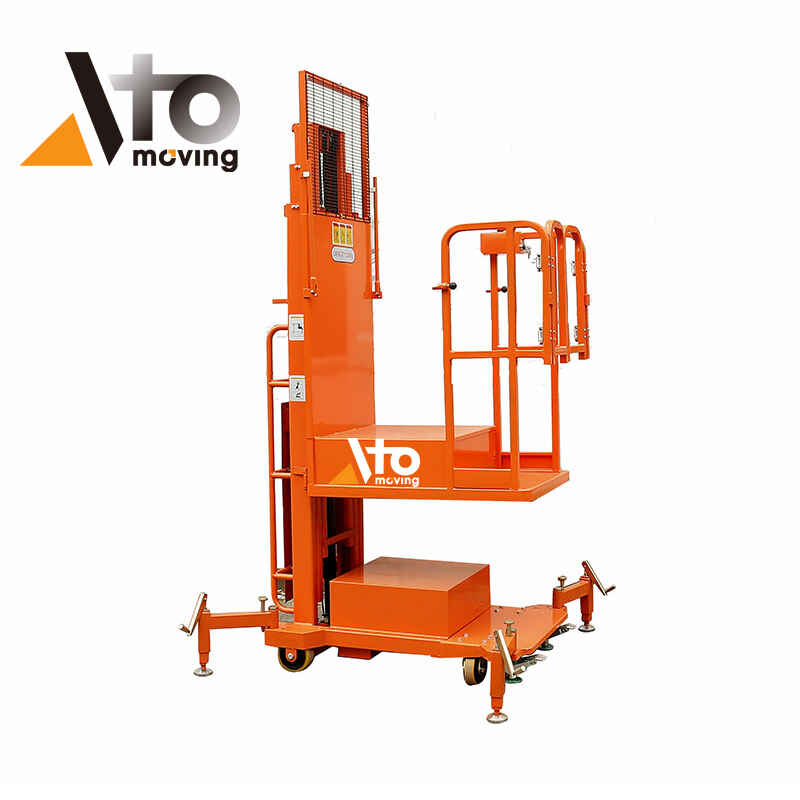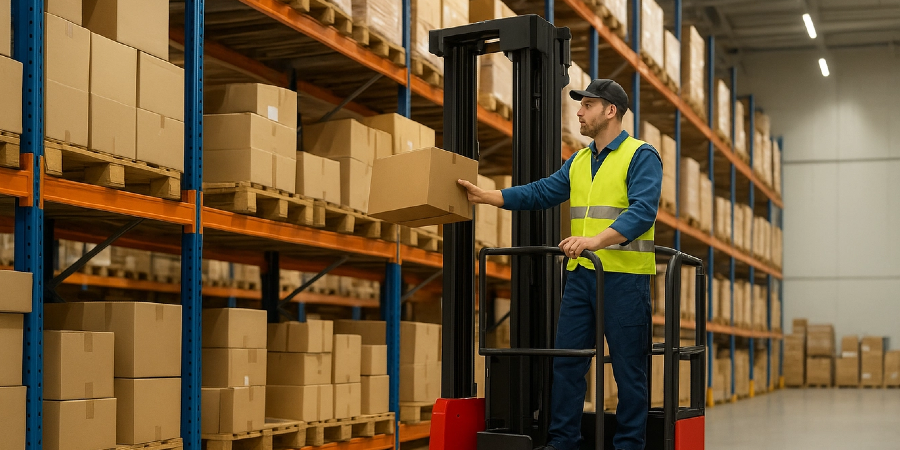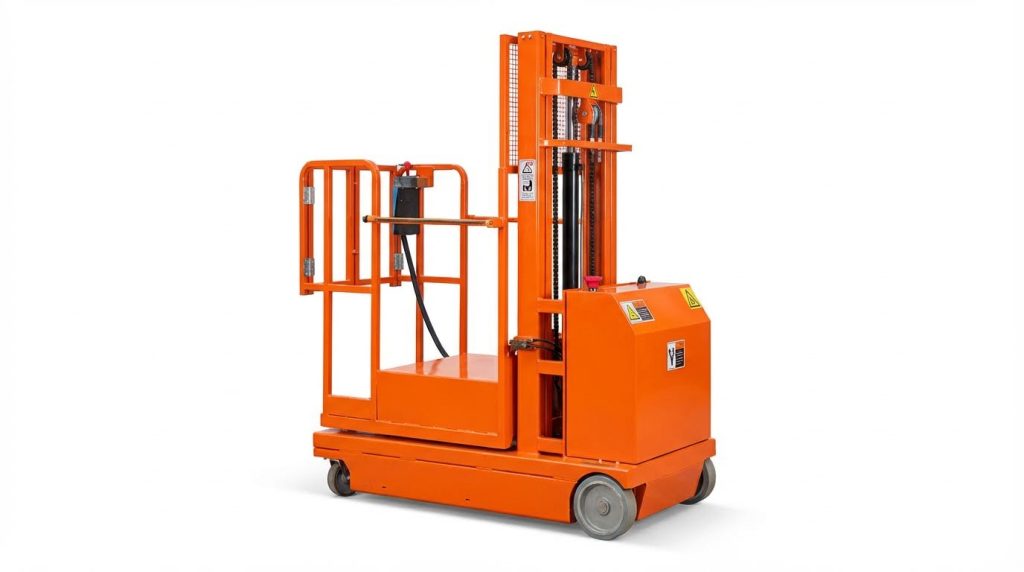
Layer picking in warehouses reshaped how operations built mixed-SKU pallets, managed high-throughput staging, and designed storage systems. This article explained what layer picking is and how it works, its impact on throughput, labor, ergonomics, safety, and when it outperformed case or full-pallet picking. It then examined the engineering of warehouse order picker equipment, system layouts, pallet patterns, and flow rack design, including digital twins and energy-efficient actuation. Finally, it summarized key design choices and use cases so engineers and operations leaders could decide when and how to deploy layer picking in their own facilities.
Core Concepts And Benefits Of Layer Picking
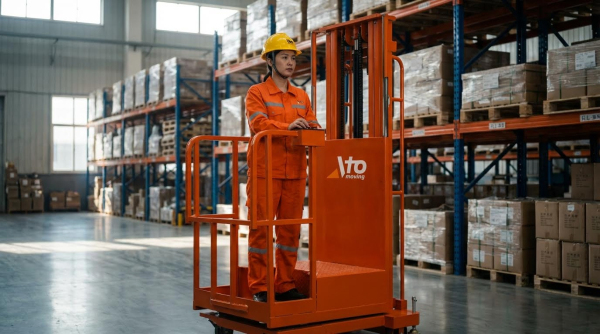
Layer picking in warehouses reshaped how operations built mixed-SKU pallets and managed high-volume replenishment. Understanding what layer picking was, how it worked, and where it outperformed case or full-pallet handling helped engineers and logistics managers justify automation investments. This section explained the core mechanisms, quantified throughput and labor advantages, and linked them to ergonomics, safety, and damage reduction. It also clarified in which warehouse profiles layer picking delivered the strongest technical and economic benefits.
What Layer Picking Is And How It Works
Layer picking in a warehouse meant handling one or more full layers of cases from a manual pallet jack in a single cycle. Instead of moving the entire pallet or picking individual cases, the system targeted a defined layer height, typically between 100 millimetres and 400 millimetres. Mechanical clamp heads or vacuum-based grippers surrounded or contacted the layer, applied controlled clamping or suction force, then lifted the layer vertically. The device then translated horizontally to a destination pallet or buffer position and released the layer to build mixed-SKU or reconfigured pallets. Automated systems interfaced with warehouse management software, which provided layer quantities, SKU locations, and build sequences to minimize travel and idle time.
Throughput, Labor, And Ergonomics Advantages
Layer picking significantly increased picking throughput compared with manual case picking. Robotic gantry systems with optimized motion profiles achieved cycle times near 30 seconds per layer, or roughly 120 to 220 layer picks per hour, depending on travel distances and control tuning. This higher pick rate reduced the number of operators required per shift and stabilized output during peak demand. Because the machine handled the heavy lifting, workers no longer repeatedly lifted 10 kilogram to 25 kilogram cases hundreds of times per shift. This change reduced fatigue, lowered musculoskeletal injury risk, and allowed staff to focus on supervision, exception handling, and quality checks rather than pure manual handling. Overall labor productivity improved while the ergonomic load on individual workers decreased.
Safety, Compliance, And Product Damage Reduction
Layer picking improved warehouse safety by removing much of the repetitive, high-force manual lifting from operations. Automated layer picker heads applied consistent, calibrated clamping or vacuum forces, which reduced the likelihood of dropped cases and crush damage at the bottom of stacks. Integrated sensors monitored layer position, pallet alignment, and interference, enabling controlled motion profiles that limited sudden impacts. These features supported compliance with occupational health guidelines related to manual handling and repetitive strain. By keeping operators outside guarded work cells and minimizing forklift traffic in pick aisles, facilities reduced collision risks and near-miss incidents. Consistent handling also stabilized product quality, which was critical in food, beverage, and pharmaceutical applications where packaging integrity and traceability mattered.
When Layer Picking Beats Case Or Full-Pallet Picks
Layer picking delivered the strongest value when warehouses frequently built mixed-SKU pallets at high volume. Beverage and grocery mixing centers, for example, needed to assemble store-ready pallets containing multiple brands and flavors in specific layer quantities. In these environments, full-pallet handling lacked flexibility, while case-by-case picking could not match required throughput. Layer picking also excelled where order profiles often requested full or half layers rather than individual cases, such as wholesale or club-store replenishment. Operations with constrained floor space benefited when layer picking integrated with pallet flow lanes and separators, which kept pallets staged and ready without expanding pick aisles. When demand patterns, SKU profiles, and order lines aligned with layer quantities, layer picking outperformed both manual case picking and purely full-pallet strategies on cost per shipped unit and service level.
Layer Picking Equipment And System Design
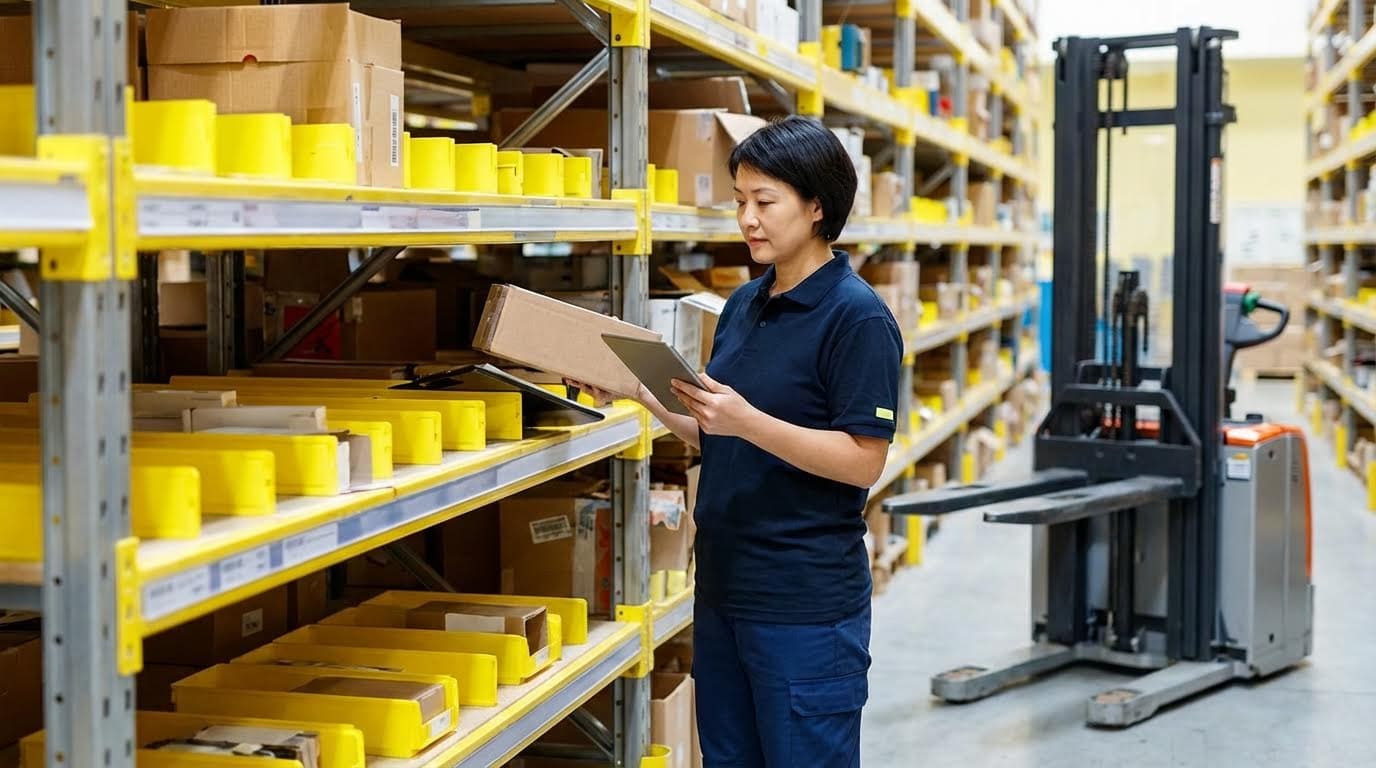
Layer picking equipment in warehouses determines throughput, labor intensity, and accuracy. Engineering teams must match clamp or vacuum heads, gantries, mobile bases, and pallet flow hardware to product mix and order profiles. Controls, sensors, and warehouse management system links govern how reliably the system executes mixed-SKU pallet builds. Understanding what is layer picking in a warehouse from a system-design perspective helps justify automation investments and avoid costly retrofits.
Clamp, Vacuum, And Hybrid Layer Picker Heads
Clamp, vacuum, and hybrid heads define how a layer picker grips each product layer. Clamp heads use side or end compression to secure cartons, which suits rigid packaging and high-friction surfaces. Engineers specify clamping force carefully to prevent case crushing while still resisting acceleration and deceleration loads. Vacuum heads rely on suction pads or manifolds that seal to the top of cases, which works well for flat, non-porous cartons and shrink-wrapped bundles.
Hybrid heads combine mechanical clamping with vacuum assistance to handle a wider SKU range. This configuration supports mixed food and beverage portfolios where carton stiffness, film types, and surface textures vary. Design teams evaluate maximum layer weight, typical layer height, and box count per layer to size actuators and vacuum generators. They also consider operating temperatures from approximately −28 °C to +40 °C when selecting seals, hoses, and lubricants.
For high-speed systems, the head structure must resist fatigue at travel speeds up to about 3 m/s. Engineers perform finite element checks on arms, frames, and mounting plates to control deflection that could misalign picks. Quick-change pad arrays or adjustable clamp arms reduce changeover time when product dimensions change. Routine inspection of pads, seals, and wear strips maintains consistent grip quality and minimizes dropped cases.
Mobile, Gantry, And Stand-Alone Automated Systems
Layer picking platforms fall into mobile, gantry, and stand-alone automated categories. Mobile solutions mount the head on a forklift or autonomous mobile robot, which increases flexibility for seasonal or shifting demand. These systems use the existing aisle network but depend on precise navigation and mast control to keep the head square with target pallets. Gantry systems suspend the head on a bridge that travels over pallet positions, often reaching 15 or more locations within a compact footprint.
Gantry layer pickers support high-throughput mixing centers where cycle times near 30 seconds per layer and 100+ picks per hour are required. Regenerative drives can recover braking energy during deceleration, which reduces annual energy consumption by several megawatt-hours compared with non-regenerative drives. Stand-alone automated cells place an industrial robot or Cartesian unit within a fenced area, feeding pallets via conveyors or pallet flow lanes. These cells often run 24/7 with a single operator supervising alarms, replenishment, and exception handling.
System designers compare required picks per hour, SKU count, and available floor space when choosing between these architectures. Mobile systems scale easily but may face traffic conflicts at peak times. Gantries and stand-alone cells deliver more predictable cycle times and easier guarding but require more structured pallet staging. Simulation and digital twin tools help validate that robot reach, travel paths, and accumulation zones meet service-level targets before installation.
Forklift Attachments, Flow Lanes, And Separators
Forklift barrel grabber-mounted layer picker attachments provide a transitional step between manual and fully automated layer picking. They allow operators to lift one or more layers in a single motion, which increases productivity versus case-by-case picking. Attachments must match truck capacity, mast rating, and residual load charts to comply with safety standards. Engineers also verify that the added head weight and overhang do not exceed floor bearing limits or rack beam capacities.
Pallet flow lanes with layer pick separators complement these attachments. Gravity-fed lanes stage multiple pallets of the same SKU, while a hold-back device isolates the front pallet for picking. The separator permits the attachment or robotic arm to wrap around the pallet perimeter and remove layers without interference from rear pallets. After the front pallet empties, operators release it manually or via pneumatic actuators, and the next pallet advances automatically.
Designers size pallet flow lanes for typical pallet depths between roughly 800 mm and 1 200 mm and confirm compatibility with common pallet styles. They specify wheel diameters near 74 mm, rail counts, and brake rollers to control descent speeds for loads up to about 800 kg per pallet. In high-volume beverage or grocery mixing centers, engineers can intersperse build lanes with flow lanes so operators or robots build mixed pallets directly at the pick face. This reduces lift truck travel distance and keeps heavy traffic out of the picker aisle, which lowers collision risk.
Controls, Sensors, And WMS Integration Basics
Controls and sensors turn mechanical layer picking hardware into a coordinated warehouse subsystem. Programmable logic controllers or industrial PCs manage axis motion, clamp or vacuum actuation, and safety interlocks. Encoders and servo drives ensure precise vertical positioning so the head engages exactly one layer, even when layer heights vary between about 100 mm and 400 mm. Edge-detection sensors, 3D cameras, or laser scanners locate pallet corners and carton rows to correct for pallet skew.
Warehouse management system integration defines how the layer picker receives work and reports status. The WMS transmits order lines, pallet IDs, and required layer quantities, while the layer picking controller returns confirmations, exceptions, and diagnostic data. Interface methods include REST APIs, message queues, or standardized fieldbus protocols to upstream automation. Pallet pattern software can run alongside the WMS to calculate optimal build sequences that respect weight distribution, temperature zones, and trailer loading rules.
Safety PLCs, light curtains, area scanners, and interlocked gates protect personnel around automated cells and gantries. The control design must comply with relevant machinery and functional safety standards, including performance level or SIL targets. Engineers incorporate safe torque-off functions for drives and validated emergency-stop circuits. Clear human–machine interfaces, guided workflows, and training reduce operator error and support consistent operation throughout shifts.
Pallet Patterns, Flow Racks, And Design Criteria
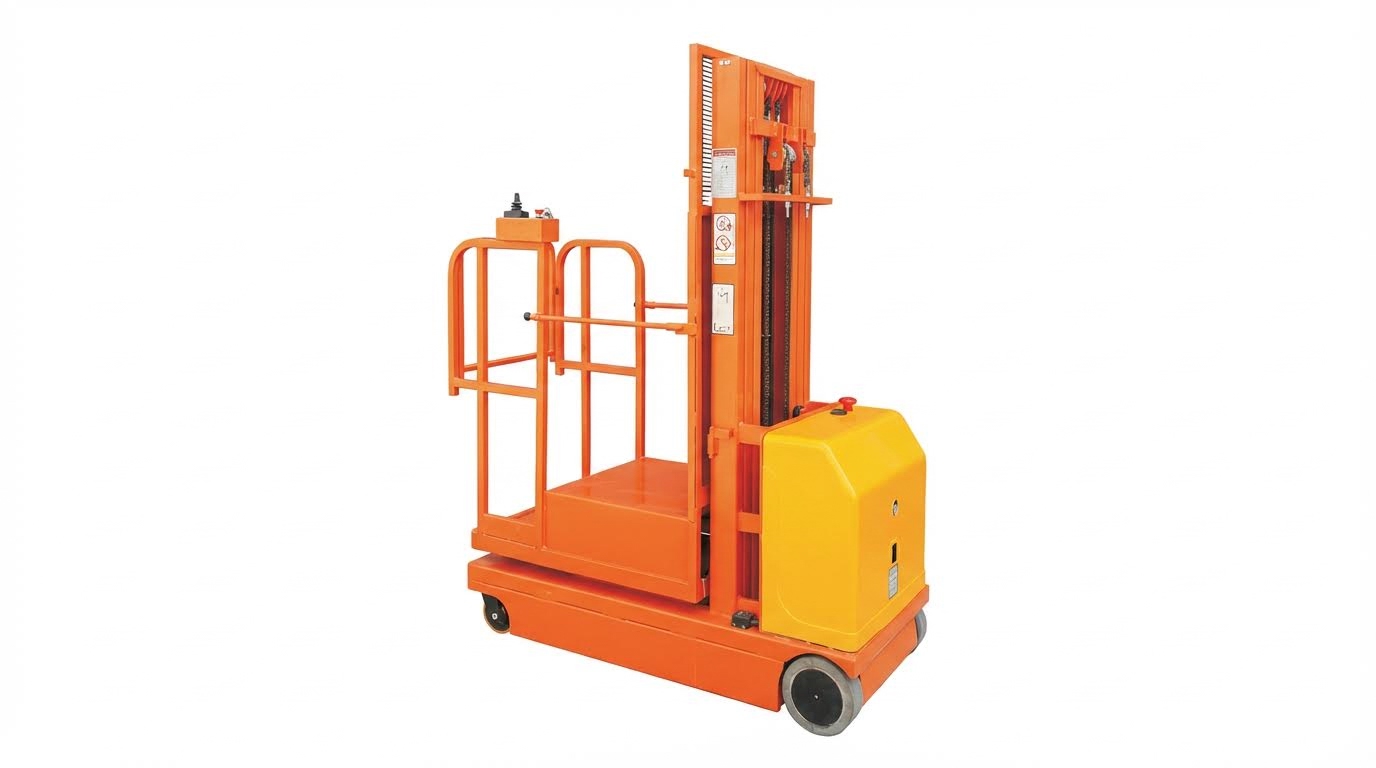
Engineers who ask what is layer picking in a warehouse must understand how pallet patterns and flow rack design govern stability, throughput, and safety. Layer-picking heads, separators, and flow lanes only reach full performance when pallet geometry, lane hardware, and environmental constraints align. This section explains how stacking patterns, pallet flow, hold-back devices, and advanced controls interact to support reliable, high-speed layer picking in real facilities.
Common Pallet Patterns And Stability Considerations
Pallet patterns define how cases or trays sit on the pallet footprint and directly affect layer picker performance. Common patterns include block, split block, row, split row, and pinwheel arrangements. Block and split block patterns usually deliver the highest stability for uniform cartons and support vacuum or clamp heads with minimal layer distortion. Row and split row patterns suit SKUs that require segregation on a single pallet, while pinwheel patterns stabilize irregular or cylindrical loads by interlocking orientations. For layer picking in a warehouse, engineers evaluate overhang, center-of-gravity position, and friction between cases to avoid layer shear during lift. They also validate that pattern geometry matches the effective grip area of the clamp or vacuum head. Poorly chosen patterns increase layer deflection, raise product damage risk, and force slower cycle speeds to maintain safety. Design teams therefore link pattern libraries in configuration software to mechanical limits such as allowable acceleration, maximum clamp force, and vacuum holding capacity.
Pallet Flow, Exhaust Lanes, And Hold-Back Devices
Pallet flow rack design determines how source and destination pallets feed the layer-picking zone. In a typical pallet flow system, gravity rollers or wheel rails move pallets from the load aisle to the pick aisle. Reverse flow or exhaust lanes route completed or empty pallets away from the picker, reducing congestion and cross-traffic. Hold-back devices isolate the front pallet so the layer picker can surround or access the load without interference from upstream pallets. These devices keep empty pallets in position until operators or controls release them, then allow the next pallet to advance automatically. For high-throughput layer picking in a warehouse, engineers size wheel diameter, rail spacing, and lane slope to maintain controlled speeds and prevent impact loads at the pick face. They also coordinate pallet depth, typically 0.8 m to 1.2 m, with separator mechanisms so layer-pick attachments or robots can reach the full pallet footprint without fouling side rails or adjacent loads.
Load Testing, Environmental, And Space Constraints
Load testing validates that pallet flow and patterns perform safely under real operating conditions. Engineers test representative load weights, for example up to approximately 800 kg per pallet, on specified wheel rails and speed controllers. A common configuration uses three-rail Magnum-style wheels with 74 mm diameter and 50–75 mm center spacing, combined with drop-in speed controllers to limit descent velocity. Test protocols measure start-up force, rolling resistance, and impact at the separator or hold-back device. Environmental conditions strongly affect layer picking in a warehouse, especially in refrigerated or freezer applications from approximately −28 °C to +40 °C. Low temperatures change friction coefficients, carton stiffness, and seal performance in vacuum systems, so engineers adjust clamp forces and surface materials accordingly. Space constraints also shape system architecture. Gantry or robotic layer pickers above pallet flow lanes reduce floor footprint but require clear overhead envelopes and structural support. Engineers compare required pallet positions, aisle widths, and maintenance access to available cubic volume, then choose between single-deep flow lanes, double-deep storage, or shuttle-fed buffer zones.
AI, Digital Twins, And Energy-Efficient Actuation
AI and digital twin technologies increasingly optimize what is layer picking in a warehouse beyond mechanical design. Pallet configuration software uses algorithms to generate pack patterns that maximize pallet density while respecting case strength, crush limits, and stability. Digital twins simulate pallet flow, separator timing, and robot motion paths under different demand profiles, allowing engineers to tune lane slopes, speed controller locations, and build sequences before installation. AI-based vision and sensing classify product dimensions and weights in real time, then update pattern libraries and pick parameters automatically. Energy-efficient actuation also matters, especially for gantry or shuttle-based systems. Electric drives with regenerative braking recover energy during deceleration, which engineers can reuse elsewhere in the system. This reduces overall kilowatt-hour consumption per layer pick and supports sustainability targets. By combining optimized pallet patterns, validated flow racks, and intelligent control, facilities achieve higher throughput, lower damage rates, and predictable ergonomics from their layer-picking investments.
Summary Of Key Design Choices And Use Cases
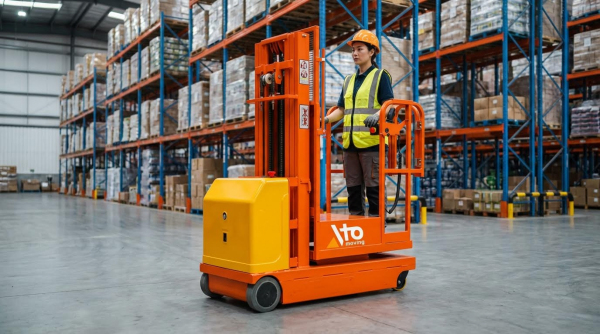
Designers who ask what is layer picking in a warehouse should focus on a few core choices. The first choice is the picking mechanism: clamp heads, vacuum heads, or hybrid devices. Clamp heads suit rigid cartons and high-friction packaging, while vacuum tools handle shrink-wrapped or more delicate layers. Hybrid heads provide flexibility but increase system complexity, cost, and maintenance requirements.
The second key decision concerns system architecture. Operations can deploy forklift drum grabber attachments, fixed gantry systems, or fully stand-alone robotic cells. Forklift attachments deliver lower capital cost and high flexibility but depend on driver skill and create variable cycle times. Gantry and stand-alone robotic systems support 24/7 operation, predictable throughput, and dense integration with pallet flow racks, exhaust lanes, and hold-back devices.
Storage strategy strongly influences layer-picking performance. Pallet flow racks with hold-back devices, layer pick separators, and exhaust lanes reduce travel, keep forklifts out of pick aisles, and maintain constant pallet availability. Engineers must match pallet patterns and lane geometry to product dimensions, typical layer heights, and target cycle times. Correct pattern selection, such as block or pinwheel, improves stability when layers are removed repeatedly.
Controls and software integration form the fourth design pillar. Effective systems connect picker controls with warehouse management systems for order release, pallet-building rules, and temperature or sequence constraints. Digital pallet pattern generators and vision systems calculate optimal pack patterns, pick paths, and build sequences. AI and digital twins allow engineers to test throughput, congestion, and energy usage virtually before deployment.
Layer picking fits best where operations build high volumes of mixed-SKU pallets or repeatedly break down full pallets into layers. Typical use cases include beverage mixing centers, grocery and consumer goods consolidation hubs, and refrigerated food logistics. In these environments, automated layer picking reduced labor reliance, increased picks per hour by factors of three to four, and improved ergonomics and safety. Future designs will likely combine energy-efficient actuation, regenerative drives, and mobile robots to deliver scalable, space-efficient layer-picking cells that integrate seamlessly with broader warehouse automation. Additionally, equipment like the manual pallet jack and hydraulic pallet truck remain essential for supporting manual operations in less automated settings.