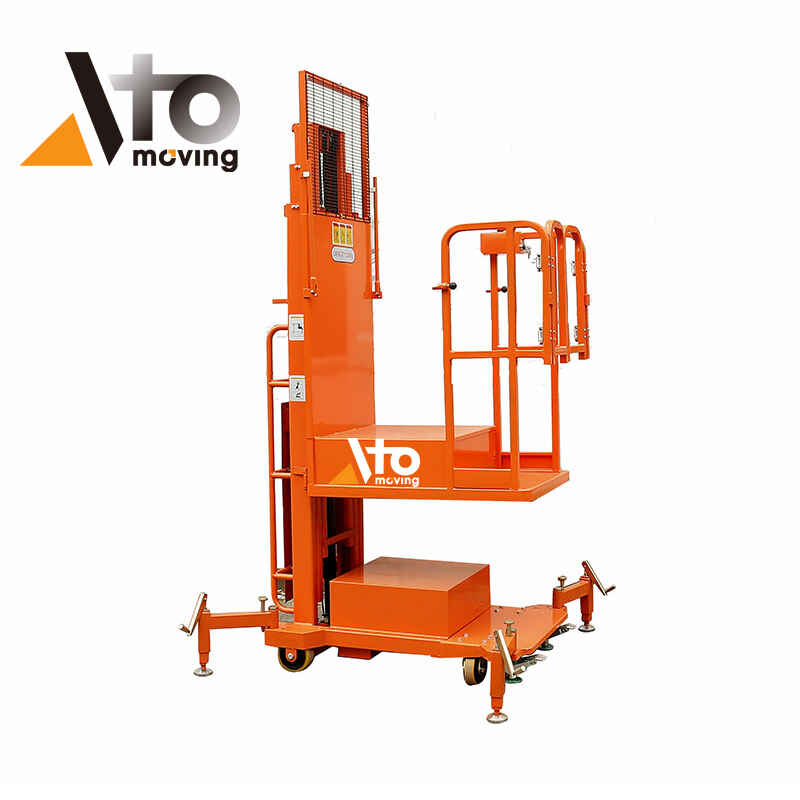
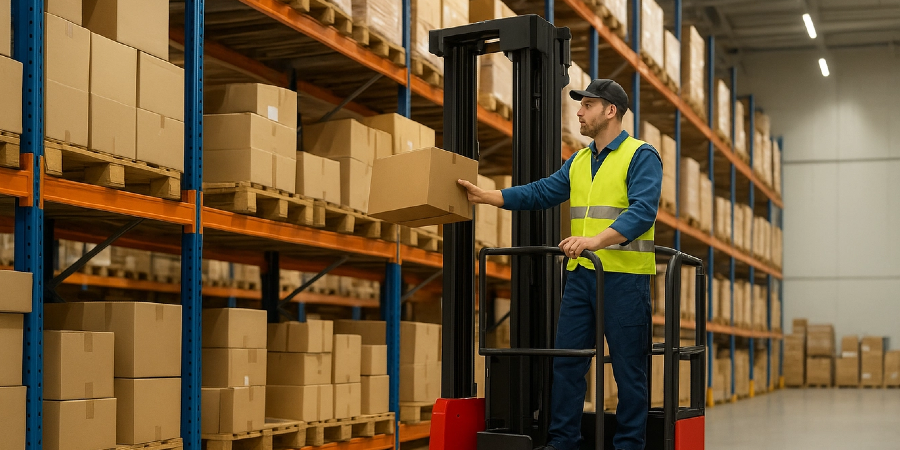
Warehouse order picker trucks are often misunderstood as being the same as aerial “cherry pickers,” but the answer is no. This article explains how low-, medium-, and high-lift order picking machines differ from aerial platform lifts that primarily raise people rather than unit loads. It covers the core mechanical design of warehouse order pickers, their stability and safety engineering, and the regulatory framework that governed their operation in industrial facilities. You will also see how emerging automation, energy systems, and digital technologies influenced equipment selection and practical guidelines for matching the right lift to a given warehouse layout and throughput requirement.
Core Types Of Warehouse Order Picker Lifts
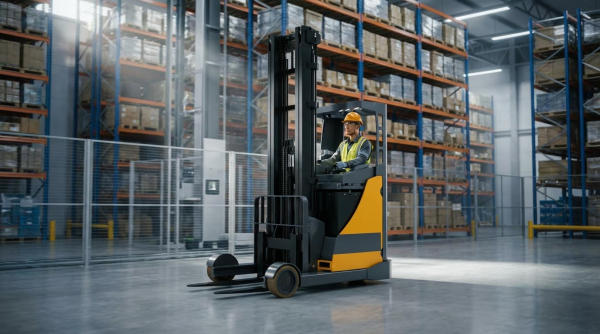
Warehouse order picker teams often ask: are all cherry picker machines the same in the warehouse. The answer depends on lift height, aisle geometry, and whether the machine primarily lifts people or unit loads. Core order picking machines types follow clear height and capacity bands, which influence safety engineering and training requirements. Understanding these categories helps distinguish true warehouse order pickers from generic “cherry pickers” used in other industries.
Low-Lift Order Pickers And Horizontal Picking
Low-lift order pickers supported horizontal picking in ground-level and first-level rack zones. Typical platform heights stayed below about 2.5 m, so operators worked near floor level with reduced fall risk. These machines optimized travel speed and acceleration rather than vertical reach, which suited wide-aisle layouts and high-throughput e‑commerce picking. Capacities often ranged up to roughly 1,000–1,500 kg, but actual ratings depended on fork length and load center. Compared with generic cherry pickers, low-lift order pickers integrated forks and pallet handling geometry specifically for case and piece picking, not just personnel elevation.
Medium-Lift Vertical Pickers For Mid-Level Racks
Medium-lift order pickers bridged the gap between ground-level work and full high-bay storage. They typically elevated operators to about 6–6.5 m, accessing mid-level rack beams where carton and each-pick activity concentrated. The operator platform and controls rose with the load, allowing direct item selection into pallets, cages, or totes. Load capacities usually fell between 900 kg and 1,400 kg, with strict derating at higher lift heights to preserve stability. Unlike construction-style cherry pickers, these vertical pickers formed part of a rack-and-aisle system, with mast design, chassis width, and steering geometry tuned for narrow guidance and repeatable approach to rack faces.
High-Lift Narrow Aisle Order Picker Systems
High-lift order pickers operated in very narrow aisle warehouses that prioritized vertical cube over floor area. These systems reached working heights up to roughly 14–14.5 m, which required advanced stability control and precise mast engineering. Chassis designs often relied on rail or wire guidance to keep clearances tight while limiting the risk of rack impact. Capacities typically peaked around 2.5 tons at lower heights, with conservative load charts governing operation near maximum reach. At these elevations, speed reduction, dynamic braking control, and integrated fall protection became essential. Generic cherry picker machines rarely matched this combination of extreme height, narrow-aisle maneuverability, and pallet-compatible forks.
How Order Pickers Differ From Cherry Pickers
The question “are all cherry picker machines the same in the warehouse” often arose because operators used the term loosely. Technically, order pickers fell under electric narrow aisle truck classifications, while cherry pickers belonged to the broader MEWP and aerial lift family. Order pickers elevated both operator and load within a rack aisle, with forks and load backrests engineered for palletized or cartonized product. Cherry pickers, by contrast, primarily lifted personnel in a bucket or platform to perform tasks such as maintenance, installation, or outdoor work, not systematic order fulfillment. They usually lacked pallet forks, load backrests, and rack-compatible clearances, and followed different stability assumptions and duty cycles. Treating all elevated work platforms as interchangeable cherry pickers risked misapplication, regulatory noncompliance, and inefficient warehouse layouts.
Key Design Parameters And Safety Engineering
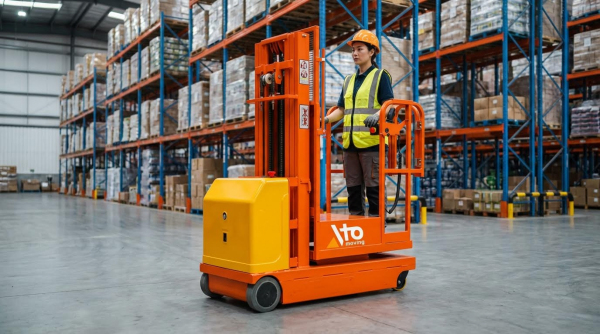
Key design parameters and safety engineering determined why not all so‑called “cherry picker” machines in the warehouse were the same. Order pickers, MEWPs, and true cherry pickers differed in load rating, stability, guarding, and regulatory classification. Understanding these differences helped engineers answer the query “are all cherry picker machines the same in the warehouse” with clear technical criteria rather than informal naming. The following sections outlined the core design and safety factors that separated warehouse order picker lifts from general aerial work platforms.
Load Capacity, Center Of Gravity, And Stability
Load capacity ratings for warehouse order pickers typically ranged from a few hundred kilograms to about 1,500 kg. Engineers had to consider the combined mass of the operator, picked load, pallet, and any tools when verifying capacity. The center of gravity shifted vertically and longitudinally as the platform and forks elevated, which affected truck stability margins. Narrow‑aisle order pickers used carefully tuned counterweights, mast structures, and chassis geometry to keep the resultant center of gravity within the stability triangle or polygon.
High‑lift systems often included speed‑reduction logic at elevated heights to reduce dynamic loads from braking or steering. Some platforms used independent fork and operator‑platform lifting so the load position could be optimized for stability while maintaining ergonomic reach. By contrast, truck‑mounted cherry pickers and bucket lifts for outdoor work prioritized outreach and articulation rather than palletized load handling. This difference in design intent showed that not all machines casually called cherry pickers in the warehouse shared the same stability assumptions or load envelopes.
Operator Platforms, Guarding, And Fall Protection
Warehouse order pickers elevated the operator into the rack, so platform design and guarding were critical. Typical platforms incorporated full‑height guardrails, mid‑rails, and toe‑boards, with inward‑opening, self‑closing gates or interlocked doors. These features minimized the risk of falls when the operator reached into racking or handled cartons at shoulder or head height. Floor surfaces on the platform used non‑slip materials and drainage patterns to maintain traction in dusty or slightly damp conditions.
Fall protection requirements varied with platform height and equipment classification. For higher lift classes, operators often connected a full‑body harness and lanyard to an approved anchor point within the platform. This differed from many outdoor cherry pickers, where harness use and anchor locations followed MEWP standards aimed at boom‑type access rather than intensive picking. Because of these configuration differences, assuming that all cherry picker machines in the warehouse needed or supported identical fall‑protection practices could lead to non‑compliance or misuse. Engineers had to specify platform geometry, restraint systems, and allowed working positions based on the exact lift type.
OSHA, ANSI, And MEWP Compliance Requirements
Order pickers in warehouses fell under OSHA’s powered industrial truck rules, typically classified as Class II electric motor narrow‑aisle trucks. These rules covered operator training, evaluation, and three‑year re‑certification intervals. ANSI standards for industrial trucks defined design, stability, and labeling requirements, including capacity plates that accounted for platform height and load center. In contrast, boom‑type and scissor platform lift cherry pickers were categorized as MEWPs and followed different ANSI/SAIA standards focused on aerial access.
MEWP standards addressed factors such as platform load rating, tilt sensing, emergency lowering, and wind ratings for outdoor use. Warehouse order pickers, however, usually operated indoors and focused on aisle clearances, rack interfaces, and pallet handling. Because of these regulatory distinctions, not all machines that operators informally called cherry pickers in the warehouse had the same design code basis. Safety managers needed to identify whether a unit was a powered industrial truck or a MEWP and apply the correct OSHA and ANSI provisions accordingly. Mixing requirements could result in gaps, such as missing pedestrian‑traffic controls or inadequate aerial‑lift rescue procedures.
Pre-Use Inspection, Training, And Rescue Planning
Daily pre‑use inspections were mandatory for both warehouse order pickers and aerial lifts. Operators checked forks, masts, platforms, guardrails, hydraulic hoses, wheels, and control functions before entering service. Any leaks, cracks, or damaged guarding required immediate lockout and maintenance. For MEWP‑type cherry pickers, inspections also covered outriggers, articulating booms, and emergency descent systems. Training programs had to match the specific equipment class rather than a generic “cherry picker” label.
OSHA required formal instruction, practical training, and evaluation for powered industrial truck operators, with documented records. MEWP operators followed ANSI/SAIA training frameworks that emphasized entrapment risks, overhead hazards, and platform controls. Rescue planning represented another key difference. Indoor order picker operations needed procedures for retrieving an incapacitated operator from an elevated rack aisle, often using secondary equipment or ground‑controlled lowering. Outdoor cherry picker work required plans for boom entanglement, electrical contact, or terrain instability. These variations reinforced that not all cherry picker machines in the warehouse were the same from a safety‑engineering perspective. Proper classification, targeted training, and tailored rescue plans were essential to keep incident rates low and maintain regulatory compliance.
Technology Trends And Selection Considerations
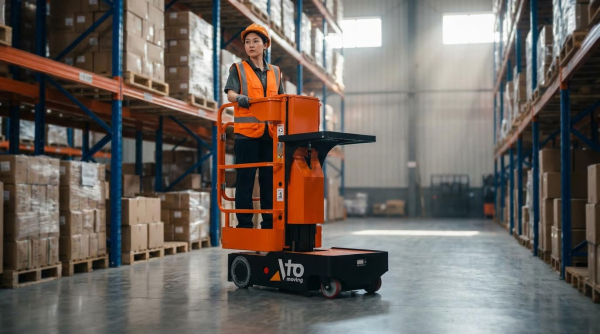
Technology trends in warehouse order picker lifts directly answer the question “are all cherry picker machines the same in the warehouse.” They were not the same in capability, control architecture, or integration level. Modern designs differed strongly in automation, energy systems, data connectivity, and how they matched specific layouts and throughput targets. Engineers therefore evaluated “cherry pickers” and order pickers as distinct technical solutions rather than interchangeable machines.
Automation, Semi-Automated And AGV Order Pickers
Automation in order picker lifts ranged from simple assistance functions to fully autonomous AGV systems. Semi-automated machines typically handled driving or horizontal travel automatically while the operator focused on picking tasks. High-lift narrow-aisle systems often integrated aisle guidance, speed limiting by height, and automatic braking to stabilize the mast at elevation. Fully automated or AGV order pickers followed mapped routes, used scanners or vision systems for location, and interfaced with warehouse management systems for task allocation.
These automation levels meant that not all warehouse “cherry picker” style machines behaved the same during operation. Traditional MEWP cherry pickers lifted personnel for maintenance or construction, with manual drive and boom control and no picking logic. By contrast, automated order pickers optimized travel paths, minimized deadheading, and supported batch or cluster picking strategies. Engineers selected automation levels based on SKU profiles, labor costs, error tolerance, and integration with existing conveyor or shuttle systems.
Safety and regulatory frameworks also diverged as automation increased. Semi-automated order pickers still required trained operators on board, so OSHA Class II training and fall protection remained mandatory. AGV order pickers instead emphasized obstacle detection, emergency stop circuitry, and traffic management software to separate manned and unmanned flows. The choice between manual, semi-automated, and AGV solutions depended on whether the warehouse prioritized flexibility with human pickers or repeatable, high-volume flows with predictable routes.
Energy-Efficient Drives, Batteries, And Charging
Warehouse order picker lifts used electric drives almost exclusively to control emissions and noise. Earlier generations relied on lead-acid traction batteries, which required equalization charges, watering, and dedicated battery rooms. Newer designs increasingly adopted high-frequency chargers, sealed batteries, or lithium-ion packs to increase energy density and reduce maintenance. These changes altered duty cycles, shift planning, and the total cost of ownership.
Energy-efficient drive systems used AC motors with regenerative braking, especially on high-lift trucks that frequently lowered loads from height. Regeneration returned part of the potential energy to the battery and reduced brake wear. Speed control algorithms limited acceleration and deceleration to maintain stability while still minimizing travel time between picks. Engineers sized motors and controllers based on maximum lift height, load mass, and required acceleration in narrow aisles.
Different “cherry picker” type machines in the warehouse therefore did not share identical battery and charging strategies. Maintenance-oriented MEWPs often operated intermittently and could tolerate slower overnight charging. High-throughput order pickers supporting multi-shift e-commerce operations required fast or opportunity charging at dock areas or pick tunnels. When comparing options, engineers evaluated ampere-hour capacity, expected cycles to 80% depth of discharge, and charger efficiency to ensure the lift fleet met peak seasonal demand without excessive spare equipment.
Digital Twins, Telematics, And Predictive Maintenance
Digital twins and telematics transformed how operators monitored and maintained order picker fleets. A digital twin represented a virtual model of the lift and its duty profile, including mast movements, load cycles, and travel paths. Engineers used this model to simulate aisle redesigns, new rack heights, or different picking strategies before investing in physical changes. This approach reduced commissioning time and helped answer whether a specific order picker type truly fit a given warehouse better than another “cherry picker” style solution.
Telematics modules captured utilization, impacts, fault codes, and battery health in real time. Fleet managers analyzed this data to identify underused trucks, high-impact locations, or operators who needed additional training. Predictive maintenance algorithms used vibration, motor current, and hydraulic pressure trends to forecast component wear. This allowed planned interventions during off-peak hours instead of unplanned downtime during critical shifts.
These technologies highlighted functional differences between order pickers and generic cherry pickers. MEWPs used for facilities maintenance often had simpler logging, focusing on safety interlocks and inspection records. High-volume order picker fleets, in contrast, depended on granular telematics to balance workloads and support continuous improvement initiatives. When specifying equipment, engineers considered whether the telematics platform integrated with existing warehouse management, labor management, and safety reporting systems.
Matching Lift Type To Layout, Aisles, And Throughput
Matching lift type to warehouse layout was central to determining whether a “cherry picker” was appropriate or whether a dedicated order picker was required. Low-lift horizontal order pickers best suited wide aisles, ground-level picking, and high line counts with low pick heights. Medium-lift vertical pickers handled mid-level racks in mixed-aisle environments where operators needed flexibility to access several levels without full high-bay infrastructure. High-lift narrow-aisle order pickers supported very tall racks and high storage density, often in guided or very narrow aisles.
Engineers evaluated aisle width, turning radius, and rack clearances before selecting equipment. Narrow-aisle order pickers required tighter tolerances and sometimes rail or wire guidance, while conventional cherry pickers for maintenance needed more open space to slew and articulate booms. Throughput analysis considered picks per hour, travel distance per pick, and average lift height. A machine designed primarily to lift people for overhead work rarely achieved the cycle times required for intensive piece picking.
Answering “are all cherry picker machines the same in the warehouse” therefore required a layout-driven comparison. Facilities with low racks and wide aisles might rely on low-lift order pickers and pallet jacks, reserving MEWPs for occasional maintenance. High-bay e-commerce centers instead invested in specialized high-lift order pickers, potentially with semi-automation and advanced telematics. The optimal choice balanced capital cost, storage density, ergonomic demands on operators, and the risk profile associated with working at height in confined aisles.
Summary And Practical Selection Guidelines
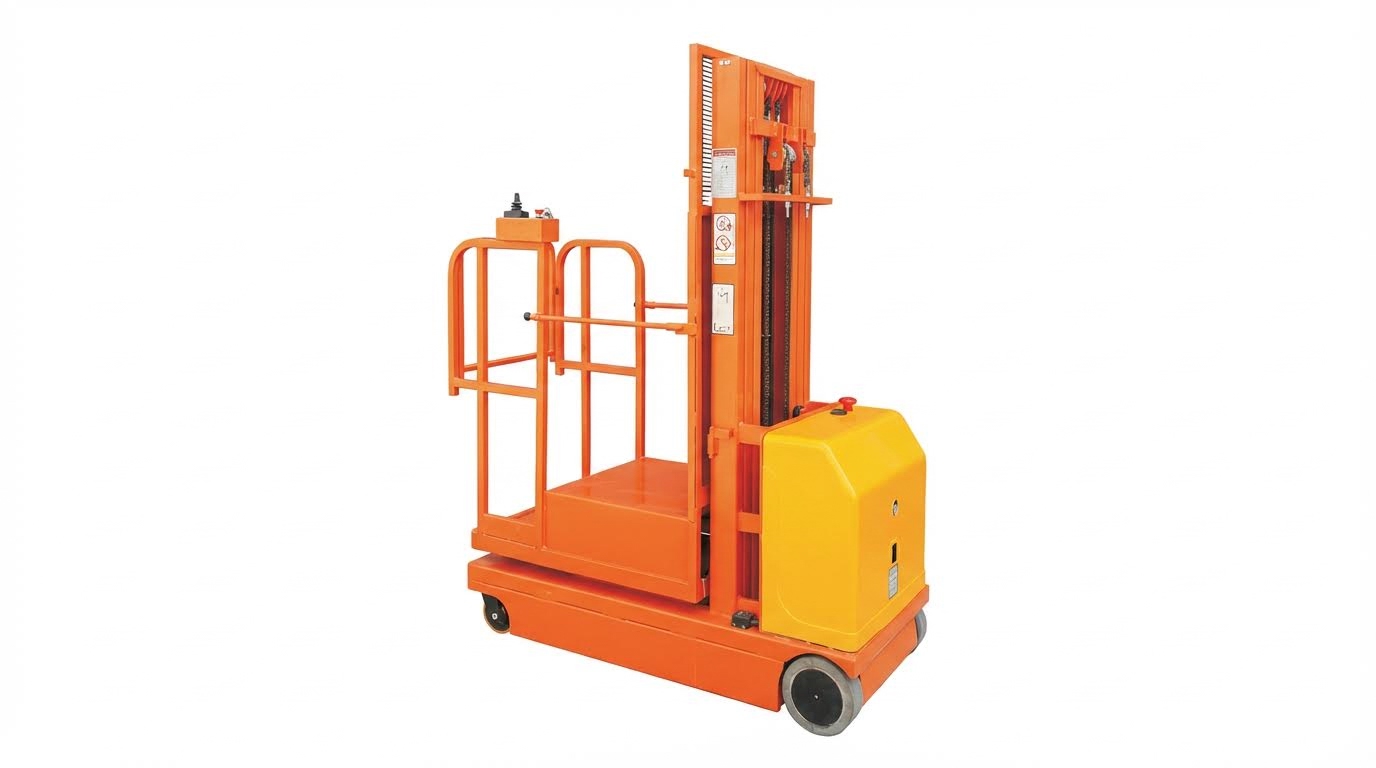
Warehouse operators often ask: are all cherry picker machines the same in the warehouse. The evidence from warehouse order picker and MEWP practice showed the answer was clearly no. Machine families differed in lift height, load envelope, aisle geometry, and regulatory classification. Treating all “cherry pickers” as interchangeable created safety, productivity, and compliance risks.
Order picking machines in warehouses fell into low-lift, medium-lift, and high-lift categories with reach bands from roughly 2.5 m up to about 14.5 m. Typical rated capacities ranged from a few hundred kilograms to roughly 2.5 t, with the rating always including the operator and any tools. In contrast, classic cherry pickers or bucket-type MEWPs were primarily personnel lifts with limited material-handling provisions and different stability assumptions. Engineers therefore needed to match equipment not just to height, but also to load type, duty cycle, and traffic mix.
From a design and safety-engineering perspective, selection started with four constraints: maximum pick height, required capacity, minimum aisle width, and floor bearing capacity. The next filter was regulatory: Class II electric narrow-aisle trucks versus MEWPs, each with specific OSHA and ANSI obligations for training, inspection, and fall protection. Rescue planning, especially for high-lift work in restricted spaces, had to be defined before deployment and tested through drills. Digital tools such as telematics and digital twins increasingly supported this process by providing real duty-cycle data, near-miss logs, and maintenance forecasts.
Looking ahead, warehouses moved toward mixed fleets that combined manual order pickers, semi-automated or AGV-based systems, and specialized aerial platform for installation or maintenance work. The practical guideline was to standardize where possible within each application band, but never assume that all cherry picker machines were the same in the warehouse. A structured engineering review of layout, throughput, SKU profile, and safety requirements remained the most reliable path to selecting the right lift technology and upgrading it over time.