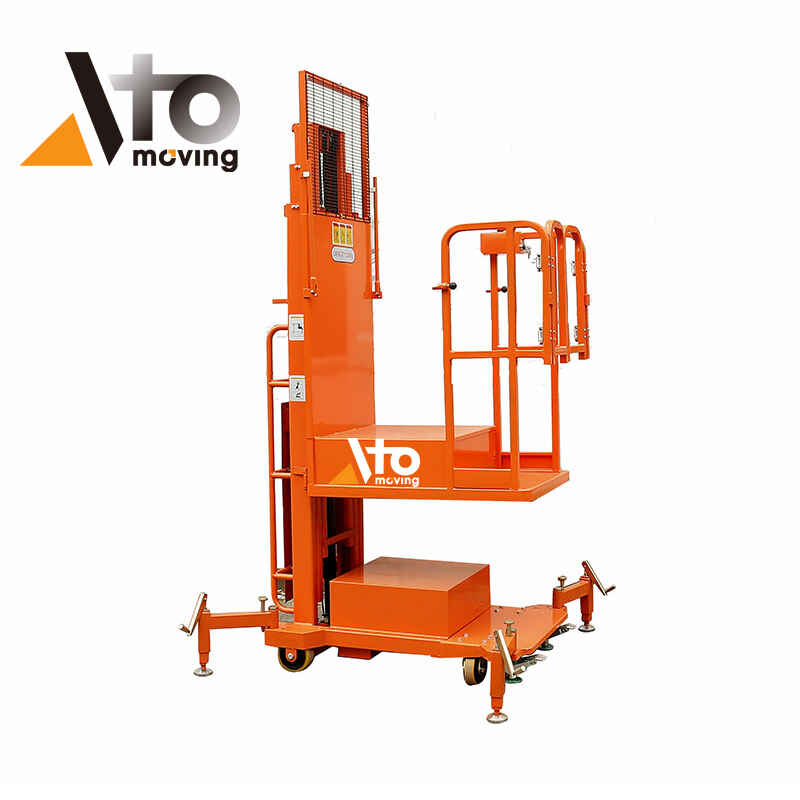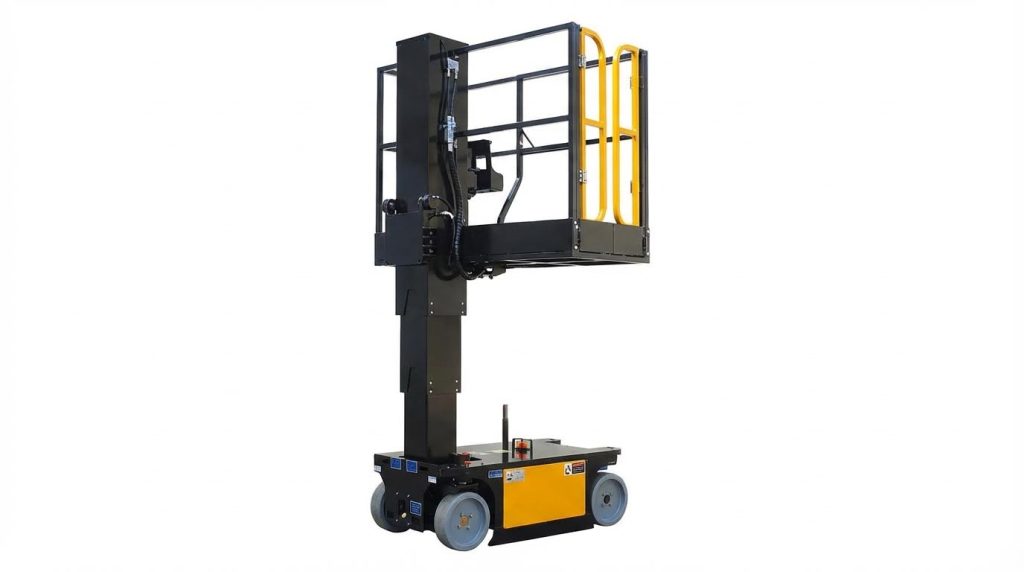
Efficient order picking is critical to warehouse productivity and overall supply chain performance. This article examines various warehouse picking methods, design considerations, performance metrics, and engineering implications. By understanding these factors, industry professionals can optimize material handling solutions to reduce costs and improve throughput.
The discussion covers manual and automated picking techniques, system design strategies, and criteria for method selection. It aims to provide a comprehensive overview for engineers and warehouse managers seeking to enhance operational efficiency and accuracy.
Overview of Warehouse Picking Techniques and Applications
Manual Picking: Characteristics and Ergonomic Challenges
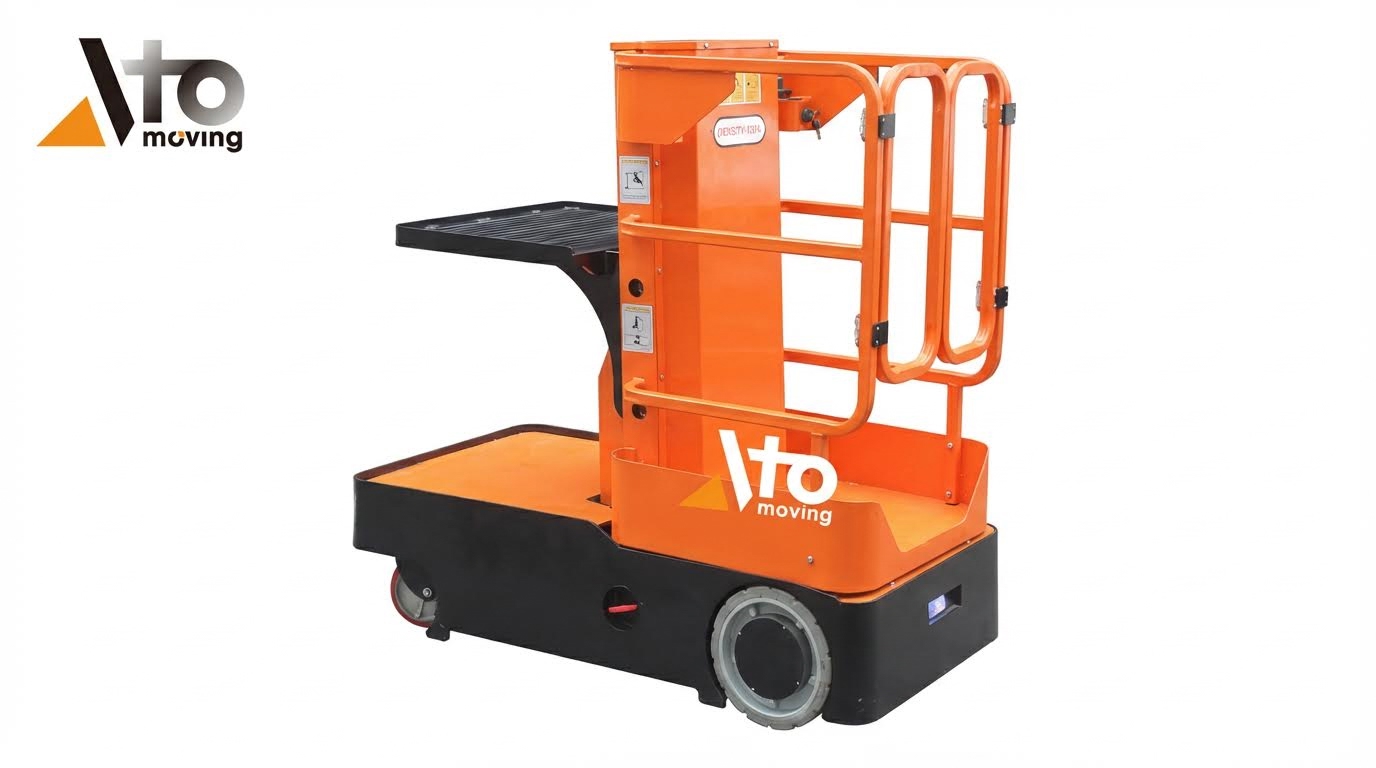
Manual picking remains widely used in warehouses with low to moderate order volumes due to its flexibility and low initial investment. Workers select items directly from storage locations, which allows handling of varied SKUs and small batch sizes. However, repetitive motions and awkward postures can cause ergonomic issues, including musculoskeletal disorders. Efficient workstation design and ergonomic training help mitigate these risks and improve picker productivity.
Batch and Cluster Picking: Grouping Strategies for Efficiency
Batch picking consolidates multiple orders into a single picking trip, reducing travel time per order and increasing throughput. Cluster picking extends this by grouping similar items or orders spatially, enabling simultaneous picking for multiple orders. These strategies optimize picker routes and reduce handling frequency. They are particularly effective in environments with moderate to high order volumes and SKU overlap, balancing speed with accuracy.
Zone and Pick-and-Pass Picking: Division of Labor and Workflow
Zone picking divides the warehouse into distinct areas, assigning pickers to specific zones to improve specialization and reduce travel distances. Pick-and-pass builds on this by passing partially picked orders sequentially through zones until complete. This method streamlines workflow and increases throughput in large facilities with diverse product assortments. Coordination and communication between zones are critical to minimizing delays and maintaining order accuracy.
Automation in Picking: Robotics and AGVs for High-Volume Operations
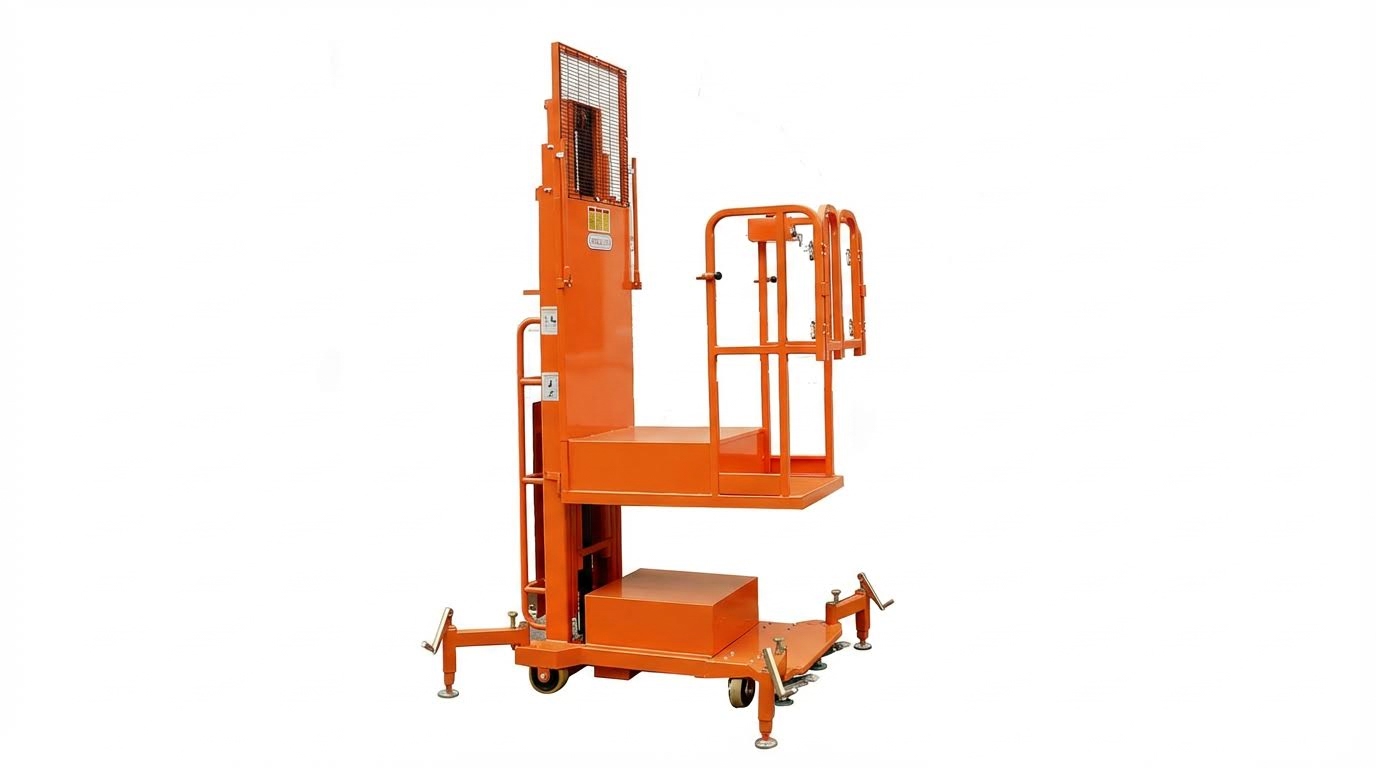
Automation technologies, including robotic arms and Automated Guided Vehicles (AGVs), have transformed high-volume order picking. Robots handle repetitive tasks with precision, reducing labor costs and error rates. AGVs transport goods autonomously, optimizing material flow and reducing picker travel time. Integration with Warehouse Management Systems (WMS) enhances real-time coordination. These systems require significant capital but offer scalable solutions for large, complex warehouses.
Design and Operational Considerations for Picking Systems
Warehouse Layout Optimization to Minimize Travel Distance
Optimizing warehouse layout is critical to reducing picker travel distance, a major factor in picking efficiency. Common strategies include slotting frequently picked items near packing stations and grouping similar SKUs together. Narrow aisles and cross-aisles facilitate more direct routes and reduce congestion. Implementing a layout that supports logical pick paths minimizes time spent walking, directly improving throughput.
Integration of Warehouse Management Systems for Route Planning
Warehouse Management Systems (WMS) play a vital role in optimizing picking routes by dynamically calculating the most efficient paths. Advanced WMS use algorithms that consider order priorities, SKU locations, and picker availability to assign tasks. Real-time data integration enables adaptive route planning, reducing idle time and minimizing errors. This system-level coordination enhances overall operational responsiveness and resource utilization.
Safety and Ergonomics in Manual and Assisted Picking
Safety and ergonomic design are essential to reduce worker fatigue and injury risks in picking operations. Adjustable shelving heights and anti-fatigue mats help mitigate musculoskeletal strain. Assisted picking technologies, such as pick-to-light and voice-directed systems, reduce cognitive load and repetitive motions. Proper training and ergonomic assessments ensure compliance with occupational safety standards, promoting sustainable labor practices.
Equipment Selection: Conveyors, Pick-to-Light, and Voice Systems
Selecting appropriate equipment depends on order volume, SKU complexity, and labor availability. Conveyors streamline material flow and reduce manual transport but require significant upfront investment. Pick-to-light systems improve accuracy and speed by providing visual cues at pick locations, ideal for high-density SKU environments. Voice picking systems enable hands-free operation, increasing productivity and reducing errors through real-time voice commands. Integrating these technologies enhances operational efficiency and accuracy.
Performance Metrics and Selection Criteria for Picking Methods
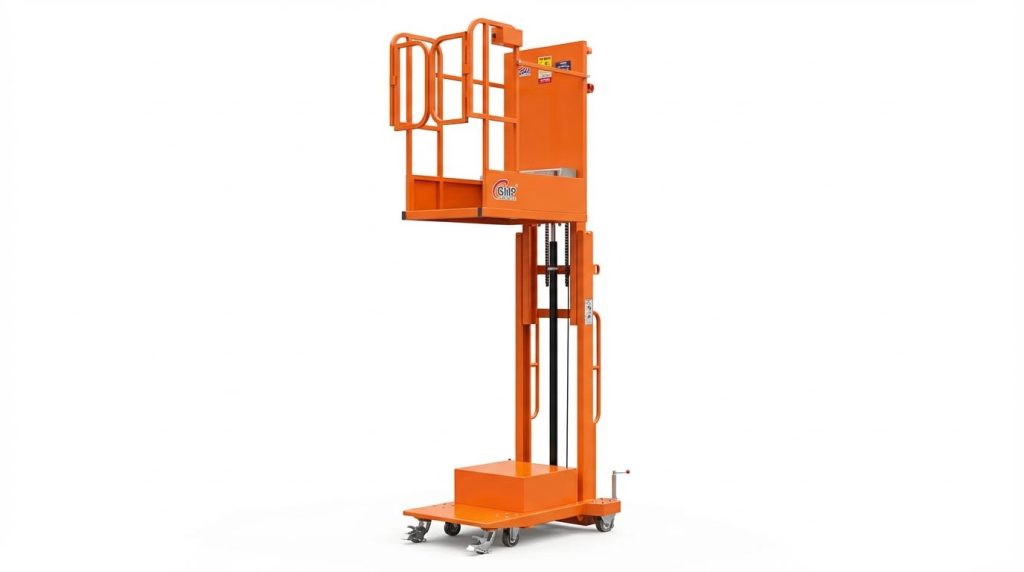
Evaluating Order Volume, SKU Diversity, and Warehouse Size
Order volume directly influences the choice of picking method, as higher volumes often justify automation investments. Warehouses with extensive SKU diversity require flexible systems capable of handling varied item profiles without compromising speed. Larger warehouse sizes increase travel distances, making layout optimization and picking strategy critical to maintaining throughput. Selecting a picking method must consider these factors to balance efficiency and operational cost effectively.
Labor Cost, Error Rates, and Throughput Comparisons
Labor costs remain a significant portion of warehouse expenses, thus methods reducing manual labor can improve profitability. Manual picking tends to have higher error rates due to human factors, whereas automated systems typically enhance accuracy through consistent processes. Throughput varies with picking method; batch and cluster picking increase efficiency by consolidating tasks, while automation can sustain high throughput levels with minimal downtime. Comparing these metrics helps determine the best fit for specific operational goals.
Impact of Picking Method on Order Accuracy and Lead Time
Order accuracy is critical for customer satisfaction and inventory control, with automated picking systems providing superior precision through barcode scanning and real-time tracking. Manual and semi-automated methods may experience delays and errors due to human intervention. Lead time reduction is achievable by optimizing picking routes and employing technologies like pick-to-light or voice systems. The chosen method should minimize errors and expedite order fulfillment to meet service level agreements.
Trends in Sustainable and Energy-Efficient Picking Technologies
Recent developments focus on reducing energy consumption and environmental impact in warehouse operations. Energy-efficient conveyors, LED-based pick-to-light systems, and electric automated guided vehicles (AGVs) contribute to sustainability goals. Integrating these technologies with warehouse management systems enables monitoring and optimizing energy use. Selecting picking methods that incorporate sustainable technologies supports regulatory compliance and corporate social responsibility initiatives while maintaining operational efficiency.
Summary and Engineering Implications for Warehouse Picking
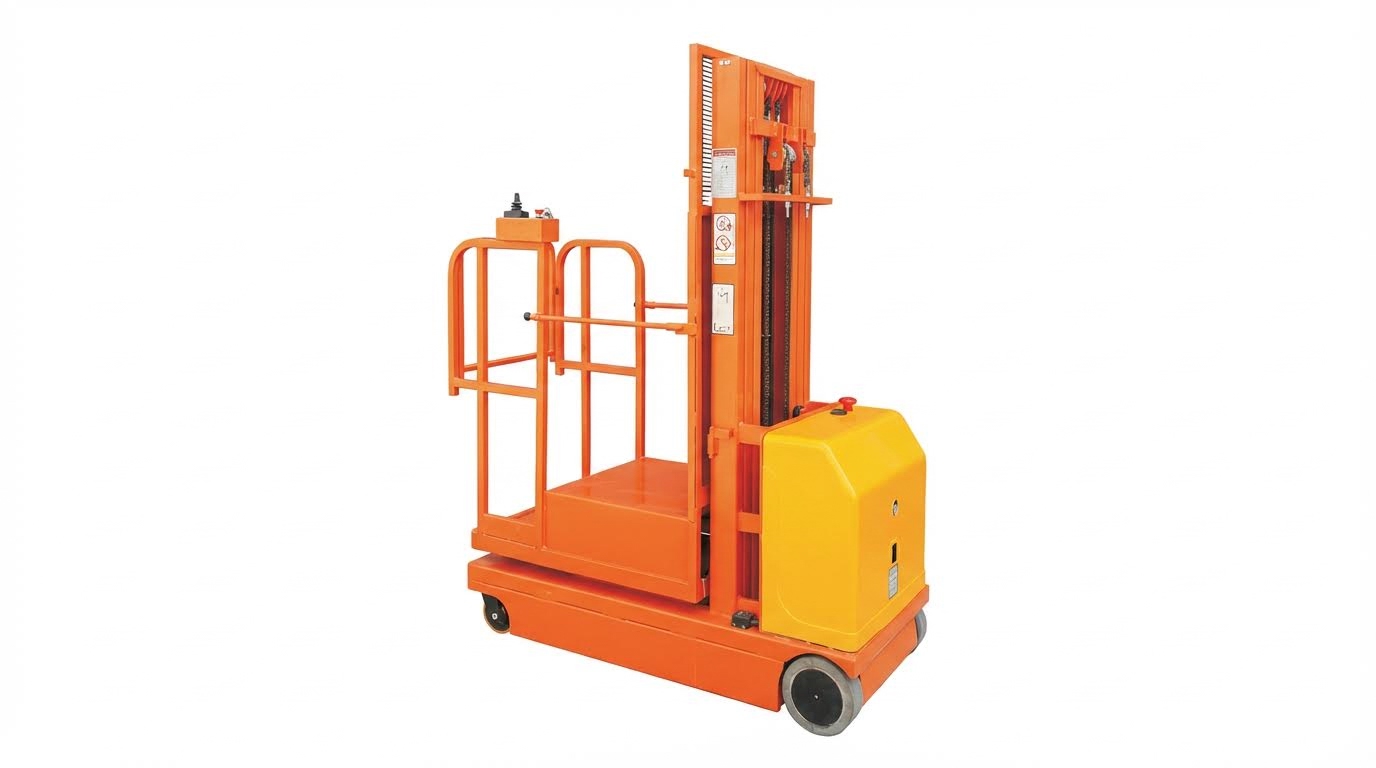
Warehouse order picking methods significantly influence operational efficiency and cost-effectiveness. Manual picking offers flexibility but presents ergonomic challenges that affect worker productivity and safety. Batch, cluster, zone, and pick-and-pass picking methods optimize labor division and reduce travel time, improving throughput and accuracy. Automation, including robotics and automated guided vehicles (AGVs), supports high-volume operations by increasing speed and reducing human error.
Engineering design must prioritize warehouse layout optimization to minimize picker travel distances, integration of advanced warehouse management systems for dynamic route planning, and selection of appropriate equipment such as conveyors, pick-to-light, and voice systems. These factors collectively enhance safety, ergonomics, and system responsiveness.
Performance metrics like order volume, SKU diversity, labor costs, error rates, and throughput are critical for selecting the optimal picking method. Emerging trends emphasize sustainable and energy-efficient technologies that reduce environmental impact while maintaining high productivity standards. Practical implementation requires balancing initial capital investment with long-term operational savings and adaptability to changing order profiles.
Future warehouse picking solutions will likely integrate more sophisticated automation and data analytics to further optimize material handling. Engineers must maintain a balanced perspective on technology evolution, ensuring that innovations align with operational goals and workforce capabilities. This approach ensures resilient, efficient, and scalable warehouse order picker systems that meet industry demands.