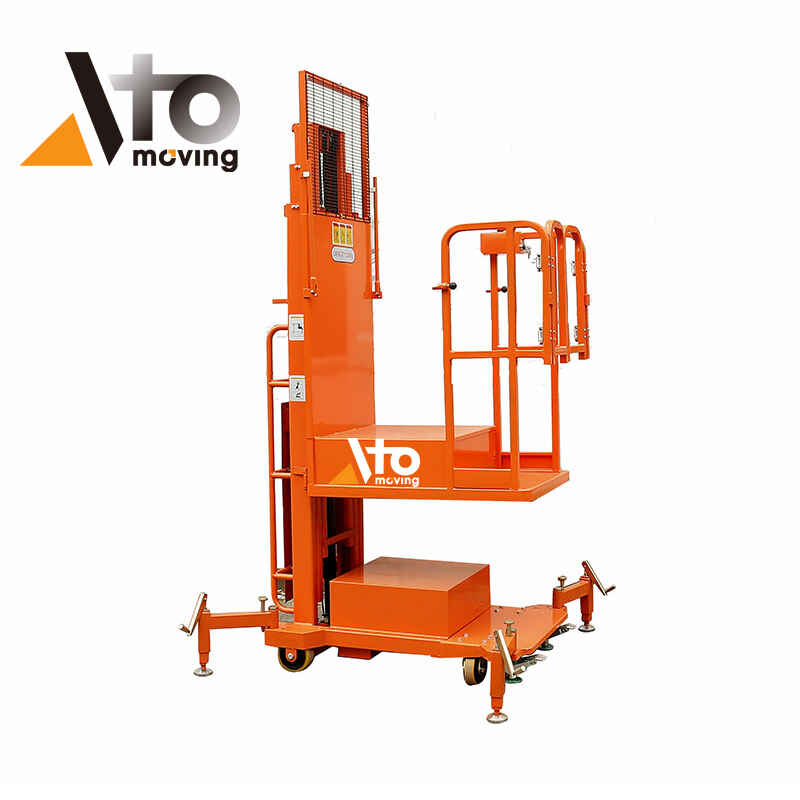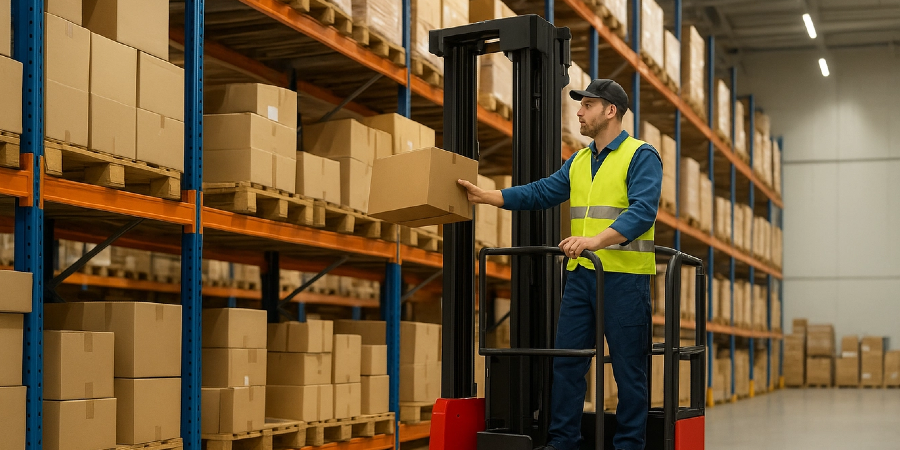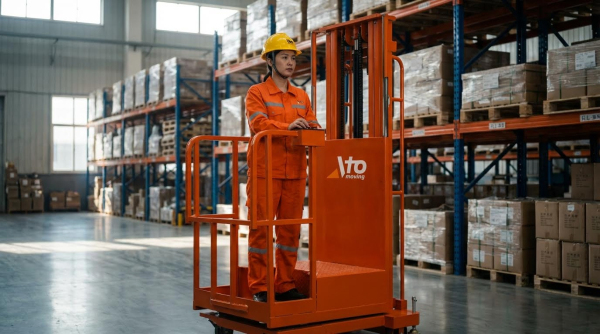
Warehouse order picking is the core intralogistics process that transforms digital customer orders into physical shipments. Understanding what order picking is in a warehouse requires looking end-to-end, from order release through picking zones, consolidation, packing, and carrier handoff. This article explains the complete workflow, compares major picking methods and system designs, and details how to optimize performance, safety, and lifecycle cost. It concludes with strategic implications for warehouse leaders planning future-ready, scalable order picking machines operations.
End-To-End Warehouse Order Picking Workflow
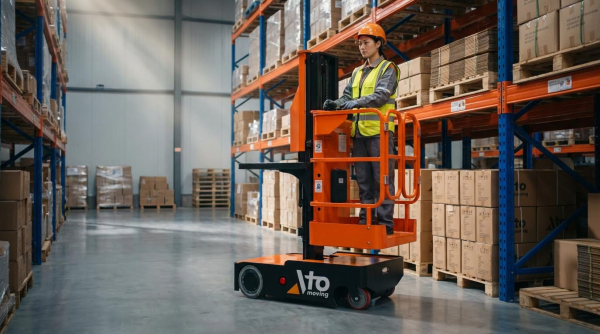
Warehouse professionals asking what is order picking in a warehouse usually focus on discrete tasks, but high performance depends on the complete end-to-end workflow. An effective process links order release, picking, packing, and shipment into one controlled material and information flow. This section explains how orders move through the warehouse, how zones interact, and how WMS, ERP, and control systems coordinate activities to cut errors, travel, and cost.
From Order Release To Shipment Handoff
The end-to-end workflow starts when a customer order enters the ERP and transmits to the Warehouse Management System. The WMS validates inventory, reserves stock, and selects a picking strategy such as discrete, batch, or wave based on service level and workload. It generates pick lists or electronic tasks and sequences them to minimize travel and congestion. Operators or automated systems then execute picks, using RF scanners, pick-to-light, or voice systems to confirm each SKU and quantity.
Picked items move to consolidation or packing, where the system verifies order completeness using barcode or camera-based checks. The WMS structures packing according to carrier rules, cartonization logic, and product protection constraints. Once packed, the system prints labels, waybills, and documentation, often fully digitized to avoid manual errors. Finally, shipping staff stage loads by route or carrier, scan them out, and hand them off to transport, closing the internal order cycle time.
Material And Information Flows Across Zones
Material flow typically starts at receiving, passes through storage and replenishment, then moves into forward pick zones, consolidation, and outbound docks. High-velocity SKUs often sit in forward pick areas with carton flow racks or pallet pick faces to shorten walking distance. Replenishment tasks move stock from bulk storage to these forward locations, triggered by WMS based on safety stock and demand forecasts. Returns and cross-docking flows must remain physically separated from standard picking to avoid inventory confusion.
Information flow mirrors the physical path but must run faster and with higher accuracy. The WMS tracks each SKU’s location, quantity, and status in real time using RF scans, sensors, or ASRS feedback. It pushes instructions to operators, AGVs, or conveyors, then collects confirmations at each step to maintain traceability. Labor management and analytics tools overlay performance data, highlighting bottlenecks such as congested aisles, underutilized pick zones, or slow packing stations. Well-designed layouts and signposting support this by giving clear visual cues for zones, routes, and safety boundaries.
Interfaces With WMS, ERP, And Control Systems
Modern order picking depends on tight integration between ERP, WMS, and lower-level control systems. The ERP manages customer orders, pricing, and promises, then sends clean order data to the WMS through standardized interfaces or APIs. The WMS translates business requirements into operational tasks, selecting slotting rules, pick methods, and wave schedules. It also exchanges inventory and completion statuses back to ERP so customer service and planning teams see real-time availability and shipment progress.
Below the WMS, Warehouse Control Systems and equipment controllers coordinate conveyors, sorters, ASRS, AGVs, and pick stations. The WMS decides what to pick and when; the WCS decides how to move totes, pallets, or bins through the system. Safety systems such as robot fences, emergency stops, and ISO 3691-4 compliant AGV controls integrate with these layers to halt or reroute flows when needed. Well-designed interfaces reduce latency, prevent double handling, and enable advanced capabilities such as goods-to-person picking, digital twins for simulation, and automated KPI tracking across the full warehouse order picker workflow.
Core Order Picking Methods And System Designs
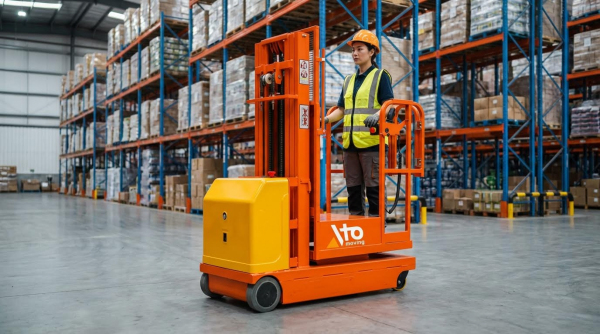
Understanding what is order picking in a warehouse requires a clear view of the main process designs. This section explains how different picking methods, system concepts, and layout decisions shape travel time, accuracy, and labor cost. It links practical warehouse engineering choices with WMS logic, automation readiness, and lifecycle performance.
Discrete, Batch, Wave, Zone, And Tote Picking
Discrete picking processes one order at a time and suits low-volume or high-value operations where accuracy dominates throughput. Batch picking groups multiple orders that share SKUs, reducing travel distance because the picker visits each location once per batch. Wave picking releases groups of orders in time-based “waves,” aligning picking with carrier cutoffs, packing capacity, and shipping docks. Zone picking divides the warehouse into zones; operators pick only within their zone and orders pass through several zones physically or virtually. Tote picking consolidates items into standardized containers or totes, which simplifies handling on conveyors and sorters and supports high-density automated or semi-automated systems.
Engineers select among these methods based on order profiles, SKU count, and required service levels. High-SKU e‑commerce facilities often combine batch or wave picking with zone picking to balance workload and minimize congestion. WMS logic must support pick list generation by method, travel path optimization, and real-time status so downstream packing and shipping can synchronize. Clear separation between picking and returns or staging areas prevents stock loss and protects inventory accuracy.
Person-To-Goods, Goods-To-Person, And ASRS
Person-to-goods designs keep inventory static while pickers walk or ride to locations using carts, manual pallet jack, or forklifts. This model has relatively low capital cost but high labor and travel time, so it benefits strongly from optimized slotting and pick paths. Goods-to-person systems reverse the paradigm: automated conveyors, shuttles, or mobile robots bring totes or bins to ergonomic pick stations. This approach cuts walking, supports higher lines per hour, and allows dense storage near the system interface.
Automated Storage and Retrieval Systems (ASRS) extend goods-to-person concepts with automated cranes, shuttles, or vertical lift modules that store and retrieve loads under WMS or warehouse control system direction. ASRS typically reduced floor space requirements by up to roughly 80% in past case studies and shortened search and travel time dramatically. Implementation decisions must consider load types, required throughput, redundancy, and maintenance access. Integrating WMS, ERP, and control systems ensures that order priorities, replenishment, and exception handling remain synchronized across manual and automated zones.
Slotting, Pick Paths, And Layout Engineering
Slotting defines where each SKU sits in the warehouse and directly influences what is order picking in a warehouse from a daily operations viewpoint. Engineers profile items by velocity, size, weight, and affinity, then position fast movers near receiving and shipping to minimize travel. High-consumption SKUs usually occupy lower, more accessible levels or carton flow racks to support rapid, ergonomic picking. WMS-driven dynamic slotting uses real demand data to adjust locations and maintain optimal profiles as assortments and order patterns change.
Pick path design determines the sequence in which locations are visited within an aisle or zone. Common patterns include serpentine, U-shaped, or directed paths generated by software that minimizes backtracking and congestion. A well-engineered layout separates goods receipt, storage, replenishment, picking, packing, and returns while maintaining short, direct connections between them. Compact storage systems can free floor space, allowing wider pick aisles, additional pick faces, or more pick stations, which raises throughput. Proper signage, lighting, and clear travel lanes also improve safety and reduce search time, directly supporting higher pick rates and lower error rates.
Returns, Kitting, And Cross-Docking Flows
Returns processing interacts closely with order picking and must not contaminate active inventory. An engineered returns area includes stations for receipt, inspection, disposition, and repackaging, with WMS transactions that reintroduce stock only after quality checks. Physically separating returns from forward pick locations protects inventory accuracy and prevents unauthorized reshelving. Clear workflows and scan verification reduce misplacements and picking errors caused by incorrectly processed returns.
Kitting creates predefined sets or assemblies of components before order release, which simplifies downstream picking to a single kit SKU. Engineers decide whether to kit in advance or on demand based on demand variability, storage space, and labor availability. Cross-docking bypasses long-term storage by moving inbound goods directly to outbound staging, which shortens lead time and reduces handling. Effective cross-docking requires precise scheduling, dedicated buffer zones, and tight WMS–ERP integration so that inbound receipts match outbound orders. Together, well-designed returns, kitting, and cross-docking flows reduce non-value-adding touches, stabilize picking workloads, and support shorter, more predictable order cycle times.
Optimizing Performance, Safety, And Lifecycle Cost
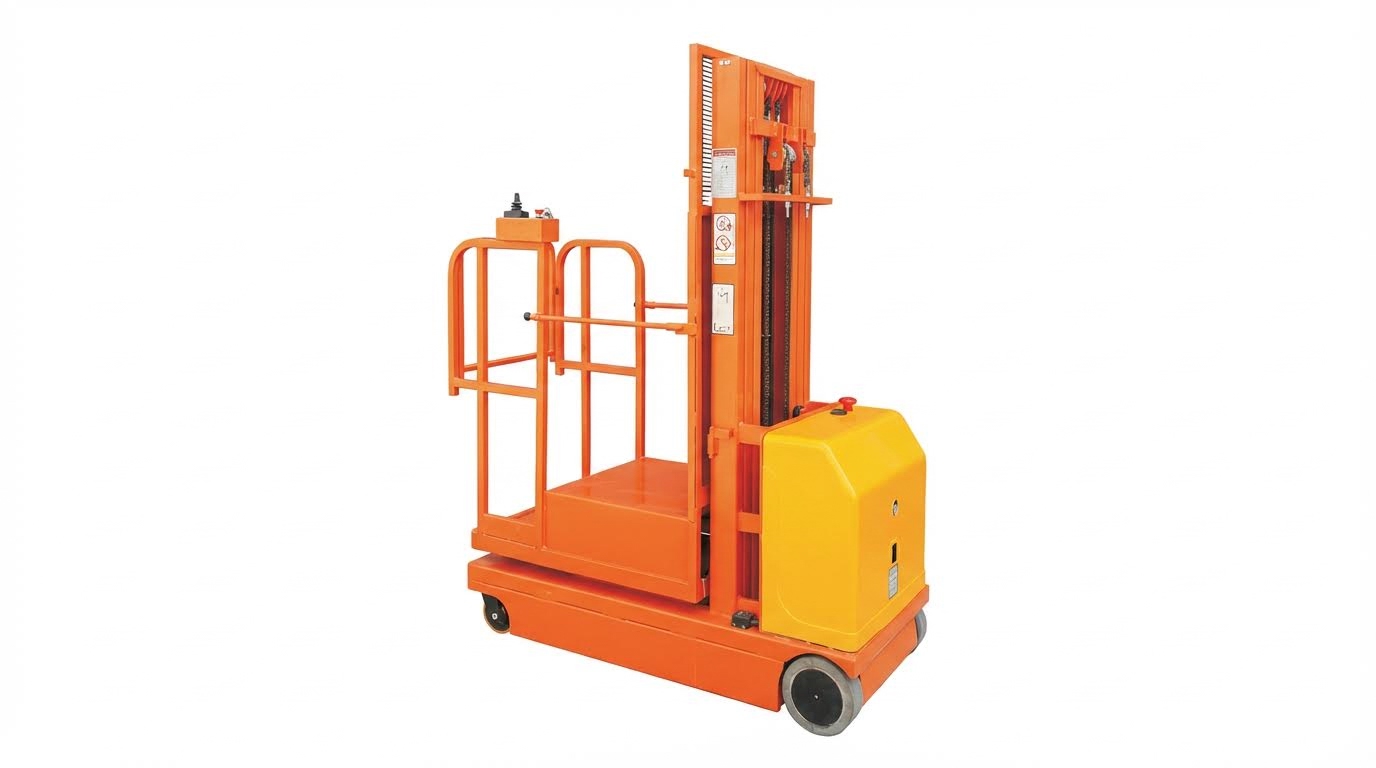
In warehouse engineering, the answer to what is order picking in a warehouse increasingly depends on how well performance, safety, and lifecycle cost are balanced. This section focuses on the quantitative and technical levers that raise pick productivity, protect operators, and minimize total cost of ownership across the full life of systems and equipment.
KPIs, Cycle Time, And Inventory Accuracy
Order picking in a warehouse is the dominant labor cost, so engineers define precise KPIs around it. Typical metrics included order lines picked per labor hour, pick accuracy percentage, order cycle time, and cost per order. A Warehouse Management System (WMS) and integrated scanners captured each pick event, enabling real‑time visibility instead of periodic sampling. High‑velocity SKUs were profiled and slotted closer to shipping to cut walking time and cycle time.
Cycle time started when an order entered WMS or ERP and ended at shipment confirmation. Engineers decomposed this into release, travel, search, pick, check, and handoff segments to locate bottlenecks. Inventory accuracy depended on disciplined location control, scan verification, and timely replenishment to minimum stock levels. Mis-slotted or unprofiled SKUs increased search time and error rates, directly degrading KPIs. Analytics tools and dashboards supported continuous improvement by correlating KPIs with layout, slotting rules, and picking methods such as batch, wave, or zone picking.
Ergonomics, Risk Reduction, And Compliance
Because order picking in a warehouse exposed operators to repetitive lifting and long walking distances, ergonomics strongly influenced both safety and throughput. Engineering controls included height-adjustable workstations, inclined carton flow racks, and mechanical assists for heavy or high picks. Placing fast movers between knee and shoulder height reduced bending and overhead reach, which decreased fatigue and back-strain risk. Cushioned floor mats and optimized pick paths further lowered musculoskeletal load.
Risk reduction strategies combined layout, procedures, and technology. Clear aisle markings, traffic separation between pedestrians and industrial trucks, and proper lighting reduced collision and trip hazards. Voice or light-directed picking kept operators’ hands and eyes on the task, cutting distraction-related errors. Compliance referenced standards for machinery and robot safety, as well as local occupational health regulations. Documented training on handling equipment, hazardous goods, and emergency procedures formed part of due diligence. Clean, well-signposted pick zones with defined returns and quarantine areas reduced both accidents and inventory discrepancies.
Automation, Cobots, AGVs, And Digital Twins
As order volumes and SKU counts increased, engineers used automation to stabilize the performance of order picking in a warehouse. Goods-to-person systems and ASRS reduced walking and search time by bringing totes or bins to fixed pick stations. Collaborative robots (cobots) supported pickers with repetitive reach or transfer tasks, while humans handled exception decisions and quality checks. Automated Guided Vehicles (AGVs) and other mobile robots moved pallets, totes, or carts between zones, decoupling picking from transport.
Safety for automated systems relied on standards such as ISO 3691‑4 for driverless industrial trucks and ISO 14120 for guarding. These standards governed fencing, emergency stops, speed limits, and collision-avoidance logic. Digital twins of the warehouse allowed engineers to simulate order profiles, pick strategies, and robot traffic before physical deployment. This reduced commissioning risk and helped justify investments by predicting utilization, throughput, and congestion. Proper integration between WMS, Warehouse Control Systems, and automation controllers ensured that work queues, priorities, and routes aligned with business rules and service levels.
Maintenance, Reliability, And Energy Efficiency
Optimizing order picking in a warehouse over its lifecycle required structured maintenance and reliability engineering. Service intervals for trucks, counterbalanced stacker, and automated systems typically assumed about 200 operating hours per month, with daily, monthly, and six‑monthly inspection tiers. Daily pre‑shift checks by operators covered visual damage, leaks, brakes, steering, horns, lights, and safety devices. Technicians performed deeper inspections on drive systems, hydraulics, lift chains, forks, and safety interlocks, replacing worn components before failure.
Reliability metrics such as mean time between failures and mean time to repair informed spare-parts strategies and maintenance staffing. Detailed records of faults in picking equipment and control systems helped identify systemic issues, for example, recurring sensor failures in a specific zone. Energy efficiency played a growing role in lifecycle cost. Engineers specified high‑efficiency motors, regenerative drives where applicable, and smart charging strategies for electric fleets. Compact storage and goods‑to‑person solutions reduced heated or cooled floor area per order line. By combining preventive maintenance, condition monitoring, and energy optimization, warehouses extended asset life, improved safety margins, and lowered the true cost per picked line over time.
Summary And Strategic Implications For Warehouses
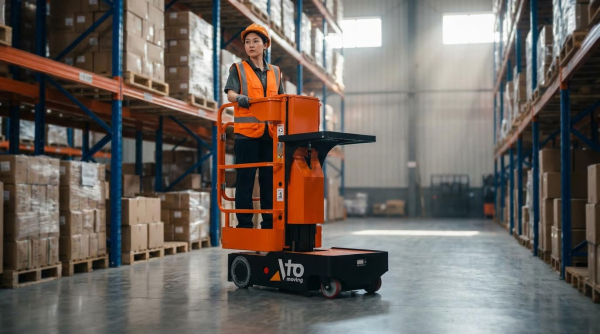
Warehouse leaders who ask “what is order picking in a warehouse” should view it as an integrated, end‑to‑end fulfillment engine rather than a single task. Order picking linked layout design, slotting, methods, automation, safety, and maintenance into one performance system. Technically, the article showed that throughput, accuracy, ergonomics, and lifecycle cost all depended on how well this system aligned with WMS, ERP, and physical flows. Strategic decisions on picking models, technology depth, and labor mix therefore had direct impact on service level, resilience, and total logistics cost.
From a technical standpoint, best‑in‑class operations combined demand‑based slotting, engineered pick paths, and appropriate picking methods such as batch, wave, zone, or tote picking. They synchronized material and information flows via tightly integrated WMS and ERP, using real‑time data, scan verification, and analytics to control cycle time, inventory accuracy, and labor productivity. Safety and ergonomics were not add‑ons but core design constraints, supported by risk assessments, compliant layouts, AGV/robot safety standards, and structured maintenance of all handling equipment. Automation options, from pick‑to‑light to ASRS and goods‑to‑person systems, offered large gains in travel reduction and space utilization but required careful ROI, scalability, and change‑management planning.
Looking ahead, warehouses that treated order picking as a strategic capability rather than a cost center were better positioned for e‑commerce volatility, shorter delivery windows, and labor constraints. Digital twins, predictive analytics, and mixed fleets of humans, cobots, and AGVs would continue to shift the optimum balance between flexibility and automation. Practically, organizations should start with robust KPIs, process discipline, and ergonomic improvements, then phase in higher automation where volume, variability, and footprint justified investment. A balanced roadmap that combined continuous improvement with targeted technology adoption allowed facilities to evolve from basic “what is order picking machines in a warehouse” questions toward a mature, data‑driven fulfillment strategy. Additionally, integrating tools like scissor platforms could enhance operational efficiency and safety.