Warehouse operators looking at how to improve warehouse picking accuracy need an integrated approach that links process engineering, data-driven slotting, and the right technology stack. This article walks through how to engineer the picking process for fewer errors, then explains how modern slotting analytics and AI raise both accuracy and throughput. It also reviews technology options from WMS and RF scanning to goods-to-person systems, cobots, and digital twins, and ends with a summary on designing for sustainable, long-term picking precision.
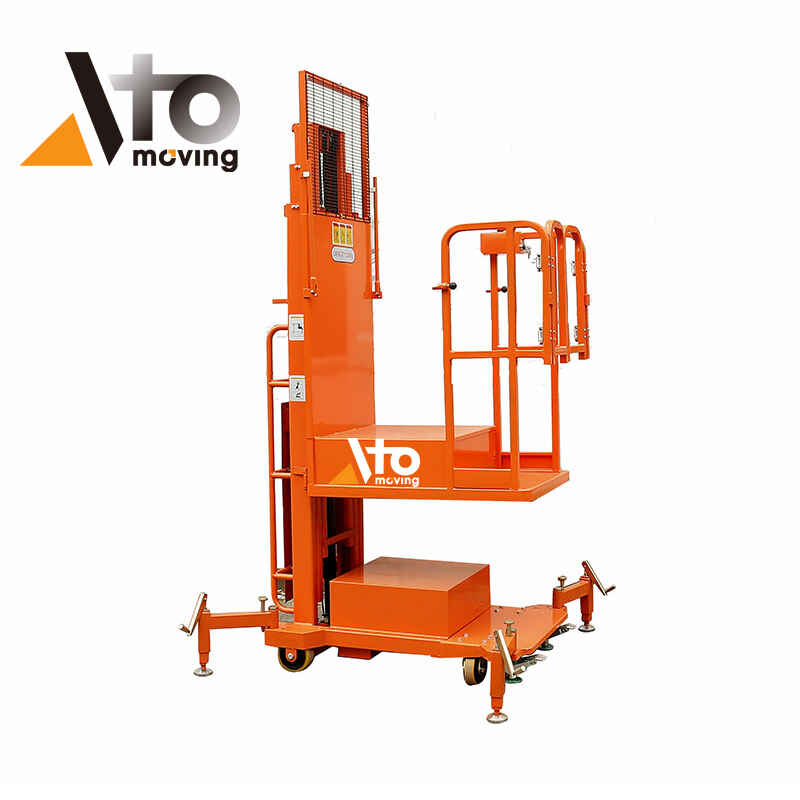
The focus is on practical design choices that reduce mis-picks, shorten travel, and stabilize service levels in high-velocity, seasonally volatile distribution environments. For operations considering advanced tools, options like warehouse order picker systems or scissor platform lift solutions can significantly enhance efficiency. Additionally, integrating equipment such as walkie pallet truck units can further streamline material handling workflows.
Engineering The Picking Process For Fewer Errors
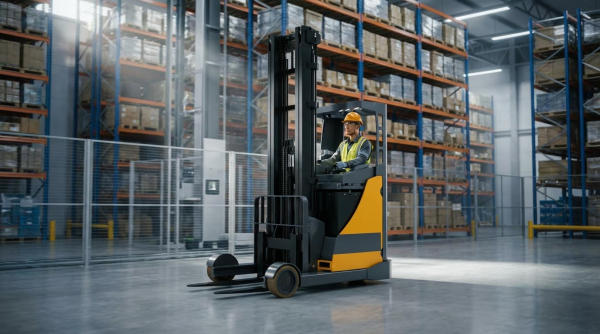
Engineering the picking process is the most controllable way to answer the question of how to improve warehouse picking accuracy. A structured approach to flows, paths, KPIs, layout, and lean methods reduces mis-picks while also cutting labor and travel time. This section focuses on process-level design decisions that underpin any later investments in slotting optimization, automation, or advanced software.
Mapping Material Flows And Pick Path Design
Start by mapping end-to-end material flows from receiving to shipping, with special focus on pick-face replenishment and order consolidation. Use a value stream map to document every step, queue, and handoff, including information flows from WMS or RF devices. Identify high-frequency routes between storage, picking, packing, and returns, then design primary and secondary pick paths around these dominant flows. Favor one-way traffic loops and clearly defined main aisles to reduce congestion and cross-traffic, which often cause detours and distraction-based mis-picks.
When deciding how to improve warehouse picking accuracy, standardize routing rules by picking method: single-order, batch, wave, or zone. For manual cart picking, keep paths short and simple, minimizing backtracking and dead ends. Use heatmaps from WMS travel data to place high-velocity SKUs closer to pick path spines, reducing travel distance and fatigue-related errors. Validate new path designs with walk-through simulations and small pilots, then lock them into the WMS so operators receive consistent, optimized routes.
Defining KPIs For Accuracy, Speed, And Labor Use
Define accuracy KPIs at both line and order level, such as line accuracy, order accuracy, and mis-picks per 1,000 lines. Measure error types separately: wrong item, wrong quantity, wrong unit of measure, and missed line, because each has different root causes. Track speed KPIs like lines picked per labor hour and internal order cycle time from release to pack confirmation. Combine these with labor utilization metrics, including direct picking time ratio and travel versus pick time, to understand trade-offs between speed and precision.
Automate KPI capture through the WMS, RF scanners, and, where available, pick-to-light or pick-to-color systems. Set realistic engineering standards based on time studies or historical data, not generic benchmarks. Use control charts to distinguish normal variation from process drift, then trigger root-cause analysis when thresholds are exceeded. Publish KPI dashboards near picking areas to give operators immediate feedback and to support coaching, not policing, which helps sustain long-term accuracy improvements.
Layout, Storage Modes, And Ergonomic Constraints
Layout directly affects how to improve warehouse picking accuracy because it shapes visibility, reach, and travel. Concentrate fast-moving SKUs in easily accessible zones near packing, using carton flow racks or shallow shelving for high line-count operations. Reserve deep pallet positions or high bay storage for reserve stock and low-velocity items, keeping primary pick faces at ergonomic heights between roughly 0.7 m and 1.6 m. Avoid placing small, visually similar SKUs in poorly lit or high locations, where mis-identification risk rises.
Select storage modes based on SKU characteristics: small parts in bins or drawers, medium items in shelving or flow racks, and full cases or pallets on rack beams. Use clear, consistent labeling and logical location codes that match WMS nomenclature to prevent cognitive overload. Apply ergonomic principles from relevant safety standards, limiting heavy or bulky item picks above shoulder or below knee height. Design workstations at consolidation and packing to minimize twisting and long reaches, which reduce operator fatigue and help maintain focus on item verification.
Lean Methods To Eliminate Non-Value Movements
Lean thinking provides a structured way to eliminate non-value-adding movements that mask accuracy problems. Classify typical warehouse wastes: unnecessary travel, excess handling, waiting for instructions, over-picking, and rework due to errors. Use spaghetti diagrams of picker routes to visualize motion and identify redundant loops or backtracking. Combine this analysis with ABC data to relocate high-frequency SKUs closer to main paths and to group items frequently ordered together, while still avoiding confusion between similar SKUs.
Standardize work for each picking method with clear, visual work instructions and defined sequences for scan, pick, verify, and place. Implement 5S in pick zones so tools, labels, and containers stay in fixed, obvious locations, reducing search time and distraction. Introduce simple error-proofing devices, such as mandatory barcode scans at pick and put points, or location confirmations before quantity entry. Run continuous improvement cycles, using small kaizen events to test layout tweaks, cart designs, and path rules, then lock in successful changes through updated standards and WMS configurations.
Data-Driven Slotting To Boost Accuracy And Throughput
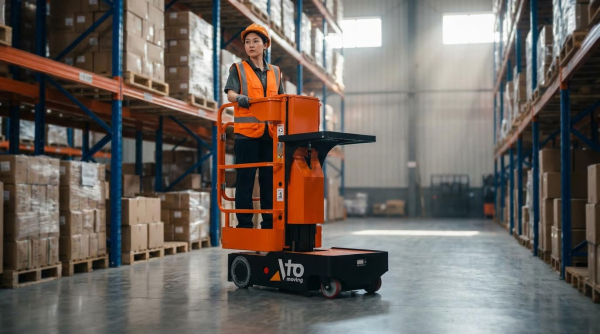
Data-driven slotting is one of the most direct answers to how to improve warehouse picking accuracy. By using demand, movement, and ergonomics data, engineers can place each SKU in its best possible location. This reduces travel, mis-picks, and congestion while increasing throughput and labor productivity. Modern slotting tools combine classical industrial engineering with data science to keep layouts aligned with fast-changing inventories.
Velocity, Affinity, And ABC-Based Slotting Rules
Velocity-based slotting groups SKUs by pick frequency and positions fast movers in the golden zone near high-traffic pick paths. ABC analysis formalizes this by classifying SKUs into A, B, and C classes based on order lines or unit demand. A-class items occupy the most accessible positions, with short travel distances and favorable pick ergonomics, which directly improves warehouse picking accuracy. Affinity rules place SKUs that appear together on orders close to each other, shortening multi-line paths and reducing search time.
Engineers must also consider physical constraints such as SKU dimensions, weight, and handling requirements when applying these rules. Heavy or bulky A-class SKUs may still require lower-level pallet positions for safety and ergonomic compliance. Affinity rules should avoid placing visually similar SKUs side-by-side to reduce look-alike picking errors. Combining velocity, ABC, and affinity with similarity-avoidance rules yields a structured, repeatable framework for high-accuracy slotting.
AI And ML Slotting Versus Rule-Based Approaches
Traditional rule-based slotting relies on fixed formulas and engineer-defined thresholds for velocity, ABC classes, and distance penalties. These models improve control but require periodic manual re-tuning and extensive data preparation. AI and machine-learning slotting engines instead learn patterns from historical order, movement, and task-time data. They predict pick and replenishment times for each candidate location and automatically search for layouts that minimize total cost.
Machine-learning models can process thousands of SKUs and locations, considering constraints like congestion, zoning, and equipment reach. They adapt to changes in demand, product mix, and labor conditions faster than manual engineering. This continuous optimization supports higher picking accuracy by tracking emerging error patterns and re-slotting risky SKUs. In practice, the best designs combine transparent rule-based policies with AI recommendations to balance explainability and performance.
Re-Slotting Strategies For Seasonal And Promo SKUs
Seasonal and promotional SKUs change velocity profiles rapidly, which challenges static layouts and degrades picking accuracy. Engineers should define explicit re-slotting triggers based on forecasted demand, order lines, or heatmap thresholds. High-velocity seasonal SKUs can move temporarily into prime forward-pick zones, displacing stable B- or C-class items. After the peak, SKUs return to reserve or deep storage to free space for the next campaign.
Scenario analysis helps estimate labor and disruption costs versus expected accuracy and throughput gains before executing re-slot moves. Data-driven slotting tools can generate “best move” lists that prioritize relocations with the highest time and error reduction. Re-slotting can occur by zone, shift, or wave to avoid overwhelming operations. Well-planned seasonal strategies preserve fast, intuitive pick paths even under volatile demand, which supports consistent warehouse order picker accuracy.
Integrating Slotting Outputs With WMS And LMS
Slotting models only improve warehouse picking accuracy when their outputs drive daily execution through the Warehouse Management System and Labor Management System. Integration via APIs or native modules ensures that location assignments, move tasks, and pick paths use current slotting decisions. The WMS generates and sequences stock relocation tasks, while RF scanners or voice devices guide operators through the new layout. Real-time updates keep inventory balances, locations, and pick faces synchronized during and after re-slotting.
The LMS consumes engineered or AI-derived standard times for each slot and path to measure labor performance fairly. It detects bottlenecks created by poor slotting and quantifies the impact of layout changes on travel and error rates. Analytics dashboards can overlay slotting recommendations with heatmaps of congestion, mis-picks, and late orders. This closed feedback loop allows engineers to refine slotting rules and models continuously, sustaining long-term gains in accuracy and throughput. Tools like scissor platform lift and walkie pallet truck further enhance operational efficiency.
Technologies To Improve Order Picking Precision
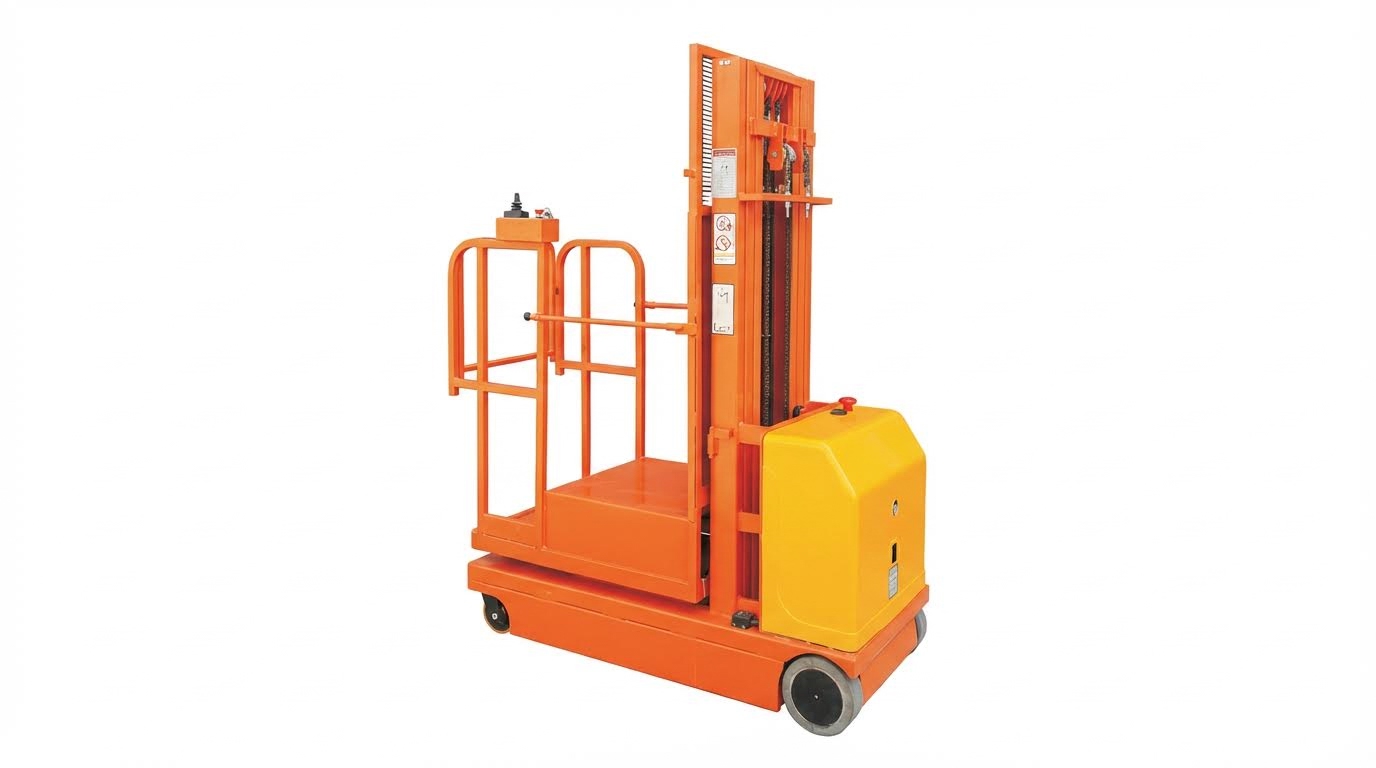
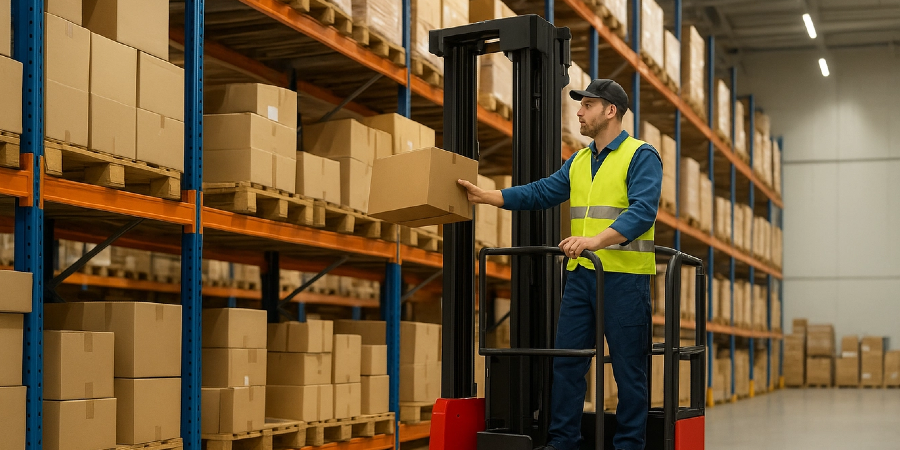
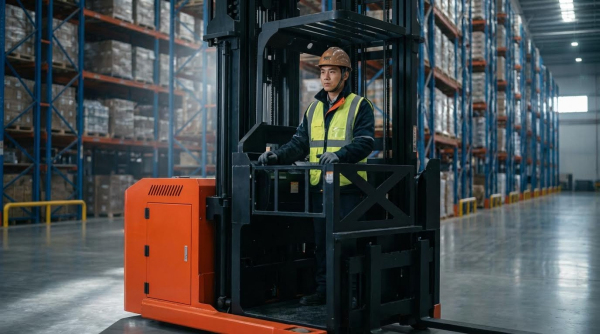
Technology selection is one of the fastest levers when deciding how to improve warehouse picking accuracy. The right warehouse order picker links process design, engineered slotting, and workforce management into a closed feedback loop. In this section, the focus stays on core digital systems and automation that raise pick precision while controlling labor and capital intensity.
WMS, RF Scanning, And Real-Time Inventory Control
A warehouse management system (WMS) provided the backbone for accurate picking by enforcing location control, task sequencing, and inventory traceability. To improve warehouse picking accuracy, engineers configured the WMS to drive standardized picking methods, validate locations, and record exceptions in real time. RF scanners or mobile terminals paired with barcode or 2D code labels allowed operators to confirm item, location, and quantity with each pick, which sharply reduced substitution and short-pick errors. Real-time inventory visibility also supported engineered slotting decisions, ensuring that velocity-based locations stayed aligned with current demand and that replenishment occurred before pick locations ran empty. When integrated with labor management systems, the WMS exposed accuracy KPIs by picker, zone, and shift, enabling targeted coaching and process changes.
Pick-To-Light, Put-To-Light, And Pick-To-Color Aids
Pick-to-light and put-to-light systems used light modules and numeric displays to guide operators to the correct location and quantity. These visual cues shortened search time and reduced cognitive load, which directly improved warehouse picking accuracy in high-SKU, high-line-count environments. Pick-to-color interfaces extended the concept by assigning colors to orders, SKUs, or destinations so operators could match what they saw on screens or displays with physical positions, which supported very fast, repetitive picking with low error rates. These systems worked especially well in batch and cluster picking, where operators handled dozens of orders simultaneously and traditional paper or RF-only methods struggled. From an engineering perspective, the key was to link light or color logic tightly with WMS order waves and slotting rules so that every signal reflected the current inventory truth and route plan.
Goods-To-Person, AS/RS, And Robotic Picking Cells
Goods-to-person systems, automated storage and retrieval systems (AS/RS), and robotic picking cells improved accuracy by removing much of the travel and search variability from human work. In goods-to-person designs, shuttles, vertical lift modules, or carousels brought totes or trays to an ergonomically designed station, where operators picked under light, vision, or weight verification. This arrangement concentrated picking in controlled zones, which simplified training and allowed tighter quality checks, thereby improving warehouse picking accuracy for small parts and e‑commerce orders. AS/RS combined high-density storage with precise location control, which minimized mis-slotting and lost inventory that later manifested as pick errors. Robotic picking cells added machine vision and grippers to execute repetitive picks with consistent motion patterns; engineers often paired them with human verification or weight checks for fragile or highly similar SKUs. These technologies required higher capital but delivered strong gains in accuracy, space utilization, and throughput when SKU profiles and order volumes justified the investment.
Cobots, Digital Twins, And AI Workflow Optimization
Cobots supported pickers by handling travel, carrying loads, or presenting totes at optimal height, while humans focused on identification and exception handling. This division of labor reduced fatigue, which indirectly improved warehouse picking accuracy during long shifts or peak seasons. Digital twins of the warehouse created a virtual model of layout, slotting, and flows; engineers used these models to simulate new pick paths, batching rules, and equipment configurations before physical changes, quantifying impacts on error risk and travel time. AI-based workflow optimization engines consumed WMS, slotting, and labor data to assign tasks dynamically, balance zones, and minimize congestion around popular SKUs. These systems learned from historical error patterns, for example flagging locations with high mis-pick rates or SKUs that operators often confused, and then adjusted slotting, lighting aids, or verification steps. When combined, cobots, digital twins, and AI created a closed-loop environment where every pick generated data that fed back into continuous improvement of accuracy, speed, and labor use.
Summary: Designing For Sustainable Picking Accuracy
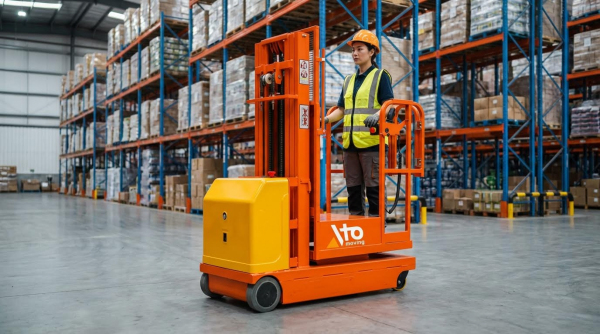
Designing how to improve warehouse picking accuracy required an integrated approach across process engineering, data-driven slotting, and technology selection. Operations teams first stabilized core flows with clear pick paths, ergonomic layouts, and tightly defined KPIs for accuracy, cycle time, and labor productivity. They then layered advanced slotting analytics and continuous re-slotting on top of these foundations, before selectively deploying WMS, assistance systems, and automation that aligned with the engineered processes.
From the data side, modern slotting solutions used historical, current, and forecast demand to position SKUs by velocity, affinity, and handling constraints. These tools shortened pick travel, reduced touches, and prevented high-risk situations such as placing visually similar SKUs side by side. Machine-learning models continuously recalculated “best moves,” pushed re-slotting tasks into the WMS, and adapted to seasonal or promotional profiles, which directly reduced mispicks and late shipments while increasing space utilization and throughput.
Technology choices for improving warehouse picking accuracy evolved along a maturity curve. Sites started with WMS plus RF scanning and rule-based pick paths, then added pick-to-light, pick-to-color, and put-to-light aids to reduce cognitive load and confirmation errors. Next, goods-to-person systems, AS/RS, and robotic or cobot cells took over repetitive travel and high-frequency picks, while digital twins and AI workflow engines optimized labor deployment and scenario testing. Sustainable accuracy depended less on any single technology and more on the closed loop between engineered standards, real-time data, and continuous improvement. Facilities that treated accuracy as a designed system property, rather than a training issue, achieved durable gains in service level, cost per line, and worker safety. Some facilities also incorporated warehouse order picker systems and scissor platform lift solutions to further enhance efficiency. Additionally, the use of manual pallet jack equipment streamlined manual operations where automation was not feasible.