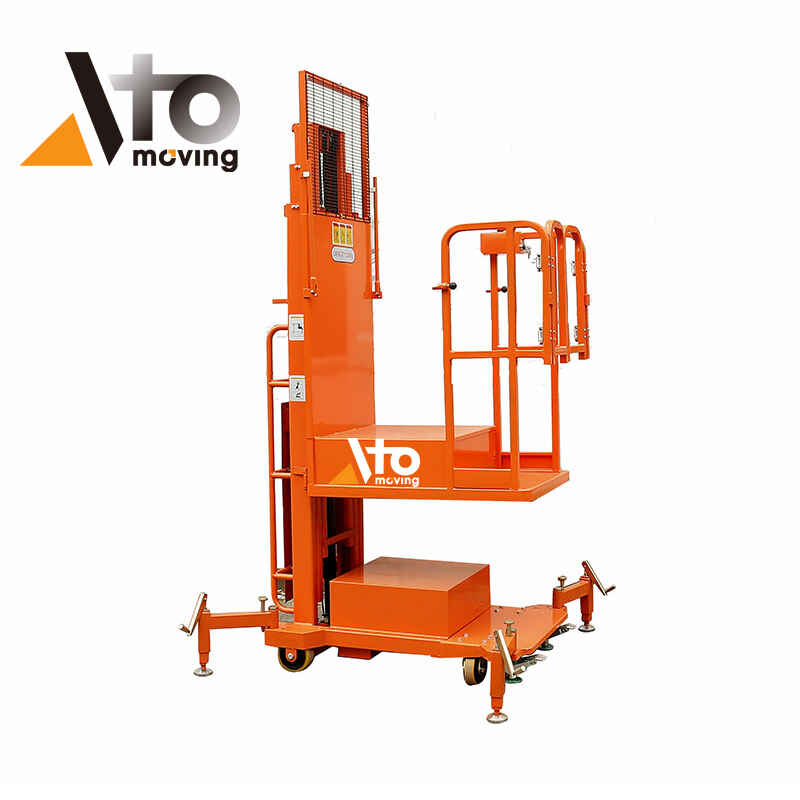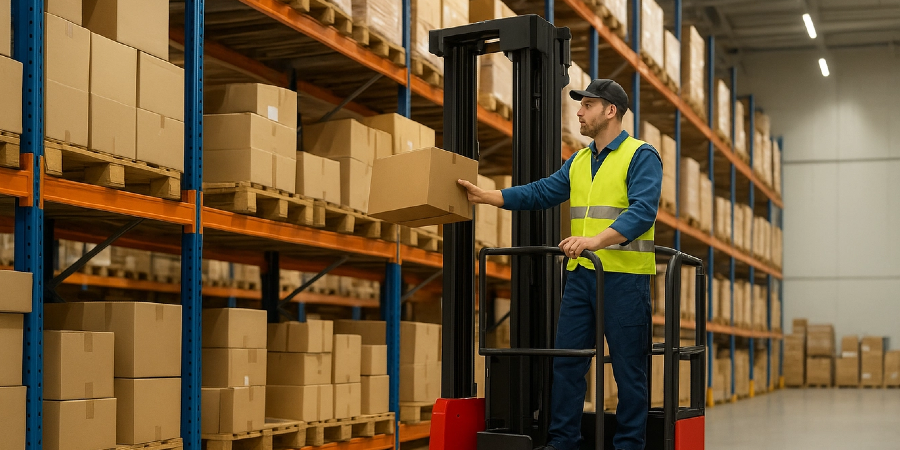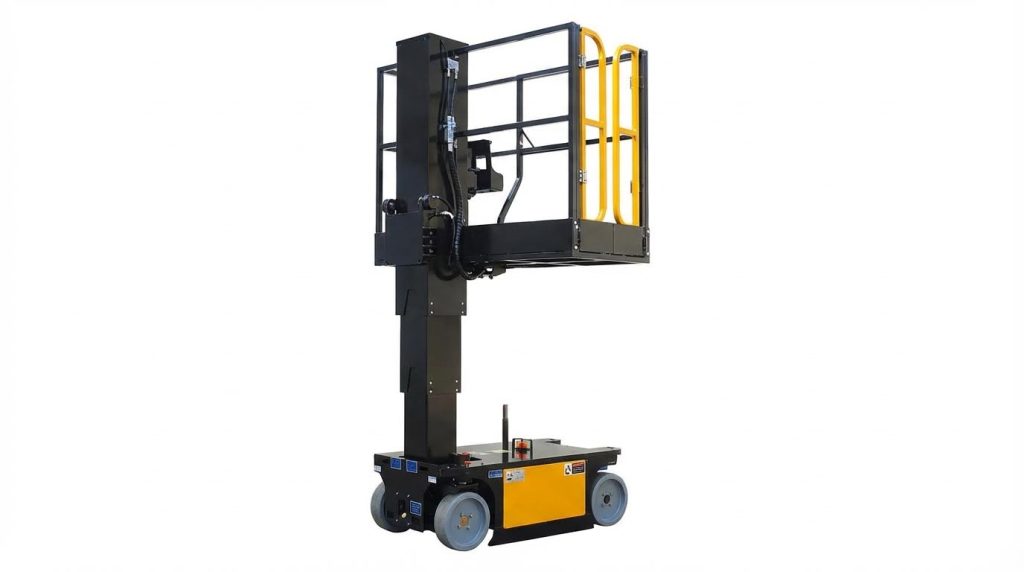
Warehouse picking efficiency and error reduction strategies covered in this article span layout engineering, digital control, and automation. The complete outline addresses how to design warehouse zones, slotting, and pick paths, then layer WMS, voice, and analytics for real-time accuracy. It also examines automation technologies such as AMRs, ASRS, vertical lift modules, and guided light systems, including their lifecycle and retrofit implications. The article concludes with a synthesis of key levers that logistics engineers can apply to build high-performance, low-error picking operations.
Engineering Warehouse Layouts For Fast, Accurate Picks
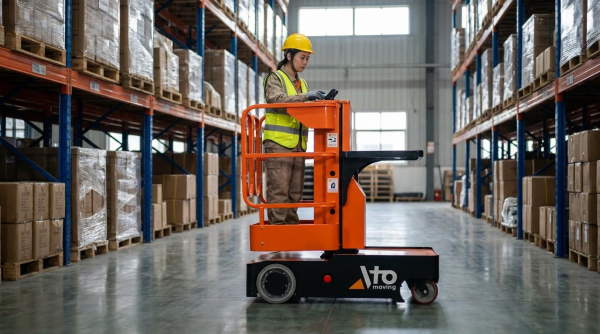
Engineering the physical layout of a warehouse directly influenced picking speed, error rates, and labor cost. High‑performance facilities used clearly defined zones, optimized slotting, short travel paths, and ergonomic workstations to support repeatable, low-variance operations. The following subsections described layout decisions that reduced non-value-adding movement and provided a stable foundation for digital and automated solutions.
Zoning, Returns Segregation, And Flow Design
Well-engineered zoning separated inbound, storage, picking, consolidation, and shipping into distinct, logically connected areas. Designers placed picking zones away from product returns processing to avoid commingling inspected and unverified stock, which historically caused inventory inaccuracies and mispicks. A clear flow from goods receipt through storage to packing minimized cross-traffic between pedestrians, lift trucks, and automated equipment, reducing congestion and safety risk. Modern layouts also reserved staging or buffer areas for cross-docking or high-velocity SKUs, enabling direct transfer to shipping without unnecessary put-away cycles.
Engineers mapped typical order flows and peak-period volumes before fixing zone boundaries. They located high-throughput picking areas close to packing and shipping to compress the last-meter travel distance. Returns areas included quarantine locations, inspection benches, and dedicated put-away lanes feeding back into storage under WMS control, ensuring traceability. Signposted, one-way circulation routes for pallet jacks, forklifts, and AMRs further reduced conflicts with pickers and stabilized travel times.
Slotting Rules, ABC Analysis, And Replenishment Logic
Effective slotting used demand data, SKU dimensions, and handling constraints to position items where pickers accessed them with minimal effort. ABC analysis classified SKUs by order frequency or line hits, placing A-items in the most accessible positions, typically near pick faces and at ergonomic heights between 0.7 m and 1.6 m. Engineers combined turnover data with compatibility rules, separating similar-looking SKUs and hazardous materials to reduce visual confusion and compliance risks. WMS-driven slotting engines continuously recalculated locations as demand patterns shifted, supporting seasonal re-slotting and new product introductions.
Replenishment logic complemented slotting by protecting pick faces from stockouts. Systems defined minimum and maximum levels, triggering automatic tasks when stock fell below safety thresholds so pickers did not arrive at empty locations. Replenishment routes grouped tasks by aisle to minimize additional travel and avoid interference with active picking. In high-density or automated storage, engineers tuned case or pallet break locations so that bulk storage fed forward pick faces efficiently, balancing cube utilization against replenishment labor.
Pick Path Optimization And Travel Distance Reduction
Travel time typically represented the largest component of manual picking labor, so path design had a disproportionate impact on productivity. Engineers selected picking strategies—such as discrete order, batch, or zone picking—based on order profiles and line counts per order. Within each strategy, WMS or WES software sequenced locations to avoid backtracking, favoring serpentine or U-shaped routes that passed each aisle once. Facilities with carton flow or pick modules concentrated high-velocity SKUs along the shortest routes to packing, further reducing walking distance.
Advanced systems used algorithmic route optimization, considering aisle directionality, congestion patterns, and equipment type. For example, pallet jacks and AMRs required wider turning radii and different optimal paths than cart-based pickers. Engineers validated proposed paths with time-and-motion studies and heat maps of historical travel data. When analysis revealed excessive walking, they rebalanced SKU assignments, reoriented aisles, or introduced intermediate consolidation points to shorten average route length without compromising accuracy.
Ergonomics, Lighting, Signage, And Safety Design
Ergonomic layout design protected operators while also improving accuracy and speed. Frequently picked items occupied primary reach zones, avoiding repetitive bending, stretching, or ladder use, which reduced fatigue and associated picking mistakes. Workstations at packing or kitting areas grouped tools, consumables, and scanners within easy reach, eliminating unnecessary micro-movements. Adjustable bench heights and anti-fatigue flooring further reduced musculoskeletal strain over long shifts.
Lighting and visual management supported
Digital Systems: WMS, Voice, And Real-Time Accuracy
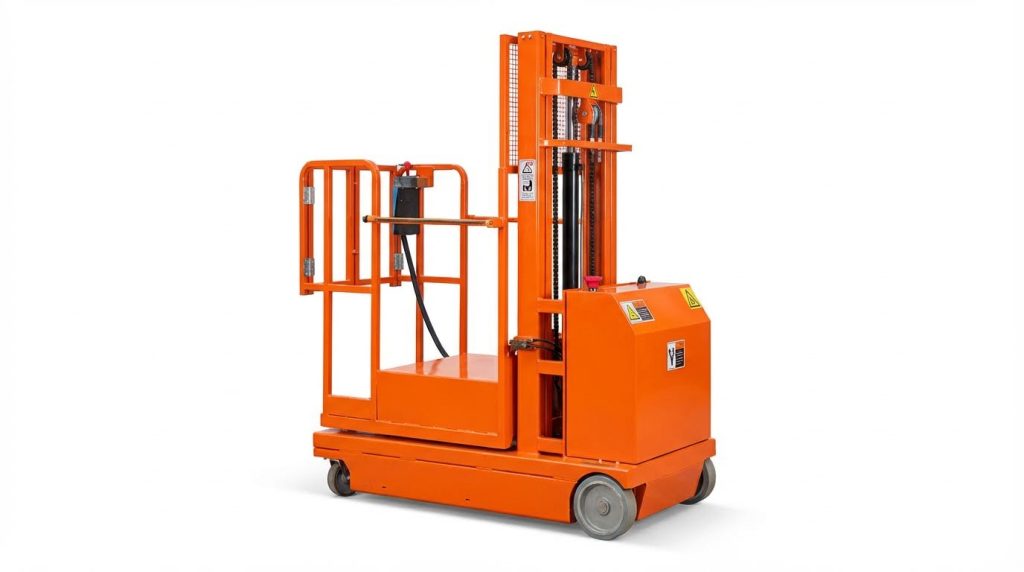
Digital systems formed the backbone of modern high-performance picking operations. They connected physical flows with information flows, enabling traceability, error-proofing, and continuous optimization. Well-implemented WMS, WES, and ERP stacks reduced walking, prevented stockouts, and standardized best practices across shifts and sites. Voice, RF, and scan technologies, combined with robust analytics and inventory control, allowed warehouses to reach accuracy levels above 99.9% while maintaining high throughput.
WMS, WES, And ERP Integration For Traceability
A Warehouse Management System (WMS) orchestrated storage, slotting, picking strategies, and replenishment in real time. A Warehouse Execution System (WES) or Warehouse Control layer synchronized automation such as conveyors, AMRs, AS/RS, and VLMs, sequencing work to avoid bottlenecks. Integration with ERP ensured that orders, inventory status, and master data flowed bidirectionally, eliminating manual re-entry and timing mismatches. This stack provided full traceability from goods receipt to shipment, with each SKU movement time-stamped and location-stamped. Real-time stock visibility reduced lost items, duplicates, and misplaced products, especially when combined with automated stock control. High-density and automated systems, coordinated by WES and WMS, presented the correct bin or tote to the picker, enforcing controlled access to inventory. Such integration supported cross-docking, wave or batch picking, and dynamic re-slotting based on demand patterns. It also created a single source of truth for compliance reporting, customer service queries, and root-cause analysis after incidents.
Voice, RF, And Scan-Based Error-Proofing
Voice-directed picking used wearable computers and headsets to deliver instructions and receive verbal confirmations. This hands-free, eyes-up mode reduced cognitive switching between paper lists, screens, and shelves, which historically caused mispicks and transposed quantities. Deployments of Honeywell-type voice systems in large operations reported error reductions of 50–90% versus paper and 8–25% versus RF scanning, with accuracy above 99.99%. RF terminals and barcode or RFID scanners still played a critical role where visual confirmation and data capture were required. Scan-based validation ensured that the picked SKU and quantity matched the task, with automatic alerts for discrepancies at the point of pick. Light-directed systems at pick or put stations further error-proofed operations by indicating the correct bin and quantity with high visual clarity. Combining voice, scanning, and light guidance allowed facilities to tailor technology to temperature-controlled areas, hazardous zones, or high-velocity pick faces. These systems also shortened training time for new hires, who reached target productivity within hours or days instead of weeks. Error-proofing at source avoided downstream costs for repicks, re-deliveries, and returns handling.
KPI Definition, Analytics, And Continuous Improvement
Digital picking environments generated large volumes of time-stamped operational data. Defining the correct KPIs was essential; typical indicators included picking accuracy rate, lines picked per labor hour, internal order cycle time, and on-time shipment percentage. Advanced analytics modules and supply chain dashboards processed this data to detect bottlenecks, imbalances in workload, and non-value-adding movements. Labor Management System functions compared actual versus engineered standards to highlight underutilized capacity or unrealistic targets. Real-time performance views enabled supervisors to reassign resources dynamically, for example redirecting workers to congested zones or urgent waves. Historical trend analysis supported decisions on layout changes, slotting rules, and automation investments. Gamification features, such as rankings or recognition for top performers, improved engagement while relying on objective data rather than subjective impressions. Continuous improvement loops used error pattern analysis to refine training, labeling standards, and pick-path logic. Predictive analytics also supported demand forecasting, seasonal re-slotting, and proactive staffing plans.
Inventory Accuracy, Cycle Counting, And Stock Control
Accurate inventory underpinned every digital picking strategy. WMS-based real-time stock management updated quantities with each receipt, movement, pick, and adjustment, reducing reliance on periodic full physical counts. Cycle counting programs, driven by ABC classification, focused more frequent checks on high-value or high-velocity SKUs. Automated systems, including AS/RS, VLMs, and goods-to-person robots, presented bins in a controlled manner, which minimized unrecorded touches and positioning errors. Weight checks on conveyors at goods receipt compared declared and actual weights to detect discrepancies early
Automation, Robotics, And Goods-To-Person Solutions
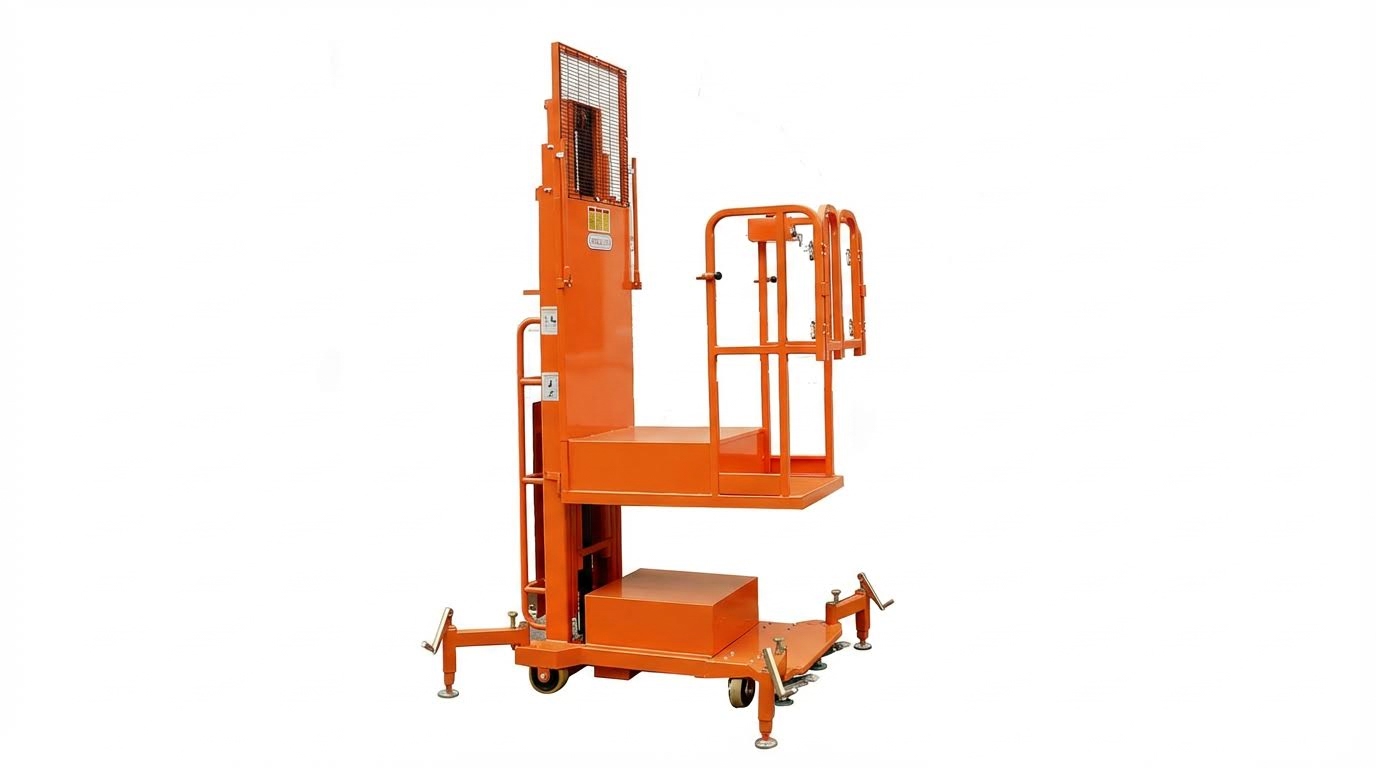
Automation in warehouse picking aimed to increase throughput, stabilize quality, and reduce dependence on manual labor. Engineers combined transport automation, robotic handling, and advanced software to shorten order cycle times and reduce walking distances. The most effective designs integrated mechanical systems with WMS or Warehouse Execution Systems to orchestrate storage, picking, and replenishment. A structured comparison of technologies helped match investment levels to SKU profiles, order patterns, and building constraints.
Conveyors, AMRs, ASRS, And Vertical Lift Modules
Conveyors created fixed, high-availability transport links between receiving, storage, picking, and packing. They reduced manual handling and walking but required careful accumulation control and safety guarding. Autonomous Mobile Robots (AMRs), including Shelf-to-Person and Pallet-to-Person units, provided flexible transport and could reach 350 picks per hour with accuracy above 99.9%. AMRs supported multi-order handling, removed forklift bottlenecks on inbound flows, and adapted to seasonal peaks through fleet scaling. Automated Storage and Retrieval Systems (ASRS) and Vertical Lift Modules (VLMs) used vertical space up to about 12 m, increasing storage density by factors near five while maintaining access accuracy around 99.9%. Case studies reported picking time reductions of roughly 75% per job and large reductions in inventory write-offs due to controlled access and integrated barcode verification.
Pick-To-Light, Put-To-Light, And Guided Workflows
Pick-to-light systems used indicator lights and numeric displays at storage locations to signal which SKU and quantity operators should pick. These systems reduced cognitive load, minimized eye movements between paper lists and shelves, and supported pick rates above 1,000 lines per day in dense zones. Put-to-light solutions reversed the logic for consolidation, guiding operators to distribute bulk-picked items into multiple customer orders with location lights. This approach supported batch and multi-order picking, reduced sorting errors, and maintained real-time order status through WMS integration. Guided workflows combined light devices, barcode or RFID scanning, and software validation to enforce sequence, quantity, and location checks. Vendors reported pick accuracy levels of 99.9% or higher and significant reductions in returns, rework, and shrinkage when facilities replaced paper tickets with light-directed and scan-validated processes.
Cobot Cells, Goods-To-Person, And Hybrid Systems
Collaborative robot (cobot) cells supported operators at ergonomic workstations by handling repetitive reach, lift, or place motions. Cobots worked well for kit assembly, high-frequency SKU handling, and environments requiring special clothing, where human dexterity still mattered. Goods-to-person systems, driven by AMRs, shuttles, or VLMs, brought totes, shelves, or pallets directly to pick stations, nearly eliminating walking. Measured performance for shelf-to-person solutions exceeded 350 picks per hour with accuracy near 99.99%, especially when combined with light guidance and scanning. Hybrid systems mixed manual shelving, conveyors, AMRs, and static pallet racking to align automation levels with SKU velocity and order profiles. Centralized software, such as WMS or WES, coordinated robots, light systems, and human tasks, enabling dynamic slotting, task interleaving, and resilience during equipment failures. This orchestration allowed operators to focus on value-adding decisions while automation handled transport, presentation, and verification.
Lifecycle Costs, Scalability, And Retrofit Constraints
Evaluating automation required a full lifecycle cost view, including capital expenditure, software licenses, maintenance, energy, and periodic upgrades. Facilities compared labor savings, error reduction, and space recovery against depreciation periods and expected demand volatility. Modular systems such as AMRs, VLMs, and light-directed stations scaled more easily than fixed conveyor networks because operators could add robots, modules, or bays incrementally. Retrofit projects in existing buildings faced constraints from ceiling height, floor loading, fire regulations, and aisle widths, which limited ASRS heights or robot paths. Engineers often started with pilot zones, such as a high-velocity SKU cluster, to validate throughput and integration before wider rollout. Flexible architectures, open interfaces to WMS and ERP, and configurable software for workflows and analytics reduced obsolescence risk and supported future strategy shifts, including 3PL outsourcing or e-commerce growth.
Summary: Key Levers For High-Performance Picking
Engineering high‑performance picking required a concurrent focus on layout, processes, people, and technology. Warehouses that re‑zoned storage, segregated returns, optimized slotting with ABC analysis, and shortened pick paths consistently reduced travel time and error exposure. Ergonomically designed workstations, adequate lighting, and clear signage further lowered fatigue‑driven mistakes and improved sustained throughput.
Digitization formed the backbone of accuracy. Integrated WMS/WES–ERP stacks provided end‑to‑end traceability, orchestrated picking strategies, and enabled real‑time inventory control. Voice, RF, and scan‑based workflows historically cut error rates by double‑digit percentages, while KPI frameworks and analytics turned raw data into targeted continuous‑improvement actions.
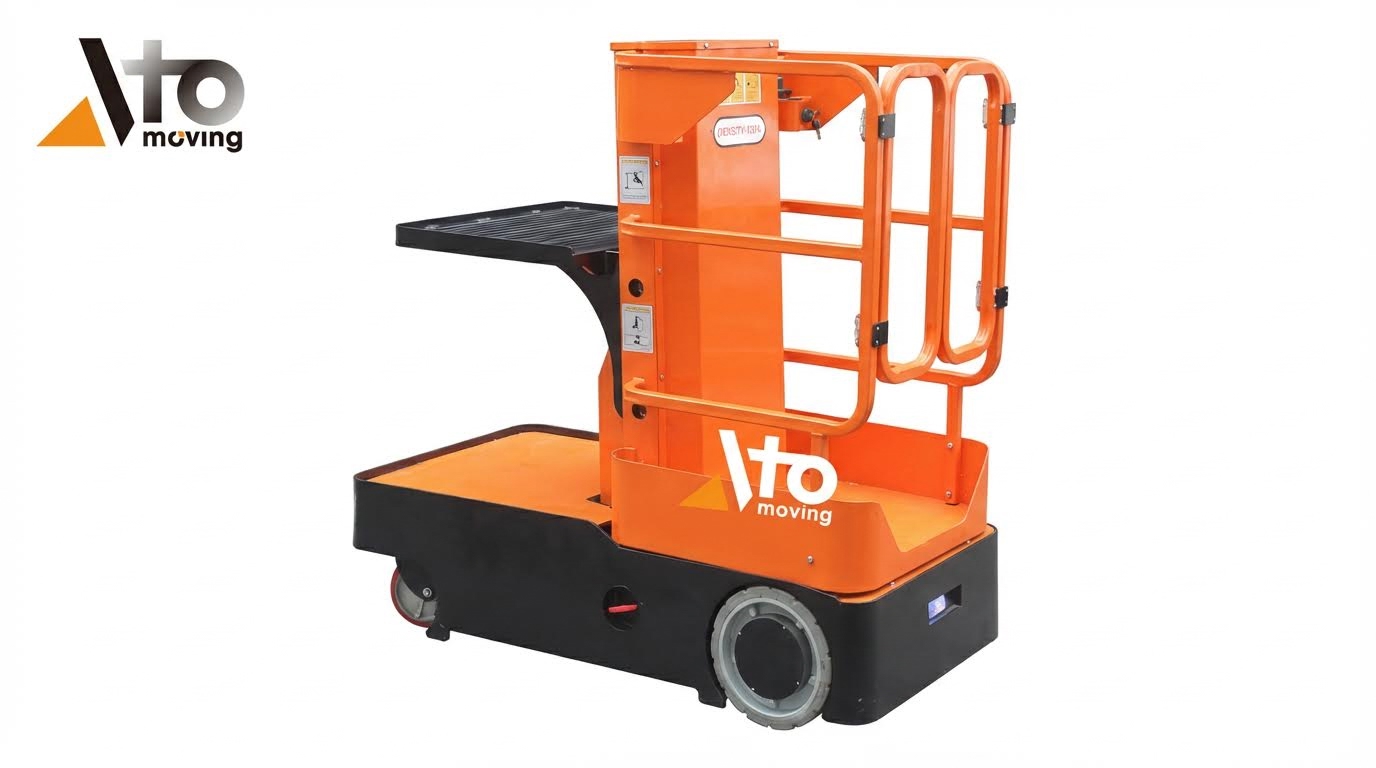
Automation and robotics amplified these gains where volumes and profiles justified the investment. Conveyors, AMRs, ASRS, and vertical lift modules pushed pick rates above 300 lines per hour with accuracies near or above 99.9%. Goods‑to‑person, order picking machines, and put‑to‑light systems reduced cognitive load and walking, but required careful attention to lifecycle costs, scalability, and retrofit constraints in brownfield facilities.
In practice, the most resilient operations followed a phased roadmap. They stabilized processes and inventory accuracy first, then layered guidance technologies, and finally introduced mechanization or robotics in the highest‑impact zones. A balanced perspective treated automation as a force multiplier for well‑engineered processes, not a substitute for them. As e‑commerce expectations and labor constraints tightened, facilities that combined disciplined layout engineering, robust digital control, and selectively deployed automation achieved superior service levels and sustainable unit costs.