Warehouse picking design combined layout engineering, standardized methods, and digital control to raise throughput and accuracy. This article covered how to engineer the physical picking environment, from layout, storage systems, slotting rules, and traffic management, to create short, safe, and repeatable pick paths. It then examined standardized picking methods and workflows, including structured pick strategies, cart and path rules, returns and cross-docking handling, and Lean waste reduction. Finally, it addressed digital systems, automation, and performance control, showing how WMS logic, assistance technologies, goods-to-person automation, KPIs, and predictive analytics stabilized high-performance picking operations.
Engineering The Physical Picking Environment
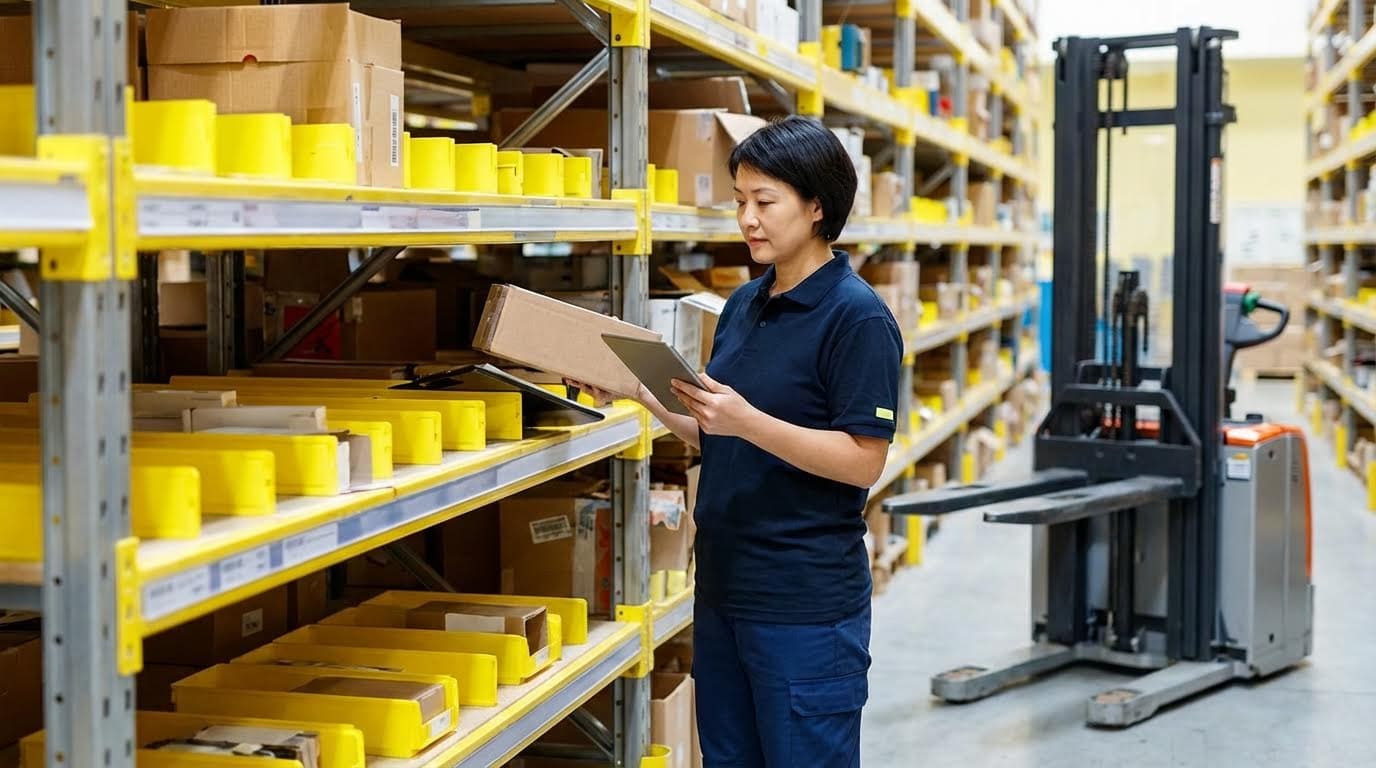
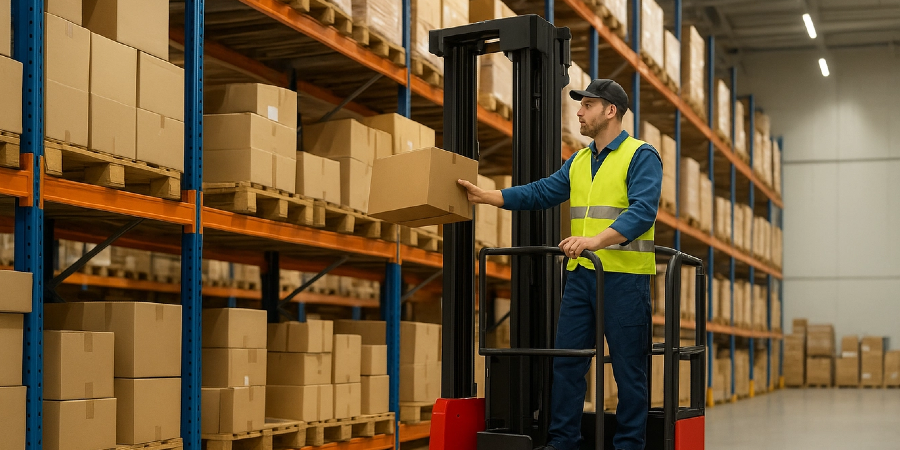
The physical picking environment defined the baseline for travel distance, error rate, and operator fatigue. Engineering teams structured layout, storage systems, slotting, and safety rules as one integrated design. This section focused on shortening pick paths, matching storage technology to demand patterns, and reducing handling risk while complying with safety standards.
Layout Design For Shortest Pick Paths
Engineers designed warehouse layouts to align with the sequence of order preparation: receipt, storage, replenishment, picking, and packing. They separated picking and returns areas to avoid congestion, stock loss, and uncontrolled inventory adjustments. High-frequency pick zones sat closest to packing and dispatch, with clear one-way aisles to reduce cross-traffic and deadheading. Software-optimized pick paths used slotting data and predefined rules to minimize backtracking and concentrated travel in compact pick modules. Designers allocated more floor area to picking by using compact storage elsewhere, ensuring that fast movers remained accessible without long walking distances.
Storage Systems Selection And Configuration
Storage system choice depended on SKU velocity, unit load, and required access frequency. Carton flow racks supported high-throughput piece picking by presenting products at the pick face and using gravity-fed replenishment from the rear, which reduced picker travel. Pallet racking with dedicated single-SKU pallets worked best for full-pallet or case picking, with high-consumption SKUs placed on lower beam levels to limit lifting effort and cycle time. Drive-in or other compact pallet systems concentrated reserve stock, freeing space for wider picking aisles and additional pick faces. Engineers validated beam loads, floor capacities, and clearances against applicable standards and ensured flue spaces for sprinkler effectiveness in dense configurations.
Slotting Logic By Velocity, Size, And Handling Risk
Slotting logic used real demand data such as order frequency, line-item mix, and seasonality. High-velocity SKUs occupied primary pick zones near packing and at ergonomic heights between mid-thigh and shoulder. Larger or heavier items went into positions that minimized long carries and allowed use of handling equipment without complex maneuvers. Products with higher handling risk, such as fragile, hazardous, or temperature-sensitive goods, followed stricter zoning and segregation rules, including clear labeling and controlled access. Engineers periodically re-ran slotting analyses to reflect demand shifts, ensuring that pick paths and storage assignments remained optimal over time.
Ergonomics, Safety, And Traffic Management
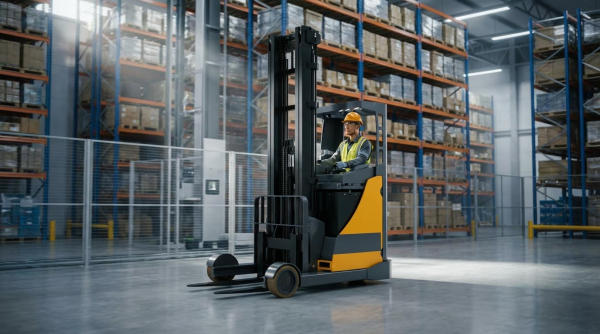
Ergonomic design reduced musculoskeletal strain and sustained picking speed across shifts. Workstations at packing and high-density pick zones used adjustable heights, minimal reach distances, and logical tool placement. Traffic management plans defined dedicated pedestrian and equipment lanes, intersection rules, and speed limits for walkie pallet truck and automated vehicles. Proximity detection systems and virtual safety zones around AGVs supported safe coexistence with manual operations in shared aisles. Clear signage, floor markings, and adequate lighting improved location identification and reduced collision risk, while regular training ensured that operators understood layout changes, slotting rules, and emergency procedures.
Standardizing Picking Methods And Workflows
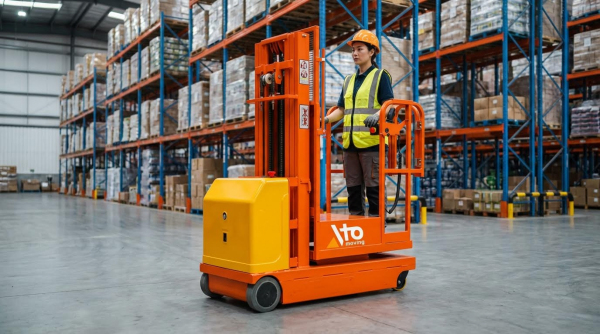
Standardized picking methods created predictable, repeatable warehouse performance. Engineers defined methods, tools, and decision rules so operators executed work consistently regardless of shift or demand variability.
Comparing Wave, Batch, Zone, And Tote Picking
Wave picking grouped orders by common attributes such as carrier, cutoff time, or shipping zone. It synchronized picking with packing and shipping, which reduced dock congestion and changeovers. Batch picking combined lines from multiple orders into a single pick tour, which minimized travel for high-SKU, small-order profiles. Zone picking divided the warehouse into fixed areas where operators picked only within their zone, then consolidated partials downstream. Tote picking used standard containers to combine picking, consolidation, and sometimes packaging in one flow, improving control for e-commerce and small-parcel operations.
Pick Path Rules, Cart Design, And Kitting Standards
Engineers defined pick path rules to avoid backtracking and dead ends, typically following a serpentine or U-shaped sequence. Software-based path optimization used slotting data and congestion constraints to minimize walking distance and cross-traffic. Cart design followed payload, SKU size, and order profile, with clear separation between orders to prevent mixing and error. Standard locations for scanners, labels, and documentation reduced motion and improved ergonomics. Kitting standards specified when to pre-build kits versus kit-on-demand, defining bill-of-materials accuracy, labeling conventions, and verification steps to maintain traceability and reduce rework.
Returns, Cross-Docking, And Exception Handling
Standardized returns processes separated reverse flows from forward picking to avoid inventory contamination. Technicians inspected, graded, and dispositioned returns with clear rules for restock, rework, or scrap, while WMS updates maintained stock integrity. Cross-docking rules defined which SKUs bypassed storage based on lead time, demand stability, and packaging compatibility. Exception handling workflows covered short-picks, damages, and inventory mismatches, with operators using RF or voice prompts to trigger quarantine locations and automatic notifications. These standards limited ad-hoc decisions on the floor and preserved data quality for planning and analytics.
Lean Practices To Eliminate Non-Value Movements
Lean practices focused on reducing travel, searching, waiting, and unnecessary handling in picking. Engineers mapped value streams from order release to ship confirmation and identified bottlenecks such as congested aisles, poorly slotted SKUs, or manual documentation. 5S programs organized pick faces, carts, and workstations so operators located tools and products without searching. Visual controls, clear signage, and standardized work instructions reduced cognitive load and training time. Continuous improvement loops used KPIs like internal order cycle time and picks per labor hour to prioritize kaizen events and validate changes in methods or layouts.
Digital Systems, Automation, And Performance Control
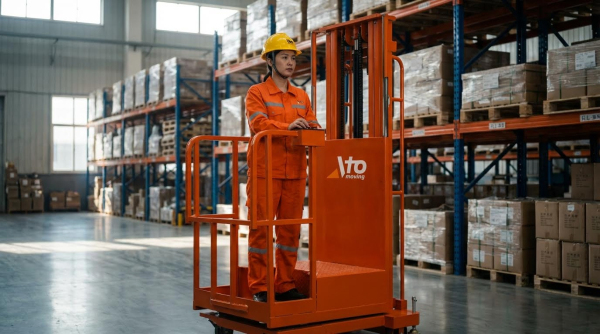
Digital systems formed the backbone of high-performance picking operations. They linked demand signals, inventory, and physical flows in real time. Well-designed automation reduced travel, stabilized throughput, and cut error rates. Performance control layers then ensured that gains stayed repeatable under changing demand patterns.
WMS Rules, Integration, And Data Standards
A warehouse management system governed how orders, inventory, and tasks flowed through the facility. Robust rule sets defined allocation logic, picking strategies, replenishment triggers, and cartonization parameters. Tight integration with the ERP ensured order, inventory, and shipment data synchronized automatically in both directions. Standardized master data, including SKUs, units of measure, dimensions, and lot/expiry attributes, enabled accurate FEFO/FIFO control and pick sequencing. Real-time location control down to zone, aisle, bay, and bin supported optimized slotting and guided navigation. Consistent identifiers and barcode standards across systems reduced interface errors and ensured traceable, audit-ready picking histories.
Pick Assistance: Scanning, Voice, And Pick-To-Light
Pick assistance technologies increased accuracy by turning each pick into a verification event. Scan-driven workflows used barcodes on locations, items, and totes to confirm SKU, quantity, and lot before the picker moved on. Voice-directed systems provided hands-free instructions and confirmations, improving productivity in environments where operators handled bulky or temperature-sensitive items. Pick-to-light and put-to-light installations used light modules at storage or consolidation positions to indicate where to pick or place, which was especially effective in high-line-count or small-parts operations. Error feedback, such as audible alerts on mismatched scans, allowed immediate correction and reduced downstream quality checks. Selecting among these technologies required balancing accuracy targets, product characteristics, and capital budgets.
Goods-To-Person, Conveyors, Robots, And Cobots
Goods-to-person systems inverted traditional walking-intensive picking by bringing totes or cartons to fixed stations. Automated storage and retrieval systems, shuttles, and conveyors coordinated to stage work so operators picked continuously with minimal idle time. Safety engineering in these systems integrated fire protection, controlled disassembly methods, and robot behaviors that halted and moved to safe zones on alarm. Mobile robots and cobots supported person-to-goods environments by handling repetitive transport legs or executing standardized pick-and-place tasks. Advanced navigation using LIDAR, cameras, and SLAM allowed autonomous vehicles to share space with pedestrians under defined virtual boundaries and traffic rules. Effective fleet management software allocated tasks between warehouse order picker and manual equipment while enforcing ISO-based safety requirements and proximity controls.
KPIs, Labor Analytics, And Predictive Optimization
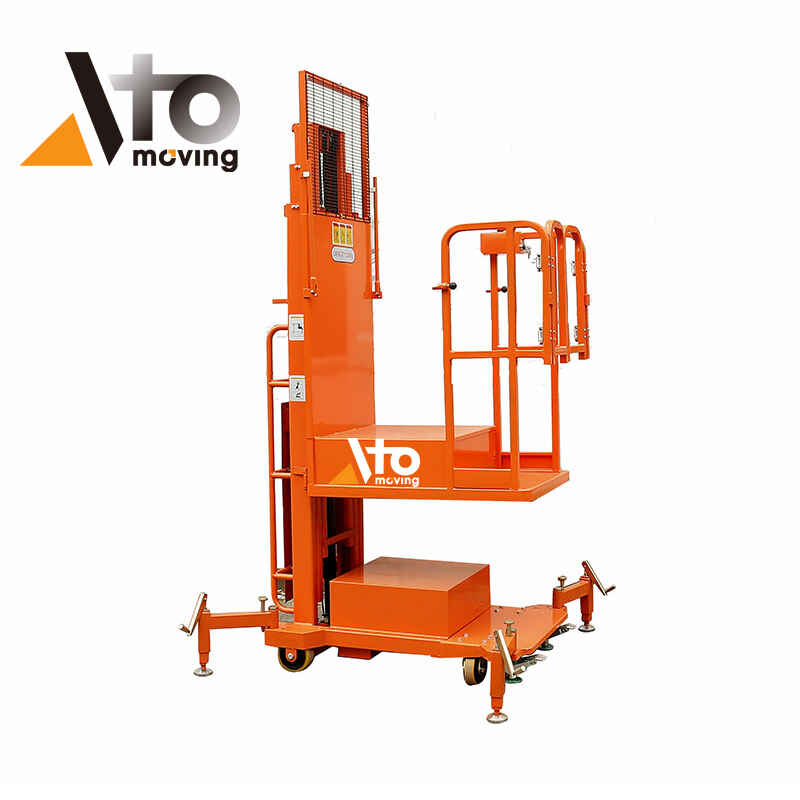
Performance control depended on well-defined KPIs aligned with the facility’s order profile and service promises. Core indicators included internal order cycle time, lines picked per labor hour, pick accuracy, and on-time shipment rate. Labor analytics tools analyzed travel patterns, idle time, and workload balance by zone, shift, and operator to identify bottlenecks and reassign tasks. Real-time dashboards and automated alerts highlighted deviations from target performance, enabling rapid corrective action. Predictive models used historical demand, seasonality, and slotting rules to forecast workload and recommend staffing, reslotting, or batch-configuration changes. Over time, continuous feedback from KPIs into WMS rules and automation settings created a closed-loop optimization cycle that stabilized picking performance under variable demand. scissor platform lift and hydraulic pallet truck were often integrated into such systems to enhance material handling efficiency.
Summary: Key Design Rules For Stable Picking Performance
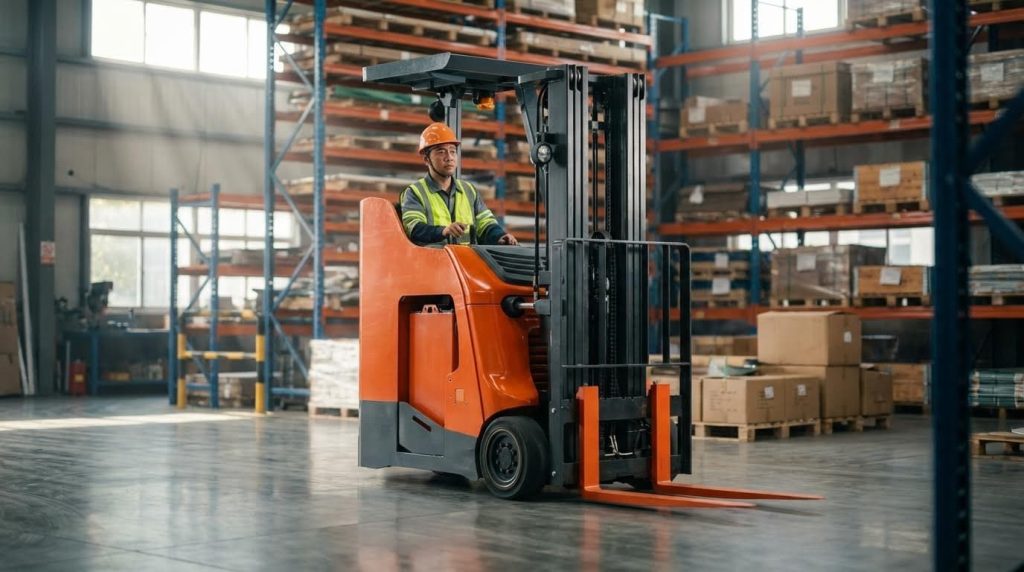
Stable picking performance in warehouses depended on four tightly linked pillars: physical design, standardized processes, digital control, and continuous optimization. Engineering the physical environment required short, unidirectional pick paths, storage systems matched to SKU profiles, velocity-based slotting, and safe, ergonomic workstations with clear traffic separation for manual and automated equipment. Standardized picking methods, including well-chosen combinations of wave, batch, zone, and tote picking, needed explicit rules for cart loading, kitting, exception handling, and cross-docking so operators executed repeatable patterns instead of improvising.
Digital systems such as WMS and labor analytics platforms provided the backbone for consistent execution through rule-based slotting, pick path optimization, scan-driven verification, and real-time inventory control. Integration with ERP and other automation, including conveyors, goods-to-person systems, and robotic assistance, allowed facilities to scale throughput while maintaining traceability and safety. Well-defined KPIs, such as order cycle time, lines picked per labor hour, picking accuracy, and dock-to-stock time, enabled objective performance tracking and early bottleneck detection.
From an industry perspective, rising e-commerce volumes and tighter delivery windows pushed warehouses toward higher automation, denser storage, and more sophisticated demand forecasting. Future trends pointed to deeper use of predictive analytics for slotting, dynamic labor planning, and adaptive pick strategies that changed by time of day or demand pattern. However, successful implementations still depended on robust safety frameworks, compliance with standards such as ISO 3691-4 for automated vehicles, and disciplined maintenance practices.
Practically, facilities benefited from piloting new technologies in limited zones, validating ergonomics and safety, and updating work instructions and training before scaling. A balanced approach combined proven low-tech improvements, like clearer signage and refined pick lists, with higher-tech solutions such as order picking machines or cobots only where the business case was strong. Over time, warehouses that treated picking as an engineered system, not a set of ad hoc tasks, achieved more predictable service levels, lower unit costs, and better resilience to demand volatility. Additionally, tools like walkie pallet truck and manual pallet jack played a crucial role in enhancing operational efficiency.