Warehouse picking strategies determined how efficiently facilities fulfilled orders, controlled labor costs, and protected service levels. This article examined core methods such as discrete, batch, wave, and zone picking, then connected them to case and layer picking in high-volume operations. It also analyzed how order picking machines, automation, and tools like cobots, AMRs, and simulation shaped system design, cost, and sustainability. Finally, it provided practical selection guidelines so engineers and managers could align picking architectures with volume, layout, technology, and future scalability requirements.
Core Picking Methods: Discrete, Batch, Wave, Zone
Core picking strategies defined the throughput ceiling of order fulfillment systems. Discrete, batch, wave, and zone approaches each optimized a different balance between travel time, order integrity, flexibility, and control complexity. Engineering teams needed to understand their mechanics and constraints before layering automation or advanced software. The right method often combined several of these logics in a hybrid design aligned with volume, SKU profile, and service levels.
Discrete Order Picking And Its Limitations
Discrete order picking processed one order at a time from start to finish. A picker walked the complete route, collected all order lines, and then released the order to packing or shipping. This preserved order integrity and simplified control logic, since no downstream consolidation was necessary. It suited small warehouses, low order volumes, or highly variable orders with many unique SKUs per order.
However, travel distance scaled almost linearly with order count, which reduced labor productivity as volumes increased. The method underutilized opportunities to combine routes or group common SKUs, so walking time dominated value-adding time. For high-volume operations, discrete picking created congestion in aisles and drove up cost per line. It also limited the benefits of advanced WMS routing, because each route remained constrained to a single order.
Batch Picking Logic, Benefits, And Trade-Offs
Batch picking grouped multiple orders into a single picking mission based on shared SKUs, proximity, or other criteria. A picker traversed the warehouse once for the batch, collecting quantities for all included orders, then a consolidation process split the batch back into discrete orders. This logic significantly reduced walking distance per order line and improved throughput in moderate to high-volume environments. It worked particularly well where multiple orders shared a stable set of fast-moving SKUs.
The main trade-off was the need for accurate, well-controlled downstream sorting. Consolidation introduced double handling and required physical or system-based mechanisms to avoid misallocation of items. Inventory management complexity increased because stock movements served several orders simultaneously. Engineering teams had to size consolidation areas, define containerization standards, and implement clear visual or scanning controls. Without disciplined processes, error rates and rework could offset the travel-time savings.
Wave Picking Rules, Timing, And WMS Dependence
Wave picking organized order release into time-bound “waves” grouped by shared characteristics such as due date, carrier, product family, or pick area. Within a wave, operations could apply discrete, batch, or zone principles, but all orders in the wave flowed through the system as a coordinated block. This enabled synchronized picking, packing, and shipping aligned with dispatch slots or production cut-offs. It improved dock utilization, shipment punctuality, and labor leveling across shifts.
By 2024, effective wave picking relied heavily on robust WMS capabilities. The system had to segment orders into waves, calculate routes, manage capacities, and track execution in real time using scanners or mobile devices. Once a wave was launched, adjusting its composition remained difficult, which reduced flexibility for late-priority orders. Setup and planning time increased, and engineering teams needed clear rules for wave size, frequency, and release timing. When tuned correctly, wave picking delivered high productivity and cost savings, but its complexity made it unsuitable for highly volatile order profiles without strong system support.
Zone Picking Structure, Parallelism, And Bottlenecks
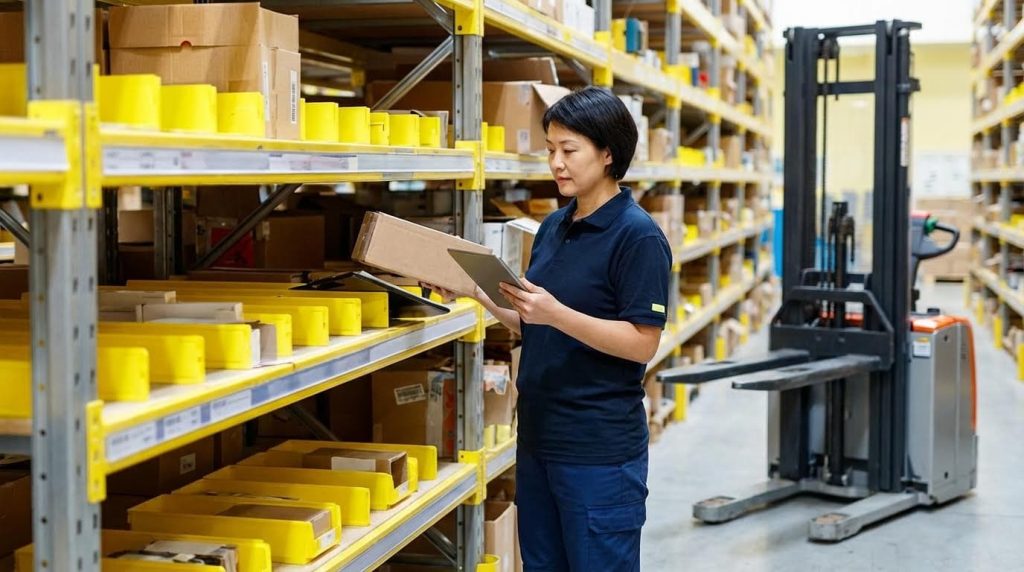
Zone picking divided the warehouse into defined areas, each assigned to dedicated pickers or resources. Orders passed through relevant zones sequentially or in parallel, with each zone adding its items before consolidation. This structure reduced walking distance per picker and allowed workers to specialize in their area’s SKU mix and storage systems. It also enabled parallel processing, since multiple zones could work on the same set of orders simultaneously.
Zone picking improved productivity and inventory control within each area, especially when supported by warehouse order picker and barcode scanning. However, system performance depended on balanced workloads across zones. A high-volume or slow-processing zone became a bottleneck, delaying complete orders and eroding service levels. Coordination between zones and consolidation accuracy were critical design points. Engineers had to consider zone boundaries, SKU assignment rules, staffing levels, and potential use of conveyor, AMRs, or transfer carts to move totes between zones efficiently. Additionally, tools like scissor platform lift and manual pallet jack played a vital role in enhancing operational efficiency.
Case And Layer Picking In High-Volume Operations
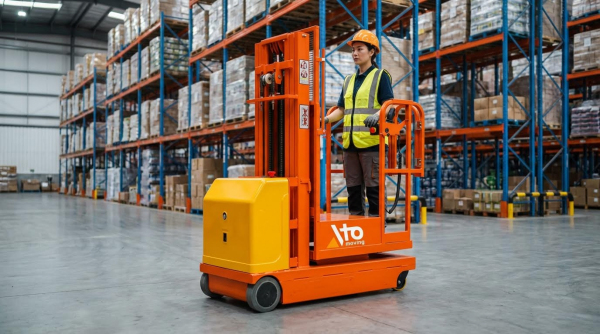
Case and layer picking supported high-throughput distribution in retail, e‑commerce, and FMCG warehouses. Engineers designed these processes to balance travel time, handling effort, and pallet stability while maintaining order accuracy. The right combination of manual, mechanized, and automated solutions depended on SKU velocity, order profiles, and service-level requirements. In high-volume environments, small layout or method changes often shifted throughput, labor demand, and safety performance measurably.
Case Picking For Bulk And Retail Distribution
Case picking handled full cartons instead of individual pieces, which suited bulk and store-replenishment orders. Operations located fast-moving SKUs near shipping docks or on lower rack levels to minimize travel and vertical handling. Engineers used case-flow racks, pallet rack pick faces, and sometimes automated case shuttles to keep pick positions continuously replenished. Technologies such as barcode scanners, pick-to-light, and directed picking through a warehouse management system increased accuracy and reduced search time. In manual environments, managers monitored key indicators like picks per labor hour, pick accuracy, and travel distance per order line. For high-volume retail distribution, hybrid strategies often combined zone picking with batch or wave logic to synchronize case picking with truck departure times.
Layer Picking For Pallet-Building Efficiency
Layer picking removed one or multiple layers of cases from a pallet in a single operation, which reduced handling cycles for high-volume SKUs. Engineers applied it where orders repeatedly required full or near-full layers, such as beverage, canned goods, or promotional displays. Mechanical or vacuum-assisted layer pickers allowed operators or robots to lift uniform layers while maintaining case alignment. This approach decreased pick touches per case and improved pallet-building speed compared with single-case handling. However, it required consistent case dimensions, stacking patterns, and compression strength to avoid deformation or product damage. System designers often reserved layer-picking equipment for A-class SKUs with stable demand to justify capital and setup effort.
Ergonomics, Safety, And Load-Handling Constraints
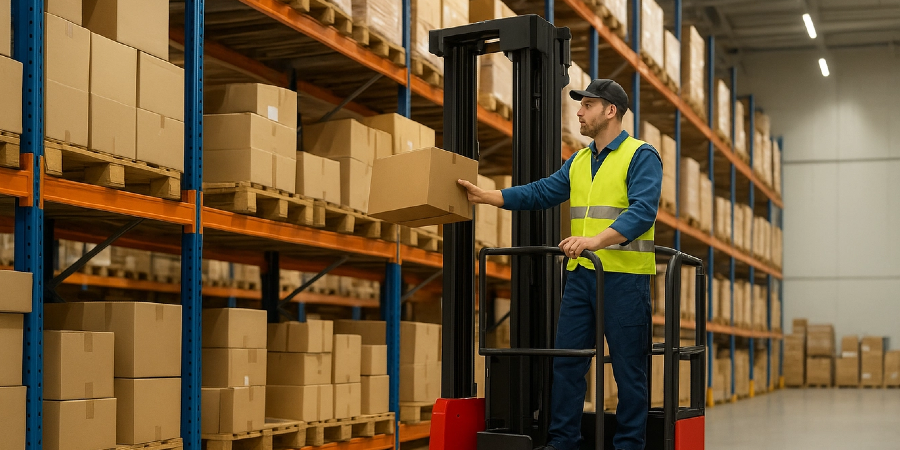
High-volume case and layer picking exposed workers to repetitive lifting, twisting, and pushing, which increased musculoskeletal risk. Engineers mitigated this by placing primary pick faces between approximately 0.7 m and 1.5 m height to reduce bending and overhead reaches. Adjustable workstations, gravity-fed flow racks, and ergonomic carts shortened reach distances and limited manual carrying. Facilities used mechanical assist devices, lift tables, and conveyors to transfer load weight away from the operator. Safety programs emphasized correct lifting techniques, clear travel aisles, and separation of pedestrians from powered equipment like walkie pallet truck or automated vehicles. Designers also respected load constraints, including maximum pallet height, center-of-gravity control, and floor load limits, to prevent tip-over, rack damage, or structural overstress.
Technology, Automation, And System Design Choices
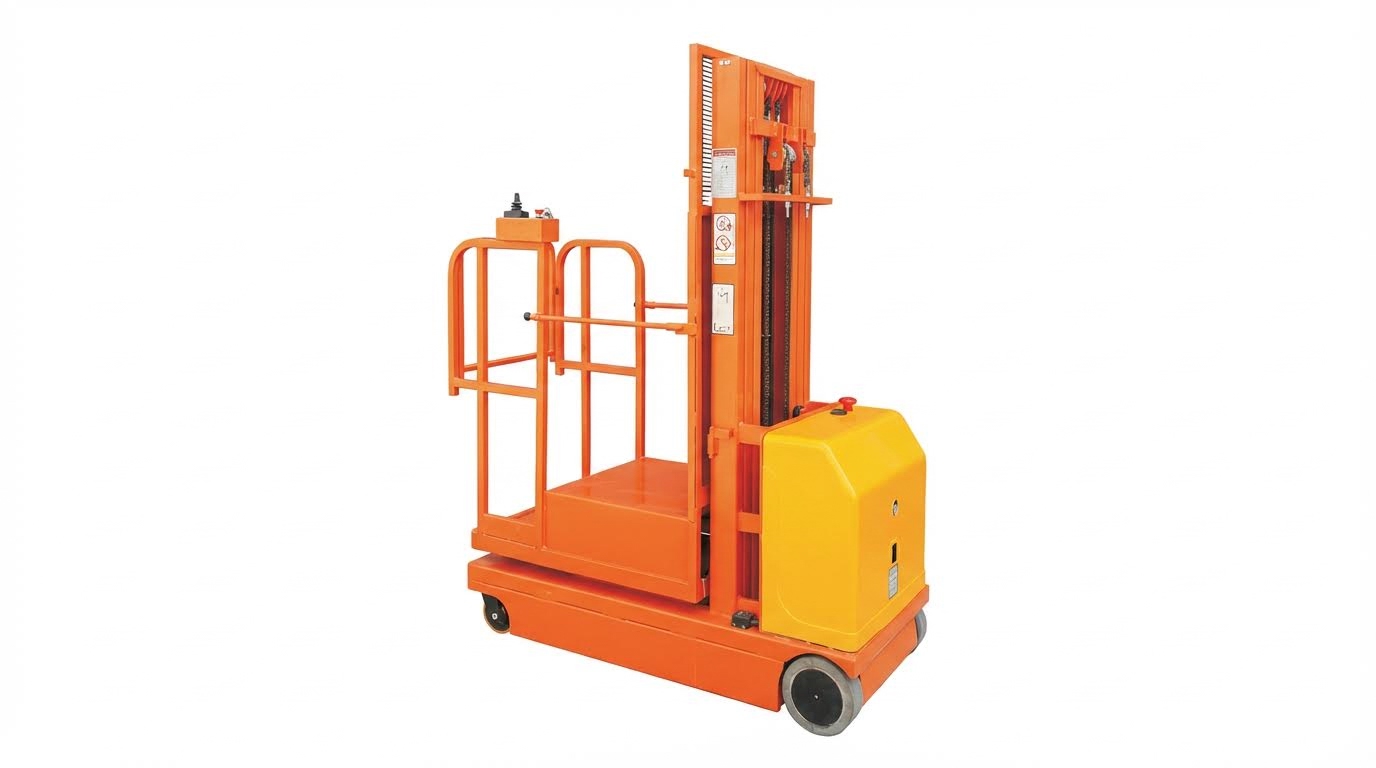
Technology choices defined the ceiling for warehouse picking performance by 2024. Well‑implemented systems reduced travel distance, errors, and energy use, while poor integration locked in waste. Engineers had to evaluate software, automation, and infrastructure as one coherent socio‑technical system, not isolated investments.
WMS, Pick Path Optimization, And Data Visibility
A warehouse management system (WMS) orchestrated discrete, batch, wave, and zone picking by assigning tasks, sequencing work, and maintaining inventory accuracy. Modern WMS platforms computed optimized pick paths that minimized walking distance while respecting aisle directions, congestion rules, and equipment constraints. They grouped orders into waves or batches using criteria such as due date, SKU affinity, product size, and zone location, which reduced travel but increased planning complexity. Real‑time data visibility came from barcode scanners, mobile terminals, and occasionally RFID, feeding the WMS with confirmations for every pick, move, and consolidation step. Engineers used this data to monitor KPIs like pick rate, error rate, and dwell time, and to detect bottlenecks in zones or consolidation areas. Robust integration with transport management and labor management systems allowed synchronized shipping cut‑offs, staffing, and carrier schedules, which was essential for punctual waves and cost control.
Cobots, AMRs, And Semi-Automated Case Picking
Cobots and autonomous mobile robots (AMRs) transformed case and zone picking by offloading travel and handling from workers. In semi‑automated case picking, robots transported totes or pallets between pick faces and consolidation, while humans performed the actual pick and quality check. This reduced walking distance, fatigue, and exposure to manual handling injuries compared with traditional manual pallet jack or forklifts. Route optimization software assigned missions to AMRs, balanced loads between zones, and coordinated with wave or batch releases to avoid congestion. Intralogistics cobots often followed fixed or dynamically updated paths using SLAM or similar navigation, which improved safety compared with manually driven vehicles that historically caused thousands of injuries per year. When tied to orchestration platforms, robots also supported guided palletization, showing workers where to place each case to maximize stability, cube utilization, and downstream unloading efficiency.
Digital Twins, Simulation, And Scenario Testing
Digital twins and discrete‑event simulation allowed engineers to test picking strategies before physical changes occurred. Models represented rack geometry, travel speeds, pick times, wave rules, and failure modes, enabling comparison of discrete, batch, wave, and zone configurations under identical demand patterns. By 2024, practitioners used these tools to optimize wave sizes, release intervals, and zone boundaries, and to quantify trade‑offs between travel time, consolidation load, and labor peaks. Scenario testing included seasonal demand spikes, SKU mix shifts, equipment outages, and staffing shortages, helping define robust operating envelopes and contingency plans. Calibrated models, fed by WMS telemetry, improved over time and supported investment decisions for AMRs, additional zones, or layout changes. This reduced the risk of over‑ or under‑sizing systems and helped justify automation with defensible throughput and payback estimates.
Energy, Lifecycle Cost, And Sustainability Factors
Energy and lifecycle cost considerations became central to technology selection as electricity prices and sustainability targets tightened. Engineers evaluated AMR fleets, conveyors, and storage systems on kilowatt‑hours per handled case, not just peak throughput. Smart charging strategies for mobile equipment shifted loads away from tariff peaks and extended battery life, while regenerative drives on conveyors and lifts reduced net consumption. Lifecycle assessments accounted for equipment durability, maintenance intervals, and upgrade paths, balancing capital expenditure against labor savings and energy intensity over ten or more years. Layout and pick‑path optimization also contributed to sustainability by cutting travel distance, which directly lowered both energy use and operator exposure. Future‑ready designs reserved space, power, and data infrastructure for incremental automation, avoiding premature obsolescence and supporting gradual migration from manual to robot‑assisted operations.
Summary And Practical Selection Guidelines
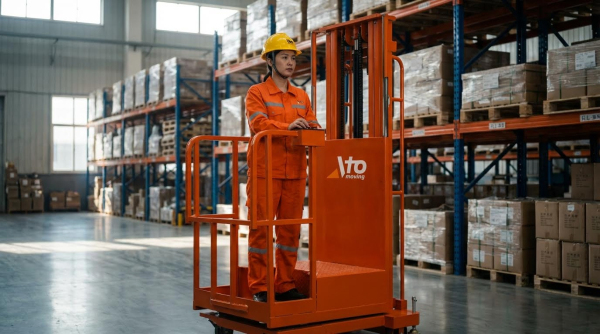
Warehouse picking strategies evolved into a configurable toolkit rather than a single best-practice method. Discrete, batch, wave, zone, case, and automated case-picking approaches each offered distinct performance envelopes, cost profiles, and risk patterns. Engineering teams now selected and combined strategies based on quantified demand profiles, layout constraints, labor markets, and technology maturity, rather than on generic benchmarks.
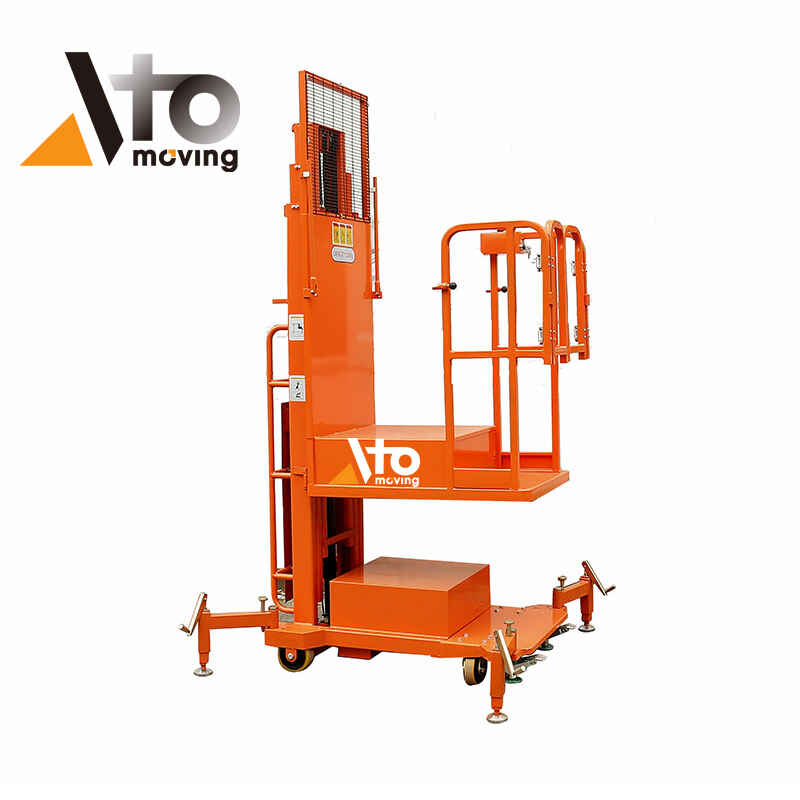
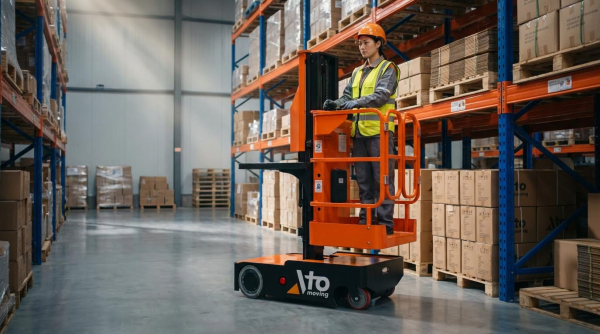
Technically, discrete order picking preserved order integrity and required minimal coordination, which suited low-volume or highly variable order profiles. Batch and zone-based variants reduced travel distance and cycle time in larger facilities, at the cost of extra consolidation steps and more complex control logic. Wave picking added temporal grouping, aligning labor, carrier cut-offs, and replenishment cycles, but depended heavily on robust warehouse management systems and stable order streams. Case and layer picking increased throughput in high-volume environments, especially when integrated with ergonomic aids and semi electric order picker.
For implementation, engineers needed to map SKU velocity, cube, and order-line distributions before committing to any method. Simulation or digital twin models helped test alternative zoning, batching, and wave rules under peak scenarios, including equipment failures and labor shortages. Practical rollouts proceeded in phases: start with clear standard work, add barcode or RF validation, then layer in routing optimization, cobots, or AMRs only after baseline processes stabilized. Safety and ergonomics constraints, such as load limits, reach envelopes, and walking distances, had to remain hard design boundaries.
From an industry perspective, the trajectory pointed toward hybrid systems: discrete picking for exceptions, batch or zone picking for the bulk of lines, wave logic for shipping alignment, and increasing use of automation at case and pallet level. Future gains would come less from single technologies and more from orchestration: WMS, labor management, and orchestration platforms coordinating humans, robots, and storage systems in real time. Facilities that treated picking strategy as a tunable engineering system, continuously measured KPIs like pick rate, error rate, and cost per order line, and iterated their rulesets would remain competitive as volumes, product mixes, and service levels continued to shift. For instance, integrating tools like scissor platform or walkie pallet truck could optimize material handling workflows.