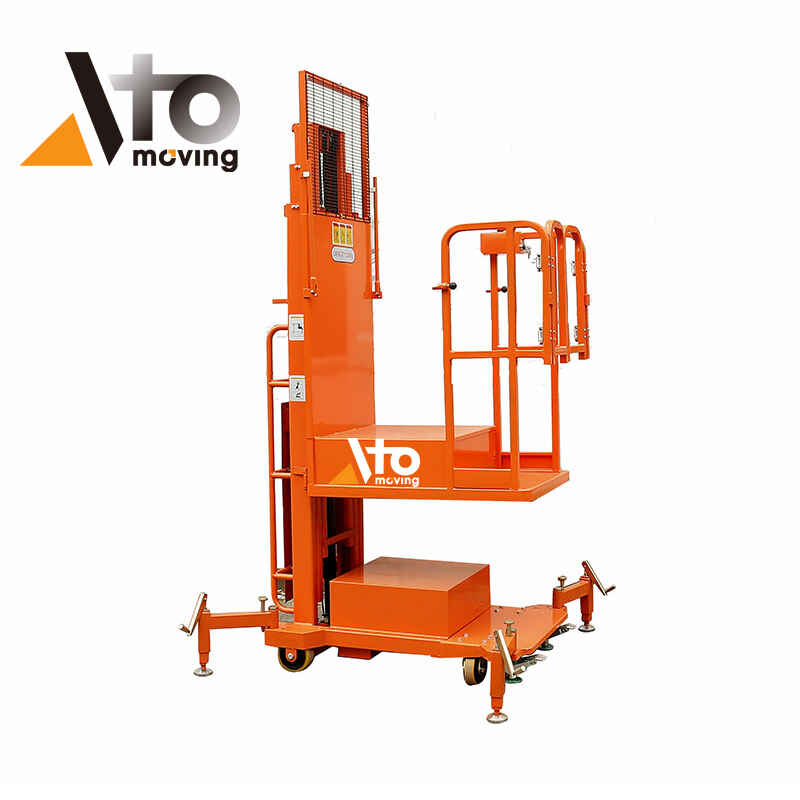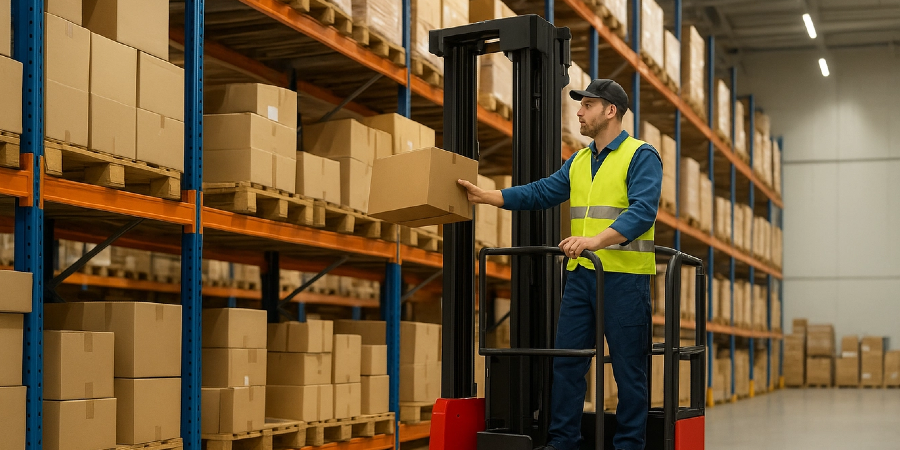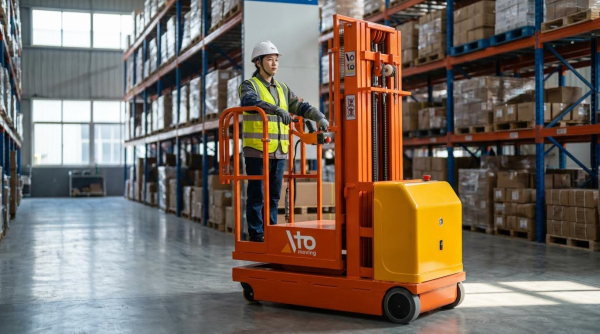
Wave order pickers play a central role in high-bay warehouses where operators travel up with the load to pick directly from racking. This guide explains how a wave order picker is built, how it integrates with wave picking strategies, and what design choices matter for safety and uptime. You will see how engineering parameters, ergonomics, batteries, and control systems translate into real-world performance. Use this as a practical reference when specifying new equipment, upgrading an existing fleet, or optimizing high-level wave picking in your facility.
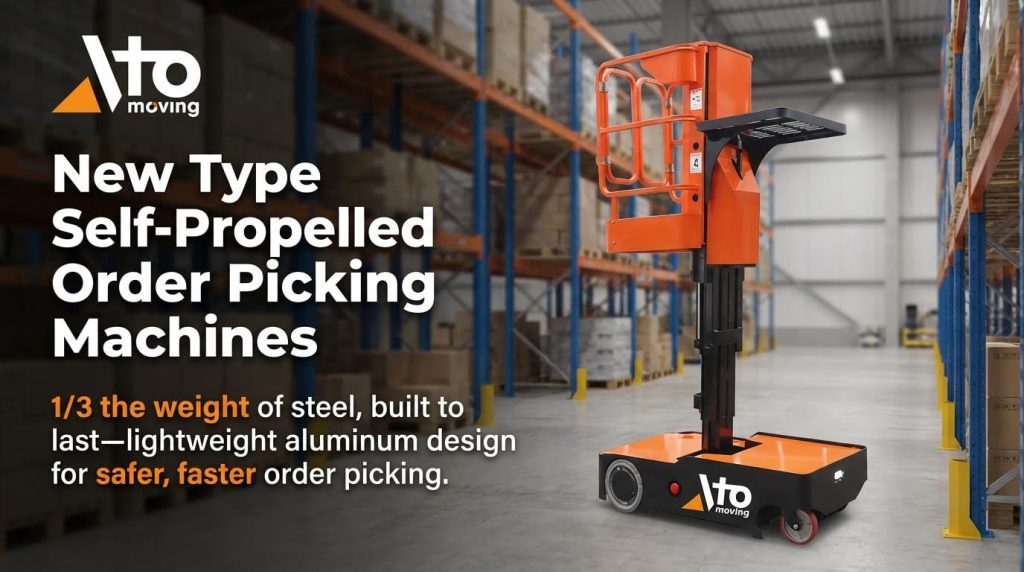
What Wave Order Pickers Are And How They Work
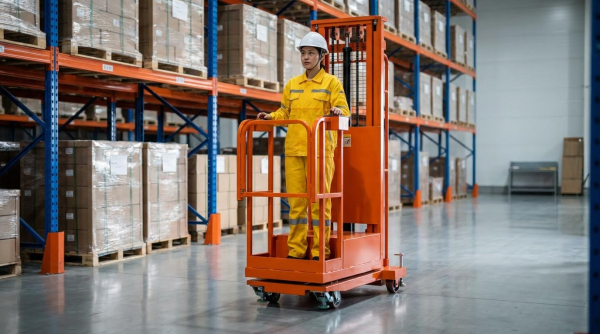
Defining wave order pickers and use cases
A wave order picker is a high-level order picking truck designed to work within a wave picking process. In this process, a warehouse management system (WMS) groups many customer orders into “waves” based on rules such as shipping cut-off, carrier, or zone. The operator drives the warehouse order picker through the aisles and collects items for multiple orders in one pass, following optimized routes generated by the WMS. This reduces travel distance and increases lines picked per hour compared with picking one order at a time. Wave picking groups orders into timed waves and uses optimized pick lists to cut travel time and boost productivity.
Typical use cases for a wave order picker include:
- High-bay warehouses where SKUs are stored at multiple levels and operators must travel with the load.
- Facilities with tight shipping cut-offs that need to release and complete waves in defined time windows.
- Operations with a high number of small to medium e‑commerce orders that benefit from multi-order picking.
- Distribution centers that coordinate picking activities with downstream packing and loading schedules.
In many operations, the wave order picker integrates with technologies such as barcode scanners, mobile terminals, and pick-to-light or put-to-light systems to guide the operator to the right location and destination slot. These guidance tools reduce cognitive load and error rates during complex multi-order picking. Light-based guidance systems direct operators to the correct item location and order placement, improving speed and accuracy. When combined with dynamic wave creation in the WMS, the wave order picker becomes a flexible resource that can respond to changing order priorities and volumes. Advanced WMS functions adjust waves in real time based on volumes, labor, and capacity.
Core components and mechanical architecture
A wave order picker shares many elements with other high-level order pickers but is optimized for frequent starts, stops, and elevation changes within a wave. Key mechanical and structural components typically include:
- Mast system: A vertical mast with one or more stages that lifts the operator platform and load to the required pick height. High-level models often reach several rack levels, so mast rigidity and precise guidance are critical for stability during travel and picking.
- Chassis and drive unit: A compact, counterbalanced or straddle-type chassis supports the mast and houses the drive motor, steering system, and braking components. Compact designs improve maneuverability in narrow aisles, which is essential when working in dense storage layouts. Compact equipment designs enhance maneuverability through narrow warehouse aisles.
- Operator platform and controls: The operator stands on a guarded platform that elevates with the load. Controls are mounted within easy reach to minimize body twisting and overreach. Shock-absorbing flooring and ergonomic control layouts reduce fatigue over a shift and support consistent picking accuracy. Adjustable control panels and shock-absorbent platforms have been shown to reduce strain and fatigue while maintaining high picking accuracy.
- Load handling interface: Depending on the application, the wave order picker may use integrated forks, a pallet platform, or specialized attachments to carry pallets, cages, or totes. The design must allow the operator to safely reach into rack openings while maintaining three points of contact and secure footing.
- Electrical and hydraulic systems: Electric traction and lift motors, powered by an industrial battery, provide travel and lifting functions. Hydraulic circuits actuate mast lift and tilt where applicable. Regular inspection of hydraulic oil levels, hoses, and fittings helps prevent failures during high-level picking. Weekly checks of hydraulic oil levels and leaks are recommended to maintain safe operation.
Safety elements are built into the mechanical architecture of a wave order picker. Guardrails, anti-slip platform surfaces, and mandatory harness anchor points protect the operator at height. Advanced high-level models also integrate load-sensing and speed-governing systems to maintain stability as height increases. High-level order pickers typically include tilt-prevention, emergency descent, and automatic height-speed limitation systems. These mechanical and control features work together so the wave order picker can operate efficiently within a wave picking strategy while maintaining a high safety margin for operators and nearby pedestrians.
Engineering Design, Safety, And Control Systems
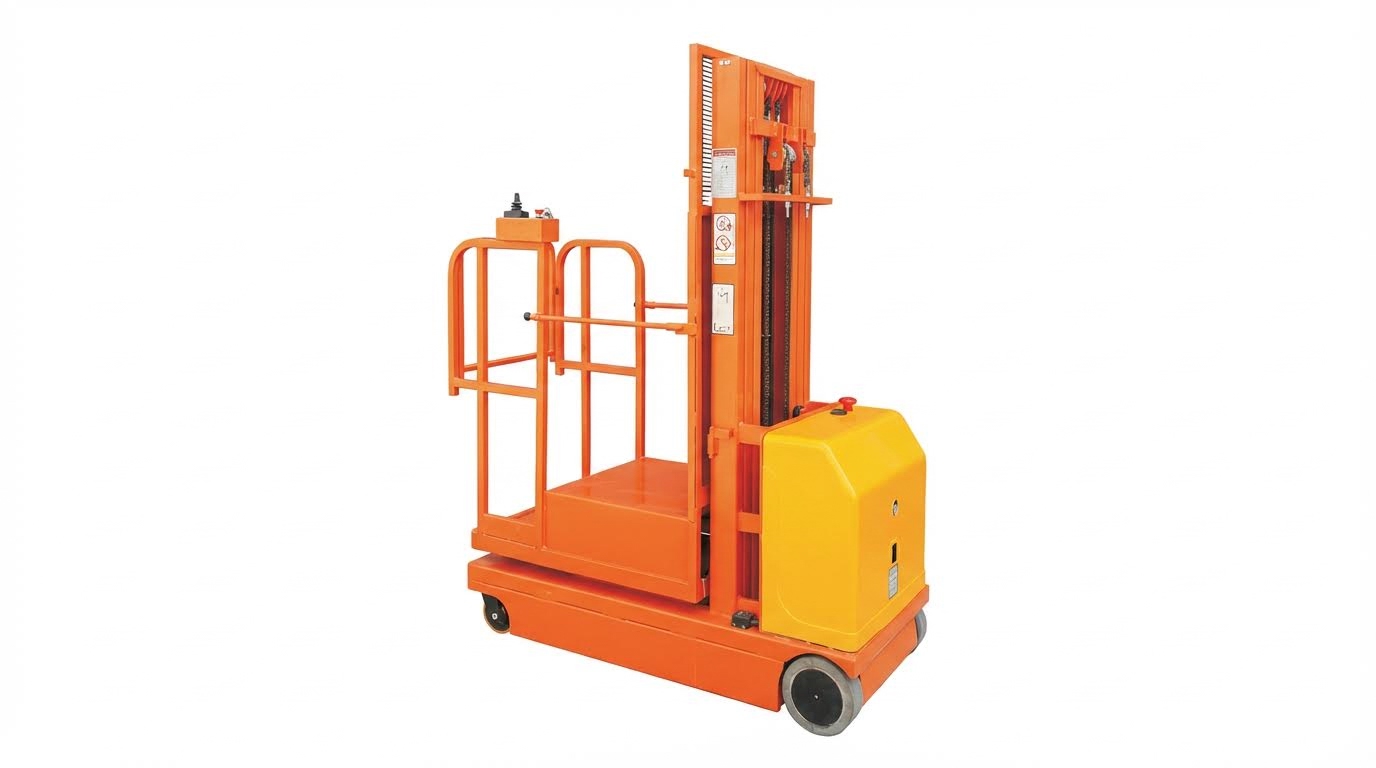
Mast, chassis, and platform design parameters
The mast of a high-level wave order picker must provide high rigidity with minimal deflection at full elevation to maintain platform stability and picking accuracy. Designers typically use nested mast sections, high-strength steels, and low-friction wear pads, supported by regular replacement intervals to control play and vibration over the machine life Maintenance Protocols for Order Pickers. The chassis must combine a low center of gravity with adequate wheelbase and track width so the truck remains stable when the platform and load are offset in narrow aisles. Platform design focuses on anti-slip flooring, guardrails, and clearly defined standing zones, supported by safety devices such as pressure-sensitive platform edges, tilt-prevention systems, and dual braking circuits for high-level operation Safety Features in High-Level Order Pickers. Automatic height–speed governors and collision-avoidance or proximity sensors further reduce risk by limiting travel speed at elevation and slowing the truck in congested areas Safety Enhancements. Together, these parameters ensure the wave order picker can reach high rack levels while maintaining structural integrity, operator protection, and predictable handling.
Ergonomics, human factors, and workstation layout
Ergonomics on a warehouse order picker platform focuses on reducing operator movement, reach, and cognitive load during high-level picking. Controls, scanners, and pick faces should sit within the operator’s primary reach envelope, with component height and angle tuned to minimize twisting and overhead reaching, which increases fatigue and injury risk Workstation Design Principles. Shock-absorbing, anti-fatigue platform surfaces and retractable footboards reduce discomfort during long periods of standing, while adjustable control panels and interfaces cut repetitive strain injuries by nearly one-third in high-use environments Platform Ergonomics Impacting Operator Efficiency. Light-based guidance, such as spot-to-light or put-to-light indicators, can be integrated with the platform workstation to direct the operator to the correct SKU and drop location, cutting cognitive load and improving pick speed and accuracy Light-Based Guidance Systems. Well-designed layouts also consider adjustable monitor or display placement on articulated arms to match operator height and posture, reducing neck and back strain during full-shift operation Monitor Placement Optimization. These human-factor decisions directly influence sustained productivity and safety in high-level picking.
Power, batteries, and electronic control systems
Order picking machines performance and uptime depend strongly on battery and power-system sizing, especially in multi-shift warehouses. Long-life traction batteries combined with fast or opportunity charging and smart charging logic help maintain continuous operation while optimizing battery health and reducing unplanned downtime Battery Life Optimization. Battery maintenance routines, such as keeping terminals clean and avoiding deep discharge below roughly 20% state of charge, extend service life and support consistent truck performance over time Battery Maintenance. Electronic control systems integrate traction, lift, steering, and braking functions with safety logic, including emergency stop circuits, dual hydraulic braking, load-sensing tilt prevention, and automatic emergency descent controls for high-level platforms Safety Features in High-Level Order Pickers. Increasingly, guidance and positioning technologies such as laser or RFID-based systems interface with the warehouse management system to auto-position the truck within inches of the target location, boosting pick accuracy and reducing cycle time Automated Guidance Systems Enhancing Picking Accuracy. Well-engineered power and control architectures therefore support both the safety envelope and the throughput potential of high-level wave picking operations.
Optimizing High-Level Wave Picking In Your Facility
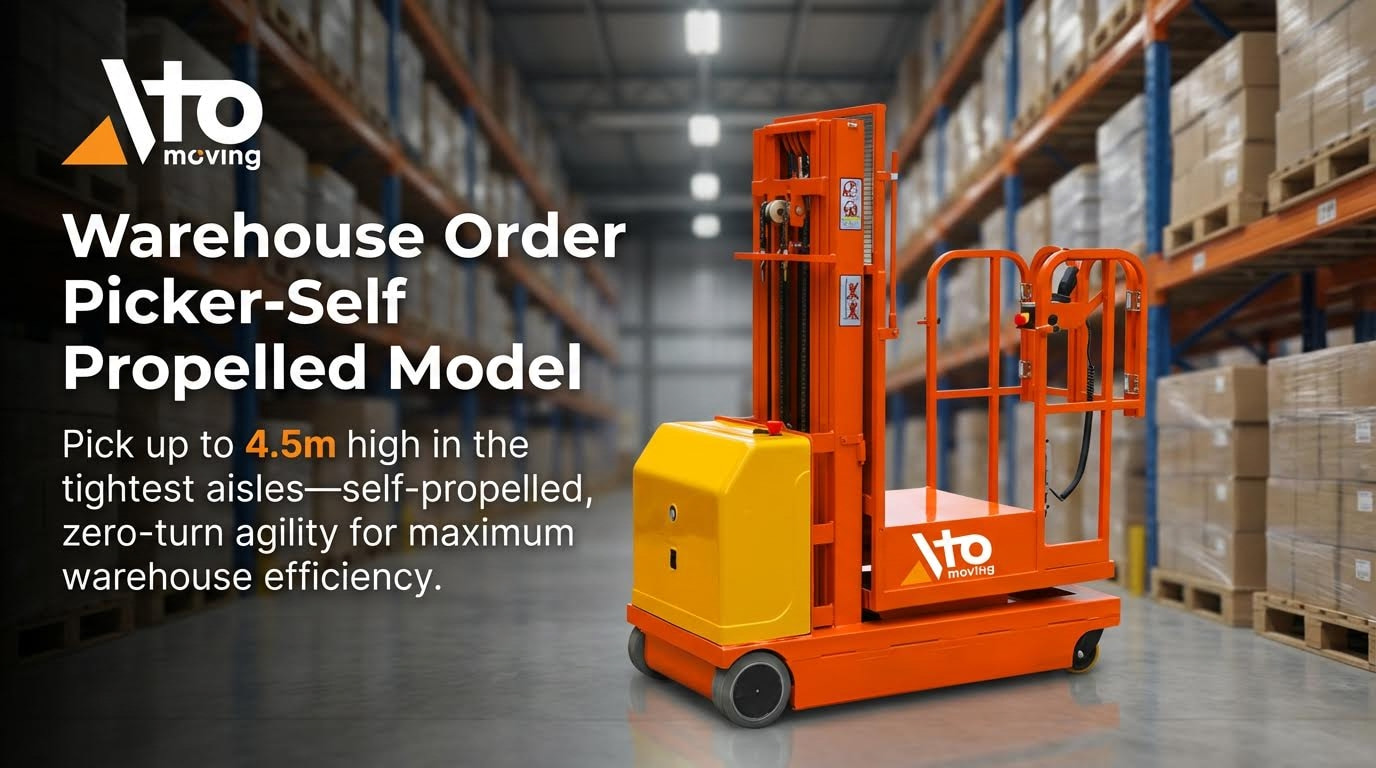
Wave picking logic, WMS, and guidance technologies
To get the most from a warehouse order picker fleet, you must align wave logic, WMS configuration, and on-truck guidance. In a classic wave picking process, the WMS groups orders into waves based on rules such as carrier cut-off, destination, or product family, then releases optimized pick lists after accumulating demand for a set period, often hours or a full day. This batching reduces travel time and increases items picked per hour by letting operators collect for many orders in a single pass. For high-level picking, these waves should consider vertical travel as well as horizontal routing, so the system minimizes mast lifts and lowers per line.
A capable WMS is the control center for your order picking machines operation. It creates and sequences waves, assigns them to trucks and operators, and rebalances in near real time based on order volume, labor availability, and equipment capacity. Advanced systems also optimize SKU slotting using pick frequency and item relationships, improving hit rate at each stop. Where demand is volatile or cut-off times are tight, dynamic wave picking—continuously updating waves from live data—can keep utilization high but requires disciplined data accuracy and robust IT support.
Guidance technologies bridge the gap between WMS logic and what the operator does at height. Light-based systems such as spot-to-light and put-to-light direct the picker to the correct location and destination carton, cutting search time and cognitive load. These pointer lights significantly improve speed and accuracy by giving an immediate visual cue at the point of pick. On-truck terminals, barcode or RFID scanners, and, in advanced sites, semi-automatic positioning or laser/LiDAR guidance help align the platform within tight tolerances, which is critical for safe, fast picking at the upper rack levels. Hybrid guidance systems tied into the WMS have been shown to cut mispicks dramatically while improving retrieval time per line.
Practical configuration tips
- Use different wave templates for peak vs. off-peak periods.
- Group SKUs so each vertical lift serves as many lines as practical.
- Standardize screen layouts and light colors across all wave order pickers.
- Continuously monitor pick accuracy and travel time KPIs by wave.
Equipment selection, TCO, and maintenance strategy
Optimizing high-level wave picking also depends on selecting the right class of wave order picker and managing its life-cycle cost. Key engineering choices include platform height, chassis width relative to aisle size, lift speed, and rated capacity at height. Safety and ergonomics should be treated as productivity features, not add-ons: load-sensing stability systems, emergency descent, and automatic speed reduction at elevation protect operators while allowing confident operation at higher speeds. High-level models often integrate dual braking, height-speed governors, and defined harness points to meet relevant safety standards.
Total cost of ownership (TCO) for a wave order picker is dominated by energy, maintenance, and downtime rather than purchase price. Long-life batteries with fast or opportunity charging reduce spare truck requirements and keep utilization high. Smart charging and good battery management practices maintain consistent performance across multi-shift operations. On the maintenance side, you should define inspection and service intervals by hours-run, not calendar time, and build them into the WMS or CMMS so tasks are triggered automatically as usage accumulates.
A structured maintenance strategy keeps pick rates stable and avoids disruptive failures during waves. Daily or pre-shift checks by operators should cover mast condition, platform, wheels, safety devices, and visible leaks. Routine tasks include cleaning, lubrication of chains and rails, and monitoring hydraulic oil levels and battery terminals. Planned professional inspections—at least semi-annually—should evaluate electrical, hydraulic, and structural systems, while more intensive diagnostics (such as mast alignment and regenerative braking checks) are scheduled based on duty cycle. When you combine the right equipment specification with disciplined maintenance and energy management, high-level wave picking remains safe, predictable, and cost-efficient throughout the machine’s service life.
Key TCO levers to track
- Energy cost per pick line.
- Unplanned downtime hours per truck per month.
- Maintenance cost per operating hour.
- Battery replacement interval vs. design life.
Key Takeaways For High-Level Wave Picking Projects
Wave order pickers sit at the intersection of mechanical design, power systems, and digital control. Their performance and safety depend on how well these elements work together in your process. A rigid mast, low and wide chassis, and guarded, anti-slip platform create a stable base so operators can work confidently at height. Integrated safety controls such as speed limitation at elevation, load-sensing, and emergency descent keep the machine predictable even in tight aisles and dense traffic.
Ergonomics and guidance turn that stable platform into a productive workstation. When controls, scanners, and lights sit inside the natural reach zone, operators move less and think less, which cuts fatigue and errors over long shifts. Correct battery sizing, smart charging, and disciplined maintenance keep that capability available across all waves, not just the first hours of the day.
For new projects, treat wave logic, equipment specification, and maintenance as one system. Start from your rack heights, aisle widths, and order patterns, then select Atomoving wave order pickers, WMS rules, and guidance that match these constraints. Lock in pre-shift checks and hour-based service plans. This system view delivers safe, repeatable pick rates and a lower cost per line over the full life of the fleet.
Frequently Asked Questions
What is a Wave Order Picker?
A wave order picker is a specialized type of forklift designed for high-efficiency picking in narrow aisles. It allows operators to elevate themselves to warehouse racks for easy access to items. Order Picker Guide.
Is an Order Picker the Same as a Forklift?
No, an order picker is not exactly the same as a traditional forklift. While both are used in warehouses, order pickers belong to Class II – Electric Motor Narrow Aisle Trucks and are specifically designed for picking items from shelves. Forklift vs Order Picker.
What Class is an Order Picker?
An order picker falls under Class II – Electric Motor Narrow Aisle Trucks. These machines are ideal for operations requiring precise maneuvering in tight spaces. Classifications Explained.