If you are asking “what are the main parts of a pallet jack,” this guide walks through every critical component in clear engineering terms. We break down the frame, forks, hydraulics, wheels, and energy systems so you can match designs to real-world warehouse demands. You will see how geometry, load ratings, and materials affect safety, uptime, and total cost of ownership. Use this as a practical reference when specifying new equipment, training operators, or planning maintenance.
Pallet Jack Fundamentals And Core Structure
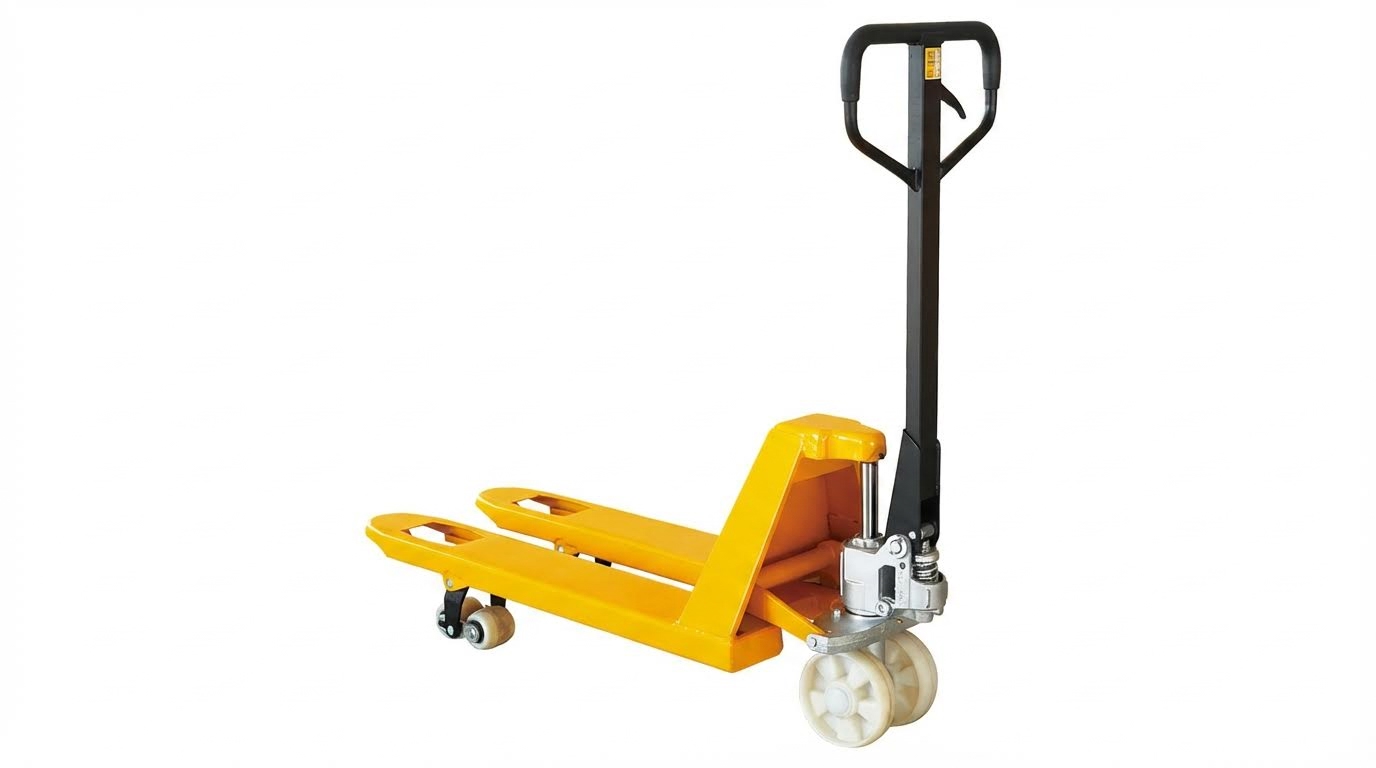
Main frame, chassis, and fork geometry
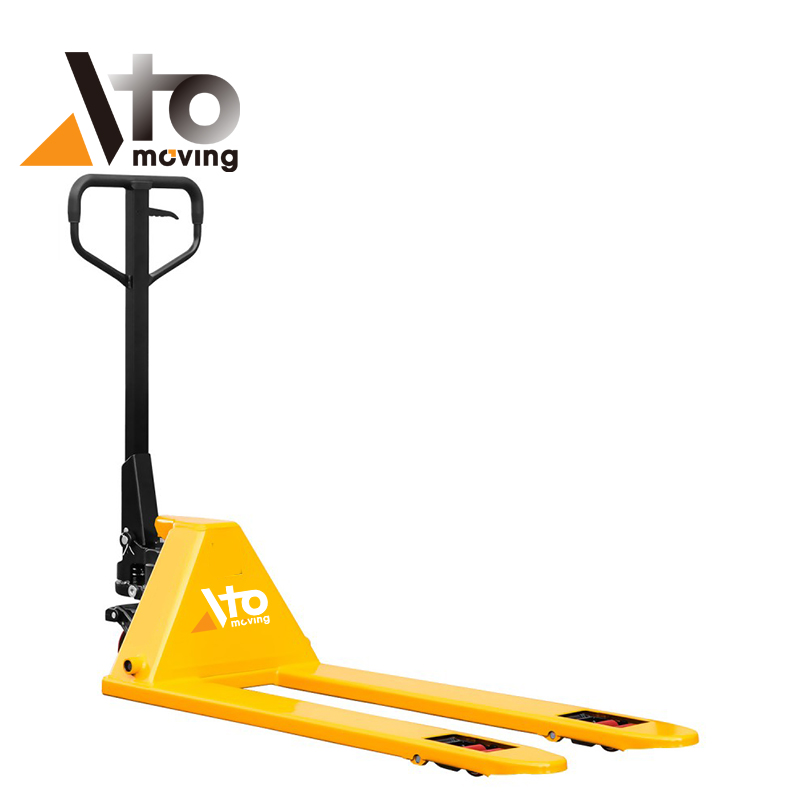
When you ask “what are the main parts of a pallet jack,” the starting point is the main frame, chassis, and forks. The chassis is a welded steel structure that carries the hydraulic unit, steering assembly, and wheel mounts. High‑tensile steel with a protective coating is common to provide strength and corrosion resistance while keeping the structure relatively light construction using high-tensile steel with a powder-coated finish. Fork geometry is standardized so the two prongs slide cleanly into pallet openings and distribute load evenly back into the chassis.
- Typical fork length is about 1150 mm, which suits standard 1200 mm pallets while keeping turning radius manageable 1150 mm fork length.
- Width over forks usually ranges from 520 mm to 685 mm to match different pallet sizes and aisle widths 520–685 mm width over forks.
- Fork tip design is rounded to ease pallet entry and reduce impact on deck boards rounded fork tips.
Vertical fork travel is small but critical. A typical manual unit lifts from roughly 85 mm lowered height to about 200 mm raised height, just enough to clear pallet skids and floor irregularities approx. 85–200 mm fork lift range. This limited stroke keeps the center of gravity low for stability and reduces bending stress in the forks. The main frame also integrates mounting points for load wheels under the fork tips and larger steer wheels near the handle, tying the structural geometry directly to rolling stability and push/pull effort.
Key geometry considerations
Engineers focus on fork thickness, under-clearance, and taper length to balance deflection, pallet compatibility, and ease of entry. The chassis cross‑section and weld layout are sized so maximum working stress stays within safe limits at full rated load with an appropriate factor of safety.
Load ratings, dimensions, and material specs
Understanding load ratings and dimensions is essential when defining what are the main parts of a pallet jack for your operation. Most manual pallet jacks fall in the 2000–5000 kg rated capacity band, covering typical warehouse and manufacturing loads 2000–5000 kg load capacity range. The frame, fork section modulus, and wheel selection are all sized to carry this load without permanent deformation. A typical overall length of about 1540–1600 mm balances stability with maneuverability in tight aisles 1540–1600 mm overall length.
| Parameter | Typical range | Design impact |
|---|---|---|
| Rated capacity | 2000–5000 kg load capacity range | Drives fork thickness, weld size, wheel and bearing selection |
| Fork length | ≈1150 mm 1150 mm forks | Must suit pallet depth and turning radius |
| Width over forks | 520–685 mm 520–685 mm width | Matches pallet stringer spacing and load footprint |
| Truck weight | ≈60–85 kg 60–85 kg truck weight | Affects push force, transport, and ergonomics |
Material specifications focus on strength, fatigue resistance, and corrosion protection. High‑tensile steel plate and formed sections provide the necessary yield strength, while powder coating or similar finishes protect against rust in damp or corrosive environments high-tensile steel with powder-coated finish. Load wheels and steer wheels are typically polyurethane, nylon, or rubber, chosen for floor type, noise limits, and required rolling resistance polyurethane, rubber, and nylon wheels.
Why these specs matter in practice
Correctly matching capacity and dimensions to your pallets and loads reduces fork bending, wheel damage, and operator strain. Under‑specifying the frame or fork material risks permanent deformation and unsafe deflection, while over‑specifying adds unnecessary weight and cost.
Critical Working Components And Design Details
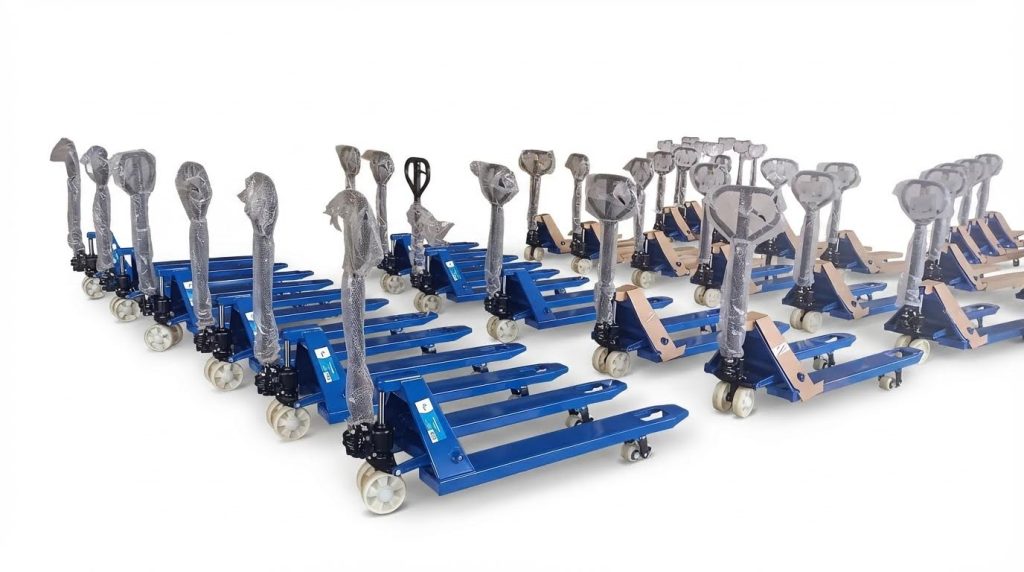
Hydraulic pump, valve block, and lift linkage
The hydraulic group is central when you ask what are the main parts of a manual pallet jack, because it converts handle effort into lifting force. A sealed hydraulic pump body minimizes contamination and leakage, and some units add a quick-lift feature to raise light loads with fewer strokes Hydraulic Pump. The valve block routes oil between pump, cylinder, and reservoir, and integrates overload or pressure-relief valves to prevent structural damage if operators exceed rated capacity overload pressure relief. Lift linkages and pushrods translate cylinder stroke into fork elevation; designers keep these joints compact, with hardened pins and bushings, to limit lost motion and maintain level lifting.
- Routine hydraulic checks include topping up oil if the forks lift sluggishly and replacing oil around every 6 months or 1500 hours to control wear and internal corrosion daily hydraulic test oil replacement interval.
- Pressure valves are typically set so the system bypasses around a defined threshold, for example near 1000 kg with about 10% tolerance in some stacker applications, to protect the frame and forks from overload pressure valve setting.
- Lubricated pivot joints in the lift linkage reduce friction and keep handle forces low, which is critical in high-frequency manual handling operations.
Key design priorities for hydraulic groups
Designers balance compact packaging inside the fork frame, easy access for seal replacement, corrosion-resistant finishes, and compatibility with commonly available hydraulic oils.
Steering tiller, control handle, and safety logic
The steering tiller and handle are the operator’s main interface, so they strongly influence safety and throughput. A typical handle both steers and actuates the hydraulic pump, with lift, lower, and neutral positions grouped in an ergonomic grip for one-hand use handle controls. On powered units, advanced control heads add contactless sensors and sealed electronics to extend life in cold or wet environments and can reach protection ratings comparable to IP67 for water and dust resistance contactless, sealed handle. Safety logic in the handle and drive controller manages speed with the tiller angle, slows the truck in tight positions, and integrates emergency stop and brake actuation.
- Ergonomic handle geometry reduces wrist deviation and required push–pull force, which is important for repetitive tasks and to meet internal ergonomics guidelines.
- Position-speed control allows maneuvering with the handle nearly vertical, improving control in confined docks and trailers while limiting maximum travel speed for safety position speed control.
- Daily inspections of the handle area for cracks, loose fasteners, or jerky motion help catch issues before they compromise steering precision or hydraulic control daily inspection.
Typical safety functions in the tiller
Common functions include neutral travel lockout, belly or emergency stop switches, automatic braking when the handle is released, and logic to limit acceleration when the tiller is too upright.
Wheels, rollers, drive units, and battery systems
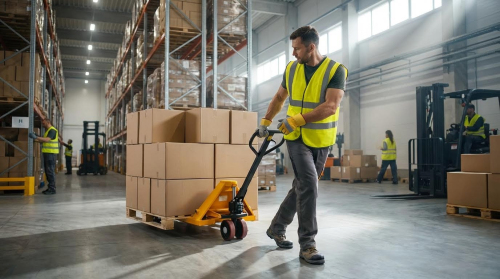
Running gear and power systems are another major focus when defining what are the main parts of a manual pallet jack for a given application. Manual units typically use larger steering wheels at the front and smaller tandem load rollers under the forks, often in polyurethane, rubber, or nylon, with steering diameters around 200 mm and load rollers near 80 mm to balance rolling resistance, noise, and durability wheel sizes and materials. Upgraded wheel packages with full treads, non-marking compounds, and anti-corrosion features improve grip on damp floors, reduce vibration, and cut noise, which enhances operator comfort and safety while lowering maintenance demands upgraded wheel benefits.
| Component Group | Typical Options | Main Engineering Trade-offs |
|---|---|---|
| Wheels & Rollers | Rubber, polyurethane, nylon, metal, all-terrain | Noise vs. load capacity, floor protection vs. wear, rolling resistance vs. grip wheel performance |
| Drive Unit (electric) | AC traction motor, cast gearbox, helical gearing | Acceleration, gradeability, durability in harsh duty AC traction system |
| Battery System | Lead-acid, lithium-ion, TPPL | Initial cost vs. lifespan, maintenance vs. uptime, weight vs. runtime battery comparison |
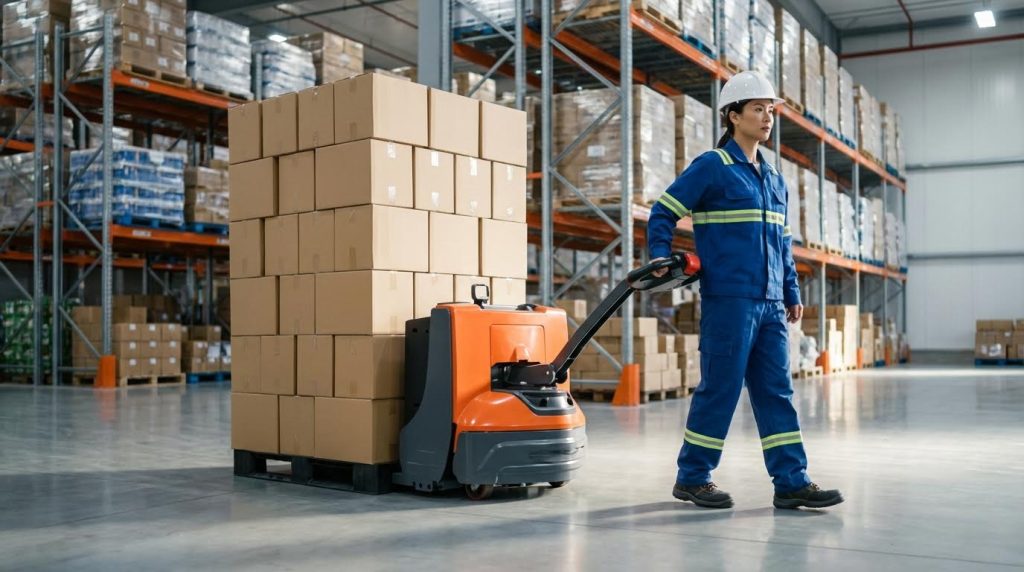
On powered pallet jacks, a compact AC drive unit with a cast gearbox and helical gears delivers smooth acceleration, controlled directional changes, and the torque needed for ramps, while minimizing noise and gear wear drive unit and AC system. Lead-acid batteries offer lower upfront cost but demand watering and cleaning, whereas lithium-ion packs are lighter, charge faster, and run with much lower annual maintenance, often extending service life to roughly 5–10 years compared with about 3–5 years for lead-acid in similar duty cycles battery TCO and lifespan.
Maintenance focus for running gear and power
Regular checks should cover wheel and roller damage, lubrication of steering pivots and grease points, inspection of drive motors and brakes, and battery voltage and corrosion status to keep rolling resistance low and uptime high running gear and electrical checks.
Matching Pallet Jack Components To Your Application
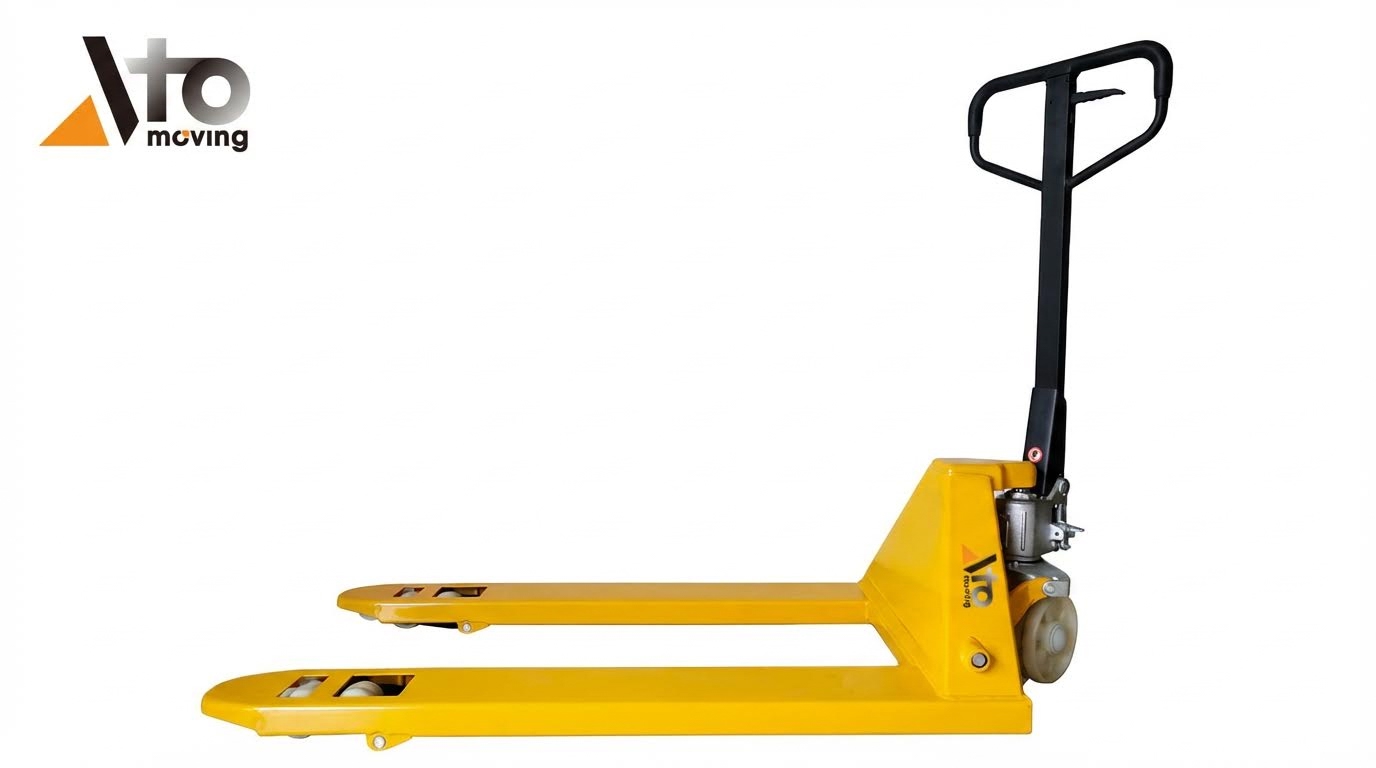
Wheel, fork, and pump choices by environment
When you ask what are the main parts of a manual pallet jack for a given application, wheels, forks, and the hydraulic pump are usually the first components to customize. Wheel material should match your floor and load profile. Polyurethane or rubber steering wheels provide good grip and low noise on smooth indoor floors, with typical diameters around 200 mm for manual units and tandem polyurethane or nylon load wheels around 80 mm. For very heavy, high-duty cycles or rougher surfaces, harder compounds or metal cores improve durability and reduce flat-spotting, while all‑terrain or swivel caster designs increase maneuverability over uneven ground and thresholds and can support significantly higher loads.
Fork geometry must match your pallet standard and aisle layout. Typical fork lengths around 1150 mm with width over forks from 520–685 mm cover most EUR and standard pallets, with lowered heights near 85 mm and raised heights around 200 mm to clear deck boards without over‑lifting the load center of gravity for stable handling. Narrower forks help with half‑pallets and tight racking but increase point loading on weak decks; wider forks distribute load better on light pallets. In corrosive or wash‑down areas, you would pair appropriate fork coatings or stainless construction with sealed wheel bearings to control rust and contamination.
The hydraulic pump and valve block define how quickly and smoothly the jack lifts. A sealed pump body reduces contamination and leakage, while quick‑lift circuits cut the number of strokes needed to reach pallet pickup height for lighter loads and improve operator productivity. For harsh or multi‑shift use, specify high‑tensile steel construction with overload pressure relief valves to protect the chassis and forks if operators exceed the rated 2000–5000 kg capacity range and to prevent structural damage. In temperature‑controlled or outdoor environments, choose pumps and seals rated for your temperature band to avoid sluggish lifting and premature seal wear.
Quick selection tips by environment
- Dry indoor warehouse: Polyurethane wheels, standard 1150 mm forks, quick‑lift pump.
- Cold storage: Sealed pump, cold‑rated seals, wheels with good low‑temperature grip.
- Wet or corrosive: Corrosion‑resistant forks, non‑metallic or coated wheels, sealed bearings.
- Rough yard or dock plates: All‑terrain or larger‑diameter wheels, reinforced fork tips, heavy‑duty pump.
Energy systems, TCO, and maintenance planning
For powered pallet jacks, the energy system is a major part of what are the main parts of a manual pallet jack from a cost and uptime perspective. Lead‑acid batteries offer lower upfront price, typically in the $600–$800 range for a 24 V, 250 Ah pack, but they are heavier and need watering and regular cleaning which drives higher routine maintenance. Lithium‑ion batteries cost more initially, around $1500–$2000 for a 24 V, 100 Ah unit, but they charge faster, support opportunity charging, and typically last 5–10 years versus 3–5 years for lead‑acid, with about half the annual maintenance spend over a five‑year window reducing downtime and labor.
Total cost of ownership (TCO) depends on duty cycle, labor rates, and charging infrastructure. Over five years, lead‑acid solutions typically show lower pure battery TCO, around $1200–$1300, while lithium systems fall roughly between $1850–$2300, but the latter can return value through higher uptime, fewer change‑outs, and less maintenance handling especially in multi‑shift operations. Electric pallet jacks also cut operator effort and fatigue, enabling one person to move more pallets per shift and manage seasonal peaks without adding headcount which improves throughput and safety.
A structured maintenance plan protects these key components and stabilizes lifecycle cost. Daily checks should confirm smooth wheel rotation, straight forks, and responsive handle and pump action, with quick wipe‑downs to remove debris and spilled oil and a short hydraulic test to catch sluggish lifting. Weekly, you should lubricate wheel axles and pivot joints and tighten fork and handle fasteners to eliminate rattles, while monthly inspections use straightedges on forks, check wheels for cracks or flat spots, and add corrosion protection on steel surfaces to extend structural life. For powered units, planned checks of hydraulic circuits, drive motors, brakes, and electrical connections, plus scheduled hydraulic oil changes around 6 months or 1500 hours, keep the jack within its design envelope and prevent costly unplanned failures supporting predictable TCO.
| Decision Area | Key Component | Main Engineering Trade‑Off |
|---|---|---|
| Floor & environment | Wheel type & size | Noise and grip vs. rolling resistance and durability |
| Pallet & aisle layout | Fork length & width | Compatibility and stability vs. maneuverability |
| Shift pattern & uptime | Battery chemistry | Upfront cost vs. charging flexibility and lifespan |
| Lifecycle cost | Maintenance regime | Planned service time vs. failures, downtime, and repairs |
“”
Final Engineering Considerations And Summary
Effective pallet jack design combines geometry, structure, hydraulics, running gear, and energy systems into one stable package. Fork length, width, and lift range set how the load sits over the wheelbase. Correct geometry keeps the center of gravity low and inside the support polygon, which prevents tipping and cuts fork stress. High‑tensile steel sections, correct weld sizing, and suitable wheel materials then carry rated loads without permanent bend or crack growth.
Hydraulic pumps, valve blocks, and linkages turn modest handle force into controlled lift. Overload valves and sealed components protect both operators and the chassis when users push limits or work in harsh environments. Steering tillers, control handles, and safety logic translate this engineering into safe daily use. Good ergonomics and automatic speed and brake functions reduce human error and injury risk.
Wheel, roller, and battery choices finally tune the jack to the site. Matching components to floor, pallet, shift pattern, and environment gives the best mix of uptime, operator effort, and total cost. Operations and engineering teams should treat the pallet jack as a system. Define loads and duty cycle first, select components to suit, and lock in a structured maintenance plan. This approach keeps Atomoving pallet jacks safe, predictable, and cost‑effective over their full life.
Frequently Asked Questions
What are the main parts of a pallet jack?
A pallet jack, also known as a pallet truck, consists of several key components that allow it to function effectively in material handling. The main parts include:
- Forks: The two flat prongs at the front used to slide under pallets.
- Handle: Used to steer and operate the hydraulic pump for lifting.
- Hydraulic Pump: Provides the lifting mechanism by generating pressure to raise the forks Hydraulic Jack Mechanics.
- Wheels: Includes load wheels at the front and steering wheels at the back for easy maneuverability.
- Nose Plate: Also called the base plate or toe plate, this is the flat surface connecting the forks and supporting the pallet.
How does a pallet jack lift pallets?
A pallet jack lifts pallets using a hydraulic system. When the handle is pumped, hydraulic pressure builds up in the cylinder, causing the ram to push the forks upward. This mechanism allows the forks to lift heavy loads with minimal effort Hydraulic Jack Mechanics. Once lifted, the pallet can be moved and placed wherever needed in the warehouse.