Knowing how to fix a pallet jack that won’t lift is critical for maintaining safe, continuous material flow in any warehouse or industrial facility. This guide covers core causes of lifting failures, a structured troubleshooting workflow, and practical repair and maintenance options for manual pallet jacks. You will see how hydraulic principles, failure modes, and safety checks translate into step-by-step diagnostics, from bleeding trapped air and checking fluid level to isolating valve and linkage faults. The final sections summarize best practices and key decisions so engineers and technicians can choose between repair, rebuild, or replacement with confidence.
Core Causes Of A Pallet Jack Not Lifting
Understanding why a manual pallet jack will not raise a load is the first step in learning how to fix a pallet jack that won’t lift. Most issues trace back to hydraulic circuit faults, mechanical wear, or basic misapplication. A structured diagnosis reduces downtime, prevents unnecessary part replacement, and improves safety in busy warehouse environments.
How Manual Pallet Jack Hydraulics Work
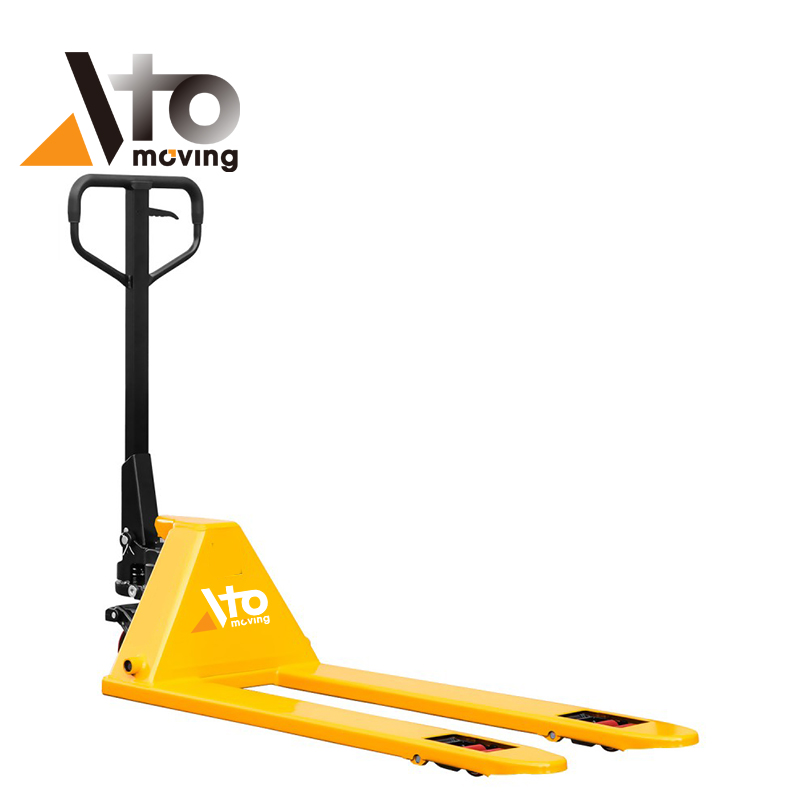
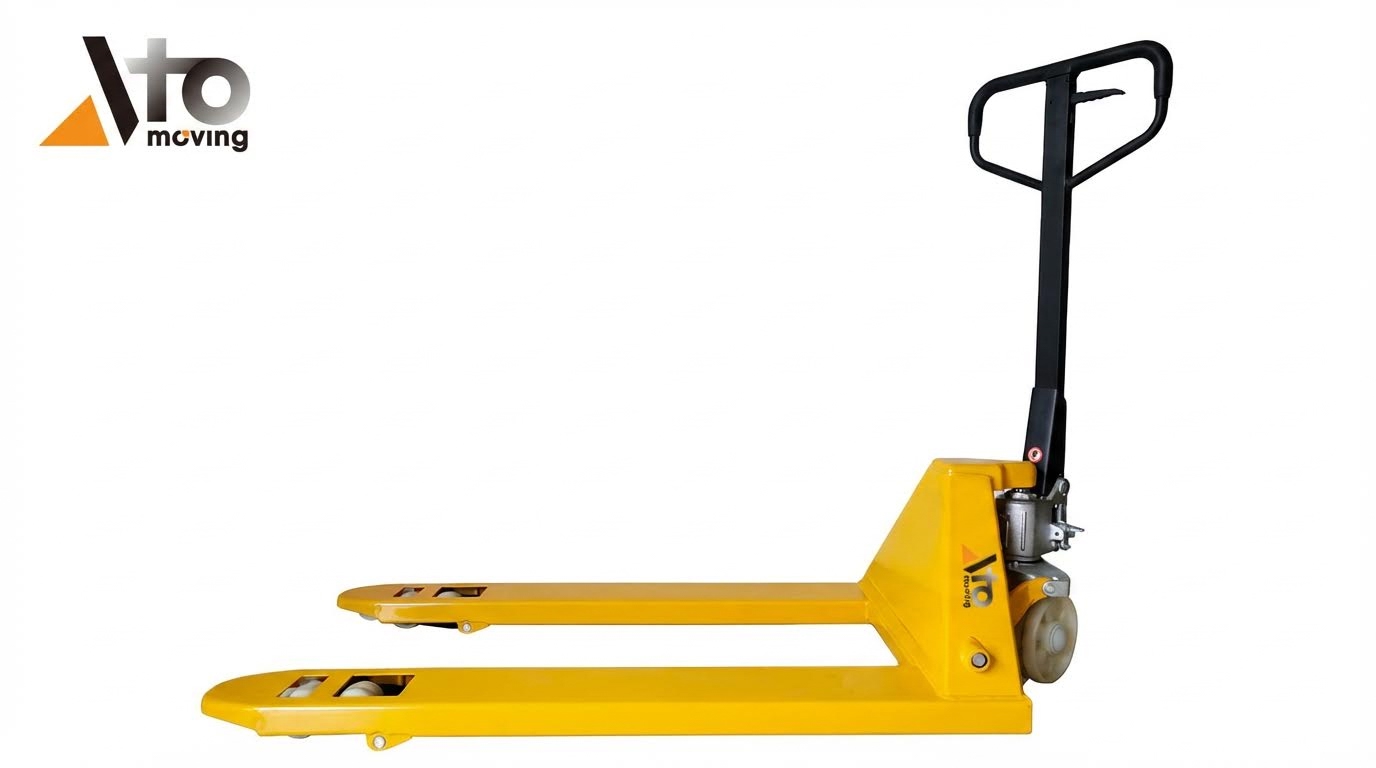
A manual pallet jack used a simple closed hydraulic circuit to convert handle strokes into lifting force. The operator pumped the handle, which drove a small piston inside the pump body and pressurized hydraulic fluid. Check valves directed this pressurized fluid into the main lift cylinder, forcing the ram outward and raising the forks. A release valve, controlled by the handle lever, opened a flow path back to the reservoir and allowed the forks to lower in a controlled way. Any air, fluid loss, or valve malfunction in this circuit reduced pressure and led directly to a pallet jack that would not lift.
Common Failure Modes In Warehouse Use
In typical warehouse duty, the most frequent cause of lifting failure was trapped air in the hydraulic system. Air compressed instead of transmitting pressure, so the handle moved but the forks stayed down or lifted very slowly. Chronic overloading, impact with dock plates, and aggressive use over time damaged seals, O-rings, and valve cartridges, creating internal leakage paths. External leaks at fittings or the reservoir reduced oil volume below the required level, often to more than 25% under nominal, which starved the pump. Mechanical wear in linkages, pivot pins, and the pump rod also changed stroke geometry and reduced effective lift. Bent forks or twisted frames did not usually stop lifting motion but created the impression of failure because the load sat unevenly or dragged on the floor.
Safety Checks Before Any Troubleshooting
Before working out how to fix a low profile pallet jack that won’t lift, technicians had to stabilize the equipment. They verified that no load remained on the forks and that the floor surface was level and free of oil. Wheel chocks or blocking under the frame prevented unintended rolling while the handle was pumped or components were removed. Operators wore safety footwear and gloves and avoided placing any part of the body under elevated forks, even when the jack seemed unable to lift. They also checked the rated capacity plate and confirmed that previous attempts had not exceeded the specified mass, which could have bent components or overloaded the hydraulic unit. Basic visual inspection for cracked welds, distorted forks, or severe corrosion came before any hydraulic disassembly.
When Repair Beats Replacement (And When Not)
Choosing between repair and replacement depended on a mix of technical condition and life-cycle cost. When the fault was limited to trapped air, low oil level, or a worn O-ring or valve cartridge, repair was usually fast and economical, especially if the frame remained straight and the wheels ran smoothly. Rebuilding or replacing the hydraulic power unit still made sense when the chassis was structurally sound and the jack matched standardized pallet sizes used on site. However, extensive structural damage, repeated hydraulic leaks after seal changes, or forks that had bent beyond tolerance often made replacement the safer and cheaper option. Age and duty cycle also mattered; a heavily used unit with multiple prior repairs and obsolete parts support typically justified replacement rather than another major overhaul.
Step-By-Step Troubleshooting Workflow
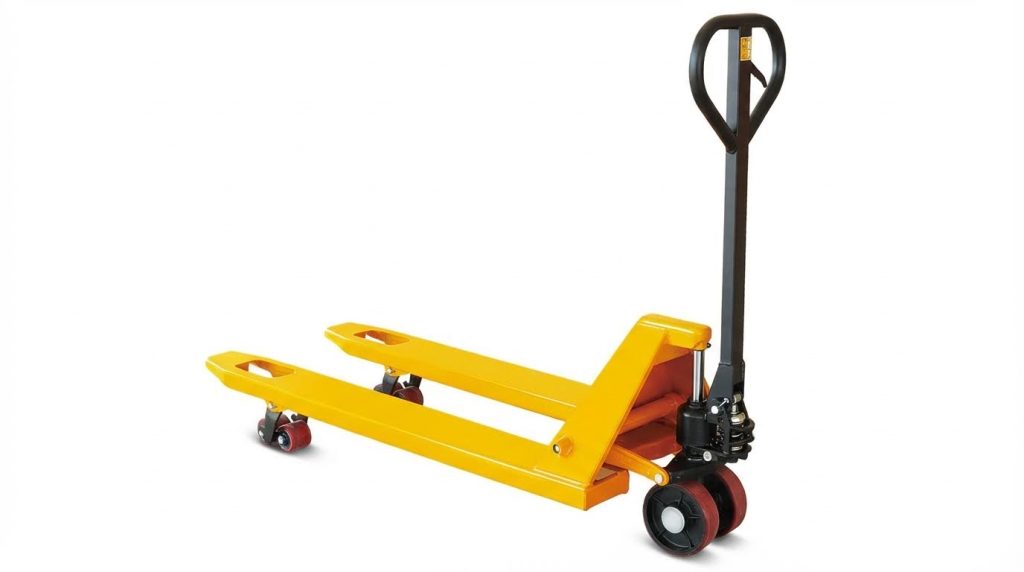
This section explains how to fix a pallet jack that won’t lift using a structured diagnostic workflow. Start with simple load and mechanical checks, then move into hydraulic bleeding, fluid inspection, and component isolation. Follow each step in order to avoid misdiagnosis and unnecessary parts replacement.
Verify Load, Stroke, And Basic Mechanical Issues
Begin with the pallet jack unloaded on a flat, stable floor. Confirm the rated capacity on the data plate and verify that recent loads did not exceed this value. Overloading often masked marginal hydraulic performance and accelerated wear. Check that the handle moves through its full pumping stroke without binding, grinding, or asymmetrical resistance. Inspect the forks for bending, twisting, or contact with the floor that could mechanically block lift. Verify that the lift-lower control lever snaps positively between positions and that the linkage fully closes the release valve in the lift position. If the jack still will not lift an unloaded fork after these checks, proceed to hydraulic troubleshooting.
Bleeding Trapped Air From The Hydraulic Circuit
Trapped air in the hydraulic circuit was the most frequent cause of a pallet jack that would not lift. Place the control lever in the lower or release position with the forks unloaded. Pump the handle 10–20 full strokes to force air from the pump body and cylinder back into the reservoir. Some models used a dedicated bleeder screw; in that case, slightly crack the bleeder until a solid stream of fluid appeared, then retighten. After bleeding, move the lever to the lift position and attempt to raise the forks without a load, then with a moderate test load. If lift performance improved only partially or not at all, continue with fluid level and leak checks.
Checking Fluid Level, Leaks, And Seal Integrity
Set the hydraulic pallet truck with forks fully lowered and parked level. Remove the hydraulic reservoir fill plug carefully and check that the fluid level sits roughly 20–30 millimetres below the top, or as specified in the manual. Top up with compatible hydraulic oil if the level is low, then repeat the bleeding procedure. Inspect around the pump body, cylinder, valve block, and hose connections for wet areas, dust-caked oil, or drips, which indicated external leaks. Examine the pump rod and cylinder rod for oil rings or rust streaks, signs of worn rod seals or wipers. Perform a static load test by lifting a moderate load and observing fork height over several minutes; noticeable sinking indicated internal leakage across seals or valves that required repair in later steps.
Isolating Handle, Linkage, Pump, And Valve Faults
When basic checks and bleeding did not restore lift, isolate subsystems to pinpoint the fault. Disconnect the lifting linkage from the control lever or handle pivot according to the service instructions. Verify that the lever and linkage moved freely through their travel without excessive play, sticking, or deformation. With the linkage disconnected and the control valve manually held in the lift position, pump the handle and observe fork movement. If the jack lifted correctly, the problem lay in the handle, pins, or linkage adjustment rather than the hydraulic pump. If the jack still failed to lift, suspect the pump or valve cartridge. Internal bypass through a worn check valve, damaged O-ring, or scored pump bore often caused this condition. At this stage, plan for valve service, seal replacement, or a hydraulic unit rebuild, guided by the specific model’s service documentation and parts list.
Repair Options And Maintenance Practices
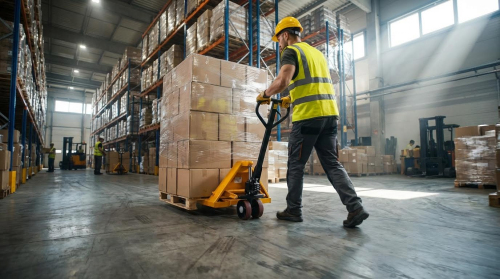
Knowing how to fix a pallet jack that won’t lift requires both correct diagnosis and structured repair practices. Once basic bleeding and fluid checks fail to restore lifting, targeted component repair becomes the next step. The following repair and maintenance options focus on restoring hydraulic integrity, extending service life, and supporting safe warehouse operation. They also help determine when continued repair no longer makes economic sense compared with replacement.
O-Ring, Seal, And Valve Cartridge Replacement
O-rings and seals controlled internal leakage in pallet jack hydraulic circuits. When they hardened, cracked, or extruded, the pump created pressure but fluid bypassed internally, so the jack would not lift or would slowly sink. Technicians isolated the valve cartridge, removed retaining pins or threaded plugs, and extracted the old O-rings with picks or pliers, taking care not to scratch sealing lands. They then installed correctly sized replacements, lubricated with compatible hydraulic oil, and reassembled to the manufacturer’s torque specifications. After reassembly, they refilled the reservoir to the specified level, bled air by pumping under no load, and performed a static load test to confirm that the forks held height without drift. Seal and O-ring replacement offered a low-cost, high-impact method to fix a pallet jack that would not lift, provided the ram and cylinder bores remained within wear limits.
Rebuilding Or Replacing The Hydraulic Power Unit
When a pallet jack still failed to lift after seal and valve service, the hydraulic power unit often required a full rebuild. Rebuilding typically included disassembling the pump body, inspecting the ram, bore, check valves, and springs, and measuring critical diameters against service limits. Excessive scoring, pitting, or out-of-round conditions reduced volumetric efficiency and prevented adequate lifting pressure. In such cases, technicians either honed the bore and installed oversize seals or replaced the entire power unit. Replacement became the preferred option when labor hours, parts cost, and expected remaining life exceeded the price of a new unit. For high-throughput warehouses, swapping in a new pre-filled, pre-bled power unit minimized downtime and simplified how to fix a pallet jack that would not lift within a single maintenance window.
Preventive Maintenance And Inspection Routines
Structured preventive maintenance reduced the frequency of lifting failures and unplanned outages. Monthly checks usually included verifying hydraulic fluid level, inspecting for external leaks at the pump, ram, and hose connections, and cleaning debris from under the forks and around wheel axles. Technicians also inspected the pump rod for rust streaks, which indicated water ingress and impending seal damage, and checked that the jack held a test load without sinking over a defined time period. Lubrication of pivot pins, linkage joints, and wheel bearings with appropriate greases reduced mechanical drag and wear. Clear inspection records, tied to asset IDs and service dates, supported trend analysis and helped maintenance teams schedule seal kits or power unit replacements before the pallet jack stopped lifting during critical operations.
Using Digital Tools For Predictive Maintenance
Digital tools enhanced how facilities planned repairs for pallet jacks that would not lift. Maintenance teams used computerized maintenance management systems to log lifting failures, seal replacements, and hydraulic rebuilds, then analyzed time-between-failure statistics. This data identified models or duty cycles that correlated with frequent hydraulic issues. Some operations applied simple condition-based indicators, such as recording handle stroke count or lift cycles, to trigger inspection tasks after predefined thresholds. Mobile inspection apps allowed technicians to capture photos of leaks, corrosion, and damaged components, improving remote diagnosis and parts ordering accuracy. Over time, these digital records supported predictive strategies, where seals, valve cartridges, or entire hydraulic units were replaced just before expected failure, reducing downtime and giving a data-backed framework for deciding whether to fix a pallet jack that would not lift or retire it from service.
Summary Of Best Practices And Key Decisions
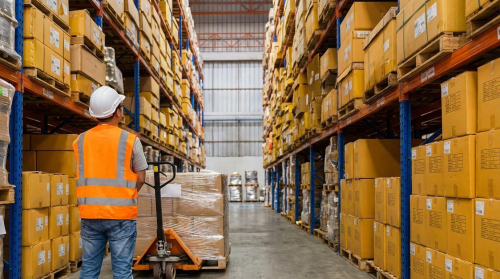
Knowing how to fix a pallet jack that won’t lift required a structured, safety-led workflow. Technicians first verified load, stroke, and obvious mechanical issues before touching the hydraulic circuit. They then bled trapped air, checked fluid level and leaks, and isolated faults between handle, linkage, pump, and valves. This sequence minimized unnecessary disassembly and reduced misdiagnosis.
Hydraulic repairs focused on O-rings, seals, and valve cartridges, followed by fluid refill and functional testing. Where internal damage or chronic leaks appeared, rebuilding or replacing the hydraulic pallet truck power unit became the rational choice. Preventive maintenance, including fluid checks, leak inspections, lubrication, and periodic load tests, consistently extended service life and reduced unexpected failures. Digital tools for inspections and hour-based reminders improved compliance and enabled basic predictive maintenance.
From a decision-making perspective, users balanced repair cost, downtime, and remaining life of the chassis and forks. Local labor rates, parts availability, and safety compliance obligations all influenced whether repair or replacement offered better lifecycle value. Future practice would increasingly combine traditional inspection routines with digital logging, condition-based alerts, and standardized repair procedures. Facilities that implemented these best practices saw higher equipment availability, lower total ownership cost, and safer handling operations when addressing how to fix a low profile pallet jack that won’t lift.