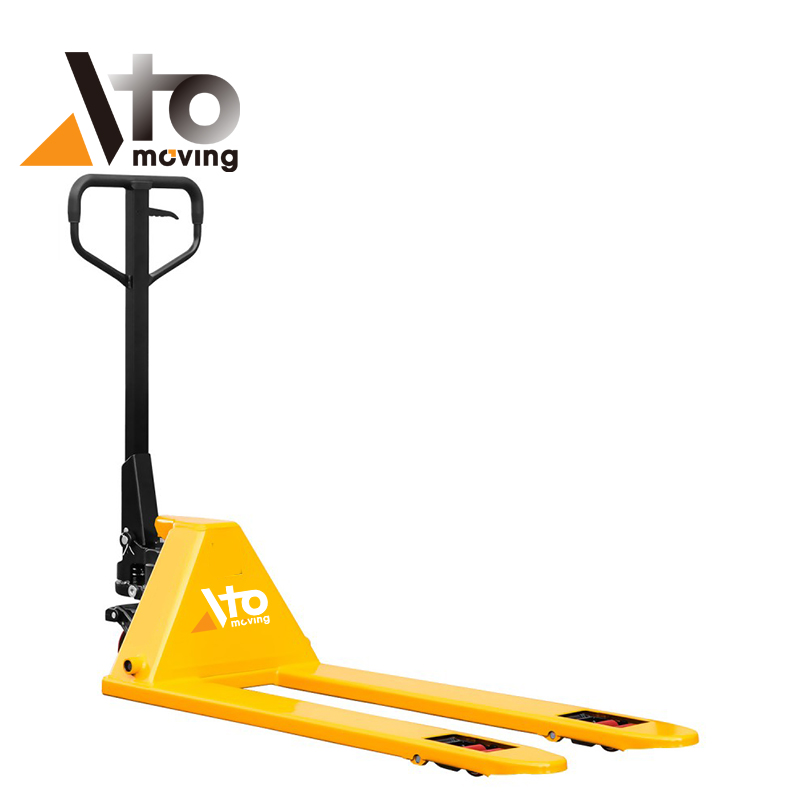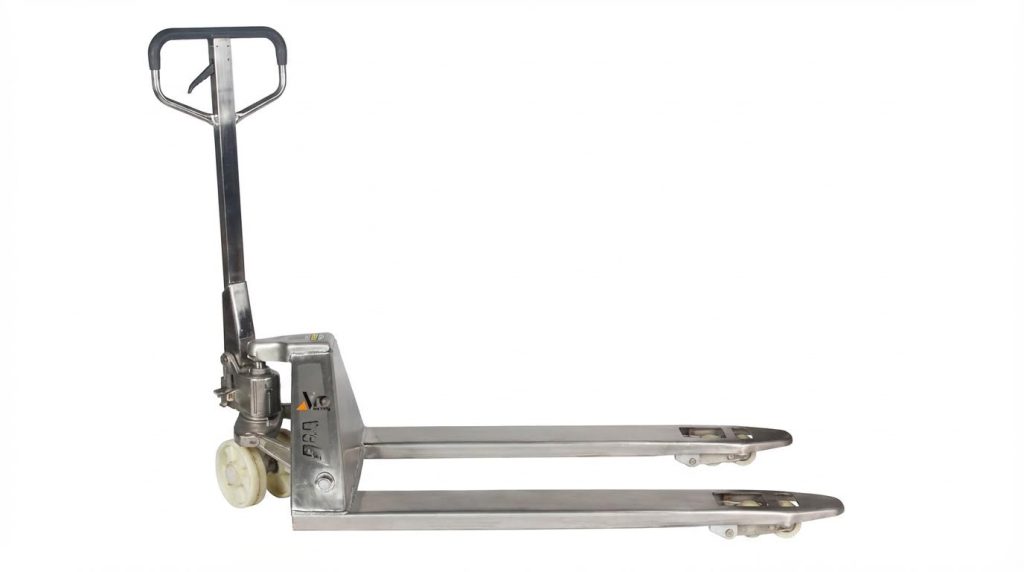
Electric pallet jacks played a central role in short-distance material handling in warehouses, distribution centers, and loading docks. Effective use of these trucks depended on safe operating techniques, structured training, and disciplined maintenance strategies.
This article outlined core operating principles, OSHA 1910.178 training and compliance, and best practices for visibility, pedestrian interaction, and load stability on docks and ramps. It then examined planned inspections and preventive maintenance routines, from daily walkarounds to FEM 4.004 regulatory inspections and structured battery care. Finally, it addressed troubleshooting of batteries, motors, hydraulics, and running gear, and showed how data, telematics, and predictive maintenance trends supported safer, more reliable pallet jack fleets.
Core Principles Of Electric Pallet Jack Operation
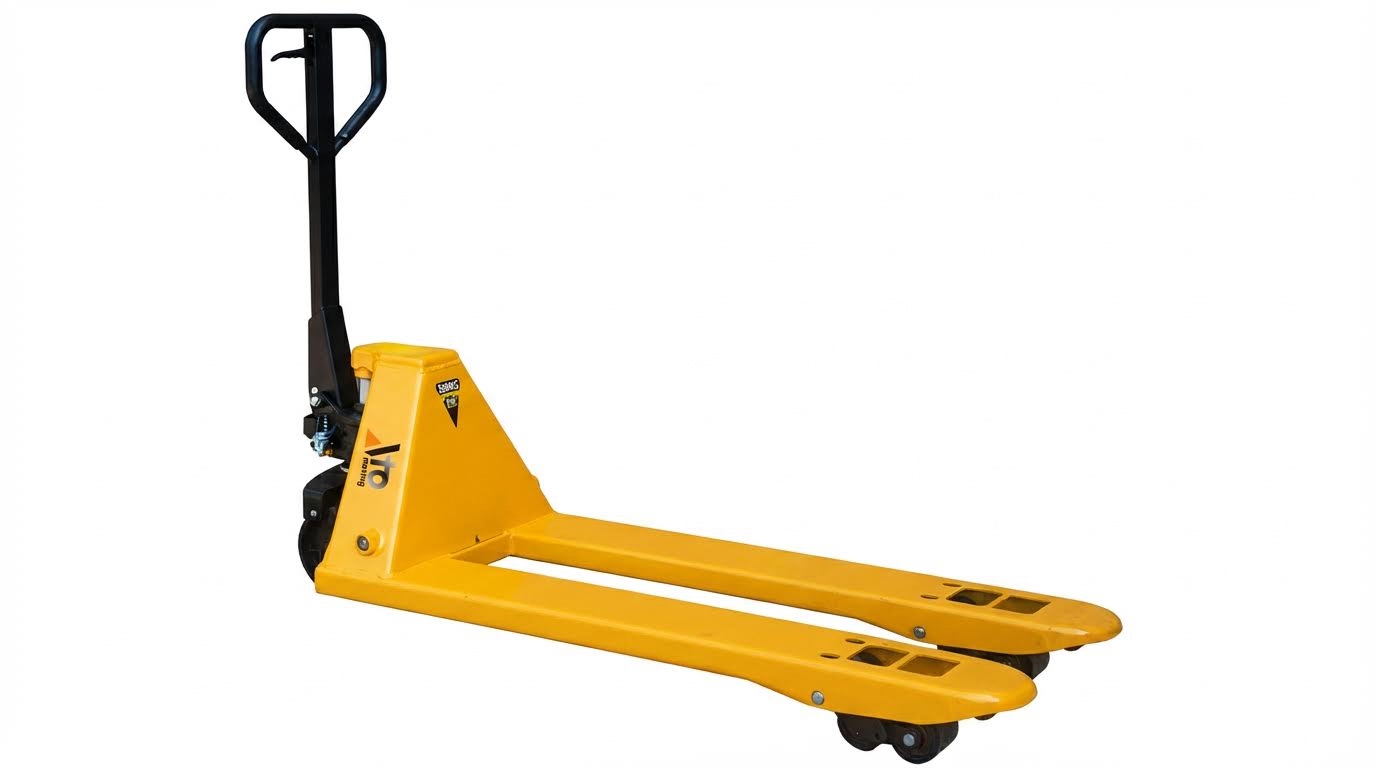
Core principles for electric pallet jack operation focused on safe, efficient movement of palletized loads over short distances. These principles integrated correct control use, regulatory-compliant training, disciplined driving behavior, and rigorous load-handling practices. Together they reduced incident rates, extended equipment life, and supported high-throughput warehouse and dock operations.
Operating Modes, Controls, And Typical Use Cases
Electric pallet jacks operated either as walk-behind or ride-on units, depending on configuration and site layout. Walk-behind units suited dense warehouse aisles and short shuttle movements between racks and staging zones. Ride-on or platform types supported longer horizontal transport in distribution centers and cross-dock facilities. Controls typically included directional travel switches, lift and lower buttons, horn, emergency reverse (belly) button, and key or start switch. Operators used low lift heights, usually a few centimetres of fork clearance, because the design targeted transport rather than stacking. Typical use cases included trailer unloading, dock-to-storage transfers, order consolidation, and line-side feeding in manufacturing plants.
OSHA 1910.178 Compliance And Operator Training
Electric pallet jacks fell under OSHA Powered Industrial Trucks Standard 29 CFR 1910.178. Employers therefore had to provide formal instruction, practical training, and evaluation specific to electric pallet jacks before unsupervised use. Online or classroom modules typically lasted about 30 minutes and covered equipment types, control functions, hazard recognition, and site-specific rules. Trainees learned pre-use inspection steps, safe operating procedures, parking requirements, and limitations versus forklifts. Programs usually required at least 80% correct on knowledge tests, with documented evaluations of hands-on operation. Refresher training became necessary after incidents, near misses, unsafe behavior, or significant process changes. Compliance reduced collision risk, load drops, and musculoskeletal injuries while aligning with enforcement expectations.
Safe Driving, Visibility, And Pedestrian Interaction
Safe driving practices emphasized low, controlled speeds comparable to normal walking pace. Operators typically walked slightly ahead and to the side of the jack to maintain forward visibility and avoid foot entrapment. They kept forks as low as practical during travel to improve stability and sightlines. Good practice required scanning for pedestrians, other vehicles, and floor hazards, then adjusting speed and path proactively. Operators used the horn at blind corners, intersections, and doorway approaches. They avoided riding on the forks or load, and prohibited passengers on walk-behind units. Because forks extended beyond the pallet, operators allowed extra clearance when approaching racking, equipment, and personnel. Clear right-of-way rules and marked pedestrian aisles further reduced interaction risks.
Load Capacity, Stability, And Dock And Ramp Practices
Safe load handling started with respecting the pallet jack’s rated capacity on the data plate, expressed in kilograms at a defined load center. Operators positioned loads fully against the fork backrest area, centered laterally, and kept packaging intact to prevent shifting. Forks needed full insertion under the pallet before lifting, with height increased only enough to clear floor irregularities. Operators avoided adjusting fork height while moving, and always stopped before lowering at the destination. On ramps, they traveled straight up or down with the load uphill to maintain stability and traction. At loading docks, they verified trailer brakes, wheel chocks, and secure dock boards before entry. They also checked trailer floors for holes, broken boards, or excessive deflection. Parking procedures required forks lowered to the floor, controls neutralized, and key removed or battery isolated, without blocking exits or emergency equipment.
Planned Inspections And Preventive Maintenance

Planned inspections formed the backbone of safe and reliable electric pallet jack operation. Structured routines reduced unexpected failures, extended component life, and supported compliance with safety standards. A layered approach, from daily checks to annual inspections, allowed maintenance teams to detect wear early and prioritize repairs. Integrating these practices into standard operating procedures improved uptime and reduced lifecycle cost.
Daily Walkaround, Functional Checks, And Cleaning
Daily inspections typically occurred at the start of each shift before putting the pallet jack into service. Operators visually checked forks, wheels, and chassis for cracks, deformation, leaks, or loose hardware. They verified that safety devices, warning labels, and the data plate were present and legible, since missing markings compromised regulatory compliance. Functional checks included testing horn, brakes, forward and reverse travel, steering response, and emergency reverse controls.
Operators inspected hydraulic components for oil leaks around cylinders, hoses, and fittings, and confirmed the forks raised and lowered smoothly without jerks. A quick scan of wheels and tires for embedded debris, flat spots, and excessive wear reduced the risk of instability and floor damage. Cleaning the jack after use removed dust, pallet fragments, and wrapping material that could obstruct wheels or cooling paths. Technicians avoided pressure-washing sensitive electrical and hydraulic components, instead using wipes and low-moisture cleaning to prevent water ingress.
Any abnormal noise, sluggish lifting, or erratic movement triggered an immediate lockout and tag-out, with the unit reported to a supervisor. Operators did not use equipment with visible damage, leaking fluids, or non-functioning safety features. This daily routine typically took less than five minutes but significantly reduced in-service failures. Documenting findings in a simple checklist supported traceability and trend analysis.
Weekly And Monthly Mechanical Service Tasks
Weekly maintenance focused on lubrication, tightening, and basic mechanical integrity checks beyond the operator’s daily walkaround. Technicians applied suitable lubricants to wheel axles, pivot joints, and handle hinges to reduce friction and noise. They checked fork and handle mounting bolts with a torque wrench, listening and feeling for looseness or rattling that indicated fastener relaxation. A functional test with a moderate load verified that forks did not sink under static load and that wheels rotated freely without grinding.
Monthly tasks added deeper inspections and cleaning in less accessible areas. Maintenance personnel cleaned under forks, around wheel brackets, and near the pump unit to remove compacted grime that could conceal cracks or corrosion. They checked fork straightness with a straightedge or gauge, since bent forks affected load distribution and could exceed design stresses. Wheels and rollers were inspected for cracks, chunking, or severe flat spots, with replacements scheduled before structural failure.
Hydraulic systems received closer attention each month, including checking oil level and visible condition through the reservoir or inspection plug. If oil appeared milky or heavily contaminated, a planned oil change and bleed procedure was scheduled. Technicians also inspected electrical harnesses for abrasion, loose connectors, and damaged insulation around the drive unit and tiller head. These scheduled tasks reduced unplanned downtime and supported predictable spare parts planning.
Battery Care, Charging Protocols, And Lifecycle
Battery maintenance directly influenced runtime, reliability, and total cost of ownership for electric pallet jacks. Operators ensured proper charging by using approved chargers, verifying intact cables, and confirming secure plug connections before each charge cycle. For lead-acid batteries, partial opportunity charging and avoiding deep discharge below recommended thresholds reduced sulfation and capacity loss. For lithium-ion packs, technicians followed manufacturer limits for charge current, voltage, and temperature to protect cell health.
Daily routines included visually checking the battery case for cracks, bulging, or leaks and confirming that vent caps and covers were properly seated where applicable. Cleaning battery terminals with appropriate tools and neutralizing agents prevented corrosion that increased resistance and caused heating. Charging took place in well-ventilated areas, with clear separation from ignition sources and adherence to electrical safety practices. Operators avoided repeated full discharges, which shortened battery life and increased heat generation.
Lifecycle management relied on tracking charge cycles, runtime, and performance trends. A noticeable reduction in runtime, frequent undervoltage alarms, or repeated charging faults indicated approaching end-of-life or connection problems. Maintenance teams planned proactive replacements or module swaps, particularly for modular lithium systems designed for quick changeover. Proper storage in a cool, dry environment during extended idle periods further slowed capacity degradation.
FEM 4.004 Inspections And Regulatory Requirements
FEM 4.004 defined periodic inspection requirements for industrial
Troubleshooting And Reliability Engineering
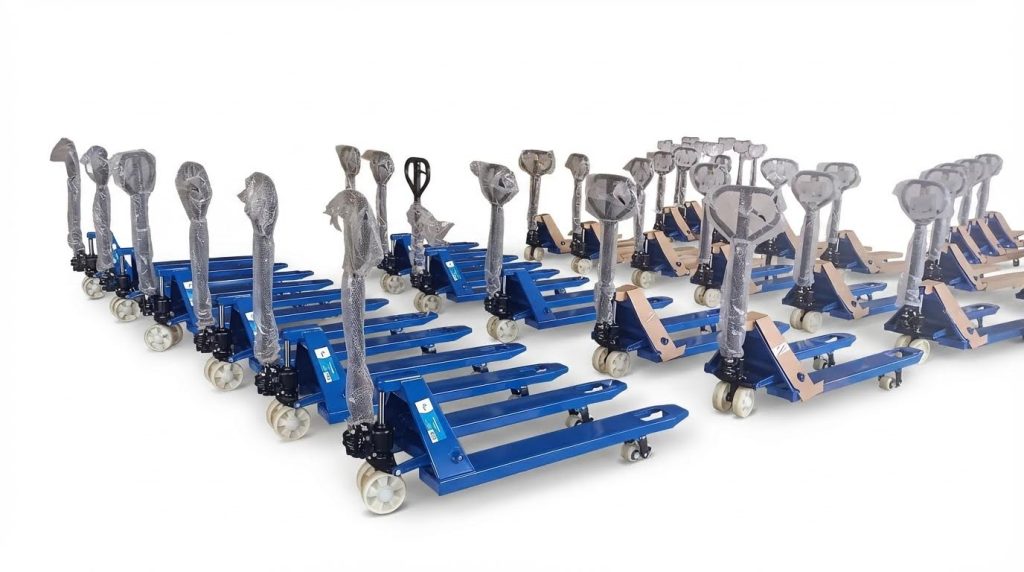
Troubleshooting and reliability engineering for electric pallet jacks relied on structured fault diagnosis and disciplined maintenance. Engineers linked field symptoms to underlying failure modes in electrical, hydraulic, and mechanical subsystems. This approach reduced unplanned downtime, improved safety, and extended asset life. Modern fleets increasingly combined classical root cause analysis with data-driven monitoring to support continuous improvement.
Battery, Motor, And Drive System Fault Diagnosis
Battery-related faults typically appeared as short runtime, rapid discharge, or failure to accept charge. Technicians first checked cable terminations for looseness, oxidation, or damaged insulation, then verified charger output voltage and connector integrity. Excessive discharge cycles and deep cycling shortened battery life, so operators followed correct charging protocols and replaced end-of-life packs. When units showed weak traction or slow acceleration, engineers inspected the drive motor for overheating, odor, and insulation damage, and checked the transmission path for loose or slipping drive belts or worn gear interfaces. If the truck would not move, diagnostic steps included confirming battery state of charge, testing the key switch and emergency stop, verifying controller input signals, and reading error codes from the control panel. This systematic sequence minimized unnecessary parts replacement and supported evidence-based reliability decisions.
Hydraulics, Lifting Issues, And Oil Service
Lifting problems often originated in the hydraulic circuit, particularly from air ingress, low oil level, or contaminated fluid. Typical symptoms included sluggish lifting, incomplete lift height, or forks that slowly sank under load. Technicians checked for external leaks at seals, hoses, and cylinder connections, then verified oil level against manufacturer specifications, usually in the 0.3 liter range for compact units. Bleeding procedures involved cycling the pump through full stroke raise and lower sequences to expel trapped air. If lowering speed was erratic, they adjusted the lowering valve using a spanner and screwdriver according to service documentation. Periodic oil changes removed degraded fluid and particles that accelerated seal wear; the procedure required draining through the fill or drain plug, inspecting and replacing O-rings, reinstalling the valve body, then refilling with the specified hydraulic oil grade. Consistent hydraulic service significantly reduced lifting failures and extended cylinder and pump life.
Wheels, Rollers, And Steering Performance Problems
Wheel and roller degradation affected traction, maneuverability, and load stability. Common issues included flat spots, cracks, chunking, and seized bearings on load rollers and steer wheels. Technicians inspected tread surfaces, checked for embedded debris, and spun wheels to detect grinding noises that indicated bearing failure. Steering complaints, such as heavy steering or drift, required checking caster alignment, fork geometry, and the steering linkage or steering pump where applicable. Replacement of fork rollers typically involved laying the unit on its side, removing cotter pins and axles, cleaning bores, lubricating with appropriate grease, and installing new rollers to the correct torque. For steer wheels, the process included removing protective caps, retaining rings, and washers, then fitting new wheels and confirming free rotation under load. Addressing wheel and steering problems promptly reduced operator fatigue, prevented floor damage, and lowered the risk of tip or impact incidents.
Data, Telematics, And Predictive Maintenance Trends
Reliability engineering for pallet jacks increasingly adopted telematics and data analytics, especially in larger fleets. Embedded sensors and controllers recorded operating hours, fault codes, battery charge cycles, and temperature excursions. Fleet managers used these data to schedule maintenance by condition rather than by calendar alone, targeting units that showed rising fault frequency or abnormal energy consumption. Integration with warehouse management systems allowed correlation of failure modes with duty cycles, load profiles, and operator behavior. Predictive models flagged patterns such as repeated low-voltage events, elevated motor temperatures, or frequent hydraulic overpressure events, which preceded breakdowns. This data-centric approach supported optimized spare parts stocking, improved training focus, and more accurate lifecycle costing, moving pallet jack management toward proactive reliability rather than reactive repair.
Summary Of Safe, Reliable Pallet Jack Operation And Care
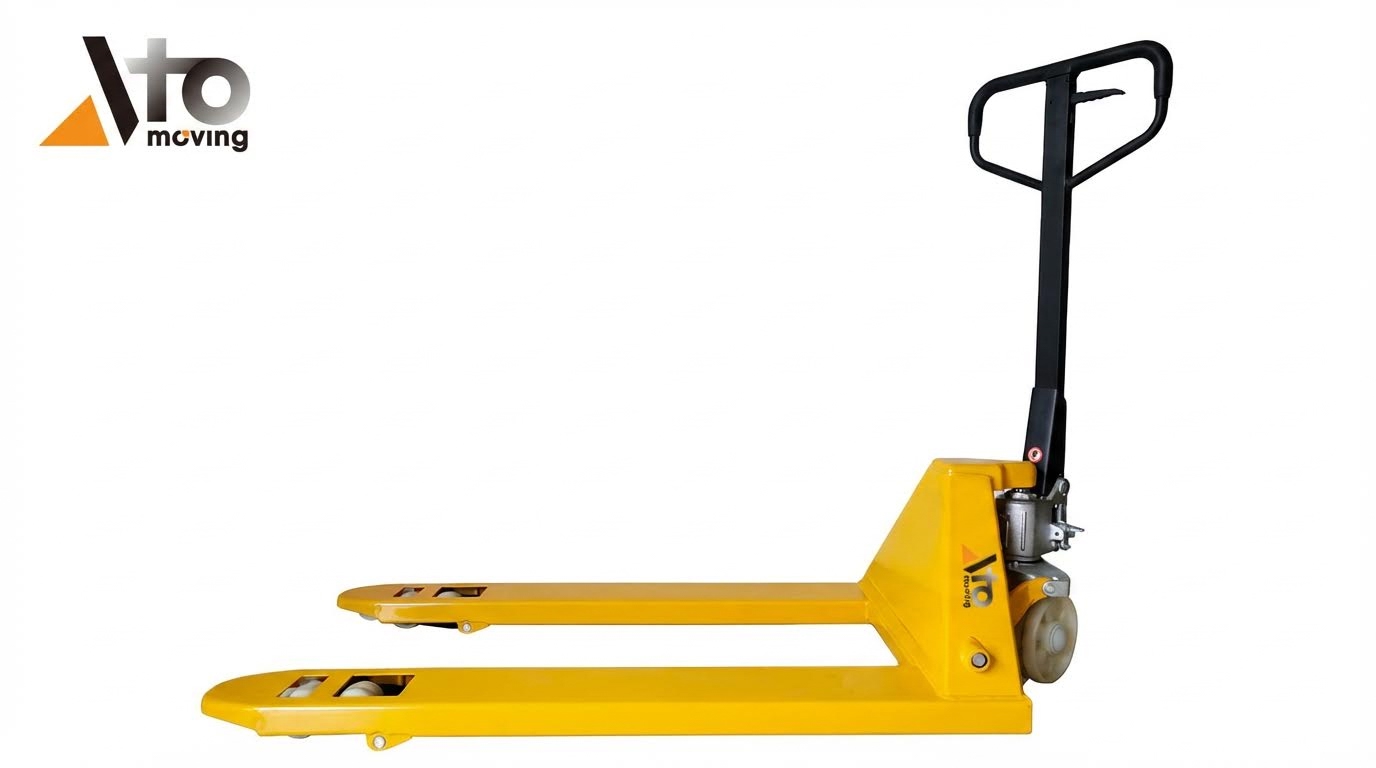
Safe electric pallet jack operation relied on disciplined training, structured procedures, and consistent maintenance. OSHA 1910.178 training requirements ensured operators understood controls, operating modes, and typical hazards before using powered pallet trucks. Correct load handling, including keeping mass within rated capacity, centering it on the forks, and maintaining low travel height, reduced tip-over and product damage risks. Good driving practice required controlled walking speed, clear visibility, and deliberate positioning relative to pedestrians, racks, and docks.
Preventive maintenance programs combined daily walkaround checks with weekly, monthly, and annual service tasks. Operators inspected forks, wheels, hydraulic components, and safety devices before each shift, tagging defective units out of service. Technicians performed lubrication, fastener checks, hydraulic oil service, and wheel or bearing replacement according to manufacturer schedules and FEM 4.004 annual inspection requirements. Structured battery care, including correct charging, clean terminals, and temperature-controlled storage, extended runtime and reduced unexpected failures.
Troubleshooting practices focused on rapid isolation of battery, motor, hydraulic, and control faults using visual inspection, functional tests, and error codes. Reliability engineering approaches increasingly used telematics and usage data to predict failures, optimize service intervals, and align spare parts inventories with actual wear patterns. Going forward, fleets would integrate more sensor data, remote diagnostics, and standardized digital inspection records to cut downtime and improve safety performance.
Implementing these practices required clear site procedures, documented checklists, and defined escalation paths when defects appeared. Organizations needed to balance adoption of advanced technologies with robust basic habits: correct operation, thorough inspections, and timely repairs. Operations that treated pallet jacks as critical assets rather than consumables achieved lower lifecycle costs, higher availability, and a measurable reduction in incidents and near-misses.