Knowing how to replace pallet jack wheels correctly is critical for safety, uptime, and total cost of ownership in any warehouse. This engineering guide walks through inspection, step‑by‑step wheel change, and how to choose the right replacement materials and sizes for your floors and loads. You will see practical methods, tool lists, and testing checks that reduce noise, rolling resistance, and premature wear. Use it as a field-ready reference for technicians, supervisors, and anyone responsible for pallet jack maintenance and procurement.
Understanding Pallet Jack Wheel Replacement
Why Wheel Condition Matters For Safety And TCO
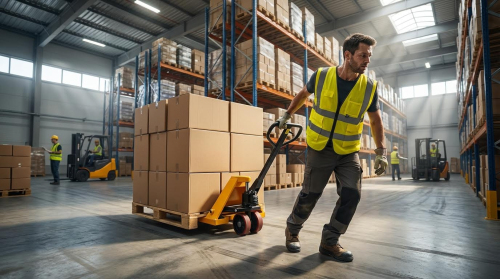
Wheel condition directly affects how to replace pallet jack wheels from a maintenance planning perspective, not just as a repair task. Worn or damaged wheels increase rolling resistance, noise, and vibration, which raises operator effort and can lead to strain injuries and reduced throughput over a shift. Flat spots, chunking, or seized bearings also increase the risk of sudden stops, load instability, and floor damage, all of which raise safety incident potential and liability. During routine inspections, wheels and tires should be checked for cuts, flat spots, and worn bearings, and any axles or bearings showing wear should be replaced promptly to avoid secondary damage to the jack frame or pump linkage. Inspection of wheels and bearings is a standard maintenance checklist item. From a total cost of ownership (TCO) standpoint, running on bad wheels drives up maintenance costs, increases downtime, and can accelerate wear on other components such as the pump, linkage, and forks. Proactive wheel replacement, especially replacing both load wheels at the same time, helps ensure even tracking and reduces the likelihood of unplanned failures that disrupt operations. Replacing both load wheels together is recommended to prevent uneven movement and damage. In a broader warehouse context, pallet jack wheels sit in the same risk category as conveyor rollers and forklift tires, where worn components are known to cause misalignment, vibration, higher energy use, and safety hazards, making timely replacement a key lever in lowering lifecycle equipment costs. Worn pallet jack wheels are a documented source of noise, vibration, friction, and accidents.
Load Wheels Vs. Steer Wheels: Functions And Fail Modes
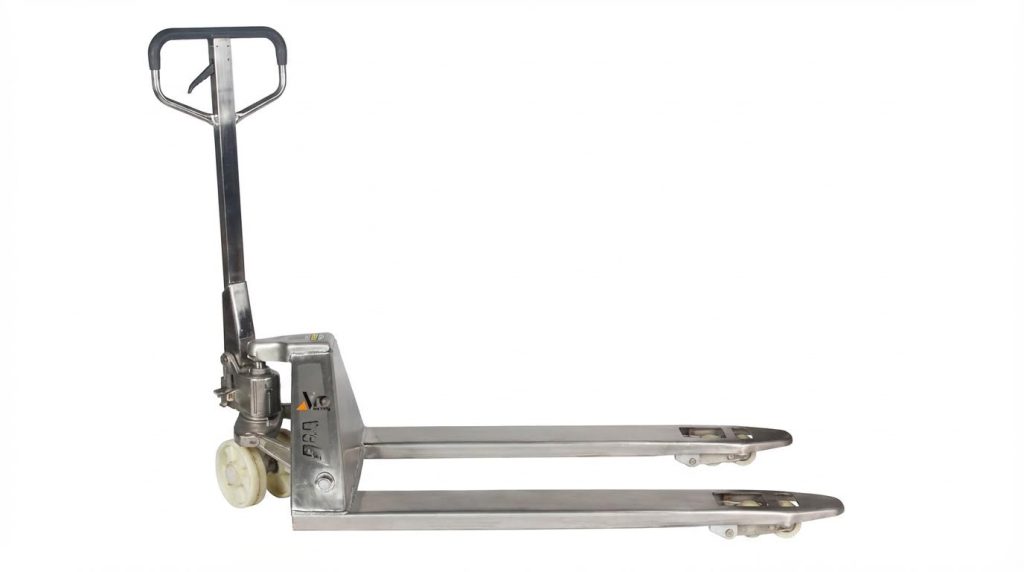
Understanding the difference between load wheels and steer wheels is essential when planning how to replace pallet jack wheels correctly and diagnose failures. Load wheels sit at the fork tips and carry most of the vertical load; they experience high contact pressure, impact at pallet entry, and concentrated wear, especially when entering or exiting pallets or crossing thresholds. Steer wheels, mounted under the handle, support a portion of the load but primarily manage directional control, turning, and maneuvering forces; they see more lateral loading and scrubbing in tight turns. Typical load wheel failure modes include flat spots from pivoting under load, chunking of polyurethane or nylon tread, bearing seizure from contamination, and cracking when overloaded or used on rough surfaces. By contrast, steer wheels more often show coning wear, edge chipping, or bearing play that translates into wandering, poor tracking, or a “wobble” in the handle. Both wheel types rely on properly functioning bearings; if bearings are not inspected and replaced when worn, rolling resistance and heat increase, which accelerates tread degradation and raises the risk of sudden bearing failure under load. Routine inspection of wheels and bearings helps catch these issues early. In practice, many maintenance teams schedule load wheel replacement more frequently than steer wheel replacement, because load wheels see higher stress and are often made from materials such as polyurethane or nylon that are optimized for floor protection and low rolling resistance but will sacrifice themselves before the steel structure of the jack..
Step‑By‑Step Wheel Replacement And Best Practices
Tools, Lockout, And Safe Jack Positioning
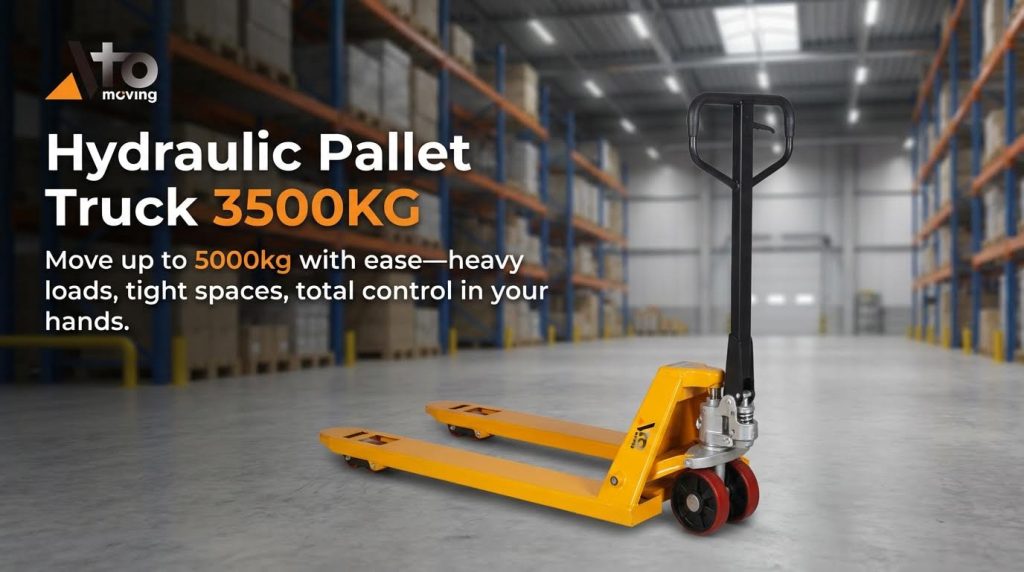
Before you start any work on how to replace pallet jack wheels, gather the correct tools and secure the work area. Typical hand tools include a hammer, 3/16″ and 3/8″ pin punches, pliers, a socket wrench, and the correct axle clip or pin for your jack model. These tools are commonly specified for pallet jack wheel replacement. Lock the handle in the lowered position, chock the wheels if needed, and apply any site lockout/tagout rules so no one tries to move or use the jack during work.
For access and ergonomics, the pallet jack is usually flipped over or laid carefully on one side so the wheel brackets and axles are fully exposed. This position lets you work in a neutral posture and reduces strain while driving pins and axles. Guides recommend tipping the unit so all components are accessible while maintaining safe body positioning. Always support the jack so it cannot roll or tip unexpectedly while you are working under or beside the forks.
Removing Pins, Axles, And Worn Wheels
The first mechanical step in how to replace pallet jack wheels is to remove the locking hardware that holds the axle. Many designs use a spring pin through the fork bracket and axle. This pin is driven out by tapping it with a hammer and an appropriate pin punch until it is fully dislodged from the bracket and axle bore. Spring pins are normally removed by controlled hammering with a punch.
Once the locking pin is out, you can drive the axle itself out of the fork bracket. Use a hammer and punch to push the axle through, supporting the wheel so it does not fall and damage the floor or your hands. After the axle is free, slide the old wheel off and inspect the axle, wheel hub, and bearings for scoring, corrosion, or looseness. Standard practice is to remove the axle after the spring pin, then pull the wheel and check both axle and bearings for wear. Replace any worn bearings or axles rather than reusing marginal components, because they directly affect tracking, noise, and service life.
Installing New Wheels, Lubrication, And Testing
Before installing new wheels, clean the axle bore and grease the moving interfaces according to the operating manual. Particular attention should go to the linkage rod and any pivot points in the fork tip area so the jack raises and lowers smoothly under load. Guidelines recommend lubricating all moving parts, especially the linkage rod, with grease before reassembly. Slide the new wheel into the bracket, insert the axle through the wheel and fork, and align the axle’s locking hole with the bracket hole, adding any required washers in the original sequence.
With alignment confirmed, drive the axle fully home using the hammer, then install the locking pin or clip. One common method is to block the opposite side of the hole with a punch and then drive the locking pin into the axle groove using pliers and a hammer until it seats positively. This ensures the pin engages the axle groove and prevents axial movement. After both sides are assembled, return the pallet jack to its upright position and cycle the handle to raise and lower the forks, checking that the wheels rotate freely and track straight. Post-replacement checks should confirm smooth wheel rotation and overall functionality with no abnormal noise. Replace both load wheels together to maintain symmetry and avoid uneven rolling or side loading on the forks. Guidance recommends changing both load wheels at the same time for consistent movement.
Selecting The Right Replacement Wheels
Polyurethane Vs. Nylon: Performance Trade-Offs
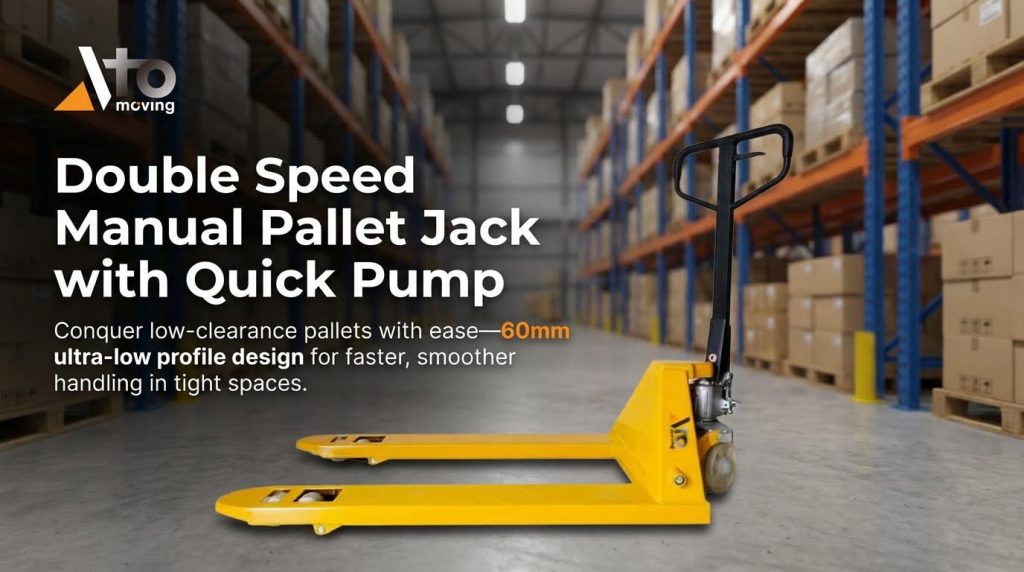
When you plan how to replace pallet jack wheels, your material choice drives noise, floor wear, and push force. Polyurethane (PU) wheels give a cushioned, quiet, and non-marking ride, which protects sensitive floors and reduces operator fatigue. Nylon wheels are much harder, roll with very low resistance, and handle aggressive chemicals and frequent wash-down better than softer compounds. Fully nylon wheels with precision ball bearings offer very low rolling resistance and are well suited to heavy transport on smooth, hard floors such as tiles, cement, and industrial coatings in hygienic or clean environments.
- Choose PU if you need quiet operation, non-marking contact, and better grip on slightly rough or mixed floors.
- Choose Nylon if you prioritize low push force, high wear resistance, and chemical resistance on smooth, hard, and dry floors such as polished concrete or tiles.
- In food, pharma, or chemical plants, nylon’s smooth surface and resistance to alcohol, glycol, acids, and alkalis help maintain hygiene and uptime under frequent cleaning.
Engineering note: noise, traction, and floor protection
Harder Nylon transfers more vibration to the handle and can be noisy on joints or damaged floors. Softer PU damps vibration and offers better traction on slightly uneven or dusty floors, but can wear faster under point loads or sharp debris.
Sizing, Load Ratings, And Floor Conditions
Correct sizing and load rating are just as important as learning how to replace pallet jack wheels mechanically. Typical pallet jack load wheels for manual trucks use an 80 mm outer diameter with widths from 60 mm to 100 mm, and capacities from about 600 kg to 1000 kg per wheel depending on width and material. You must match outer diameter, width, inner diameter, and hub length to your existing axles and fork design to avoid misalignment, binding, or overload of bearings. Always size wheels so the combined rating of all load and steer wheels exceeds the maximum pallet jack capacity with a safety margin.
| Parameter | Typical Range / Example | Engineering Impact |
|---|---|---|
| Outer diameter (OD) | ≈ 80–82 mm OD load wheels for common pallet jacks | Affects approach angle into pallets and obstacle-climbing ability. |
| Width | 60–100 mm; 80×60 mm ≈ 600 kg, 80×100 mm ≈ 1000 kg per wheel for PU and Nylon | Wider wheels spread load, reduce floor pressure, and increase capacity. |
| Inner diameter / hub length | Examples: 19×43–19×98 mm for Nylon, 20×60 mm for an 80×60 mm PU wheel depending on design | Must match axle and fork pocket; errors cause play, misalignment, or assembly issues. |
| Floor condition | Smooth tiles / coated concrete vs rough, cracked, or debris-heavy floors in heavy-transport zones | Drives choice of PU vs Nylon, wheel width, and expected wear rate. |
On very smooth floors, a hard Nylon wheel with precision ball bearings and a capacity of around 600 kg at 82 mm diameter can carry heavy loads with low rolling resistance and operate in temperatures from about -20°C to +80°C in typical warehouse conditions. On rough concrete, dock plates, or expansion joints, a slightly wider PU wheel helps bridge gaps, reduce impact loads, and protect both the jack and floor. Before ordering, measure the existing wheel OD, width, and bore, then cross-check against the manufacturer’s catalog so the new wheel set supports the truck’s rated capacity with an allowance for dynamic loads and uneven floors.
Key Takeaways For Maintenance And Procurement
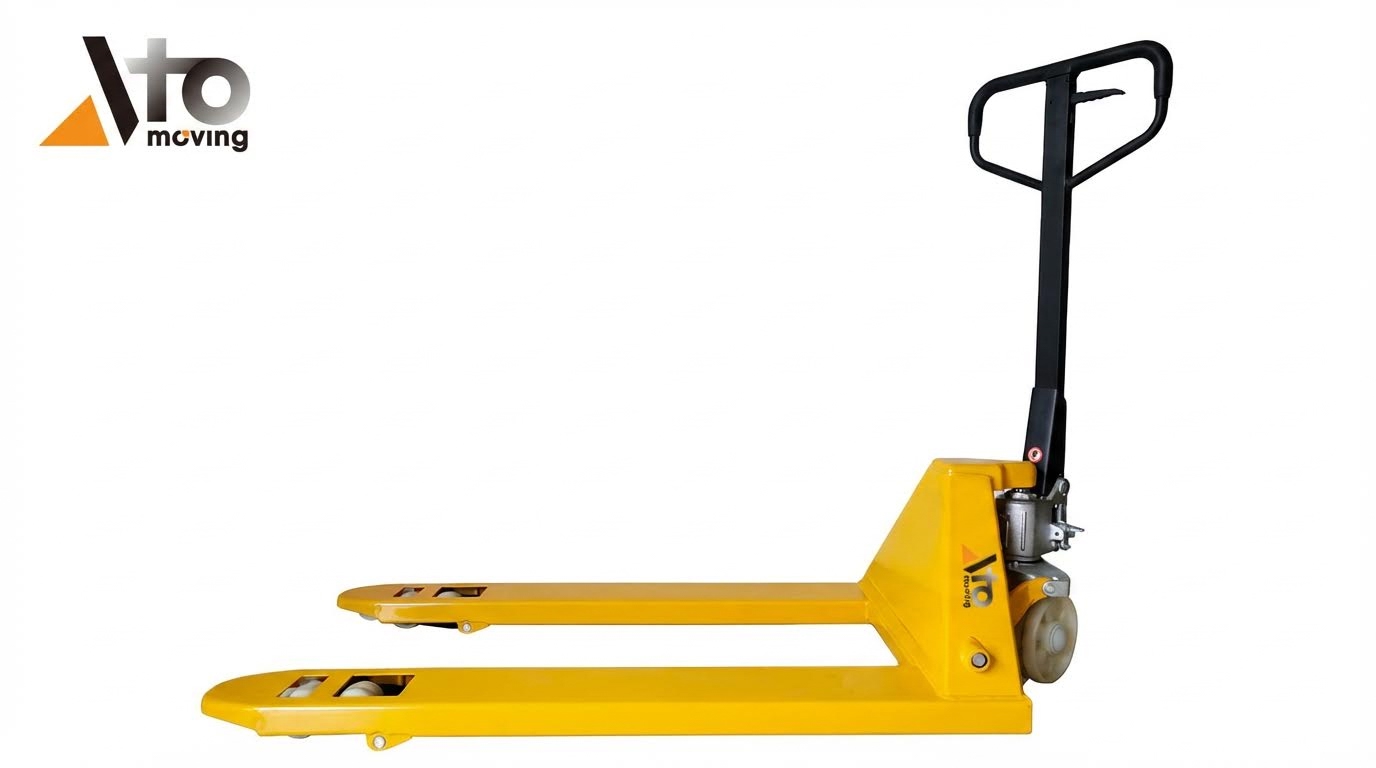
For supervisors and buyers, the most important lesson in how to replace pallet jack wheels is to treat wheels as safety‑critical components, not consumables to run to failure. Worn or damaged wheels increase noise, vibration, friction, and accident risk, and they raise maintenance costs over time. Replacing them with durable wheels that match load, floor, and chemical conditions reduces downtime and injury risk. Build wheel inspection and replacement into your planned maintenance so it is budgeted, predictable, and auditable.
- Standardize a simple inspection checklist for every jack: cuts, flat spots, chunking, bearing play, and noisy rotation. Any wheel with visible damage or rough bearings should be tagged out and replaced.
- Plan to replace load wheels in pairs to keep tracking and loading symmetric, instead of swapping a single wheel and creating uneven wear patterns. Replacing both load wheels together supports smooth, even movement and protects the forks and linkage.
- Specify wheel materials by application, not by price alone. Polyurethane suits quiet, indoor, non‑marking use, while nylon offers higher hardness, lower rolling resistance, and better chemical resistance on smooth floors. Both PU and nylon load wheels typically carry about 600–1000 kg per wheel, depending on width and hub configuration.
- Align procurement with engineering data: keep a register of wheel sizes, bore diameters, hub lengths, and load ratings for each jack model so buyers order correct parts the first time. This reduces emergency purchases and prevents unsafe “close enough” substitutions.
- Embed safe work methods into your SOP for how to replace pallet jack wheels: correct tools, controlled tipping or side‑laying of the jack, proper pin and axle removal, lubrication of moving parts, and post‑replacement functional testing. Testing should confirm smooth rotation, no abnormal noise, and correct lifting and lowering before the jack returns to service.
- From a cost‑of‑ownership view, wheel condition is part of your broader equipment maintenance cost profile. Structured maintenance and timely component replacement support lower overtime, more predictable staffing, and fewer unplanned outages.
When maintenance teams follow a consistent, engineered procedure for how to replace pallet jack wheels and procurement supports them with the right standardized parts, you extend jack life, stabilize operating costs, and improve safety across the fleet.
Key Takeaways For Maintenance And Procurement
Safe, efficient pallet jack operation depends on wheel condition, correct replacement methods, and smart material selection working together. Geometry, load rating, and floor contact define how forces travel through the jack into the ground. When you match wheel size, hub length, and bearing fit to the fork design, you keep loads stable and reduce side loading on pins and axles. This protects the frame and pump over the full lift range.
Good practice links daily inspections with planned wheel changes. Teams should replace damaged wheels before flat spots and seized bearings create shock loads, floor damage, and strain injuries. Replacing load wheels in pairs keeps tracking straight and avoids twisting forces in the forks.
Material choice then tunes the system to the site. Polyurethane favors quiet, non‑marking movement on mixed floors. Nylon favors low rolling resistance and chemical resistance on smooth, hard surfaces. In both cases, you must confirm that combined wheel capacity exceeds the truck rating with margin.
The best approach is clear: treat wheels as safety‑critical parts, standardize procedures and dimensions across your fleet, and support technicians with the right tools, spares, and Atomoving technical data. This reduces downtime, stabilizes costs, and builds a safer warehouse.
Frequently Asked Questions
How to change a pallet jack wheel?
Replacing a pallet jack wheel involves a few key steps. First, ensure the pallet jack is on a stable and level surface. Use a jack to lift the pallet jack off the ground, relieving pressure from the wheel you need to replace. Remove any retaining clips or bolts securing the wheel in place. Slide the old wheel off and replace it with a new one, ensuring it is properly aligned. Finally, reattach any retaining clips or bolts and lower the pallet jack. For more detailed guidance, refer to Pallet Jack Wheel Replacement Guide.
What type of wheels are on a pallet truck?
Pallet trucks typically use three types of wheels, each suited for different environments:
- Nylon Wheels: Best for hard, even floors. They roll easily and are very durable.
- Polyurethane Wheels: Ideal when low noise is required. They make heavy loads slightly harder to pull but offer good floor protection.
- Iron Wheels: Suitable for heavy industrial use where durability is crucial.
For more information on choosing the right wheels, check out this Pallet Truck Wheel Guide.